

Shopping Cart
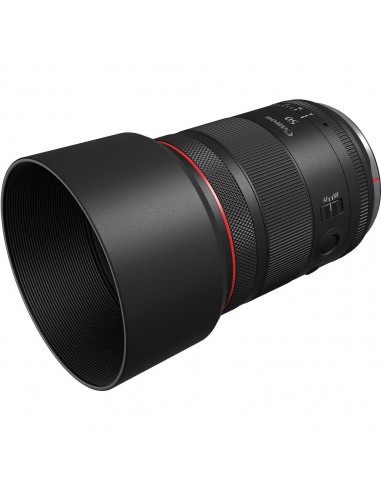
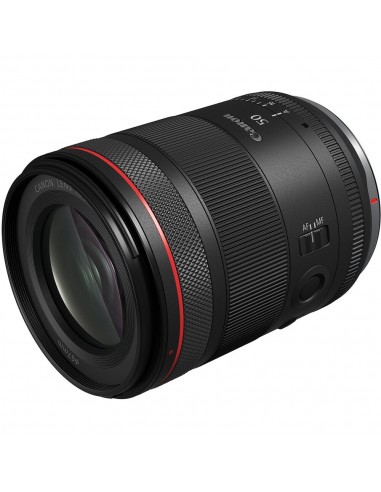
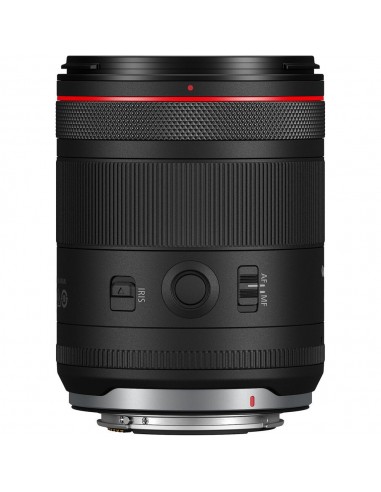
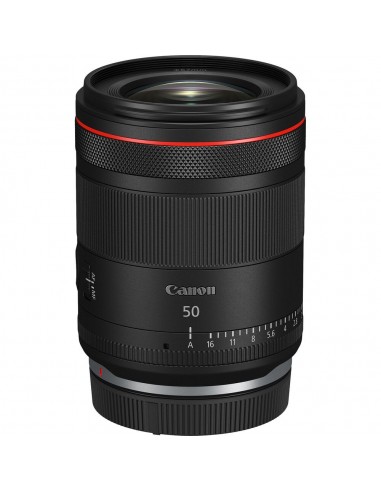
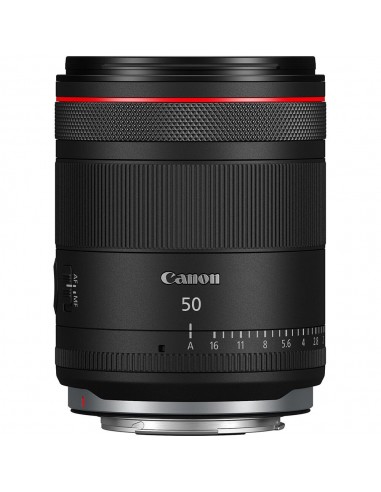
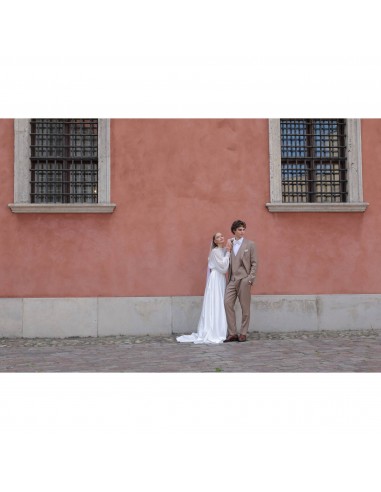

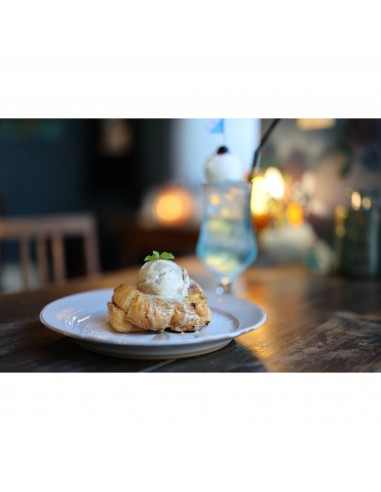
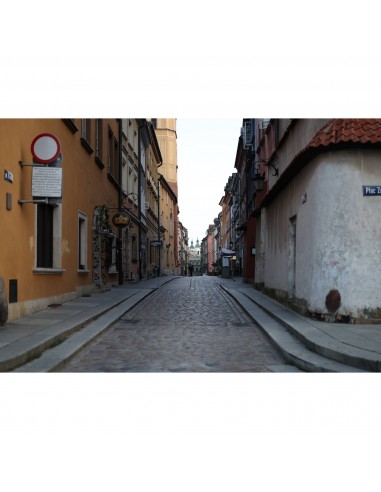


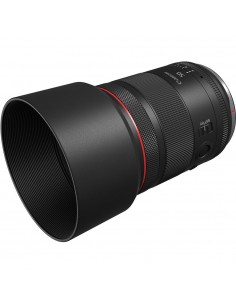
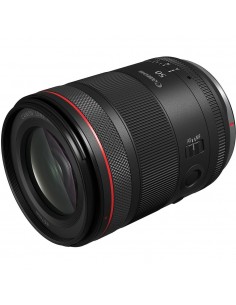
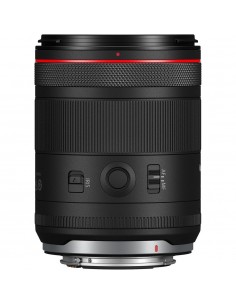
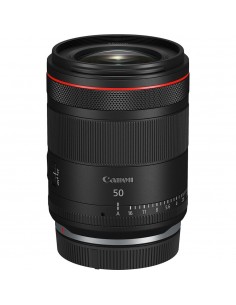
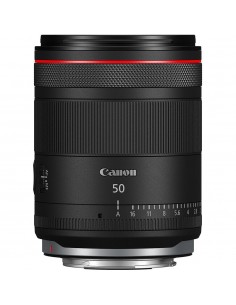
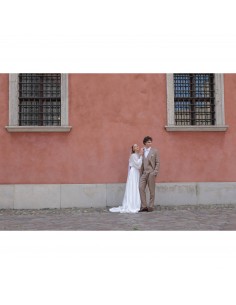


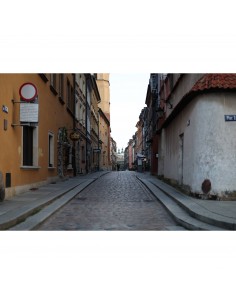

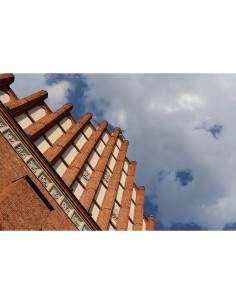




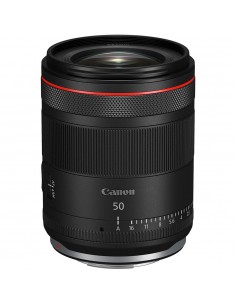

The Canon RF 50mm F1.4L VCM is a bright standard prime for EOS R photographers and filmmakers who want L-series quality in a lens lighter than the RF 50mm F1.2L, and we recommend it for portraits, weddings, reportage and hybrid production. Its f/1.4 aperture helps preserve useful shutter speeds in low light and separates a subject without the bulk of the f/1.2 model. VCM and Nano USM motors provide fast, discreet focusing, while the iris ring, custom button and reduced focus breathing make video work easier. At 580g, it remains practical for a full working day. It is the balanced option among Canon’s RF 50mm primes when image quality, photo-video controls and a generous aperture matter more than minimum size or the very shallowest depth of field.
Combine compatible accessories and save. The more items you add, the bigger the discount.
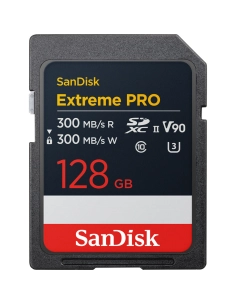
memory card

warranty extension
The Canon RF 50mm F1.4L VCM has a clear role in the EOS R system. This Canon RF 50mm f/1.4 is more ambitious and better equipped than the small RF 50mm F1.8 STM, yet considerably lighter than the RF 50mm F1.2L USM. On full frame, its perspective feels natural for environmental portraits, weddings, documentary work, street photography and video shots that keep the viewer close to the subject. The f/1.4 aperture gathers useful light and produces shallow depth of field without turning the camera into an awkward package. For many EOS R users, that balance is more valuable than chasing the widest possible aperture.
| Feature | Practical benefit | Consideration |
|---|---|---|
| 50mm on full frame | Natural framing without strong wide-angle distortion or telephoto compression | You move to reframe because this is not a zoom |
| F1.4 aperture | Work with available light and create shallow depth of field | Focus placement becomes more critical at close distances |
| VCM + Nano USM | Shift between subjects quickly with discreet operation | Tracking also depends on the camera and AF settings |
| 580g | Gain L-series build without the weight of the RF 50mm F1.2L | Still larger and heavier than the RF 50mm F1.8 STM |
| No optical IS | A simpler design consistent with the VCM prime family | Use a stabilised body or an appropriate shutter speed handheld |
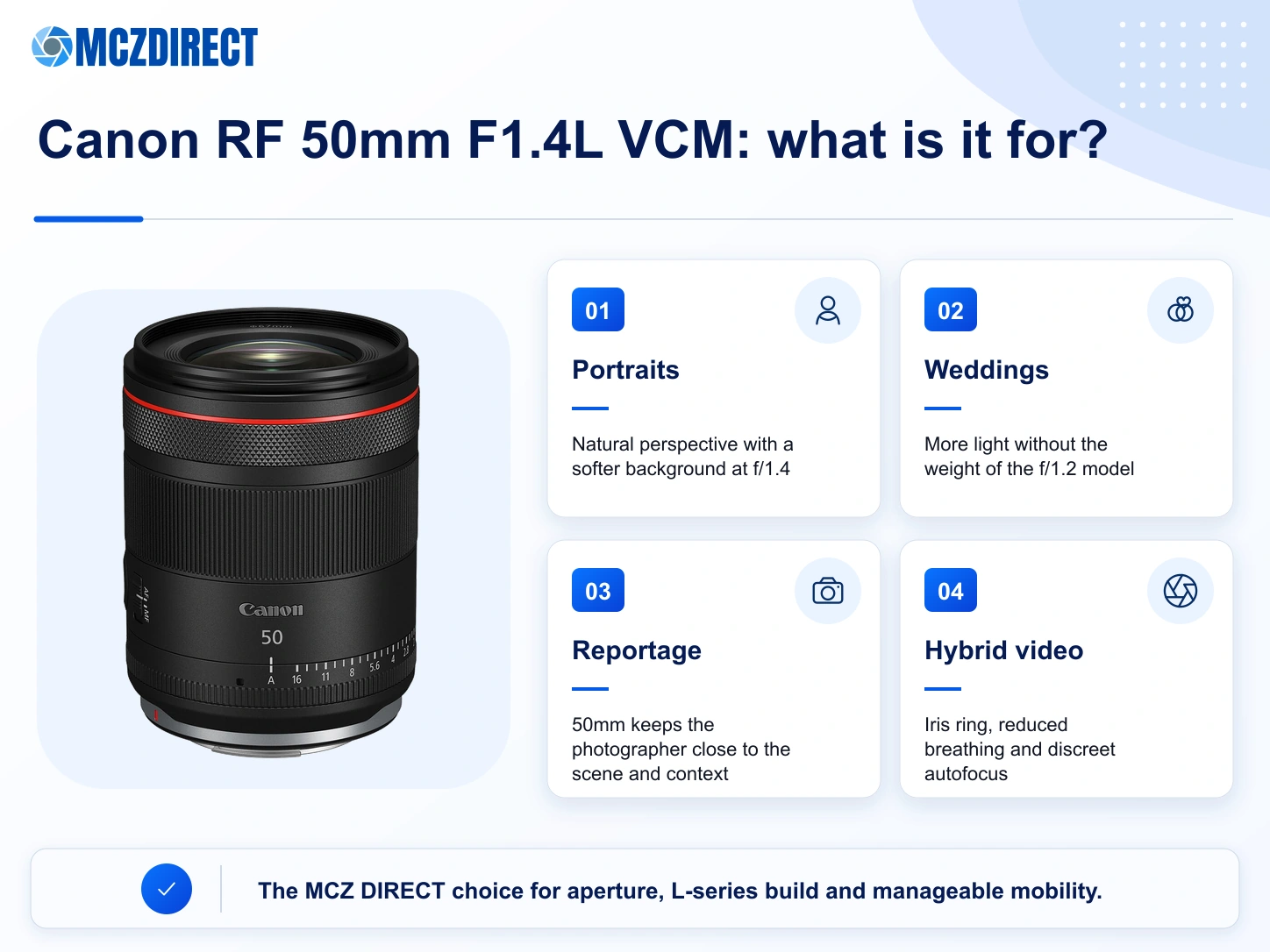
A 50mm prime does not replace a zoom, but it rarely forces an unfamiliar working distance. For portraits, it preserves some context without exaggerating facial features when the camera is not pushed too close. In reportage and street photography, it keeps the photographer involved in the scene while simplifying the background. At a wedding, f/1.4 becomes genuinely useful inside a ceremony room or during the evening, provided focus is placed carefully. For video, the natural perspective suits interviews, detail shots and lifestyle sequences. On an APS-C EOS R body, the field of view is equivalent to roughly 80mm on full frame, turning the lens into a more portrait-focused option.
| Use | What 50mm adds | Plan for |
|---|---|---|
| Portraits and couples | Natural perspective, subject separation and a moderate working distance | An 85mm remains preferable for very tight portraits |
| Weddings and events | F1.4 for available light and discreet autofocus | The fixed focal length requires deliberate positioning |
| Reportage and street | Viewpoint close to the eye and a manageable working kit | Less discreet than the RF 50mm F1.8 STM |
| Video and interviews | Iris ring, reduced breathing and a body size matched to VCM primes | Check iris-ring stills functions on the chosen camera |
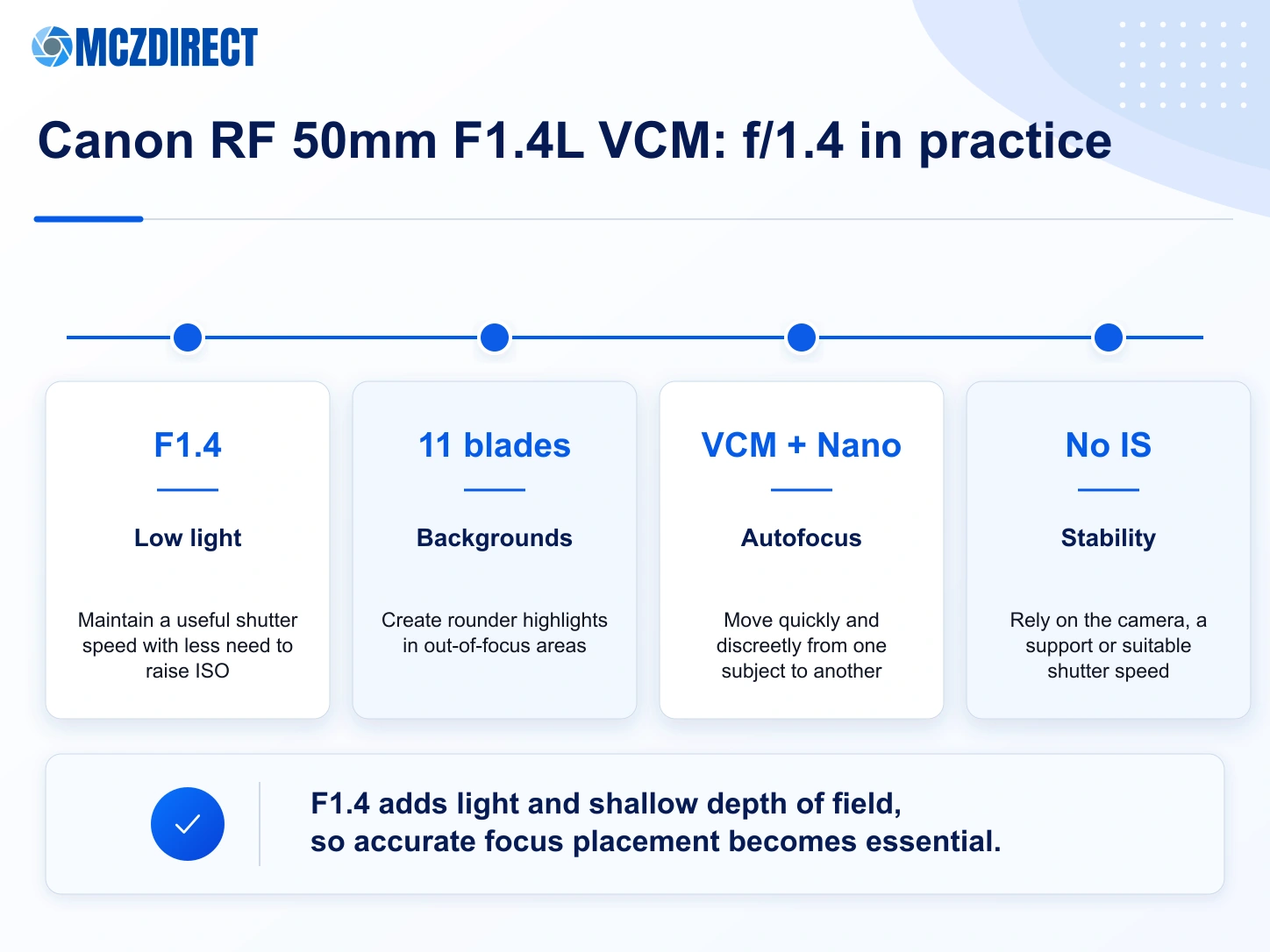
Canon designed this prime family to make switching between stills and video less cumbersome. The RF 50mm F1.4L VCM closely matches the dimensions of the 20mm, 24mm, 35mm and 85mm F1.4 L VCM lenses, reducing the amount of rebalancing needed on a gimbal. Its iris ring provides fine aperture steps for video, while reduced focus breathing keeps framing more consistent during a focus pull. Camera compatibility still needs attention. Canon states that iris-ring aperture control is unavailable for stills on several earlier EOS R bodies even with current firmware. The lens also has no optical stabiliser, so body stabilisation or a support is valuable for handheld video and slower shutter speeds.
| Lens | Choose it when | Main compromise |
|---|---|---|
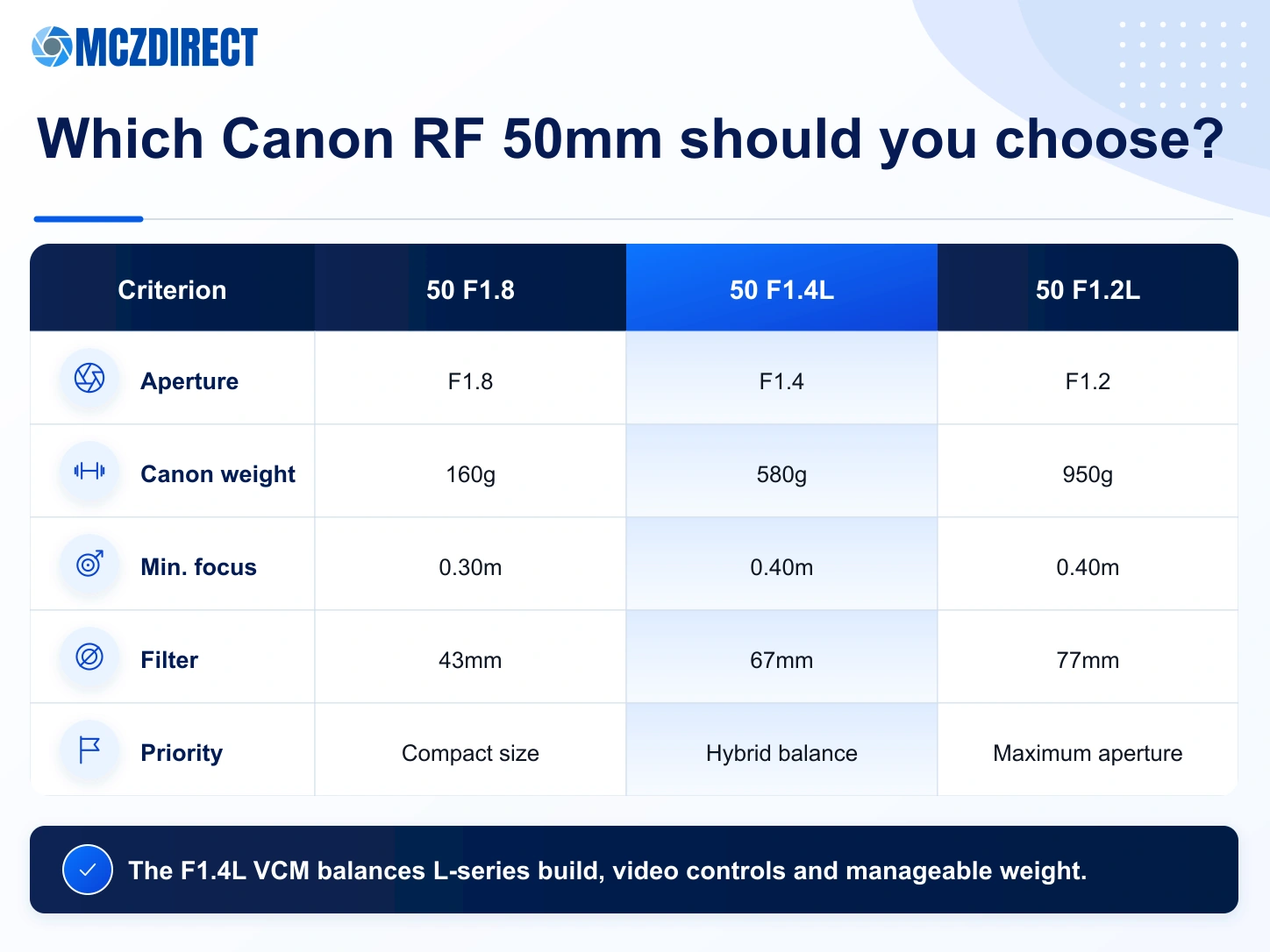
| RF 50mm F1.8 STM | Budget, 160g weight and discretion come first | Simpler build and controls, f/1.8 maximum aperture |
| RF 50mm F1.4L VCM | You want the L-series balance of light, AF, video features and 580g | No optical IS and larger than the F1.8 |
| RF 50mm F1.2L USM | F1.2 rendering and the shallowest depth of field take priority | 950g, 77mm filters and a substantially larger body |
The RF mount works across the Canon EOS R range. An EOS R8 creates a light full-frame kit, but neither camera nor lens provides stabilisation. The EOS R6 Mark III is a more complete hybrid-reportage partner, while the EOS R5 Mark II makes strong use of a demanding prime and, according to Canon, supports the iris ring for stills. To extend the set, the RF 20mm F1.4 L VCM covers very wide scenes and the RF 85mm F1.4 L VCM concentrates on portrait work. Browse the active Canon RF lenses to compare other focal lengths.
At MCZ DIRECT, we see the RF 50mm F1.4L VCM as the choice for an EOS R photographer or filmmaker who wants a dependable all-purpose working prime, rather than merely a compromise between f/1.8 and f/1.2. Its appeal is the balance of f/1.4, L-series construction, modern autofocus, video controls and manageable weight.
Against the RF 50mm F1.8 STM, we recommend it when build quality, autofocus, background rendering and video handling justify a larger kit. Against the RF 50mm F1.2L, we favour it when 580g and hybrid controls matter more than the final third of a stop. Its limitations are equally clear: there is no optical stabilisation, it is not as discreet as the F1.8, and iris-ring stills operation depends on the camera body.

It is for EOS R photographers and filmmakers who want a bright standard prime for portraits, weddings, reportage, street photography and video.
Yes. On full frame, it suits environmental portraits, couples and half-length framing. For a very tight headshot, an 85mm usually provides a more flattering working distance.
Yes. It can preserve a faster shutter speed or lower ISO than a smaller aperture, while also producing shallower depth of field.
Yes. It combines VCM and Nano USM, reduced focus breathing, a dedicated iris ring, a custom button and dimensions that closely match Canon’s other VCM primes.
It controls aperture for video, but stills operation depends on the camera. Several earlier EOS R bodies cannot set stills aperture with this ring.
No. There is no optical stabiliser in the lens. A camera with in-body stabilisation or an appropriate shutter speed helps reduce camera shake.
The two technologies move focusing groups quickly and discreetly. Tracking performance also depends on the camera, subject and autofocus settings.
Choose the F1.4L VCM for its 580g weight, hybrid controls and smaller body. The F1.2L prioritises the widest aperture and shallowest depth of field, but weighs 950g.
The F1.8 STM prioritises price, compactness and a 160g weight. The F1.4L VCM adds L-series construction, more advanced autofocus, extra controls and a brighter aperture.
Yes, if a fixed focal length and 580g weight suit your approach. It gives natural framing and strong low-light ability, while the RF 50mm F1.8 STM remains more discreet.
On an APS-C EOS R camera, its field of view is approximately equivalent to 80mm on full frame, making it particularly useful for portraits.
Minimum focus is 0.40m with maximum 0.15x magnification. The front thread accepts 67mm filters.
