Shopping Cart
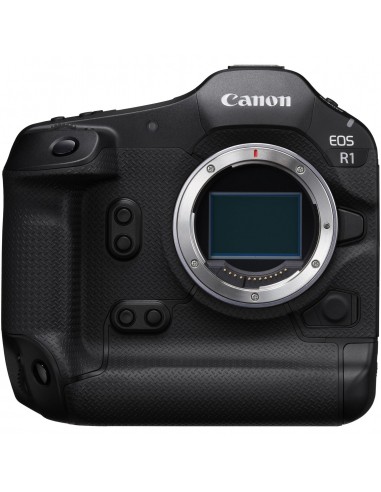
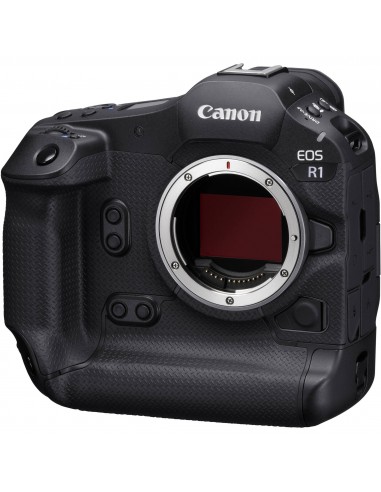
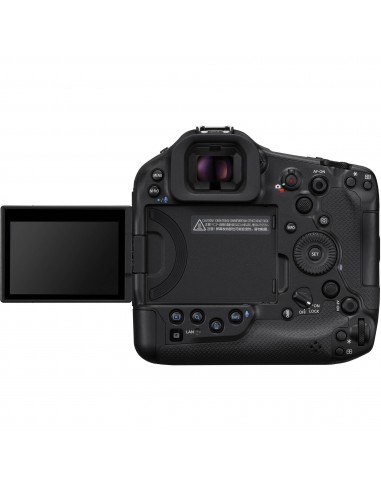
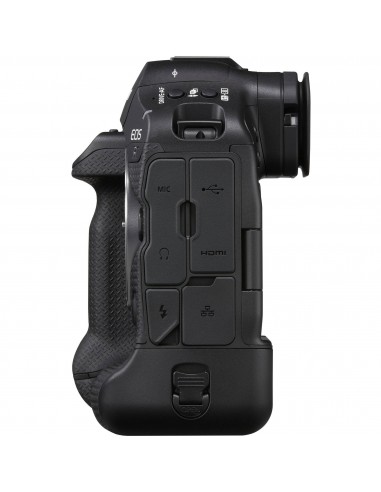
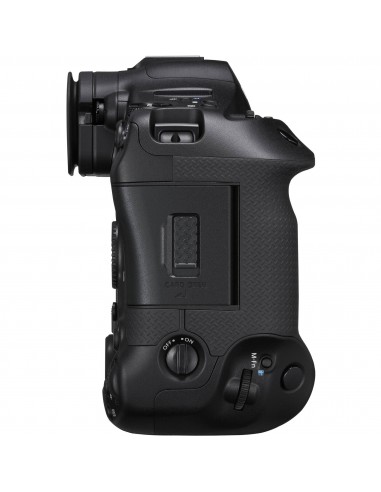
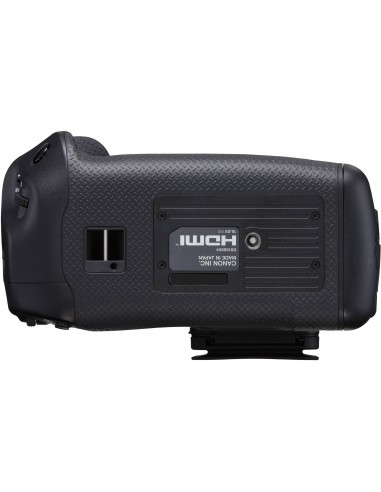
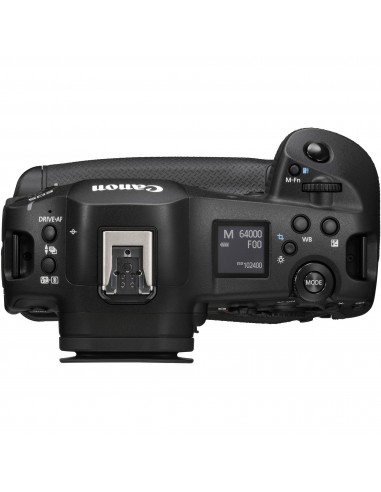
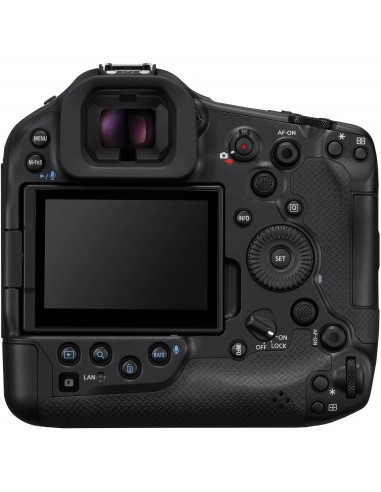
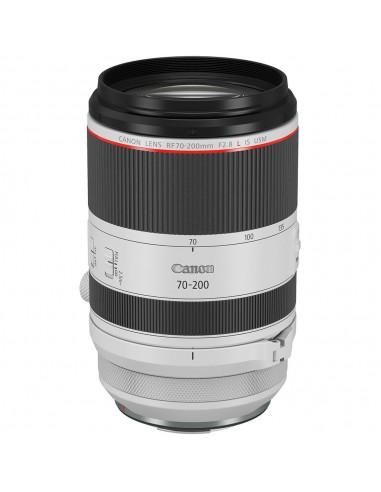
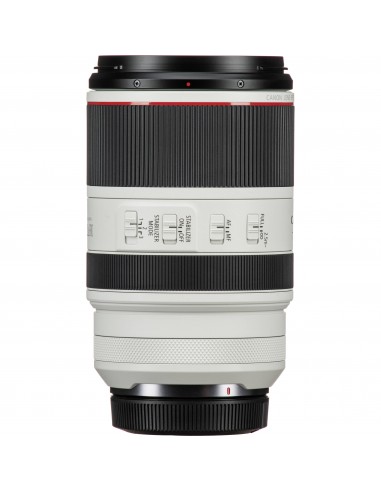
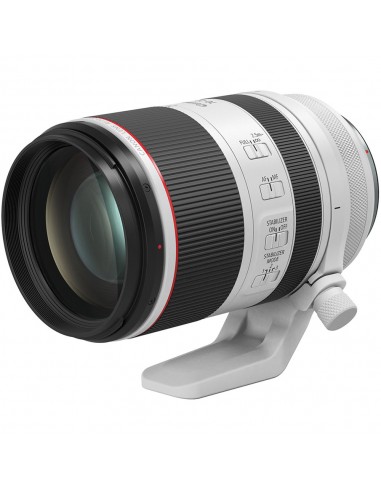
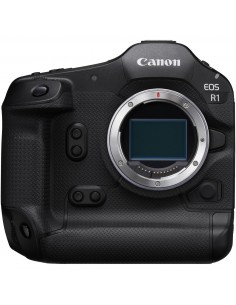
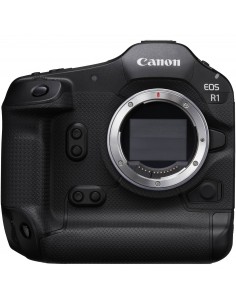
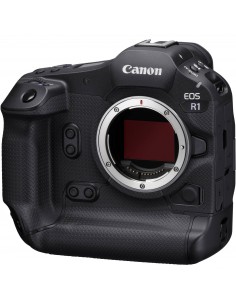
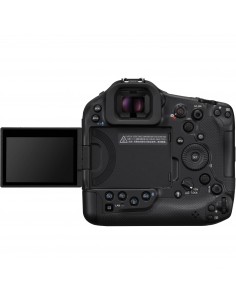
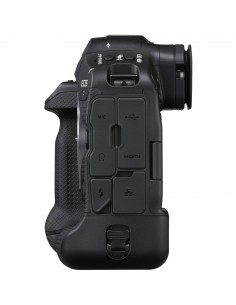
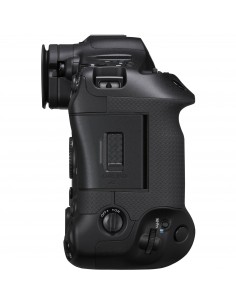
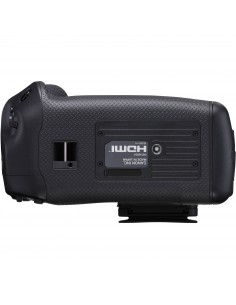
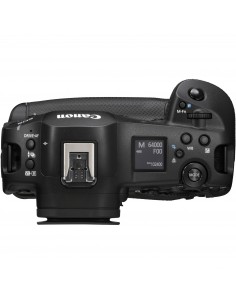
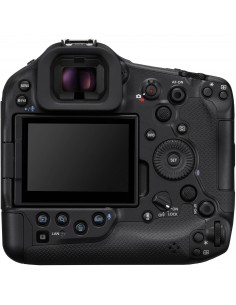
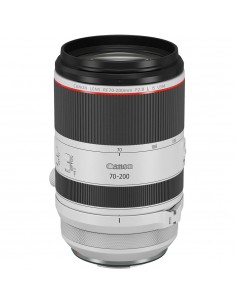
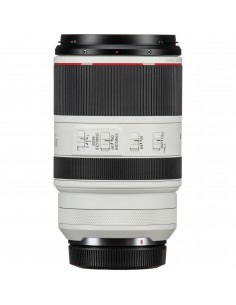
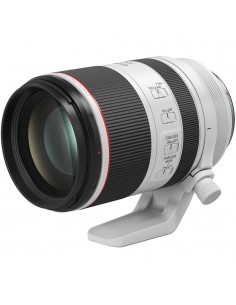


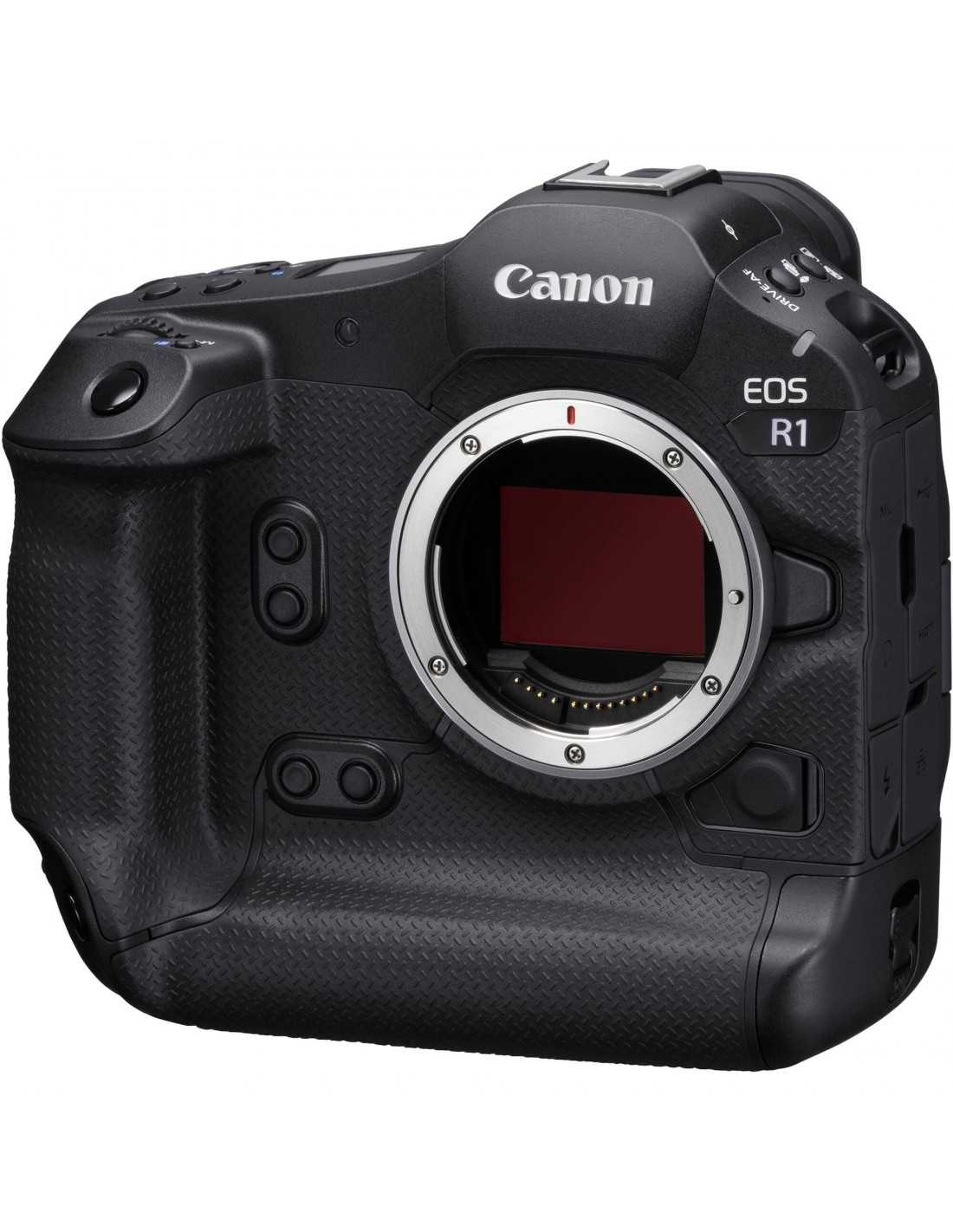

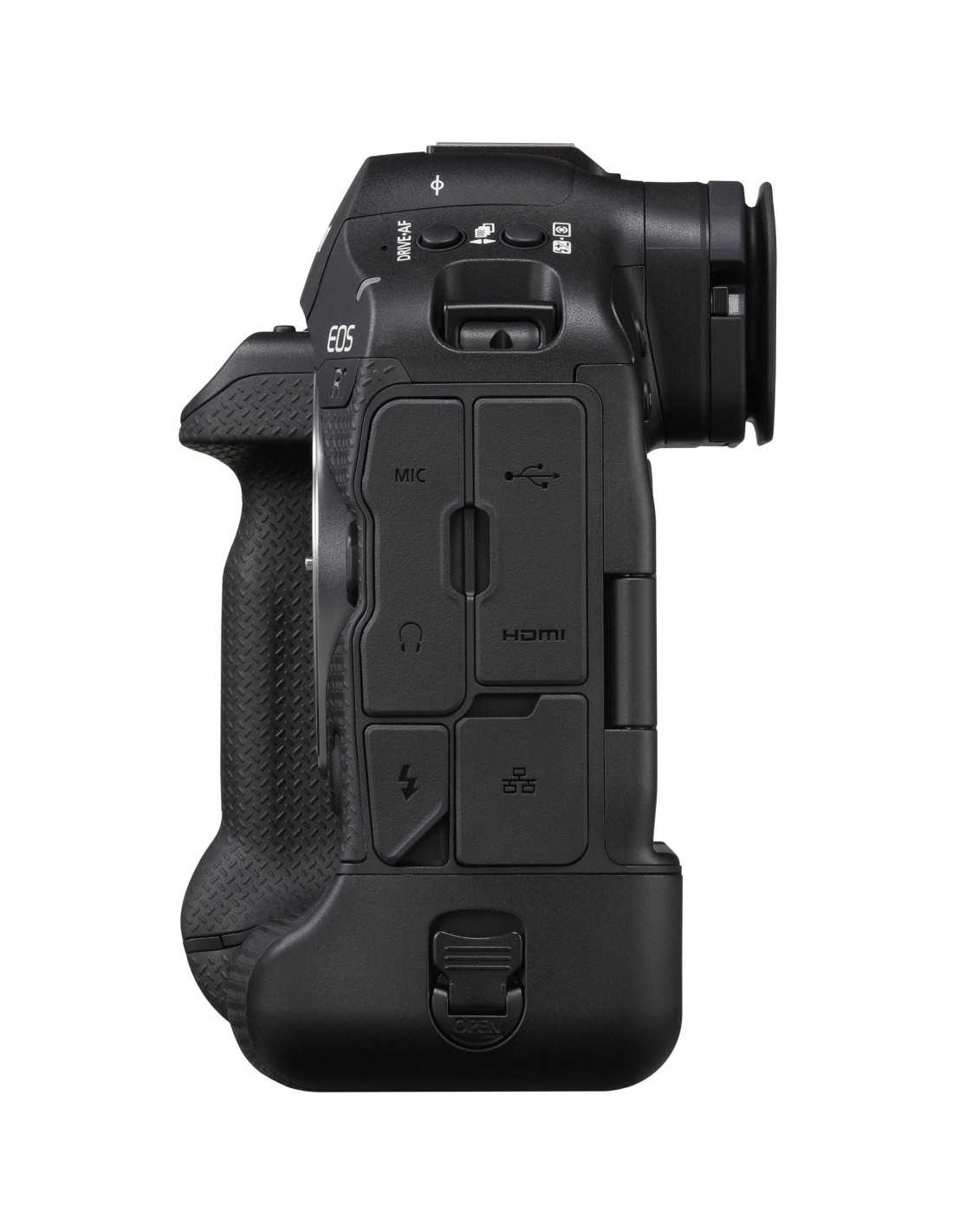
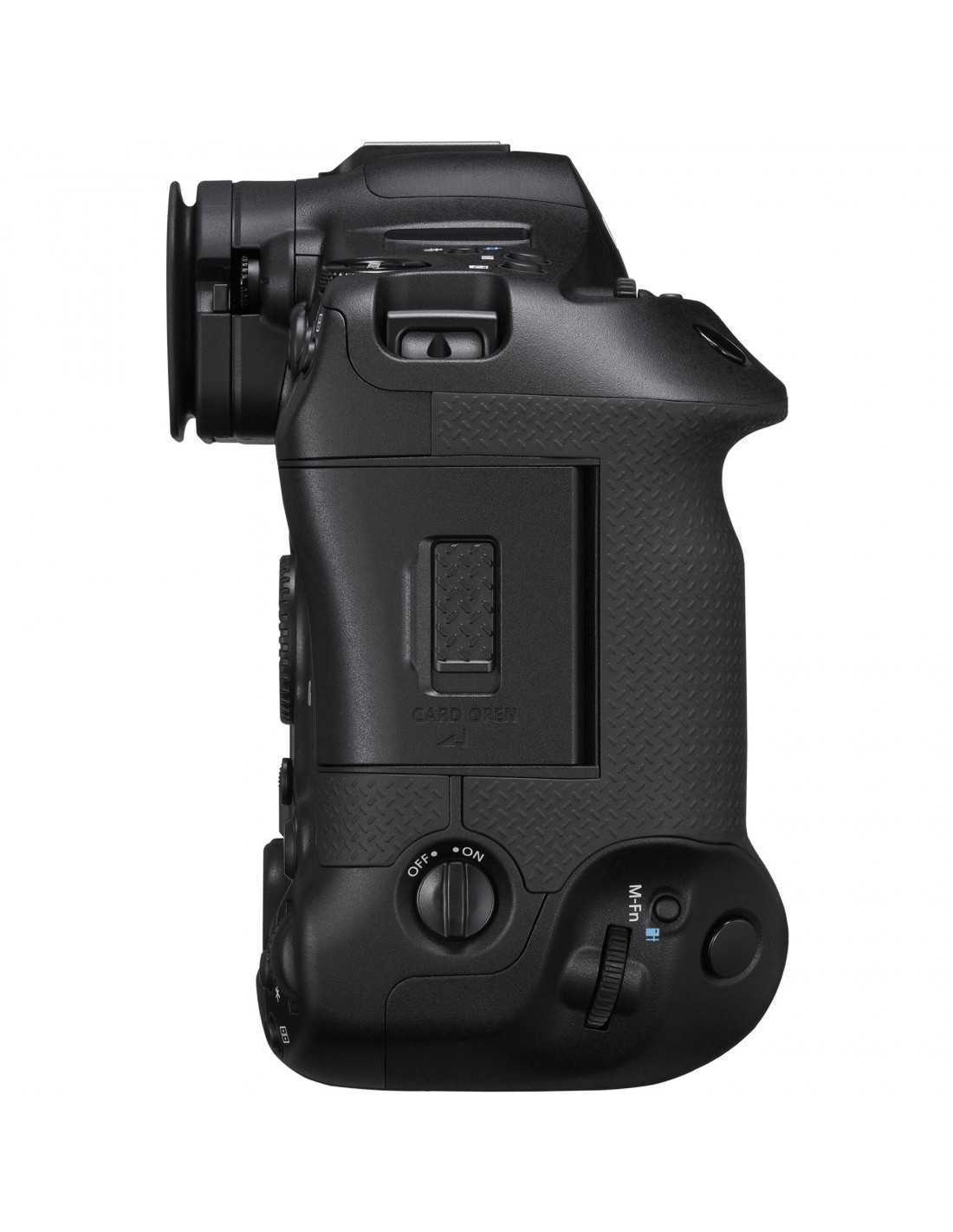

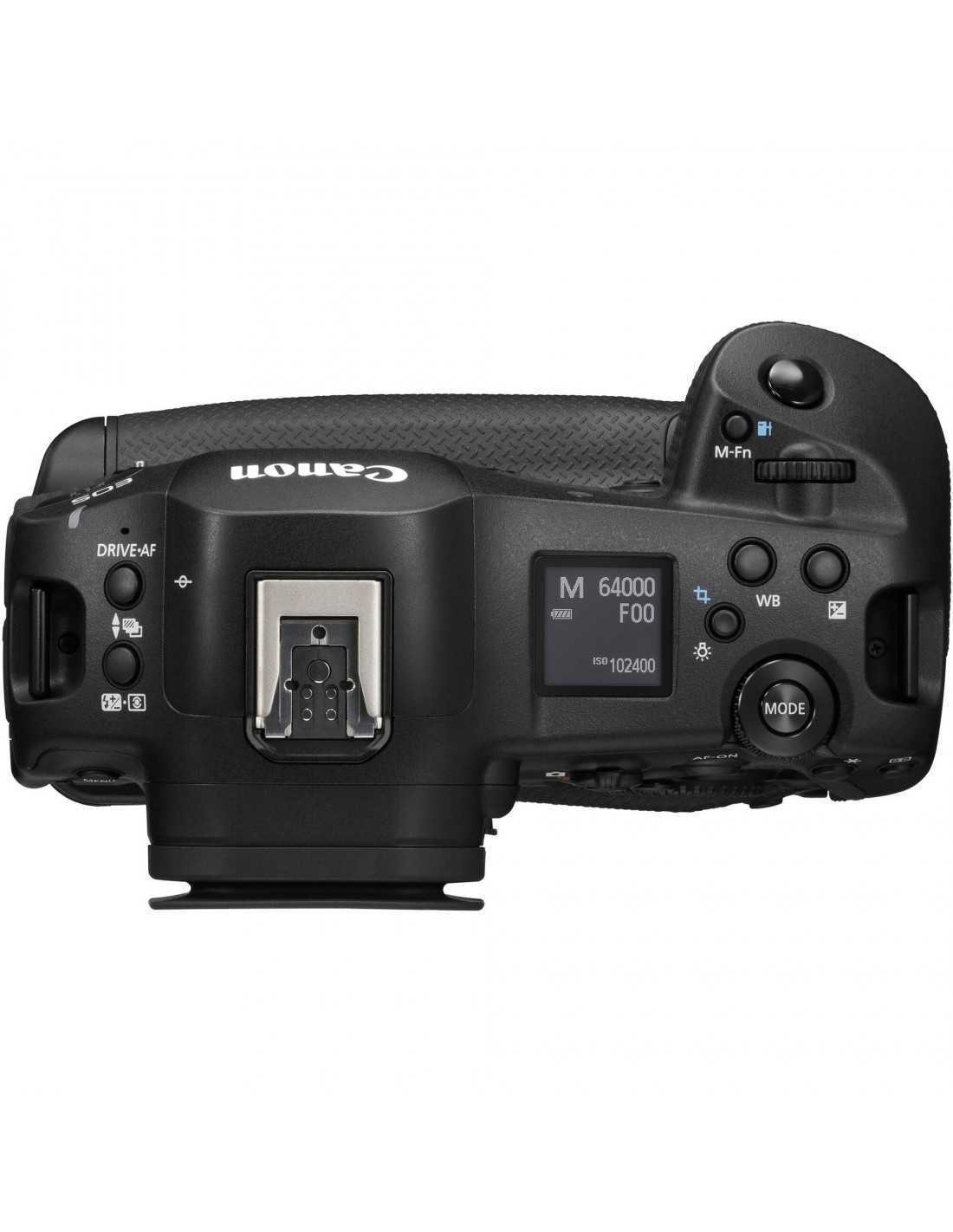
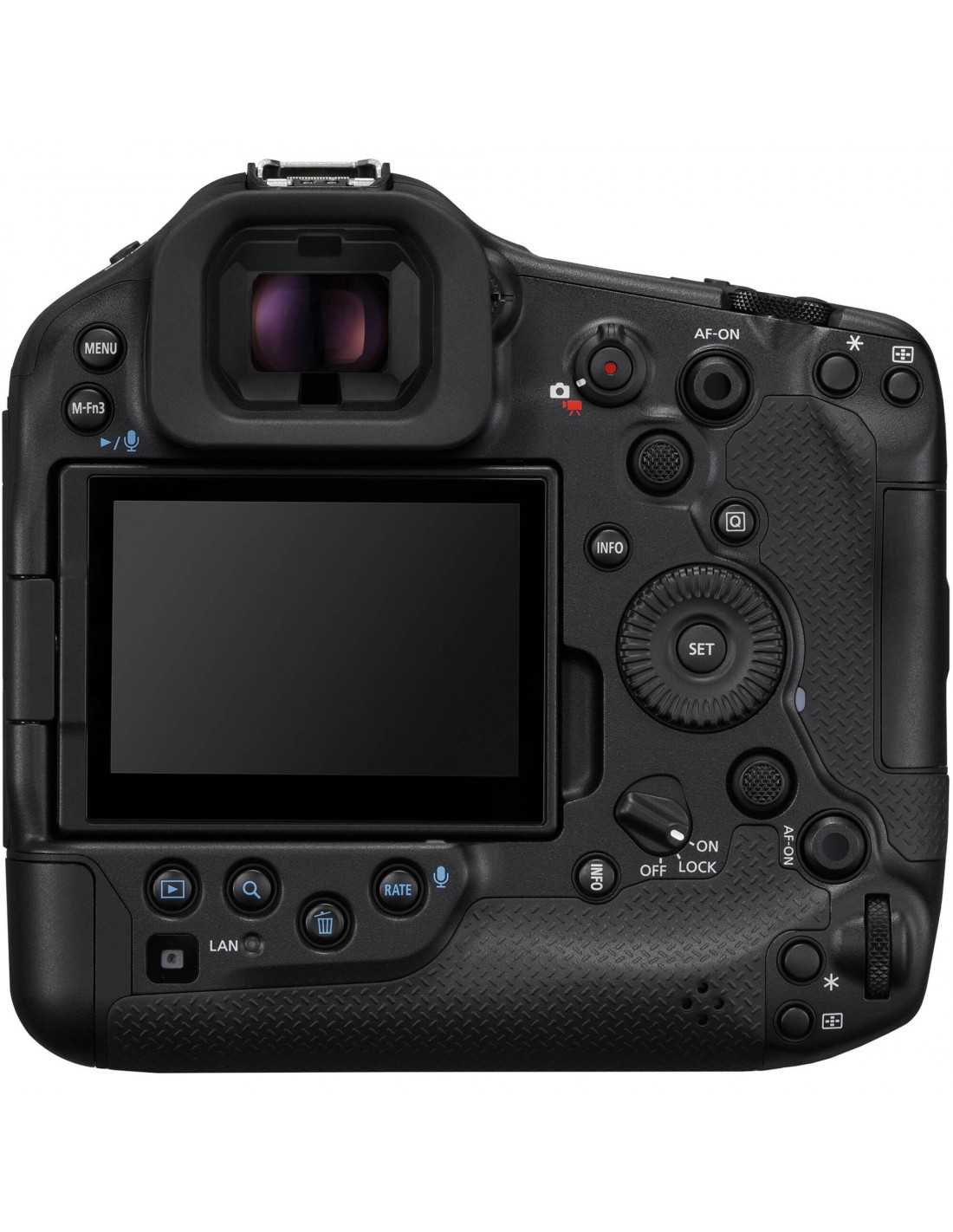

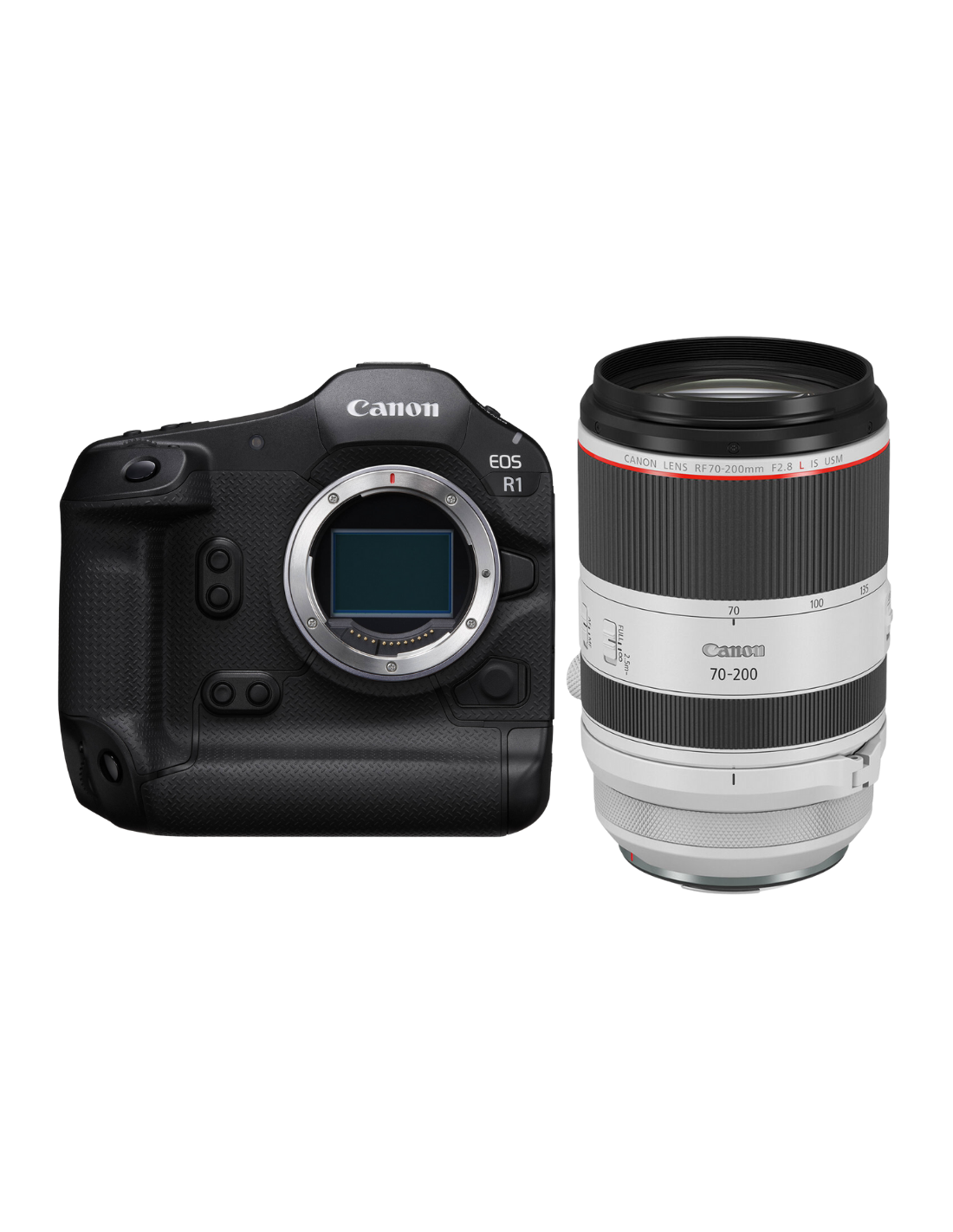



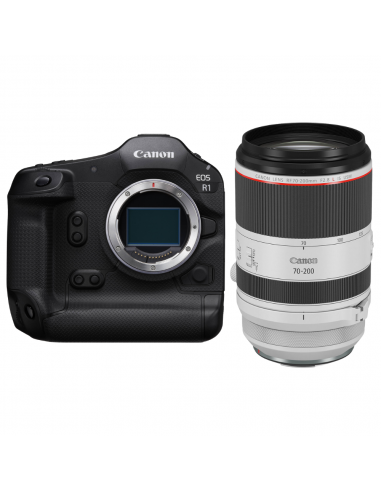
The Canon EOS R1 with RF 70-200mm F2.8 L IS USM is a professional full-frame kit recommended for sports, wildlife, wedding and event photographers who need to follow subjects from a distance in difficult light. The EOS R1 combines subject-recognition autofocus with electronic shooting at up to 40 fps, while the telephoto zoom keeps its F2.8 aperture from 70 to 200mm. It therefore lets you frame action, isolate a portrait or work indoors without repeatedly changing lenses. Optical stabilisation helps reduce blur caused by camera movement. The supplied tripod collar also helps balance the lens securely on a monopod or tripod during longer sessions. This pairing makes particular sense when responsive handling, reach and low-light capability matter more than carrying the lightest possible kit.
Combine compatible accessories and save. The more items you add, the bigger the discount.
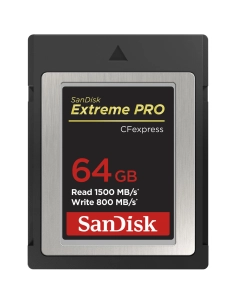
Accessory
Accessory
Accessory

warranty extension
This pairing combines a camera designed for speed with a bright telephoto zoom covering the focal lengths most often used for sport, events and portraits. It is intended for photographers who need to stay mobile, keep the subject in the viewfinder and alter framing quickly without interrupting a sequence.
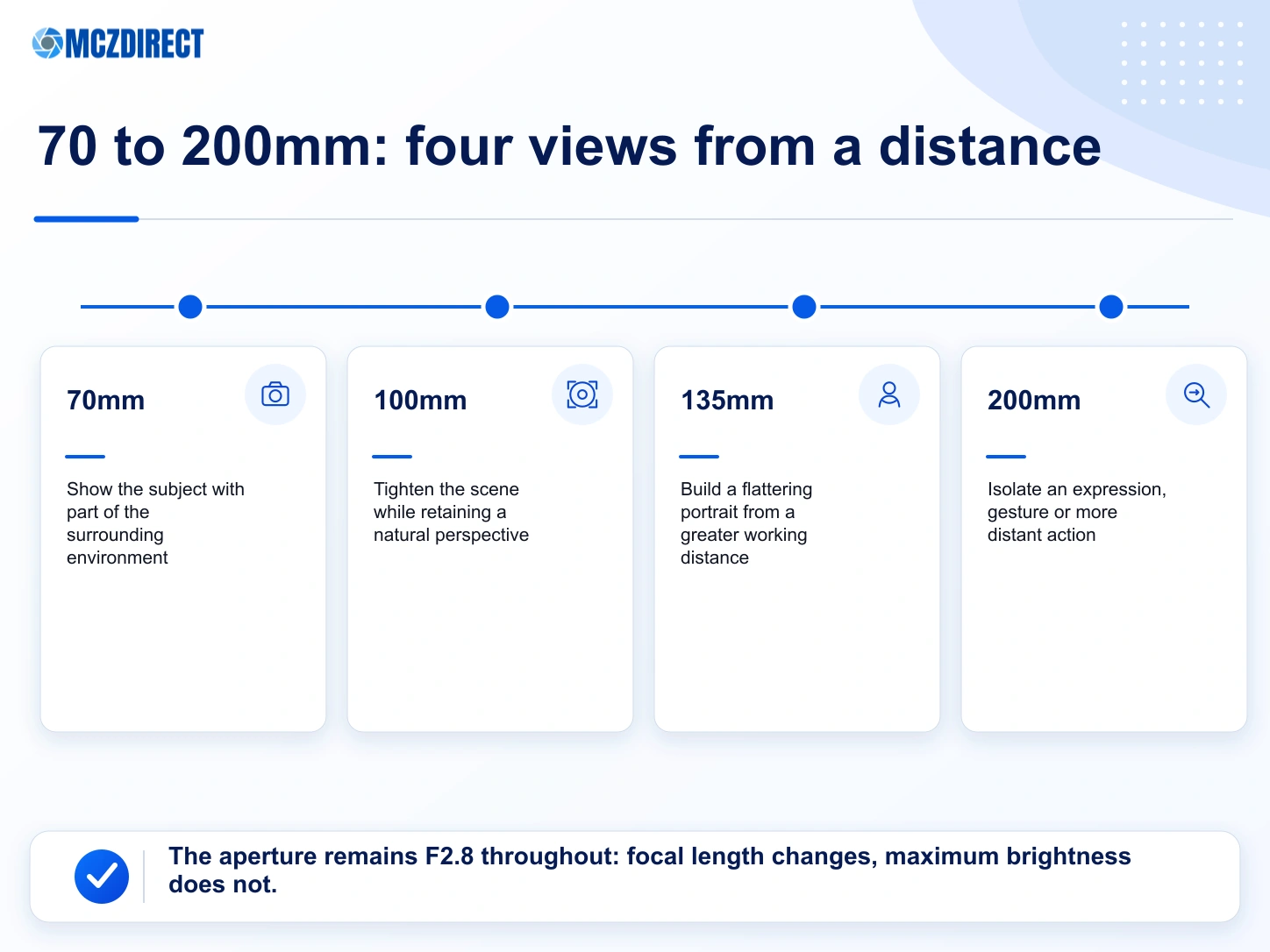
At 70mm the scene retains some context, 100mm tightens the view, 135mm works naturally for portraits and 200mm brings a more distant action closer. F2.8 remains available throughout, making this Canon EOS R1 70-200mm F2.8 kit especially useful indoors, after dark or whenever a softer background matters.
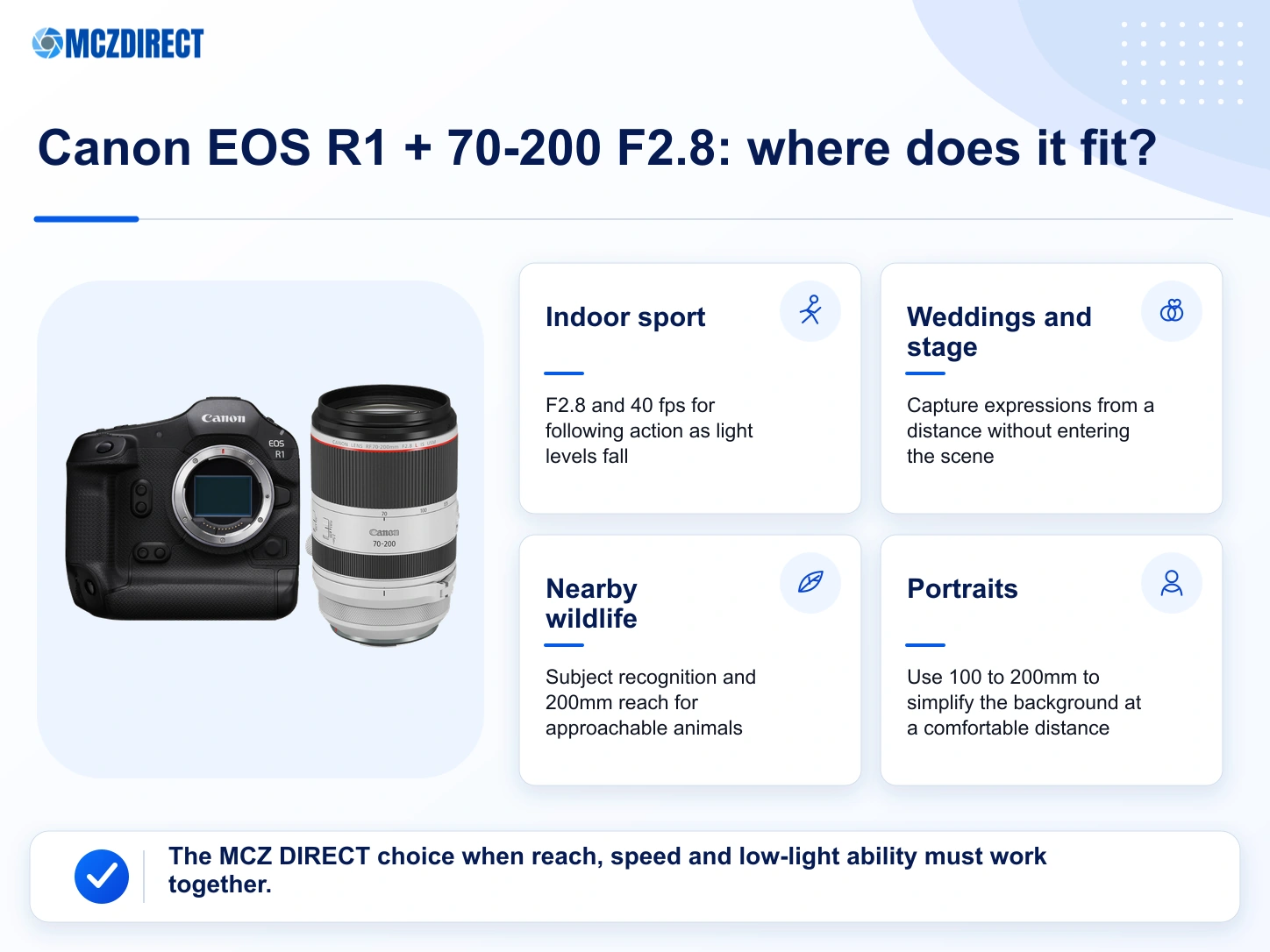
The EOS R1 contributes a 24.2 MP stacked full-frame sensor, electronic shooting at up to 40 fps and autofocus able to recognise several subject categories. The RF 70-200mm F2.8 adds reach, 5-stop optical stabilisation and a constant aperture. The body follows the moment; the lens controls working distance and how much space the subject occupies in the frame.
If you already own this telephoto zoom or an equivalent RF lens, the Canon EOS R1 body avoids buying a duplicate. This kit is the more logical option when a 70-200mm lens will be your main tool from the first assignment.
At 70mm you can include a person’s surroundings or follow action that is fairly close. Around 100 to 135mm the perspective becomes tighter and flattering for portraits. At 200mm the frame isolates a face, gesture or athlete placed farther across the venue.
That flexibility is valuable when moving forward is impossible: at the edge of a pitch, during a ceremony, at a concert, in a conference hall or near an animal that should not be approached. It does not replace a 400mm or 600mm lens for very distant subjects, or a standard zoom when an entire room must fit in the frame.
| Component | Practical benefit | Relevant situation |
|---|---|---|
| 24.2 MP stacked sensor | Balances fast readout, detail and manageable files. | Press, sport, events and hybrid production. |
| Up to 40 fps | Provides more positions during a very brief action. | Sport, wildlife, stage and ceremonies. |
| 70-200mm zoom | Changes framing without moving forward or changing lenses. | Touchline, stage, wedding and portrait work. |
| Constant F2.8 aperture | Maintains brightness and background control throughout the range. | Indoor work, evening events, portraits and low light. |
| 5-stop stabilisation | Reduces camera shake with a relatively still subject. | Posed portraits, details and carefully held video. |
The Canon EOS R1 with RF 70-200mm F2.8 is particularly well suited to indoor sport, touchline work and wildlife at moderate distances. Forty frames per second is useful at the decisive point of a jump, challenge or take-off. It is best used in short bursts because sustained high-speed shooting quickly creates more files to review.
Recognition of people, animals and several vehicles helps establish focus, while blackout-free viewing makes movement easier to follow. For birds or action much farther away, the EOS R1 with RF 100-500mm L IS USM offers more suitable reach, with a slower maximum aperture.
In a ceremony, theatre or reception room, F2.8 helps retain a useful shutter speed without raising ISO unnecessarily. At 70 or 100mm, the image can still describe the setting. At 135 or 200mm, it isolates an expression without entering the subject’s space.
Optical stabilisation compensates for the photographer’s movement, not the subject’s. It helps with a posed portrait or stage detail, but a dancer or athlete still requires a shutter speed matched to their motion.
A 70-200mm zoom provides several portrait looks in one lens. Shorter focal lengths suit environmental portraits; longer settings compress perspective and simplify the background. At F2.8, the subject separates more readily when the location is visually busy.
A 0.70m minimum focusing distance and 0.23x maximum magnification also cover details, textures and accessories. It is not a macro lens, but the close-focus ability prevents an unnecessary lens change for many supporting images.
| Configuration | Best suited to | Point to consider |
|---|---|---|
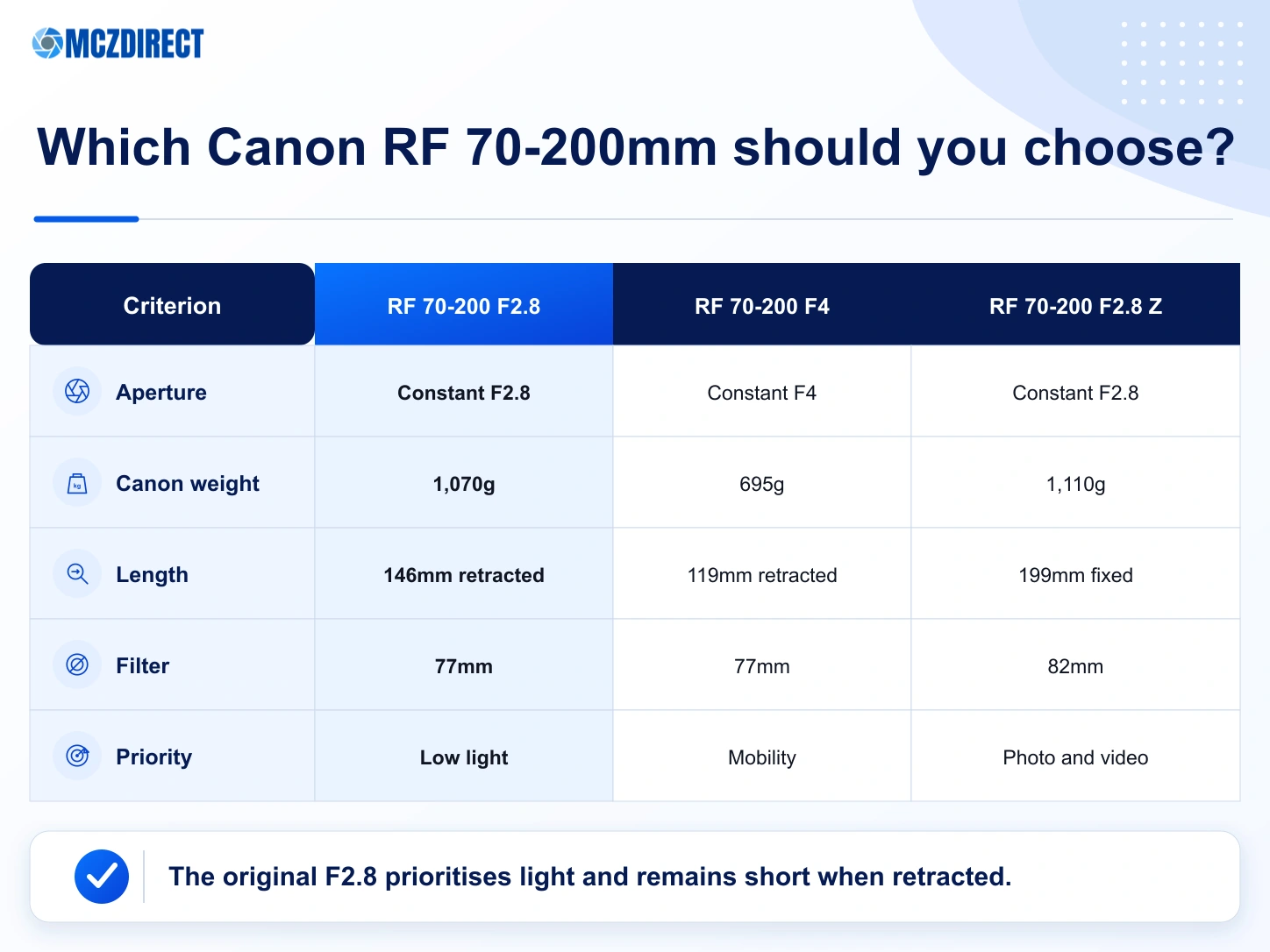
| RF 70-200mm F2.8 L IS USM | Indoor sport, weddings, stage, portraits and low light. | 1,070g without collar and variable length. |
| RF 70-200mm F4 L IS USM | Travel, outdoor reporting and long working days. | One stop slower. |
| RF 70-200mm F2.8 L IS USM Z | Hybrid production, supported zoom work and RF extenders. | Longer when packed and uses 82mm filters. |
Dual Pixel Intelligent AF covers the frame and provides 1,053 automatic AF areas. This figure describes selectable positions, not 1,053 physical focus points. Subject recognition, Action Priority for selected sports and the 9.44-million-dot electronic viewfinder help keep a moving subject in view.
Pre-continuous shooting can retain images captured immediately before the shutter is fully pressed. It is valuable when a gesture is difficult to predict, but it does not replace an appropriate AF area or an understanding of the subject’s movement.
An F2.8 aperture admits twice as much light as F4. In the same conditions you can therefore maintain a faster shutter speed or use a lower ISO setting. The difference is most apparent for indoor sport, stage work, weddings and late-day assignments.
The 5-stop optical stabiliser reduces blur caused by your own movement. It helps with a still subject, but it cannot freeze a runner. For fast action, F2.8 and an appropriate ISO remain more important.
The EOS R1 records internal RAW up to 6K 60p and 4K up to 120p, depending on the selected mode. The 70-200mm range suits distant interviews, stage details, sport and shots that need strong subject separation. Dual Nano USM provides fast, quiet focusing.
The lens extends while zooming and the complete pairing weighs more than two kilograms. It is straightforward on a monopod, tripod or video head; on a motorised gimbal, the shifting balance requires more preparation.
| Assignment | Useful setting or focal length | What to plan for |
|---|---|---|
| Indoor sport | F2.8, 135-200mm and short bursts. | A suitable shutter speed and file volume. |
| Nearby wildlife | Animal recognition and 200mm. | Limited reach for very distant subjects. |
| Weddings and events | 70-135mm for context, 200mm for expressions. | Weight over a full day. |
| Portraits | 100-200mm and F2.8. | Available working distance and focus accuracy. |
| Video | Nano USM, stabilisation and suitable support. | The lens extends during zooming. |
The RF 70-200mm F2.8 L IS USM uses 17 elements in 13 groups, including UD, Super UD and aspherical elements. Its nine-blade diaphragm supports smooth out-of-focus areas, while the 77mm filter thread remains convenient in a professional kit.
The stated 146mm length applies when the lens is retracted at 70mm. It extends as it zooms, which makes packing easier but changes balance in use. The supplied tripod collar distributes the weight more effectively on a support.
The EOS R1 with RF 70-200mm F4 L IS USM is substantially lighter and smaller. It makes more sense for travel, outdoor reporting and long days when F2.8 is not essential.
The EOS R1 with RF 70-200mm F2.8 L IS USM Z in black maintains a fixed length, adds an iris ring and supports RF extenders. It is aimed more directly at demanding hybrid production. The lens on this page is shorter when packed and retains a 77mm filter thread.
The EOS R1 weighs about 1,115g with battery and card, and the lens adds 1,070g without its tripod collar. The pairing therefore reaches roughly 2.19kg before accessories. A suitable strap, monopod or two-camera rotation is welcome over several hours.
Both card slots use CFexpress Type B media. Long bursts, 6K RAW and high-frame-rate 4K require fast cards, a reader and a storage plan able to handle the volume.
The Canon RF 70-200mm F2.8 L IS USM lens page is the appropriate choice when you only need the lens. To compare current bundles based on the same camera, browse the Canon EOS R1 category.
At MCZ DIRECT, we position this configuration between the easier-to-carry F4 and the more video-oriented F2.8 Z. It is primarily for photographers who want a bright telephoto zoom that packs relatively short and is ready to follow subjects at working distance.
At MCZ DIRECT, we see this as the most coherent EOS R1 kit for indoor sports, wedding, stage and event photographers who regularly work between 70 and 200mm. We recommend it less readily for photographers mainly covering very distant birds, travelling as lightly as possible or producing video that requires a fixed-length zoom.
Compared with the F4, this F2.8 earns its additional weight when light levels fall or stronger background separation matters. Compared with the F2.8 Z, it is shorter when retracted and uses 77mm filters, but it lacks the fixed length and iris ring. Its most tangible limitation is the approximately 2.19kg combined weight, not its ability to follow action.
Choose the Canon EOS R1 with RF 70-200mm F2.8 L IS USM if you need a fast, bright professional kit for following subjects at a distance in sport, events and portrait work.

It is primarily for professional sports, moderate-distance wildlife, wedding, stage, event and portrait photographers.
The body provides speed and subject tracking, while the lens adds reach and a constant F2.8 aperture for difficult light.
Yes. The 70-200mm range, F2.8 aperture, up to 40 fps and subject recognition suit action photographed near the edge of the playing area.
It suits nearby animals or larger subjects. Birds and very distant wildlife usually benefit from a 100-500mm, 400mm or 600mm lens.
Yes. It covers ceremonies and expressions from a respectful distance, while F2.8 helps indoors and separates the subject from the background.
The F2.8 admits twice as much light and produces a softer background more easily. The F4 is considerably lighter and smaller.
The Z version keeps a fixed length, adds an iris ring and supports RF extenders. This version is shorter when retracted and uses 77mm filters.
The camera with battery and card plus the lens without its collar weigh about 2.19kg. Accessories and the tripod collar add more.
No. It mainly reduces camera movement. A runner, animal or dancer still requires an appropriate shutter speed.
It focuses from 0.70m throughout the range and reaches 0.23x maximum magnification at 200mm.
Yes for sport, distant interviews and tight shots. The kit is heavy, however, and the lens extends while zooming.
It has two CFexpress Type B slots. Long bursts and demanding video modes require sufficiently fast cards and appropriate storage.