Shopping Cart


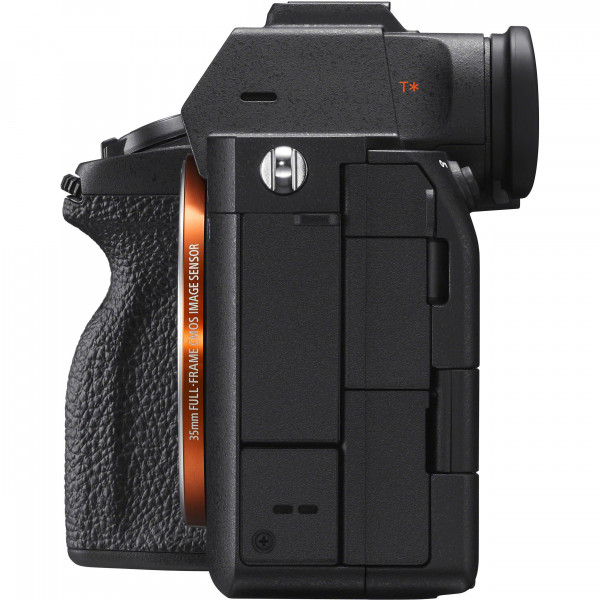
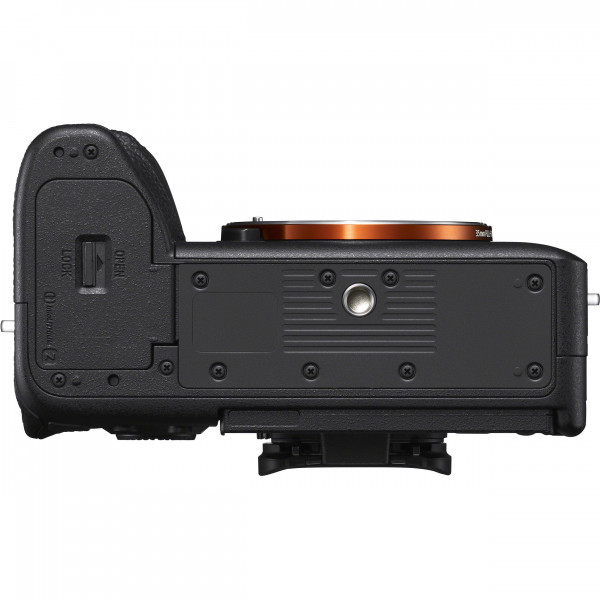



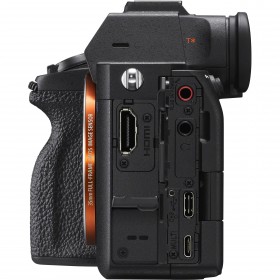
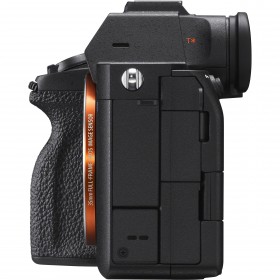
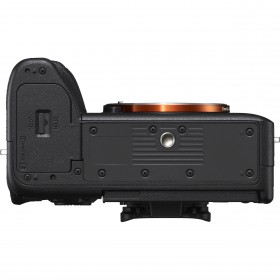
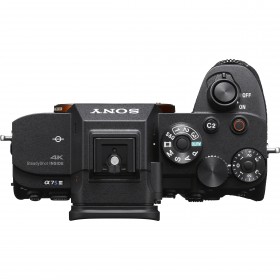
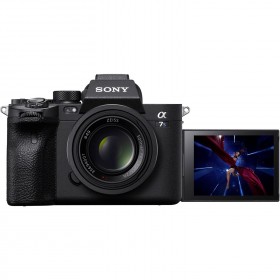
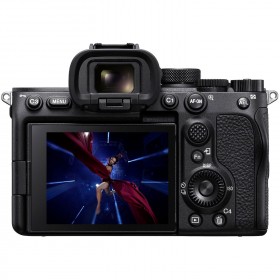
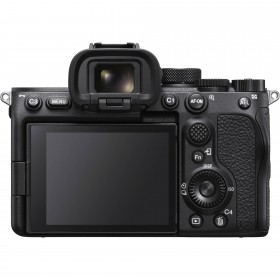


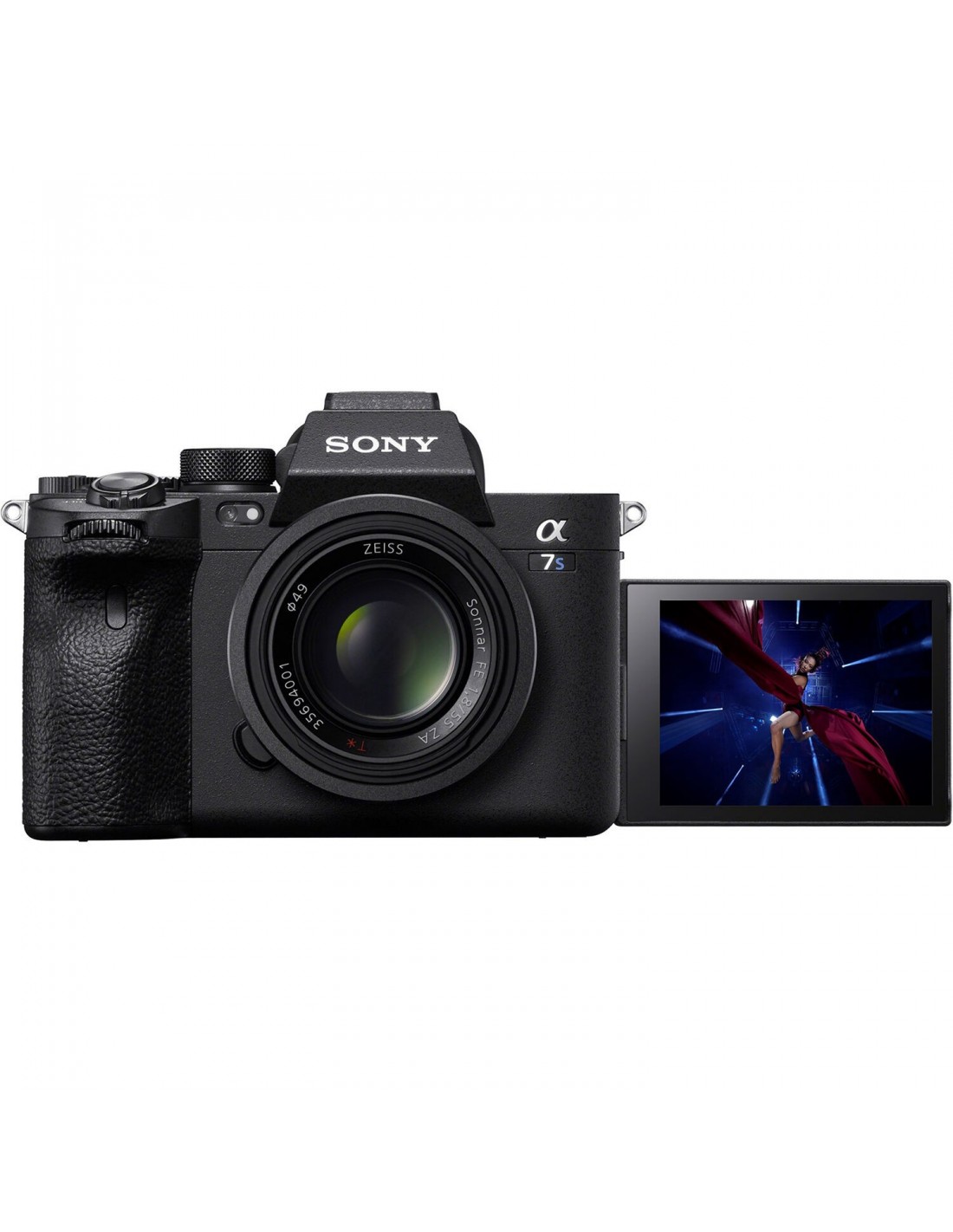


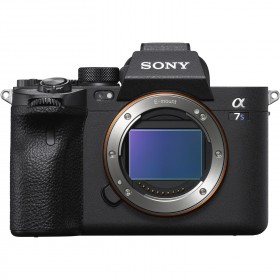

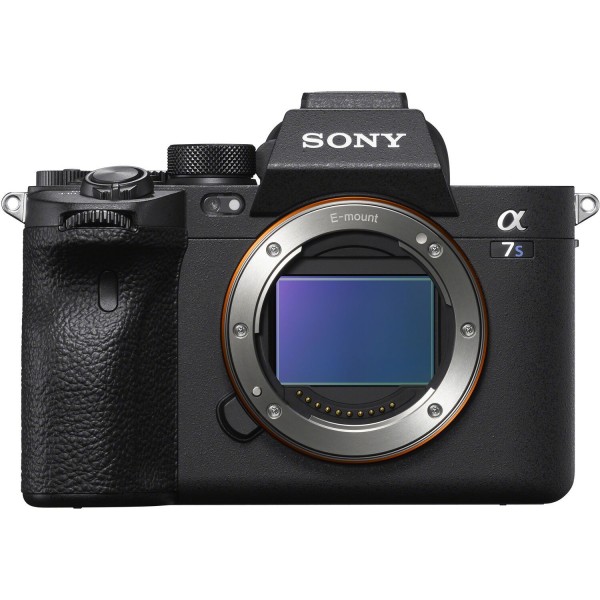
The Sony a7S III is the ultimate full-frame hybrid camera for professional and semi-professional creators who expect flawless image quality, especially in low-light environments. Its 12.1 MP BSI sensor and outstanding ISO performance deliver clean, detailed and noise-controlled footage, even during night shoots or dimly lit events.
Built for demanding filmmakers, the Sony a7sIII captures 4K up to 120 fps, with internal 10-bit 4:2:2 recording and S-Log3 / S-Cinetone profiles for genuine cinematic results and maximum flexibility in post-production. The fast hybrid autofocus with real-time Eye AF ensures sharp, reliable tracking of moving subjects.
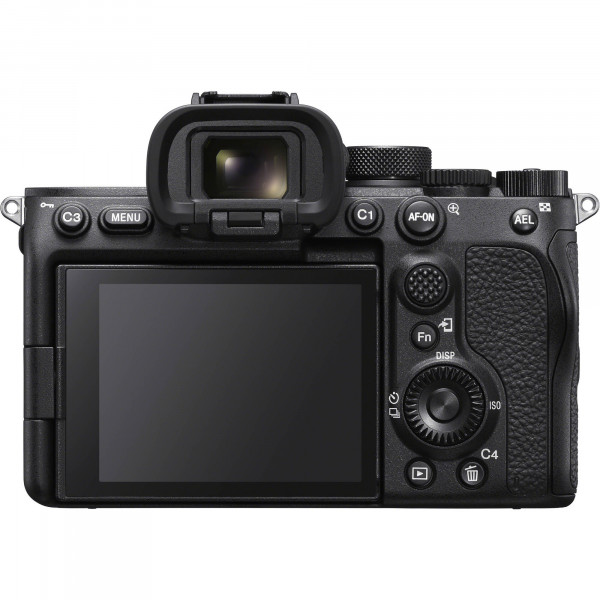
With its fully articulating touchscreen, high-resolution 9.44M-dot OLED viewfinder and 5-axis in-body stabilization, the Sony Alpha A7S III offers a smooth, intuitive shooting experience whether handheld or on a gimbal. Dual CFexpress/SD card slots provide secure storage, and the professional connectivity (full-size HDMI, USB-C, mic and headphone ports) adapts perfectly to any workflow.
If you need a Sony a7s 3 that excels in every situation—especially in extreme low light—this camera is built for you.
Unlock your full creative potential.
Combine compatible accessories and save. The more items you add, the bigger the discount.
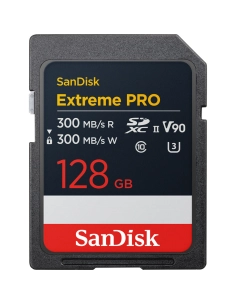
memory card
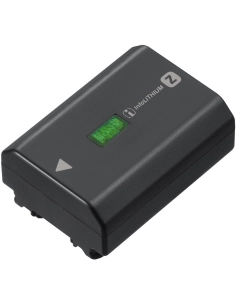
battery
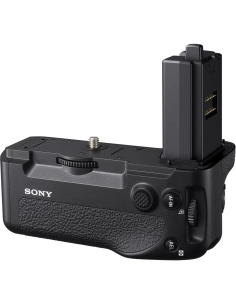
Adaptateur

warranty extension
The Sony Alpha A7S III (ILCE-7SM3) is a full-frame mirrorless camera designed for demanding videographers and photographers. It features a 12.1MP backside-illuminated CMOS sensor, ensuring maximum light collection. The sensitivity ranges from ISO 80 to 409,600, maintaining very low noise even in low-light conditions. Its wide dynamic range (up to 15 stops) preserves detail in both highlights and shadows.
Professionals will appreciate its 4K UHD video performance up to 120 fps in internal 10-bit 4:2:2, as well as RAW 16-bit recording (up to 60 fps via HDMI). Unleash your creative potential: Order your Sony a7S III now and push the boundaries of your imagination!
Handling has been completely redesigned for professional shooting. Its robust and weather-sealed build, combined with an ergonomic grip, ensures secure handling. The rear screen is now fully articulating and touch-enabled for optimal framing, while the redesigned menu system offers greater intuitiveness. The 9.44-million-dot OLED electronic viewfinder with a 120 Hz refresh rate provides unmatched visual comfort. The built-in 5-axis stabilization compensates effectively for camera shake, allowing for sharp handheld shots.
Connectivity on the A7S III is comprehensive: you’ll find an XLR mic input (via adapter) and a stereo headphone output for real-time sound monitoring. The high-powered USB-C port can power the camera during long shoots, and the full-size HDMI output ensures reliable connection to an external recorder. Dual SD and CFexpress Type A card slots deliver flexible, fast storage options, with simultaneous recording to both cards if needed. This combination makes the Sony a7S III a versatile tool, ready for any field challenge.
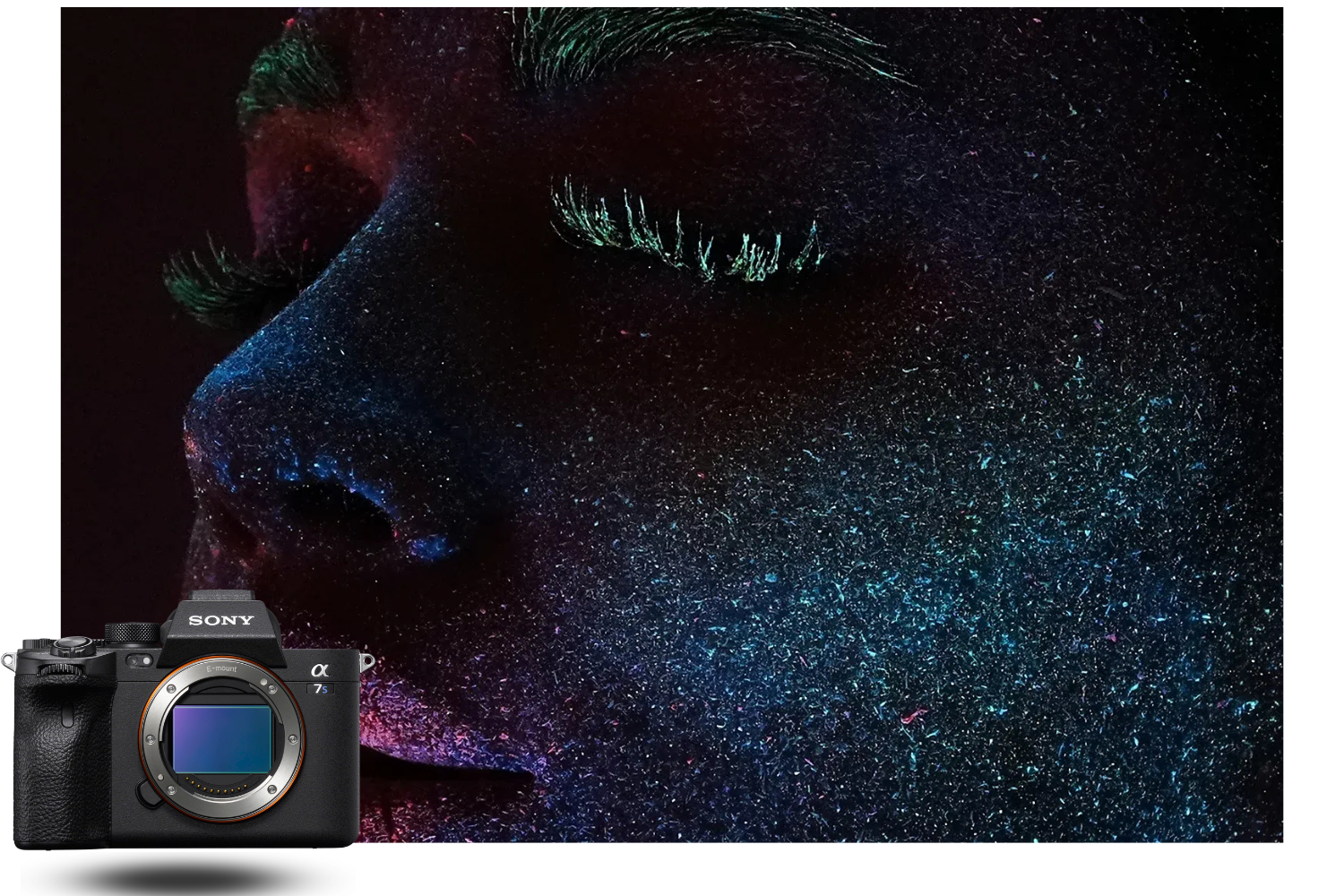
Imagine a young independent filmmaker, Leon, shooting a nighttime short film. Thanks to the Sony a7S III, he captures 4K 120 fps footage for ultra-smooth motion, even in dim lighting.
Built-in S-Log3 and S-Cinetone profiles let him achieve natural colors without lengthy post-production. The high-resolution viewfinder guarantees precise focus on his lead, even under low set lighting. On set, Leon values the camera’s robust build and dual card slots: simultaneous recording to two cards means he loses nothing to errors.
At the end of the day, the raw footage looks outstanding, with minimal noise thanks to the extended ISO range. Leon knows his film will have a cinematic look, just as he imagined, and the Sony Alpha A7S III becomes his go-to ally for every nighttime or action scene.
Sophie, a wedding photographer, prepares to shoot a candlelit dinner and the couple’s first dance under dim lights after the daytime ceremony.
With the Sony a7S III, she dares to shoot handheld without flash: the sensor’s sensitivity captures scenes sharply without excessive noise. Real-time face focus ensures the couple’s smiles stay sharp as they spin around. For sunset couple portraits, the Alpha 7S III perfectly balances shadows and highlights: the broad dynamic range preserves delicate sky details and ambient softness. The articulating screen lets Sophie shoot from high, low, or selfie angles with guests.
Every moment becomes luminous and crisp; even the newlyweds notice the photo quality the next morning. The Sony Alpha A7S III mirrorless camera is the dream tool to enhance romantic and festive nighttime settings.
Music fan Julien shoots a rock concert in a dark venue. Concerned about blur and grain, he counts on the Sony a7S III: with a fast lens and high ISO, his shots remain usable.
The ultra-fast autofocus tracks moving musicians, while 5-axis stabilization smooths out vibrations and movement. Julien shoots flash-free, capturing electric moods with colored spotlights. Even with slow shutter speeds, his shots are sharp, thanks to superb IBIS. For video, he records 4K at 60 fps, immortalizing impromptu interludes onstage. The 10-bit files allow precise color grading for vibrant neon lighting.
In the end, Julien gets magazine-quality images and videos, demonstrating that the Sony a7S III excels where other cameras falter.
Astrophotography enthusiast Caroline sets up her Sony Alpha A7S III under a clear sky. Its ultra-sensitive sensor (high-sensitivity mode) lets her photograph the Milky Way with exposures of just a few seconds on a tripod.
Images come out exceptionally clean, free from the harsh grain seen on less-sensitive sensors. The S-Log3 profile enables recovery of both bright stars and subtle sky details. Through the night, she shoots long exposures for starry horizons, then bursts for timelapse “star trails.” The flip-out screen makes composing easy, including low angles with foreground elements. The A7S III is so capable that dawn’s blue hour and fleeting auroras are captured beautifully.
Reviewing her images, Caroline sees she has a powerful astronomy tool in hand: scenes are crisp, colorful, and faithfully rendered, letting anyone admire the night sky’s beauty up close.
Photojournalist Thomas covers an international festival in an old, dimly-lit theater. Between documentary work and backstage moments, he needs a reliable camera.
The Sony a7S III gives him the flexibility he needs: touchscreen interface means instant mode changes. At 10 fps burst, he follows acrobatic dancers and gets well-exposed portraits without harsh backlight. In backstage darkness, high-sensitivity mode kicks in automatically for natural skin tones. For interviews, he films in 4K 30p with a proper mic, saving time in editing. Late at night, he quickly transfers top shots to editors via Wi-Fi/FTP—his assignment goes smoothly and the camera never lets him down despite changing conditions.
Whether for war zones, wildlife documentaries at night, or other urgent jobs, the Sony a7S III proves itself a trustworthy companion and a passport to quality images, even under pressure.
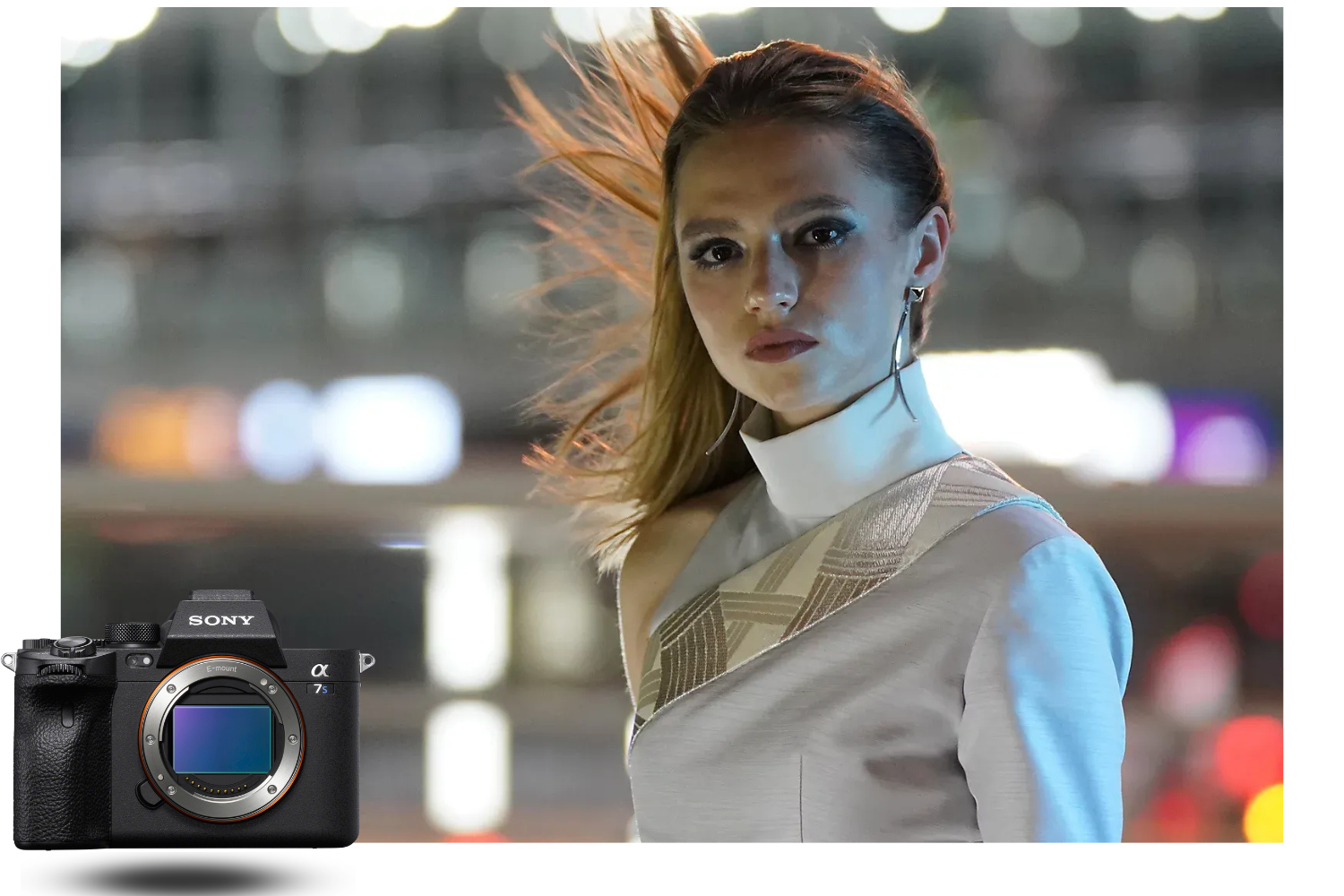
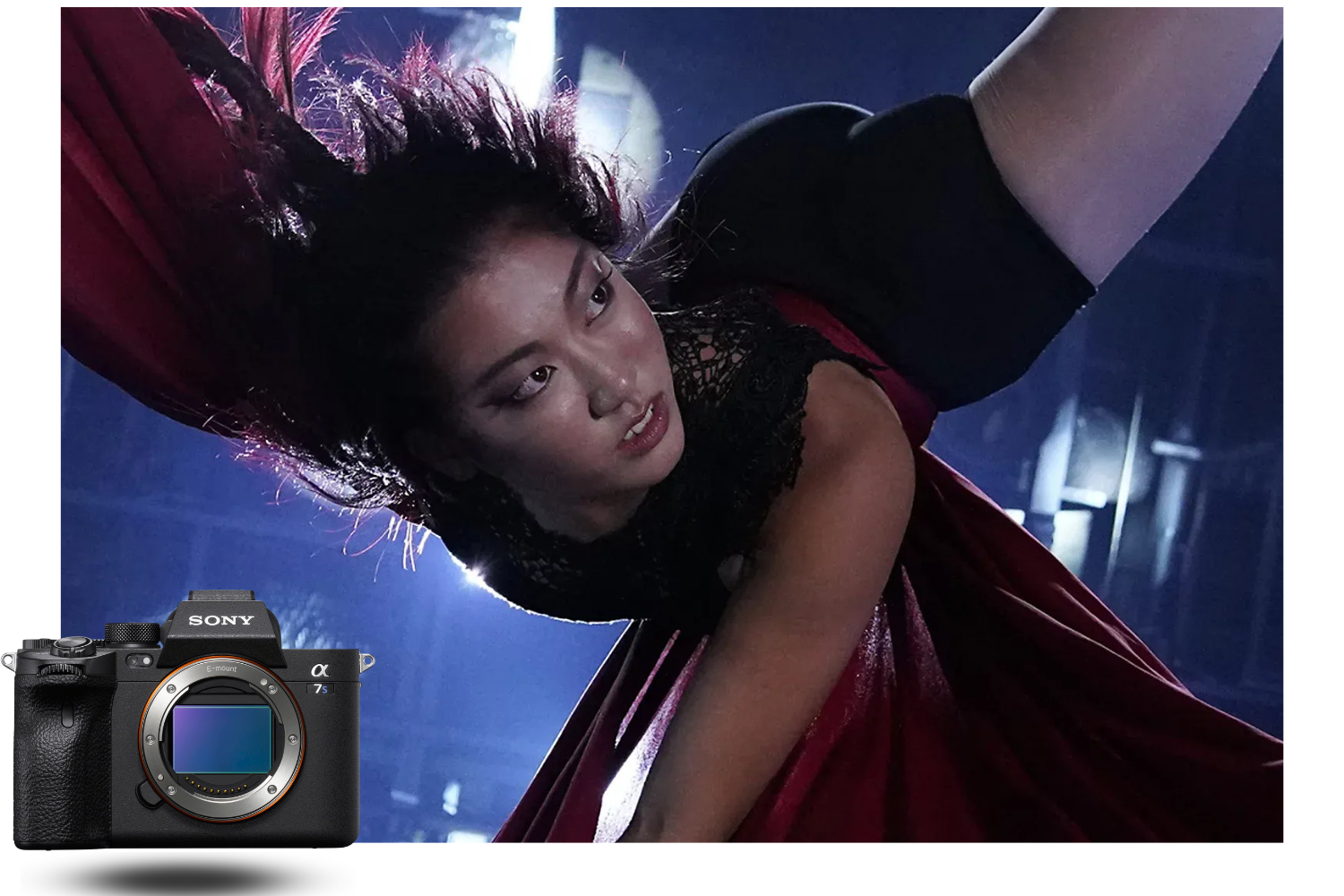
Specialist reviews consistently praise the Sony a7S III. Les Numériques calls it a “full-frame video-focused camera that’s reached maturity,” with excellent sensitivity control and top-level 4K video. Their conclusion: apart from its intentionally lower photo resolution, it’s “hard to find flaws in the Alpha 7S III.”
Cameralabs describes the model as “ultra-specialized,” designed to satisfy demanding filmmakers, with impressive features and practical handling for intensive shoots. They rate the A7S III among the safest and most capable video cameras tested, with “virtually uncompromising” 4K performance—recommending it for those seeking the best 4K image quality.
Fstoppers’ Lee Morris summarizes: “I’ve been hard on Sony for a decade but this camera has won me over. The a7S III is undoubtedly my favorite video camera, close to becoming my favorite stills camera too.” He acknowledges the 12MP sensor is a deliberate limitation, but notes video quality is exceptional. Lee Morris advises content creators seeking the “ultimate run-and-gun camera” to buy the A7S III, assuring they’ll “love it.”
Christopher Malcolm (Fstoppers) notes he “absolutely enjoyed his time with the Sony a7S III,” and sees why colleagues rave about it. He finds it allows filmmakers to be “fast and efficient in video capture,” with a smooth workflow even in tough conditions.
Other expert opinions aggregate around the A7S III’s video superiority. Its ultra-high-res viewfinder and flip-out screen are universally appreciated in testing, as is its “magic” autofocus that nearly never misses. Compact form factor makes it easy for fieldwork; the BIONZ XR processor and in-body stabilization guarantee consistent results. Despite its video-first design, the Sony Alpha 7S III stands out for versatility and image quality, setting the standard at the top end of the mirrorless category.
Experts insist: if you seek unrivaled 4K image quality in a mirrorless body, this model is “highly recommended,” proving itself among the market’s most complete video-focused cameras.
The Sony a7S III delivers exactly what professionals demand: exceptional video performance, outstanding sensitivity, and refined ergonomics. Its 12MP full-frame sensor and wide dynamic range ensure clean images even in low light. With 5-axis stabilization, ultra-fast autofocus, and ultra-high-def viewfinder, it outperforms most mirrorless cameras for video work.
Choose the best for your production: The Sony a7S III is available now and will empower your creativity. Don’t wait—order it today!