

Shopping Cart

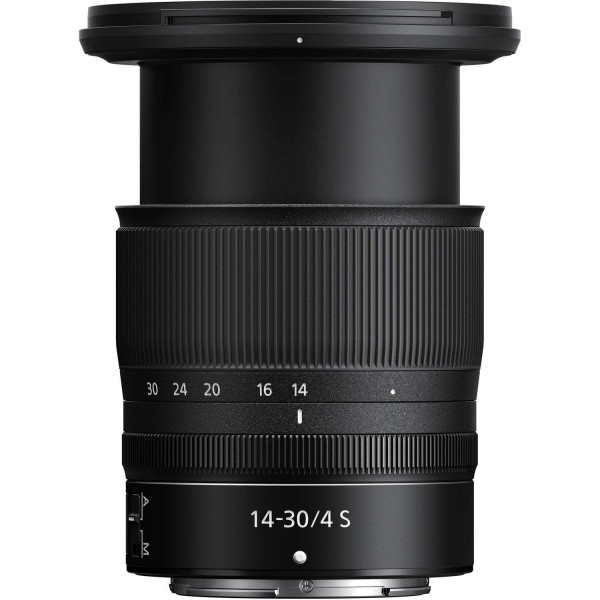
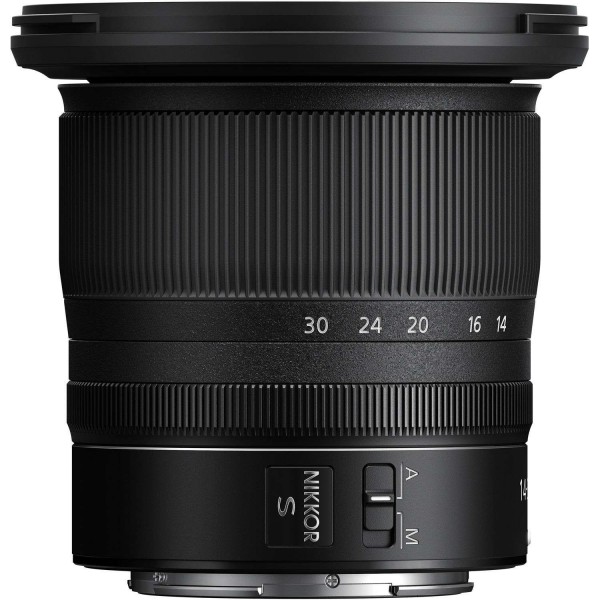
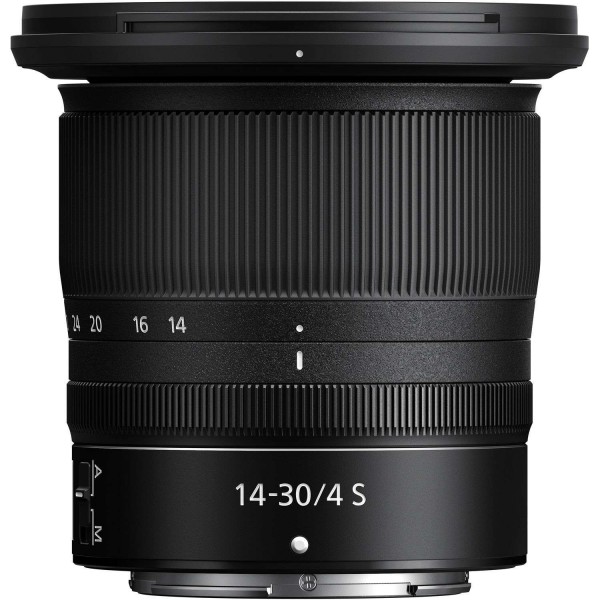
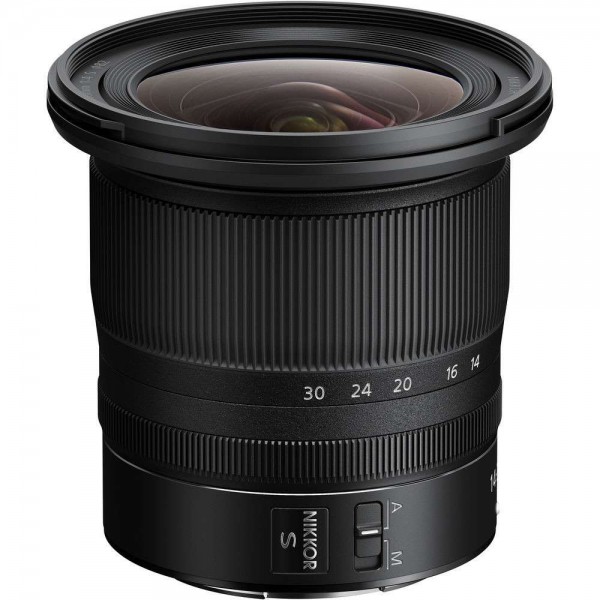


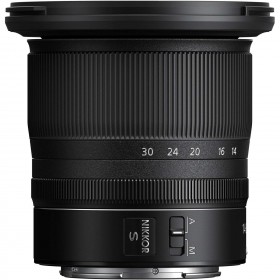
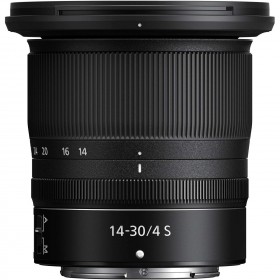
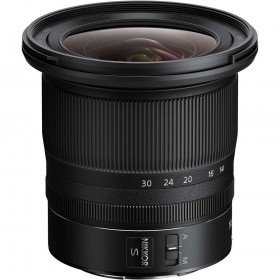
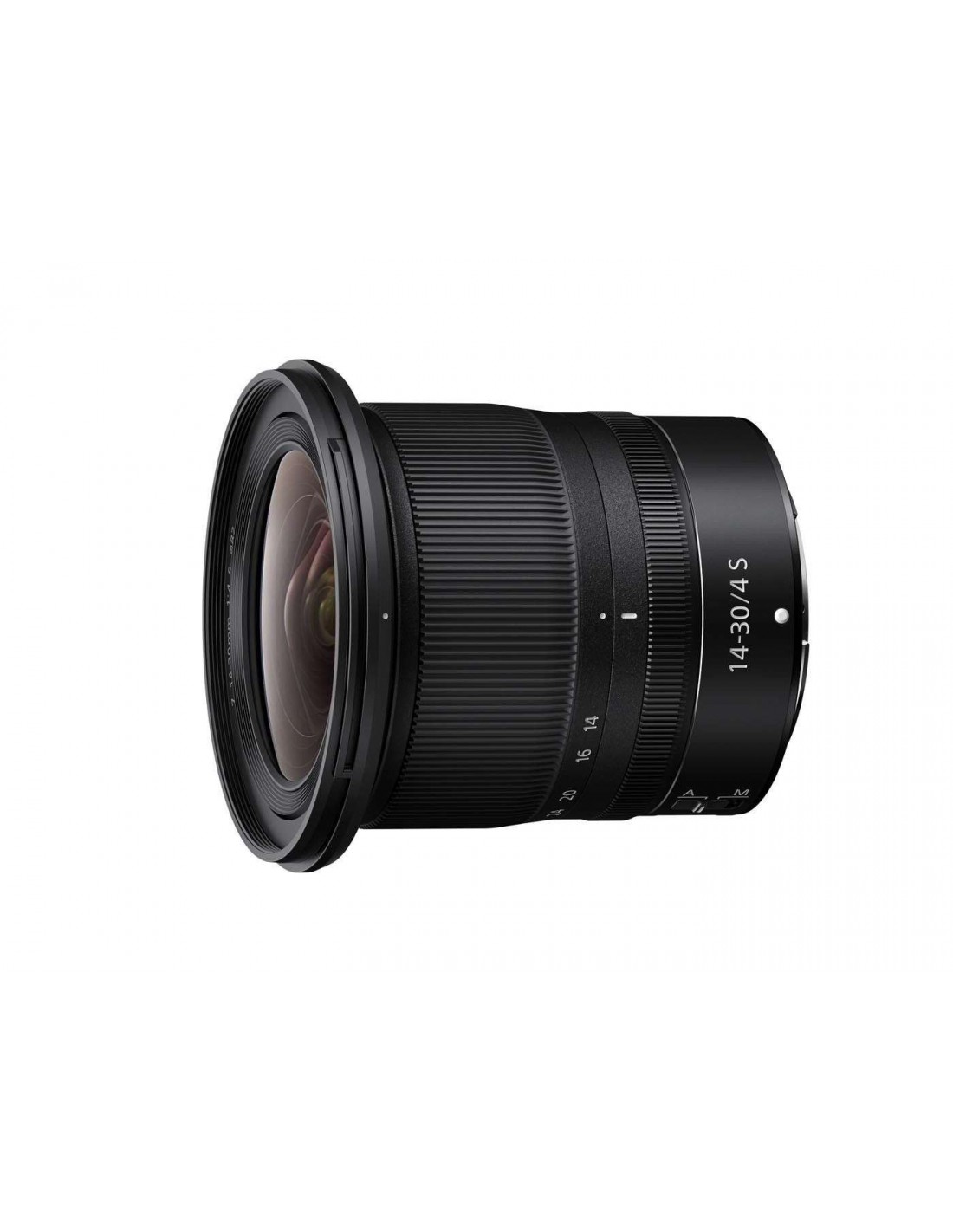
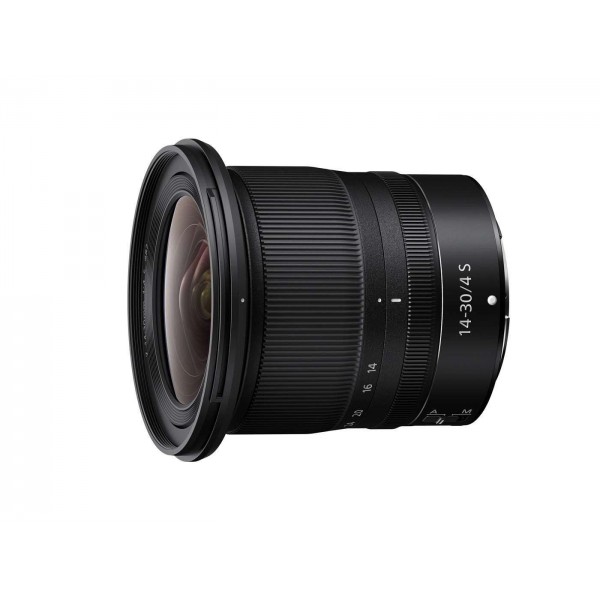
Nikon NIKKOR Z 14-30mm f/4 S
IN STOCK
€852.15
€897.00-5%
- 100% newBrand-new and authentic product
- Final priceNo unpleasant surprises! The displayed price is the final amount paid for your purchase.
- Estimated delivery Thu 23 - Fri 24 JulEstimate based on available stock, order time, business days and carrier delivery times.
- 3-year MCZ DIRECT warranty
- Free delivery with insurance includedYour order is protected from dispatch to delivery: in case of loss, theft or damage during transport, your parcel is insured up to its value.
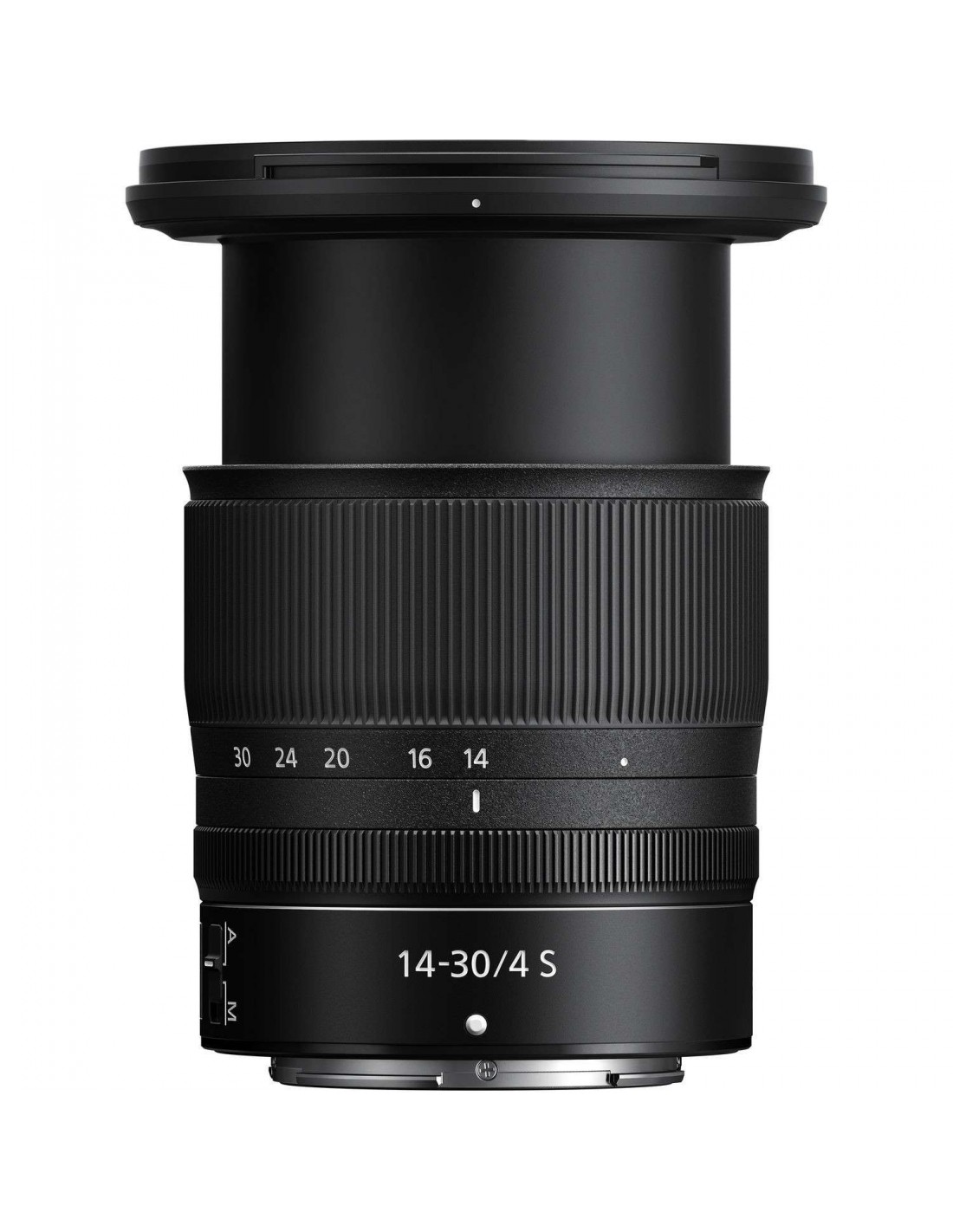
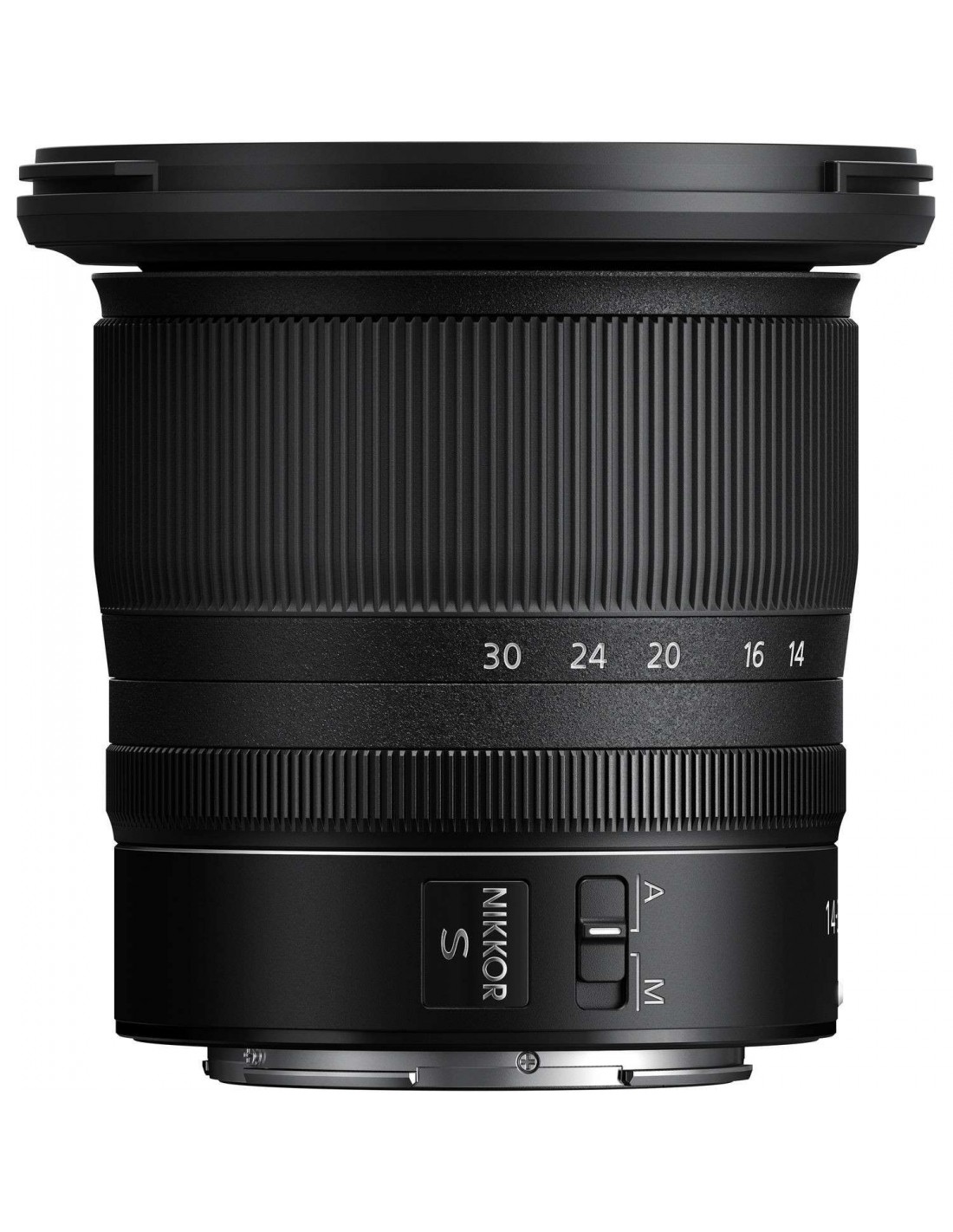
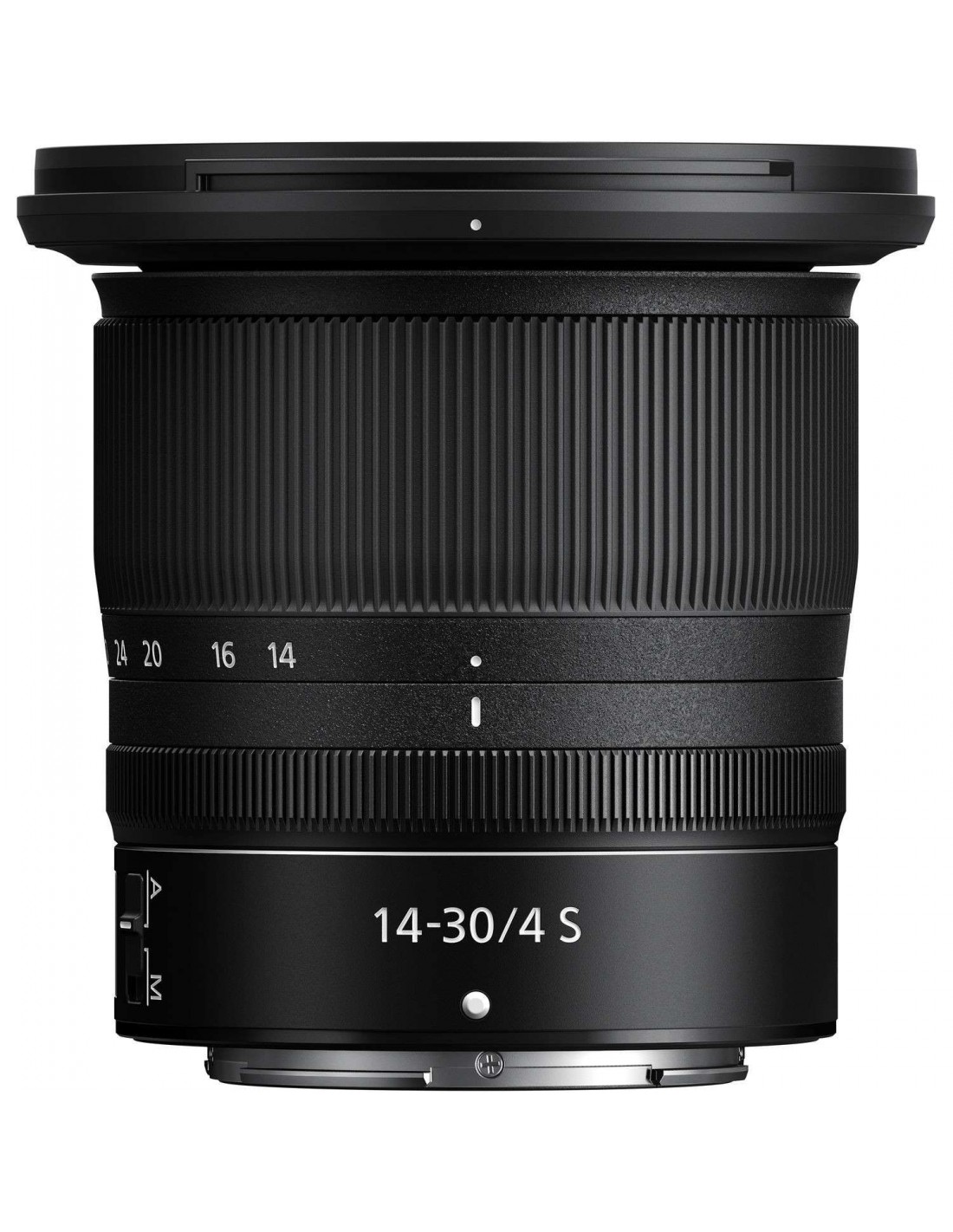
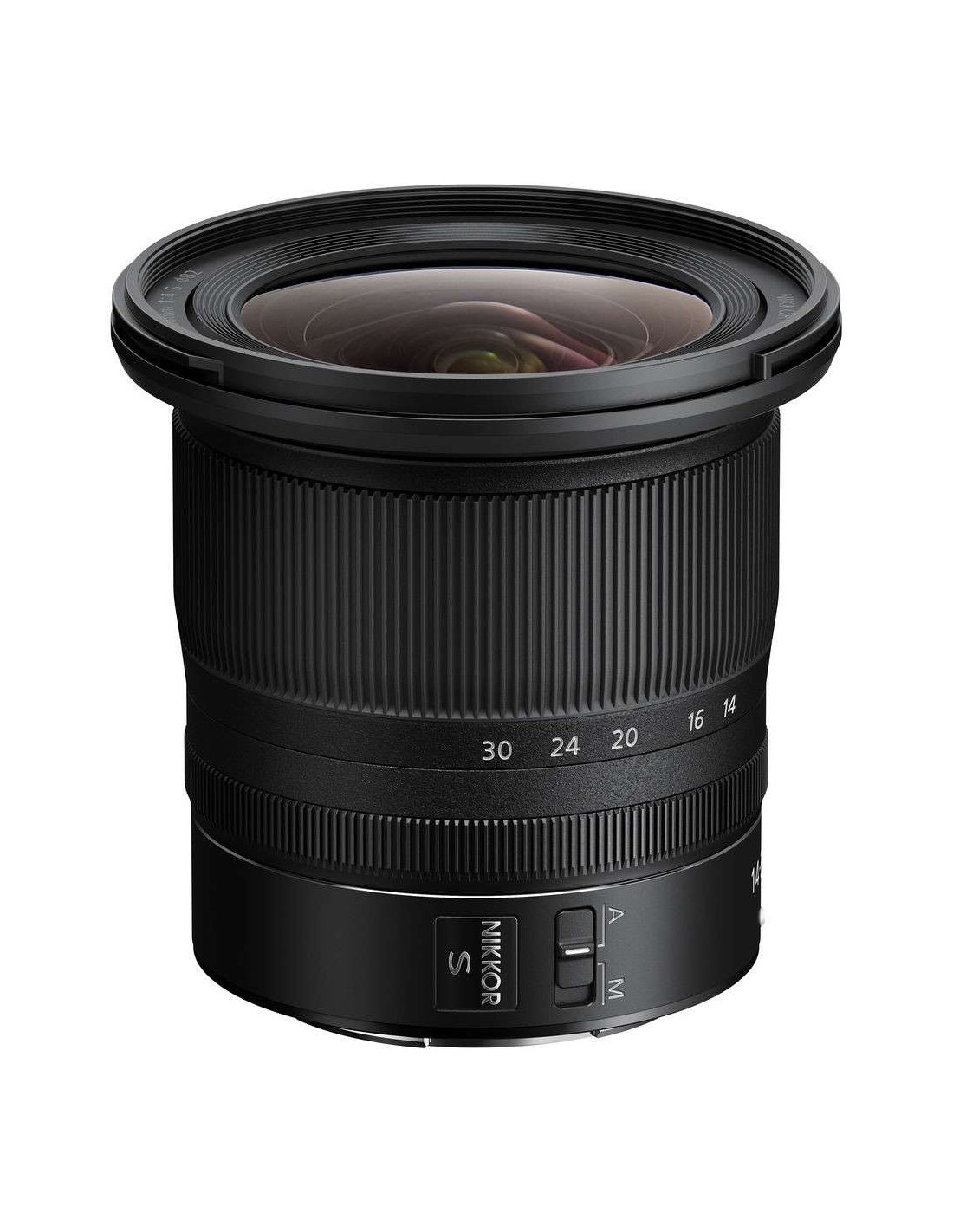
Discover the NIKKOR Z 14-30 mm f/4 S: the ideal wide-angle lens for landscapes, architecture, and astrophotography. Compact and lightweight, it offers exceptional resolution and maximum protection. Capture wide scenes with professional quality, thanks to advanced optical technology and a constant f/4 aperture. Perfect for demanding photographers and videographers.
The Nikon Z 14-30mm f/4 S is a versatile ultra-wide-angle zoom lens designed for Nikon's Z-series mirrorless cameras. Combining a compact design with exceptional optical performance, it caters to both enthusiasts and professionals seeking to expand their creative horizons.
Key Features of the Nikon Z 14-30mm f/4 S:
Ultra-Wide Zoom Range: Spanning from 14mm to 30mm, this lens covers a broad spectrum of shooting scenarios, from expansive landscapes to architectural marvels and intricate interiors.
Constant f/4 Aperture: The fixed f/4 aperture ensures consistent exposure throughout the zoom range, providing stability in varying lighting conditions.
Advanced Optical Construction: Incorporating four Extra-Low Dispersion (ED) glass elements and four aspherical elements, the lens effectively minimizes chromatic aberrations and distortions, delivering sharp and detailed images across the frame.
Nano Crystal Coat: This specialized coating significantly reduces lens flare and ghosting, enhancing contrast and clarity, even when shooting against direct light sources.
Compact and Lightweight Design: Weighing approximately 485 grams and measuring about 85mm in length, the lens is highly portable, making it an excellent choice for travel and on-the-go photography.
Filter Compatibility: Uniquely designed with a nearly flat front element, it accommodates 82mm screw-on filters, allowing photographers to utilize polarizers, neutral density filters, and more for enhanced creative control.
Quiet and Fast Autofocus: Equipped with a stepping motor (STM), the lens offers swift and silent autofocus performance, beneficial for both still photography and videography.
Weather-Sealed Construction: Engineered to withstand dust and moisture, the lens is suitable for use in diverse environmental conditions, ensuring reliability during outdoor shoots.
Recommended Applications:
Landscape Photography: The ultra-wide 14mm focal length captures sweeping vistas with remarkable depth and detail, making it ideal for nature and landscape enthusiasts.
Architectural and Interior Photography: The wide-angle capabilities allow photographers to encompass entire structures and spacious interiors, even in confined spaces, without significant distortion.
Travel Photography: Its compact size and versatile zoom range make it a perfect companion for travelers aiming to document diverse scenes without the burden of heavy equipment.
Videography: The silent autofocus and ability to use various filters provide videographers with the tools to achieve smooth transitions and creative effects in their footage.
Technical Specifications:
Mount Type: Nikon Z
Focal Length Range: 14-30mm
Maximum Aperture: f/4
Minimum Aperture: f/22
Lens Construction: 14 elements in 12 groups (including 4 ED glass elements and 4 aspherical elements)
Angle of View: 114° to 72° (FX format)
Minimum Focus Distance: 0.28 meters (11 inches)
Filter Size: 82mm
Dimensions: Approximately 89mm (diameter) x 85mm (length)
Weight: Approximately 485 grams (1.07 lbs)
The Nikon Z 14-30mm f/4 S stands out as a remarkable blend of superior optical performance, versatility, and portability. Whether you're passionate about capturing landscapes, architecture, or engaging in travel photography, this lens offers exceptional image quality and creative flexibility to meet your needs.
Elevate your photography with the Nikon Z 14-30mm f/4 S. Order now to unlock new creative possibilities!
- Lens mount
- Nikon Z
- Recommended use
- Landscape / architecture
- Stabilization
- No
- Lens type
- Wide angle
- Focal length
- Ultra-wide angle
Wide angle - Maximum aperture
- f/3.5 - f/4
- Aperture options
- f/4 and above
- Photo use
- Architecture
Interior
Landscape
Reportage - Lens format
- Full frame

NIKONNIKKORZ1430MMF4S
018208200702
Technical specifications
General
Brand
Nikon
Product type
Lens
Lens type
Wide angle
Lens series
NIKKOR Z S-Line
Aperture options
f/4 and above
Lens mount
Nikon Z
Photo use
Reportage; Landscape; Architecture; Interior
Lens format
Full frame
Level
Suitable for professionals
Yes
Properties
Full frame
Yes
Image stabilization
No
Lens construction
14 elements in 12 groups
Magnification factor
0.16x
Focus mode
Autofocus and manual
Minimum focusing distance
28 cm
Lens hood included
Yes
Focal length
Fixed focal length
No
Focal length
14-30 mm
Minimum focal length
14 mm
Maximum focal length
30 mm
Aperture
Minimum aperture overall
f/22
Minimum aperture
f/22
Maximum aperture
f/4
Diaphragm blades
7
Zoom
Zoom option
Yes
Optical zoom
2.14x
Uses
Landscape photography
Yes
Portrait photography
No
Travel photography
No
Reportage photography
Yes
Sports photography
No
Wildlife photography
No
All-round photography
No
Video
Yes
Physical properties
Weight
485 g
Filter size
82 mm
Length
8.5 cm
Diameter
89 mm
Dust and splash resistant
Yes
Buying guidance
Best for
Ideal for: landscape, reportage, video.
Compatibility
Nikon Z-mount lens for full-frame FX Nikon Z mirrorless cameras; also usable on DX-format Nikon Z bodies with DX crop.
Warning
Check before buying: VR stabilisation is not listed in the Nikon specifications.
Nikon NIKKOR Z 14-30mm f/4 S FAQ
Is the Nikon NIKKOR Z 14-30mm f/4 S worth the price?
Yes, if you want a Nikon Z ultra-wide zoom that is compact, serious and practical for landscapes, architecture and travel. The Nikon NIKKOR Z 14-30mm f/4 S delivers a very wide range while staying lighter and easier to carry than a high-end f/2.8 zoom. Its main appeal is the balance of angle of view, S-line quality and screw-in filter use.
Who is the Nikon NIKKOR Z 14-30mm f/4 S for?
It is for Nikon Z photographers who want very wide angles without carrying an overly heavy lens. It suits landscapes, interiors, architecture, real estate, travel, hiking and wide-angle video. It is less suited to classic portraits or distant subjects, because its strength is space rather than reach.
Is the Nikon Z 14-30mm f/4 S good for landscapes and architecture?
Yes, these are among its most relevant uses. At 14mm, it can frame very wide scenes, tight interiors and strong architectural perspectives. At 24-30mm, it becomes more natural for travel views and less extreme compositions. You still need to keep the camera level to avoid overly exaggerated perspective.
Is the f/4 aperture enough on the Nikon NIKKOR Z 14-30mm f/4 S?
Yes, f/4 is enough for landscapes, architecture, travel and many video uses. With an ultra-wide lens, you often work at f/5.6 or f/8 to maximise depth of field. For astrophotography, very dark scenes or low-light reportage, however, an f/2.8 zoom will be more comfortable.
Can you use filters with the Nikon Z 14-30mm f/4 S?
Yes, and this is one of its major practical advantages: it accepts 82mm screw-in filters. That is valuable for landscapes, long exposures, ND filters and polarisers. Many fast ultra-wide zooms need larger and more expensive filter systems; this lens keeps the setup simpler.
Is the Nikon NIKKOR Z 14-30mm f/4 S suitable for video?
Yes, it is very useful for travel video, interiors, wide establishing shots and hand-held work with a stabilised body. The 14-30mm range gives a broad, immersive view and a lot of framing flexibility. For standard interviews or tighter shots, you will want to pair it with a longer lens.
Does the Nikon Z 14-30mm f/4 S have optical VR stabilisation?
No, it does not include optical VR stabilisation. On stabilised Nikon Z bodies, it can benefit from in-body image stabilisation. Because this is an ultra-wide lens, the lack of optical VR is less limiting than it would be on a telephoto, but it still matters for video or low-light work.
Nikon Z 14-30mm f/4 S, 14-24mm f/2.8 S or 17-28mm f/2.8: which should you choose?
Choose the 14-30mm f/4 S for compactness, 82mm filters and versatility; the 14-24mm f/2.8 S for performance and low light; the 17-28mm f/2.8 for a lighter f/2.8 option with less width. The 14-30mm remains very rational if you prioritise landscapes, travel and practical handling.
What limits should you know before buying the Nikon NIKKOR Z 14-30mm f/4 S?
Its main limits are the f/4 aperture, lack of optical stabilisation, very strong perspective at 14mm and limited suitability for portraits or distant subjects. It is an excellent ultra-wide zoom, but not an all-purpose lens. Choose it to open up the frame, work with spaces and travel light.
Reviews Nikon NIKKOR Z 14-30mm f/4 S
0 Rating
Customer photos
No customer photos yet
Tap to zoom
ALEX (In testing phase)