Shopping Cart
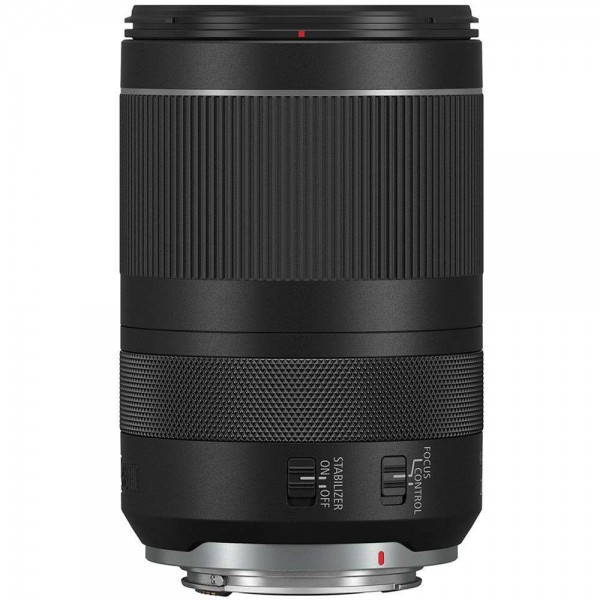
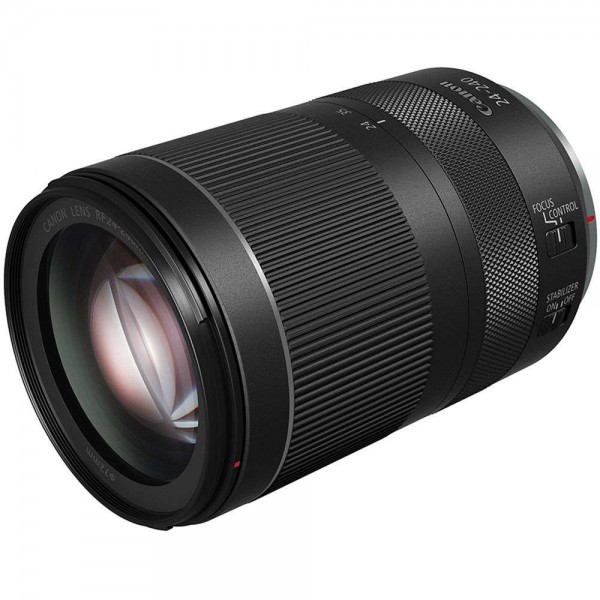
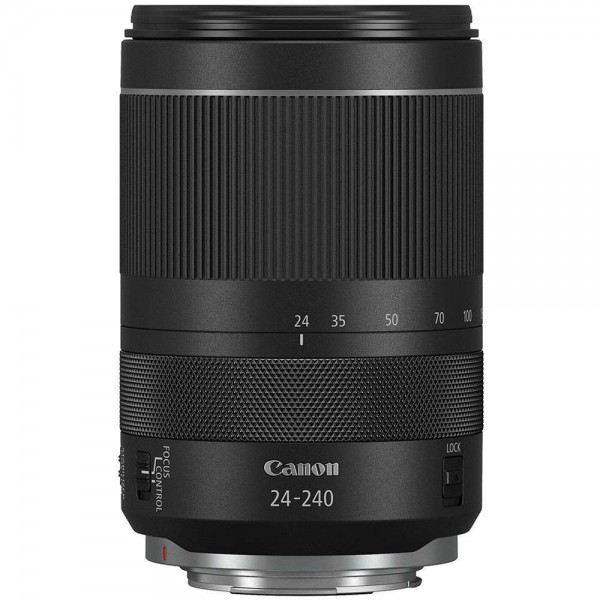

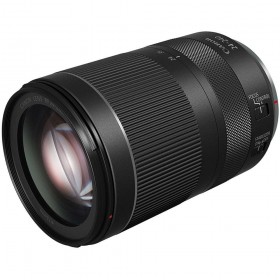
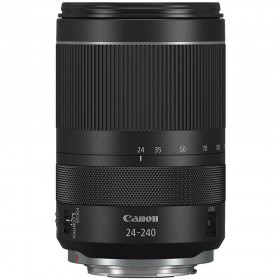
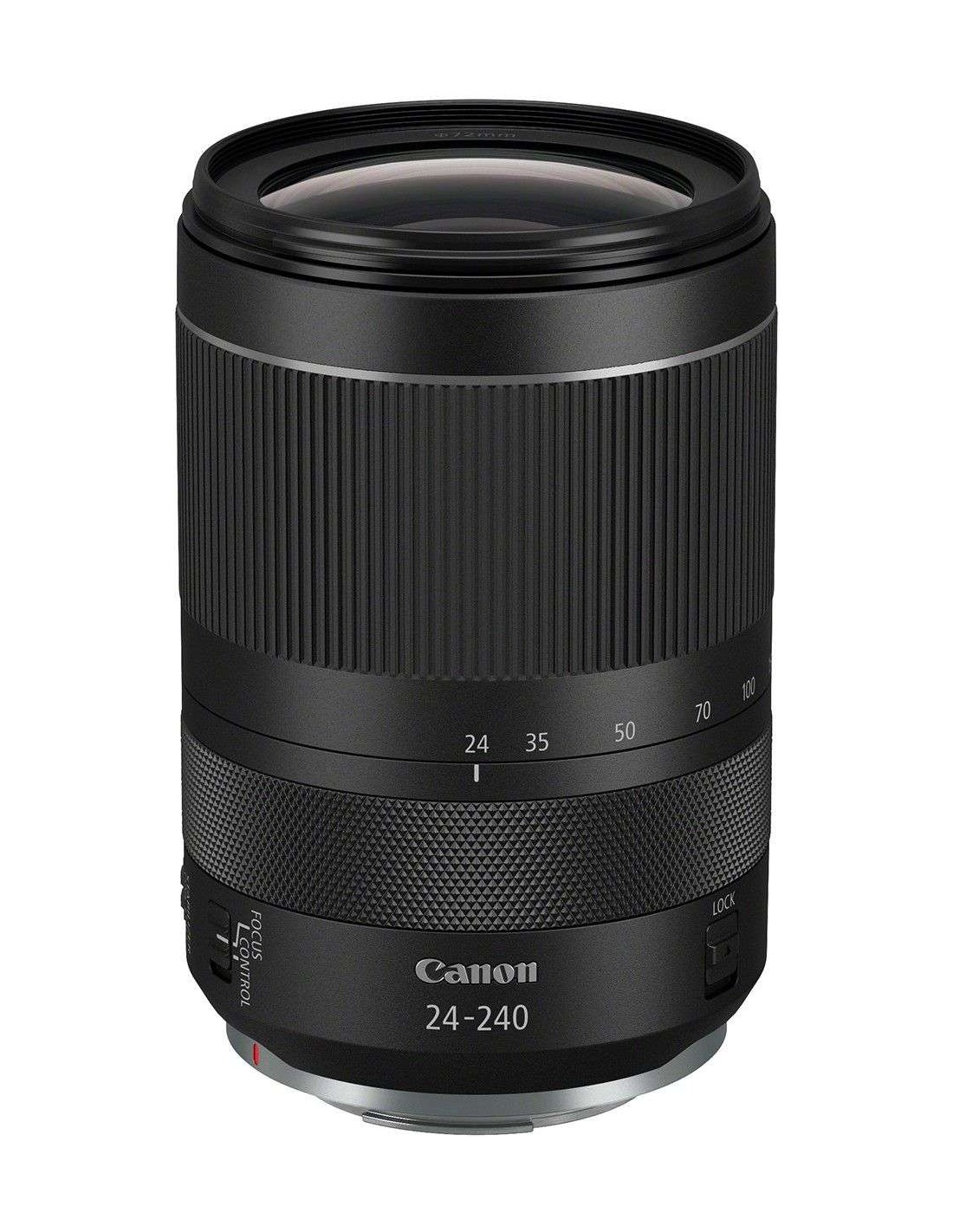
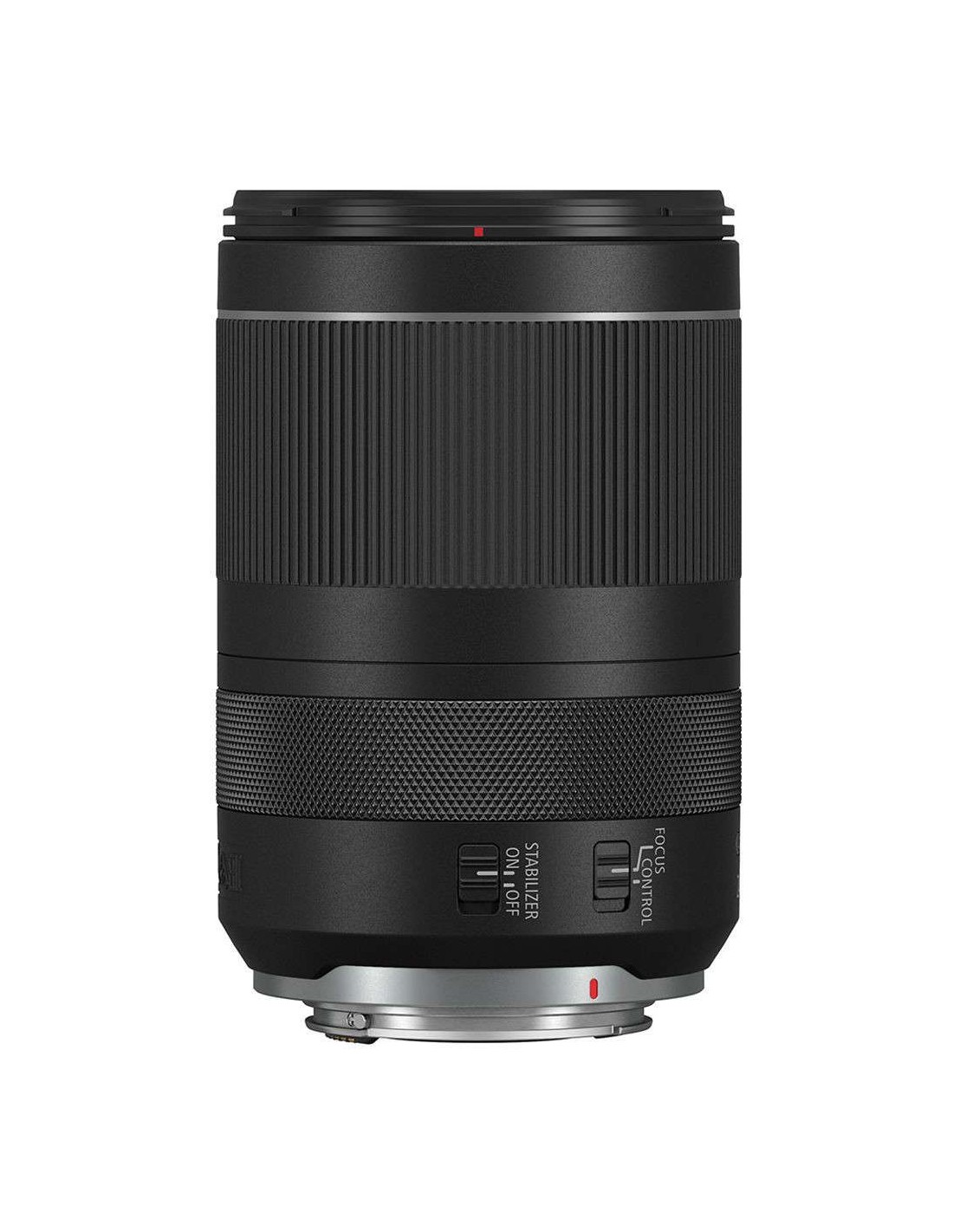
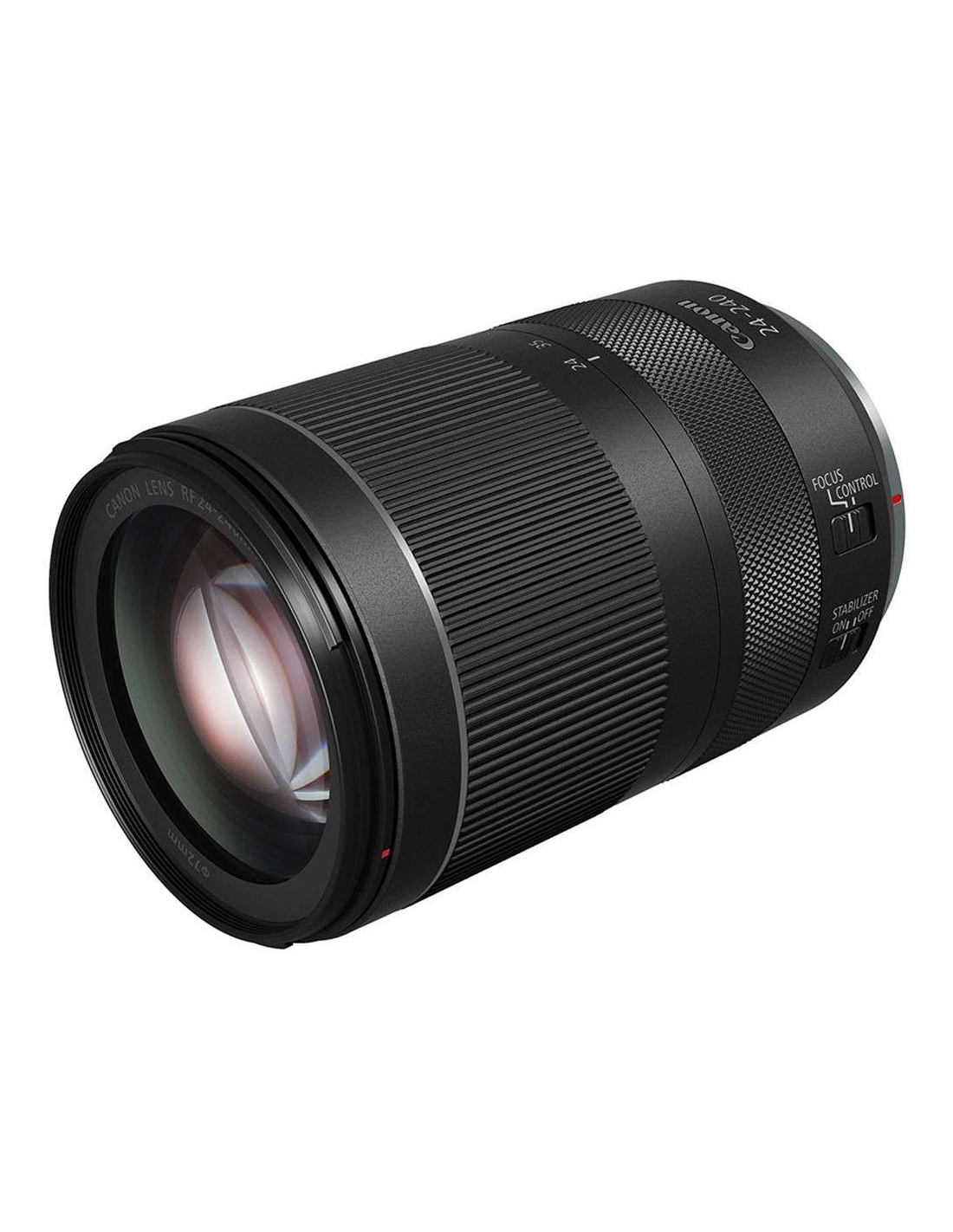
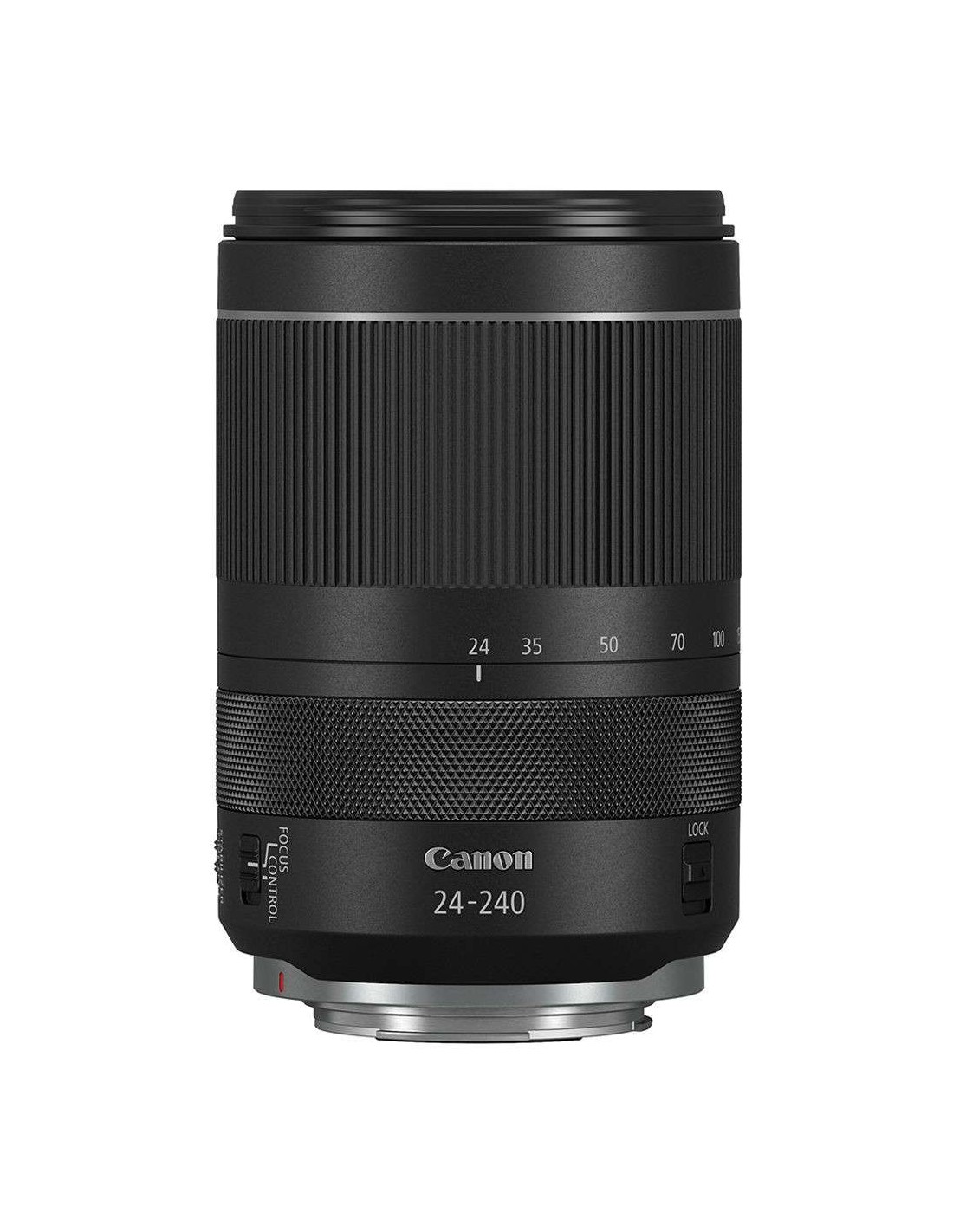


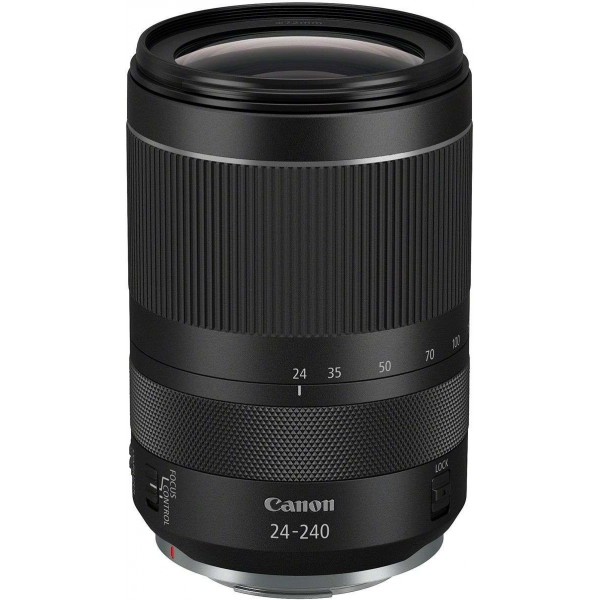
The Canon RF 24-240mm F4-6.3 IS USM is a full-frame zoom for EOS R photographers who want to travel with one lens, and we recommend it when framing flexibility matters more than a fast maximum aperture. Its 24-240mm range covers landscapes, architecture, reportage, portraits and distant subjects without interrupting the shoot for a lens change. Canon rates the optical stabiliser at 5 stops, while Nano USM autofocus is quick and discreet for stills and video. The 750g weight is reasonable for a 10x zoom that can replace several lenses. That balance suits mixed itineraries with unpredictable subjects. Its variable f/4-6.3 aperture, lack of stated dust and moisture resistance, and reliance on optical corrections around 24mm remain important considerations before choosing it.
Combine compatible accessories and save. The more items you add, the bigger the discount.
memory card

warranty extension
The Canon RF 24-240mm F4-6.3 IS USM is built for photographers who would rather keep shooting than stop to change lenses. At 24mm it establishes a place, fits an interior or gathers a group. Between 35 and 70mm it feels natural for travel and reportage. From 105 to 240mm it closes in on a portrait, architectural detail or distant subject. That 10x range is the reason to buy it. The lens combines a Canon-rated 5-stop optical stabiliser, Nano USM autofocus and a manageable 750g weight. The trade-off is equally clear: the aperture reaches f/6.3 at the long end, and corrected output at 24mm depends on the camera or an up-to-date RAW profile.
| Feature | Practical benefit | Consideration |
|---|---|---|
| 24-240mm, 10x zoom | Cover a full day without changing lens | The barrel extends by roughly 70mm at 240mm |
| Variable f/4-6.3 aperture | Keep the package smaller than a professional fast zoom | F/6.3 needs more light or ISO at the telephoto end |
| 5-stop optical IS | Use a slower shutter handheld with a static subject | Stabilisation cannot freeze a moving person, animal or athlete |
| Nano USM | Acquire focus quickly and move discreetly between subjects in video | Recognition and tracking performance also depend on the camera |
| 750g, 72mm filters | Replace several focal lengths with one carryable lens | It weighs almost twice as much as the RF 24-105mm STM |
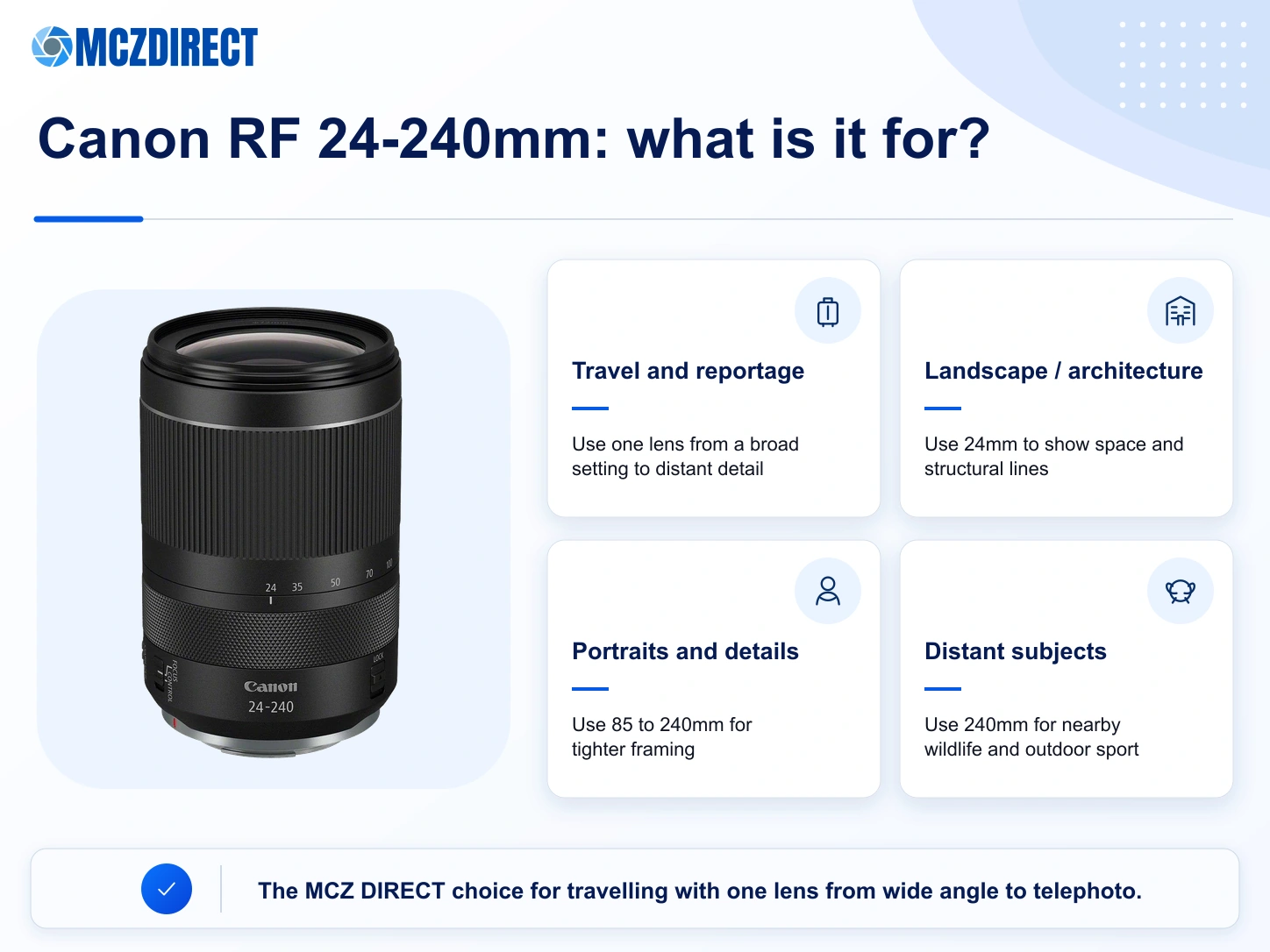
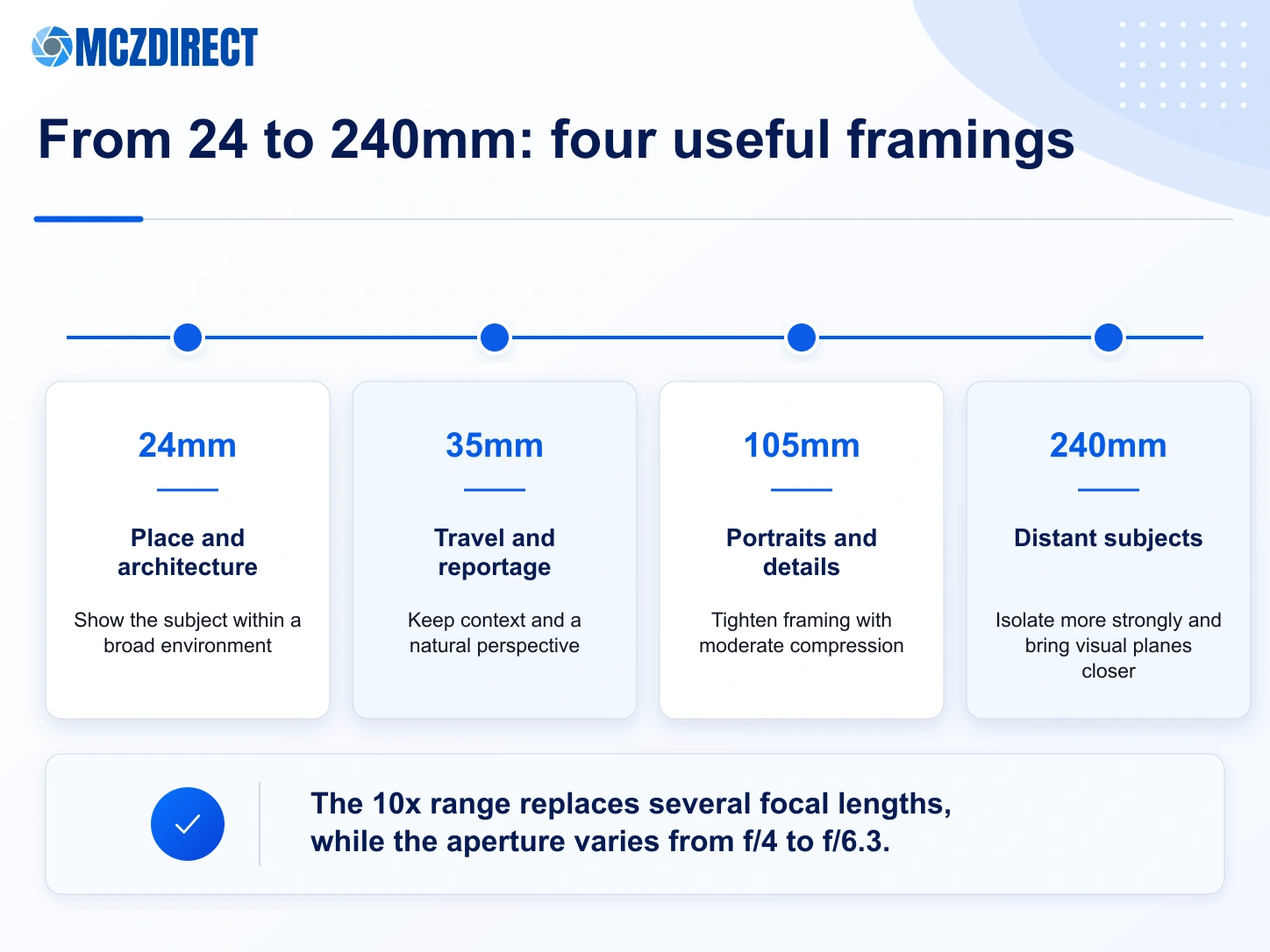
At 24mm the Canon RF 24-240 places the subject inside a landscape, room or piece of architecture. Around 35mm it gives travel, street and documentary video a natural sense of context. At 105mm it tightens an environmental portrait or detail without excessive compression. At 240mm the perspective becomes visibly flatter and a distant element can fill far more of the frame. That last viewpoint is what separates this lens from a 24-105mm zoom. On an APS-C EOS R body, the field of view is roughly equivalent to 38-384mm on full frame: reach increases substantially, but genuine wide-angle coverage disappears.
| Focal length | Recommended use | What the framing adds |
|---|---|---|
| 24mm | Landscape, architecture, interiors, groups | Place the subject inside a broad environment |
| 35-50mm | Travel, street, reportage, video | Keep context and a natural perspective |
| 85-105mm | Environmental portraits, products, details | Tighten the frame with moderate compression |
| 150-240mm | Distant subjects, nearby wildlife, outdoor sport | Isolate more strongly and bring visual planes closer |
This is not a replacement for a fast prime or 24-70mm f/2.8 zoom. Its maximum aperture reaches f/6.3 beyond roughly 109mm, so indoor action, dusk and moving subjects often require higher ISO. Strong geometric correction at the wide end is also part of the design. JPEG files receive the necessary camera correction; RAW photographers should use current software with the RF 24-240mm lens profile. Canon does not list dust or moisture resistance, either. The EW-78F hood and LP1219 pouch are compatible but not bundled. None of these points defeats the lens’s purpose, but together they explain why it is a travel superzoom rather than an L-series specialist optic. Detail is appropriate for a travel superzoom, although wide-angle corners and heavily cropped files deserve more restraint than they would with a specialised L-series lens.
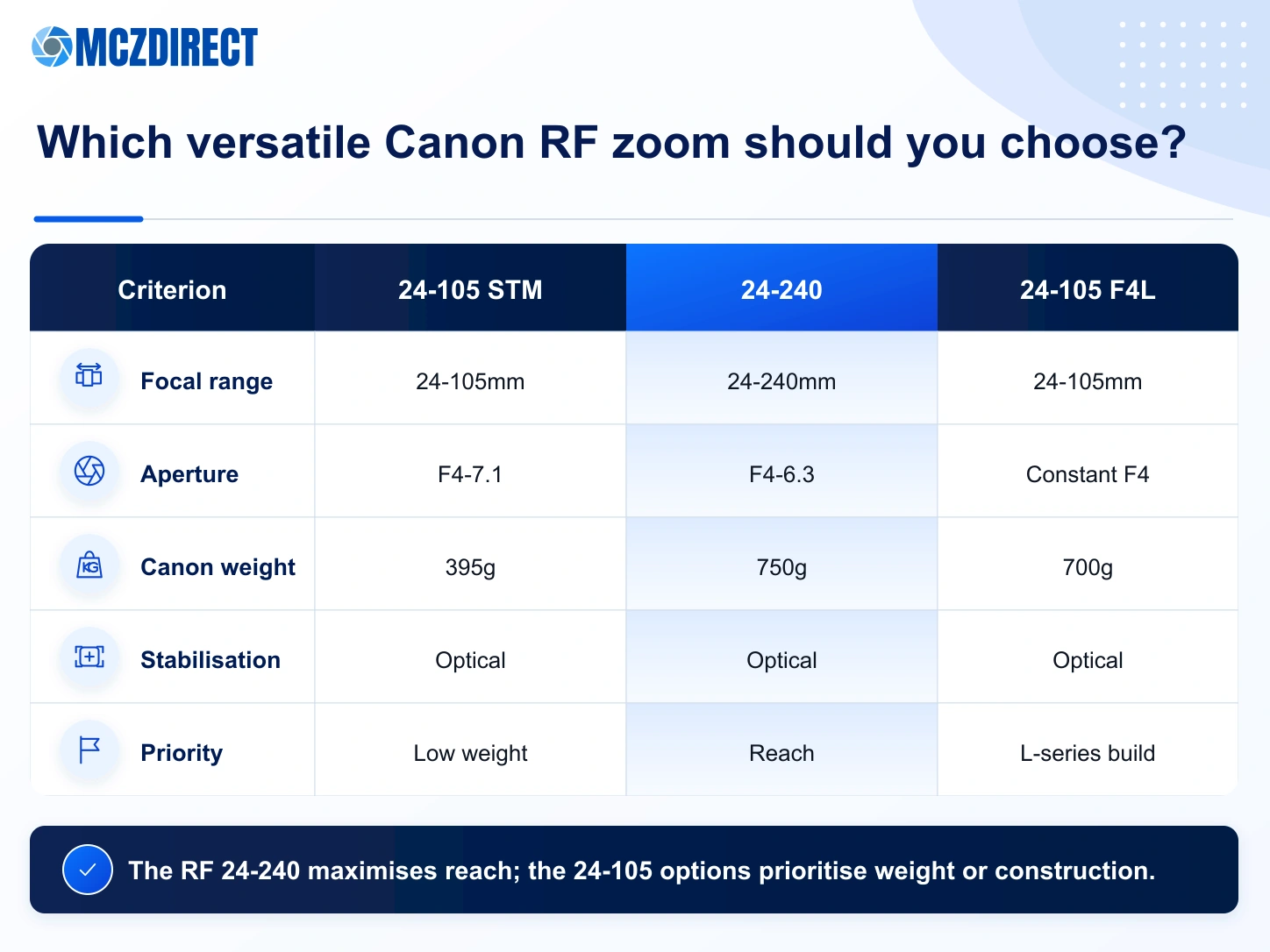
| Lens | Choose it when | Main compromise |
|---|---|---|
| RF 24-105mm F4-7.1 IS STM | Minimum weight, size and close focusing come first | Stops at 105mm and falls to f/7.1 at the long end |
| RF 24-240mm F4-6.3 IS USM | One zoom must cover landscapes through distant subjects | Variable aperture, 24mm corrections and no weather sealing |
| RF 24-105mm F4L IS USM | Constant f/4 and L-series construction matter more than reach | No focal lengths beyond 105mm |
| RF 24-70mm F2.8L IS USM | Low light, portraits and event work are the priority | Stops at 70mm and weighs more |
The lens works across the Canon EOS R system. The EOS R8 keeps a full-frame travel kit relatively light, and the EOS R8 + RF 24-240mm configuration pairs them directly. The EOS R6 Mark II adds stronger handling and in-body stabilisation for reportage; an EOS R6 Mark II + RF 24-240mm kit is also active. The EOS R5 Mark II brings higher resolution, while also revealing optical weaknesses more readily at close inspection. Browse the active alternatives in Canon RF lenses.
At MCZ DIRECT, we see the RF 24-240mm as the choice for a travel or reportage photographer who wants to decide the framing in front of the subject, rather than pack several lenses in advance. Its strength is not dominance in one genre, but readiness from 24 to 240mm when the scene changes unexpectedly.
Against the RF 24-105mm STM, we recommend it when the extra 135mm of reach justifies carrying 355g more. Against the RF 24-105mm F4L, it makes sense when range and one-lens simplicity matter more than constant f/4, weather resistance and L-series construction.
The limitation is honest: this is neither a fast zoom for dark events nor a lens designed for inspecting every uncorrected corner at 100%. For travelling with fewer lenses, covering wide angle through telephoto and returning with a varied set of compositions, the compromise is nevertheless very well judged.

It suits EOS R photographers who want one zoom for travel, landscapes, reportage, portraits and distant subjects, and who value range more than maximum aperture.
Yes. The 10x range reduces lens changes and can replace several focal lengths. At 750g it is manageable, although it is not a tiny kit zoom.
Yes, particularly from 85 to 240mm when there is enough working distance. The long focal length helps isolation, but f/6.3 blurs less than a faster lens.
The 240mm reach and Nano USM suit nearby wildlife and outdoor action. For long distances or poor light, a longer and faster telephoto is the stronger choice.
The 24-240mm gives much more reach and Nano USM focusing. The 24-105mm STM is substantially lighter and smaller when 105mm is enough.
Choose the 24-240mm for reach and one-lens travel simplicity. The 24-105mm F4L provides constant f/4, L-series construction and stated weather resistance.
It matters with moving subjects indoors or at dusk. Stabilisation reduces photographer movement, but subject motion still requires a suitable shutter speed.
Canon rates it at 5 stops under its test conditions. It is most useful handheld with landscapes, buildings and other static subjects.
The wide end relies on strong geometric correction. The camera applies it to JPEG files; RAW processing should use current software with the RF 24-240mm profile.
Canon specifies 0.50m and 0.26x maximum magnification. That is useful for details, but it does not reach the 1:1 reproduction of a true macro lens.
On an APS-C EOS R body, framing is roughly equivalent to 38-384mm on full frame. Reach increases, but 24mm no longer provides a wide-angle view.
No. Canon lists the EW-78F hood and LP1219 pouch as compatible accessories that are not bundled. The lens takes 72mm filters.
The Canon RF 24-240mm makes most sense when framing freedom and fewer lens changes matter most. Its 10x range, Nano USM autofocus and optical stabiliser suit travel and reportage particularly well. Its variable aperture and reliance on wide-angle corrections make it less suitable for dark events or photographers expecting the consistently high optical performance of a specialised L-series lens.