Shopping Cart

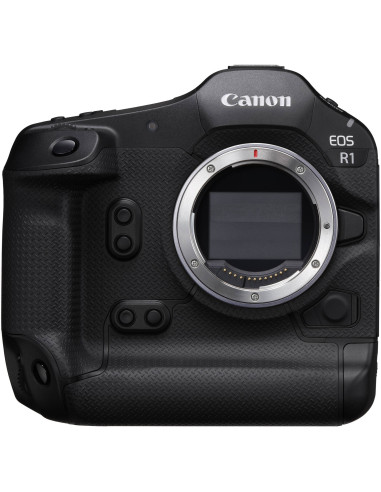
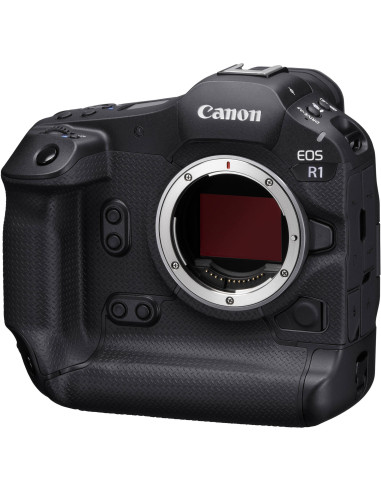

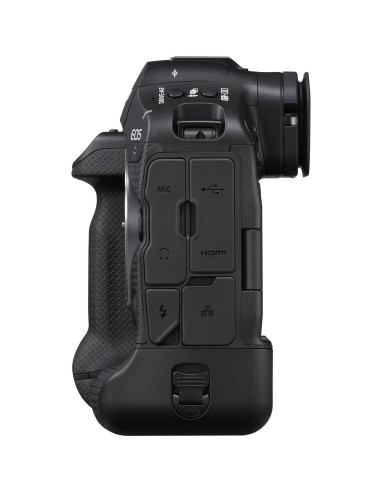

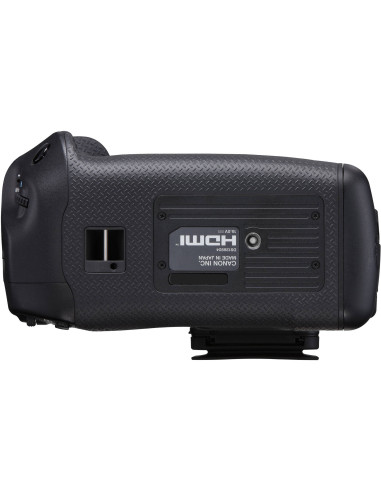
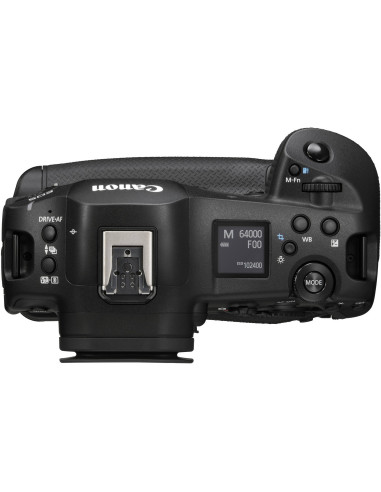
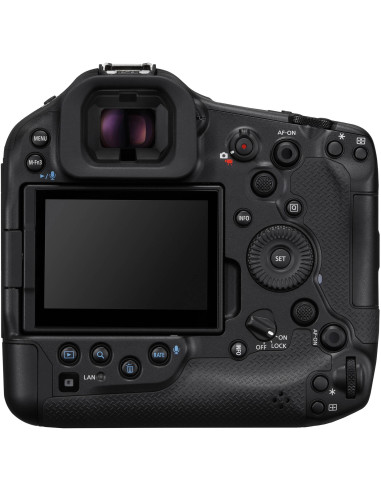
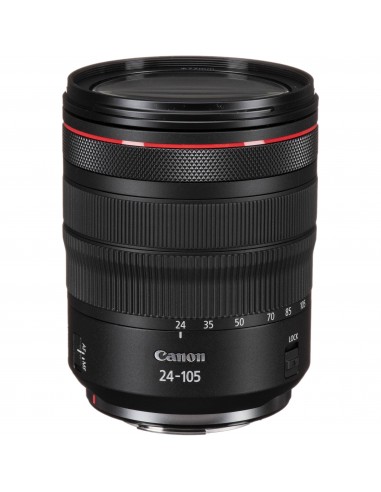


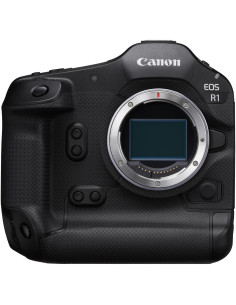
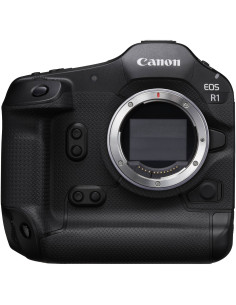
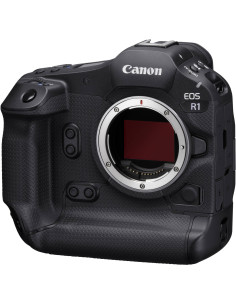
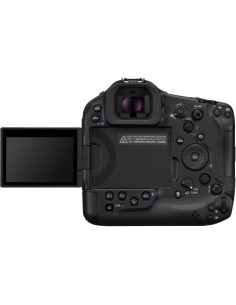
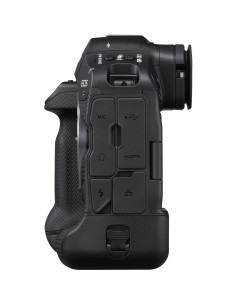
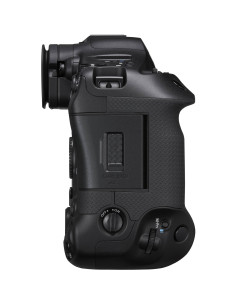
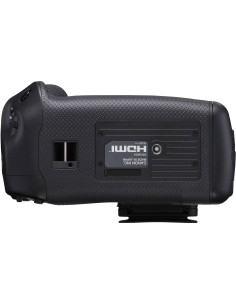
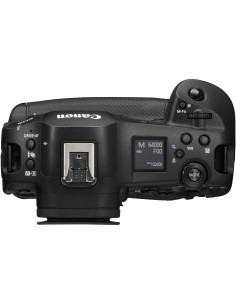
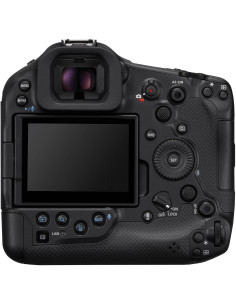
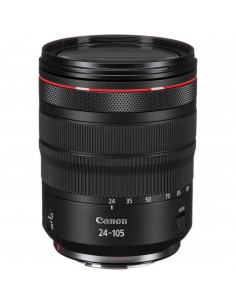
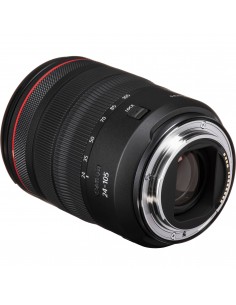
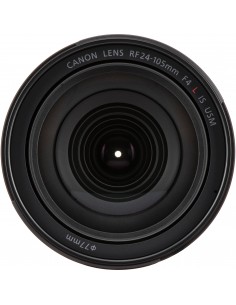
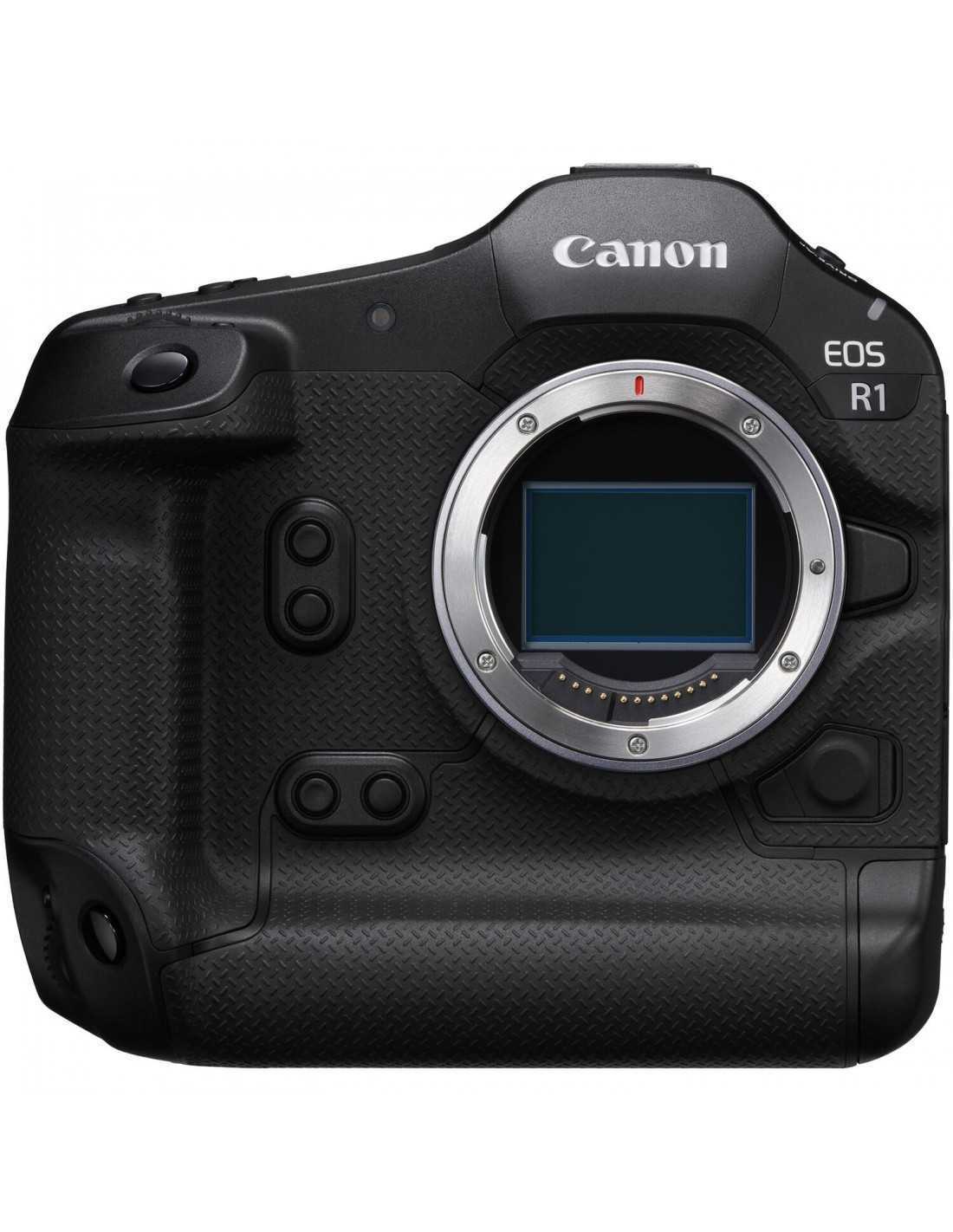
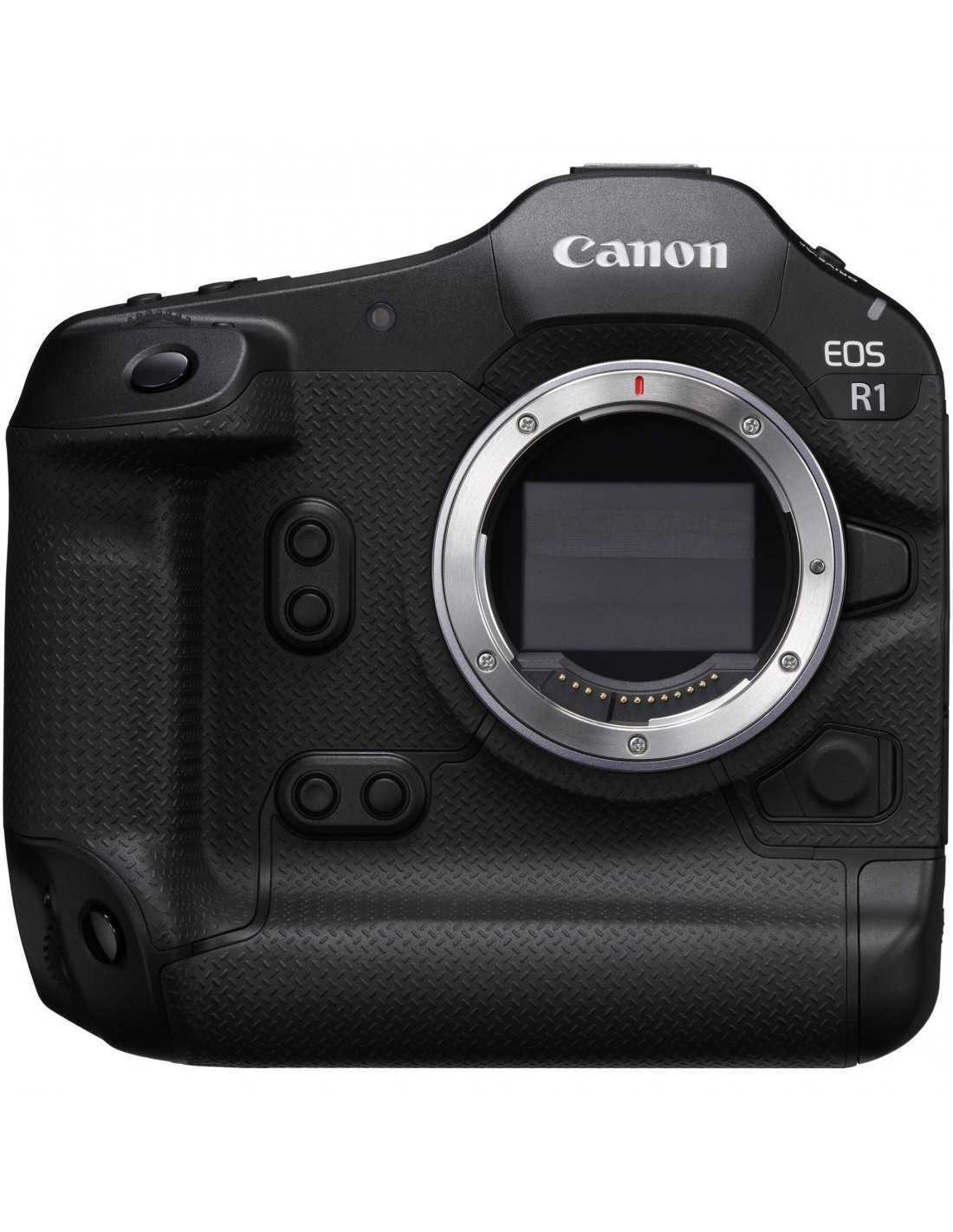
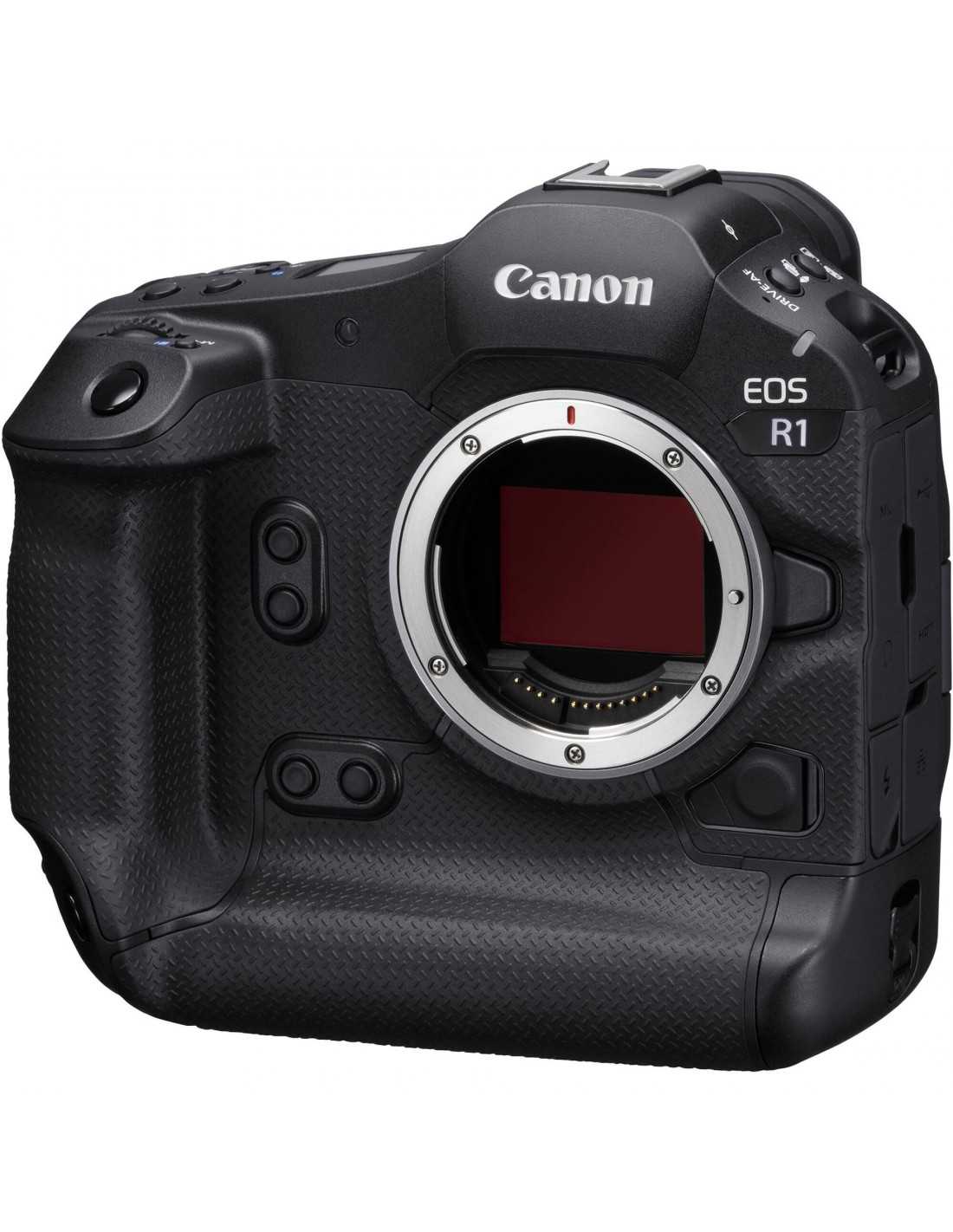
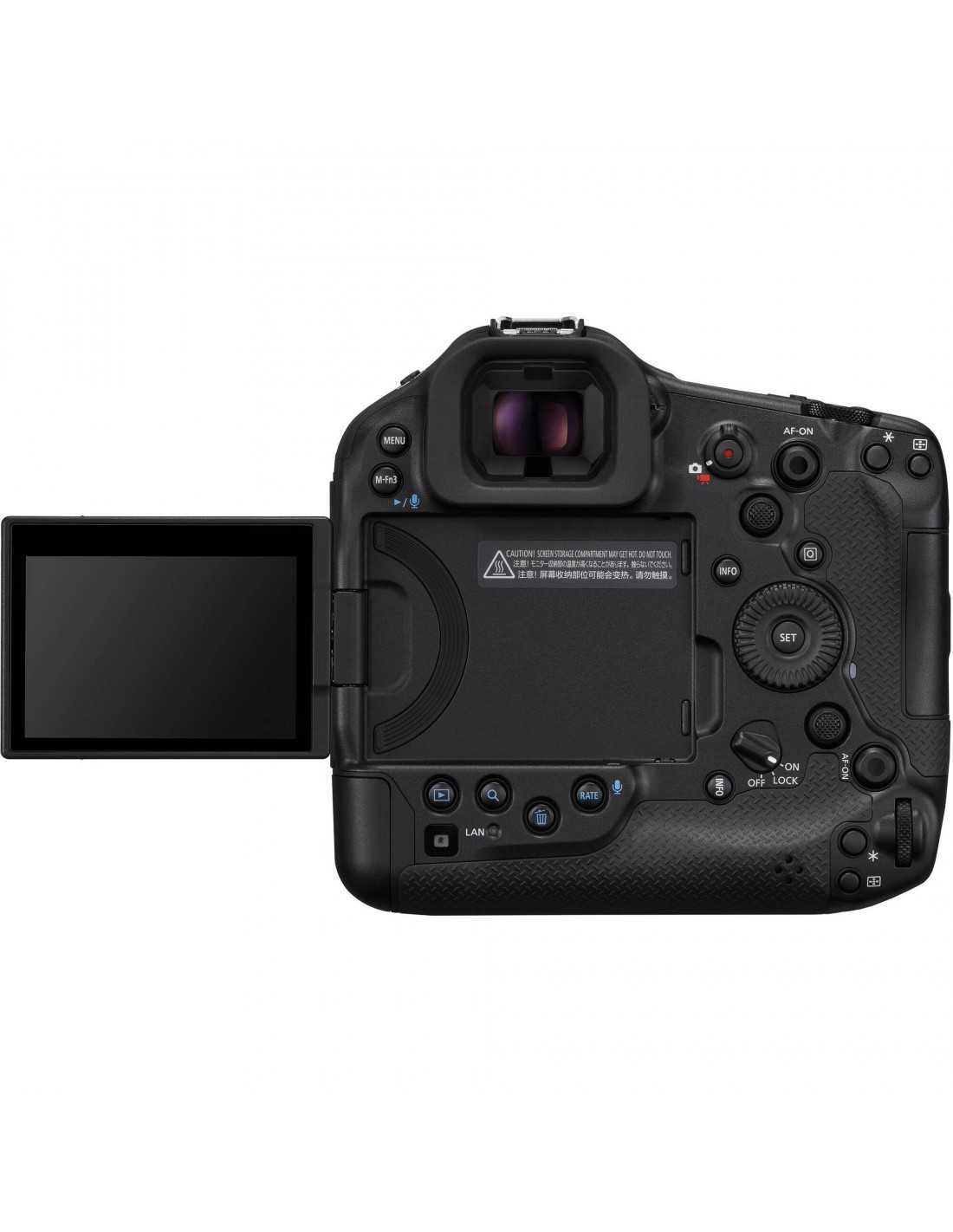
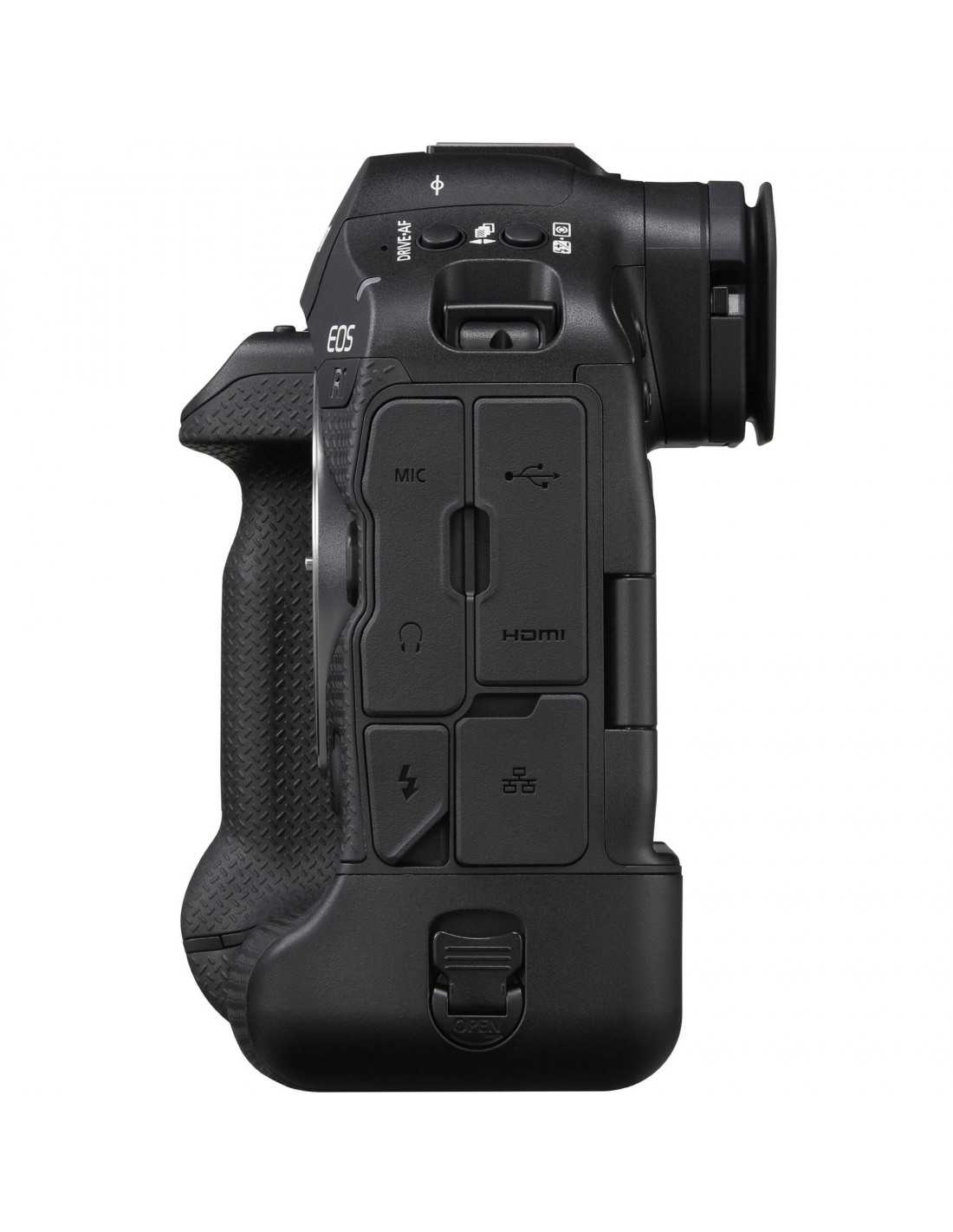
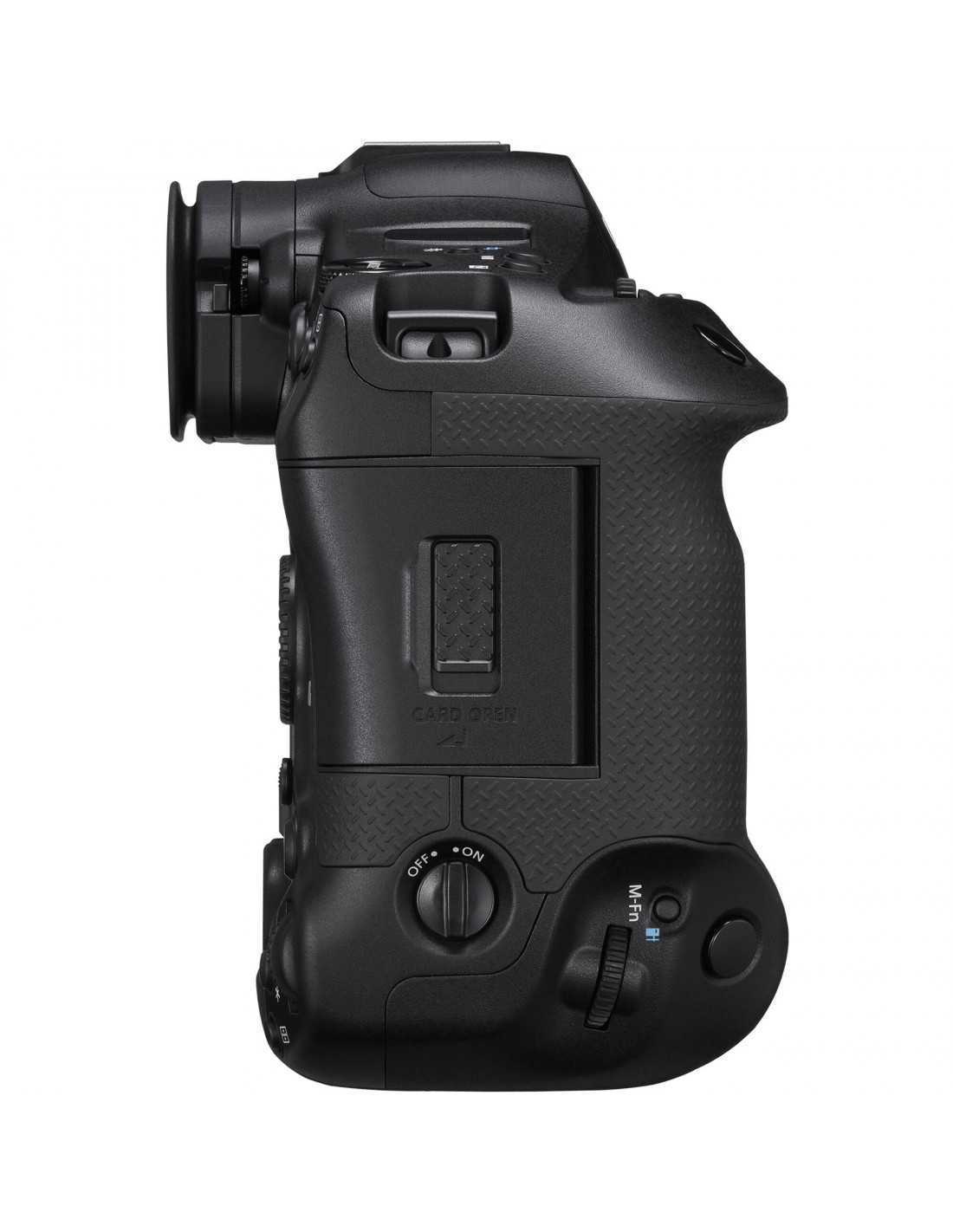
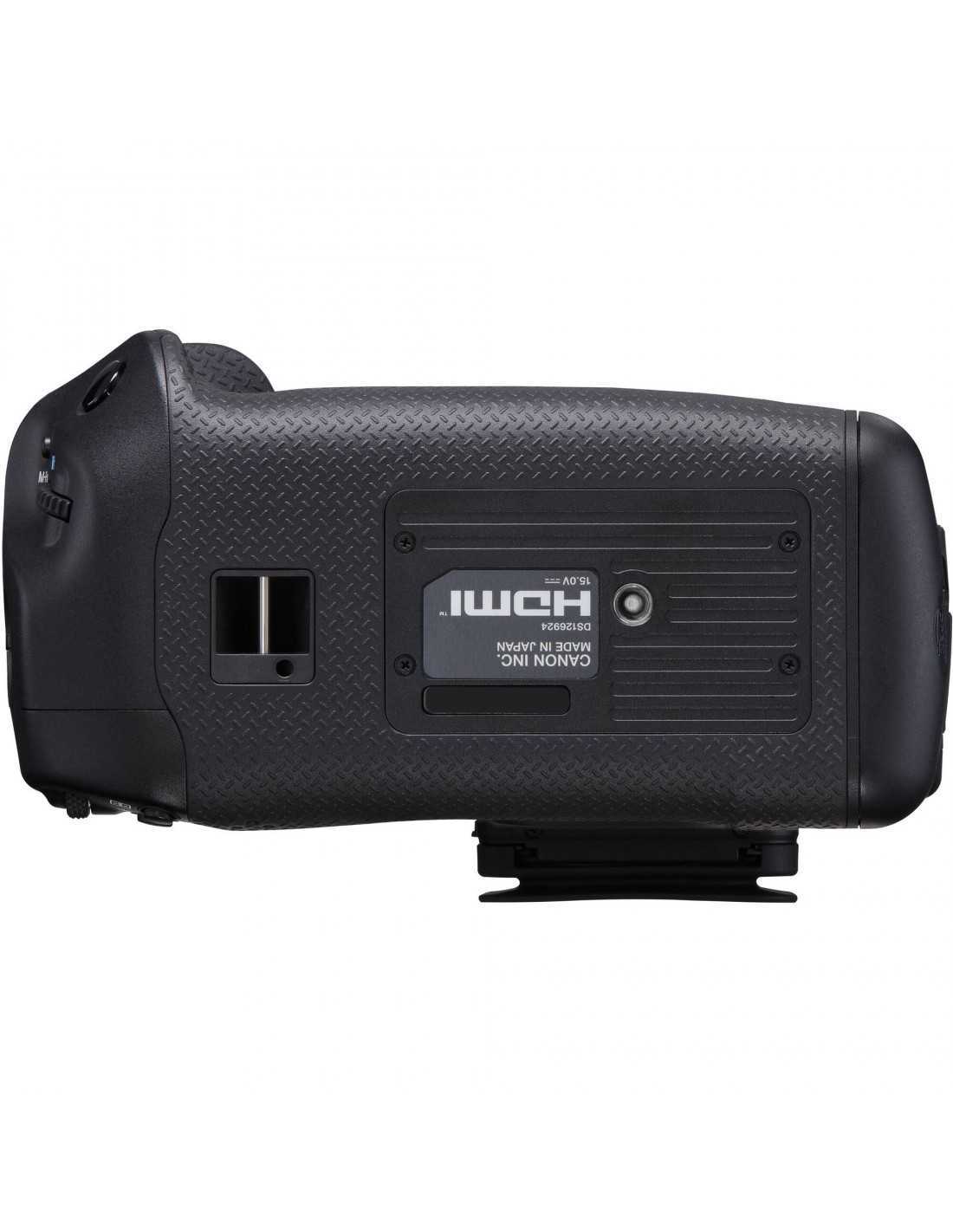
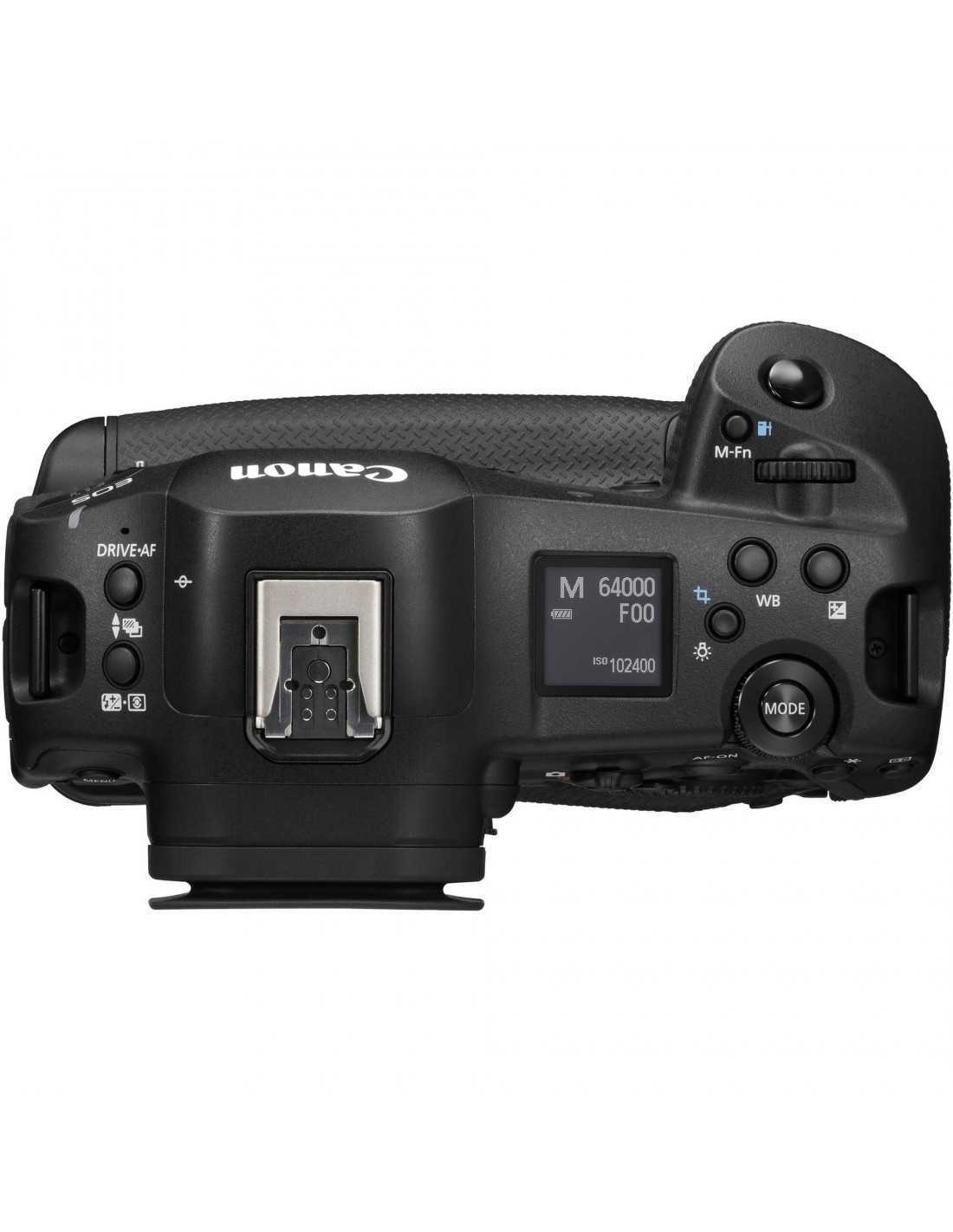
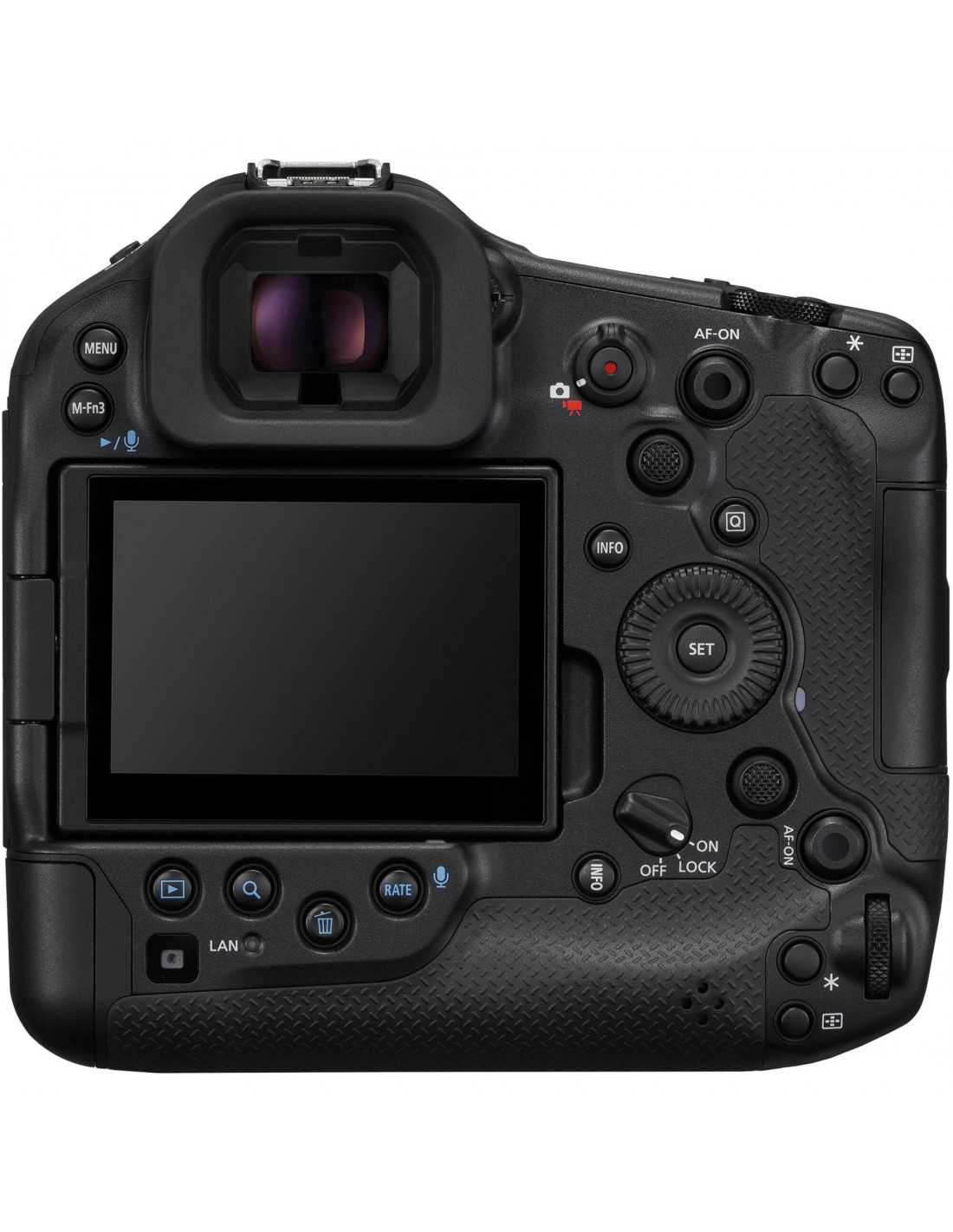
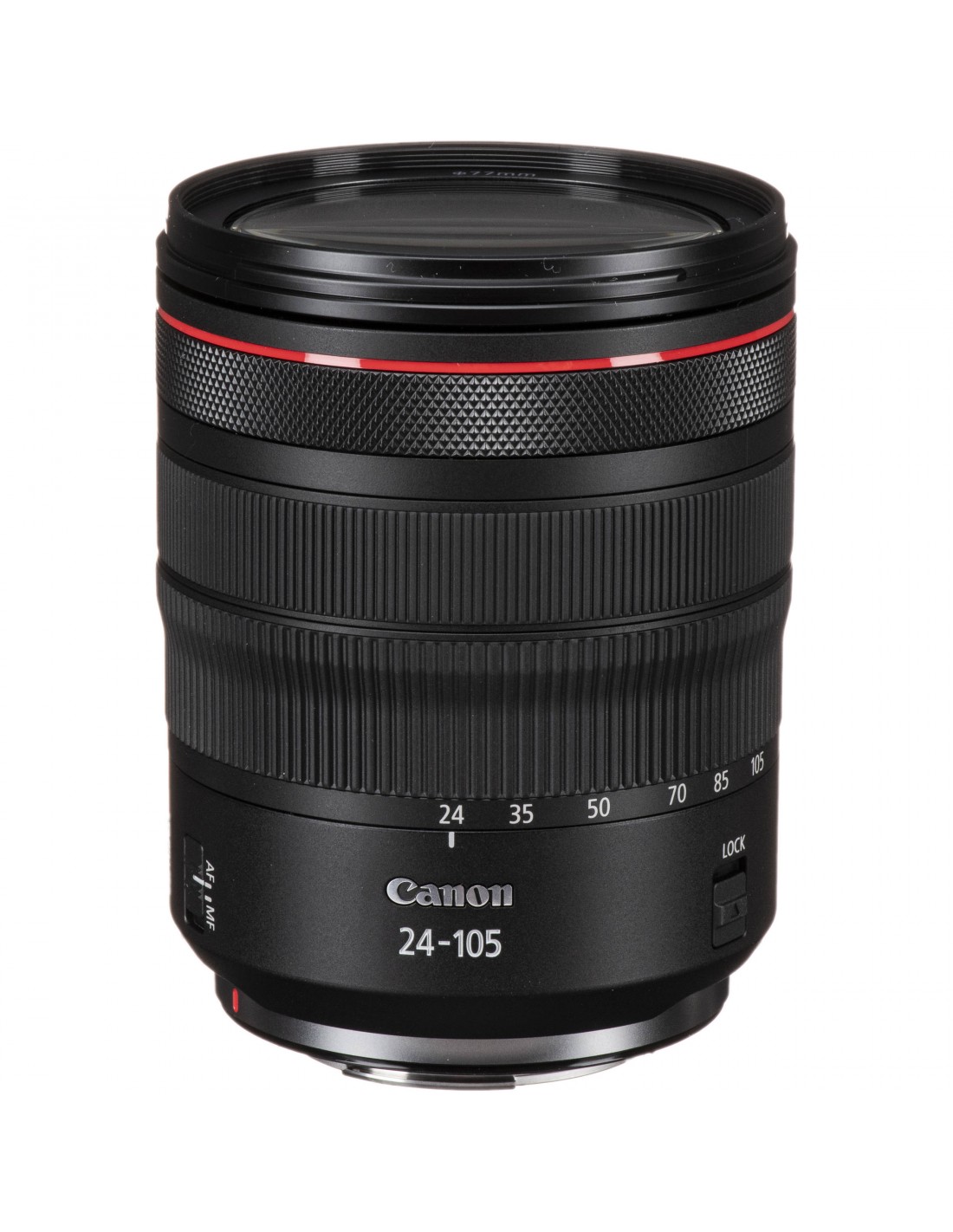
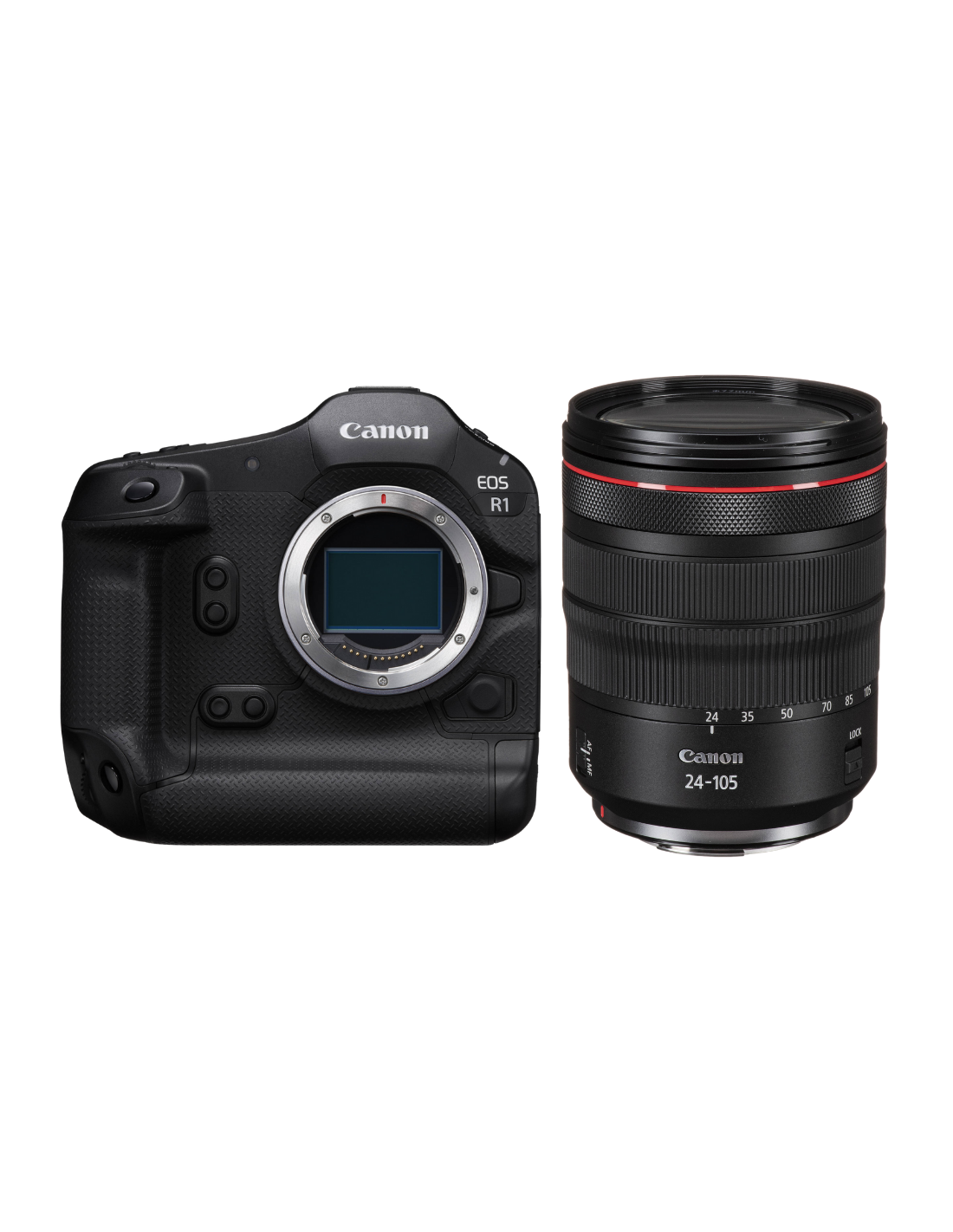
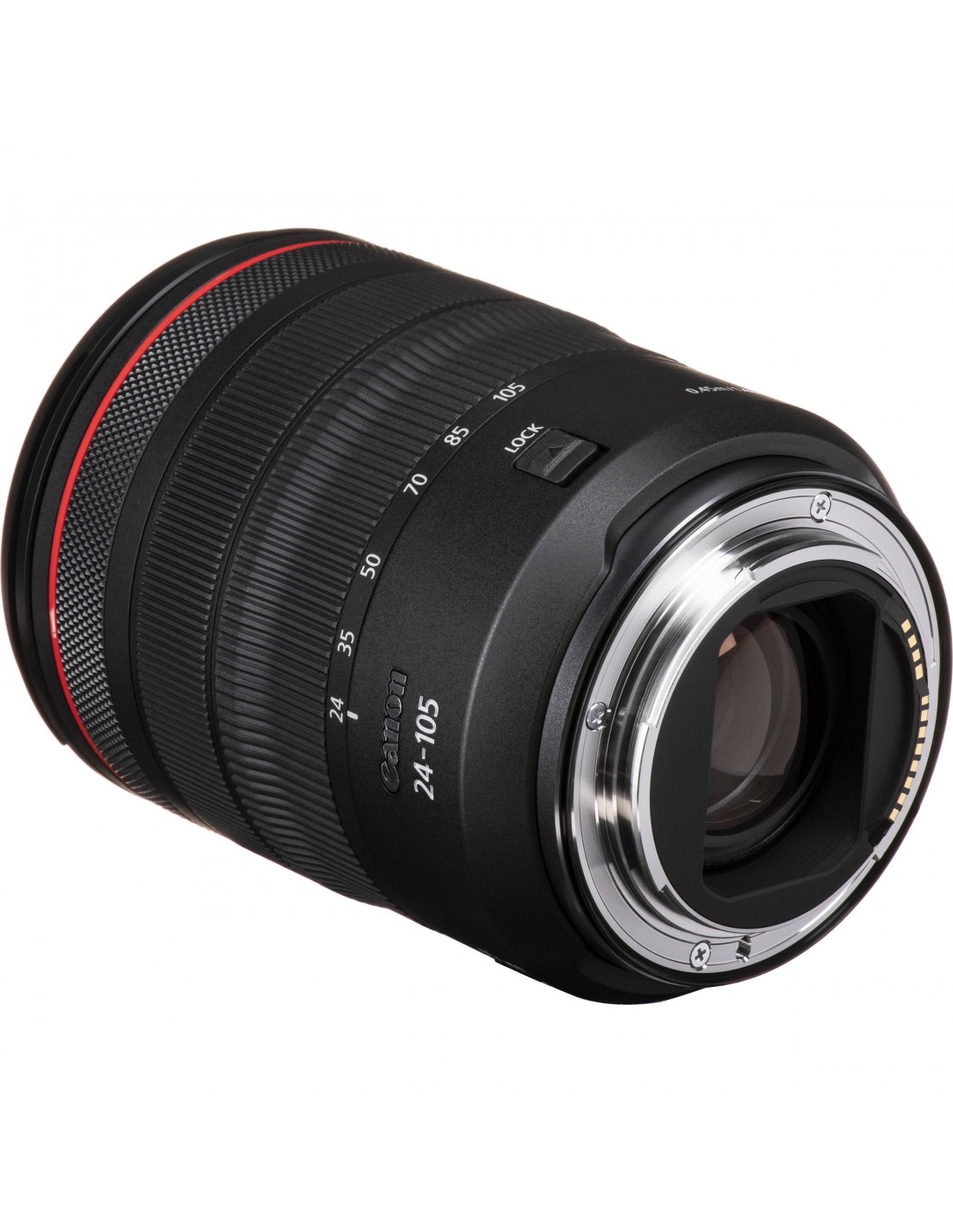
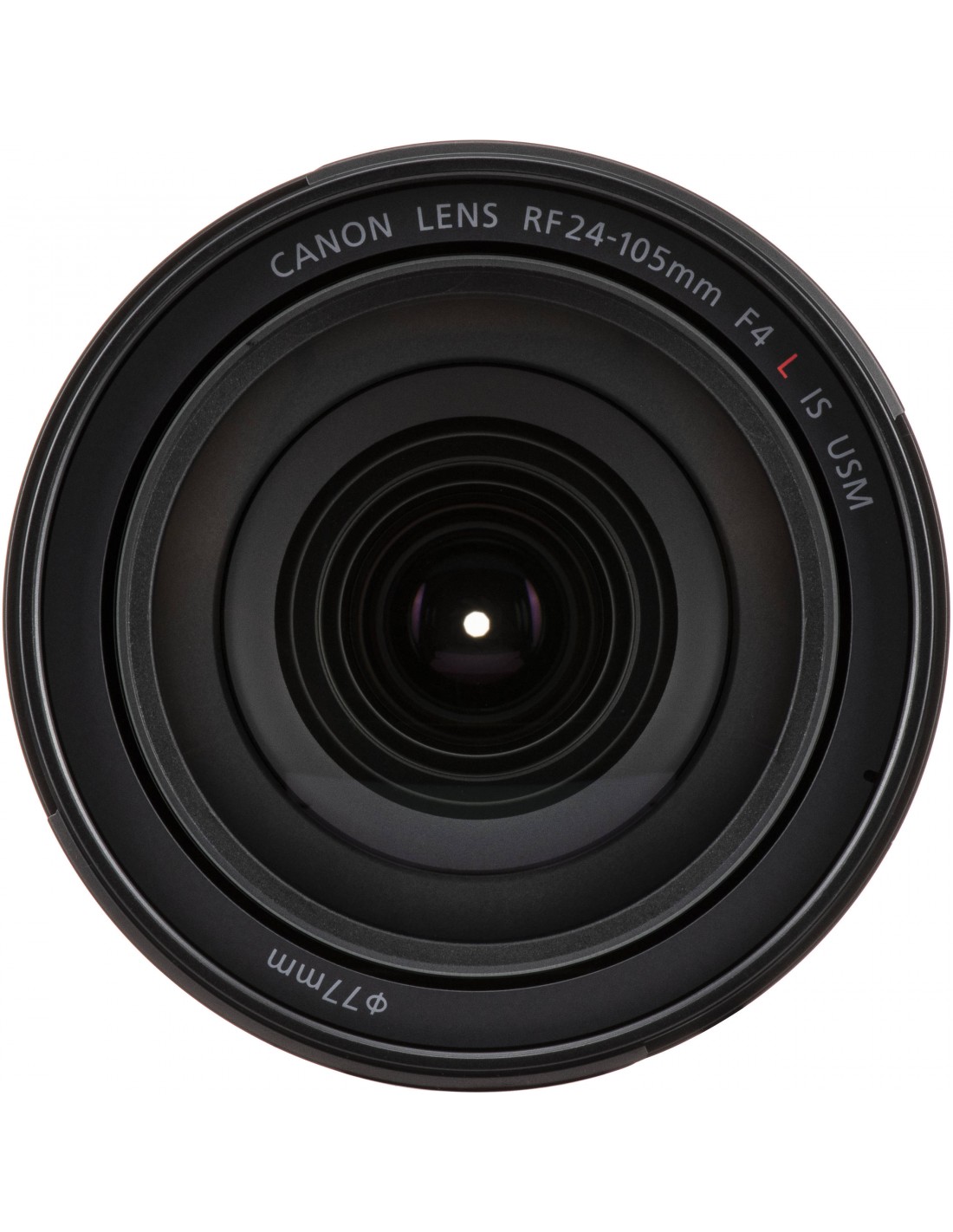
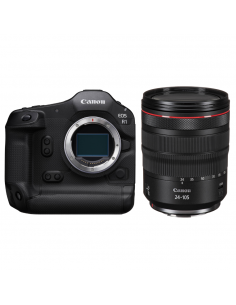

The Canon EOS R1 with RF 24-105mm F4 L IS USM is a serious all-round working kit for photographers who need one camera and one lens to cover a changing day. Its 24.2MP stacked full-frame sensor, rapid electronic shooting and high-resolution video sit alongside a practical 24-105mm constant-F4 zoom with optical stabilisation. It moves naturally from wide establishing frames to close portraits, details and short telephoto compositions without interrupting the flow of reportage. The compromise is clear: F4 gives less low-light latitude and background separation than F2.8, while 105mm will not reach distant sport or wildlife. At about 1.82kg ready to work, this is a professional tool rather than a casual carry-around combination. Its real strength is continuity throughout a demanding assignment.
Combine compatible accessories and save. The more items you add, the bigger the discount.
Accessory
Accessory
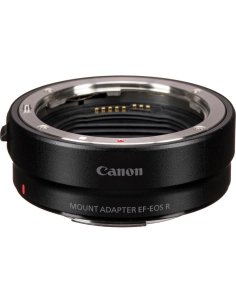
Accessory

warranty extension
The Canon EOS R1 with 24-105 F4 is built around continuity. Instead of treating a lens change as the answer to every new angle, it gives an experienced photographer a wide-to-short-telephoto range that can stay on the camera through an arrival, ceremony, interview, street sequence or travel day. At 24mm you can show place and atmosphere; at 50mm you can settle into a natural perspective; at 105mm you can isolate a face, hand or detail while keeping a respectful distance.
That makes this Canon R1 RF 24-105 F4 kit particularly coherent for assignments where access, timing and momentum matter more than pursuing the shallowest possible depth of field. The camera's 24.2MP back-illuminated stacked full-frame sensor supplies a sensible resolution for professional stills, while the lens makes that performance usable across the situations that actually unfold in front of you.
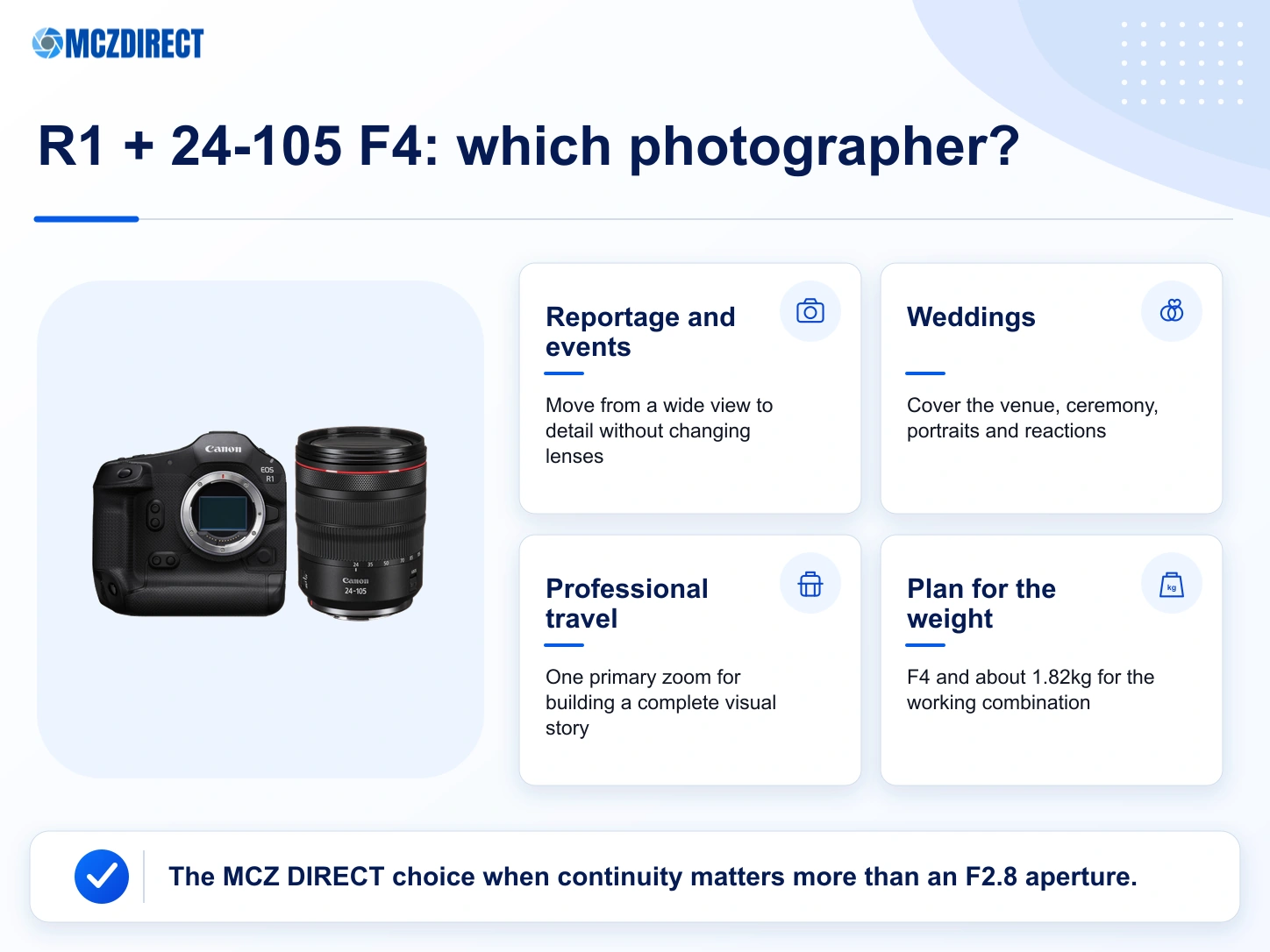
Reportage is rarely organised around one focal length. A wedding morning may move from a room-wide scene to a quiet portrait, a close detail of jewellery and a fast reaction between guests. A 24-105mm zoom lets those pictures coexist in one visual story, without repeatedly putting the camera down or asking a moment to wait. For a Canon R1 for wedding and reportage work, this range is often more valuable than a narrower zoom when you are working alone.
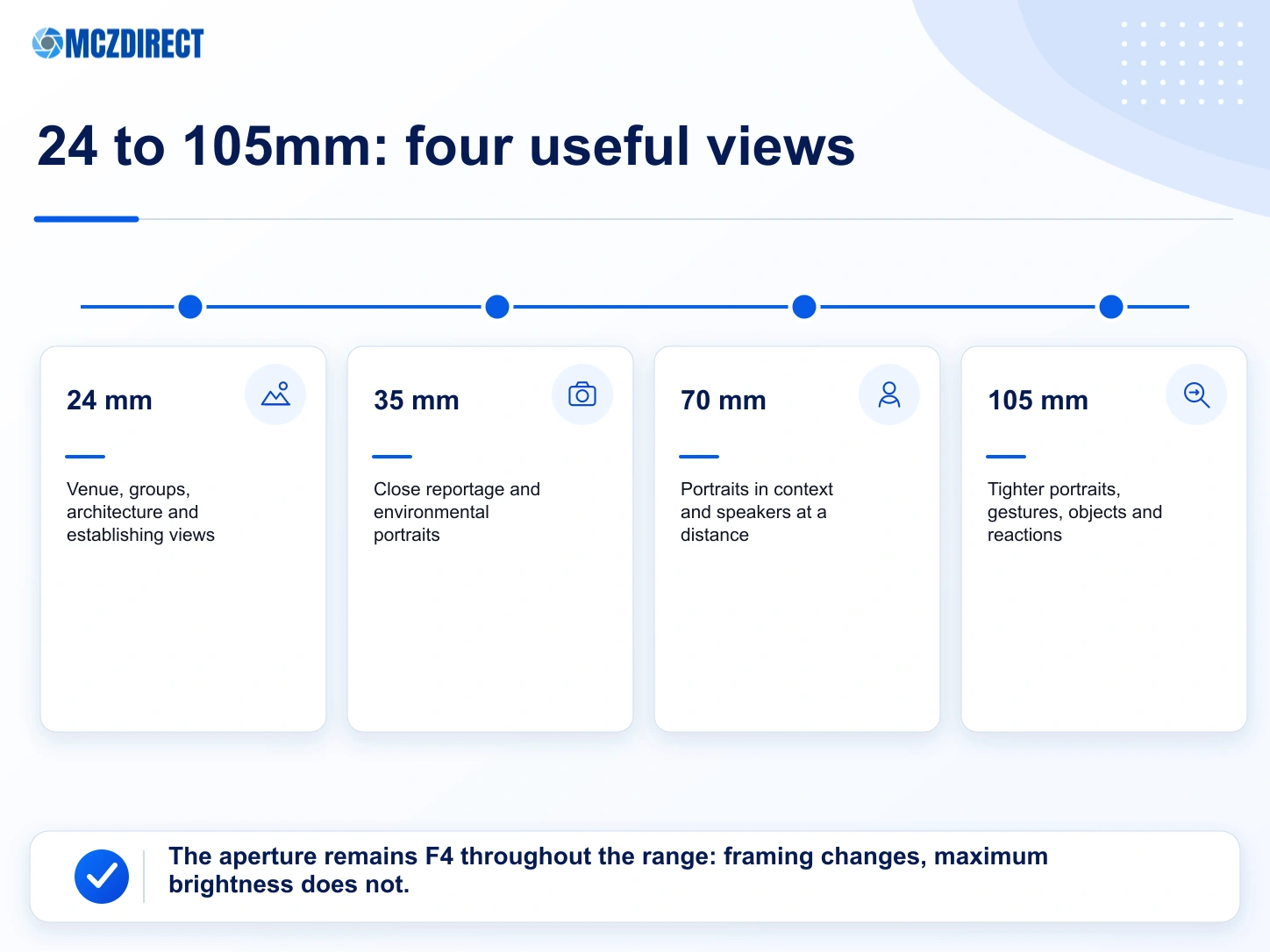
At the wide end, 24mm gives enough breadth for interiors, architecture and environmental portraits. The middle of the range is strong for conversations and documentary frames, while 70-105mm supports tighter portraits and unobtrusive details. It is not a substitute for a long telephoto at a stadium or across open ground, but it is a very capable answer to the constantly changing distances of real events.
The RF 24-105mm F4 L IS USM holds F4 throughout its zoom range. In practical terms, exposure does not change just because you move from a broad scene to a close portrait; that makes fast adjustments calmer when light is shifting and the subject is not waiting. The lens uses Nano USM, which is well suited to smooth, responsive focusing behaviour across stills and video work.
There is no point disguising the trade-off. F4 gathers less light than F2.8 and cannot create the same level of subject separation when conditions get dark or a background needs to fall away aggressively. For daylight, controlled interiors and photographers who value reach to 105mm in a relatively compact professional zoom, that compromise can be entirely sensible. For dim receptions, night assignments or an image style built around very shallow depth of field, an F2.8 option deserves serious consideration.
| Focal length | Best use | Practical result |
|---|---|---|
| 24mm | Interiors, architecture, groups and scene-setting | Keeps the subject connected to the place and atmosphere around it. |
| 35mm | Walk-through reportage and environmental portraits | Feels immediate while retaining enough context to tell the story. |
| 50mm | Conversations, portraits and general documentary coverage | Provides a natural-looking perspective for many everyday moments. |
| 70mm | Tighter portraits and details from a step back | Lets you simplify the background without becoming too distant. |
| 105mm | Ceremony details, expressions and close portrait framing | Offers useful reach for events, though not enough for distant field sport or wildlife. |
The EOS R1 can shoot at up to 40fps electronically. That capability matters less as a reason to hold the shutter down continuously than as headroom for moments that are genuinely hard to repeat: a runner's stride, a first embrace, an expression during a speech or the point at which a subject turns into the available light. It gives the photographer more opportunity to choose the most convincing frame from a brief sequence.
Paired with a 24-105mm zoom, that speed supports a fluid way of working. You can change framing first, then react to the movement inside it. For documentary assignments, this is often more practical than carrying a lens that offers more aperture but leaves a gap between a contextual wide composition and a close detail.
The Canon R1 stabilised 24-105 zoom combines the camera with a lens carrying Canon-rated five-stop optical image stabilisation. That is useful when working from the edge of a room, walking through a city at dusk or filming a short handheld sequence where setting up a tripod would change the scene. Stabilisation can help you work more deliberately at slower shutter speeds, particularly for static subjects and controlled camera movement.
It does not freeze a moving subject, and it does not replace good technique. A dancing couple, fast gesture or moving vehicle still needs a shutter speed appropriate to its motion. The benefit is that when subject movement allows it, the lens provides more freedom to make a clean handheld frame rather than being forced immediately towards a support or higher sensitivity.
For hybrid assignments, the EOS R1 records internal RAW up to 6K 60p, 4K up to 120p and Full HD up to 240p. The higher-resolution RAW option gives a robust starting point for projects that need detailed masters and post-production flexibility, while 4K 120p and Full HD 240p provide slow-motion choices for movement, gestures and transition shots.
The 24-105mm range is equally practical for documentary video. It can establish a location at 24mm, move into a natural interview perspective around the middle of the range, then pick out a detail at 105mm without breaking the shot for a lens change. The constant F4 aperture helps exposure remain predictable during a zoom, though filmmakers who routinely work in very low light may prefer an F2.8 alternative.
The 9.44m-dot EVF is a meaningful part of the camera's working experience. A detailed electronic viewfinder helps when evaluating a tight composition, following action against a bright background or checking the edge of a subject in an interior with mixed light. It supports a more decisive shooting rhythm because framing decisions can be made at the eye rather than deferred until later.
Two CFexpress Type B card slots suit the kind of work this kit invites: sustained sequences, high-data-rate video and full days where a recording plan should be established before the job begins. Card choice, capacity and in-camera recording configuration remain part of the photographer's responsibility, but the twin-slot layout gives the system a more professional footing for important work.
At 105mm, this lens is long enough to make portraits feel less intrusive and to separate a subject from a busy setting through perspective and framing. It is also useful for details that make a report complete: hands at work, place settings, signs, instruments, clothing and small interactions. The nine-blade diaphragm contributes to a considered rendering of defocused areas, but F4 remains the governing creative limit when comparing it with a faster zoom.
The 0.45m minimum focus distance and 0.24x maximum magnification add a useful close-up dimension. You can work quickly on a menu, object, texture or product feature without reaching for a dedicated macro lens. A 77mm filter thread also keeps filtration straightforward for photographers who already use this common size in a working kit.
| Function | Benefit in the field | Point to consider |
|---|---|---|
| 24.2MP back-illuminated stacked full-frame sensor | Provides detailed professional stills in a manageable working resolution. | Resolution alone does not replace careful exposure, framing and editing. |
| Up to 40fps electronic shooting | Helps cover brief peak-action moments and changing expressions. | Fast sequences require disciplined selection and appropriate card capacity. |
| Internal RAW up to 6K 60p | Creates a high-resolution video starting point for serious post-production. | RAW video produces substantial files and needs a prepared workflow. |
| 4K up to 120p and Full HD up to 240p | Adds slow-motion options for motion-led documentary and event sequences. | Slow motion should serve the story rather than become the default treatment. |
| 9.44m-dot EVF | Supports precise framing in difficult light and busy scenes. | A high-resolution viewfinder still benefits from a deliberate review routine. |
| Two CFexpress Type B slots | Supports long-form stills and video capture with a considered recording strategy. | Cards and recording settings should be chosen before an important assignment. |
This is a Canon R1 versatile lens kit for professional travel, not a lightweight holiday combination. The EOS R1 body weighs 1,115g with battery and card, and the RF 24-105mm F4 L IS USM weighs 700g, bringing the combined working weight to about 1.82kg. That weight brings a substantial, dependable-feeling setup into a bag, but it will be noticeable after a full day on foot.
The reward is coverage. A photographer documenting a location, commission or editorial journey can work from environmental scenes to portraits and details with one primary lens. That reduces interruptions and keeps the bag simpler than a multi-lens setup, while acknowledging that long-distance wildlife and field sport remain outside the natural reach of 105mm.
The right pairing depends on how you earn your frames. Choose this configuration when the priority is broad, stabilised coverage and a constant aperture in a practical 24-105mm range. It is the strongest fit for event professionals, travel storytellers, documentary photographers and portraitists who work with a visible sense of place. The Canon EOS R1 category is useful when you want to see the wider system context, while the EOS R1 body-only suits photographers who already have their preferred RF glass.
For more low-light latitude and stronger background separation, consider the EOS R1 with RF 24-70mm F2.8 L IS USM. For an F2.8 24-105mm option designed for a different kind of professional flexibility, compare the EOS R1 with RF 24-105mm F2.8 L IS USM Z. A wider, lighter approach is available through the EOS R1 with RF 16-28mm F2.8 IS STM.
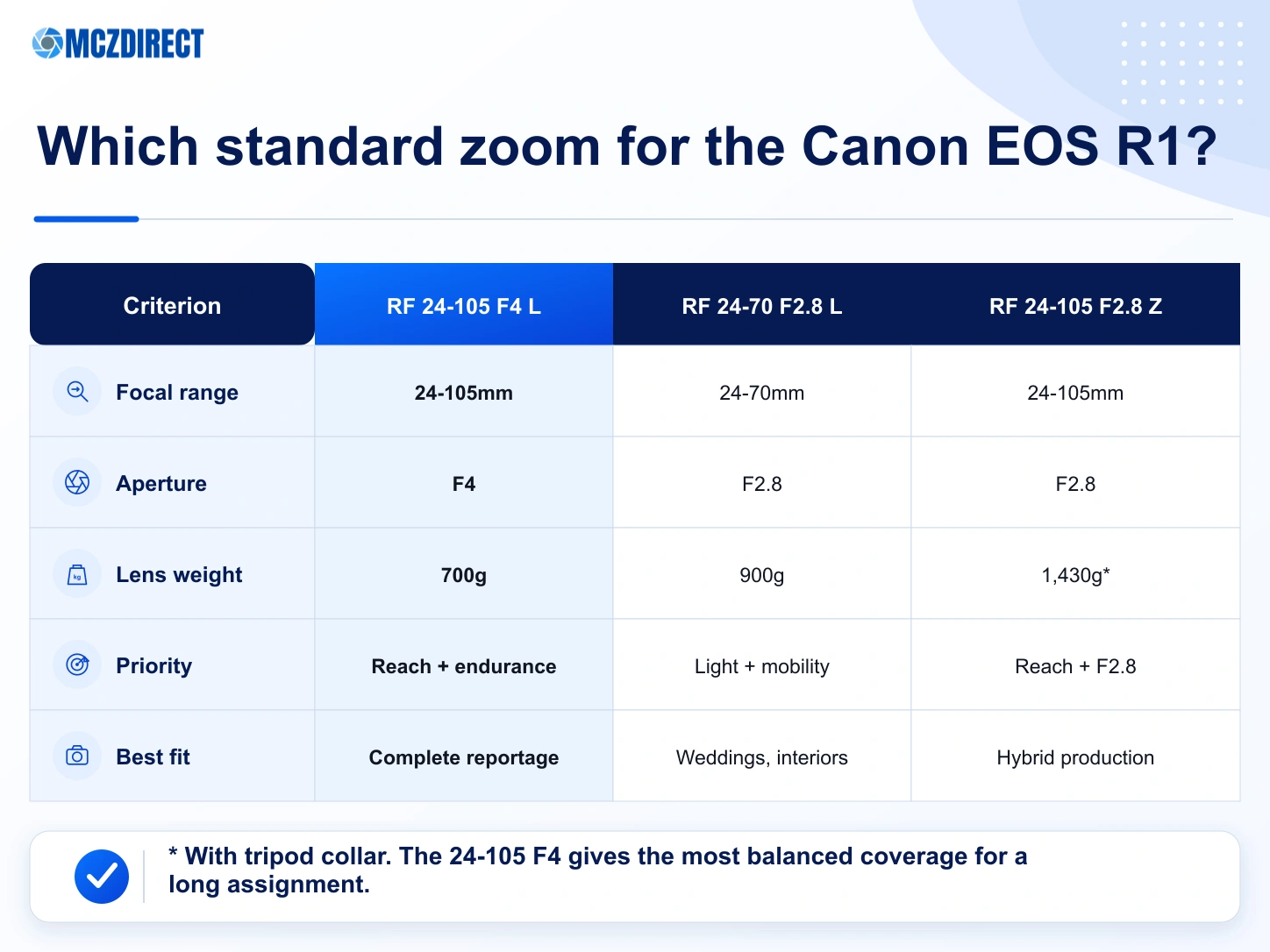
| Kit | Best fit | Why choose it | Honest trade-off |
|---|---|---|---|
| R1 + RF 24-105mm F4 L IS USM | Reportage, weddings, professional travel and documentary video | Broad 24-105mm coverage, constant F4 and Canon-rated five-stop optical IS. | Less light and less background separation than F2.8; 105mm is short for distant subjects. |
| R1 + RF 24-70mm F2.8 L IS USM | Low-light events, portraits and assignments prioritising aperture | F2.8 gives more light-gathering ability and stronger subject isolation. | Stops at 70mm, so close details and distant portrait framing need more physical movement. |
| R1 + RF 24-105mm F2.8 L IS USM Z | Professional productions needing 24-105mm range with F2.8 | Combines broad zoom coverage with the extra aperture many low-light workflows value. | A more specialised, substantial option for photographers who genuinely need that capability. |
For an EOS R1 user, the most useful all-round lens is not automatically the fastest one; it is the one that lets the assignment continue without forcing a change in working rhythm. This pairing makes sense for photographers who need range, stability and speed in one coherent toolset: wedding and event specialists, editorial and corporate reportage photographers, professional travellers, environmental portraitists and documentary filmmakers. If you already own the camera, the Canon RF 24-105mm F4 L IS USM page covers the lens on its own.
It is less convincing for photographers whose work is mainly nocturnal, heavily dependent on F2.8 separation, or focused on distant action. In those cases, the limitation is not the EOS R1 but the lens choice: F4 admits less light, and 105mm is short for field sport and wildlife. For its intended territory, however, the combination offers a disciplined, capable route from first wide frame to final close detail.
At MCZ DIRECT, we recommend this Canon EOS R1 with RF 24-105mm F4 L IS USM as the catalogue choice for photographers whose priority is professional all-day versatility: reportage, weddings and events, travel assignments, environmental portraiture and documentary video. It pairs the EOS R1's fast full-frame stills and advanced video capability with a stabilised zoom that covers the focal lengths most likely to matter before a lens change is possible.
Choose the R1 with 24-70mm F2.8 when low-light work and stronger separation matter more than 70-105mm reach, or the 24-105mm F2.8 Z combination when that wider aperture across the full range is essential. The honest limit here is F4: it gathers less light than F2.8, and 105mm is not a distant sport or wildlife focal length. For photographers who value range, rhythm and practical coverage, that is a clear, workable trade rather than a hidden compromise.
Choose this kit when your work moves quickly between wide scenes, natural portraits and close details, and you want the Canon R1 ready with one stabilised professional zoom.

It is well suited to experienced photographers covering reportage, weddings, events, professional travel, environmental portraits and documentary video.
Yes. It covers broad scenes at 24mm, natural documentary views through the middle of the range, and tighter portraits or details at 105mm.
The EOS R1 uses a 24.2MP back-illuminated stacked full-frame sensor.
It can shoot at up to 40fps electronically, giving useful headroom for short, unpredictable moments.
It records internal RAW up to 6K 60p, 4K up to 120p and Full HD up to 240p.
Yes. Canon rates its optical image stabilisation at up to five stops, which can help with handheld work when subject movement permits.
F4 can be effective with a considered exposure approach, but it gathers less light than F2.8. Photographers who routinely work in dark venues may prefer an F2.8 kit.
Yes, particularly at longer focal lengths and with suitable subject-to-background distance, though F2.8 lenses offer stronger background separation.
Its minimum focus distance is 0.45m and its maximum magnification is 0.24x, useful for close details and small objects.
The RF 24-105mm F4 L IS USM uses 77mm filters.
The EOS R1 body weighs 1,115g with battery and card, while the lens weighs 700g, for a combined working weight of about 1.82kg.
It can cover nearby action and contextual sport imagery, but 105mm is short for distant field sport and wildlife. A longer lens is more appropriate when reach is the main requirement.
Choose the 24-105mm F4 kit for broader framing flexibility and stabilised 105mm reach. Choose a 24-70mm F2.8 kit when extra light and stronger depth-of-field control matter more than the 70-105mm range.