Shopping Cart
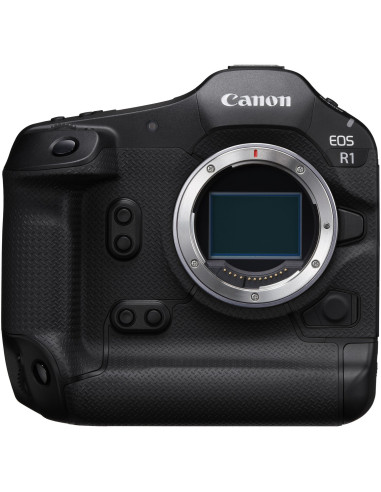
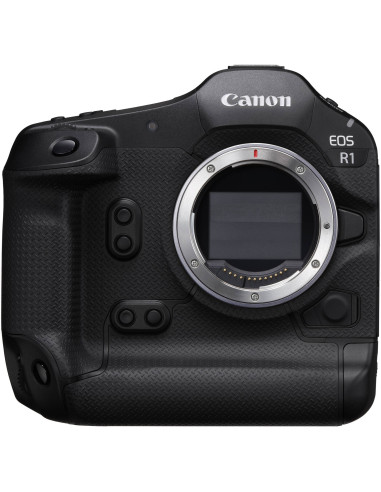
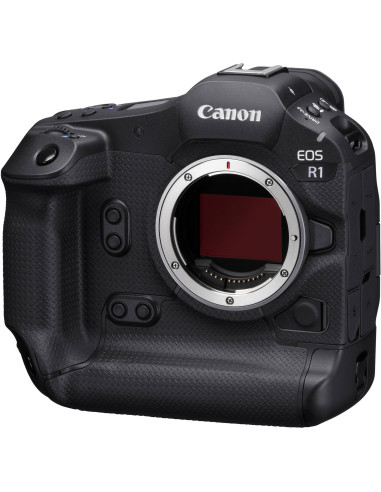
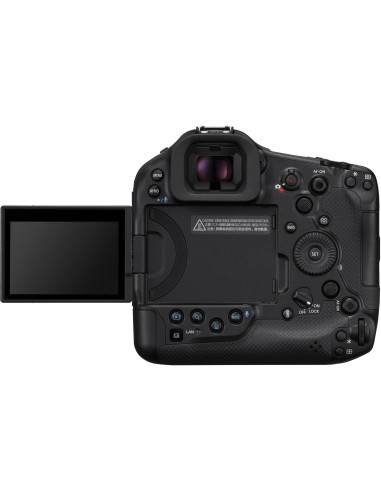
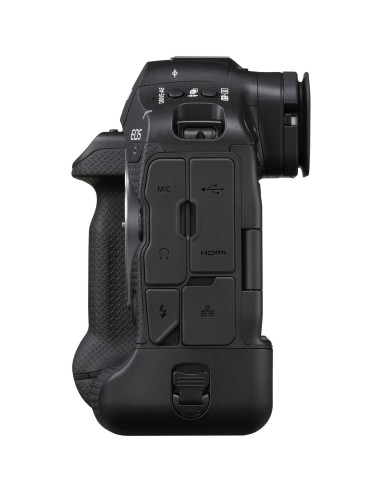
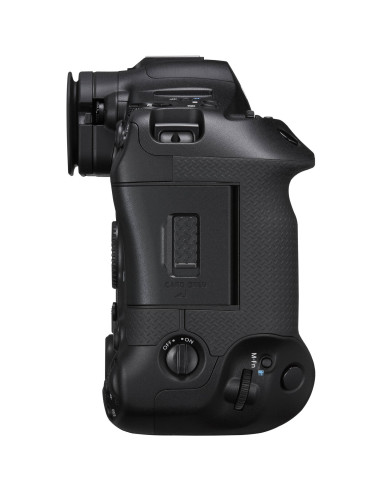
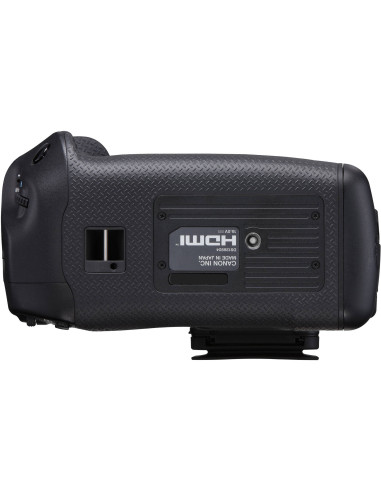
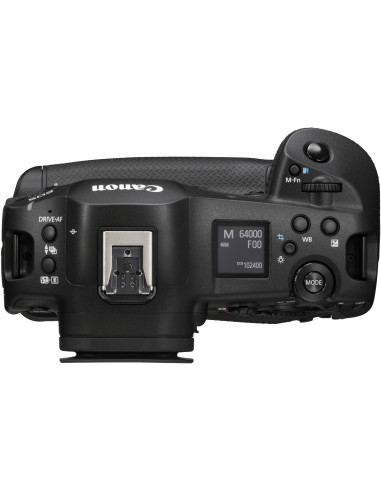
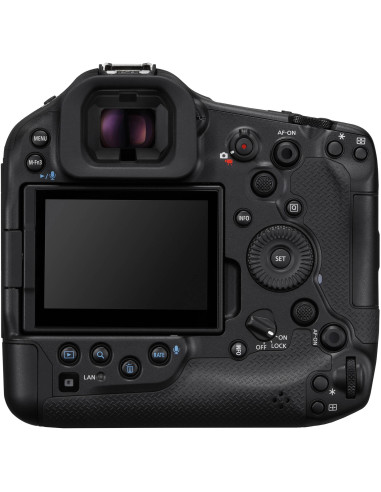
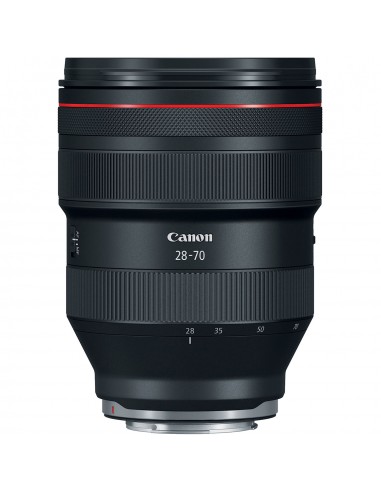
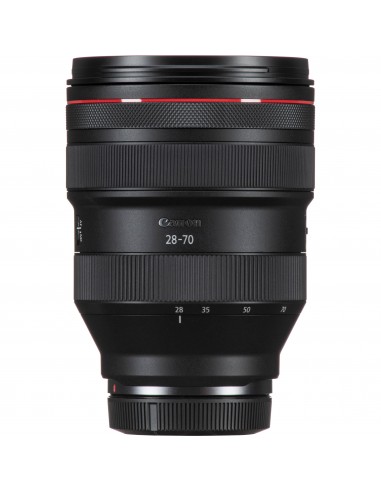
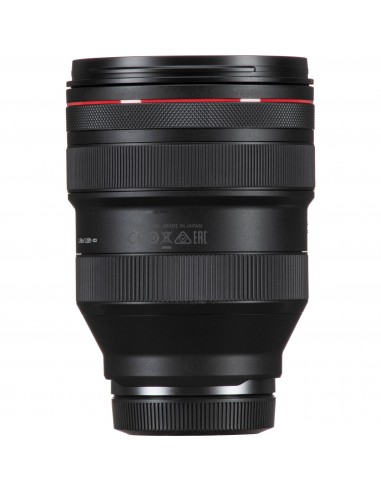
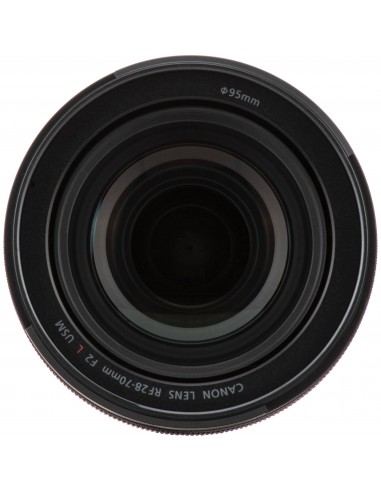
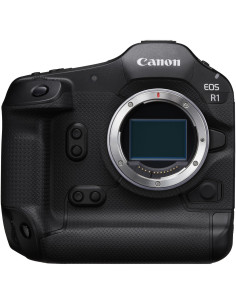
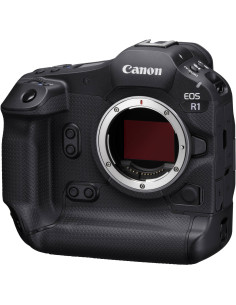
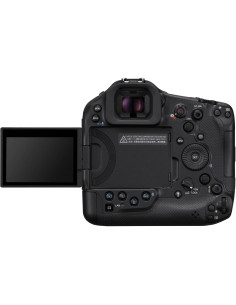
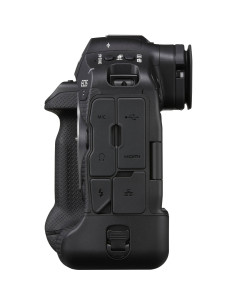
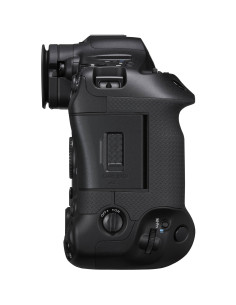
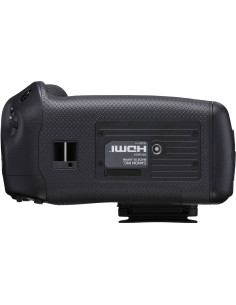
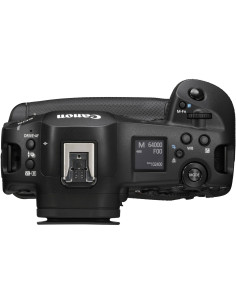
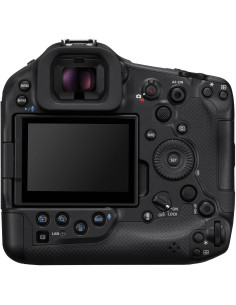
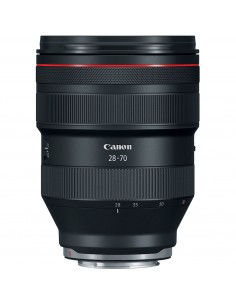
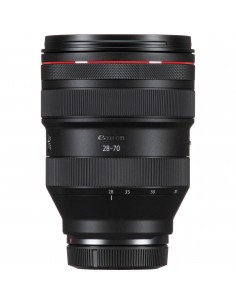
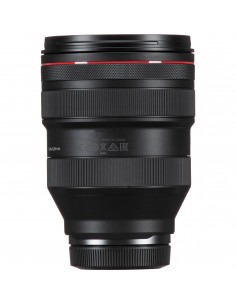
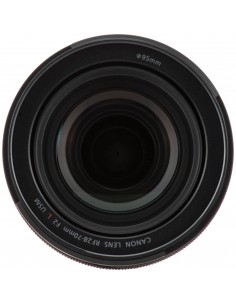
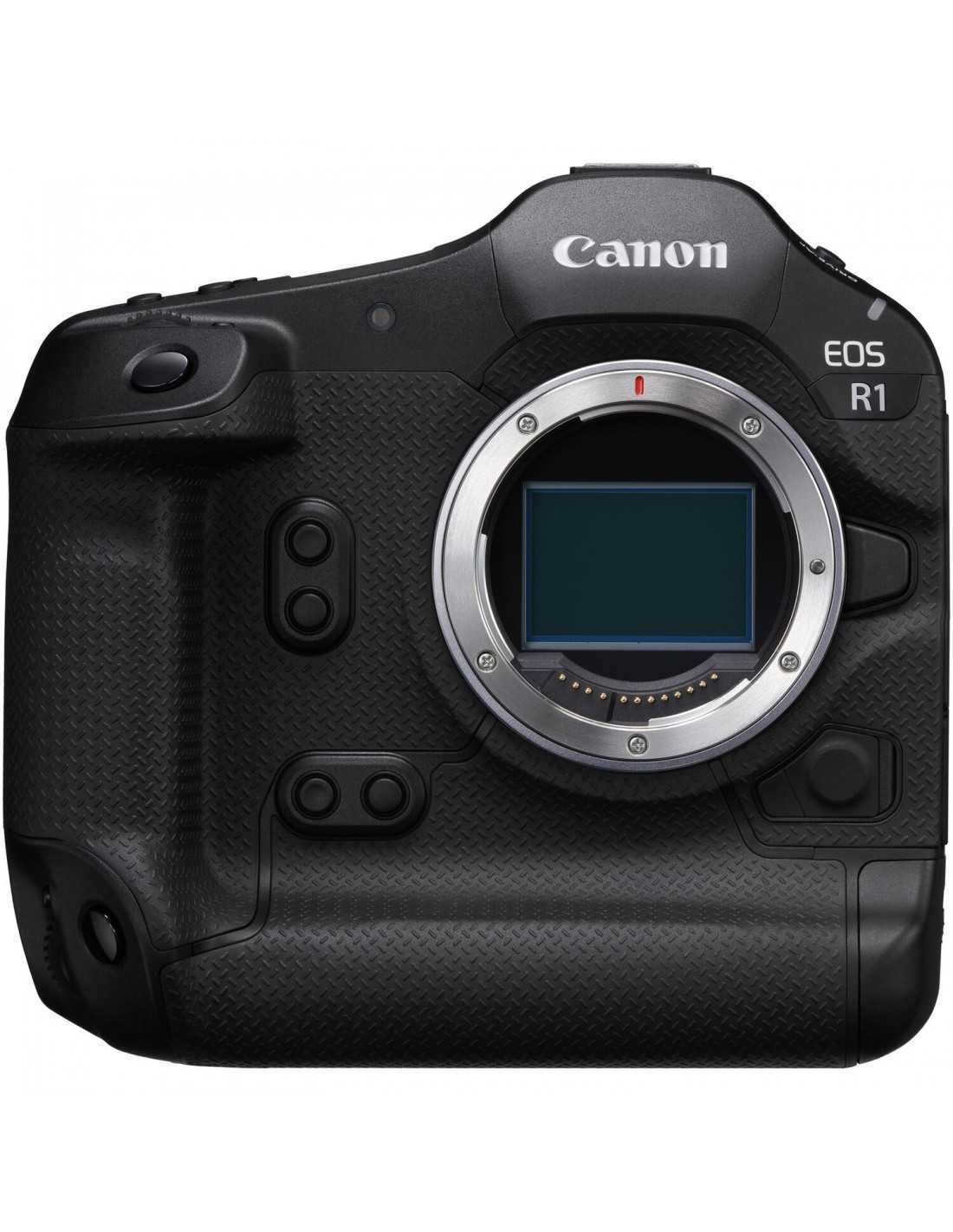
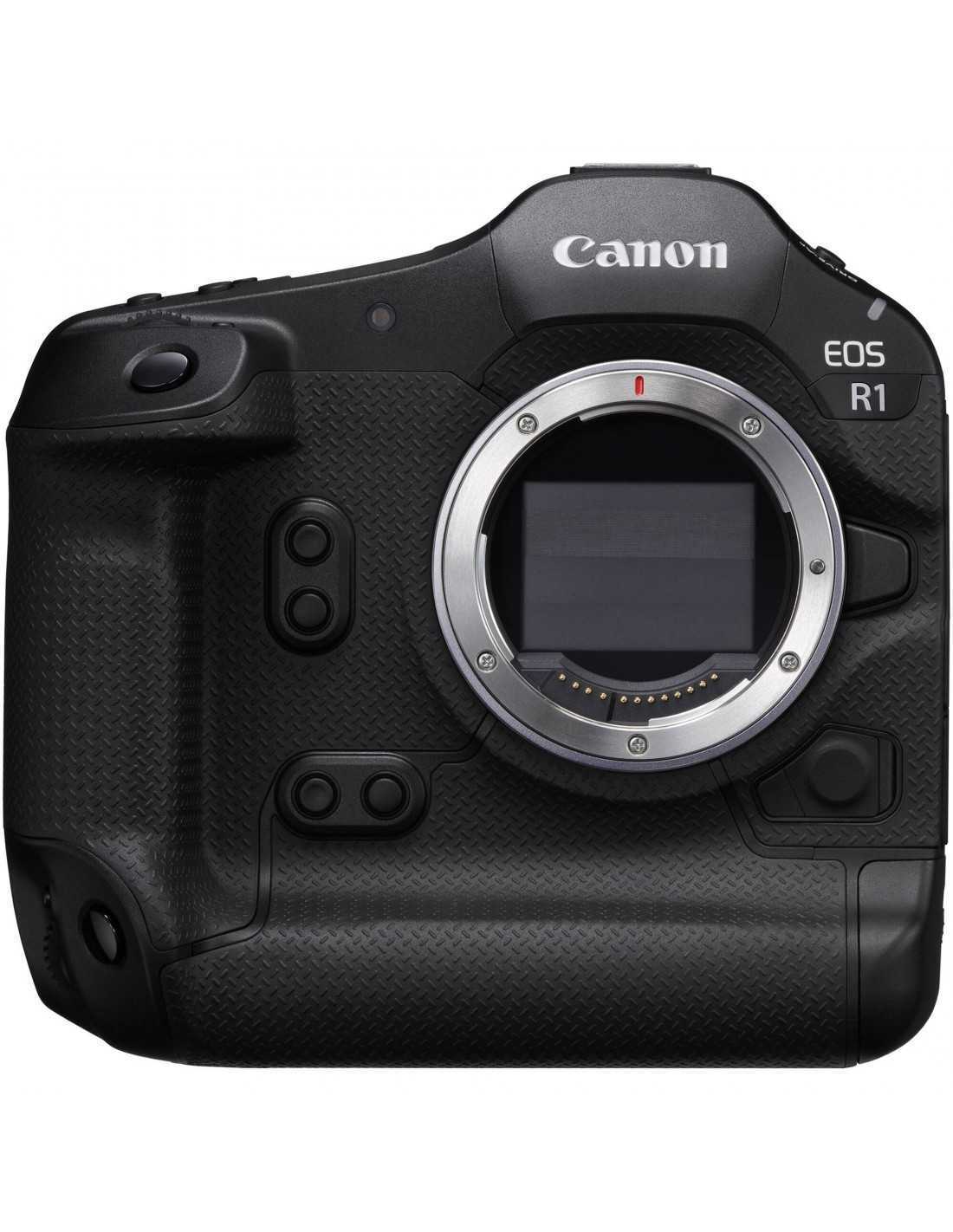
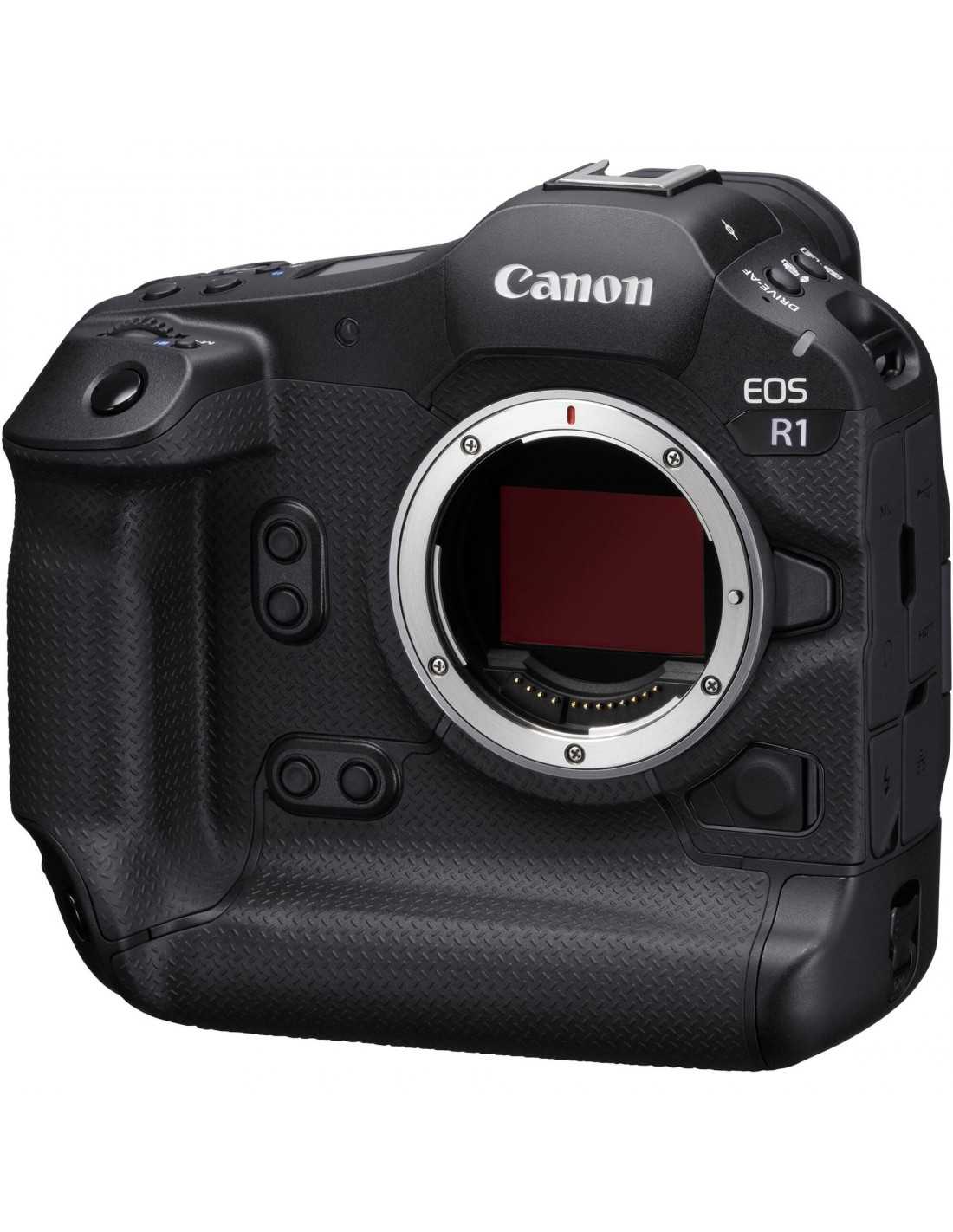
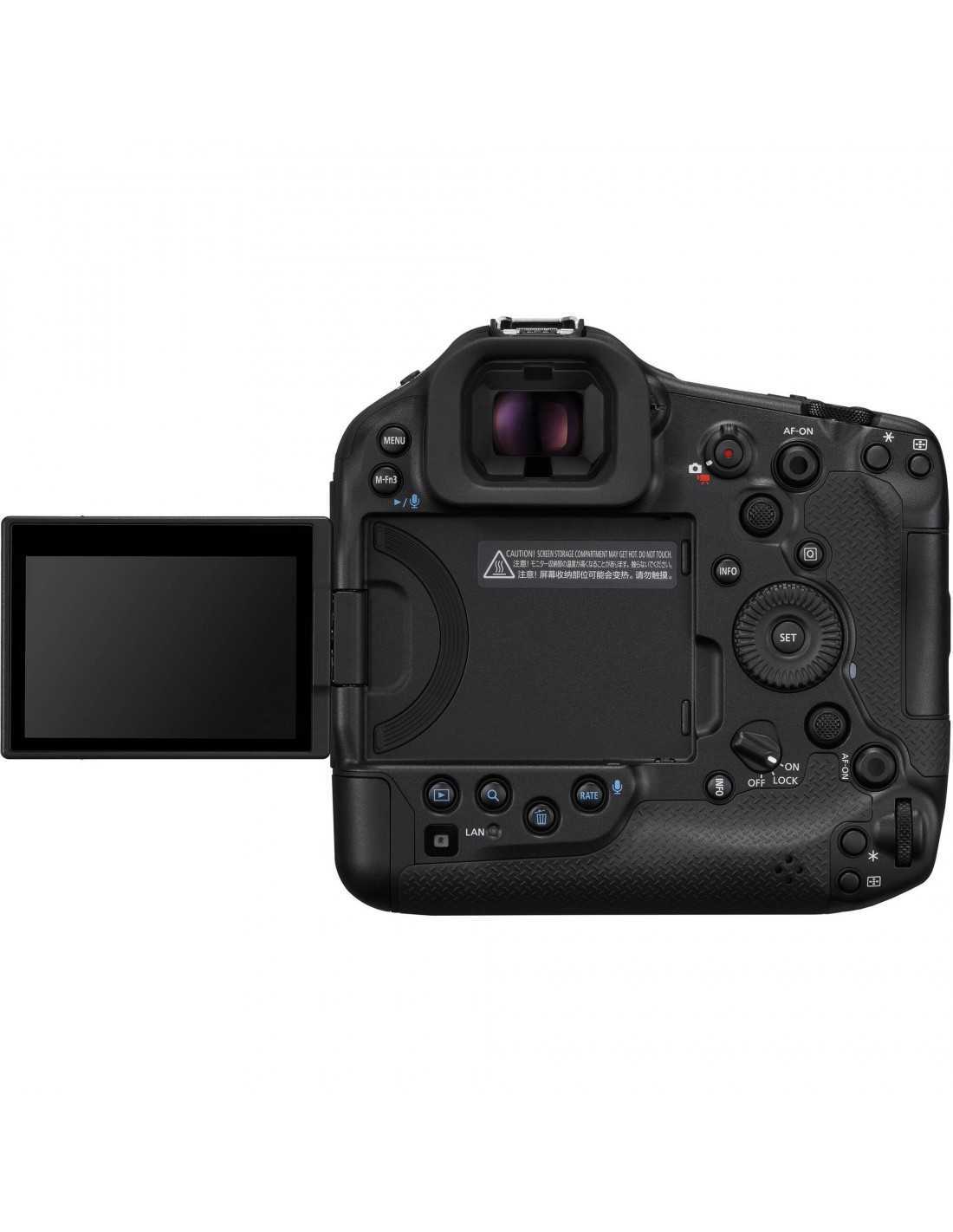
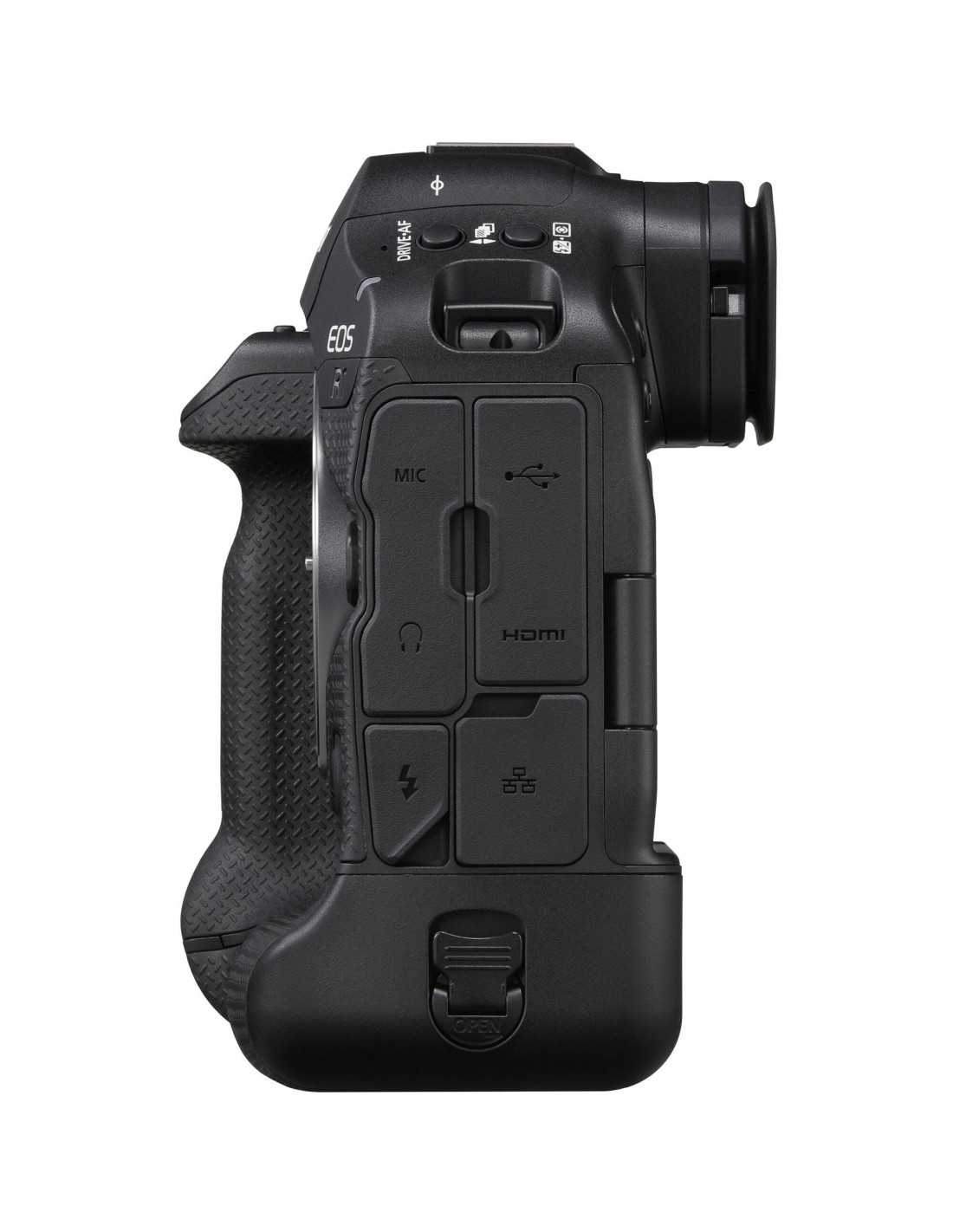
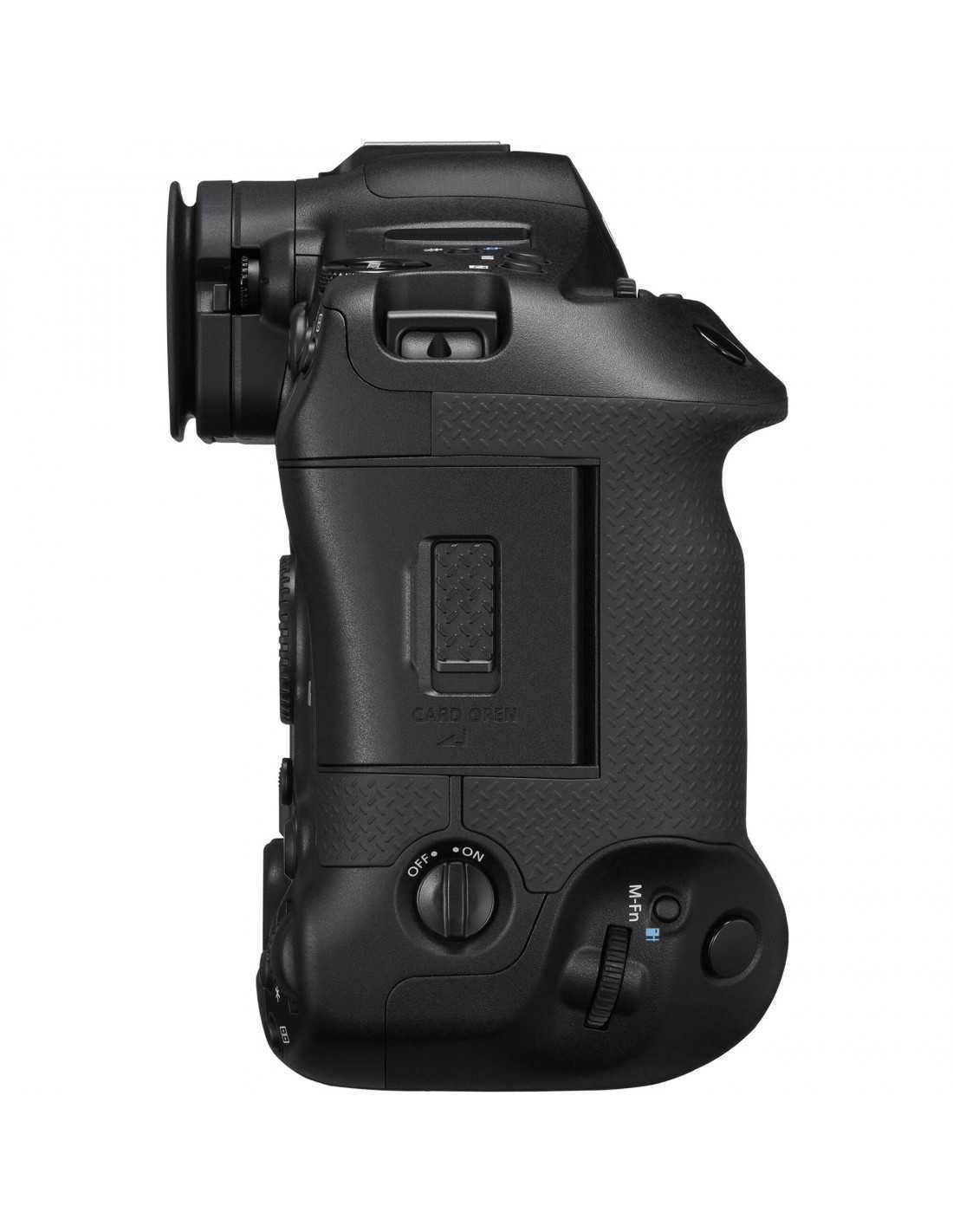
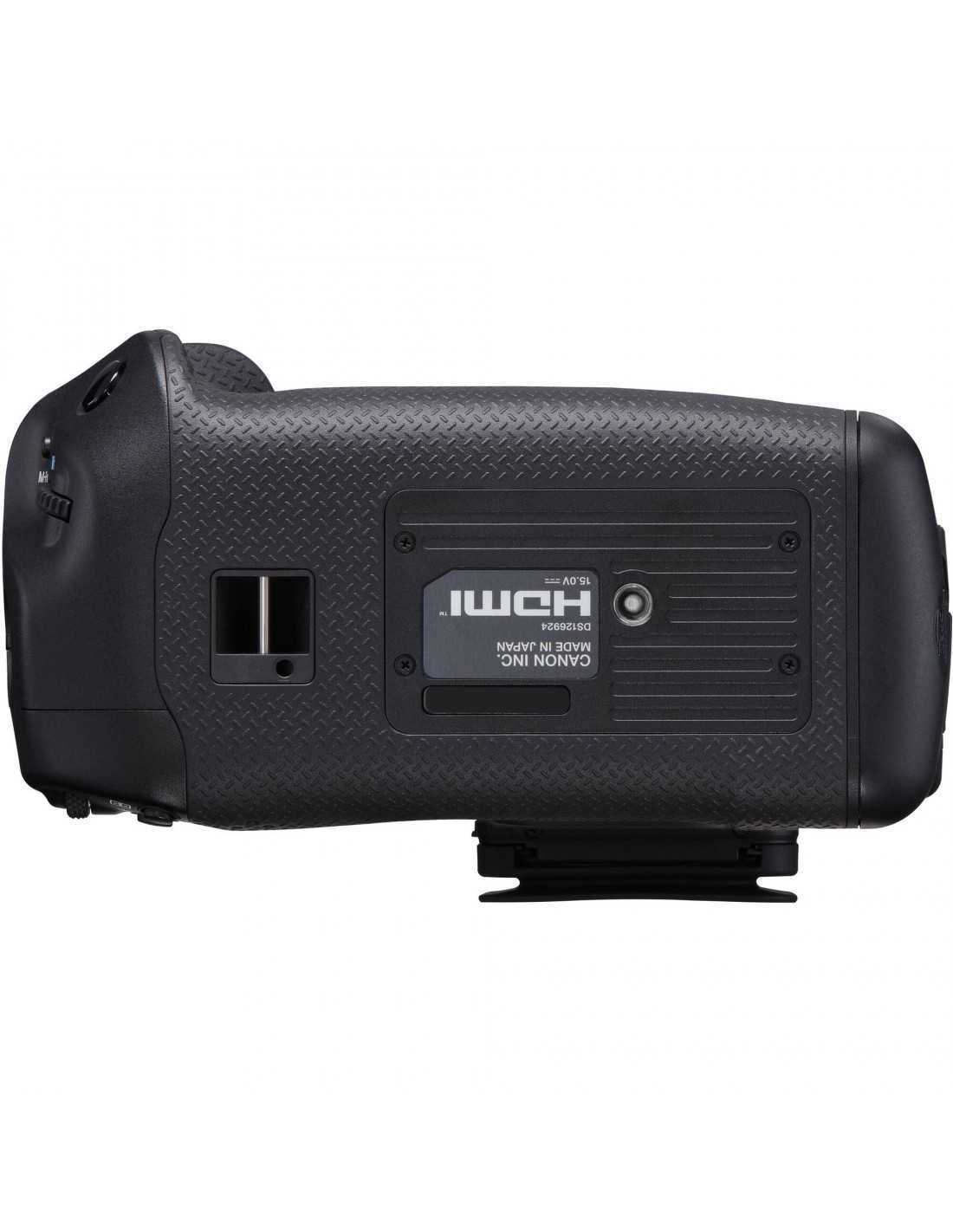
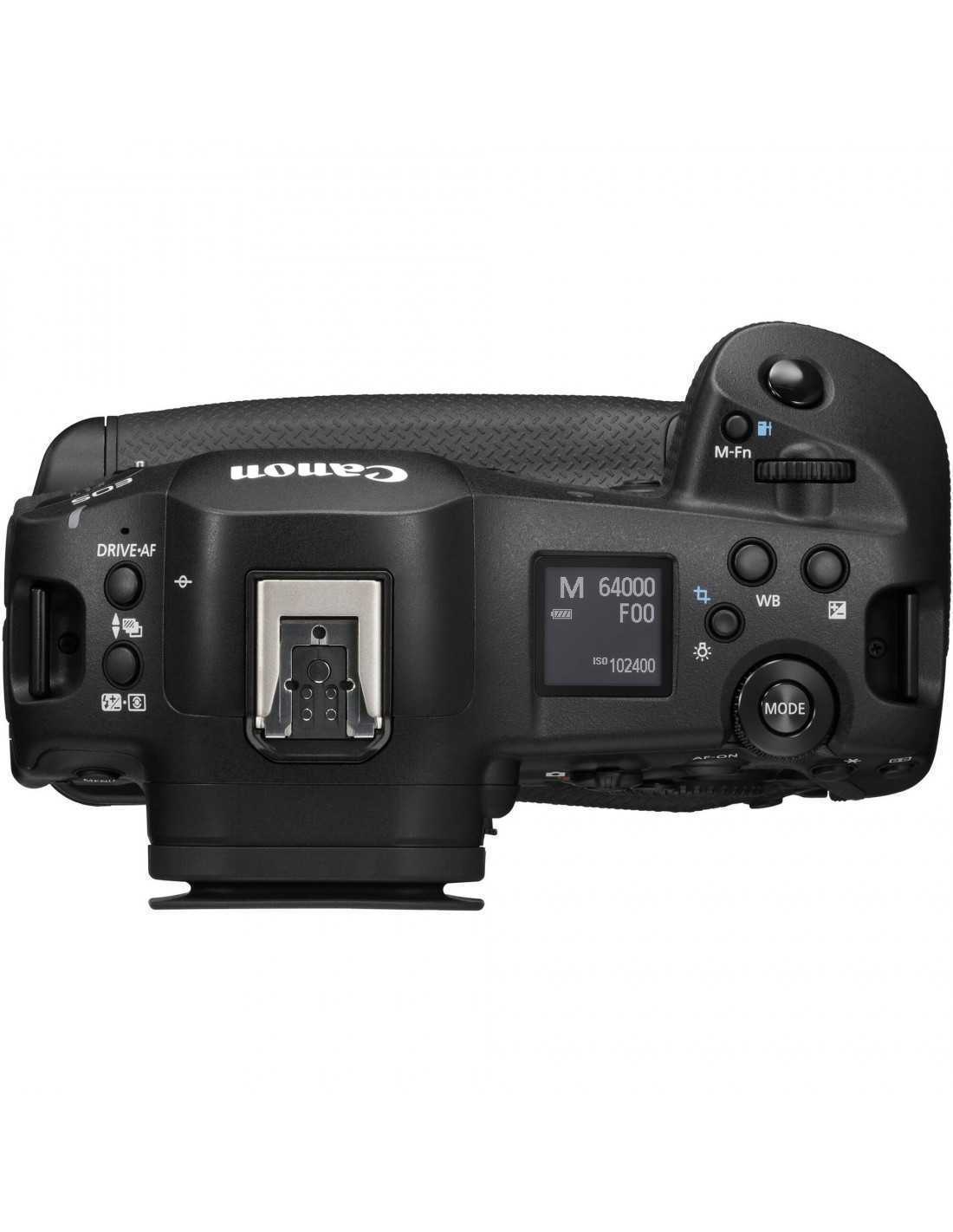
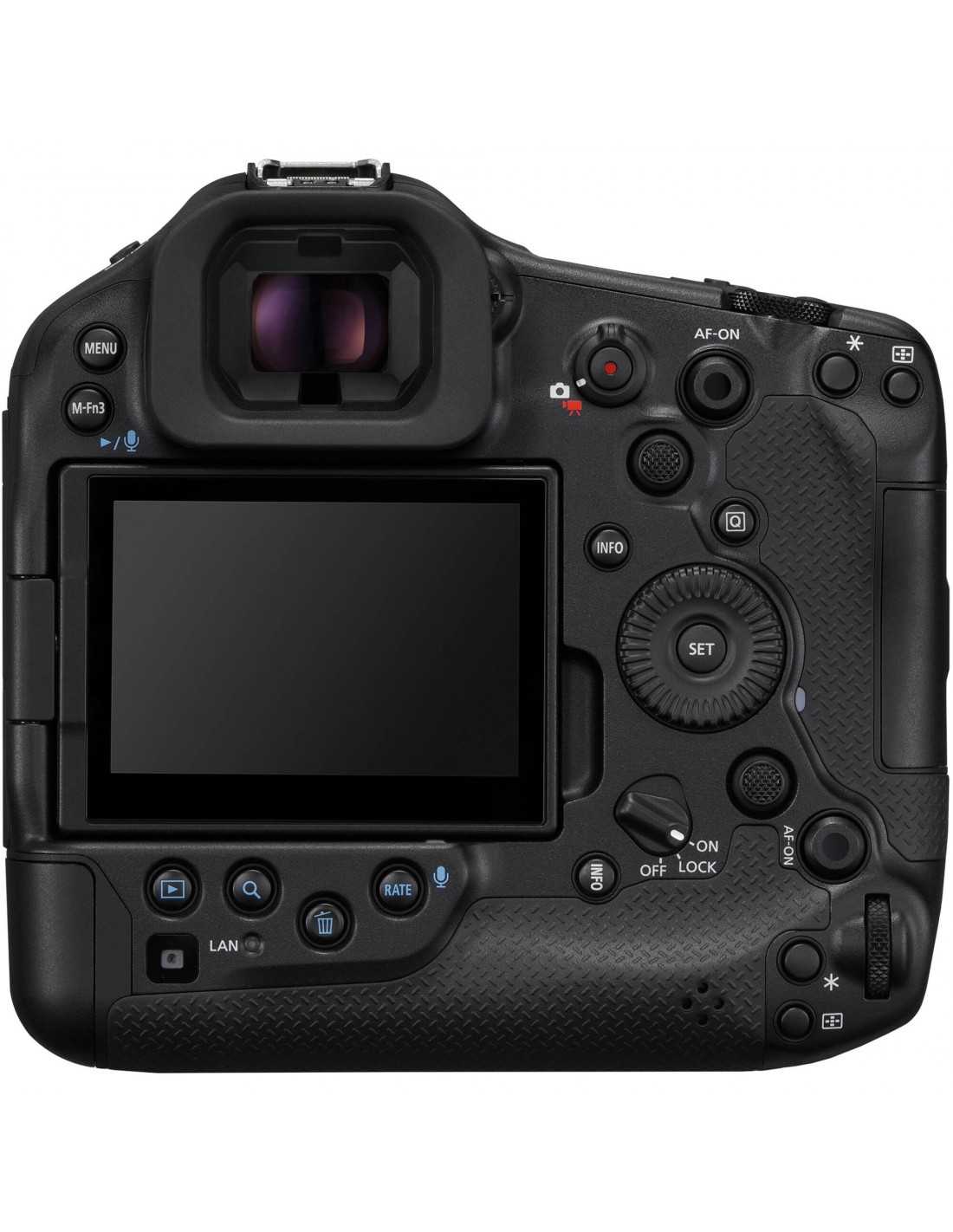
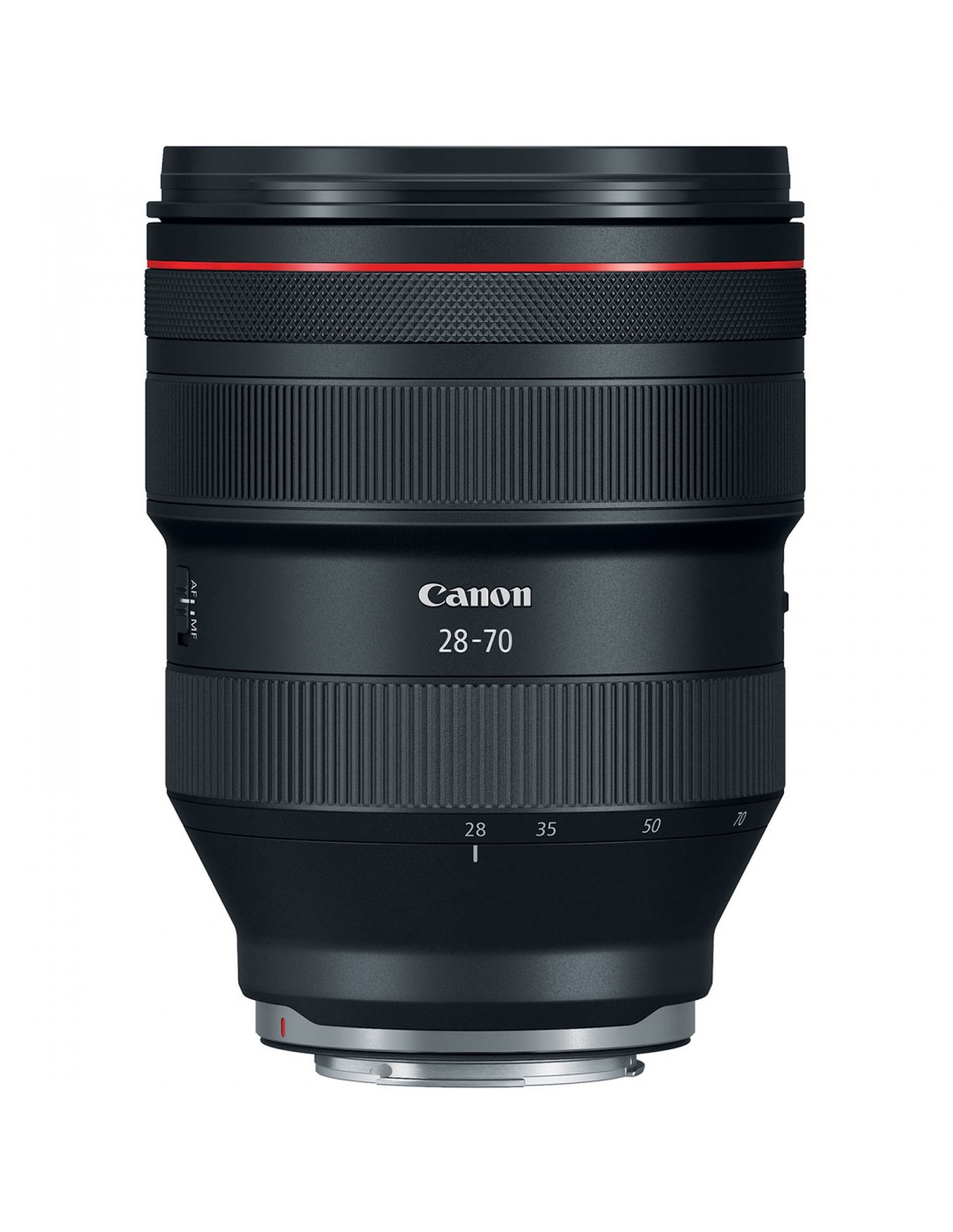
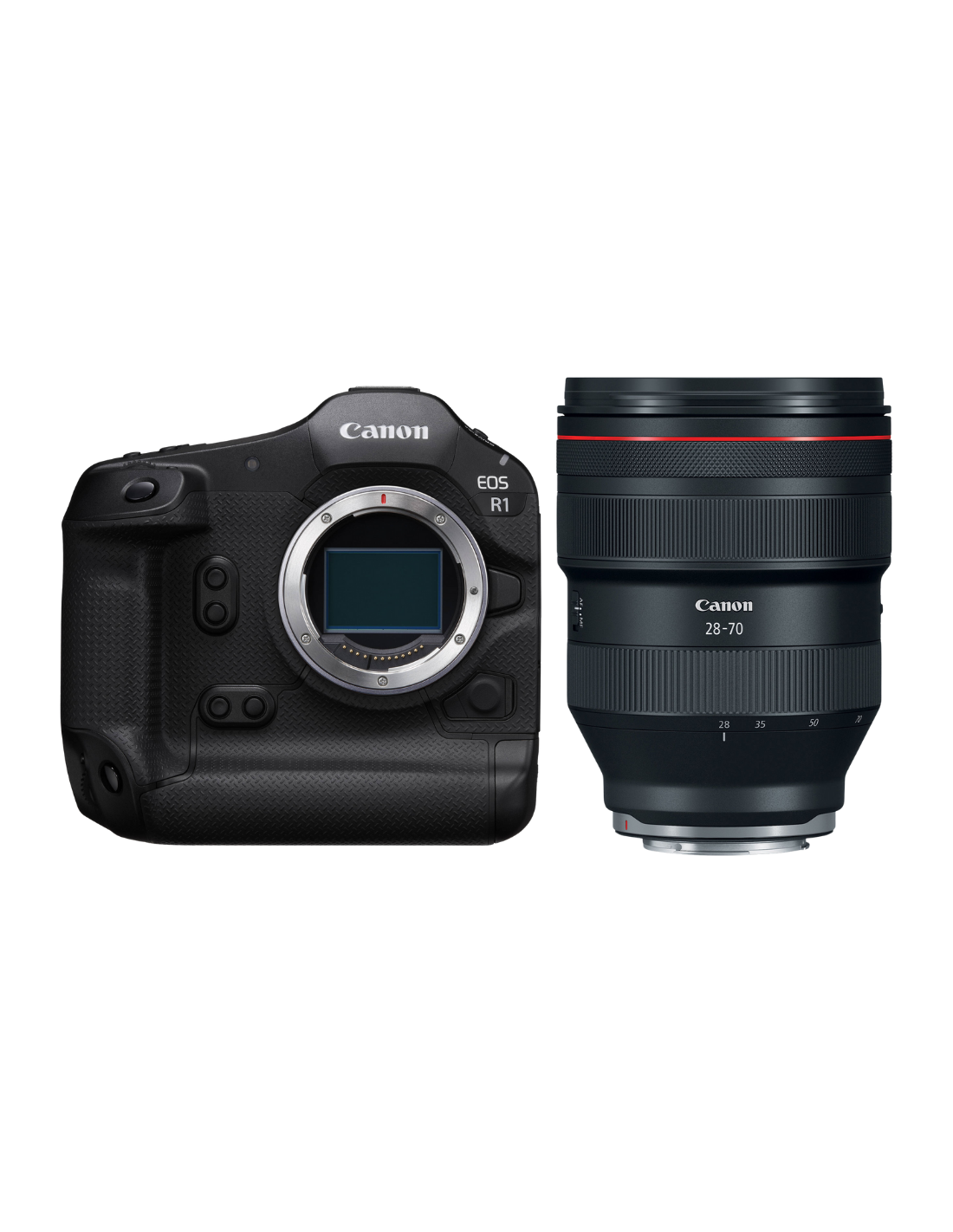
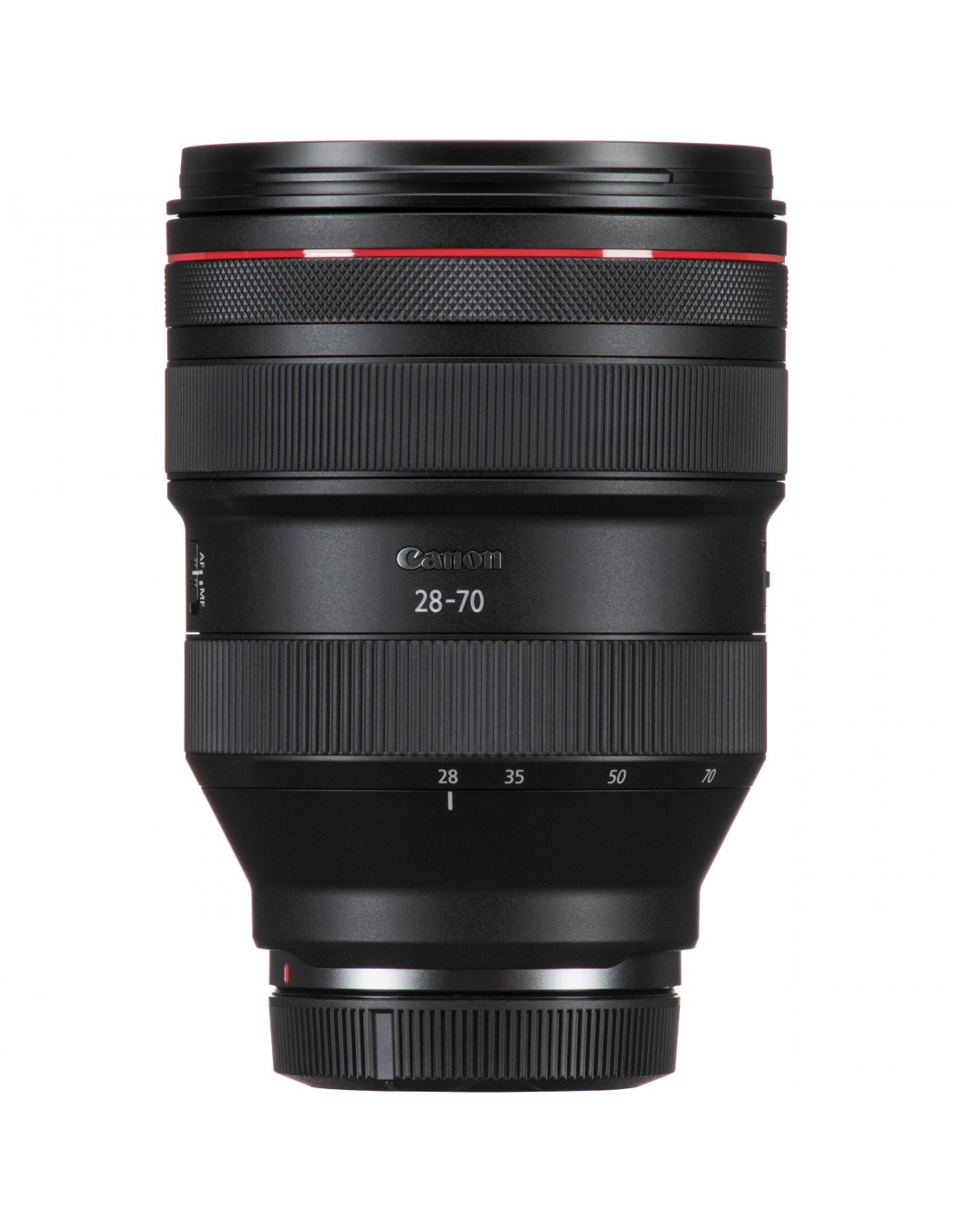
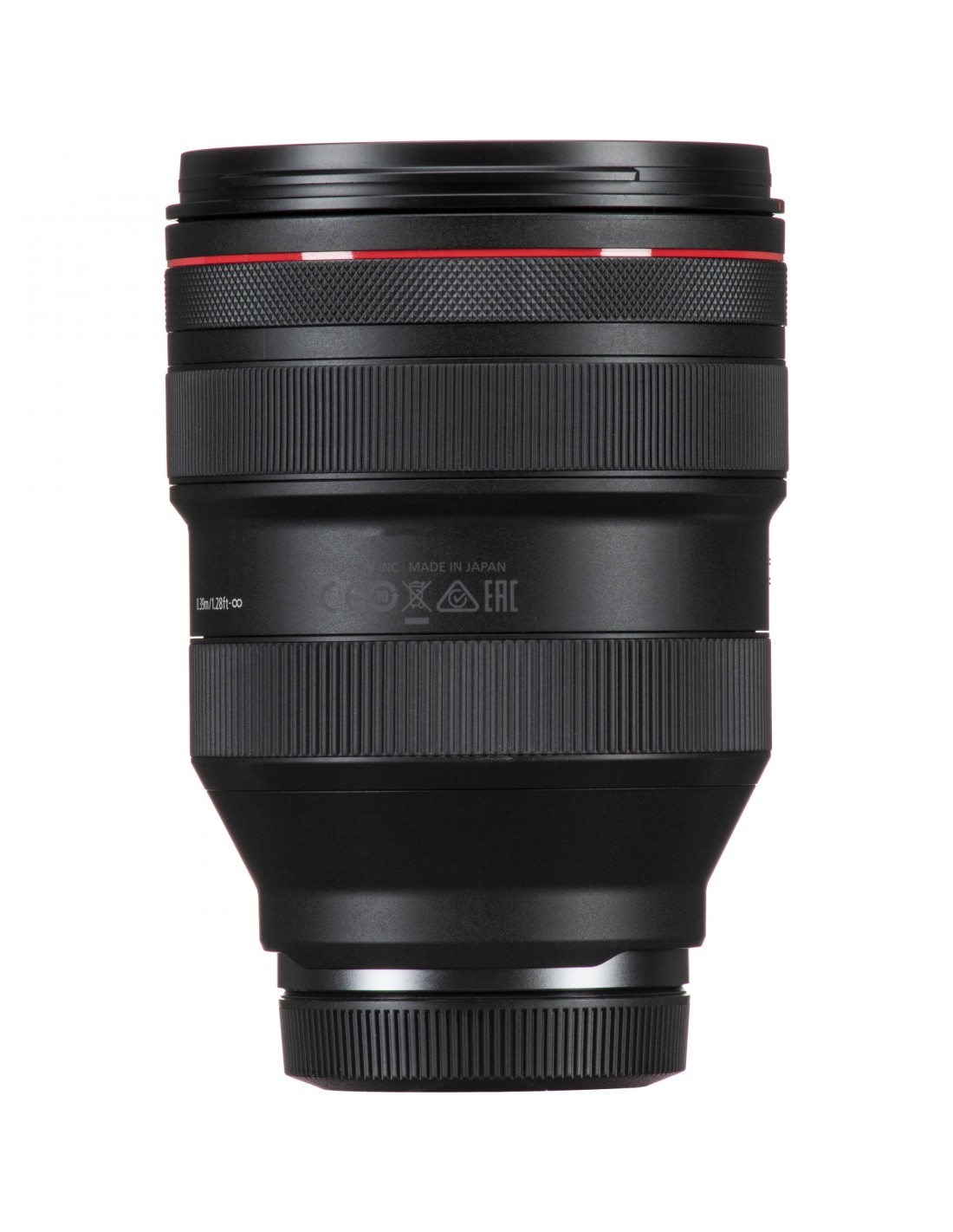
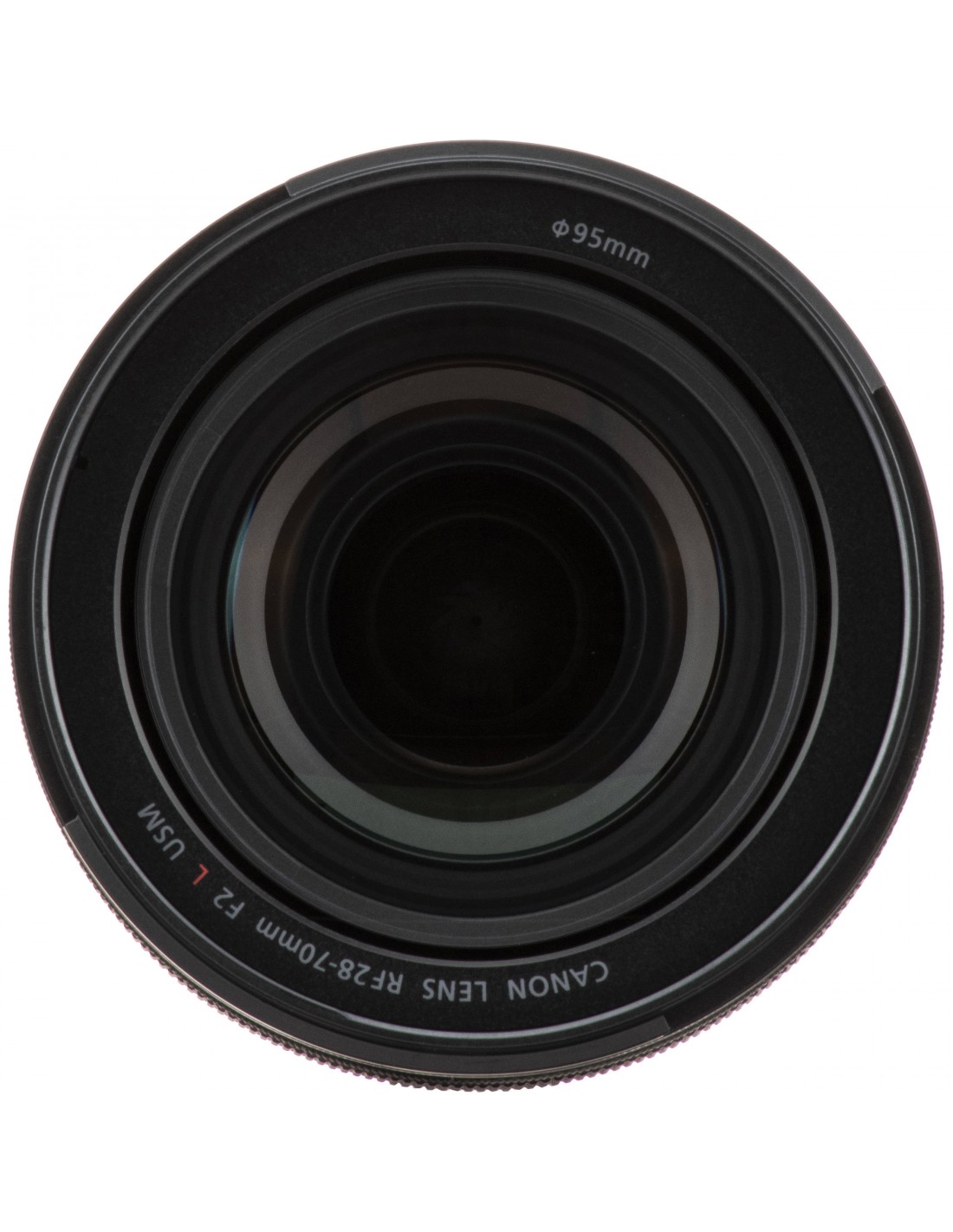
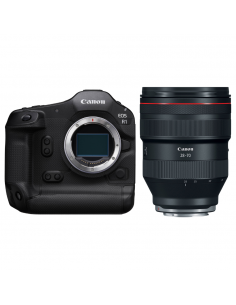

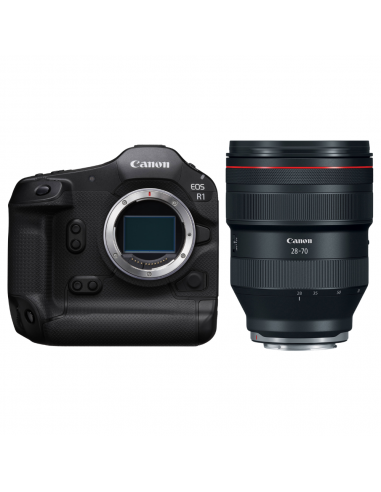
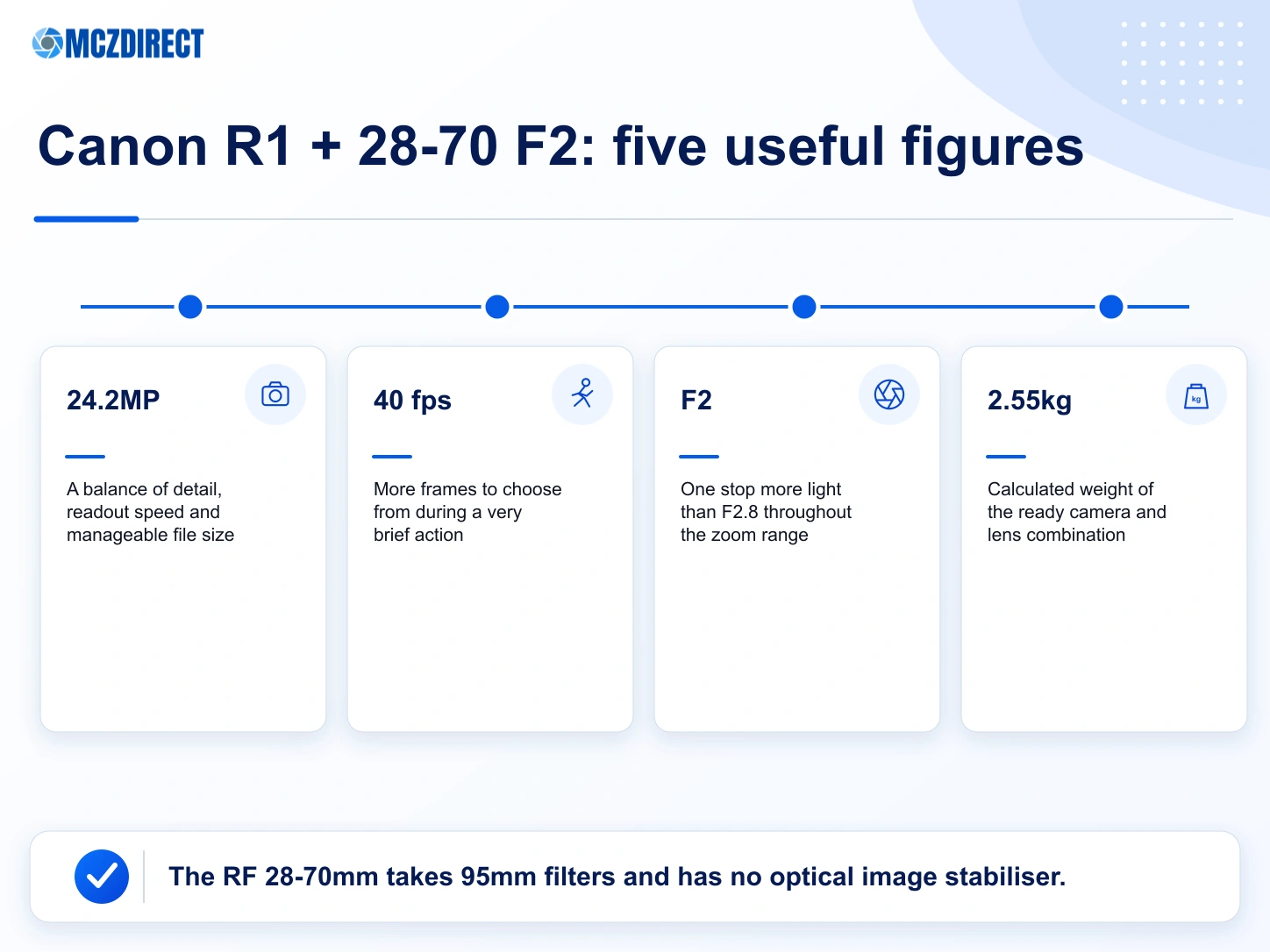
The Canon EOS R1 with RF 28-70mm F2 L USM is a professional full-frame kit we recommend to wedding, event and documentary photographers who value low-light speed, decisive autofocus and strong subject separation. Its zoom maintains F2 from 28 to 70mm, allowing a faster shutter speed indoors or shallower depth of field without swapping between several primes. The EOS R1 adds subject recognition, electronic bursts up to 40 fps and in-body stabilisation. There is a clear trade-off: the working combination weighs about 2.55kg with battery and card. It therefore suits photographers prepared to carry extra weight in exchange for one more stop of light than an F2.8 standard zoom. It is most convincing when one lens must cover changing distances while preserving an F2 rendering throughout the assignment.
Combine compatible accessories and save. The more items you add, the bigger the discount.
Accessory
Accessory
Accessory

warranty extension
This pairing combines Canon’s fastest professional EOS R body with a standard zoom that keeps F2 available from 28 to 70mm. It is aimed at wedding, event, portrait and documentary photographers who often work indoors, or who want clear subject separation without returning to a prime lens for every change of viewpoint.
The benefit is not just the F2 label. Compared with F2.8, one extra stop can provide twice the shutter speed at the same ISO, or a lower ISO when the subject is relatively still. The trade-off is physical: the combination is approximately 2.55kg with battery and card, calculated from Canon’s published weights. This is a decision led by light and rendering, not by portability.
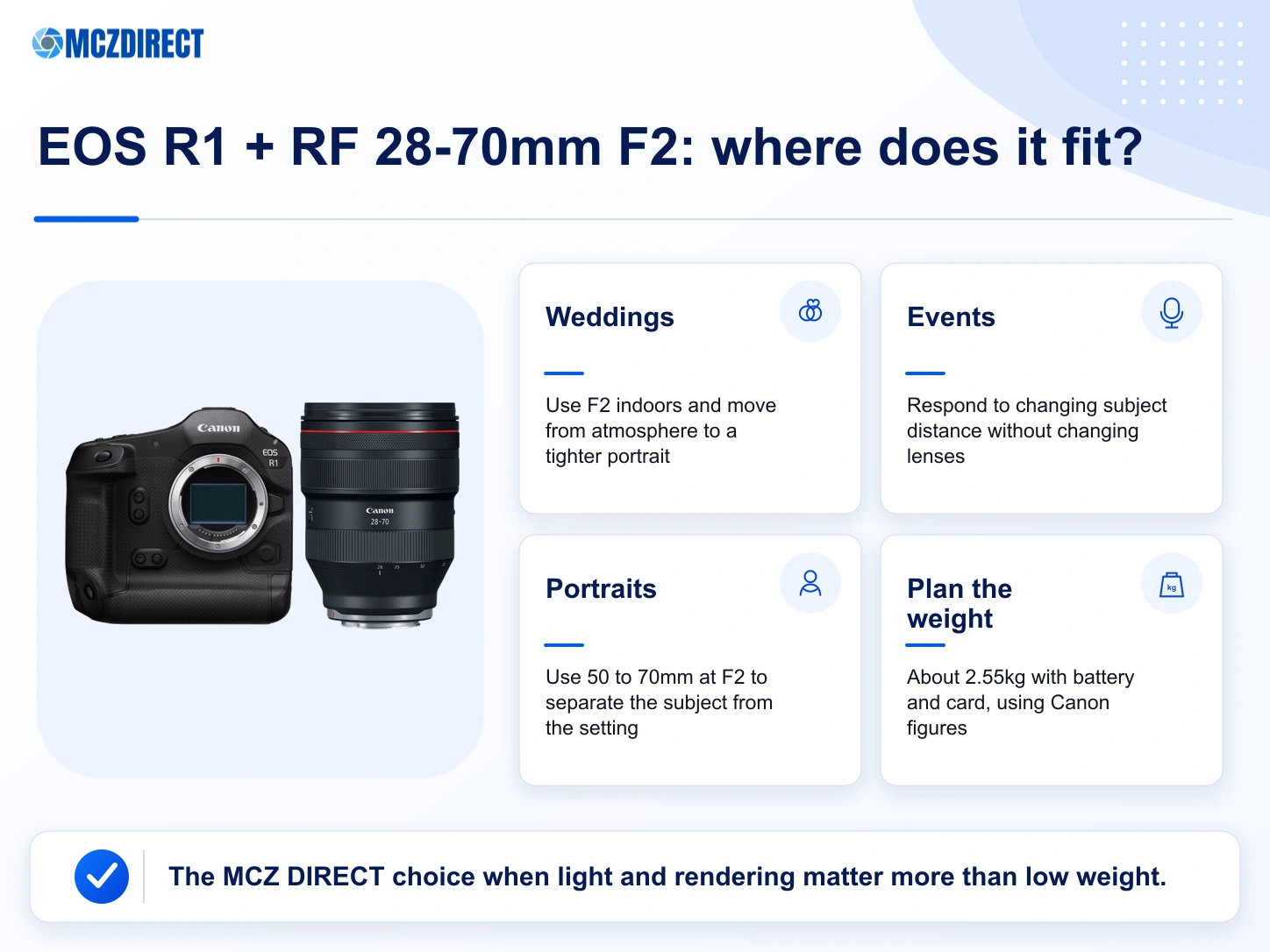
The EOS R1 brings a 24.2MP full-frame stacked sensor, electronic bursts up to 40 fps and autofocus designed to recognise several subject types. The RF 28-70mm F2 adds an aperture normally associated with primes. Together they can follow a quick scene while retaining smooth background separation, particularly towards 50 or 70mm.
Photographers who already own suitable RF lenses may be better served by the Canon EOS R1 body. This kit is for someone who intends to make the 28-70mm F2 a primary working lens from the outset, accepting a very different balance from a lighter standard zoom.
At 28mm, the lens can include a couple within their surroundings, a small group or the atmosphere of a venue. Around 35mm it suits close documentary work. A 50mm viewpoint feels natural, while 70mm tightens a portrait and reduces background prominence. That progression covers a substantial part of a wedding or event day.
Starting at 28mm does require more room than 24mm. The difference becomes obvious in a confined interior, with a large group or in architectural work. Photographers who regularly need a genuinely wider view may prefer the EOS R1 with RF 24-70mm F2.8 L IS USM, which also reduces the weight of the lens.
| Feature | Practical benefit | Point to consider |
|---|---|---|
| Constant F2 aperture | More light and shallower depth of field from 28 to 70mm. | Focus placement becomes more demanding at close range. |
| Bursts up to 40 fps | More choices during a brief expression or movement. | File volume grows quickly. |
| In-body stabilisation | Counters some camera shake with this non-stabilised lens. | It cannot freeze subject movement. |
| 24.2MP stacked sensor | Balances fast readout, detail and manageable files. | Cropping latitude is lower than on a high-resolution body. |
| Two CFexpress Type B slots | Support backup, file separation or relay recording. | Cards, reader and storage must match the data rate. |
Inside a church, theatre or evening reception, F2 can help maintain a useful shutter speed without raising ISO as far. The advantage is greatest when the subject moves: stabilisation can correct photographer movement, but only a sufficiently fast shutter can freeze someone walking, dancing or turning their head.
At the same distance and framing, F2 also produces shallower depth of field than F2.8. This can separate a face or detail from a distracting setting. The focus zone becomes thinner as well, so reliable eye tracking and an appropriate AF area matter, especially at 70mm and shorter working distances.
The EOS R1 and 28-70mm F2 make sense when the photographer has to alternate quickly between context and emotion. At 28 or 35mm, the venue and surrounding people remain part of the picture. At 50 or 70mm, the frame closes around an expression, hand movement or detail without stopping the sequence for a lens change.
The maximum burst rate is not something to use throughout an entire assignment. Applied to an entrance, exchange of rings or brief reaction, it gives more instants to choose from. File volume rises quickly, making the two CFexpress Type B slots, a fast reader and a planned backup routine part of the practical workflow.
Working between 50 and 70mm at F2 gives enough separation for editorial and environmental portraits while retaining some sense of place. Framing changes immediately: a photographer can move from a half-length portrait to a tighter view without stepping back as far as an 85mm lens or interrupting the exchange with the subject.
Background blur is not controlled by aperture alone. Subject distance, background distance and focal length still shape the result. Minimum focus is 0.39m and maximum magnification is 0.18x, useful for details but not a substitute for a macro lens. A specialised prime can remain smaller when portraiture is the only priority.
| Configuration | Best suited to | Main compromise |
|---|---|---|
| RF 28-70mm F2 L | Portraits, weddings and available-light events. | About 1,430g, starts at 28mm and has no optical IS. |
| RF 24-70mm F2.8 L IS | Versatile documentary work with 24mm and lower weight. | One stop slower than F2. |
| RF 24-105mm F4 L IS | Reach, professional travel and fewer lens changes. | Two times less light than F2. |
| EOS R1 body only | Photographers who already own suitable RF lenses. | No lens is part of that configuration. |
The EOS R1 recognises people, animals and several vehicle types. With a 28-70mm zoom, that capability is best used near the edge of play, at a finish area, backstage or wherever the action takes place close to the photographer. Bursts up to 40 fps provide more phases of a very short movement.
The lens ends at 70mm, so it is not a substitute for a telephoto lens across a full pitch or for distant wildlife. The EOS R1 with RF 70-200mm F2.8 L IS USM offers more appropriate reach when distance, rather than maximum aperture, sets the framing.
The RF 28-70mm F2 L USM has no optical image stabiliser. The EOS R1 still counters some camera shake by moving its sensor across five axes, with Canon quoting up to 8.5 stops at the centre depending on the lens and test conditions. This is useful for static scenes, posed portraits and carefully held video.
In-body stabilisation cannot freeze a moving person or vehicle. Shutter speed remains the first control for subject movement. The F2 aperture complements IBIS by supplying the light required to hold that faster shutter speed without increasing sensitivity as much.
Canon lists the EOS R1 at about 1,115g with battery and card, while the RF 28-70mm F2 weighs 1,430g. The calculated total is therefore approximately 2.55kg before adding a flash, microphone or other accessory. The integrated grip provides a substantial hold, but the load remains evident on the wrist, shoulder and gimbal.
A supportive strap, breaks and a lighter second setup can make a long assignment more comfortable. The 95mm filter thread also needs planning: polarising and ND filters are larger and generally less convenient than the 77 or 82mm sizes common on professional zooms.
| Assignment | Useful approach | Why it helps |
|---|---|---|
| Indoor wedding | F2, people tracking and a subject-appropriate shutter speed. | Retain atmosphere while limiting the ISO increase. |
| Editorial portrait | 50-70mm, F2 and good subject-to-background distance. | Separate the subject while keeping some context. |
| Close documentary work | 28-50mm with selective bursts. | Respond to distance changes without swapping lenses. |
| Close action | Subject tracking and bursts up to 40 fps. | Keep several phases of a very short movement. |
| Hybrid video | 28mm for context and 50-70mm for tighter shots. | Change framing while maintaining a constant aperture. |
A 24.2MP file provides useful detail for press, documentary, wedding and many print applications while remaining easier to transmit than the output from a very high-resolution body. The sensor is shaped around fast readout, bursts and sustained professional processing rather than headline pixel count.
The limitation appears when heavy cropping or maximum studio resolution is required. Landscape, product and studio specialists may want more pixels. The EOS R1 is strongest where responsiveness and a fast workflow matter, rather than where each frame must support the largest possible crop.
The EOS R1 records internal RAW up to 6K 60p and 4K UHD up to 120p, depending on the selected mode. The 28-70mm range supports hybrid coverage well: 28mm for context or an interview setting, 50mm for a natural view and 70mm for a tighter shot. Ring USM provides fast focusing.
The weight makes prolonged handheld work demanding. A gimbal needs enough payload and careful balancing. For a mobile production where range and endurance matter more than F2, a lighter zoom can be the more practical tool.
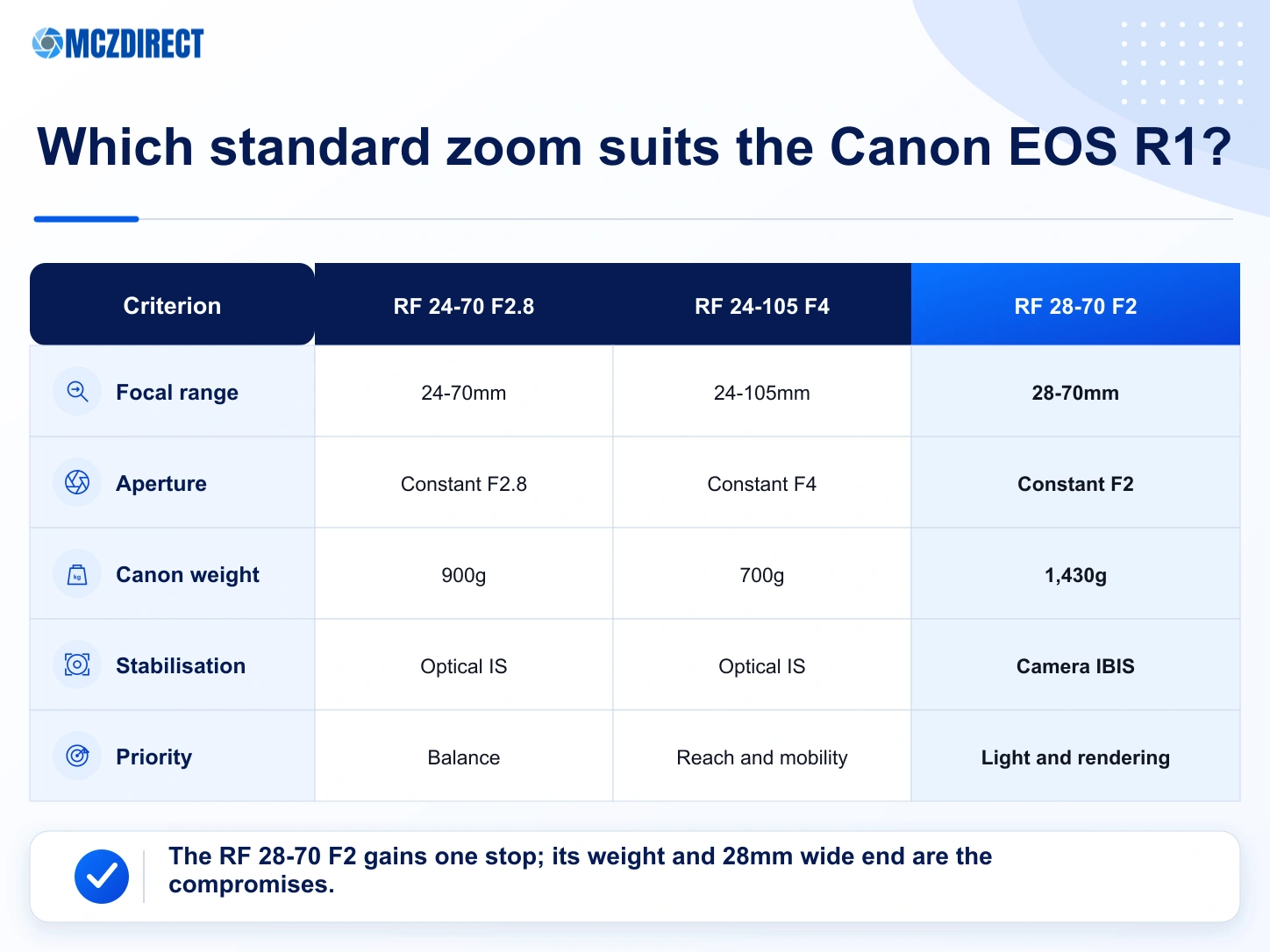
The RF 28-70 F2 prioritises light and shallow depth of field, but it is the heaviest and starts at 28mm. The RF 24-70 F2.8 adds a true 24mm view, optical stabilisation and saves roughly 530g at lens level. The EOS R1 with RF 24-105mm F4 L IS USM extends reach and reduces weight further, but gathers two times less light than F2.
The right choice follows the assignment. F2 is valuable for available-light portraits and events. The 24-70 F2.8 is a more balanced standard zoom. The 24-105 F4 makes sense when range, stamina and fewer lens changes matter more than maximum aperture.
At MCZ DIRECT, we position this kit for photographers who already know that an F2 zoom will be their main lens: available-light weddings, events, editorial portraiture and close documentary work. It is less suitable when low weight, a 24mm view, long reach or very high resolution sits at the top of the brief.
The lens can be considered separately on the Canon RF 28-70mm F2 L USM page. The Canon EOS R1 range and broader Canon mirrorless category place this combination alongside the other active options without confusing the role of each page.
At MCZ DIRECT, we see the Canon EOS R1 with RF 28-70mm F2 as the choice for photographers willing to carry a heavy setup in order to work at F2 without juggling several primes. It is strongest for weddings, events, portraits and close documentary work where available light and subject separation matter more than portability.
Compared with the 24-70mm F2.8 kit, it gains one stop but loses 24mm, lens-based stabilisation and roughly 530g. Compared with the 24-105mm F4, it gathers twice as much light but offers much less reach. That honest limitation defines the purchase: choose the 28-70 F2 for its rendering and speed, not for travelling light.
Choose this kit when F2 will genuinely support your available-light portraits and documentary work, then add the configuration to your basket once its weight and 28-70mm range suit the way you work.

It is primarily for professional wedding, event, portrait and close documentary photographers who want an F2 aperture without changing repeatedly between fast prime lenses.
Yes, especially indoors and in available light. The zoom covers documentary and portrait framing, while F2 helps retain shutter speed and soften the background.
Using Canon’s figures, the combination is about 2.55kg with battery and card: approximately 1,115g for the ready-to-shoot body and 1,430g for the lens.
No. The lens has no optical IS, but the EOS R1 moves its sensor across five axes to counter some photographer movement.
F2 gathers twice as much light as F2.8. At comparable settings, it can provide twice the shutter speed or a lower ISO, with shallower depth of field.
It covers many scenes but needs more room than 24mm. A 24mm zoom is more flexible in tight interiors, with large groups or for architectural work.
It suits close action thanks to subject tracking and bursts up to 40 fps. For distant subjects or a full pitch, the 70mm limit calls for a telephoto lens.
The EOS R1 offers internal RAW recording up to 6K 60p and 4K UHD up to 120p, depending on the selected mode.
The camera has two CFexpress Type B slots, suitable for demanding bursts and video modes when the selected cards provide the required write speed.
The Canon RF 28-70mm F2 L USM takes 95mm filters. Their size and cost should be considered if you use polarising or ND filters.
Choose the 28-70 F2 for low light and shallow depth of field. Pick the 24-70 F2.8 for 24mm, optical stabilisation and lower weight.
Yes for documentary, press, weddings and many print uses. Photographers who crop heavily or need maximum studio detail may prefer a higher-resolution body.