

Shopping Cart
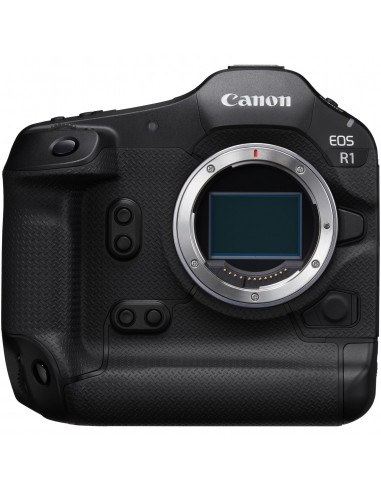

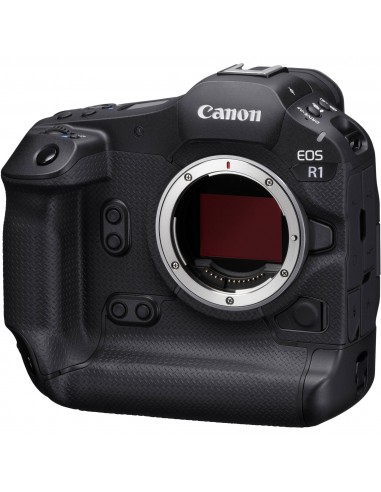
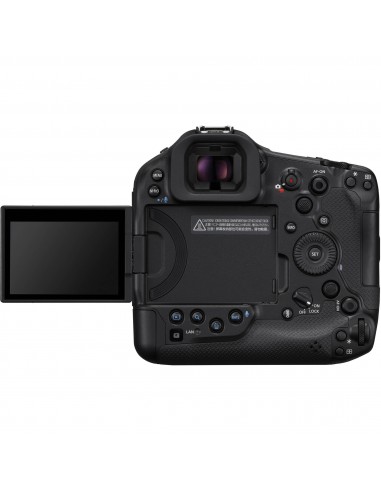
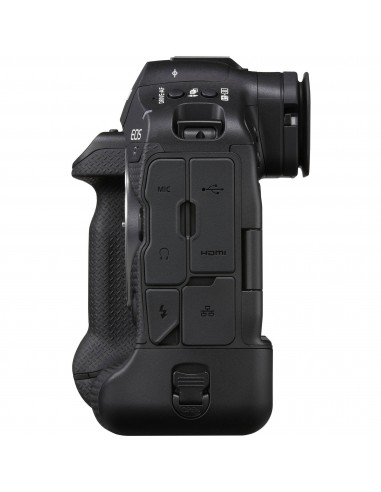
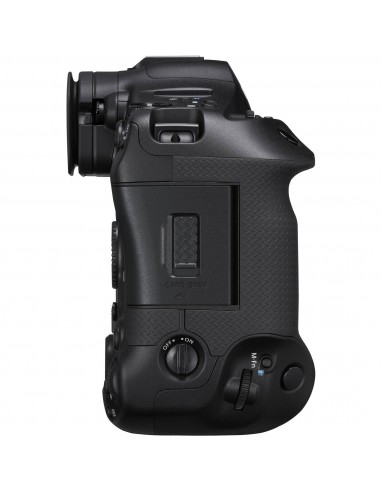
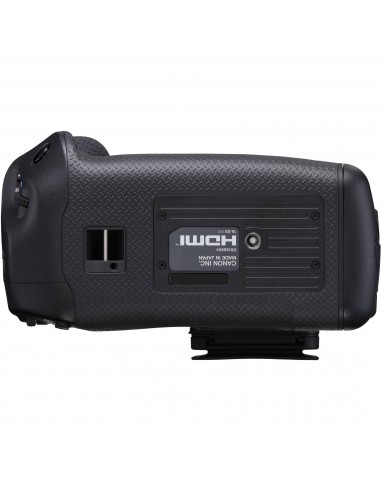
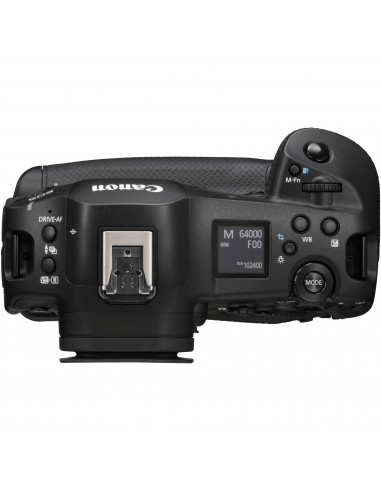
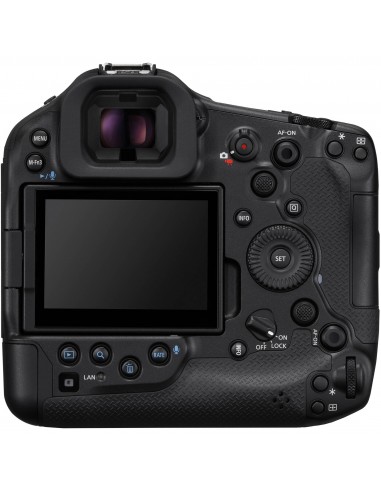
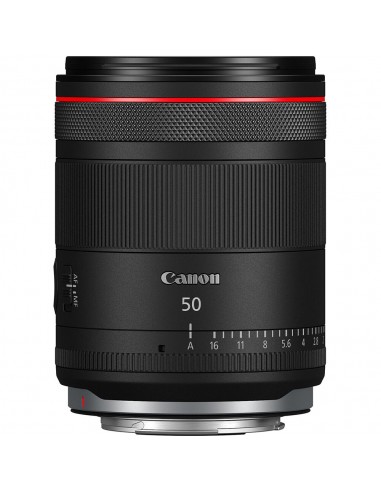
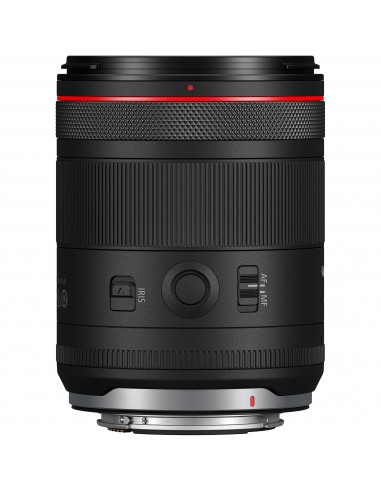
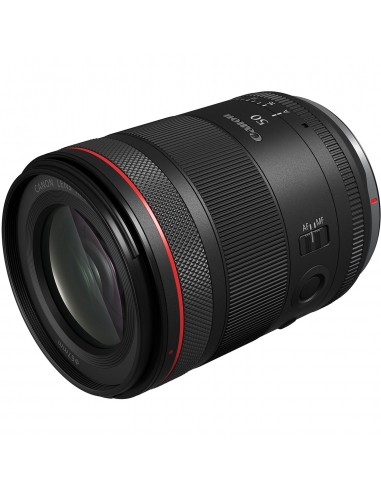
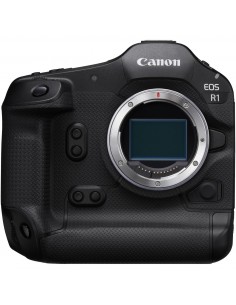
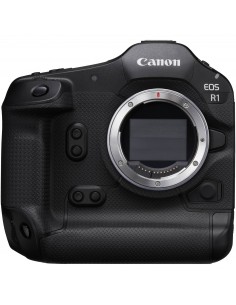
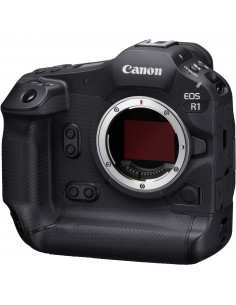
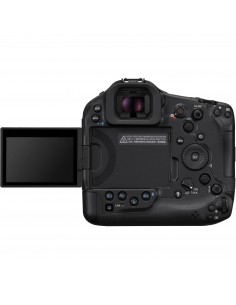
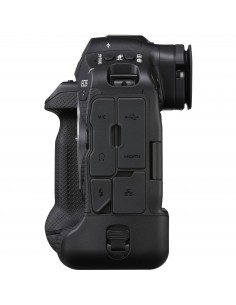
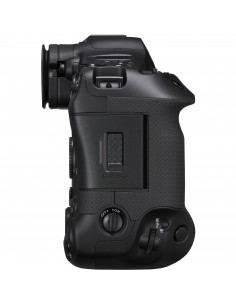
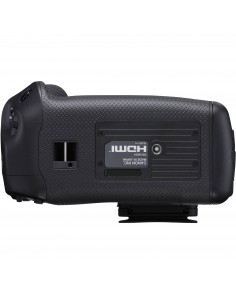
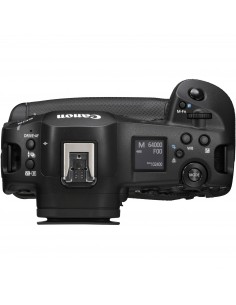
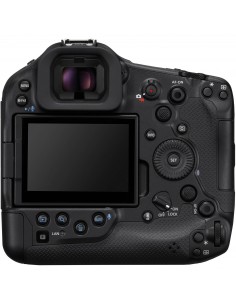
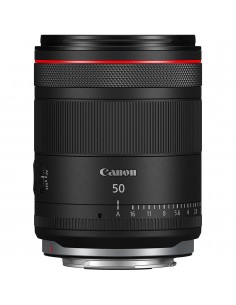
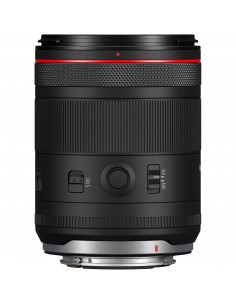
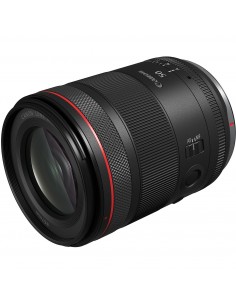


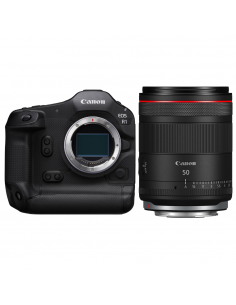

The Canon EOS R1 with RF 50mm F1.4 L VCM is a professional full-frame kit recommended for wedding, reportage, portrait and nearby action photographers who need speed with a natural perspective. The EOS R1 tracks people, animals and vehicles and can shoot at up to 40 fps, giving more choice when a gesture or expression lasts only a moment. The 50mm lens opens to F1.4, helping to maintain a useful shutter speed as light falls while giving careful control over background separation. Its fixed focal length requires the photographer to move, and it remains too short for distant field sports or wildlife. This pairing makes sense for photographers and hybrid creators who regularly work with people at a practical distance and want one responsive stills-and-video configuration.
Combine compatible accessories and save. The more items you add, the bigger the discount.
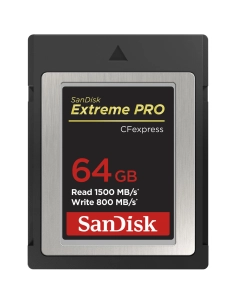
Accessory
Accessory
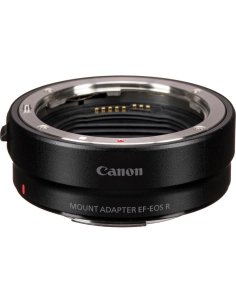
Accessory

warranty extension
This kit is aimed at photographers who work with people and need to react quickly without giving up the rendering of a bright prime lens. It is especially coherent for weddings, reportage, environmental portraiture, event backstage work and action photographed at a short or moderate distance. The EOS R1 brings speed, subject tracking and a professional workflow; the RF 50mm F1.4 L VCM brings a natural perspective and a fast aperture for low light.
A 50mm prime creates a clear way of working. It isolates a subject more readily than 35mm while still retaining some setting around them. It cannot replace a zoom when the photographer’s position is fixed, or a telephoto lens when the subject is far away.
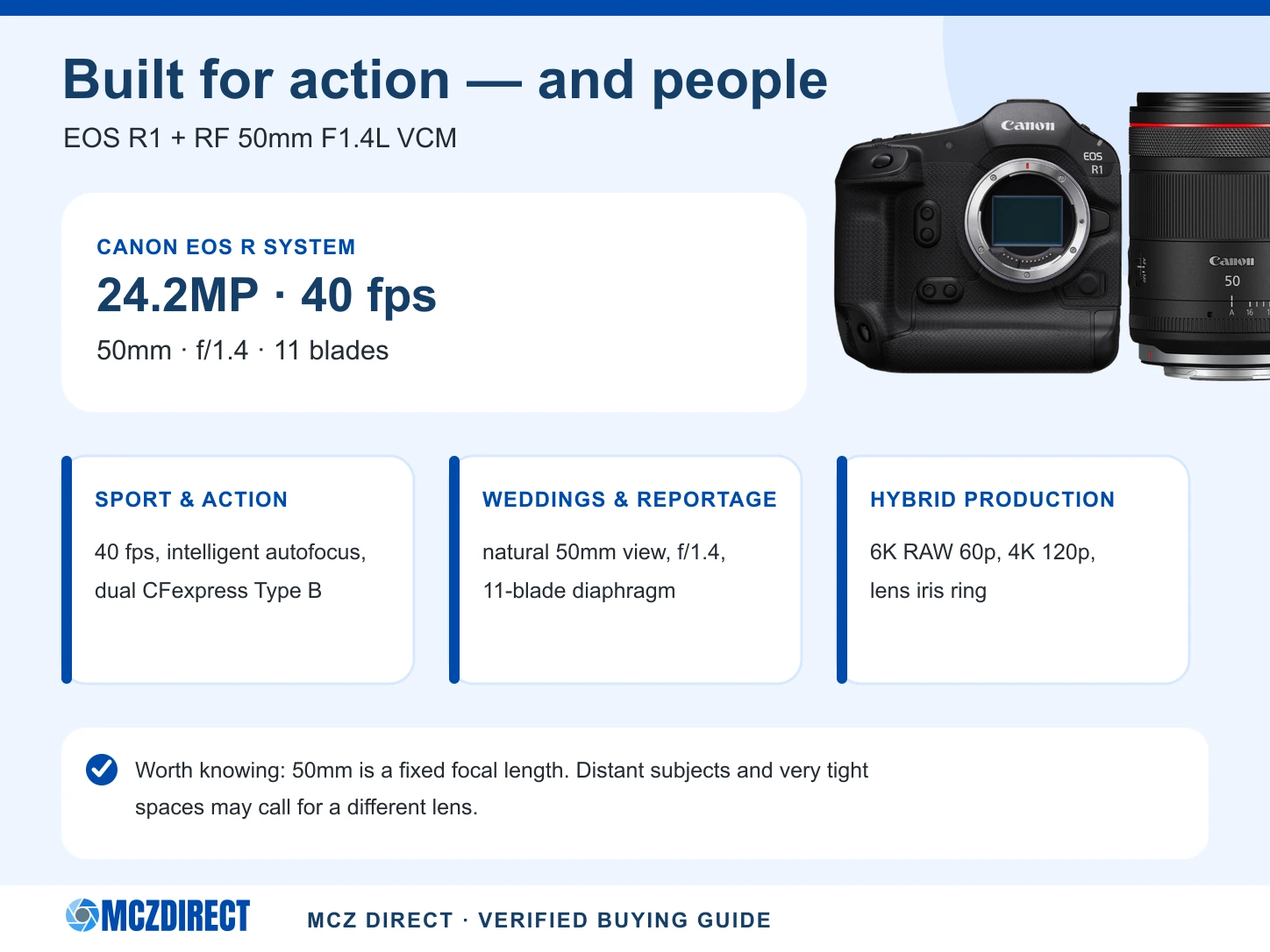
The value lies in the balance between both components. The 24.2 MP stacked sensor is not designed simply to create the largest possible files; it supports fast readout, continuous shooting and a responsive camera. The 50mm F1.4 complements that approach with a practical people-focused angle of view and enough light-gathering ability for demanding interiors and evening work.
If you already own a compatible EOS R body, the Canon RF 50mm F1.4 L VCM lens page is the more relevant destination. This page concentrates on what the lens contributes when it is paired specifically with the EOS R1.
At a wedding or during reportage, 50mm lets the photographer frame a face, gesture or exchange without moving as close as a wide-angle lens would require. Perspective remains natural and the surrounding scene does not disappear completely. At F1.4, it becomes easier to maintain a practical shutter speed in a church, reception room or dim street, then stop down when several people need to remain sharp.
The 0.40m minimum focusing distance works for details, objects and close portraits, but the 0.15x maximum magnification does not make this a macro lens. Reproduction and very small subjects need a more specialised configuration.
| Feature | Practical benefit | Relevant situation |
|---|---|---|
| 24.2 MP stacked sensor | Balances detail, readout speed and manageable file size. | Reportage, events and a fast turnaround. |
| Up to 40 fps | Provides more choices in a very brief action or expression. | Nearby sport, weddings and decisive moments. |
| 50mm F1.4 | Natural perspective, low-light latitude and controlled backgrounds. | Portraits, reportage, stage and video. |
| Dual Pixel Intelligent AF | Tracks recognised subjects with an appropriate AF area. | Moving subjects or changing groups. |
| Two CFexpress Type B slots | Supports file separation, backup or overflow. | Long professional stills-and-video assignments. |
The EOS R1 can reach approximately 40 fps with its electronic shutter. This speed is useful for selecting the precise expression, ball contact or fleeting gesture that tells the story. It should still be used deliberately: maximum-rate bursts create more editing, storage and post-production work.
Dual Pixel Intelligent AF recognises people, animals and vehicles. Canon lists 1053 available areas for automatic selection, rather than 1053 physical AF points. Detection mode, AF area and lens choice still matter whenever several faces, obstacles or competing subjects enter the frame.
Pre-continuous shooting can retain up to 20 frames from before the shutter button is fully pressed, depending on the selected mode. It is valuable for hard-to-time action, but it does not replace anticipation or a suitable autofocus setup.
The F1.4 aperture admits more light and shortens depth of field. It can help maintain a faster shutter speed with a moving subject. Sensor-shift stabilisation does something different: it primarily compensates for camera movement and gives more latitude when the subject is relatively still.
The RF 50mm F1.4 L VCM has no optical stabiliser. Canon rates the combined IBIS performance with this lens at up to 8.5 stops in the centre and 7.5 stops at the edge under its test conditions. Shutter speed remains the decisive setting when a person walks, dances or changes expression quickly.
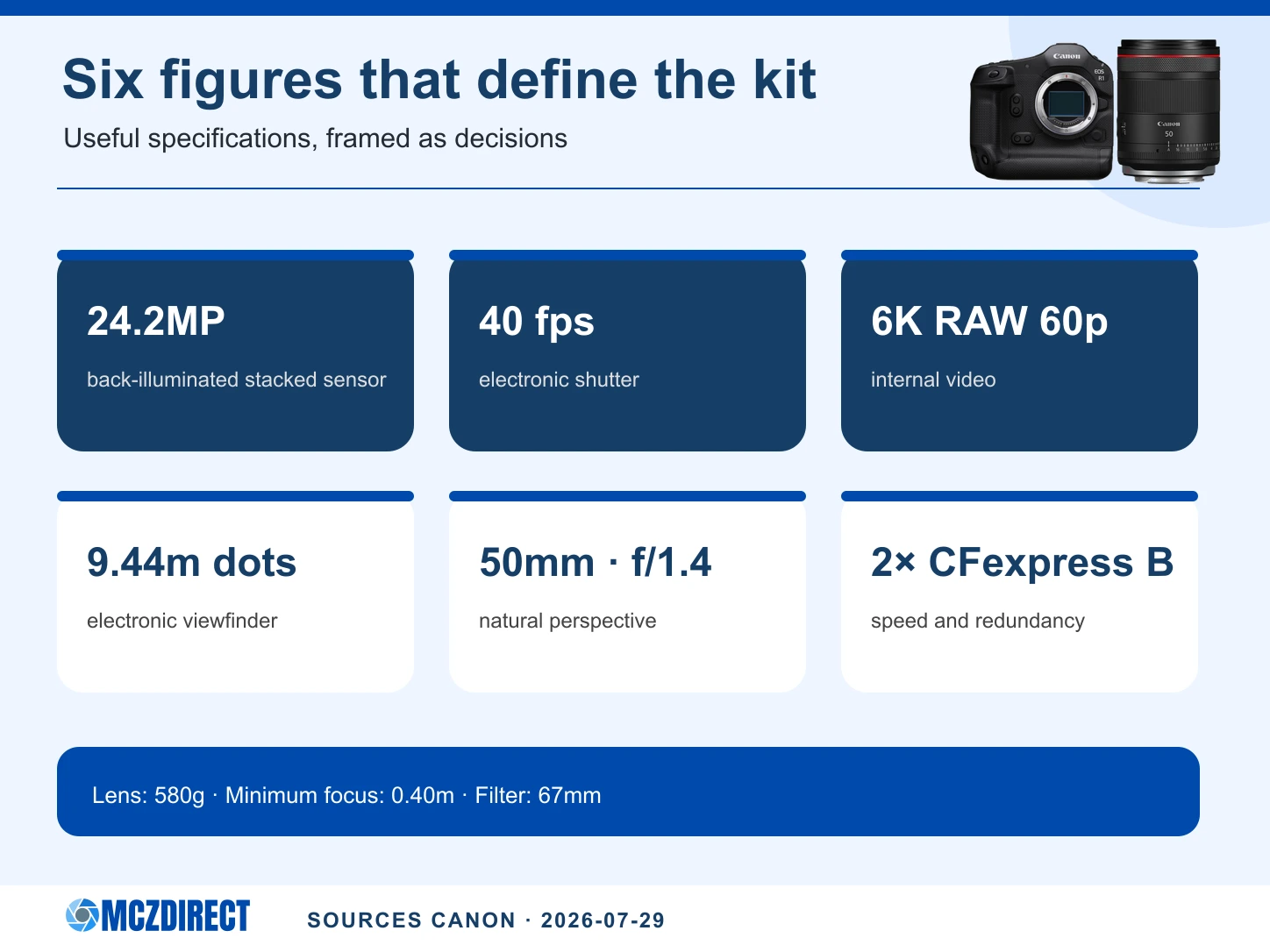
The EOS R1 records internal RAW up to 6K 60p, 4K up to 120p and Full HD up to 240p depending on the mode. These options can cover an interview, a slow-motion sequence or material intended for a more involved post-production workflow. The camera does not record 8K, so the format should be chosen around the real deliverable rather than a headline number.
The lens adds an iris ring, control ring and custom button. Nano USM and VCM motors are intended to provide fast, smooth and quiet focusing. For an operator switching between stills and motion on the same job, this continuity is more useful than a long specification list on its own.
Two CFexpress Type B slots support demanding video modes and extended bursts. They can be configured for file separation, backup or overflow. Actual performance depends on the card and recording mode, and a professional job also needs enough backup capacity and realistic transfer time.
The EOS R1 weighs about 1115g with battery and card, while the lens adds approximately 580g. The pairing therefore approaches 1.70kg before a strap, microphone or other accessory. It is well balanced for an integrated-grip body, but that weight should be planned for during a full wedding or long reporting day.
| Assignment | Useful setting or function | Point to plan |
|---|---|---|
| Wedding | F1.4, people tracking and a suitable shutter speed. | Stop down when several faces need to remain sharp. |
| Reportage | 50mm, moderate bursts and continuous AF. | Retain enough context to explain the scene. |
| Environmental portrait | Natural working distance and background control. | Avoid framing so tightly that the setting loses meaning. |
| Nearby action | Up to 40 fps and pre-continuous shooting. | 50mm remains too short for distant subjects. |
| Video | 6K RAW, 4K 120p, iris ring and VCM/Nano USM motors. | Match format, media, temperature and transfer time to the project. |
The Canon EOS R1 body is the sensible choice if your RF lens kit is already established. The EOS R1 with RF 35mm F1.4 retains more environment and works more easily in confined spaces. The 50mm F1.4 offers a more selective view that often feels natural for portraits and human detail.
The EOS R1 with RF 50mm F1.2 L USM provides an even faster aperture, but the lens is substantially heavier and less video-oriented. A 24-70mm or 24-105mm zoom is more practical when the photographer cannot move and needs frequent framing changes. The Canon EOS R1 category brings these active configurations together.
A 50mm lens is too short for distant field sport, wildlife or coverage from the back of a large venue. It may also be too tight in a very small room. At F1.4, focus placement needs care at close range, especially when several people stand on different planes.
That specialisation is also the kit’s strength. It does not try to cover every focal length. Instead, it gives photographers who know their working distance a responsive body and a bright standard prime with a consistent visual language.
| Configuration | Best suited to | Main compromise |
|---|---|---|
| EOS R1 + RF 35mm F1.4 | Immersive reportage, context and confined spaces. | Less subject separation than 50mm. |
| EOS R1 + RF 50mm F1.4 | Weddings, portraits, reportage, nearby action and video. | Fixed focal length and limited reach. |
| EOS R1 + RF 50mm F1.2 | Very low light and even shallower depth of field. | Substantially heavier and less hybrid-focused. |
| EOS R1 + standard zoom | Frequent framing changes from a fixed position. | Smaller aperture and often more bulk. |
| EOS R1 body only | Photographers who already own suitable RF lenses. | No lens included in the configuration. |
This product sheet was checked against Canon’s EOS R1 firmware 1.3.0 information, which adds American Football to Action Priority and develops several other functions. Before a job, check the installed version, planned cards, iris-ring behaviour and autofocus settings. Any update should be tested before departure rather than discovered at the start of an assignment.
A practical setup is to prepare one people-tracking mode, one action mode and one video format that matches the intended output. The camera’s speed only becomes useful when the wider workflow remains under control.
At MCZ DIRECT, we see this as the most coherent EOS R1 configuration for wedding, reportage and portrait photographers who usually work at a human distance and prefer a bright prime to the flexibility of a zoom. The body contributes speed, tracking and a professional workflow; the 50mm lens brings a natural view without adding as much weight as the RF 50mm F1.2 L USM.
We recommend it when people, low light and fleeting moments matter more than reach. Its limitation is straightforward: distant sport, wildlife or jobs where the photographer cannot move are better served by a zoom or telephoto lens.
Choose the Canon EOS R1 with RF 50mm F1.4 L VCM if you need a fast, bright professional kit for weddings, reportage, portraits and hybrid stills-and-video production.

It is primarily for professional wedding, reportage, portrait, event and nearby action photographers who want the EOS R1’s speed with a bright standard prime.
The 50mm view gives people a natural perspective, while F1.4 helps in low light and provides careful background control. The lens also offers useful video controls.
Yes. It suits preparations, portraits, ceremonies and reception scenes photographed at a practical distance. A wider second lens remains useful in very confined rooms.
Yes, especially environmental and tighter portraits without a pronounced wide-angle look. At F1.4, depth of field becomes shallow and focus placement needs care.
Yes for nearby action, team benches, backstage work or subjects at short range. A 50mm lens is too short for distant players across a large field.
Canon specifies up to approximately 40 fps with the electronic shutter. Actual burst performance depends on file format, card, lens and camera settings.
No. It records internal RAW up to 6K 60p, 4K up to 120p and Full HD up to 240p depending on the selected mode.
The lens has no optical stabiliser. It benefits from the EOS R1’s in-body stabilisation, which helps with camera movement but cannot freeze a moving subject.
The EOS R1 weighs about 1115g with battery and card, and the lens about 580g. Together they approach 1.70kg before other accessories.
The EOS R1 has two CFexpress Type B slots. Extended bursts and the most demanding video modes require cards whose sustained performance suits the chosen setting.
Yes, with a compatible Canon EF-EOS R adapter. RF lenses mount directly, while RF-S and EF-S lenses use an APS-C crop on the full-frame body.
The 50mm F1.4 is lighter and more oriented to hybrid stills and video. The 50mm F1.2 is faster but substantially heavier and less video-focused.
