Shopping Cart


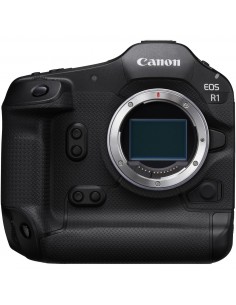
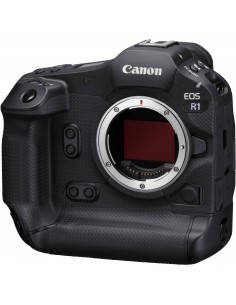
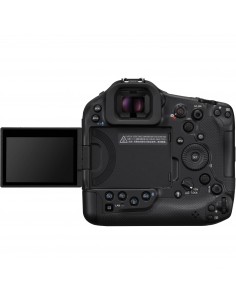
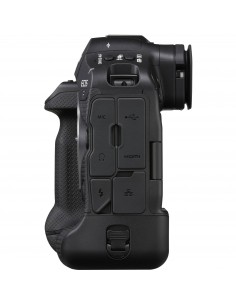
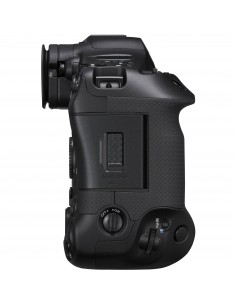
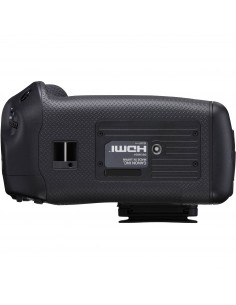
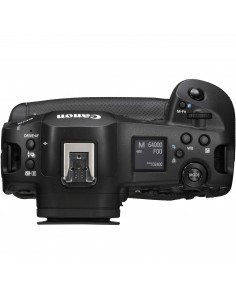
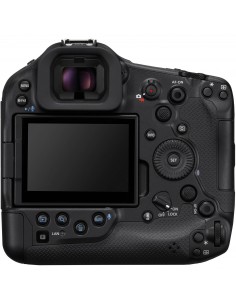
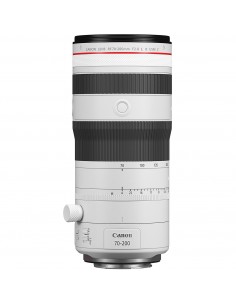
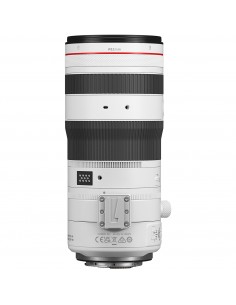
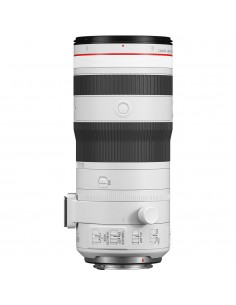
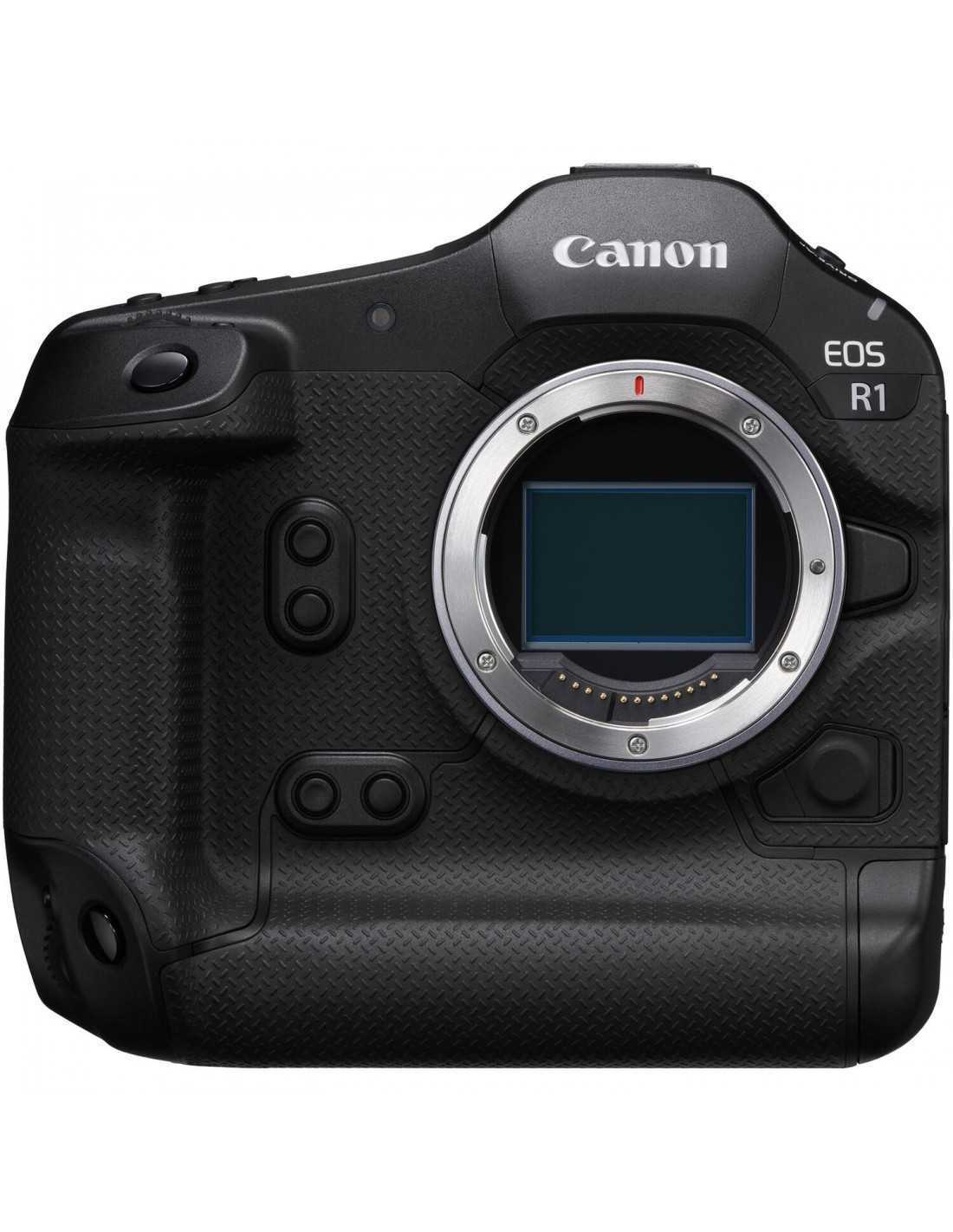
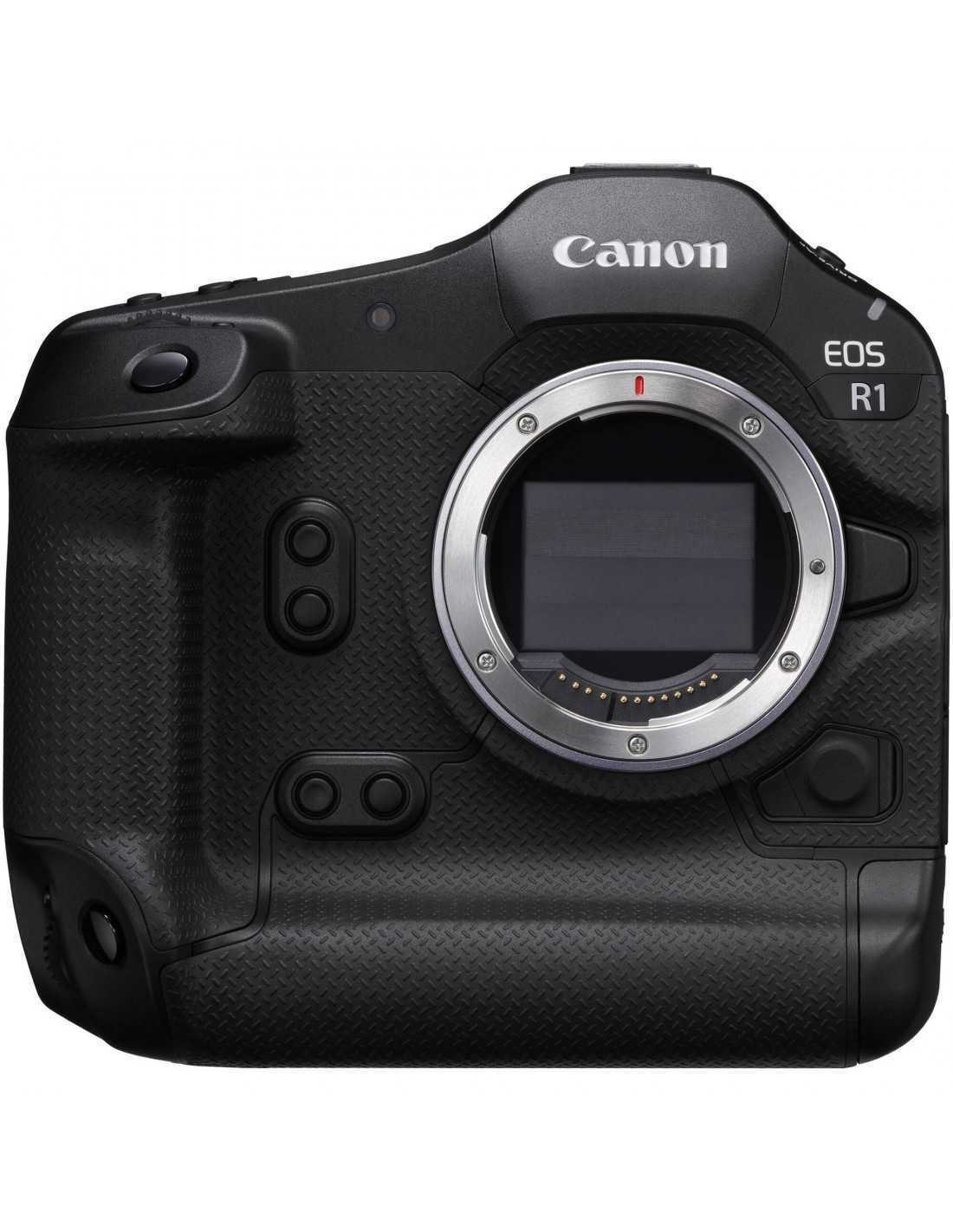
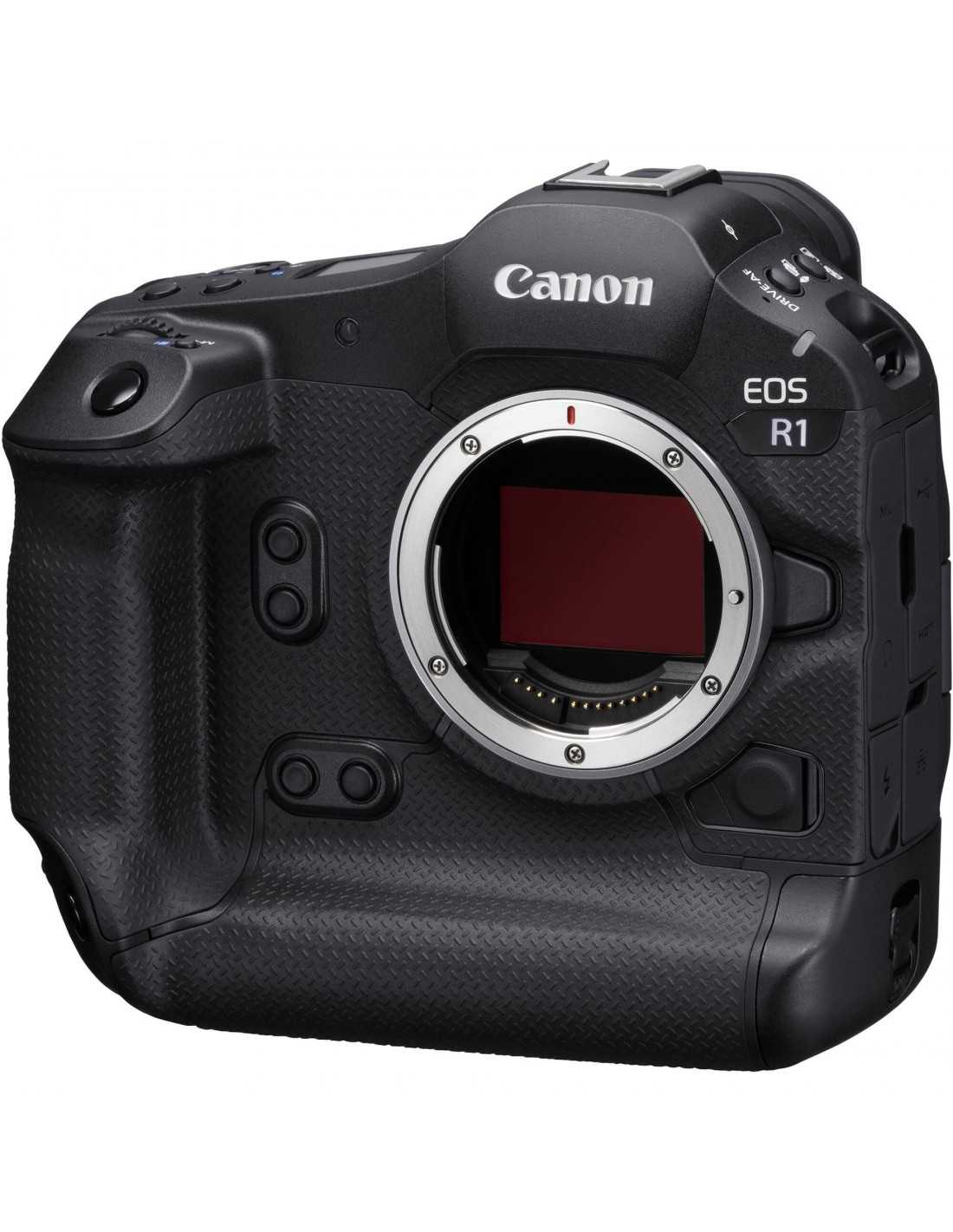
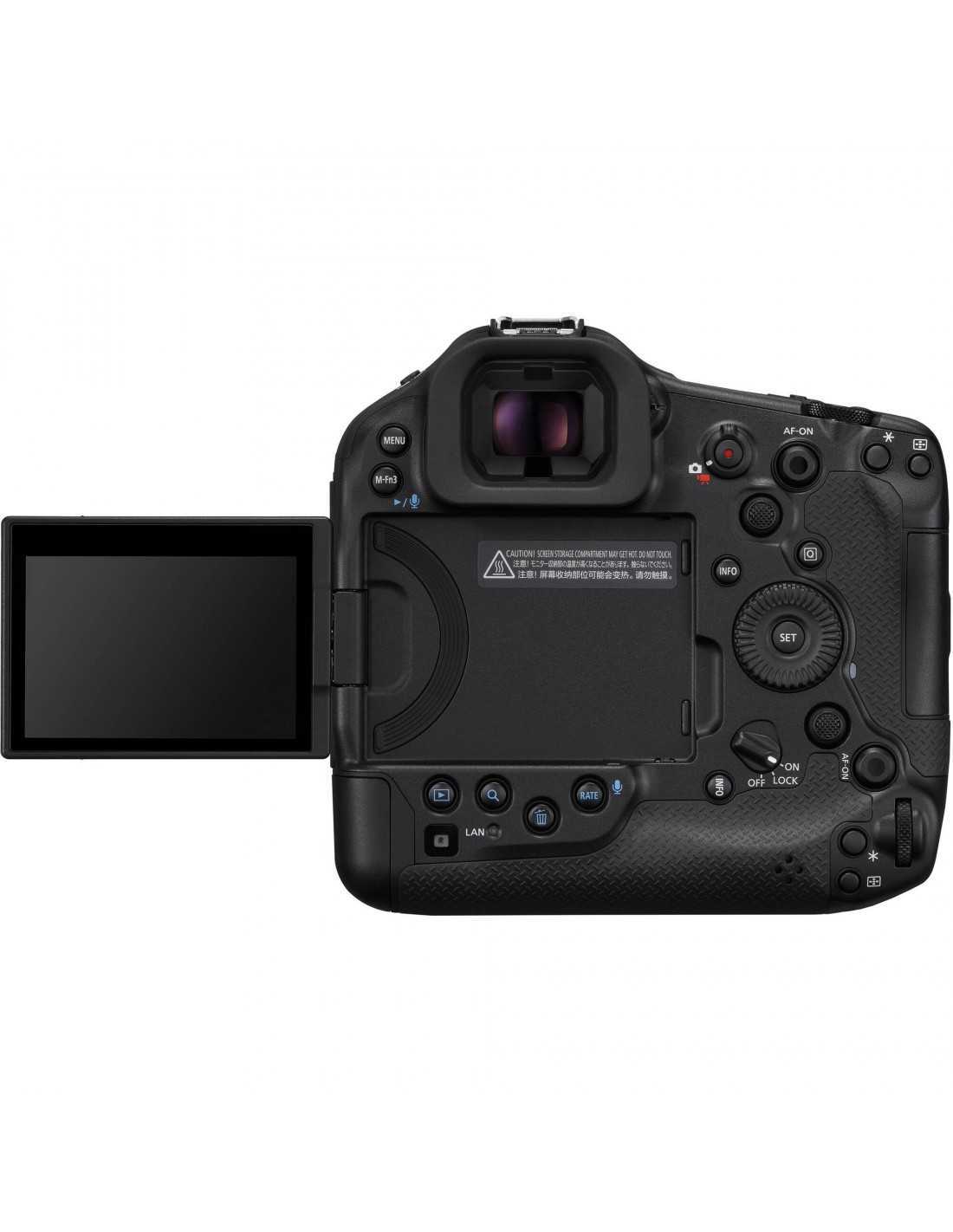
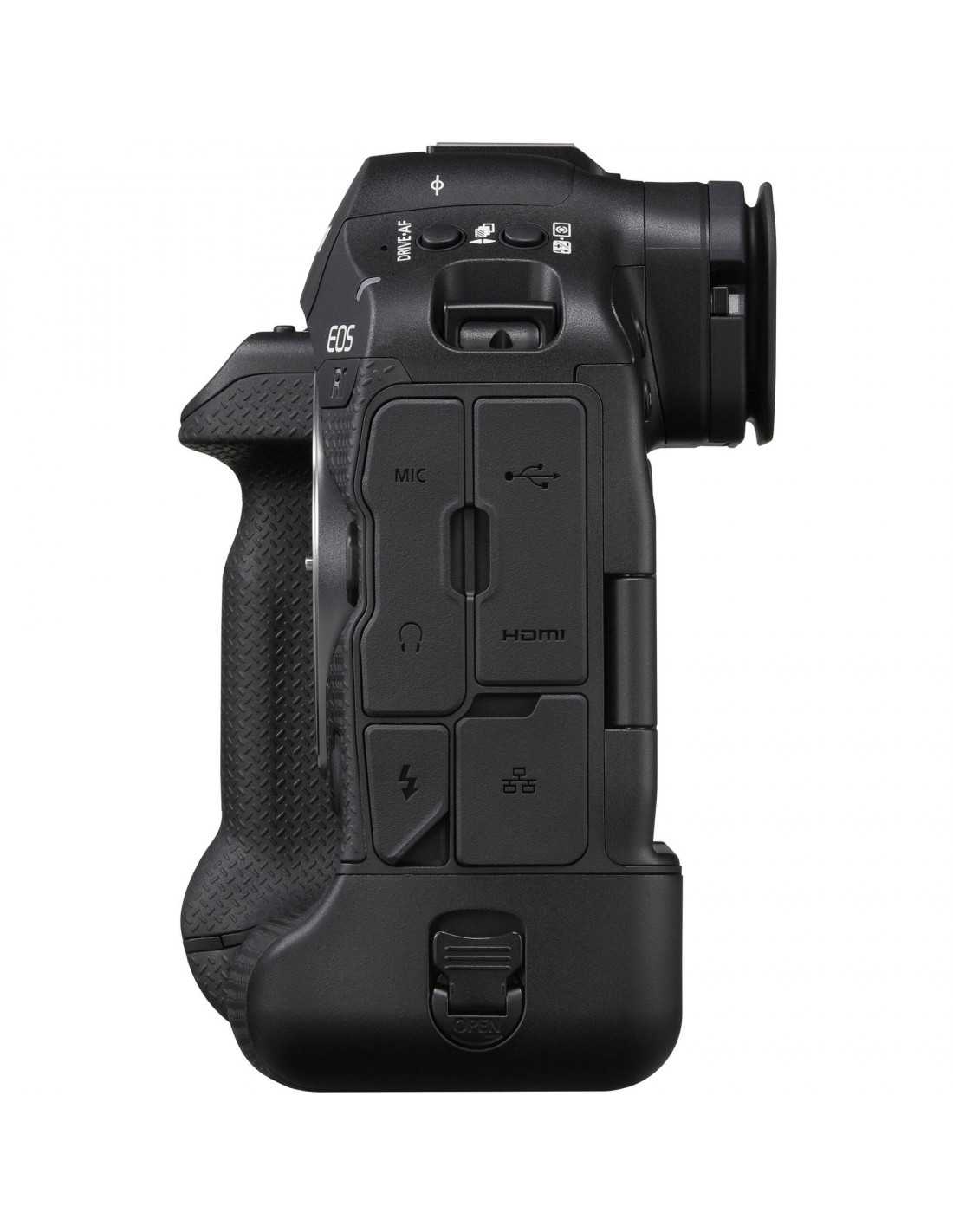
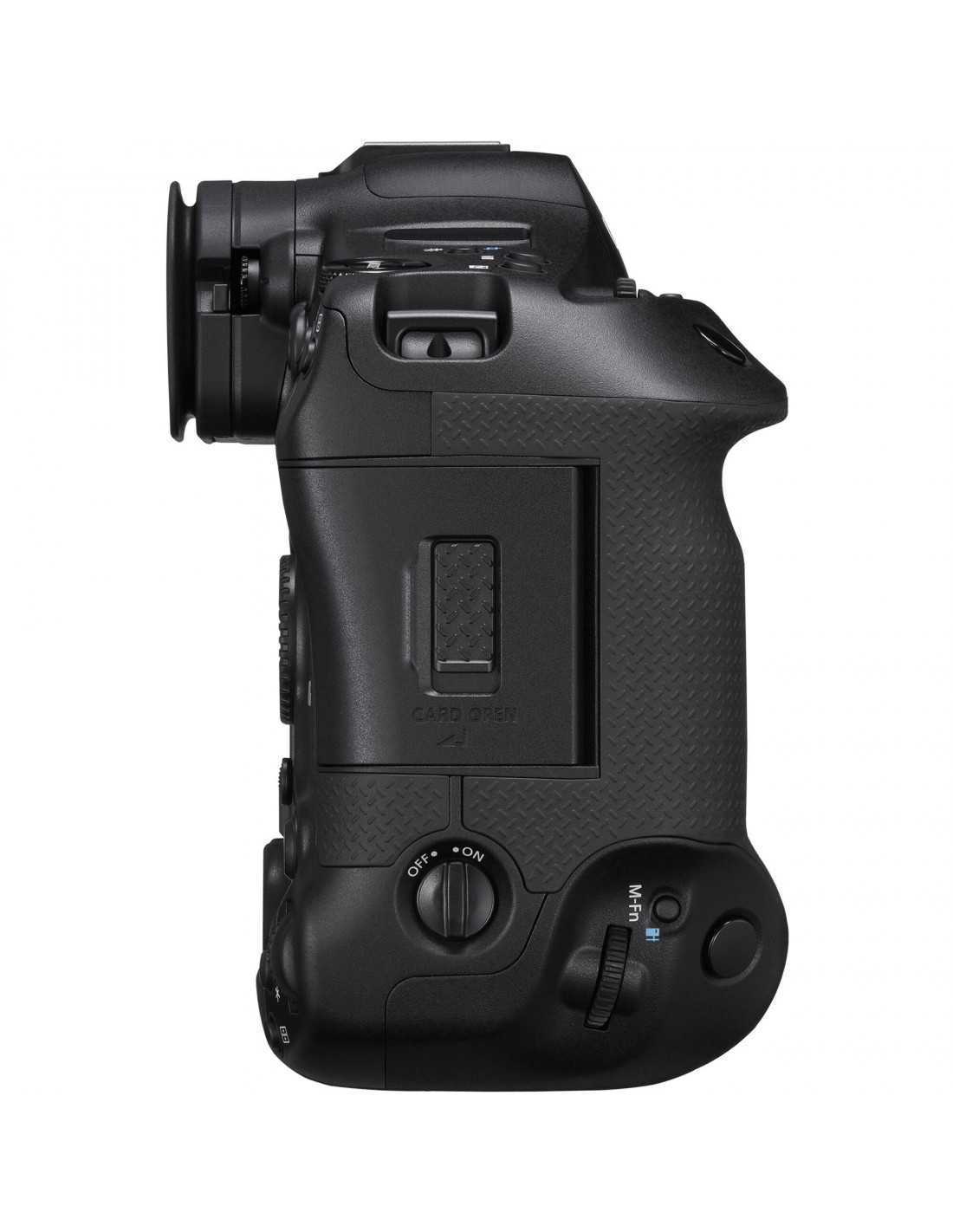
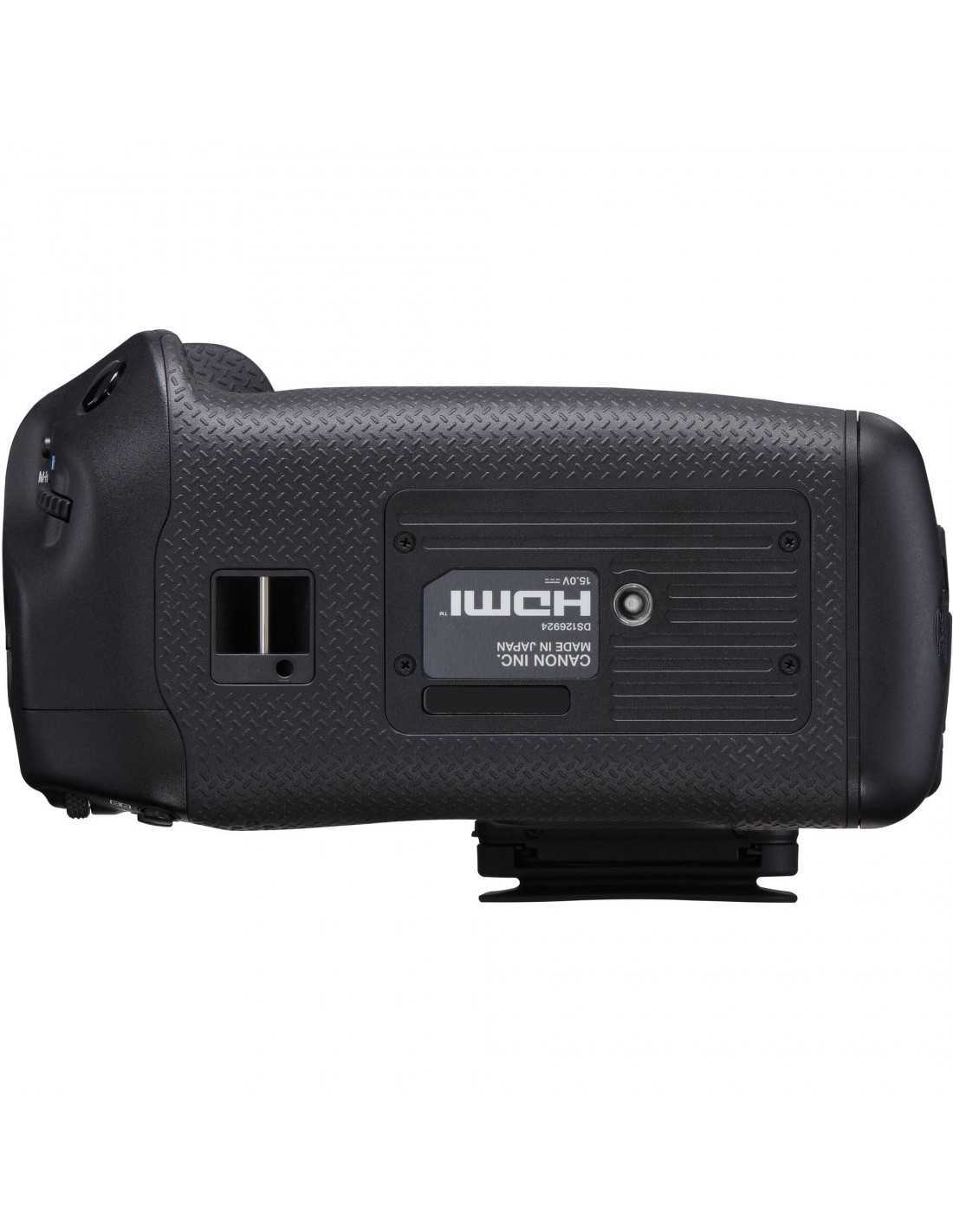
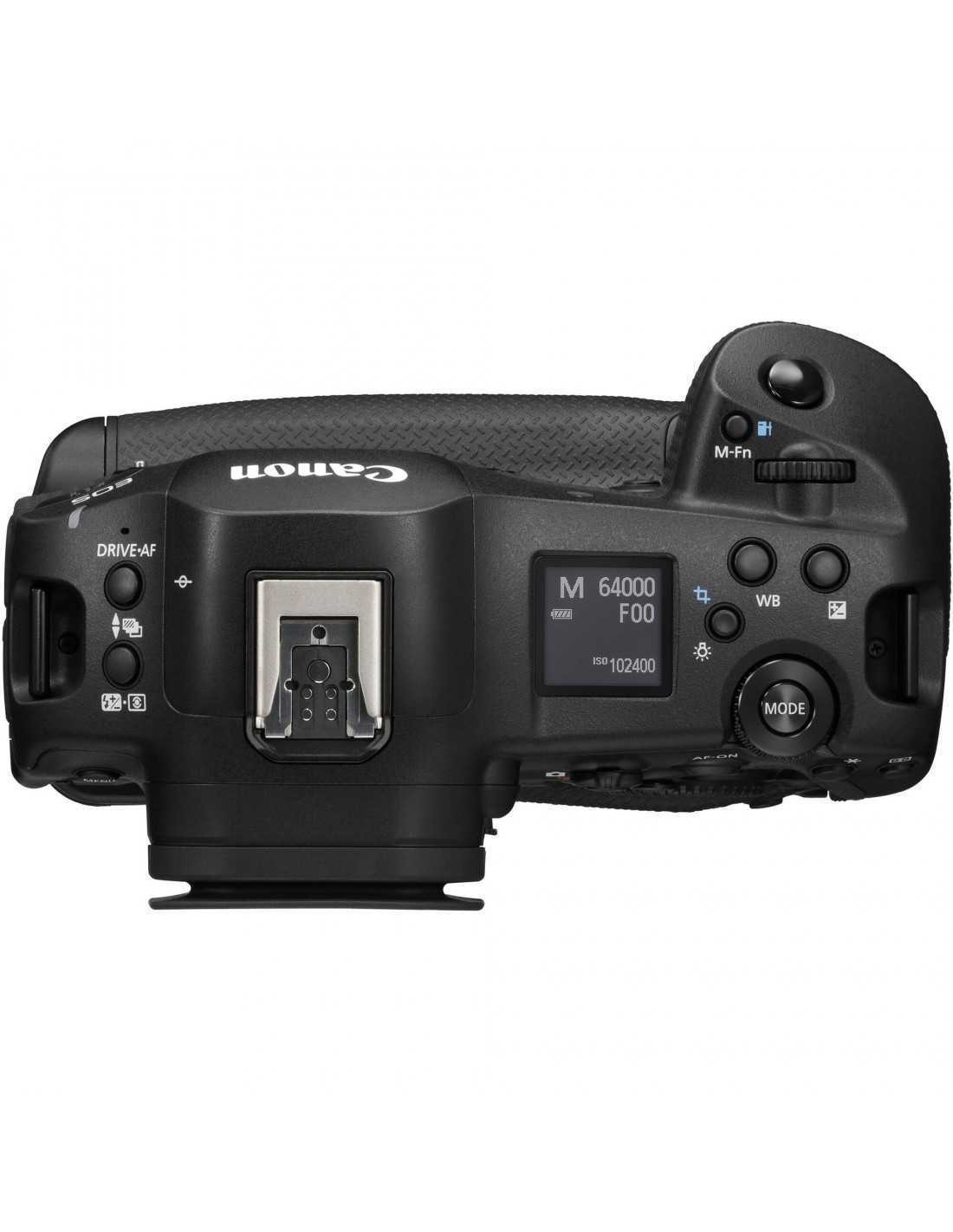
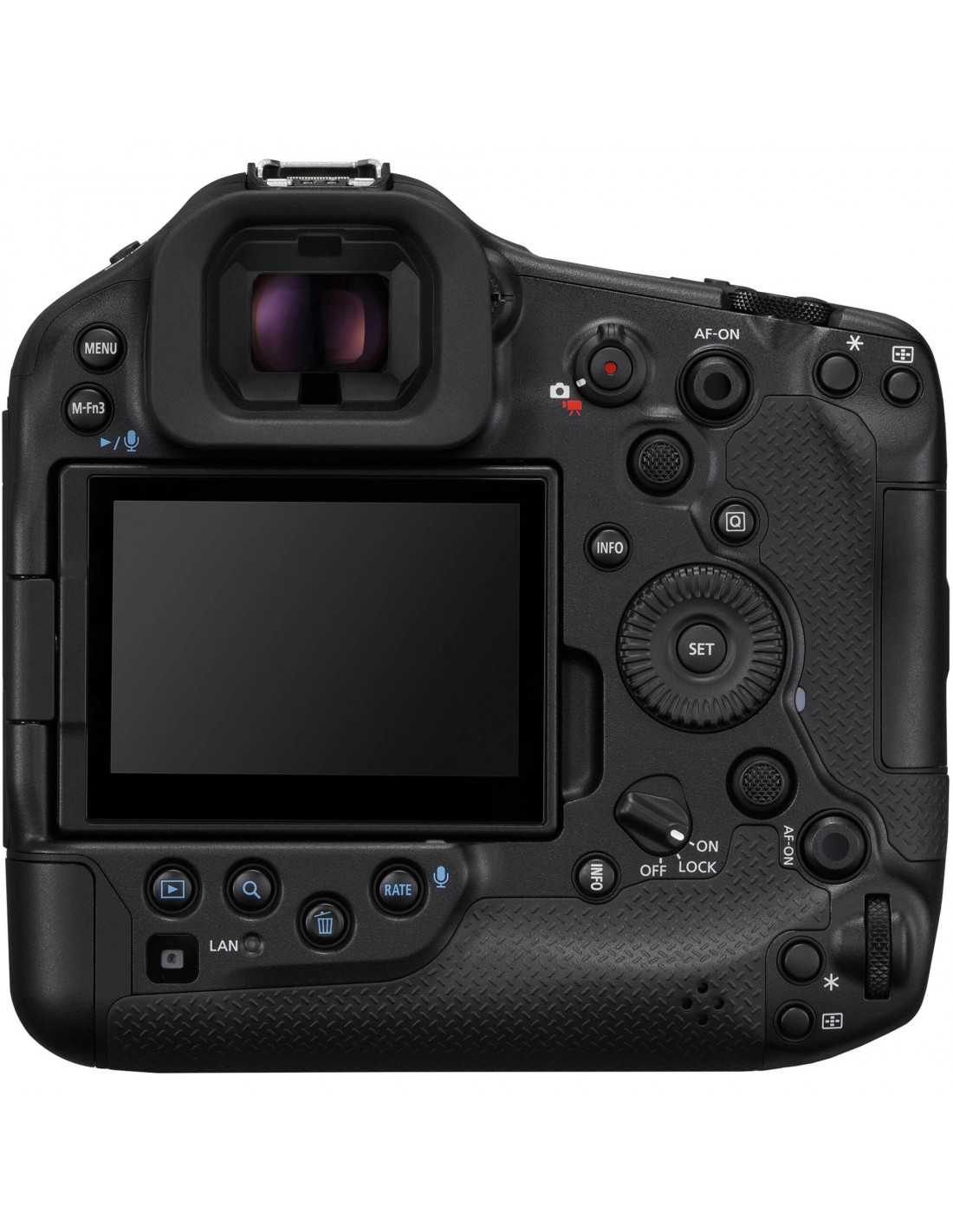
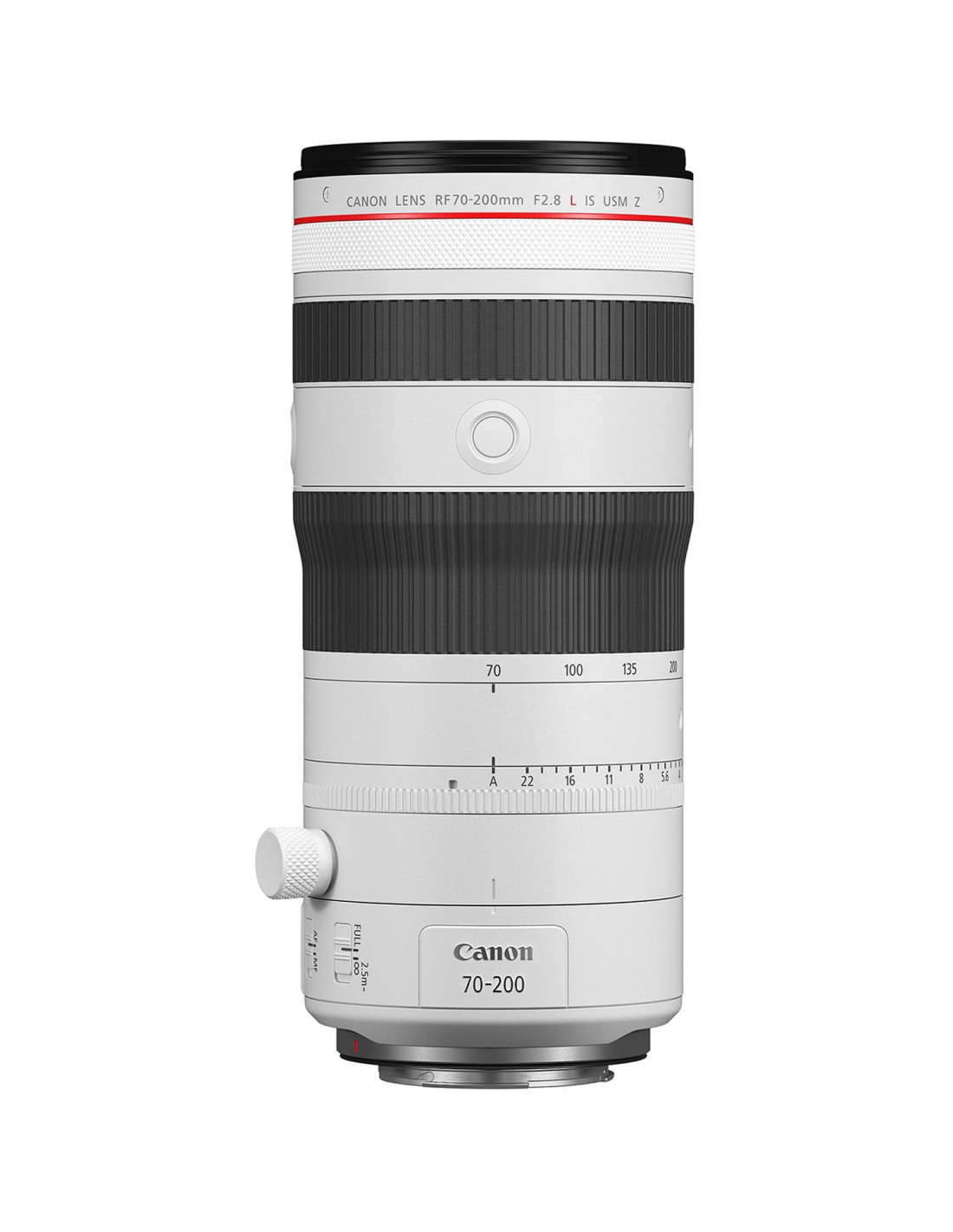
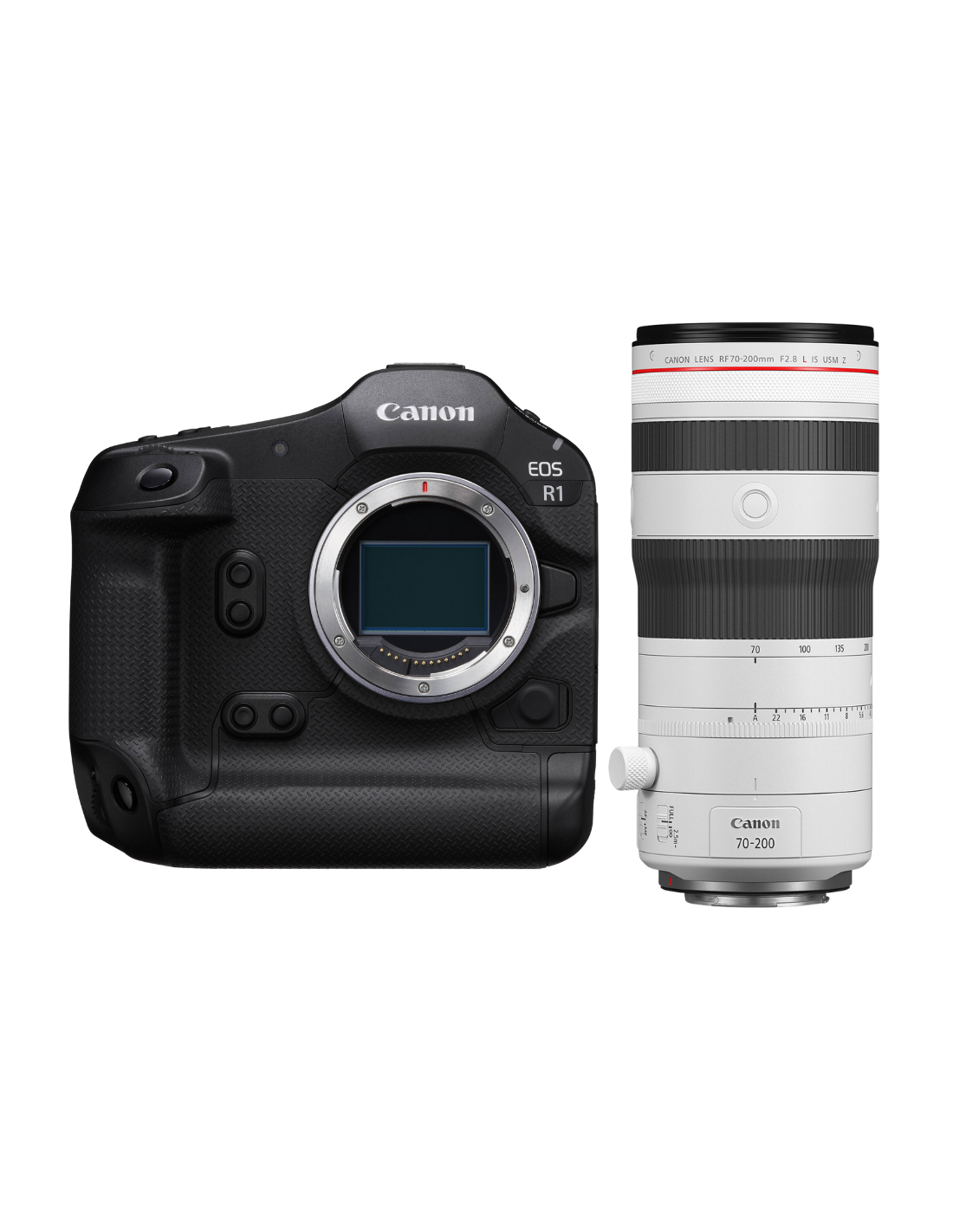
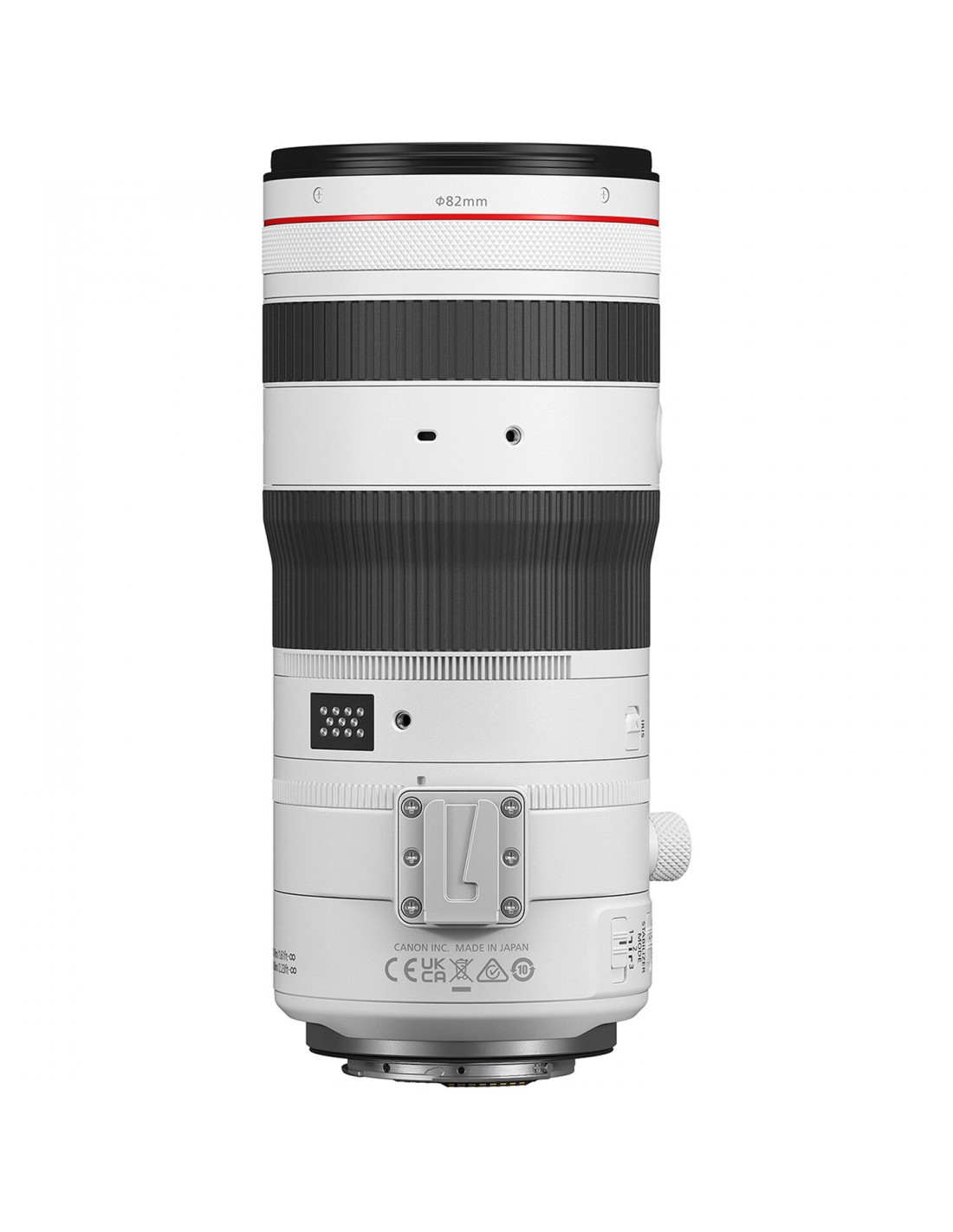
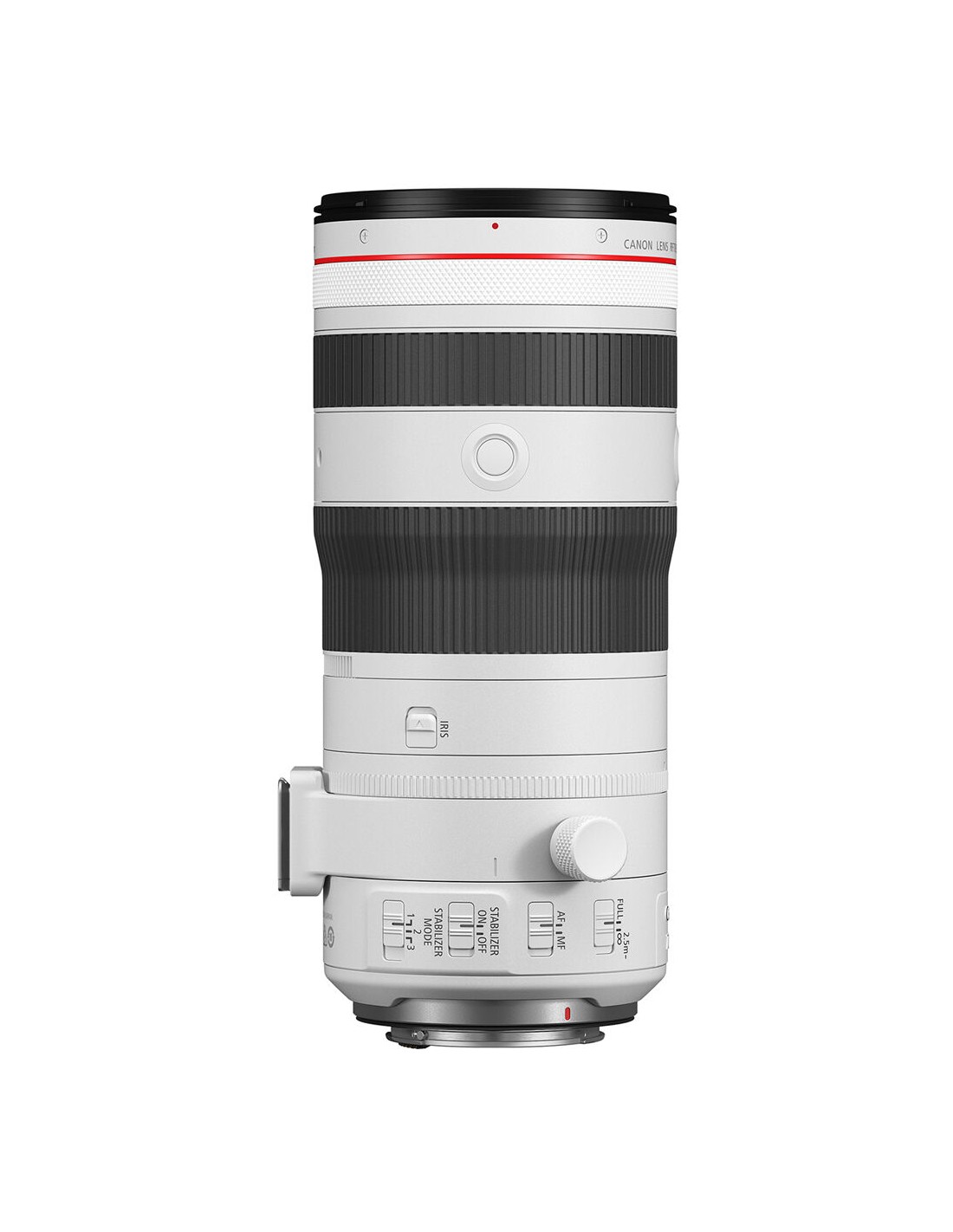
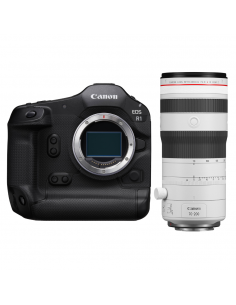

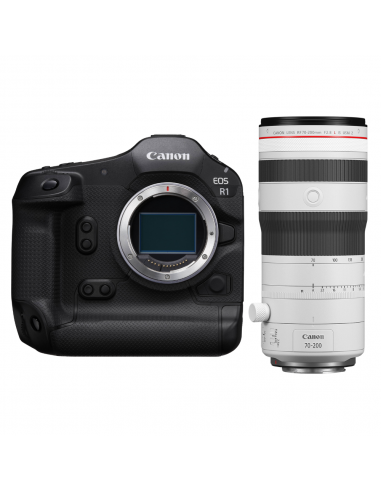
The Canon EOS R1 with RF 70-200mm F2.8 L IS USM Z White is a professional full-frame kit we recommend to sport, wedding, stage and event photographers who need to reframe quickly from a distance without giving up brightness. The EOS R1 combines subject-recognition autofocus with electronic bursts up to 40 fps. The telephoto zoom keeps F2.8 from 70 to 200mm and does not change length while zooming, which makes support and video-rig balance more predictable during a long assignment in demanding conditions. Its white finish carries the familiar identity of Canon professional telephotos and uses paint Canon describes as a heat barrier. This kit makes most sense when speed, tracking and hybrid stills-video versatility matter more than minimum weight.
Combine compatible accessories and save. The more items you add, the bigger the discount.
Accessory
Accessory
Accessory

warranty extension
This pairing brings together the fastest professional body in the EOS R range and a bright internal-zoom telephoto. It suits photographers who need to move from an environmental frame to a tight expression without leaving their position at a touchline, ceremony, stage, conference or production.
F2.8 remains available across the range, helping to maintain shutter speed in lower light and separate a subject from a busy background. The white finish does not change optical performance; it echoes Canon professional telephotos and uses paint Canon describes as a heat barrier.
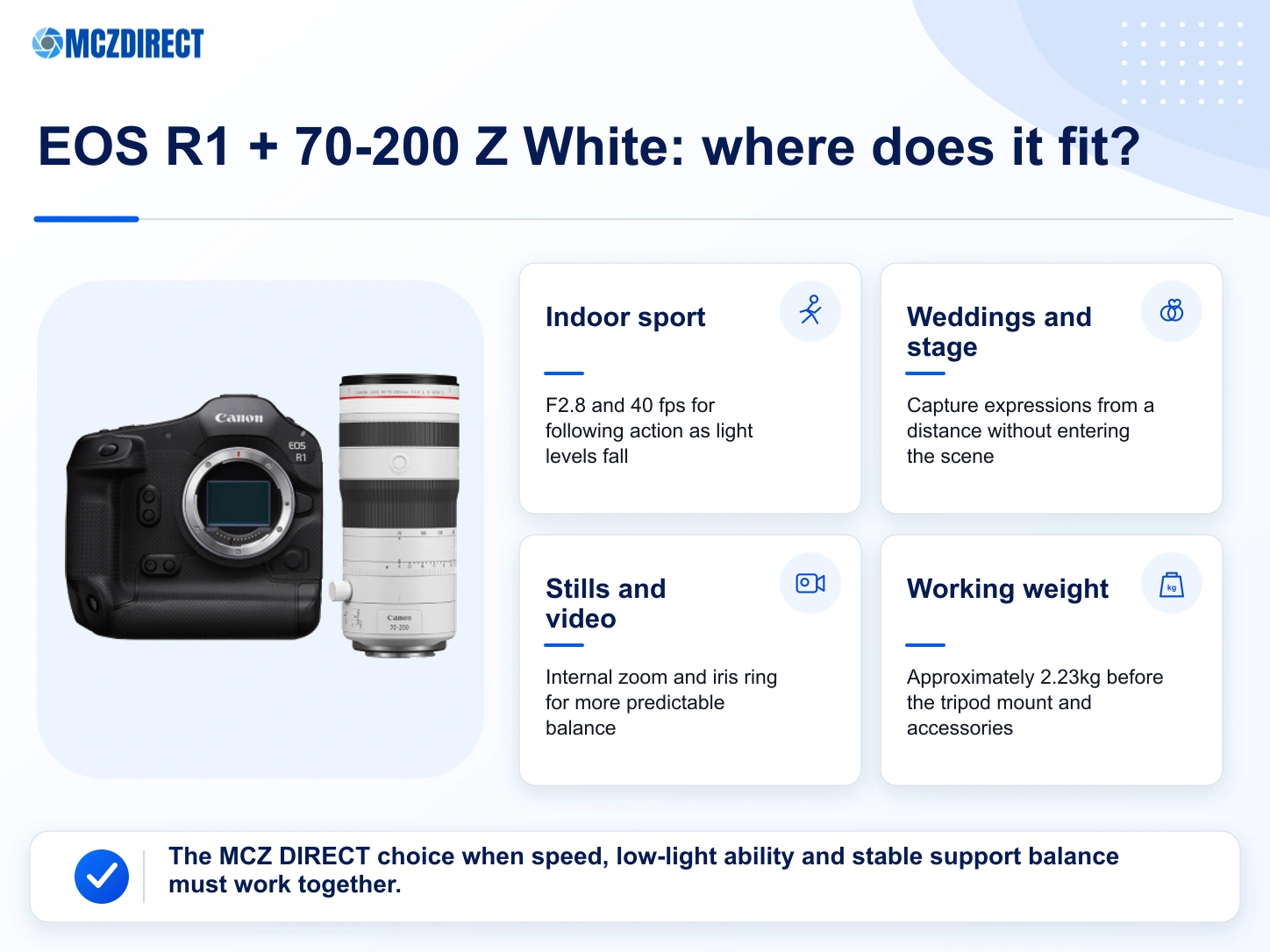
The 24.2MP stacked sensor is designed for fast readout and a manageable professional workflow. Electronic bursts reach 40 fps and the AF system recognises several subject types. The lens then changes the subject’s size in the frame while the body maintains tracking.
If you already own the white Z lens, the Canon EOS R1 body is the more sensible route. This page covers the complete pairing for buyers who want a working action and event setup from the outset.
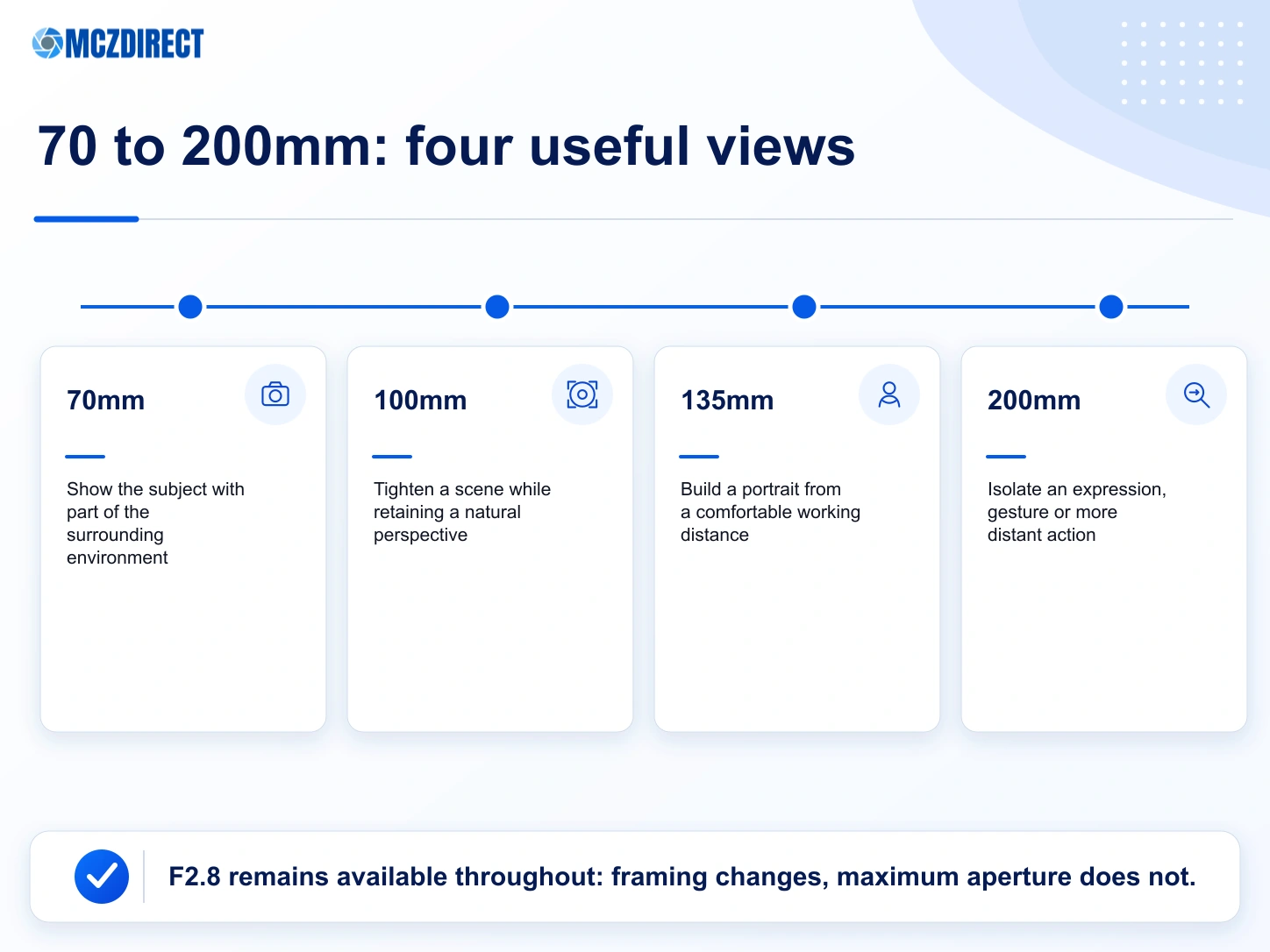
At 70mm, the subject can still be shown within the venue or sporting environment. Around 100mm, you can move towards a tighter reportage frame. The 135mm area is especially useful for portraits and stage details, while 200mm isolates an expression or a fast movement from further away.
That flexibility reduces unnecessary movement, but it does not replace a wide-angle lens in a cramped room. Nor is 200mm always enough for distant wildlife. The EOS R1 with RF 100-500mm kit is the better fit when reach matters more than an F2.8 aperture.
| Feature | Practical benefit | Where it helps |
|---|---|---|
| 24.2MP stacked sensor | Fast readout with files that are easier to transmit than very high-resolution captures. | Sport, press, events and agency workflows. |
| Up to 40 fps | More positions to choose from during a brief action. | Sport, nearby wildlife and performance. |
| 70-200mm F2.8 | Flexible framing without losing maximum aperture at 200mm. | Weddings, portraits, indoor sport and stage. |
| Internal zoom | More consistent length and balance on support. | Monopods, tripods, rigs and controlled video moves. |
| Coordinated stabilisation | A steadier view and less camera shake with calmer subjects. | Posed portraits, detail and handheld video. |
In sport, the difference between an ordinary frame and the decisive one may be a fraction of a second. The EOS R1’s high frame rate provides more ball positions, expressions and body shapes to choose from. Continuous viewing and subject recognition make the sequence easier to follow, while 70-200mm covers nearby and medium-distance action well.
High speed still needs discipline. Long bursts create large editing queues and fill cards quickly. Short bursts, an appropriate AF area and a shutter speed matched to the movement usually produce a cleaner workflow. Stabilisation reduces movement from the photographer; it cannot freeze an athlete or animal.
During a ceremony, speech or concert, the 70-200mm allows the photographer to stay outside the subject’s space. F2.8 helps under dim venue lighting, while the longer focal lengths simplify cluttered backgrounds.
The white version is more visually noticeable than the black version. That is a practical preference rather than a performance difference. For very discreet ceremonies or predominantly black video rigs, the EOS R1 with RF 70-200mm F2.8 Z Black may integrate more quietly.
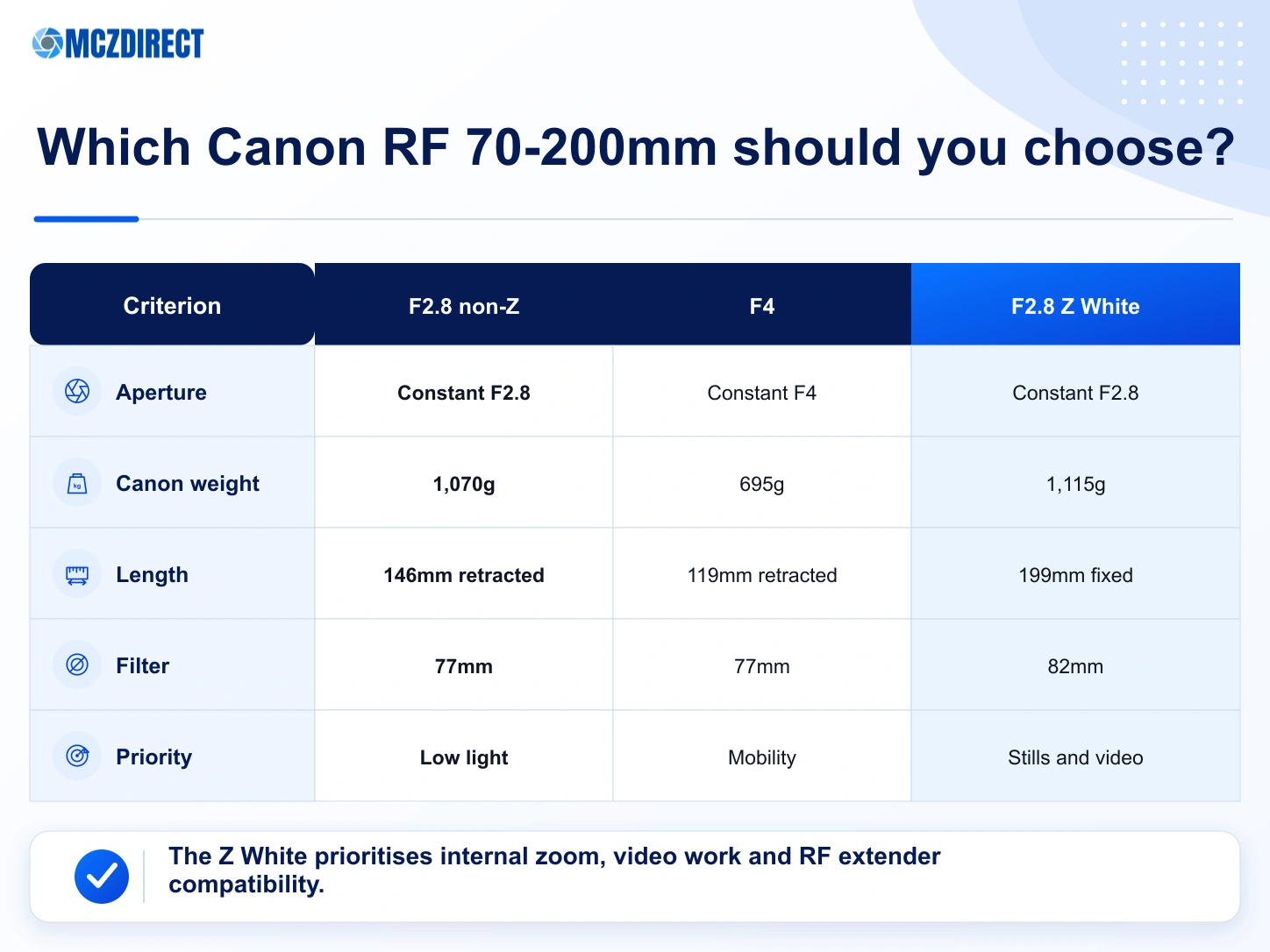
The RF 70-200mm F2.8 Z is 199mm long and does not extend when you move from 70 to 200mm. A monopod or tripod head therefore sees less change in balance, and a video rig is disturbed less by reframing than it would be with an extending zoom.
There is a straightforward trade-off: the lens remains long in the bag. The EOS R1 with the non-Z RF 70-200mm F2.8 packs down shorter, but changes length while zooming and cannot use RF extenders.
| Focal length | Recommended use | Consideration |
|---|---|---|
| 70mm | Environmental portrait, ceremony and nearby action. | May still be too long in a small room. |
| 100mm | Reportage, performance and a tighter frame. | Already requires some working distance. |
| 135mm | Portrait, expression and stage detail. | Focus placement becomes more critical at F2.8. |
| 200mm | Sport, stage and isolated subjects at a distance. | Does not replace a super-telephoto for very distant subjects. |
| With RF extender | 98-280mm F4 or 140-400mm F5.6. | Extra reach comes with a smaller maximum aperture. |
With this lens, Canon rates coordinated stabilisation on the EOS R1 at up to 7.5 stops in the centre and 7.0 at the edges under CIPA test conditions. It steadies the view and helps reduce camera shake when the subject is relatively still, which can be useful for a posed portrait, a detail or handheld video.
Fast action still demands an appropriate shutter speed. An F2.8 aperture gathers more light than F4, allowing either a faster shutter or a lower ISO in the same conditions. Stabilisation complements that choice, but it does not replace the shutter speed required to stop subject movement.
The EOS R1 records internal RAW video up to 6K 60p and offers 4K up to 120p depending on the selected mode. The 70-200mm range suits tighter sports coverage, stage work and interviews filmed from a comfortable distance. Its iris ring supports direct aperture control, while optional PZ-E2 and PZ-E2B Power Zoom adapters add motorised zoom operation.
This is a demanding combination. Sensible support, fast media and a storage plan are important for a full day. Dual CFexpress Type B slots make redundancy or file separation easier, but high-frame-rate stills and high-bitrate video will consume card space quickly.
Minimum focus is 0.49m at 70mm and 0.68m at 200mm. With up to 0.3x magnification, the lens can frame clothing details, equipment, textures or small product elements without pretending to be a dedicated macro lens.
RF extenders broaden its role. The 1.4x produces a 98-280mm F4 combination; the 2x creates a 140-400mm F5.6 setup. You gain reach and lose maximum aperture, a compromise that can work very well outdoors when the subject moves further away and the light remains adequate.
| Configuration | Main priority | Main compromise |
|---|---|---|
| RF 70-200mm F2.8 Z White | Hybrid work, internal zoom, extenders and white finish. | About 1,115g and 199mm in the bag. |
| RF 70-200mm F2.8 Z Black | Identical performance with a quieter visual presence. | The same working size as the white version. |
| RF 70-200mm F2.8 non-Z | Low light and a shorter stored length. | Extending barrel and no RF extender support. |
| RF 70-200mm F4 | Mobility, travel and long working days. | One stop slower at maximum aperture. |
| RF 100-500mm | Outdoor sport and more distant wildlife. | Slower variable aperture. |
The EOS R1 weighs about 1,115g with battery and card, while the white lens adds about 1,115g without the tripod mount. The pair is therefore close to 2.23kg before accessories. A suitable strap or monopod becomes valuable during a long assignment.
That mass also provides inertia, which can help produce smoother supported pans. The decision depends on how you work: constantly mobile, fixed at a touchline, or alternating between stills and video.
The White and Black Z lenses share the same optical design and functions. The choice is mainly about visual integration and exterior finish. The non-Z F2.8 is shorter when stored, while the EOS R1 with RF 70-200mm F4 cuts the working weight substantially.
If you need the optic alone, see the Canon RF 70-200mm F2.8 L IS USM Z White lens. Here the decision is about the complete kit and the way EOS R1 speed and autofocus complement the zoom.
The Canon EOS R1 category lets you compare this kit with the other active configurations built around the same camera. At MCZ DIRECT, we place the RF 70-200mm F2.8 Z White pairing among the most coherent choices for indoor sport, stage work, weddings and hybrid production.
It is less convincing for ultra-high-resolution landscape work, lightweight travel or extremely distant subjects. It makes sense for photographers who already know why a 70-200mm F2.8 stays on the camera for much of a working day.
At MCZ DIRECT, we see this as a first-rate EOS R1 configuration for indoor sport, weddings, stage and event photographers who genuinely rely on a 70-200mm for hours at a time. The body supplies speed and tracking; the lens adds F2.8, internal zoom and controls that matter in hybrid production.
Compared with the Black version, we recommend White mainly to photographers who prefer the familiar Canon professional-telephoto identity or often work outdoors. The limitation is unchanged: close to 2.23kg before the tripod mount and accessories. If that load fits your workflow, the kit offers a particularly strong balance of speed, brightness and versatility.
Choose the Canon EOS R1 with RF 70-200mm F2.8 L IS USM Z White when your work calls for a bright telephoto zoom, fast subject tracking and consistent balance for stills and video.

It is primarily aimed at professional sports, wedding, stage, event, portrait and hybrid photo-video photographers.
The EOS R1 supplies speed and subject tracking, while the lens adds reach, F2.8, internal zoom and useful video controls.
Yes. F2.8, the 70-200mm range, bursts up to 40 fps and subject recognition are well suited to action in limited light.
Yes, especially for ceremonies, speeches and portraits taken from a respectful distance. Its weight should be planned for over a full day.
The Z uses internal zoom, adds an iris ring, supports optional Power Zoom and accepts RF extenders. The non-Z is shorter when stored.
It carries the familiar identity of Canon professional telephotos and uses paint Canon describes as a heat barrier. Its optical performance is identical to the Black version.
Using Canon’s published figures, the body with battery and card plus the white lens totals about 2.23kg before the tripod mount and accessories.
No. Its internal-zoom design keeps the lens at a constant 199mm length throughout the focal range.
Yes. The RF 1.4x creates a 98-280mm F4 setup and the RF 2x creates a 140-400mm F5.6 setup.
Yes. The EOS R1 offers 6K RAW and 4K up to 120p, while the lens provides internal zoom, an iris ring and optional Power Zoom support.
No. Stabilisation reduces movement from the photographer; fast-moving subjects still require a suitable shutter speed.
Choose the Z for low light, internal zoom, video controls and extenders. Choose the F4 when lower weight and easier travel are the priority.