Shopping Cart
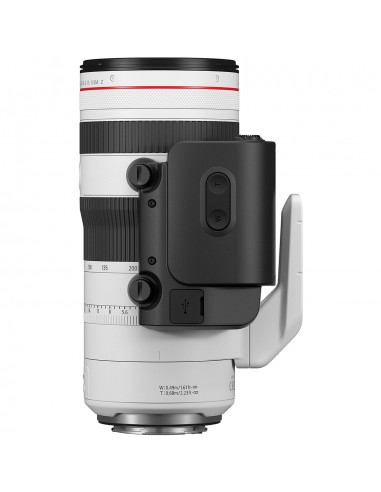
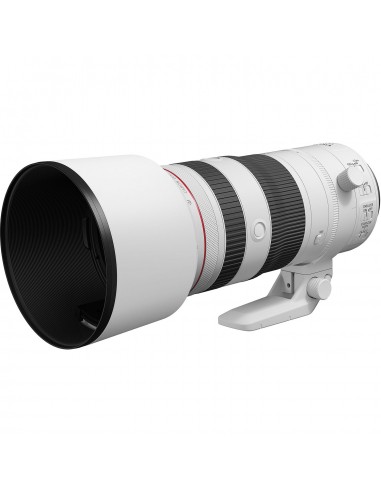
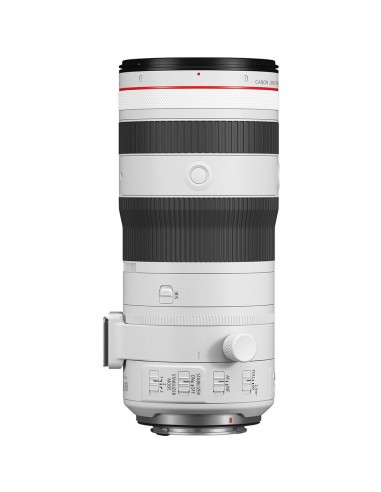
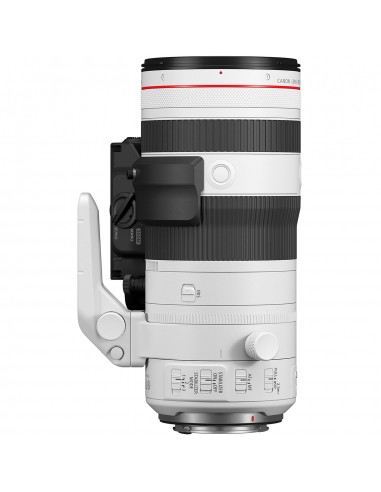
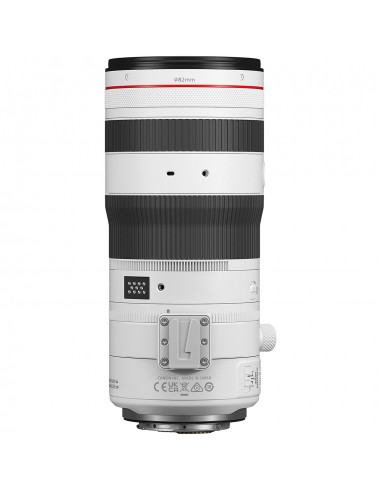

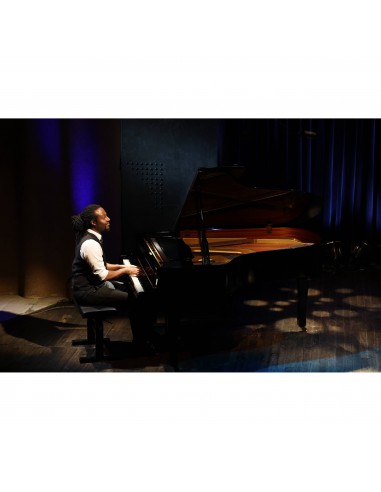
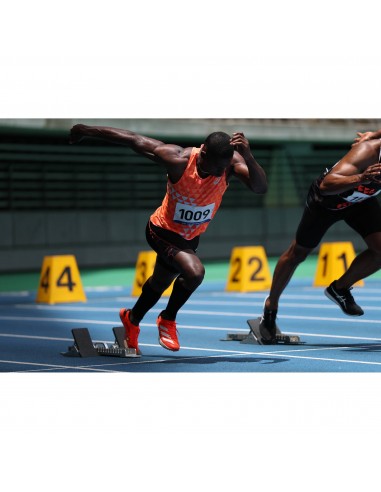
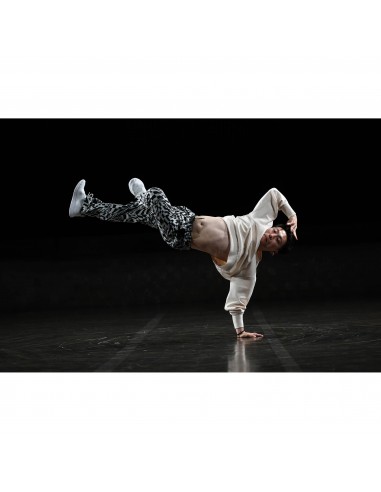
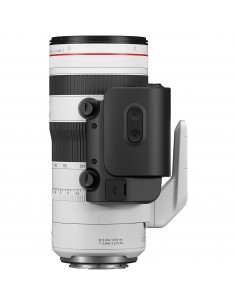
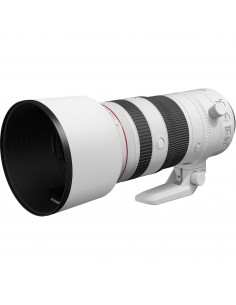
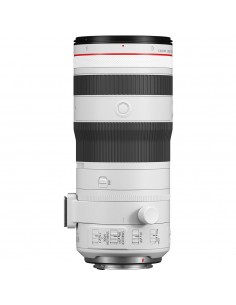
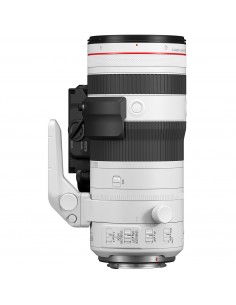
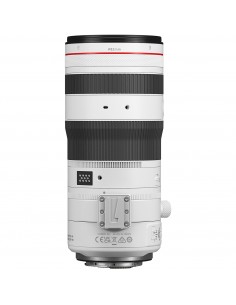
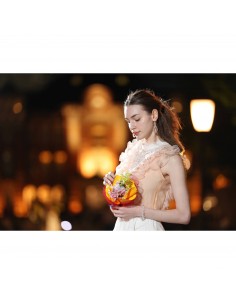
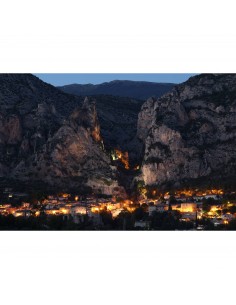

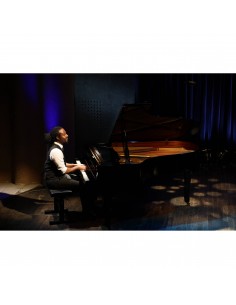

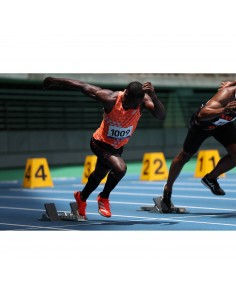
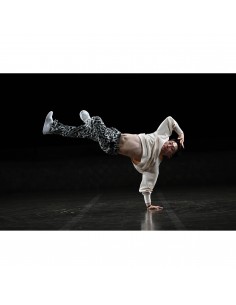
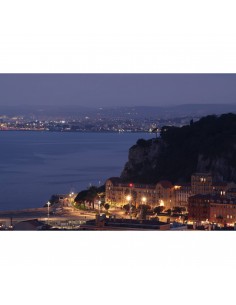
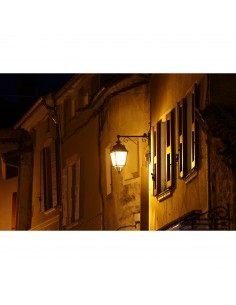
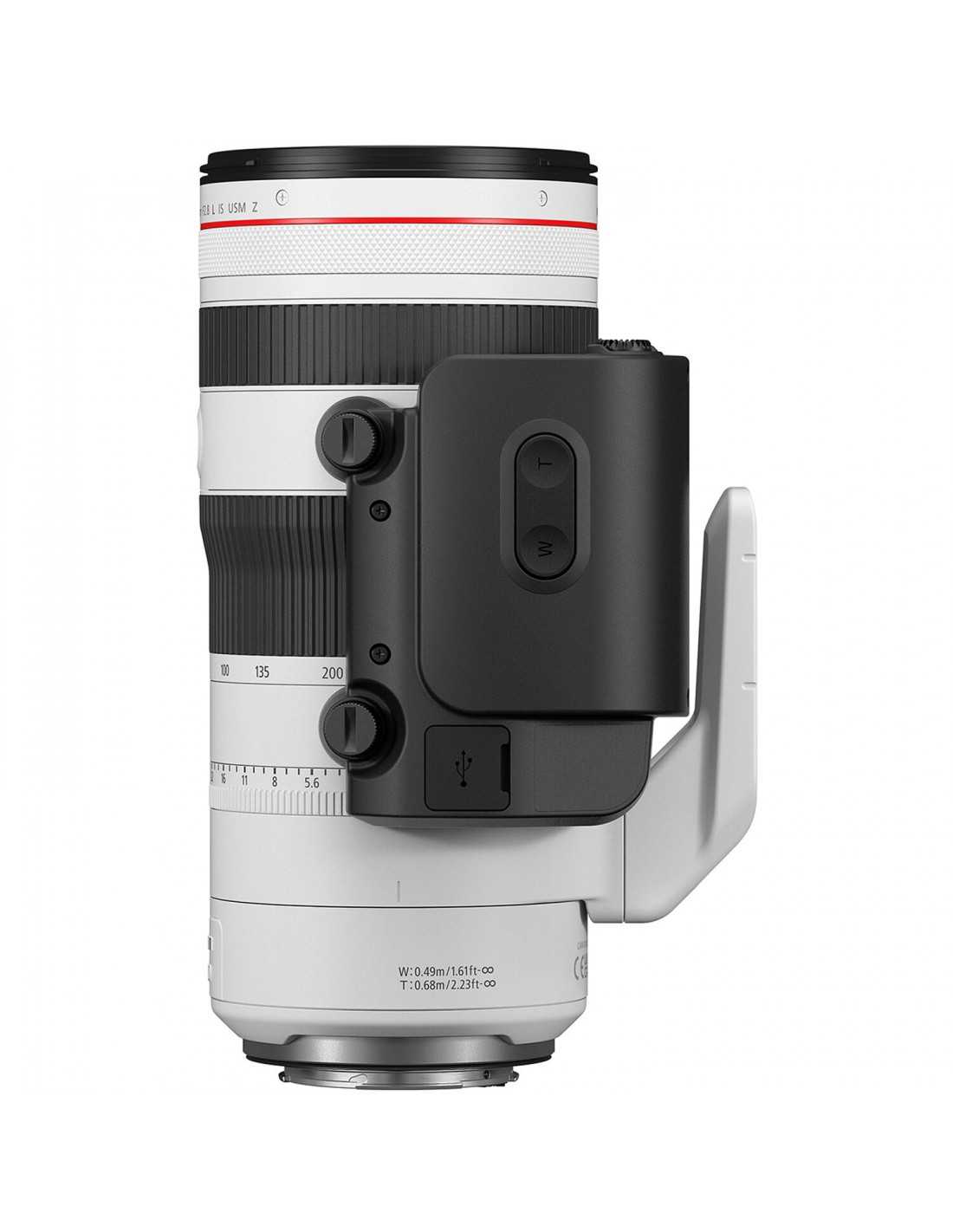
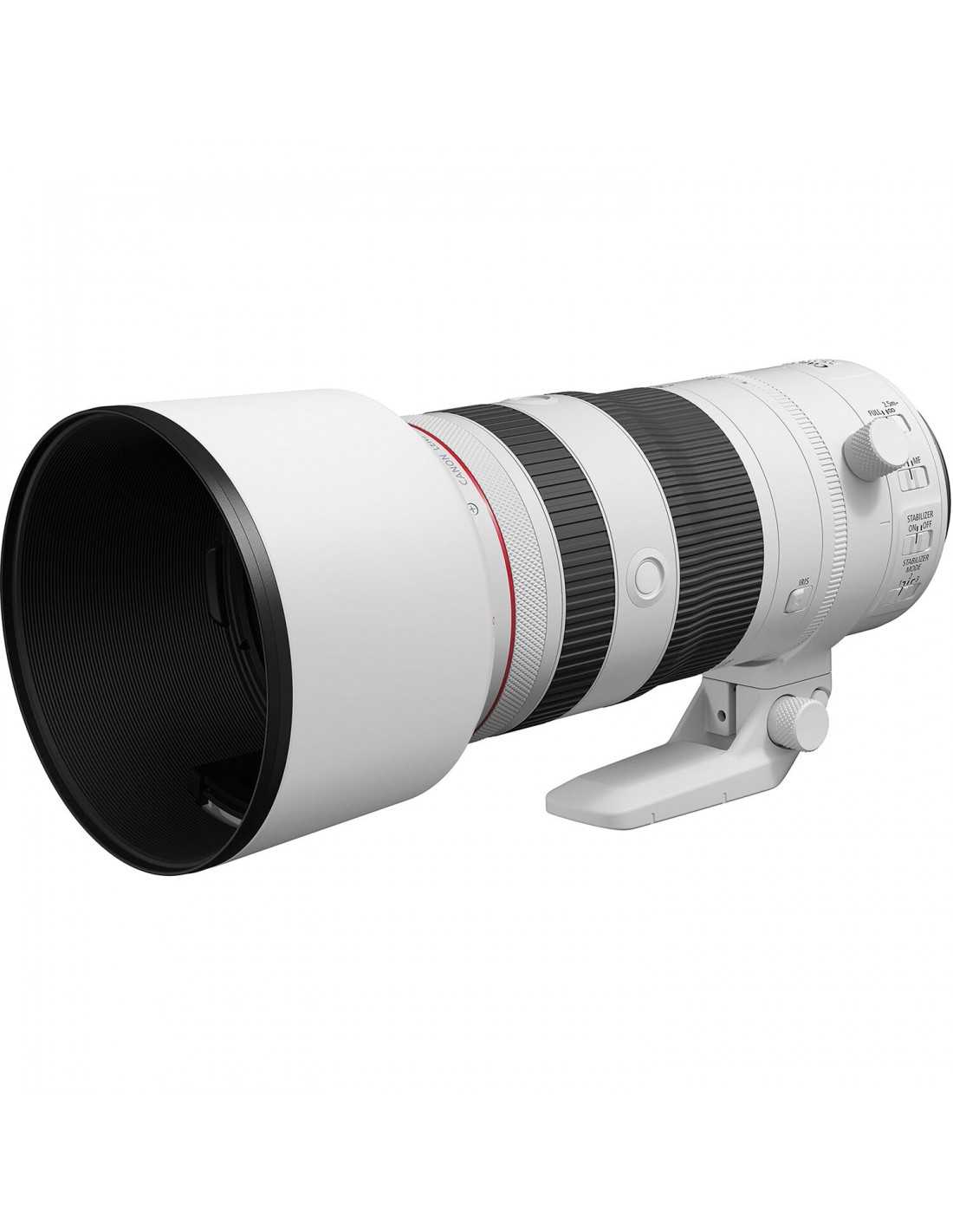
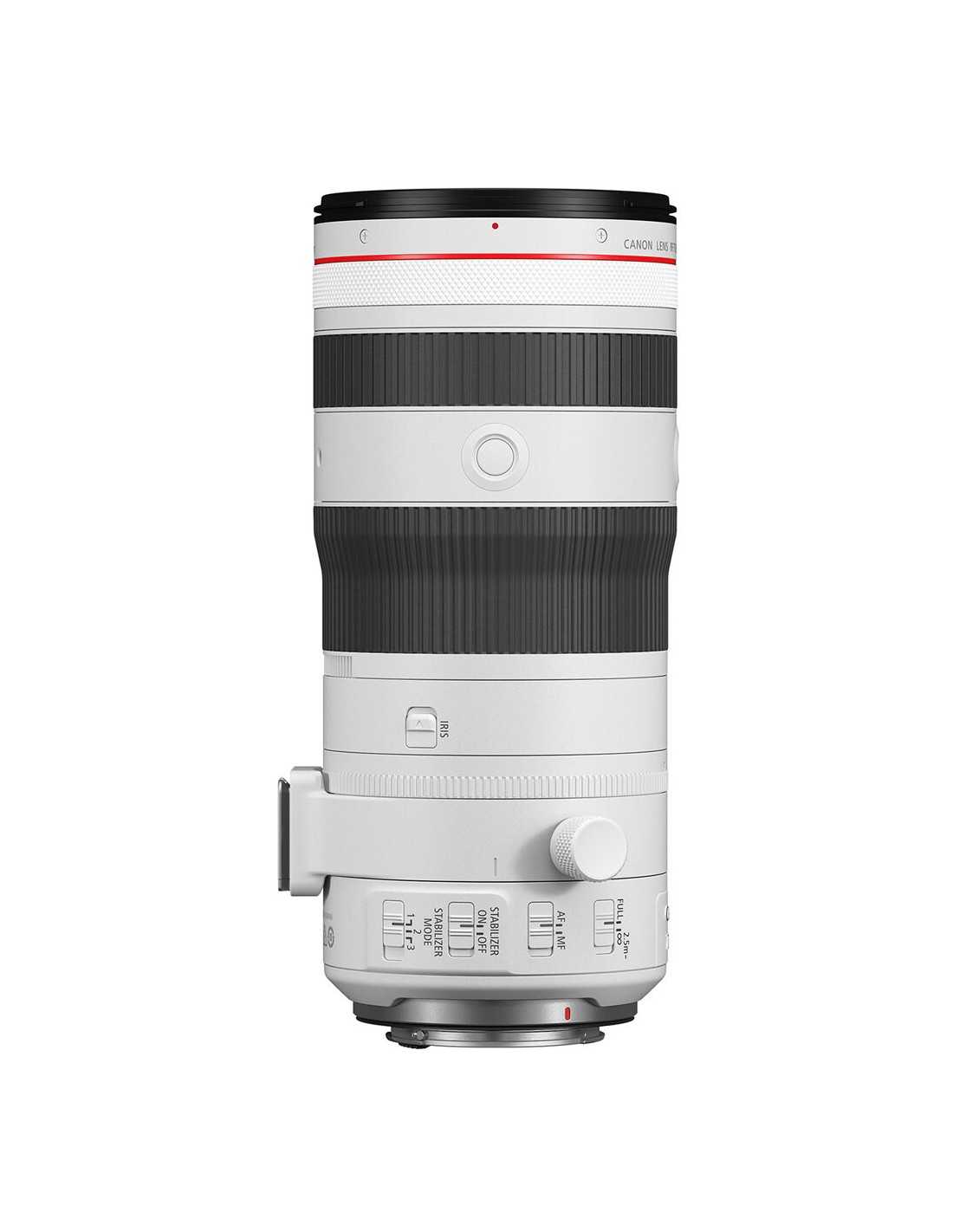
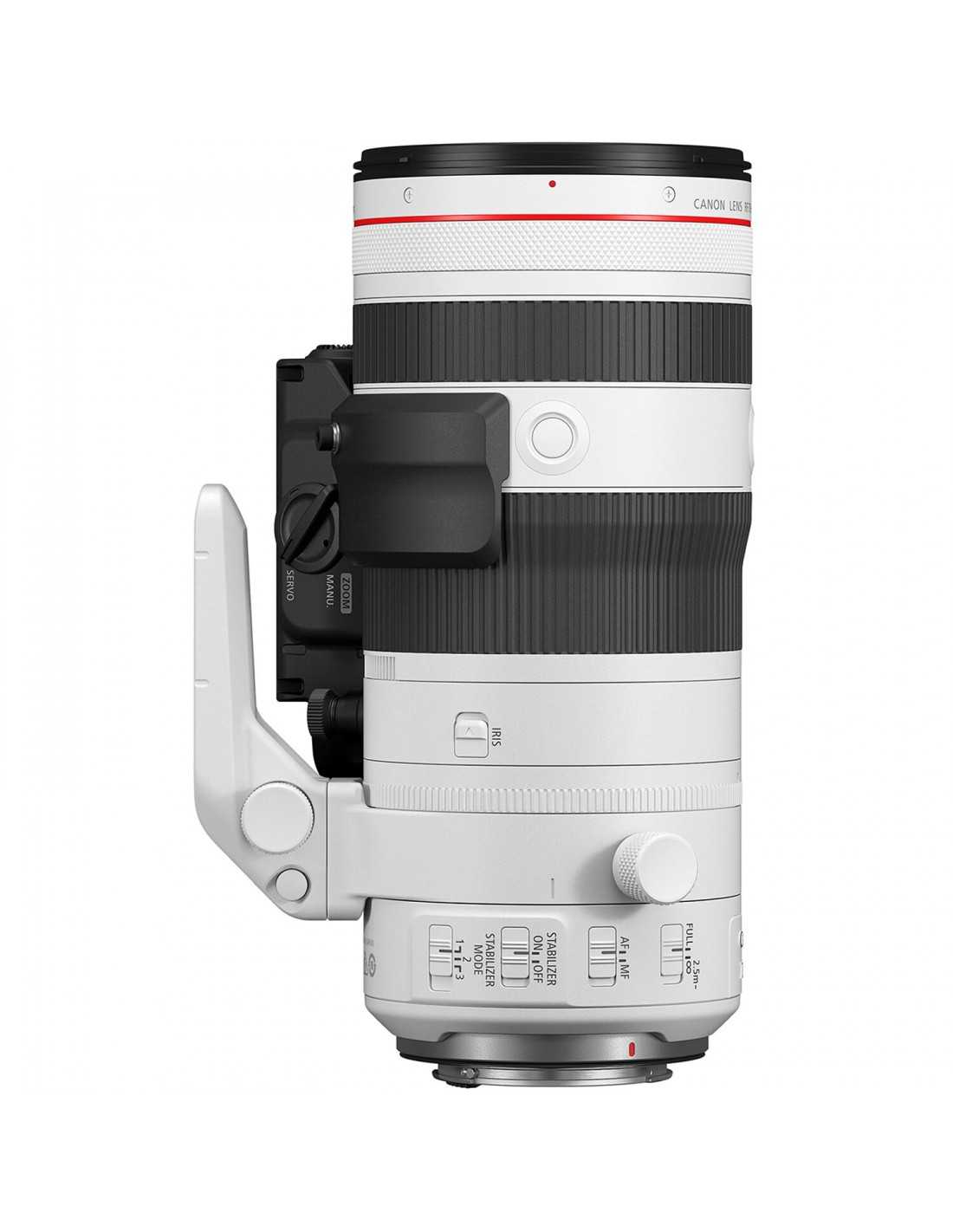
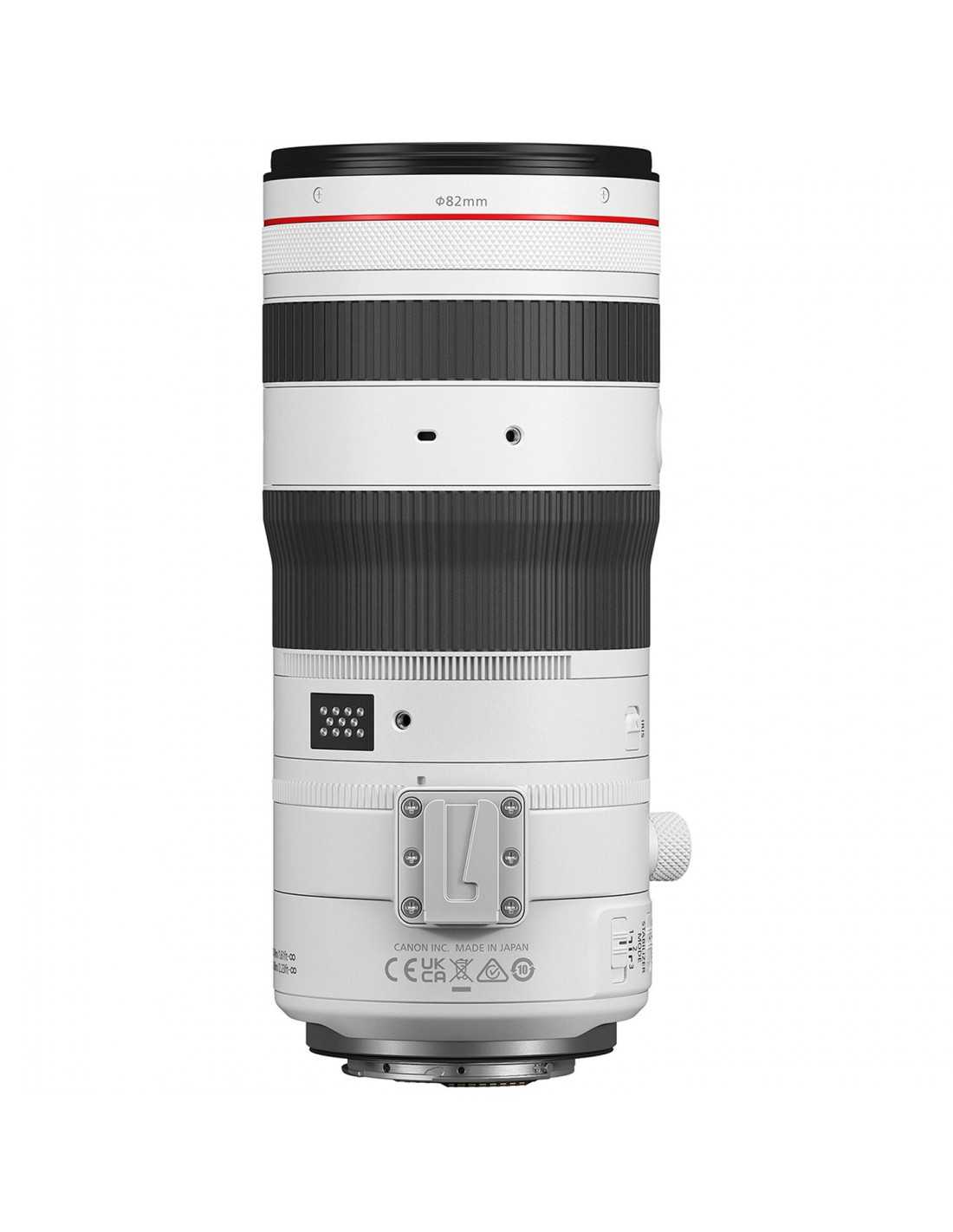
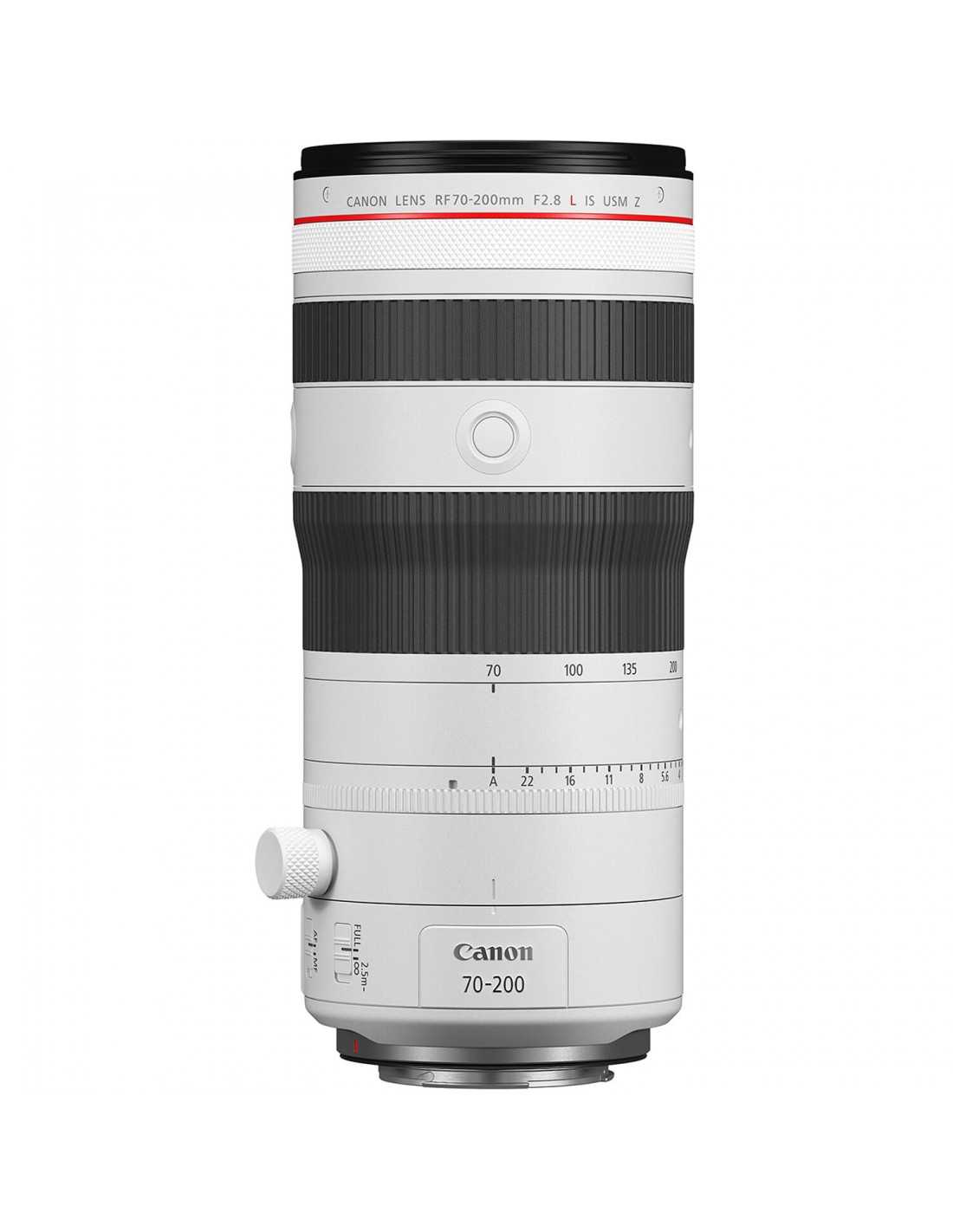

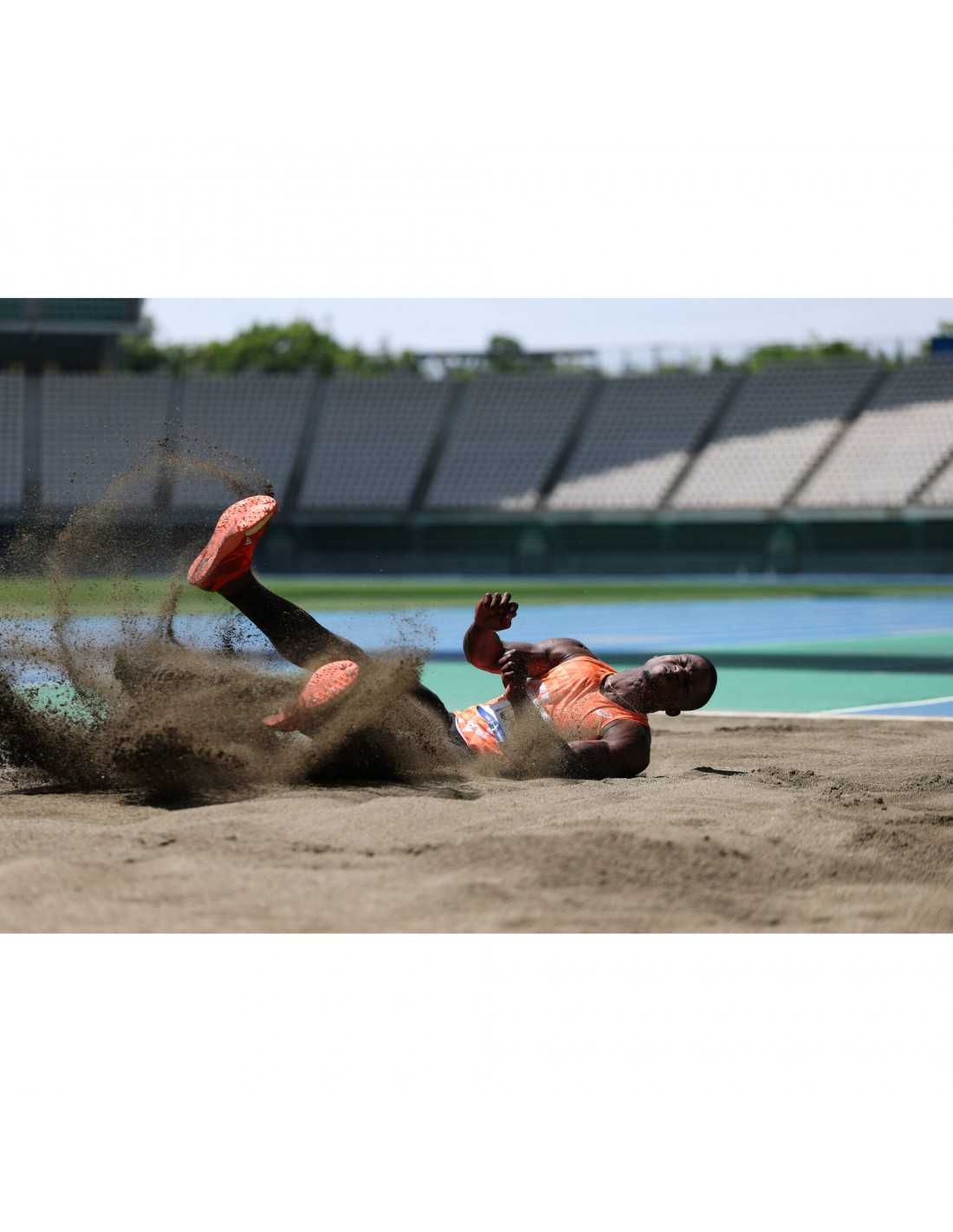

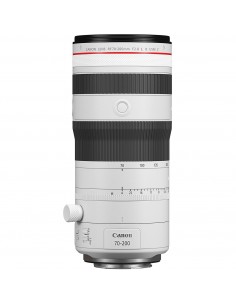

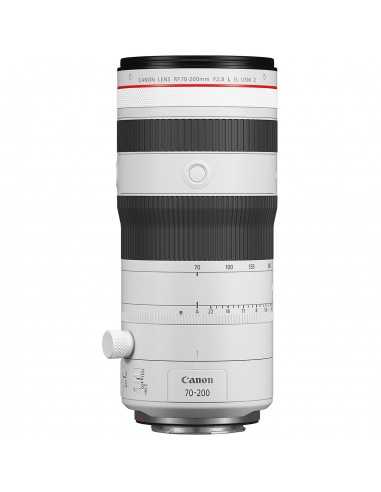
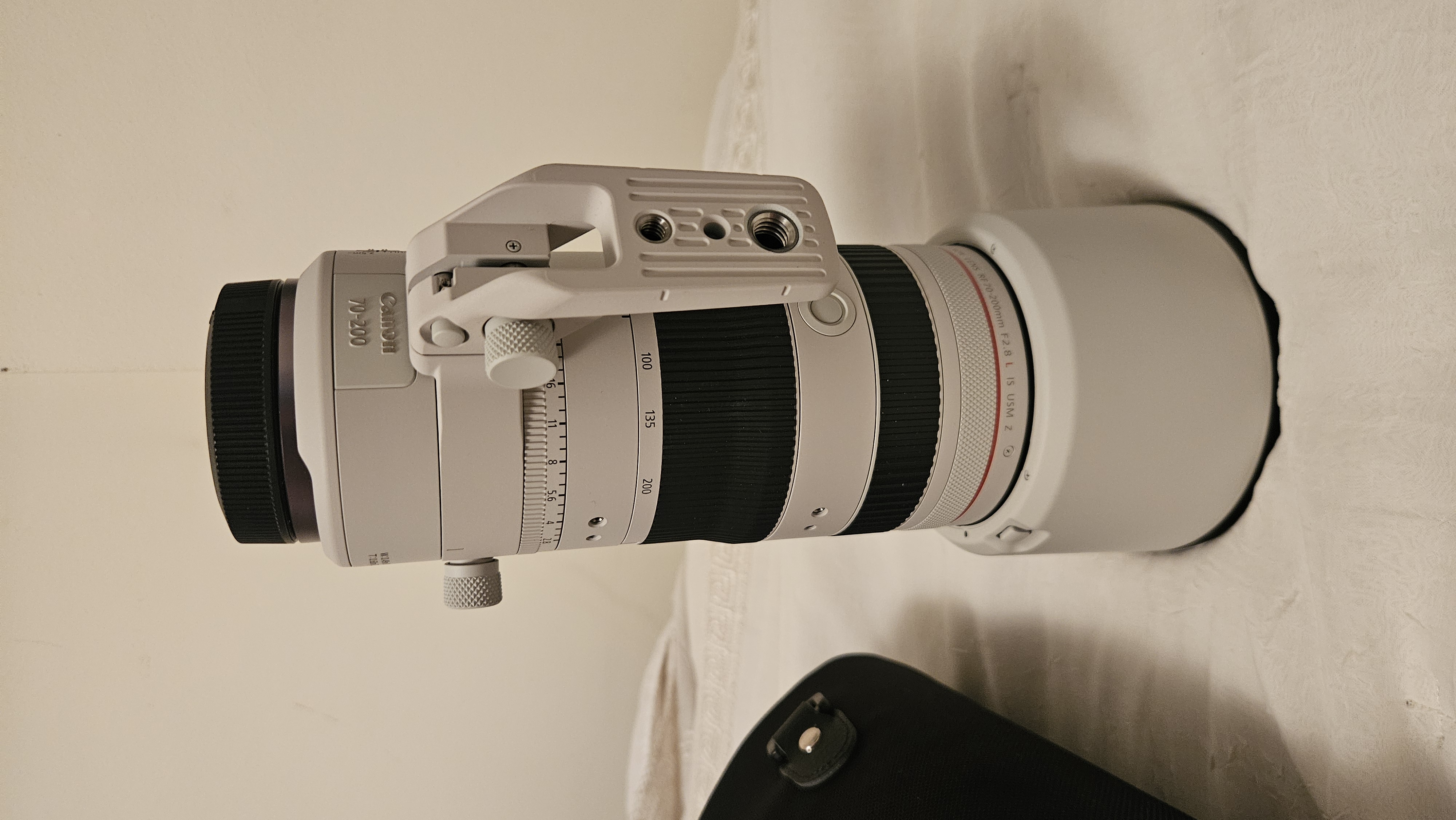
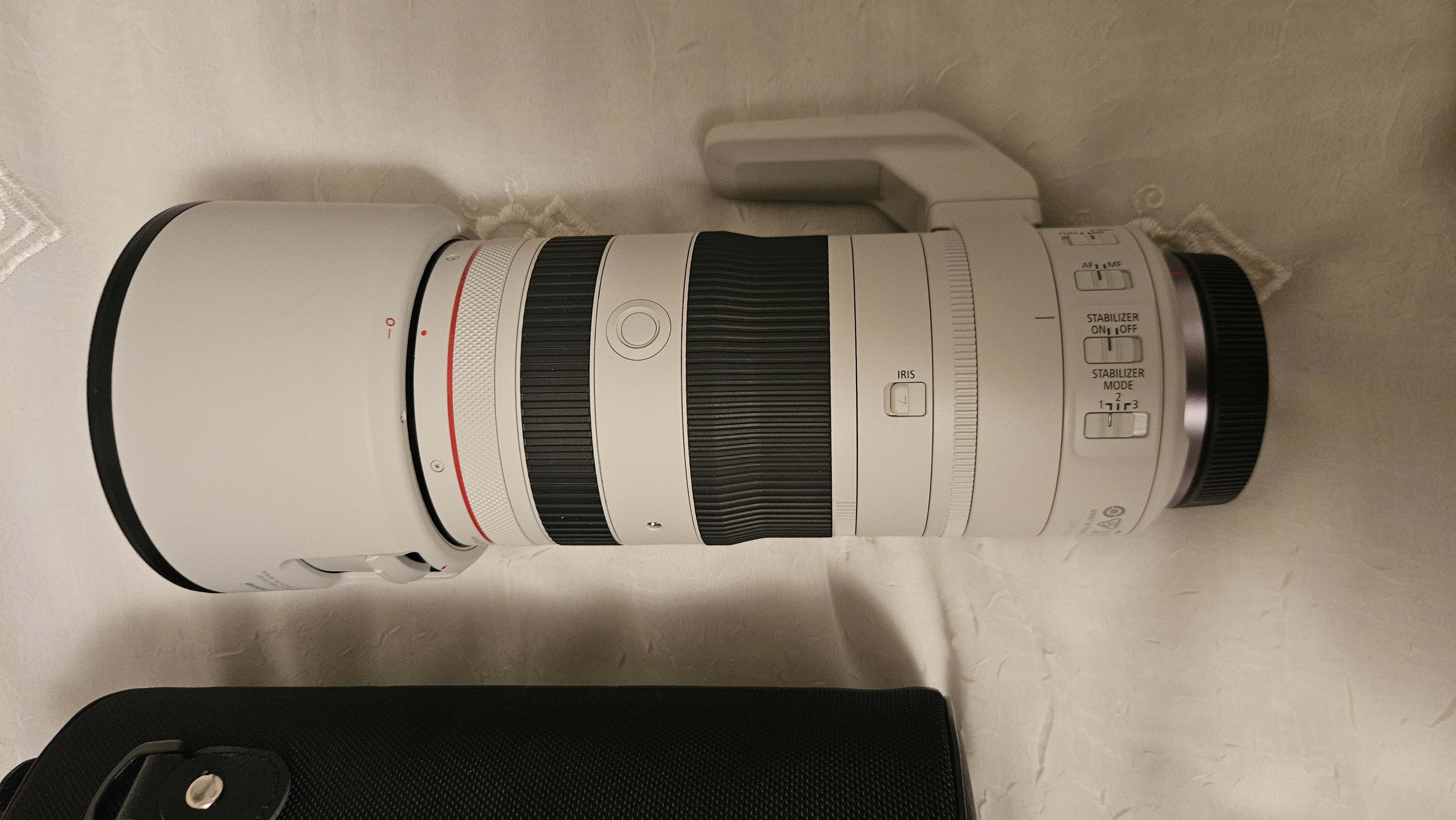
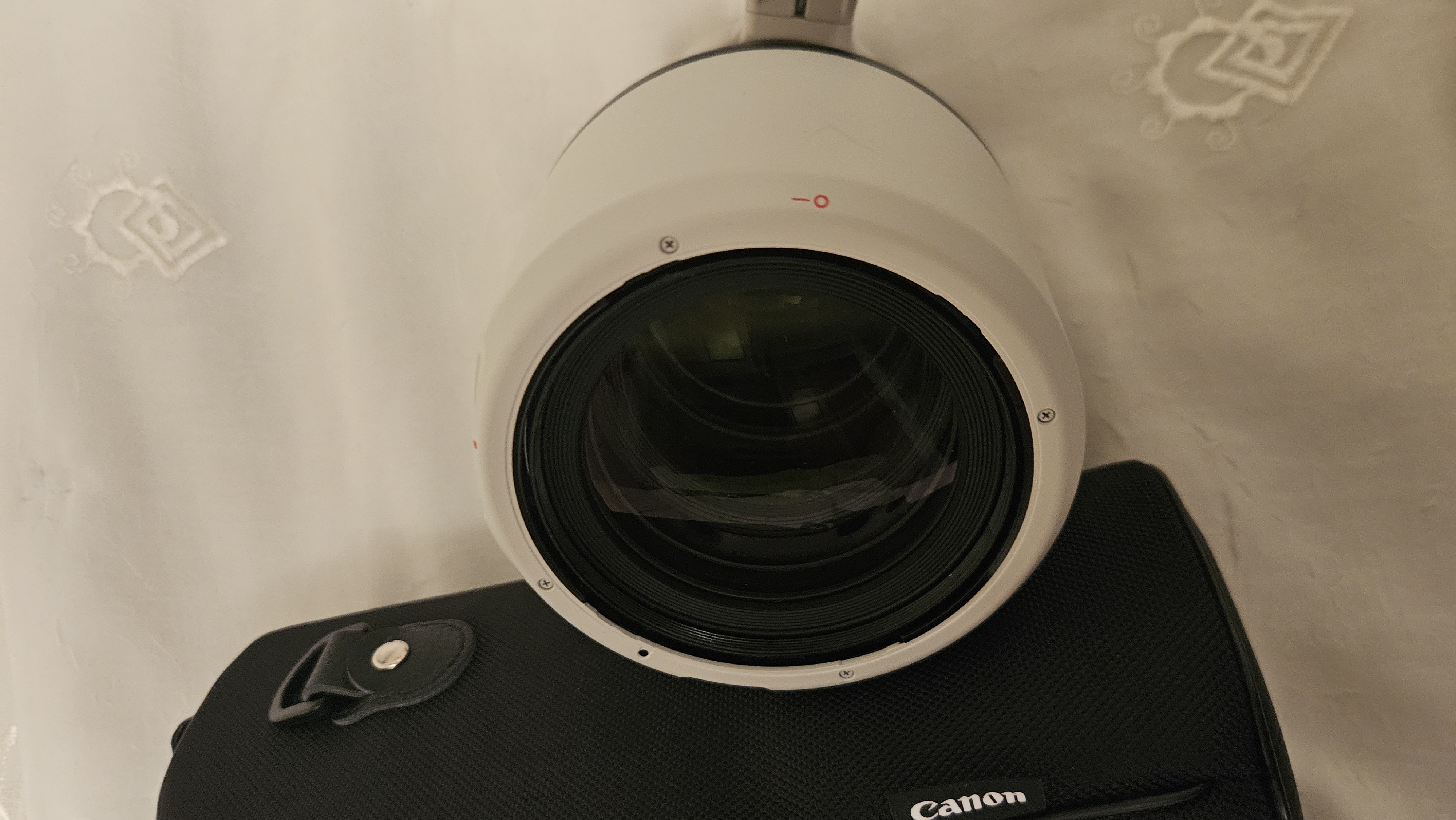
The Canon RF 70-200mm F2.8L IS USM Z White is a professional telephoto zoom for Canon EOS R photographers and filmmakers covering sport, weddings, portraits, events or documentary work, and we recommend it when speed, available light and consistent balance matter more than compact storage. Its f/2.8 aperture remains constant from 70 to 200mm, while internal zooming keeps the barrel length fixed. Dual Nano USM focusing, optical stabilisation and a dedicated iris ring support demanding hybrid production. RF 1.4x and 2x Extenders can increase the range to 280 or 400mm. It is a practical choice for working at a distance without giving up a bright maximum aperture.
Combine compatible accessories and save. The more items you add, the bigger the discount.
memory card

warranty extension
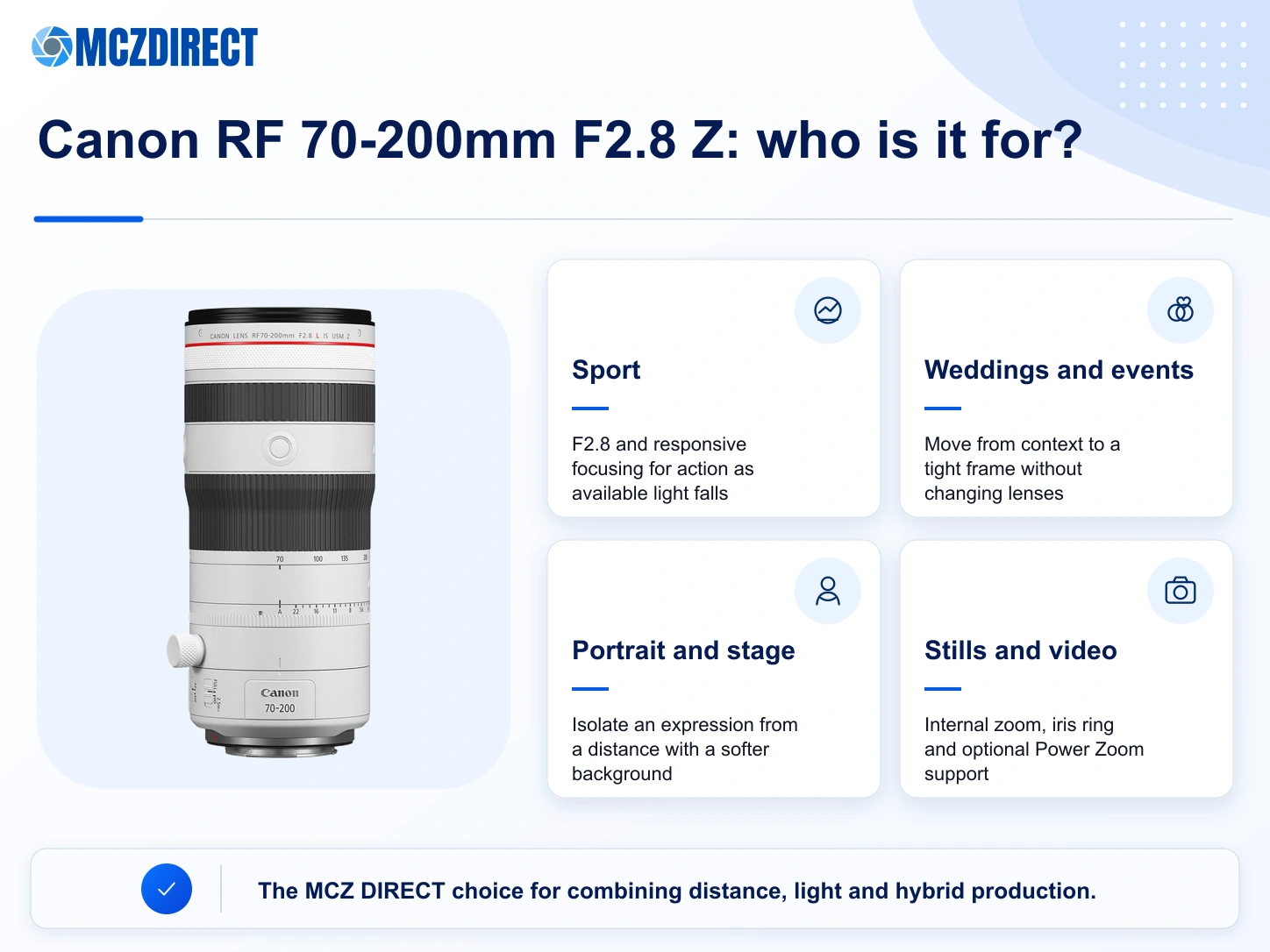
The Canon RF 70-200mm F2.8L IS USM Z White is aimed at photographers and filmmakers who cannot simply move closer whenever the frame changes. It covers sport, ceremonies, stage work, portraits, documentary and events with a constant f/2.8 aperture. The Z version adds internal zooming, an iris ring, video-oriented controls and support for RF Extenders. At MCZ DIRECT, we place it as a hybrid production lens rather than a routine upgrade to the compact RF 70-200mm f/2.8. The white model weighs 1,115g without its tripod collar and stays 199mm long, so camera choice and support still belong in the buying decision.
| Feature | Practical benefit | Consideration |
|---|---|---|
| 70-200mm F2.8 | Move from an environmental frame to a tight subject without losing light | 70mm can already feel long in a small room |
| Internal zoom | More consistent balance on a monopod, tripod, rig or suitable gimbal | The barrel remains long at 70mm |
| 5.5-stop optical IS | Steadier viewing and less blur from photographer movement | It cannot freeze a moving athlete or animal |
| Dual Nano USM | Responsive stills tracking and discreet video focus transitions | Camera and AF setup remain part of the result |
| 1,115g without collar | A complete f/2.8 telezoom that can still be used handheld | A strap or monopod helps over extended assignments |
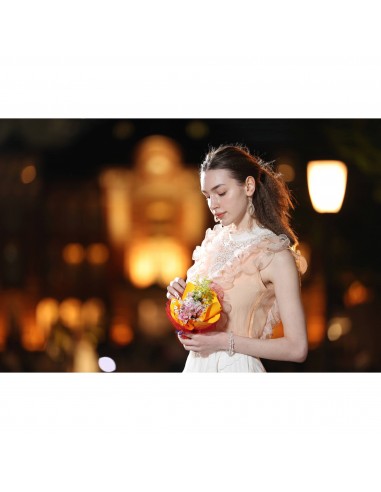
At 70mm, the frame can retain some context around a portrait, ceremony or nearby player. Between 100 and 135mm, it becomes easier to remove distractions without completely flattening the scene. At 200mm, the photographer can isolate an expression, a decisive action or a detail from outside the subject’s space. The value lies in moving between those views while exposure and maximum aperture stay consistent.
| Focal length | Natural use | What it contributes |
|---|---|---|
| 70mm | Environmental portrait, ceremony, near action | Retains context and handles a subject moving closer |
| 100-135mm | Portraits, stage and events | Tightens composition without an excessively compressed look |
| 200mm | Sport, details, tight portraits and nearby wildlife | Separates the subject while working from a restricted area |
| With RF Extender | Outdoor sport and more distant subjects | 98-280mm f/4 or 140-400mm f/5.6 |
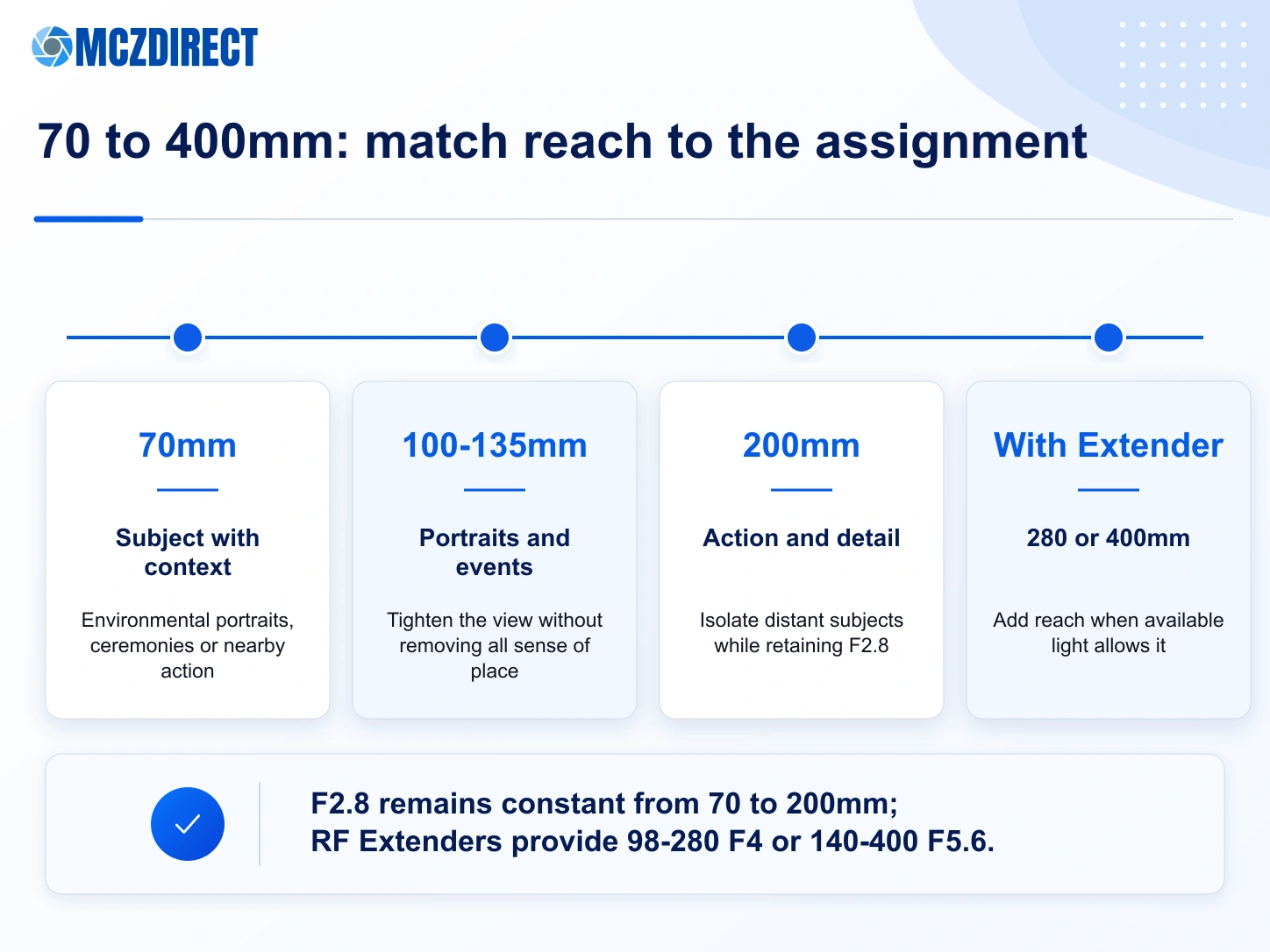
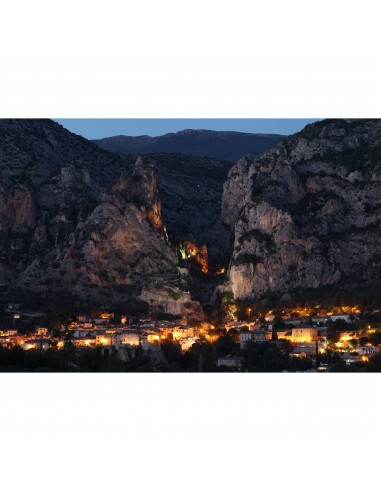
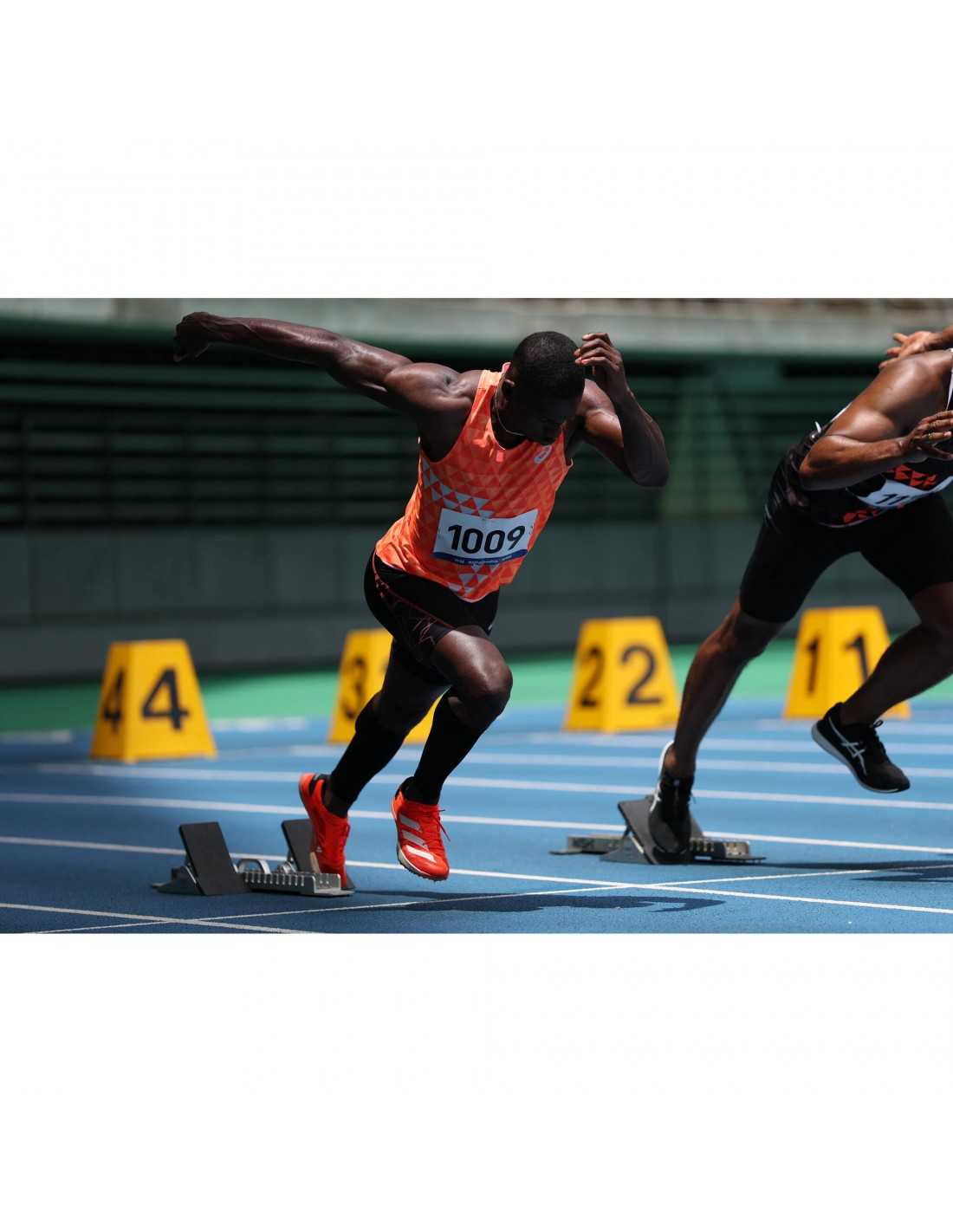
F2.8 earns its place when a subject is moving and venue light is limited. In an indoor arena, at dusk or during a reception, one extra stop over f/4 can preserve a safer shutter speed or reduce the sensitivity required. At 135 or 200mm, it also softens the background when there is enough distance behind the subject. Optical stabilisation steadies composition and counters camera movement; it does not replace the shutter speed required for a runner, dancer or bird.
Two Nano USM motors drive the focusing groups with speed and quiet operation in mind. Tracking quality still depends on the camera, subject-detection mode and AF area. The Canon EOS R1, EOS R5 Mark II and EOS R6 Mark III therefore bring different strengths to the same lens.
The barrel does not extend as the focal length changes. A tripod, shoulder rig or larger gimbal therefore sees less shift in balance than it would with a telescoping zoom. The iris ring gives direct aperture control, while the optional PZ-E2 and PZ-E2B Power Zoom adapters add controlled motorised movement and remote operation with compatible equipment. Canon also addresses focus stability during zooming and unwanted framing changes during focus pulls. For interviews, documentary, stage and hybrid event coverage, those controls matter more than an abstract claim about ultimate sharpness.
Canon identifies the white version with a heat-shield exterior coating. It is the logical finish for prolonged outdoor work in bright sun, although the black and white versions share the same optical design. Colour choice is therefore about working conditions and preference, not image-quality ranking.
The RF 1.4x changes the lens into a 98-280mm f/4 and raises maximum magnification to 0.42x. The RF 2x produces a 140-400mm f/5.6 range and 0.6x maximum magnification. Canon retains autofocus and stabilisation in both combinations. Extenders can solve an occasional reach problem without carrying another long lens, but they cost one or two stops of light. Regular wildlife use may be better served by the RF 100-500mm F4.5-7.1L IS USM; when 300mm and f/2.8 are both essential, the RF 100-300mm F2.8L IS USM is a different professional commitment.
| Lens | Choose it when | Main trade-off |
|---|---|---|
| RF 70-200mm F2.8L IS USM Z | Internal zoom, filmmaking controls and RF Extender support are regular needs | Fixed 199mm barrel and greater packed length |
| RF 70-200mm F2.8L IS USM | F2.8 is essential but compact storage matters more | No iris ring or RF Extender compatibility |
| RF 70-200mm F4L IS USM | Walking weight and sufficient daylight take priority | One stop slower throughout the range |
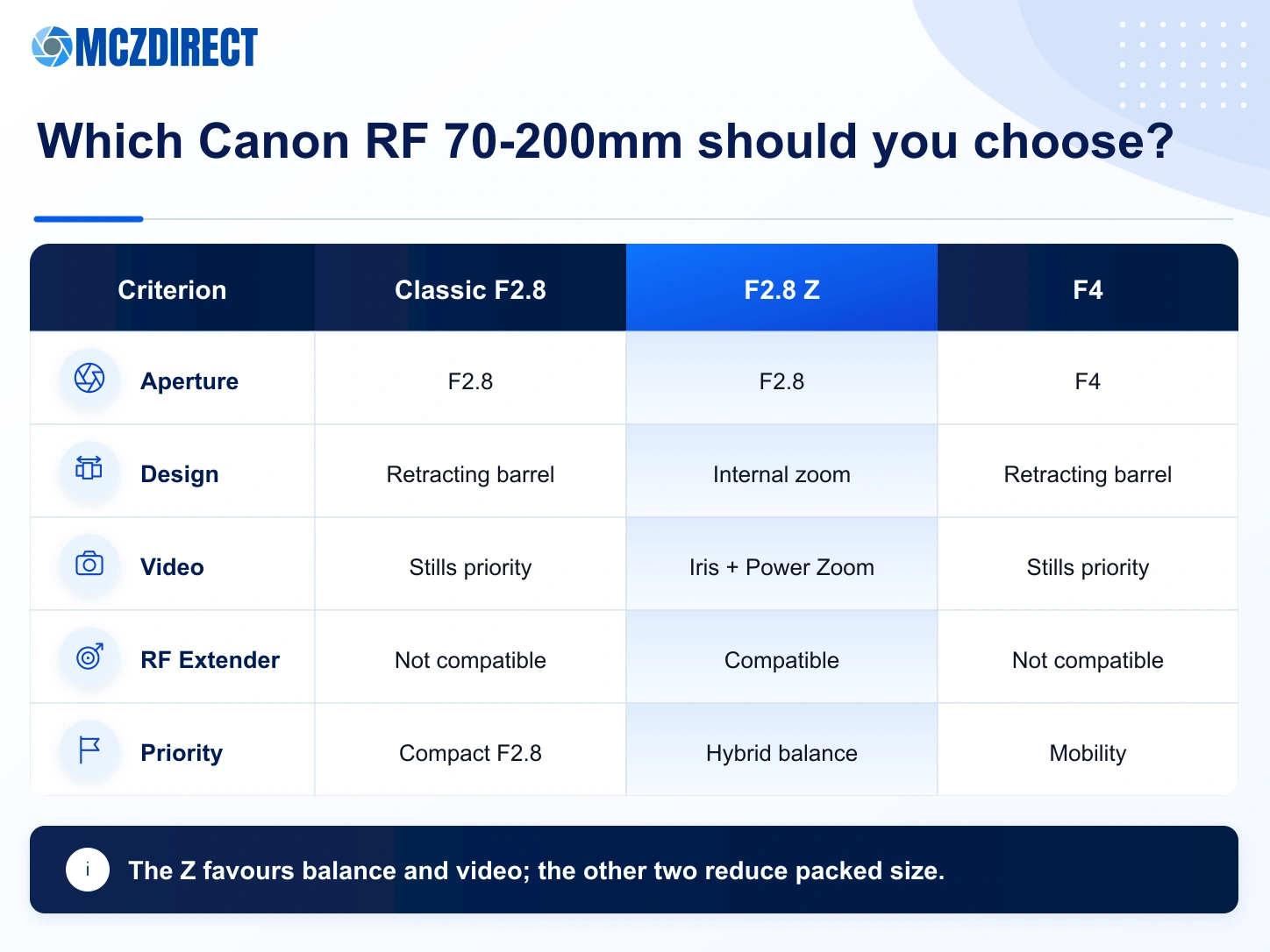
The RF 70-200mm F2.8L IS USM Z mounts directly on full-frame and APS-C Canon EOS R cameras. On APS-C, the angle of view is equivalent to approximately 112-320mm, adding apparent reach but making indoor framing tighter. Browse the Canon RF lens range to compare focal-length options, or the Canon EOS R camera range to match tracking, resolution and video priorities. The soundest system decision begins with subject distance, available light and how long the complete setup will be carried.
At MCZ DIRECT, we see the Canon RF 70-200mm F2.8L IS USM Z White as the choice for photographers and filmmakers who genuinely use a 70-200mm for hybrid production, sport, weddings or events, rather than as a prestige upgrade. Internal zooming, an iris ring and RF Extender compatibility answer practical requirements that the compact RF f/2.8 model does not cover in the same way.
Against the non-Z RF 70-200mm f/2.8, we recommend the Z when support balance, filmmaking controls or extender reach are recurring needs. The standard model remains more sensible when shorter packed length matters; the f/4 version wins when daylight and low carrying weight dominate. The Z lens has an honest limitation: its 199mm barrel is always present. For the right operator, that fixed length is also what provides the consistent balance being sought.

It is intended for Canon EOS R photographers and filmmakers covering sport, weddings, events, portraits, stage or documentary work. Internal zoom and video controls are most valuable when one lens has to serve both stills and motion.
Both versions share the same optical design. Canon gives the white model a heat-shield exterior coating for prolonged outdoor work in sun, while the black model uses a standard finish. Image quality is unchanged.
The Z model uses internal zooming, adds an iris ring, supports optional Power Zoom adapters and accepts RF Extenders. The non-Z lens retracts to a shorter packed length, which can be more convenient for travel.
F2.8 keeps the same maximum aperture from 70 to 200mm. It supports faster shutter speeds in low light and softer backgrounds, particularly for indoor sport, weddings, portraits and stage work.
Yes. It handles ceremonies, expressions and portraits without forcing the photographer into the scene, while f/2.8 helps indoors. The fixed length and weight still call for a comfortable strap or support over a full day.
Yes, particularly for action at medium working distances. The 70-200mm range, f/2.8 aperture, Dual Nano USM and optical stabilisation support tracking, although shutter speed remains essential for freezing movement.
Internal zooming reduces balance changes, the iris ring gives direct aperture control and optional PZ-E2 or PZ-E2B adapters provide powered zoom. Canon also addresses focus stability while zooming and framing changes during focus pulls.
Canon rates optical stabilisation at 5.5 stops in the centre with an EOS R8 under CIPA-2024 testing. With an EOS R1, coordinated lens and in-body stabilisation is rated up to 7.5 stops in the centre.
Yes for many shooting sequences, and the quoted weight excludes the tripod collar. During a long wedding, match or event, a well-fitted strap, monopod or suitable support improves comfort.
The RF 1.4x changes the lens into a 98-280mm f/4. Canon retains autofocus and stabilisation, while maximum magnification rises to 0.42x.
The RF 2x produces a 140-400mm f/5.6 range. Maximum magnification reaches 0.6x and autofocus remains available, with a two-stop reduction in maximum aperture.
It mounts directly on full-frame and APS-C Canon EOS R mirrorless cameras using the RF mount. On APS-C, the angle of view is approximately equivalent to 112-320mm.
Generated by AI from customer reviews.