

Shopping Cart


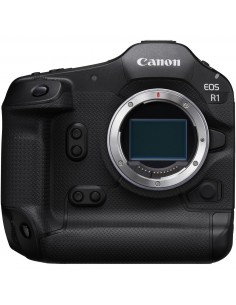
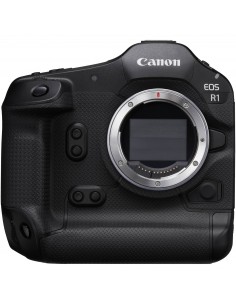
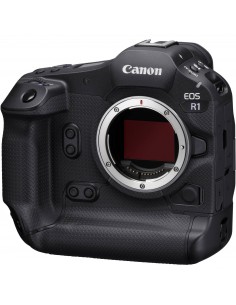
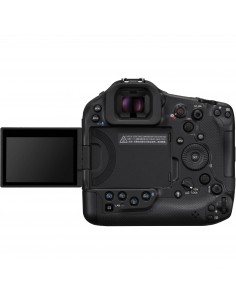
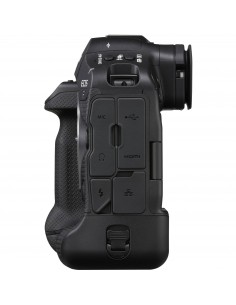
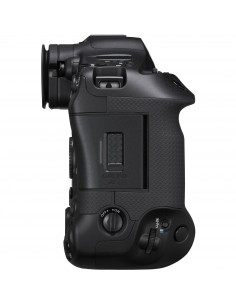
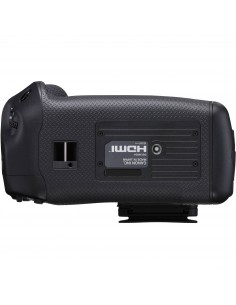
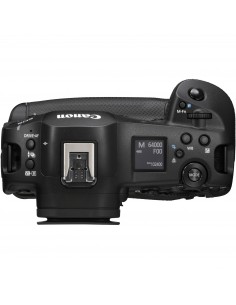
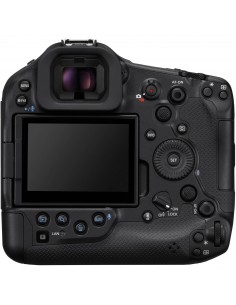
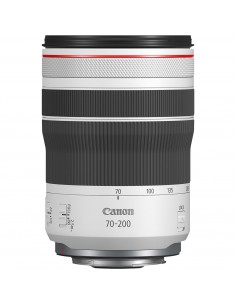
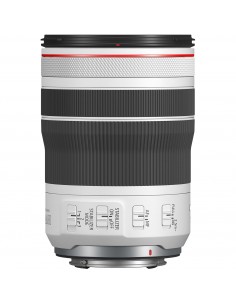
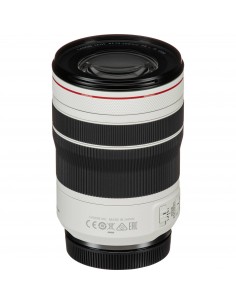
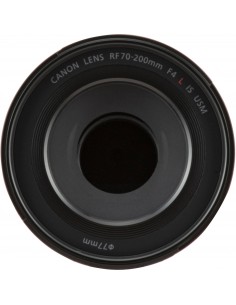


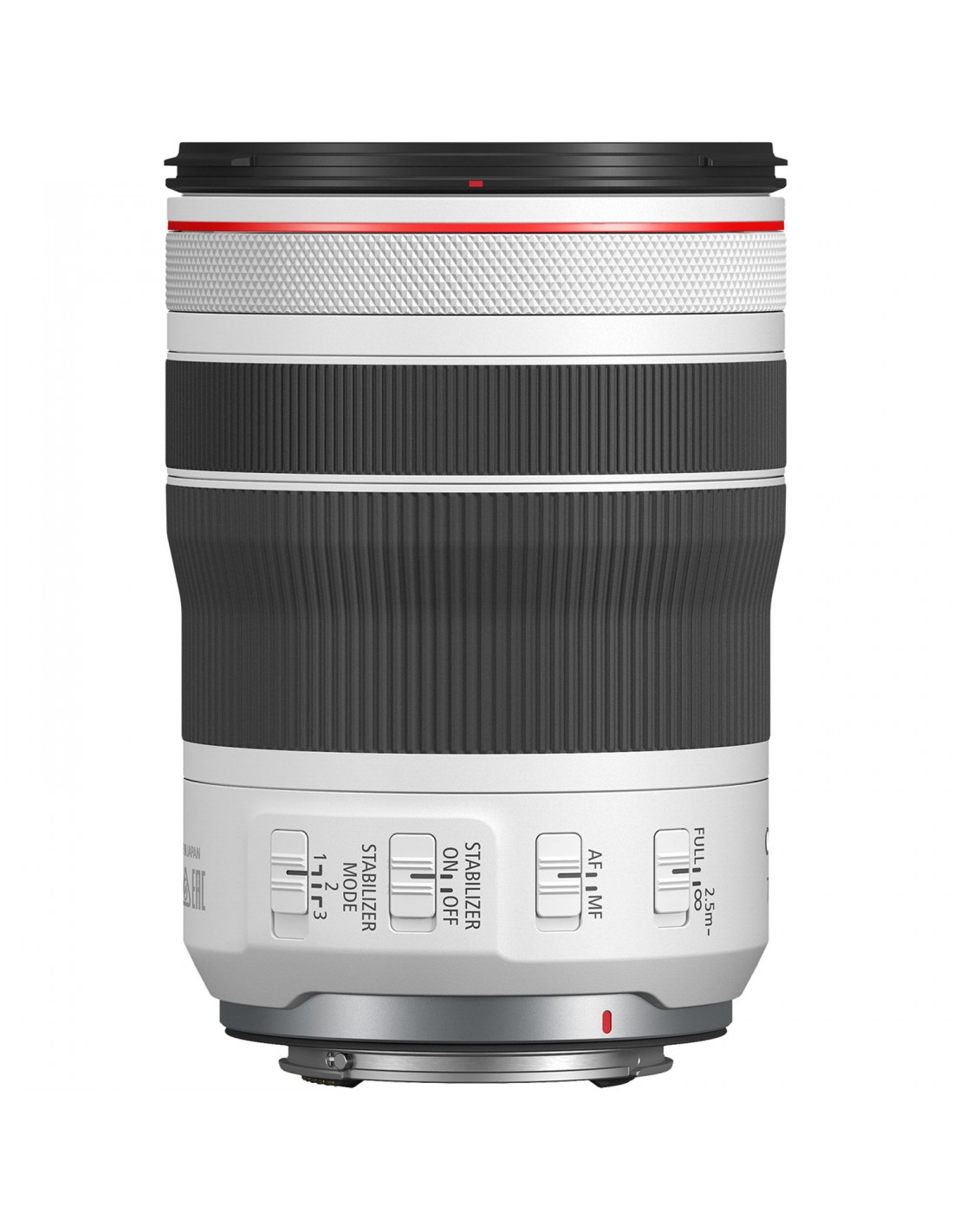


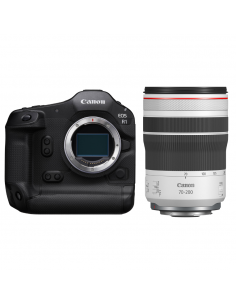

The Canon EOS R1 + RF 70-200mm F4 L IS USM is a professional kit for photographers who need to follow action, frame portraits from a respectful distance and move between reportage and video without changing their core setup. The 24.2MP stacked full-frame camera brings the speed and subject recognition needed for fast sequences, while the stabilised 70-200mm lens keeps a constant F4 aperture throughout its range. We recommend it for close-range sport, weddings, events, portraits and documentary work where mobility matters on demanding professional assignments. F4 gives less low-light latitude than F2.8, and 200mm can be short for distant wildlife. Its real appeal is the balance between pace, reach and weight for photographers who work through long, changing assignments.
Combine compatible accessories and save. The more items you add, the bigger the discount.
Accessory
Accessory
Accessory

warranty extension
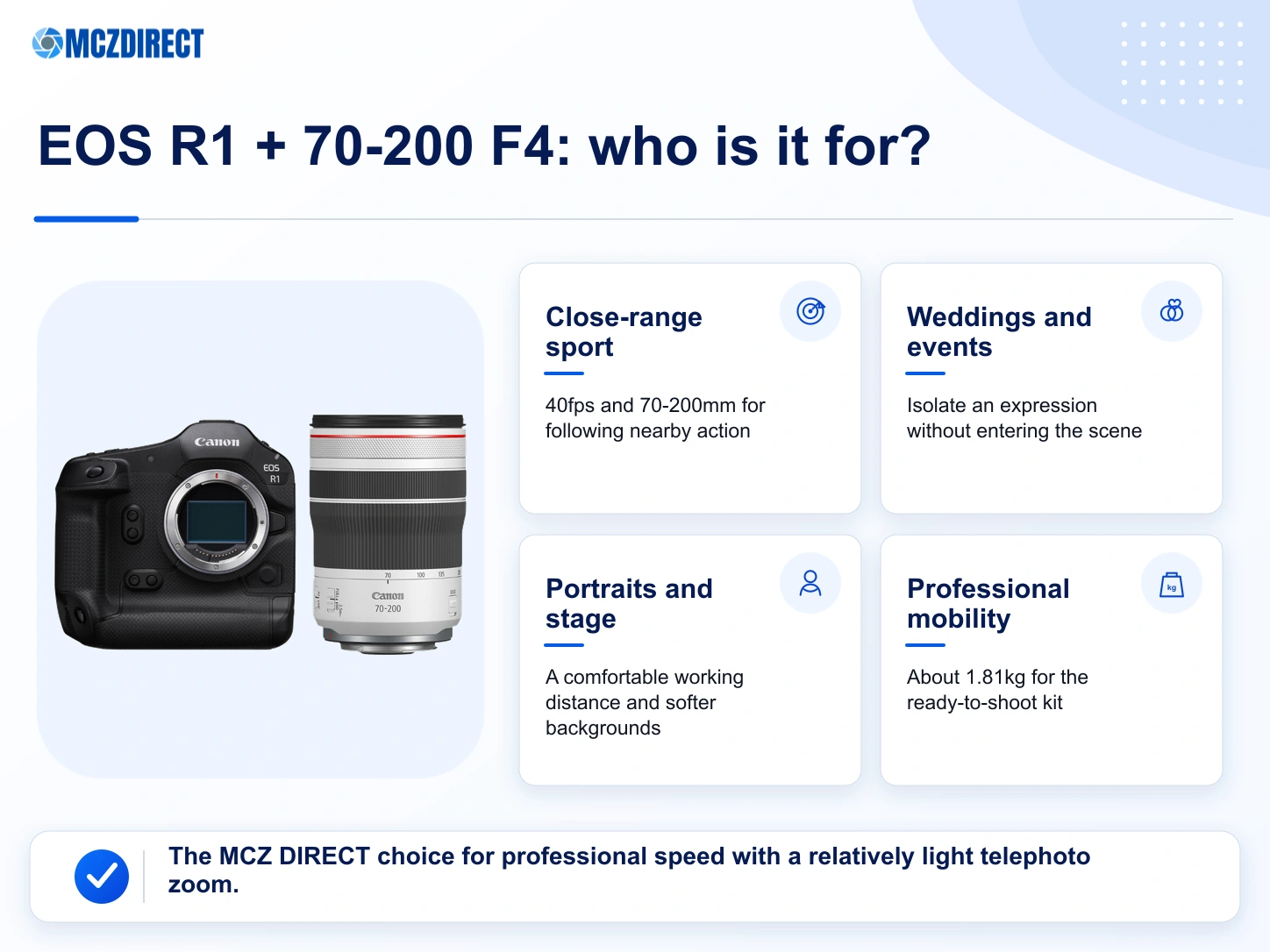
This Canon EOS R1 and RF 70-200mm F4 kit is made for photographers who need to react without moving closer for every frame. It suits close-range sport, reportage, weddings, events and portraits: situations where a tight composition, a fleeting reaction and a wider reading of the scene may all happen before there is time to change position.
Its value comes from the way the body and lens work together. The R1 provides speed, action reading and autofocus that can recognise people, animals and vehicles. The 70-200mm provides working distance. This is not the brightest R1 kit in the range, but it is a particularly sensible choice when a professional telephoto zoom needs to stay on the camera through an active day.
The EOS R1 uses a 24.2MP back-illuminated stacked full-frame sensor. That resolution is not about chasing pixel count for its own sake; it balances detail, readout speed and manageable file sizes. For a photographer delivering a race, match, wedding or report, it leaves room for sensible cropping without making every burst unnecessarily heavy to select and archive.
Electronic shooting at up to 40fps matters when the decisive moment is hard to predict: a stride, a pass, a glance, a turn or the reaction just after a vow. Pre-continuous shooting can record up to 20 frames before the shutter is fully pressed in supported modes, giving a little more protection when the action begins before your reflex catches up.
At 70mm, there is enough room for an environmental portrait, a conversation or close reportage. Around 100mm and 135mm, framing tightens without making perspective feel forced. At 200mm, you can remain discreet during a ceremony, isolate an athlete or pull out a detail from a crowded scene. That progression is what makes the Canon EOS R1 70-200 F4 kit useful when distance is part of how you work with a subject.
The lens is at its most compact when retracted and extends as you zoom. That is worth knowing when it is packed or mounted on a monopod. At 695g it is contained for an L-series telephoto zoom, but the ready-to-shoot combination is about 1.81kg once the R1's 1,115g is added. Choose it for sustained coverage, not as an ultralight travel setup.
| Focal length | Recommended use | What it brings |
|---|---|---|
| 70mm | Environmental portrait, close reportage and stage work | Keeps a natural relationship with the subject while tightening the frame. |
| 100mm | Conversation, detail, speaker or ceremony | Makes it easier to isolate the subject without entering the centre of the action. |
| 135mm | Portrait, close sport and expression | Creates a more selective frame when the background becomes busy. |
| 200mm | Nearby action, stage and distant portrait | Allows discreet working, but remains short for distant wildlife and field sport. |
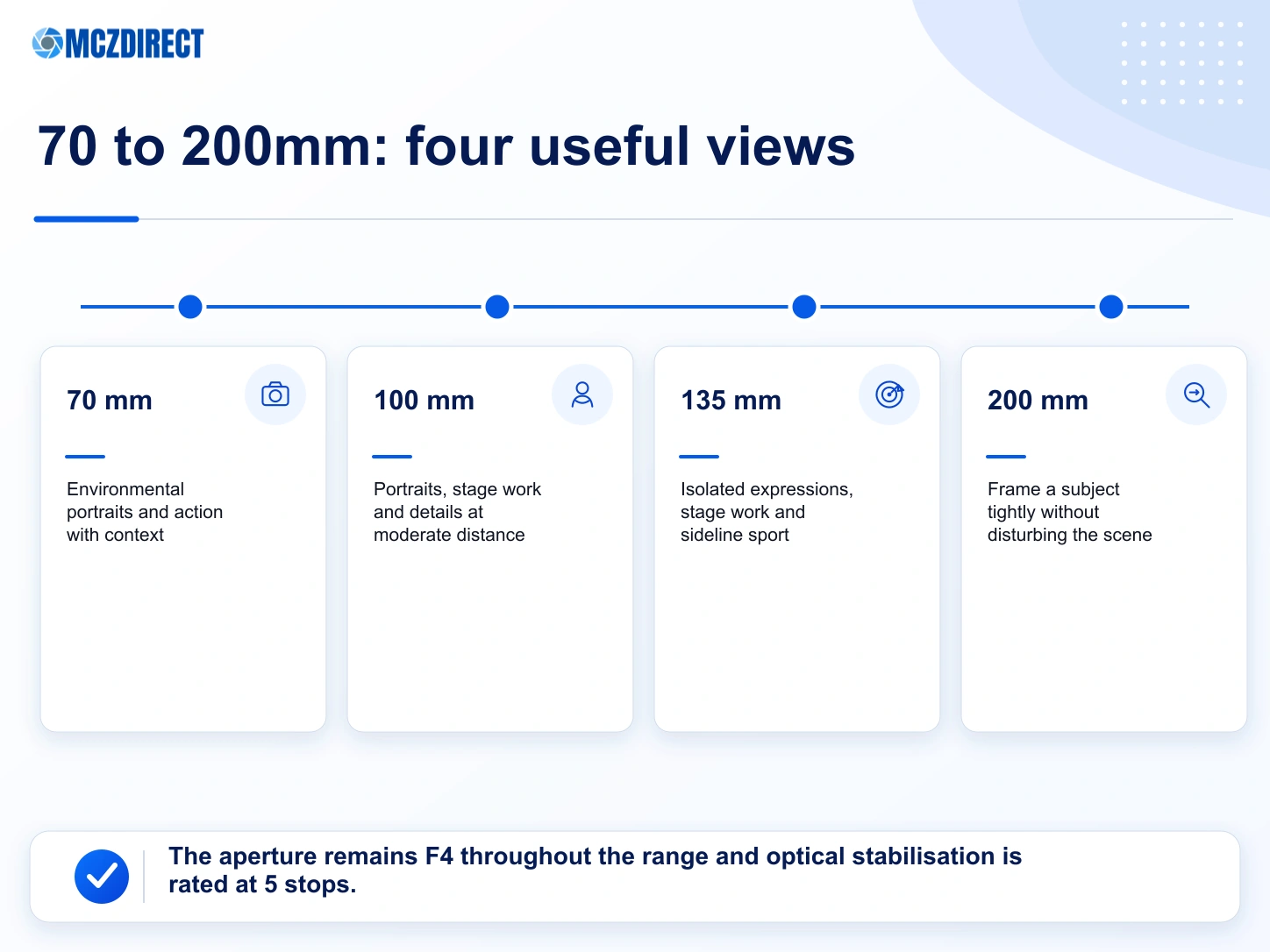
A constant F4 aperture means the maximum aperture remains available as you move from 70mm to 200mm. In reportage, you can reframe without rebuilding exposure around every turn of the zoom ring. In video, the change in focal length is more predictable. Dual Nano USM supports that approach with focusing designed to be responsive and smooth across stills and video work.
The trade-off should be stated plainly: F4 gathers less light than F2.8. In a dark room, when lower ISO or stronger background separation matters, the EOS R1 with RF 70-200mm F2.8 is the stronger option. This F4 kit is easier to carry, provided that your work can accept that difference in low-light flexibility.
The R1 can recognise people, animals and vehicles. Action Priority can give precedence to selected action behaviour, while Registered People Priority can favour registered faces. These functions do not remove the photographer's judgement, but they can make it easier to hold onto a main subject when a crowd, background or several competitors complicate the frame.
With a 70-200mm lens, focus placement carries even more weight. Longer focal lengths naturally simplify the field around a subject, but they also demand precision on a smaller area. For a portrait, athlete, nearby animal or speaker on a stage, the combination of autofocus and telephoto reach can turn a busy scene into a clearer, more readable image.
Canon states up to 8.5 stops of in-body stabilisation at the centre and 7.5 at the periphery depending on the lens. The RF 70-200mm F4 L IS USM adds Canon-rated optical image stabilisation of up to five stops. In practical terms, this can help keep a handheld frame cleaner with a relatively still subject, especially towards the longer end of the zoom range or as light falls.
Stabilisation will not freeze a running child, a ball or a moving animal. Shutter speed remains the first answer in those situations. That distinction matters: the system can give the photographer more freedom, but it does not replace reading movement or establishing a stable shooting position.
The EOS R1 records internal RAW up to 6K 60p, 4K up to 120p and Full HD up to 240p. Those options let you plan for a detailed master, 4K slow motion or a more pronounced Full HD effect. A 70-200mm focal range is especially useful for interviews, stage work, close-range sport and shots where the operator needs to bring the subject closer without moving the camera position.
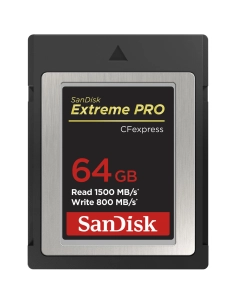
In video, constant F4 remains useful while zooming during a take. Long focal lengths also make each movement more visible, so a stable stance, support or monopod can become valuable depending on the shot. Two CFexpress Type B card slots fit this kind of workflow, provided cards and backup storage are planned for the files being created.
For wedding work, 70mm keeps you close to the moment while allowing a natural amount of distance. Between 135mm and 200mm, it becomes easier to catch an expression during a ceremony or a reaction from the edge of a room. In portrait work, the long end can simplify a busy background through framing and give the subject more space to settle.
In reportage, the same lens can cover a speaker, working hands, an interaction or a visual detail. Its 0.6m minimum focus distance and 0.28x magnification mean that a close detail does not always require a lens change, without turning the lens into a false macro claim. That measured flexibility is what makes this a coherent kit rather than simply a fast camera paired with a telephoto zoom.
| Function | Benefit in use | Limit or point to consider |
|---|---|---|
| 40fps electronic shooting and pre-continuous capture | Helps cover a short peak moment and choose the most convincing phase. | Fast bursts create more files to select and back up. |
| People, animal and vehicle AF, Action Priority and Registered People Priority | Helps establish a main subject in action or within a group. | Framing, AF area choice and anticipation still matter. |
| Constant F4 and Dual Nano USM | Keeps exposure predictable through the zoom range and supports hybrid shooting. | F4 is less bright than F2.8 in dark venues. |
| In-body and optical IS | Gives more handheld margin with a mostly static subject. | It cannot compensate for fast subject movement. |
| Two CFexpress Type B slots and 6K/4K/Full HD video | Supports demanding stills and video workflows. | Cards, readers, storage and backups need to match the workload. |
| 0.6m focus and 0.28x magnification | Lets you add closer details to a report. | It does not replace a dedicated macro lens. |
Two hundred millimetres works very well for nearby sport, stage work, portraits from a distance and many reportage situations. It becomes limiting when the subject is genuinely far away: field sport from the stands, birds, cautious wildlife or action across open ground. Burst speed cannot create framing; in those situations, a longer focal length is the appropriate answer.
The EOS R1 with RF 100-500mm makes more sense when reach is the priority. The 70-200mm F4 remains the more compact and brighter-at-200mm choice, making it more versatile when distant wildlife or field sport is only one part of the assignment.
If you already own the focal lengths that suit your way of working, the Canon EOS R1 body may be the more sensible starting point. If the telephoto zoom is the need, the RF 70-200mm F4 L IS USM lens can complete an existing RF kit without duplicating the body.
Canon specifies dust- and moisture-resistant construction, a 77mm filter thread and no RF extender compatibility for this lens. The last point is important for sport and wildlife: this kit cannot be turned into a longer option with an extender. Decide early whether 200mm genuinely matches the distance at which you expect to work.
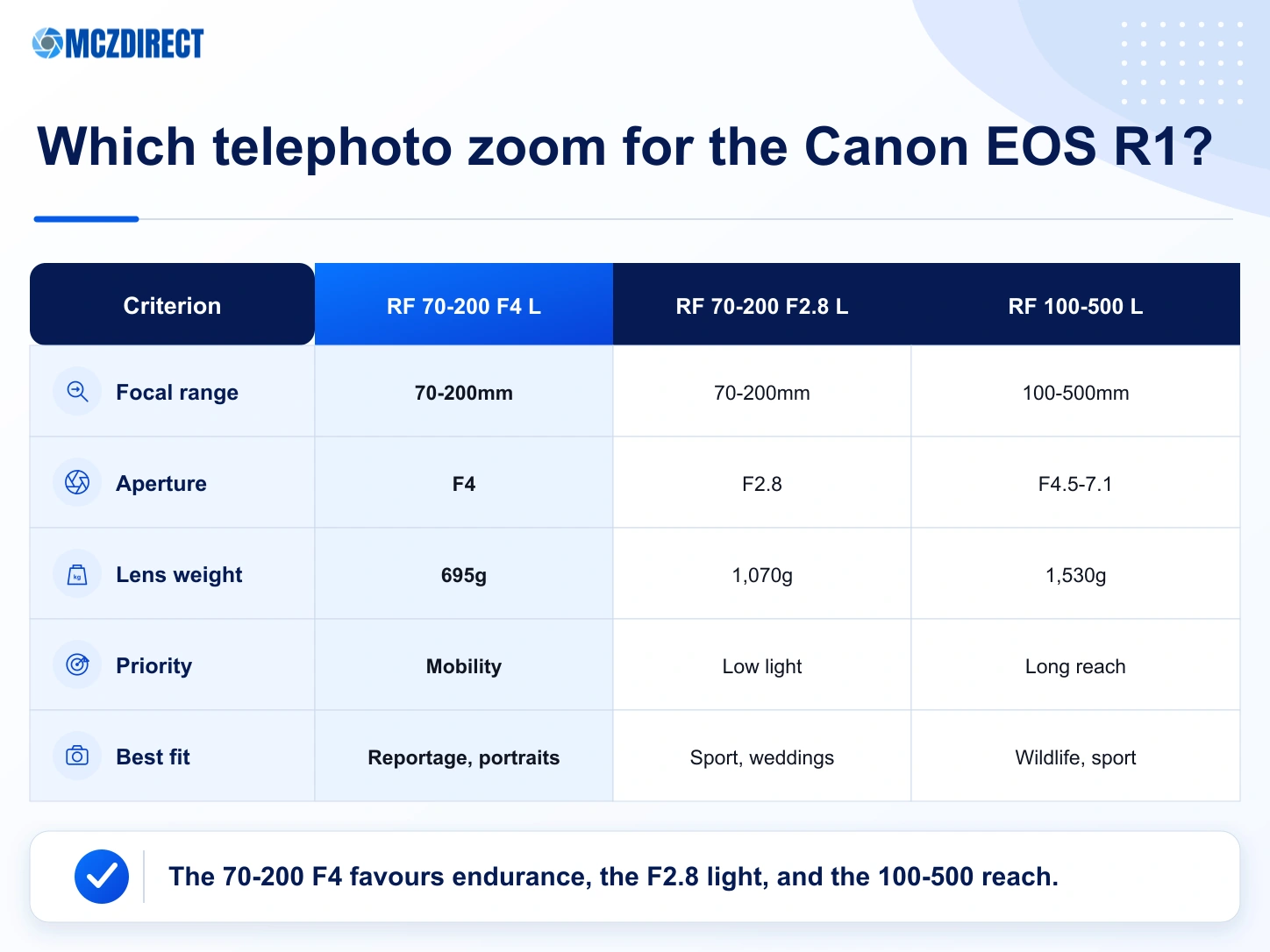
| Kit | Priority | Choose it if | Honest trade-off |
|---|---|---|---|
| EOS R1 + RF 70-200mm F4 L IS USM | Portrait, reportage, weddings and close-range sport | You want working distance, a constant aperture and a ready-to-shoot setup of about 1.81kg. | F4 gives less light than F2.8 and 200mm is limited for distant subjects. |
| EOS R1 + RF 70-200mm F2.8 L IS USM | Low light, indoor sport and portraits with stronger separation | Light-gathering and background separation matter more than lower carrying weight. | A heavier, more demanding setup over a long day. |
| EOS R1 + RF 100-500mm F4.5-7.1 L IS USM | Wildlife, distant sport and inaccessible subjects | Reach to 500mm matters more than aperture or compactness. | Less suited to dark scenes and portrait work where F4 or F2.8 has an advantage. |
The right R1 configuration depends less on the body itself than on the pictures you need to produce. The 70-200mm F4 prioritises working distance, relative mobility and a constant aperture. The 70-200mm F2.8 prioritises low-light capability and stronger separation. The 100-500mm prioritises reach. They are not interchangeable answers to the same question.
The Canon EOS R1 category places this kit among the other available configurations. For a photographer covering accessible action, ceremonies, portraits or close reportage, the 70-200mm F4 is often the most balanced choice. For primarily night work, distant subjects or an image style built around very shallow depth of field, a different lens and a different compromise are more honest.
At MCZ DIRECT, we see this Canon EOS R1 + RF 70-200mm F4 L IS USM as the catalogue choice for photographers who prioritise reading a scene, working from a respectful distance and reacting quickly over always having the widest possible aperture. It is a coherent pairing for weddings, events, close-range sport, portraiture and video where the photographer needs to keep a little space between camera and subject.
Against the 70-200mm F2.8 kit, we recommend it when relative mobility and weight matter more than the final stop of light. Its limitation is straightforward: F4 is less comfortable in dark venues, and 200mm will not cover distant sport or wildlife. Where those constraints are acceptable, the R1 and this telephoto zoom make a precise, readable and very well-positioned Canon RF combination.
Choose this kit when you want a Canon EOS R1 ready for portraits, reportage and close action, with a stabilised 70-200mm F4 that lets you work from the right distance.

It suits photographers covering close-range sport, weddings, events, reportage and portraits who want professional telephoto reach in a more mobile package than a 70-200mm F2.8.
Yes. Its 24.2MP stacked full-frame sensor, electronic shooting up to 40fps and pre-continuous capture of up to 20 frames in supported modes are useful for brief action.
It lets you move from an environmental portrait to a tight composition, ceremony, stage or close sport without having to step closer for every frame.
Yes. Canon rates the lens at up to five stops of optical image stabilisation. The benefit is most apparent handheld when subject movement allows it.
Constant F4 works well in good or moderately low light. For very dark receptions or stronger background blur, a 70-200mm F2.8 is the more appropriate option.
Yes. It records internal RAW up to 6K 60p, 4K up to 120p and Full HD up to 240p, depending on the selected mode.
The ready-to-shoot combination weighs about 1.81kg, derived from the EOS R1 at 1,115g with battery and card plus the RF 70-200mm F4 L IS USM at 695g.
It can work for nearby or approachable animals, but 200mm is often short for distant wildlife. A longer zoom such as a 100-500mm is usually more suitable.
No. The Canon RF 70-200mm F4 L IS USM is not compatible with Canon RF extenders.
It focuses as close as 0.6m with 0.28x maximum magnification, which is useful for closer details without replacing a macro lens.
Yes. It has two CFexpress Type B card slots, suited to fast bursts and demanding video modes.
