Shopping Cart
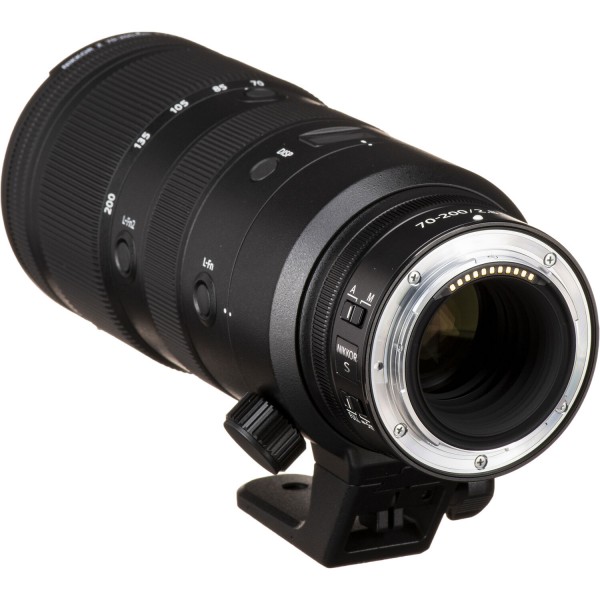
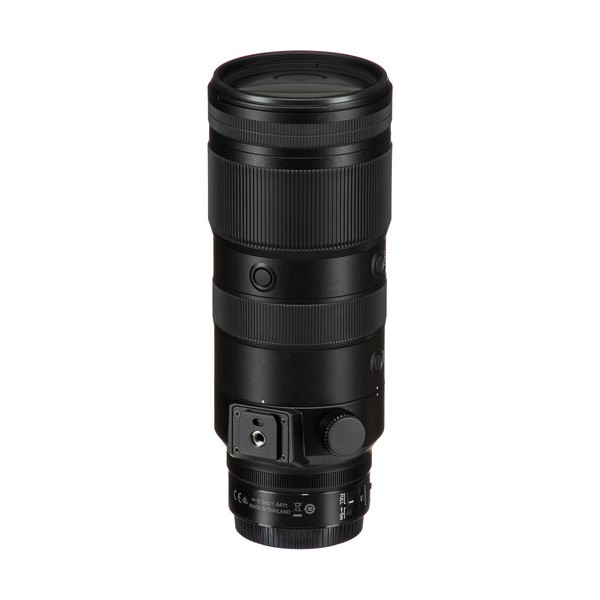
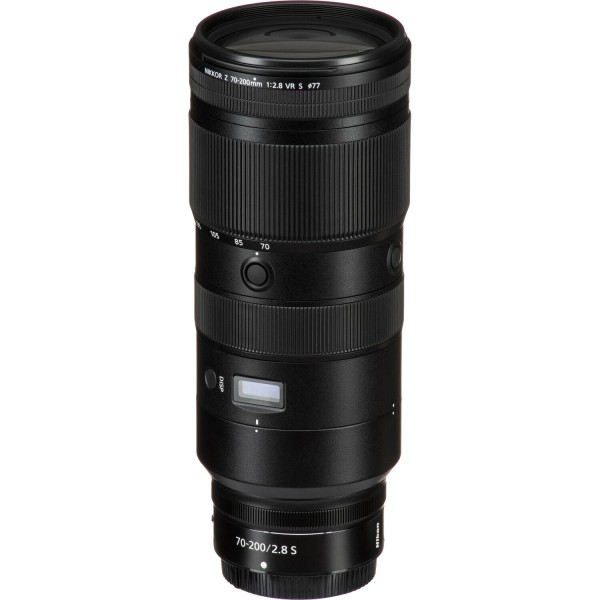
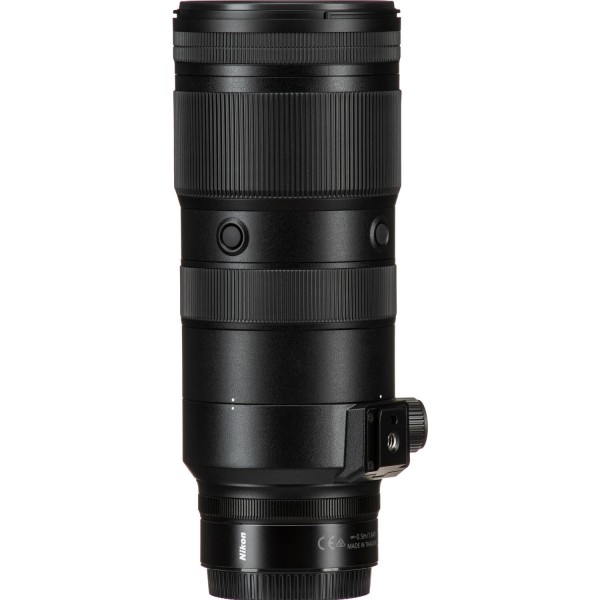
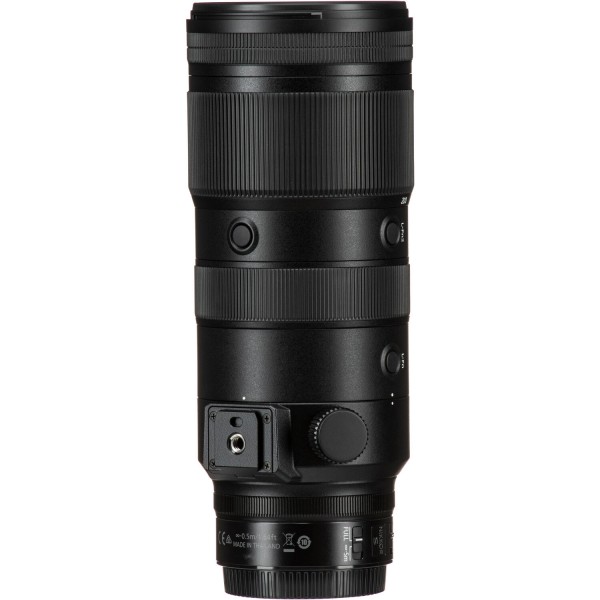
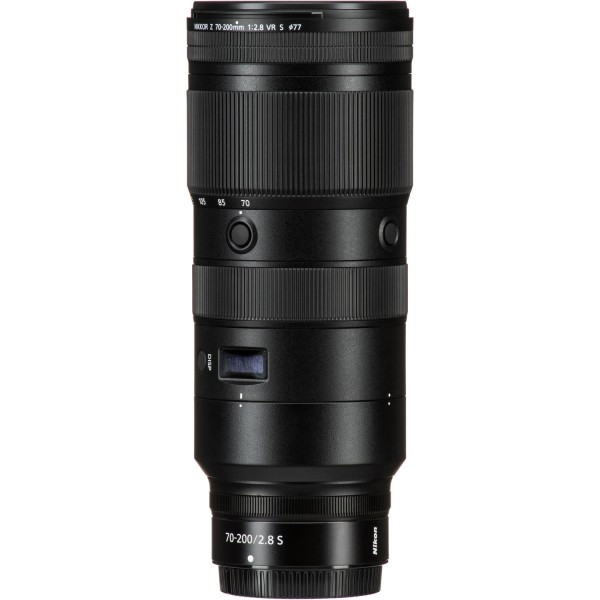
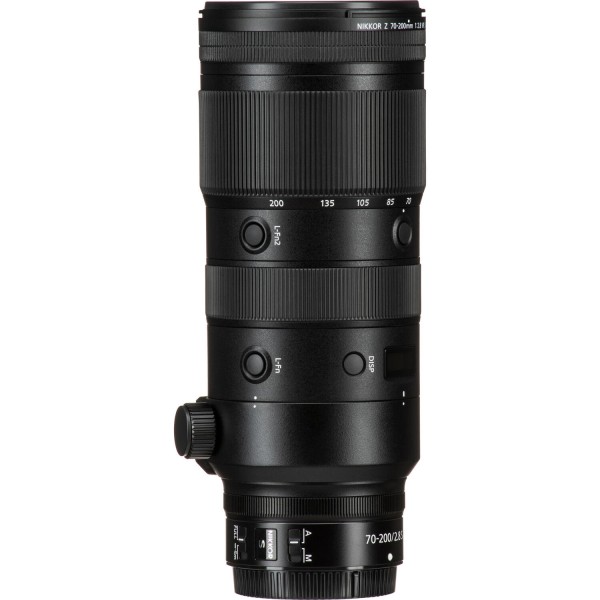
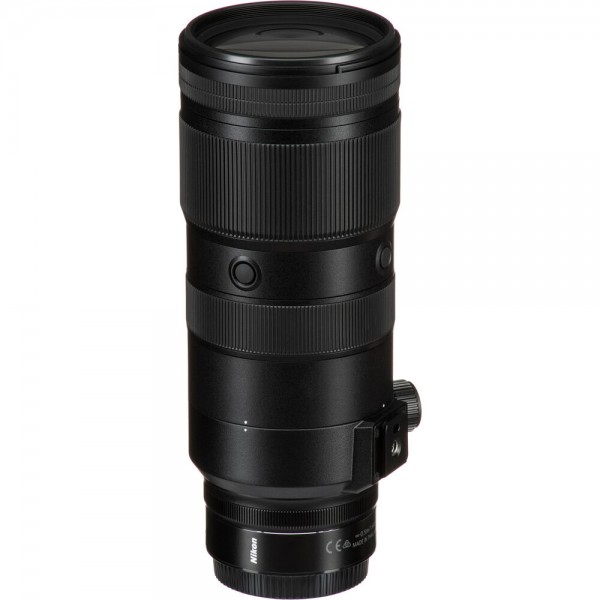
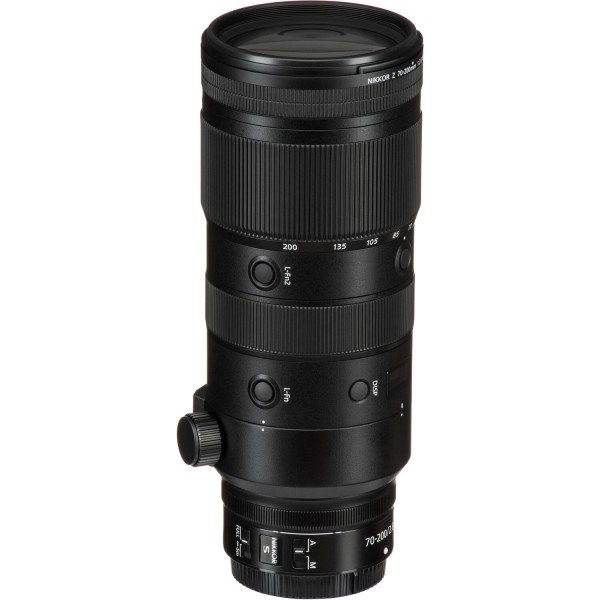
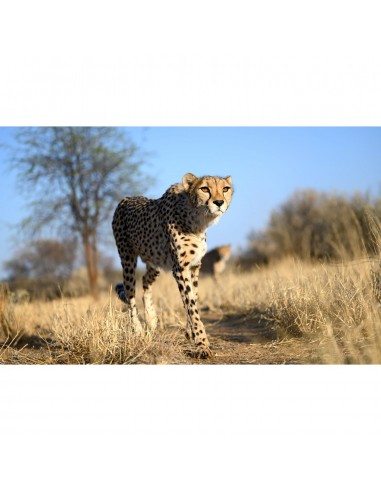
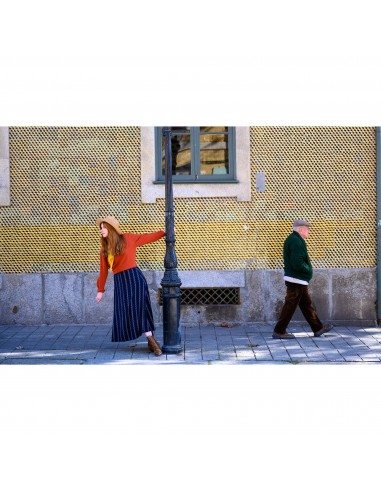

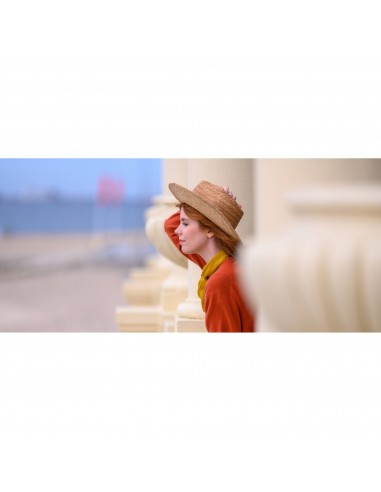
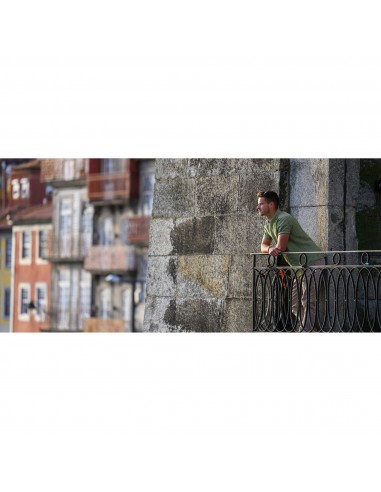
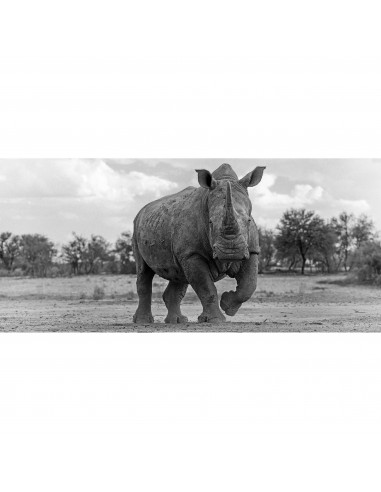
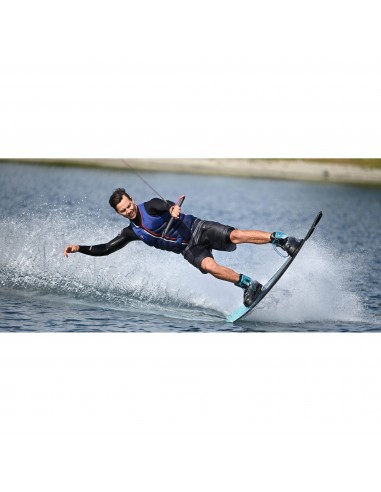
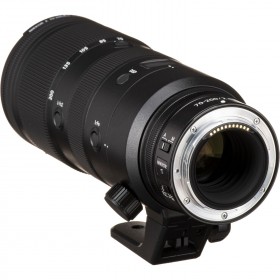
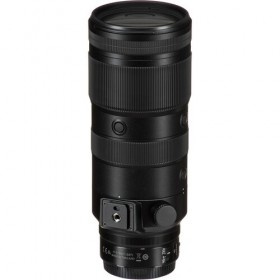
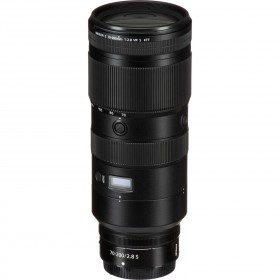
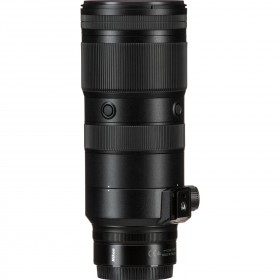
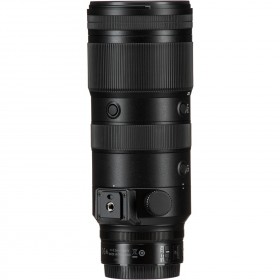
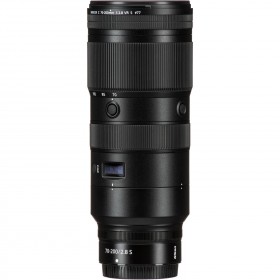
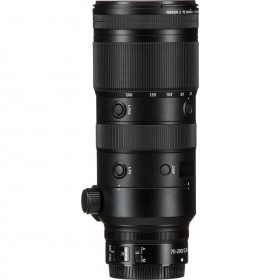
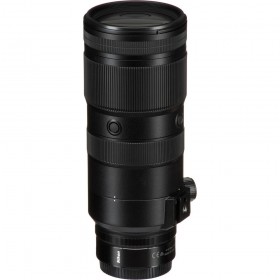
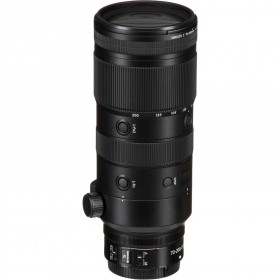
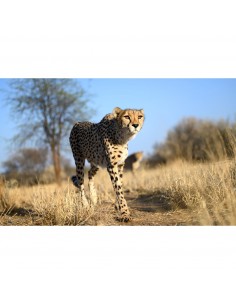
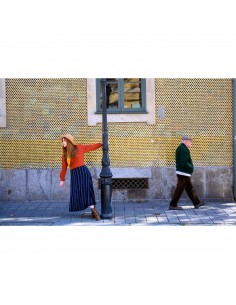

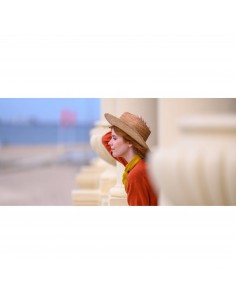
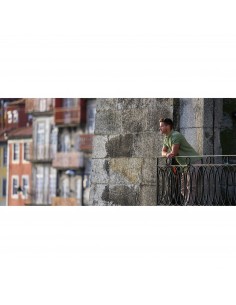
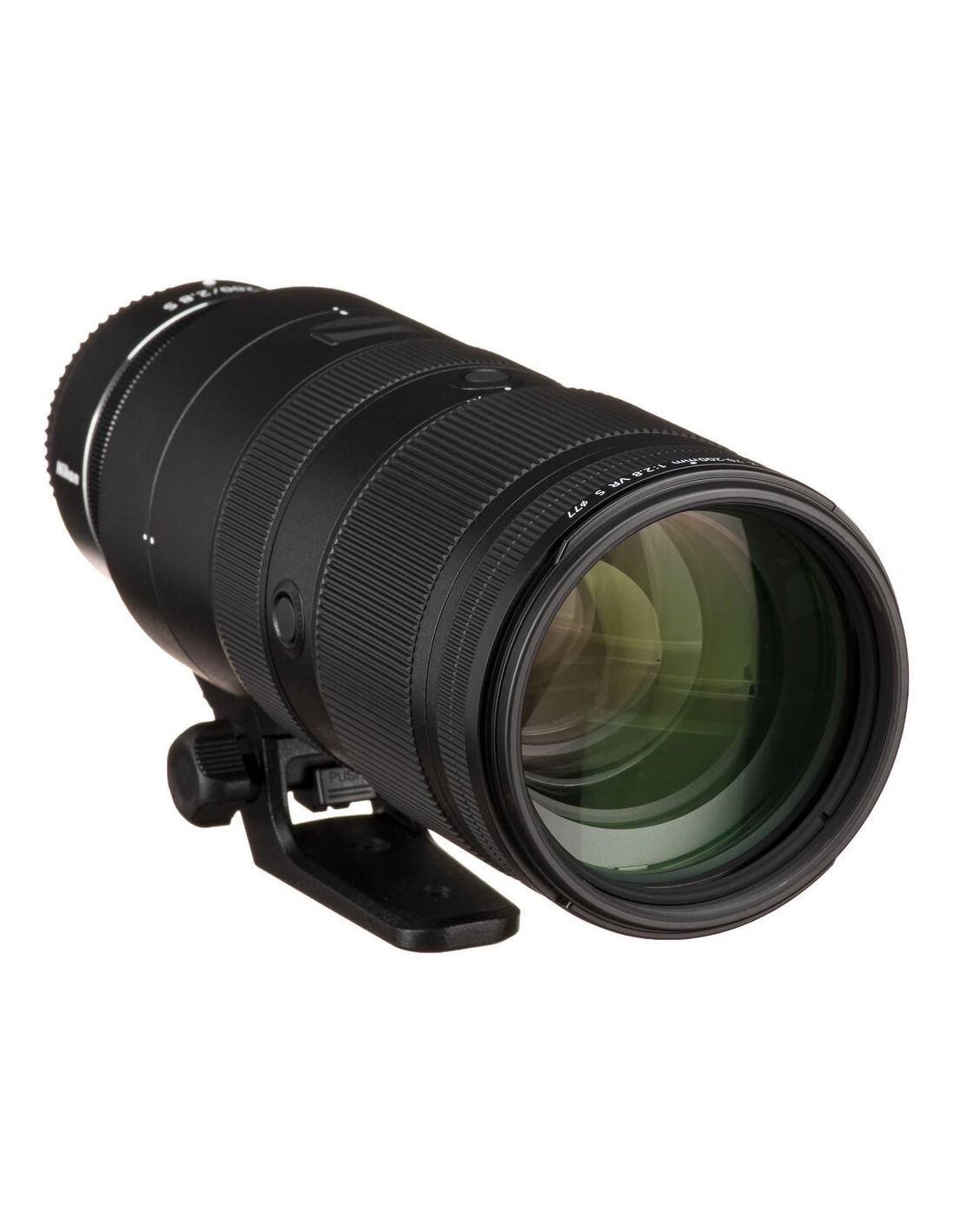
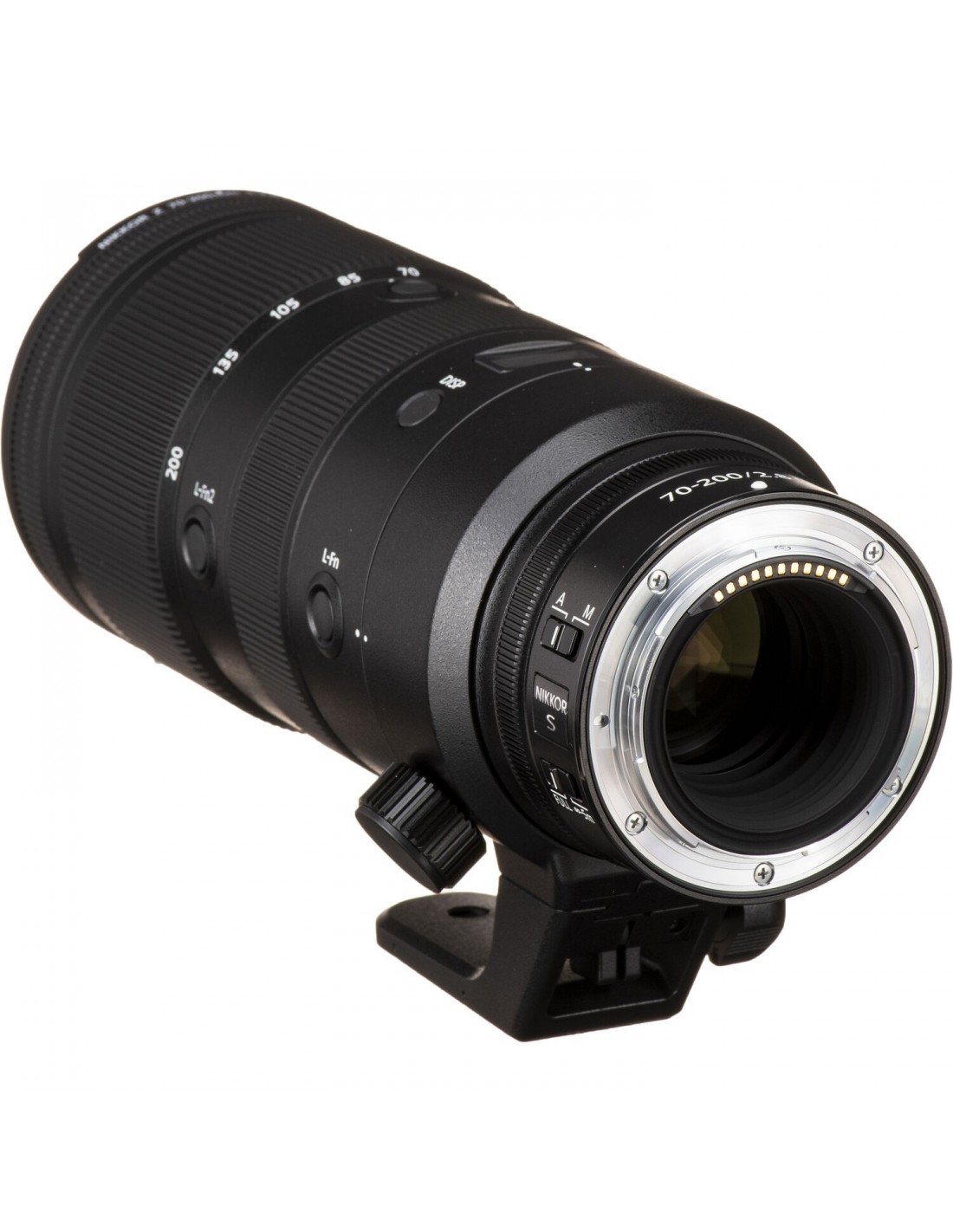

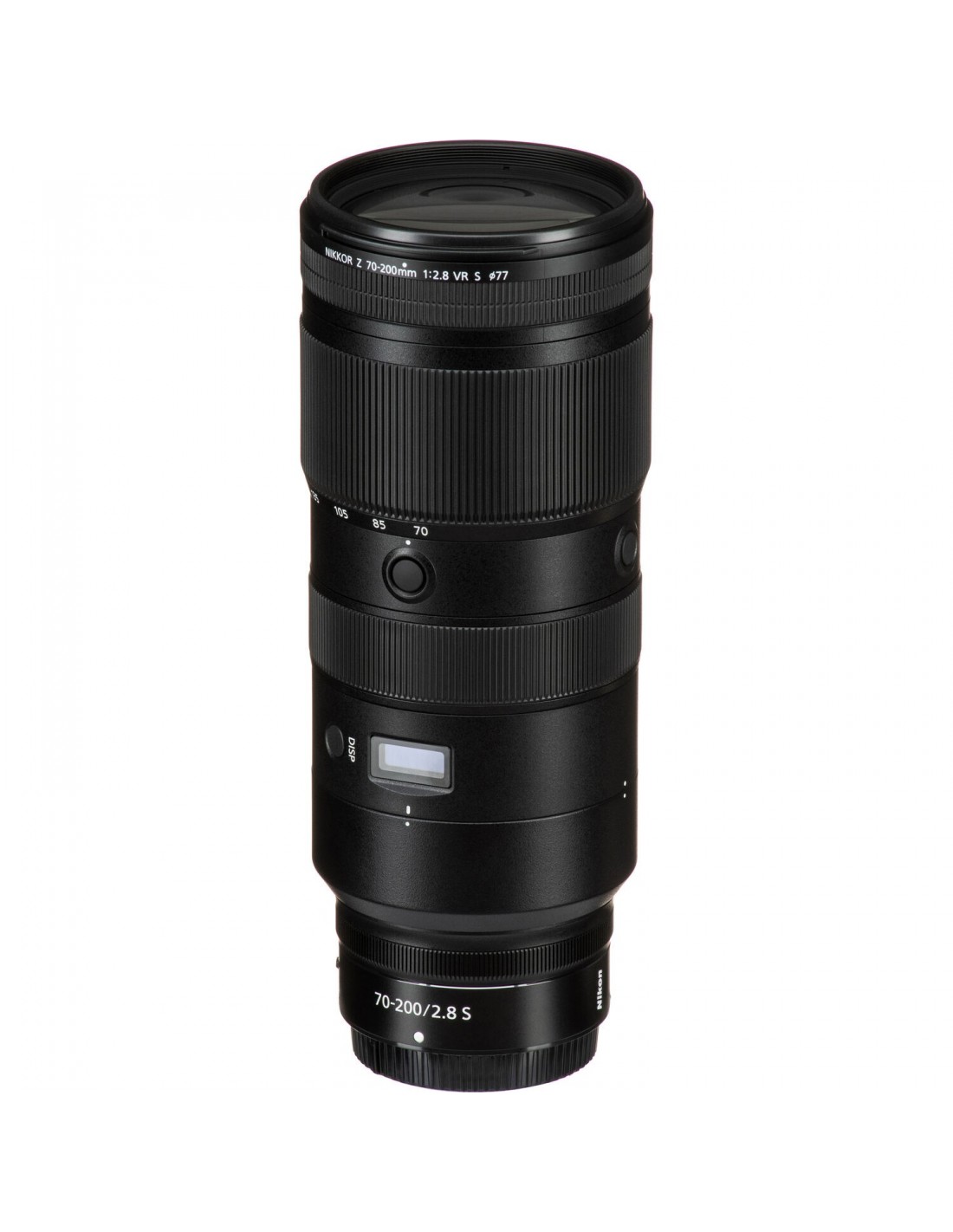
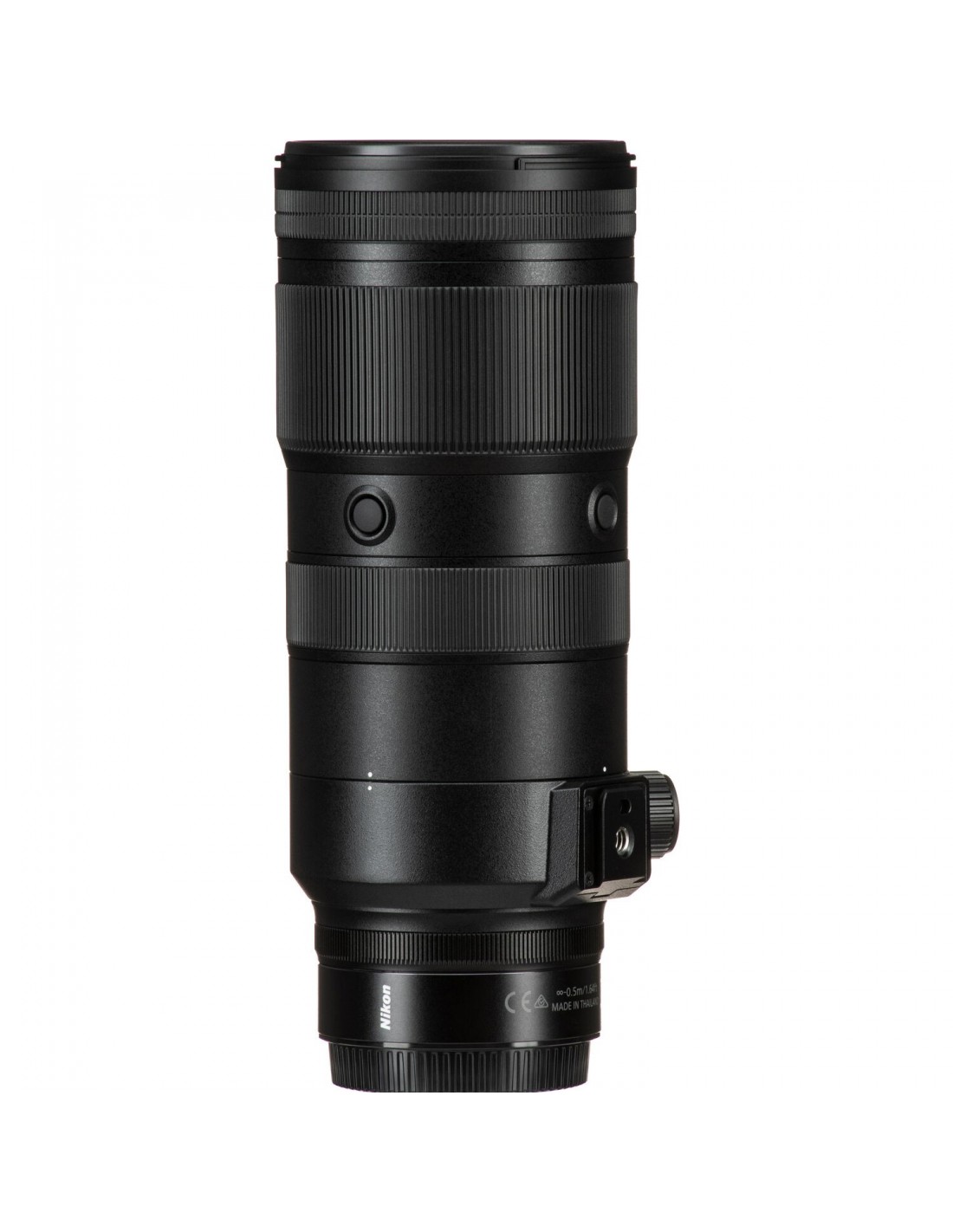


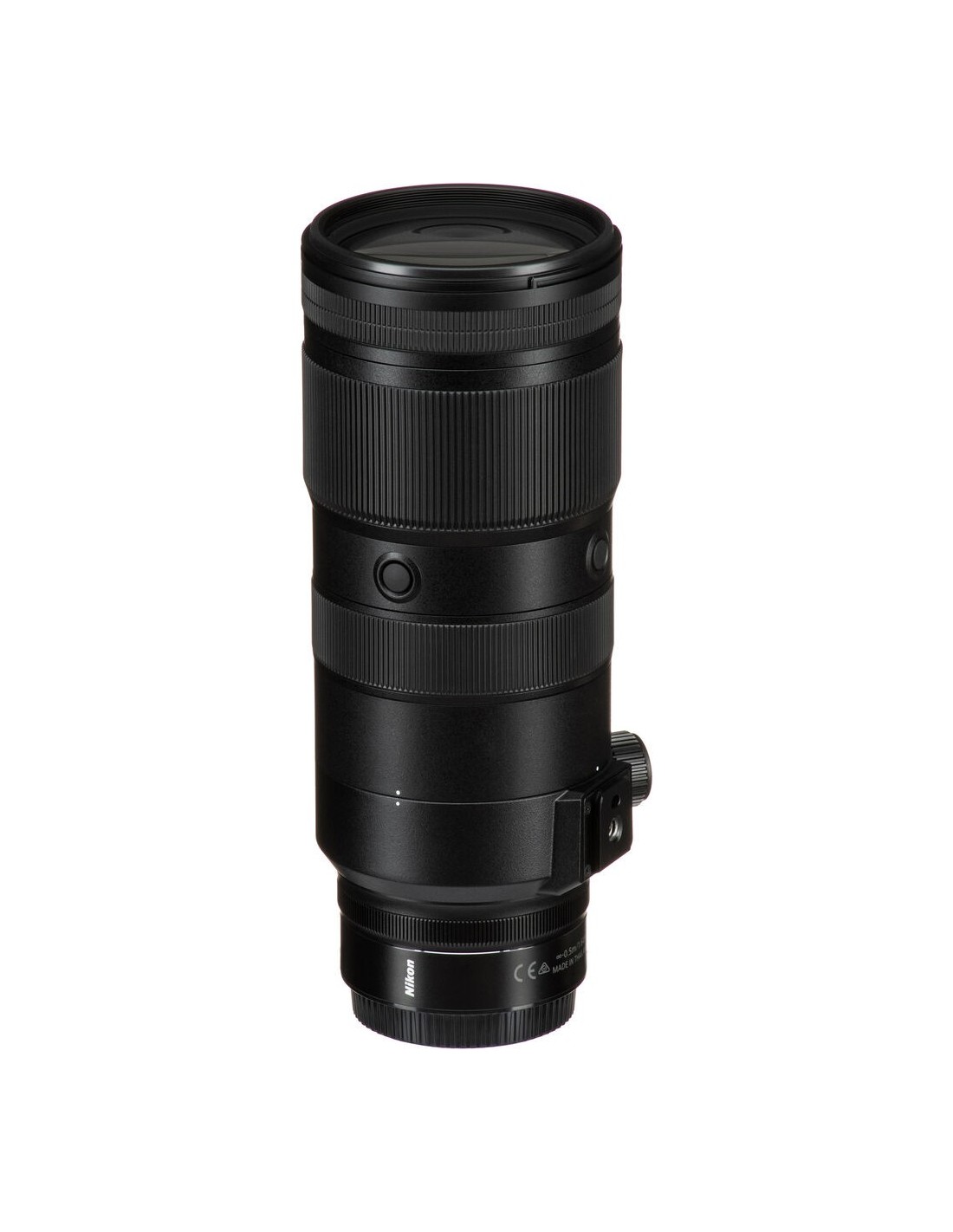
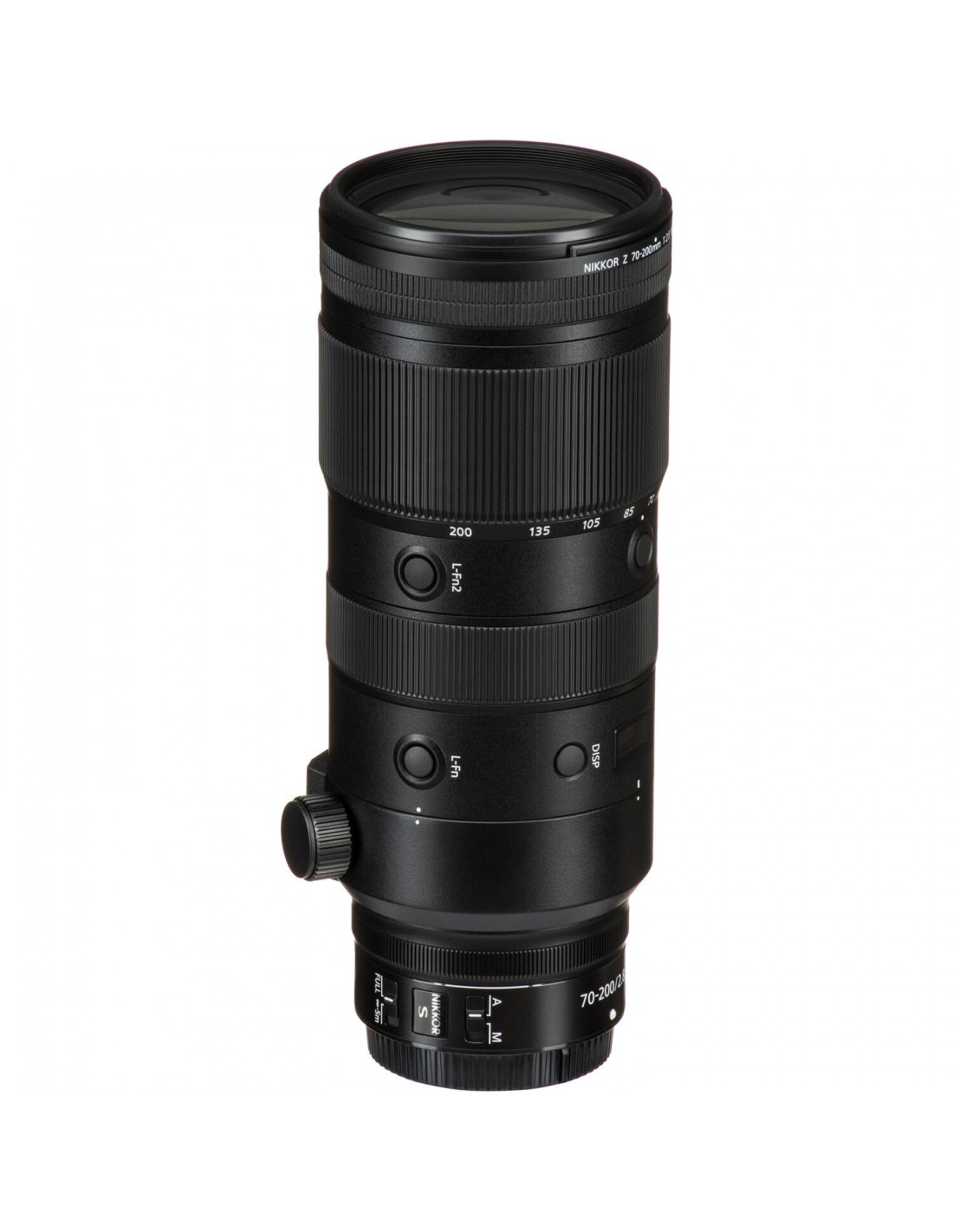

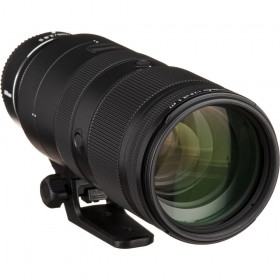

The NIKKOR Z 70-200mm f/2.8 VR S is a professional telephoto zoom for sports, wedding, portrait and event photographers who need bright optics and flexible framing. We recommend it when subject distance changes quickly and available light does not always suit a slower lens. The constant f/2.8 aperture helps maintain shutter speed and gives controlled background separation throughout the range. Optical VR steadies the view for handheld work, while the close-focus performance extends its use to details. Its substantial weight needs planning during a full working day, especially with a large camera body. It remains a strong choice for a Nikon Z photographer who values robust construction, dependable handling and the familiar versatility of a 70-200mm zoom more than minimum carrying weight.
Combine compatible accessories and save. The more items you add, the bigger the discount.
memory card

warranty extension
The NIKKOR Z 70-200mm f/2.8 VR S covers three genuinely useful perspectives: an environmental portrait near 70mm, a tighter view at 105 or 135mm, and pronounced compression at 200mm. That continuity avoids a lens change when an athlete approaches, a couple crosses a room or a subject moves from a three-quarter view to a close portrait.
Its f/2.8 aperture remains available throughout the zoom range. It cannot replace careful exposure, but it helps preserve shutter speed, control ISO and separate the subject. The trade-off is weight: 1,360g without the tripod collar, before adding the camera and accessories. This lens therefore makes most sense for a photographer who will use its aperture and S-Line build regularly rather than someone whose first concern is light travel.
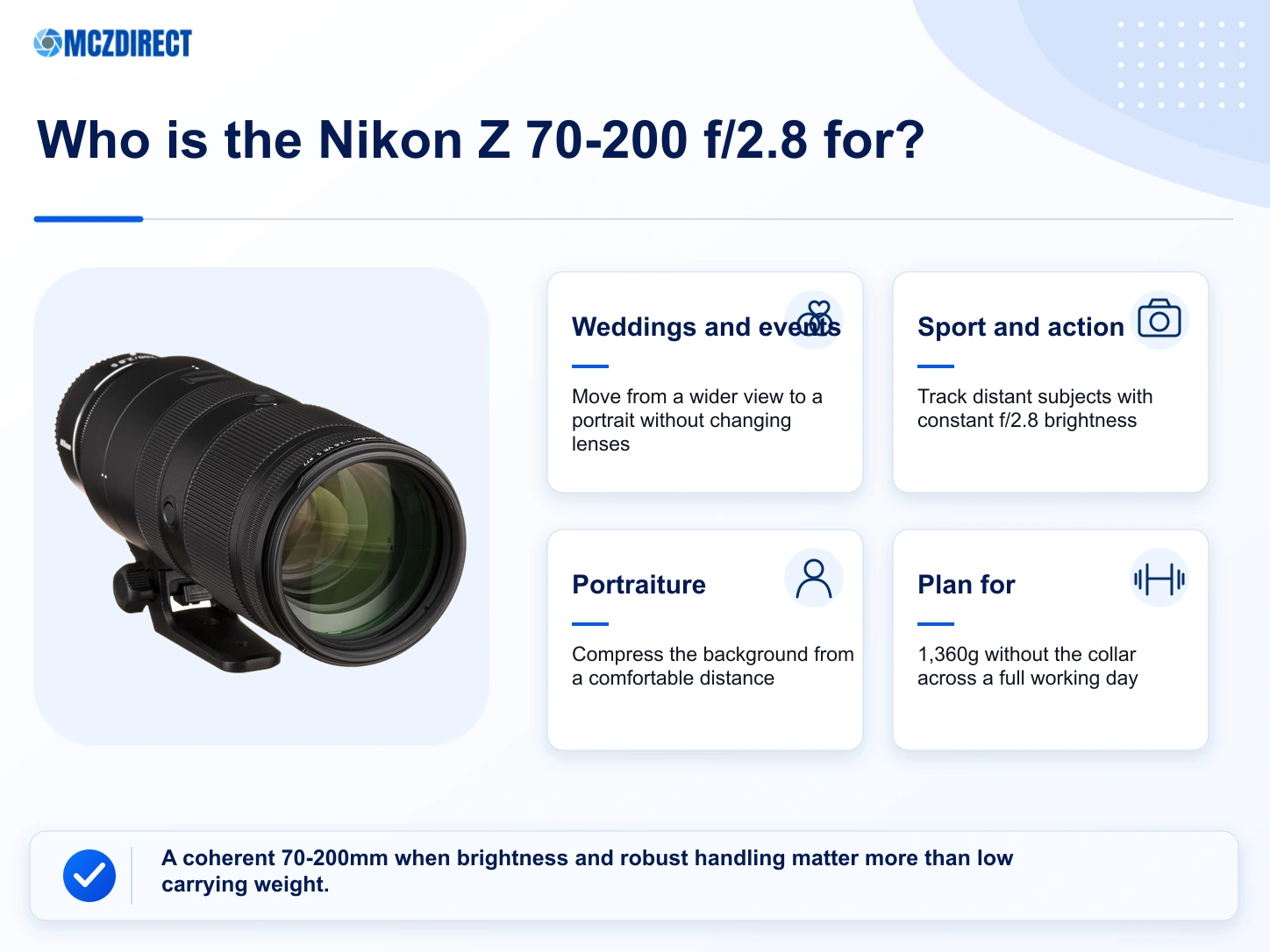
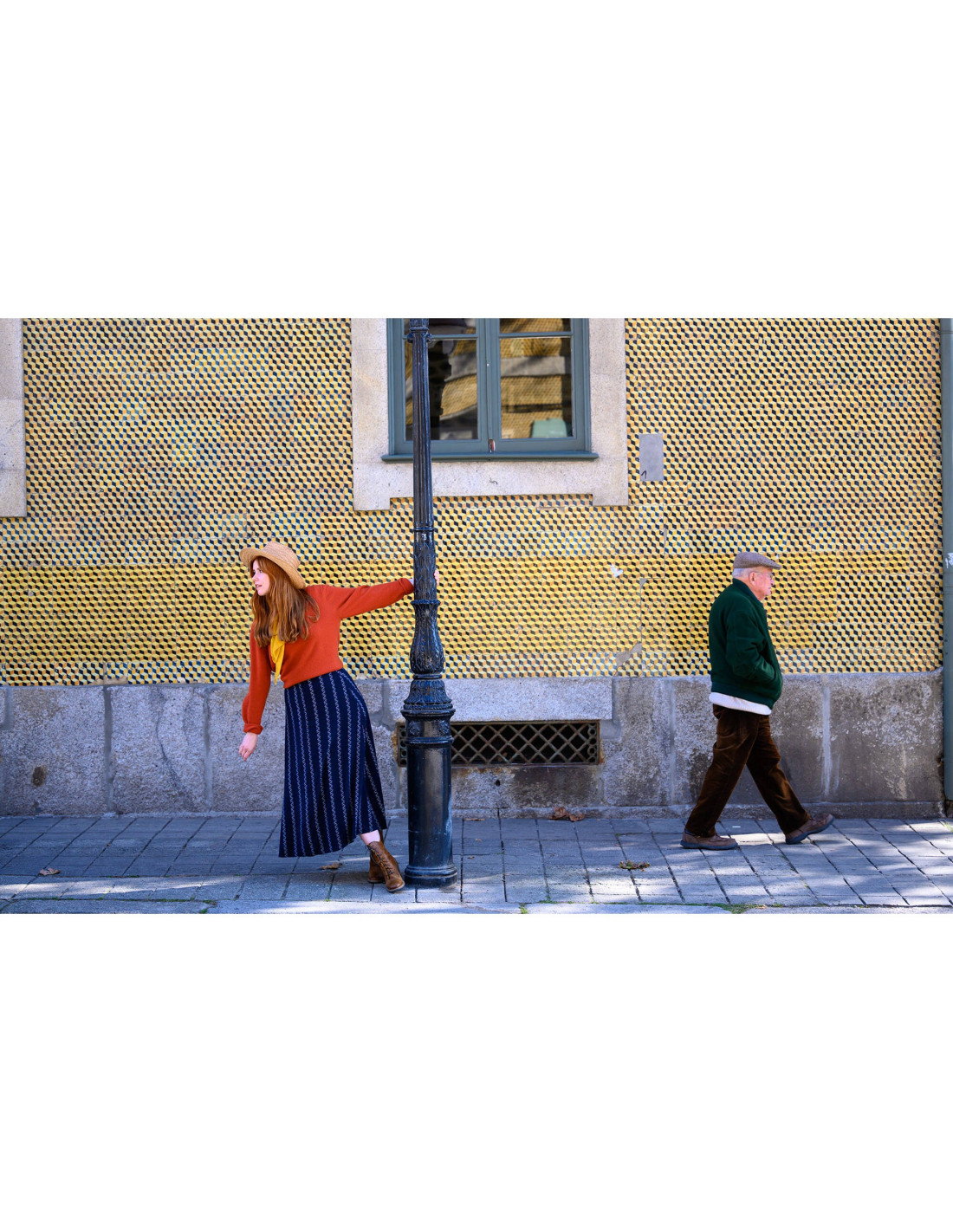
The practical difference appears when the subject refuses to remain at one distance. At 70mm the photographer retains context; at 200mm the frame becomes tighter and the background simpler. This lets a wedding entrance, a sporting exchange or a stage performance be covered without stepping back or changing lenses at the wrong moment.
VR corrects the photographer’s movement, not the subject’s. It steadies the view and supports a slower speed for a posed portrait, but fast action still requires an appropriate shutter setting. The f/2.8 aperture then earns its place by admitting more light than an f/4 or variable-aperture zoom. At short distance it also gives shallow depth of field that must be managed carefully.
| Specification | Practical benefit | Plan for |
|---|---|---|
| 70-200mm f/2.8 | Flexible framing with the same maximum aperture throughout the range | Depth of field becomes very narrow at 200mm and short distance |
| Optical VR | A steadier view and more latitude with a relatively still subject | Athletes and wildlife still need a fast shutter speed |
| 1,360g without collar | Substantial construction and balanced handling on a Z body | Use a suitable strap or monopod for long sessions |
| 0.5m at 70mm | Close views and details without another lens | The 0.20x ratio is not true macro |
| 77mm filter | Compatibility with a widely used professional filter size | Check thick filter frames for corner shading |
| Assignment | What the lens provides | Useful reservation |
|---|---|---|
| Wedding and events | f/2.8, rapid reframing and compression for expressions and gestures | The weight accumulates over several hours |
| Indoor sport | Bright aperture and a range suited to changing distance | Tracking speed also depends on the camera and AF setup |
| Portraits | Natural progression from an environmental view to a tight headshot | 200mm requires adequate working distance |
| Stage performance | Distant framing and a constant aperture in limited light | Strong stage highlights require careful exposure |
| Outdoor reporting | One telezoom for varied views and details | A lighter f/4 may be sufficient in daylight |
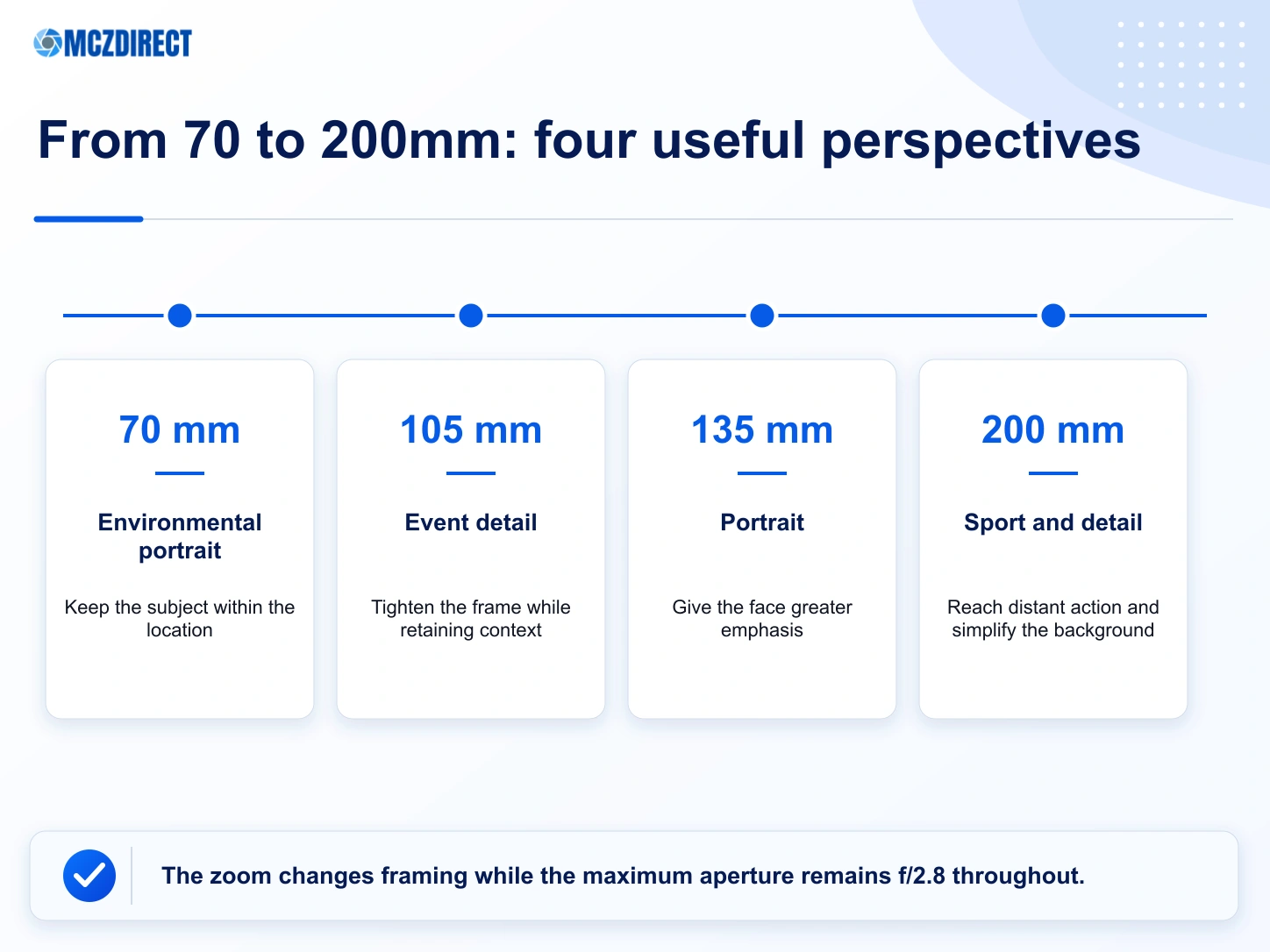
70 mm : environmental portrait, keep the subject within the location. 105 mm : event detail, tighten the frame while retaining context. 135 mm : portrait, give the face greater emphasis. 200 mm : sport and detail, reach distant action and simplify the background.
During a ceremony, subject distance changes without warning. A photographer may begin at 70mm to show the couple in the venue, move to 105 or 135mm for an interaction and reach 200mm for a quiet expression without walking into the scene. That continuity is valuable when discretion matters. The zoom also avoids opening the camera to dust or moisture just as the pace increases. It cannot replace a second body or a fast prime for every situation, but it secures a large part of the expected coverage with one lens.
At f/2.8, the background becomes softer and the shutter speed can remain higher inside a church, town hall or reception room. Depth of field still needs attention. When two faces are not on the same plane, stopping down slightly may be safer than pursuing maximum blur in every frame. VR supports a stationary person, but it cannot freeze walking or a rapid gesture. A suitable minimum shutter speed with Auto ISO usually produces more consistent work than relying on stabilisation alone.
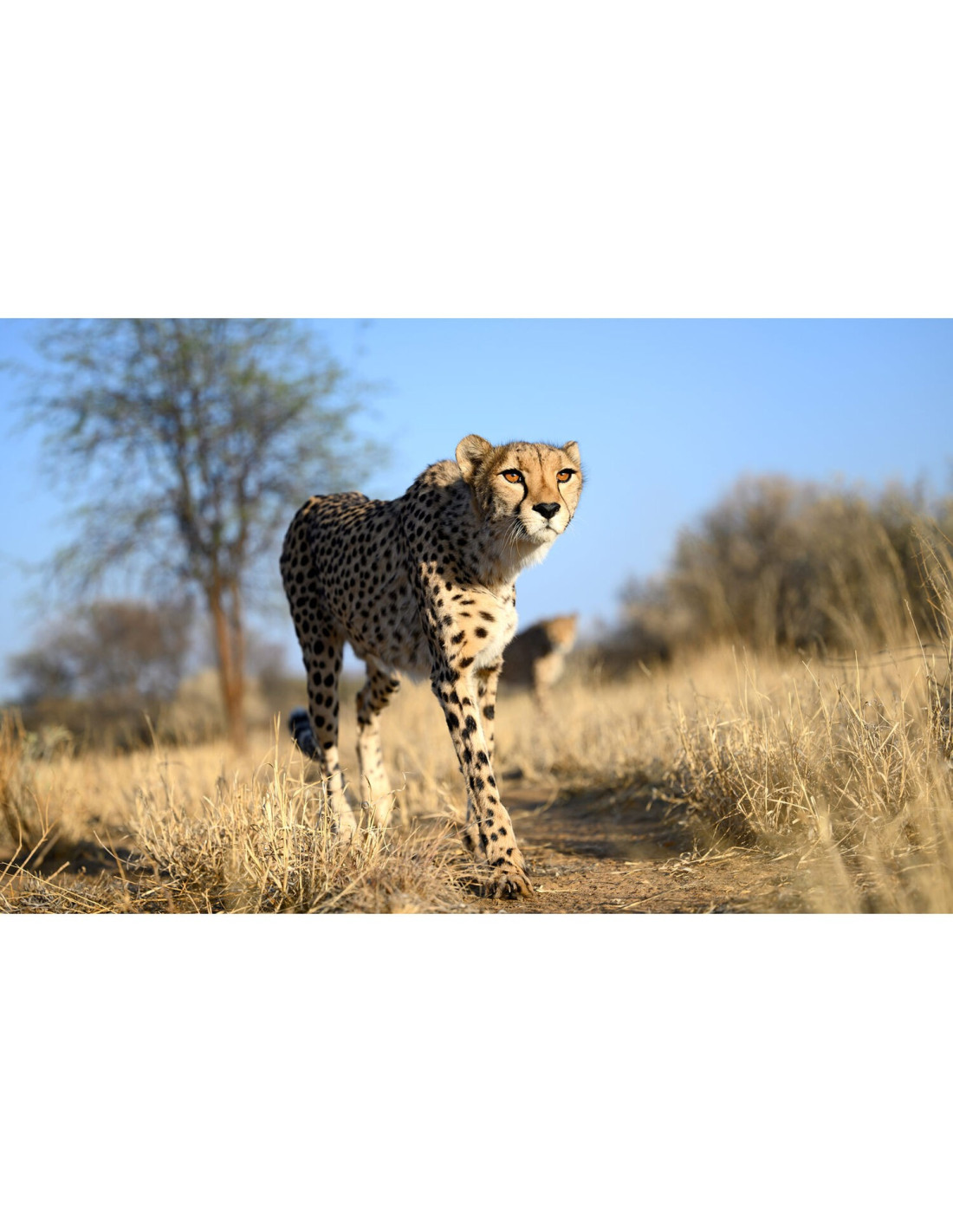
A 70-200mm works well when action takes place at medium distance: touchline sport, indoor basketball, gymnastics, motor racing or performance. The zoom opens the frame as the subject approaches and tightens it as the action moves away. Help the AF system by choosing an area that matches the trajectory and beginning to track before the decisive moment. The outcome depends on camera, lens, light and setup; no telezoom can rescue an unsuitable AF area or a shutter speed that is too slow for the movement.
The f/2.8 aperture has a direct advantage indoors and in evening light. At the same exposure, it allows a lower sensitivity or faster shutter than f/4. For a running player or a vehicle changing direction, that margin can separate a crisp frame from unwanted movement. It also reduces depth of field, making focus accuracy more critical. When several subjects cross, f/3.2 or f/4 may provide useful tolerance if the light allows it.
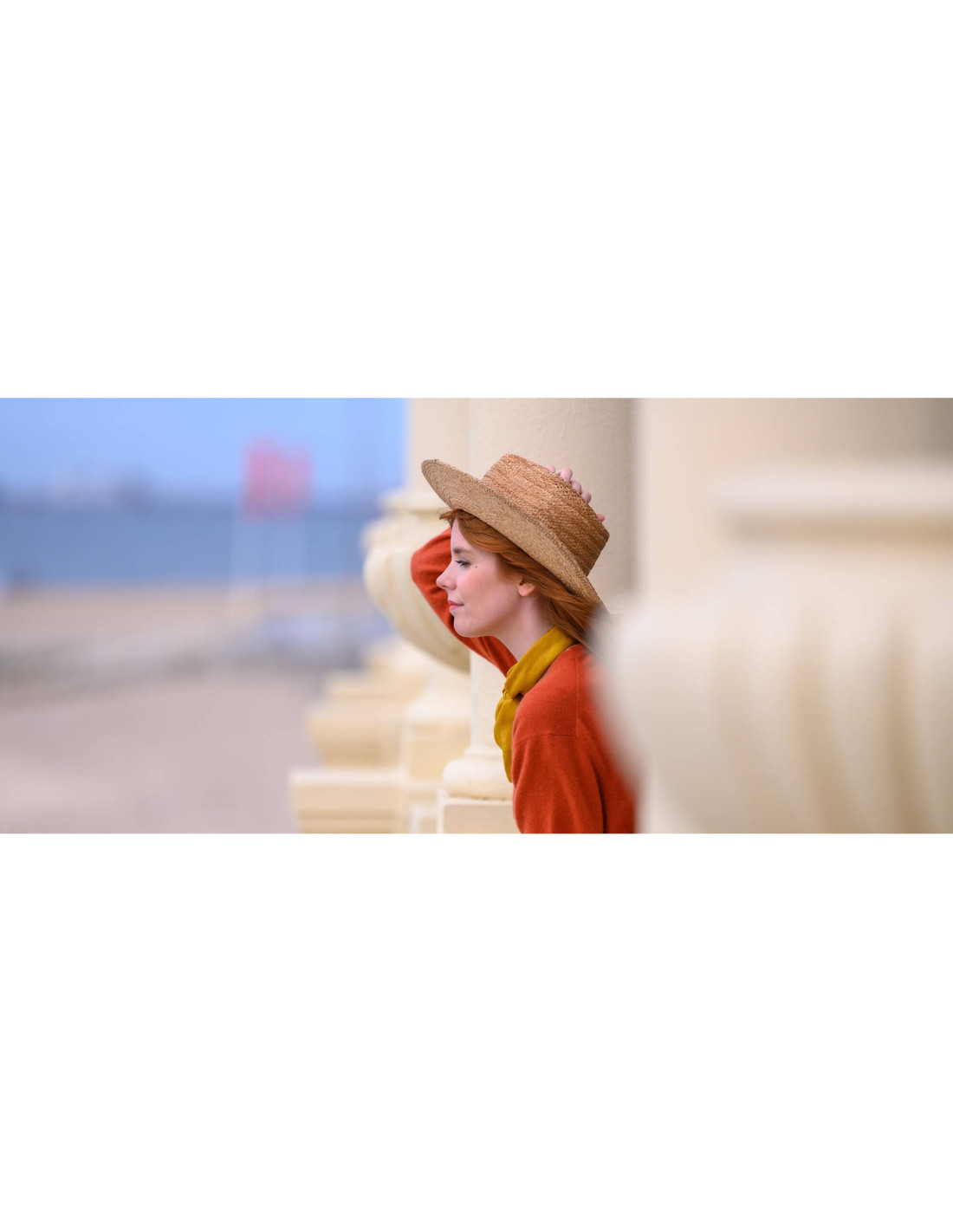
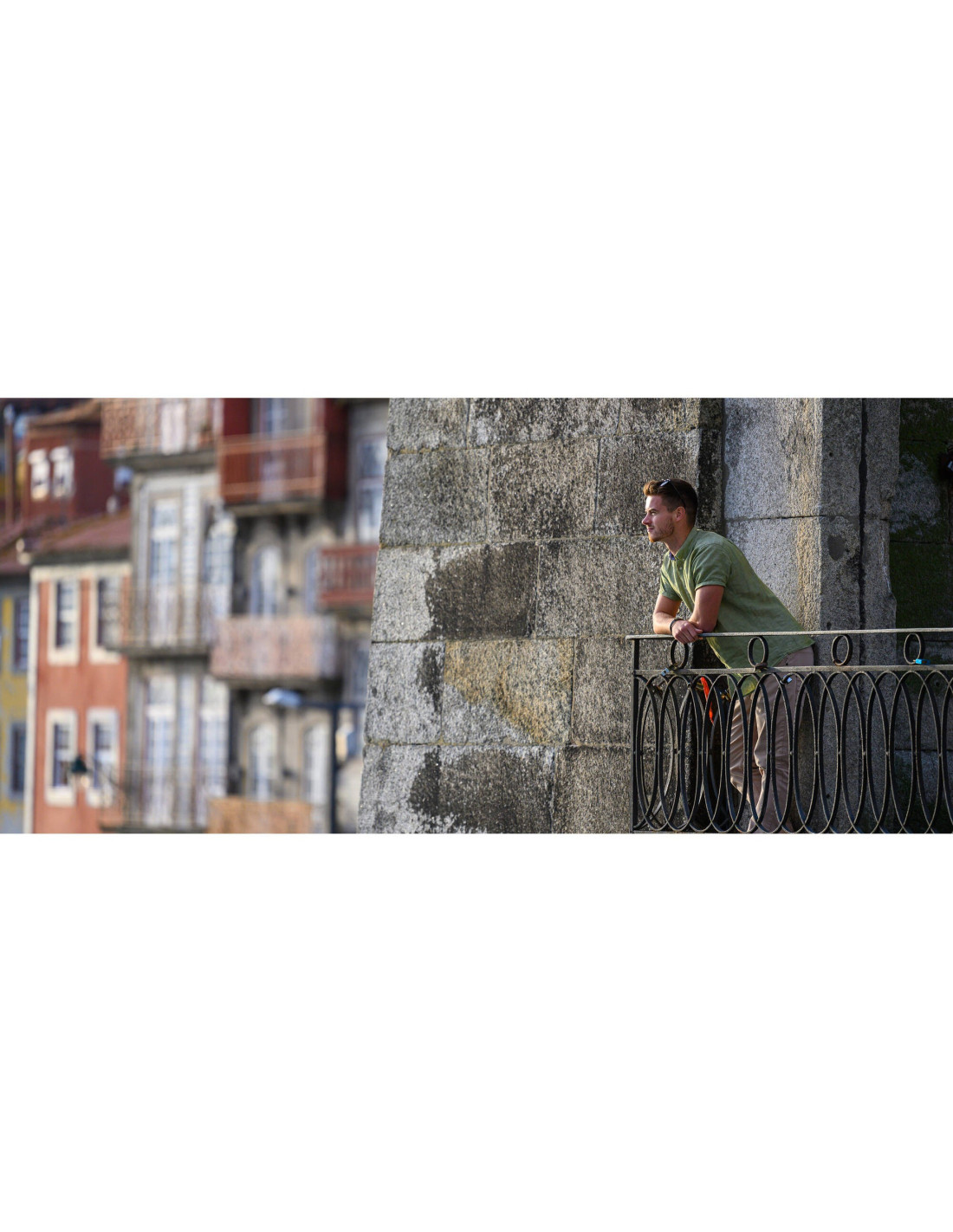
At 70mm, perspective remains natural and part of the surroundings can be retained. It suits a full-length portrait, a couple or a person shown within their work. Around 135mm the view tightens and the background appears closer, giving the face greater emphasis without excessive working distance. At 200mm, compression is stronger. It helps simplify a busy background and creates a tight portrait, provided there is enough room between photographer and subject.
Rendering depends on more than focal length and aperture. The distance between subject and background is decisive: a distant background becomes much softer. In a close portrait at f/2.8, the sharp zone can be narrow. Focusing carefully on the nearer eye and reviewing the result avoids confusing attractive blur with missed focus. The main value of the zoom is the freedom to choose working distance and environmental context without interrupting the sitting.
The quoted 1,360g without collar is not extreme for a professional telezoom, but the camera, battery, strap and perhaps a flash add to it. After several hours, carrying method matters as much as the specification. A properly adjusted strap that does not force the mount to carry every movement distributes the load more effectively. Lowering the camera and relaxing the shoulders between sequences preserves precision for the moments that matter later in the day.
On a touchline or fixed stage, the tripod collar makes a monopod practical. It removes much of the load while retaining freedom to pan. A monopod is less convenient during a fast-moving wedding, where a lighter second body or prime may complement the telezoom. Organisation should follow the assignment. This model is not automatically too heavy, but it becomes difficult to justify when neither the aperture nor most of the focal range will be used.
VR is especially welcome in the viewfinder at 200mm because it reduces the small movements that make framing nervous. With a posed subject it supports a slower shutter speed. A person speaking, musician moving or animal turning its head can still be blurred while the background remains sharp. Stabilisation corrects the photographer; shutter speed must be chosen for the subject.
At a concert or reception, a straightforward approach is to set aperture and a minimum shutter speed, then allow Auto ISO to follow the light. Watch spotlights and white clothing, which may clip before the rest of the frame. f/2.8 provides valuable latitude but does not make exposure effortless. A slightly noisy sharp file is usually more useful than a cleaner image in which the expression or gesture has moved.
A 0.5m minimum distance at 70mm makes it possible to photograph clothing details, an object, a hand or part of a setting without reaching for another lens. At 200mm the minimum distance is approximately 1m. The 0.20x maximum ratio is well short of true macro, but it covers many event details and provides comfortable space when the photographer must avoid casting a shadow on the subject.
For useful detail, distinguish physical proximity from magnification and perspective. Moving close at 70mm does not give the same image as using 200mm from farther away. The long focal length compresses the background and narrows the view; the short end preserves more context. Stopping down slightly gives more depth on a three-dimensional object. Jewellery and critical reproduction remain better suited to a dedicated macro lens.
For video, the 70-200mm range changes framing without moving the camera, but any zoom movement should be deliberate. A slow adjustment can support an interview or performance; an uncertain correction is immediately visible. The collar helps balance the lens on a tripod, while VR supports a static handheld frame. A motorised stabiliser needs careful payload and balance checks before production.
Internal autofocus and custom controls suit hybrid work. Test transition speed and tracking sensitivity on the actual camera before the assignment. A transition that is too fast draws attention; one that is too slow can miss the gesture. When a subject walks towards the camera, a little extra depth of field and anticipation often look more natural than shooting every take at f/2.8.
This version remains valid when its build, OLED display and commercial position suit the assignment. It still performs the essential role of a professional 70-200mm f/2.8: responsive framing, constant aperture, VR and S-Line construction. The S II primarily changes carrying and tracking through its lower weight and Nikon’s reported performance gains. A professional using the lens every week may value those improvements. For less frequent work, the original can be the more rational purchase.
The 70-180mm f/2.8 follows a different priority: low weight with a bright aperture, at the cost of 20mm at the long end and a different construction level. The 100-400mm S is aimed more towards wildlife and outdoor sport, where reach matters more than brightness. Start the decision with subject distance, usual light, carrying time and real frequency of use rather than simply choosing the newest model.
Compared with the NIKKOR Z 70-200mm f/2.8 VR S II, this first generation is heavier and the newer lens is faster according to Nikon’s own measurements. It still provides the same focal range and aperture, an OLED display and a build designed for demanding use. Price, availability and the value placed on saving several hundred grams should therefore drive the choice.
The NIKKOR Z 70-180mm f/2.8 is substantially lighter. It suits travel, mobile portraiture and photographers willing to give up 20mm at the long end. The NIKKOR Z 100-400mm f/4.5-5.6 VR S takes the opposite route by favouring reach and outdoor flexibility, while its variable aperture offers less latitude indoors or late in the day.
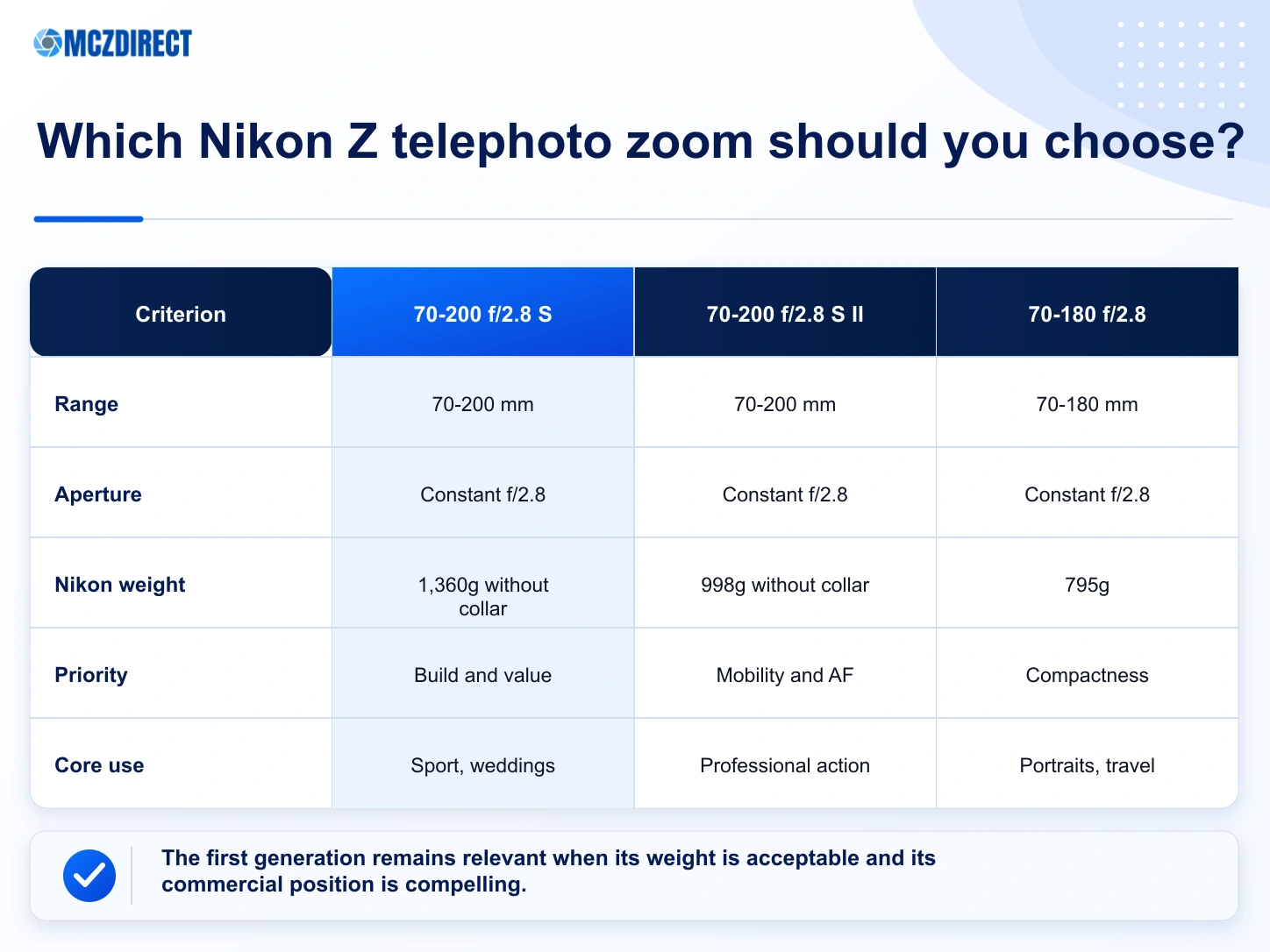
| Criterion | 70-200 f/2.8 S | 70-200 f/2.8 S II | 70-180 f/2.8 |
|---|---|---|---|
| Range | 70-200 mm | 70-200 mm | 70-180 mm |
| Aperture | Constant f/2.8 | Constant f/2.8 | Constant f/2.8 |
| Nikon weight | 1,360g without collar | 998g without collar | 795g |
| Priority | Build and value | Mobility and AF | Compactness |
| Core use | Sport, weddings | Professional action | Portraits, travel |
At MCZ DIRECT, we see this NIKKOR Z 70-200mm f/2.8 VR S as a serious choice for an established Nikon Z photographer who needs a bright, robust telezoom for weddings, sport or stage work. It is easiest to justify when f/2.8 will be used regularly and the 70-200mm range removes several lens changes from a real assignment.
We would guide a travelling photographer towards the 70-180mm f/2.8, and a professional seeking the strongest combination of low weight and response towards the 70-200mm S II. The first version has one honest limitation: it is heavy in a bag and after several working hours. With that managed, it remains a complete and dependable lens for varied professional tasks.