Shopping Cart


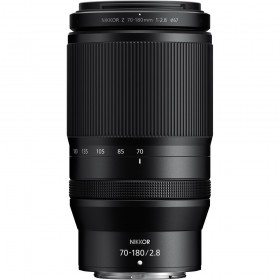
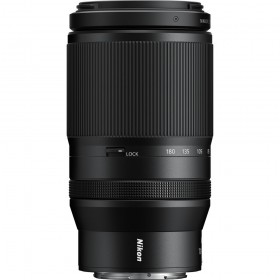
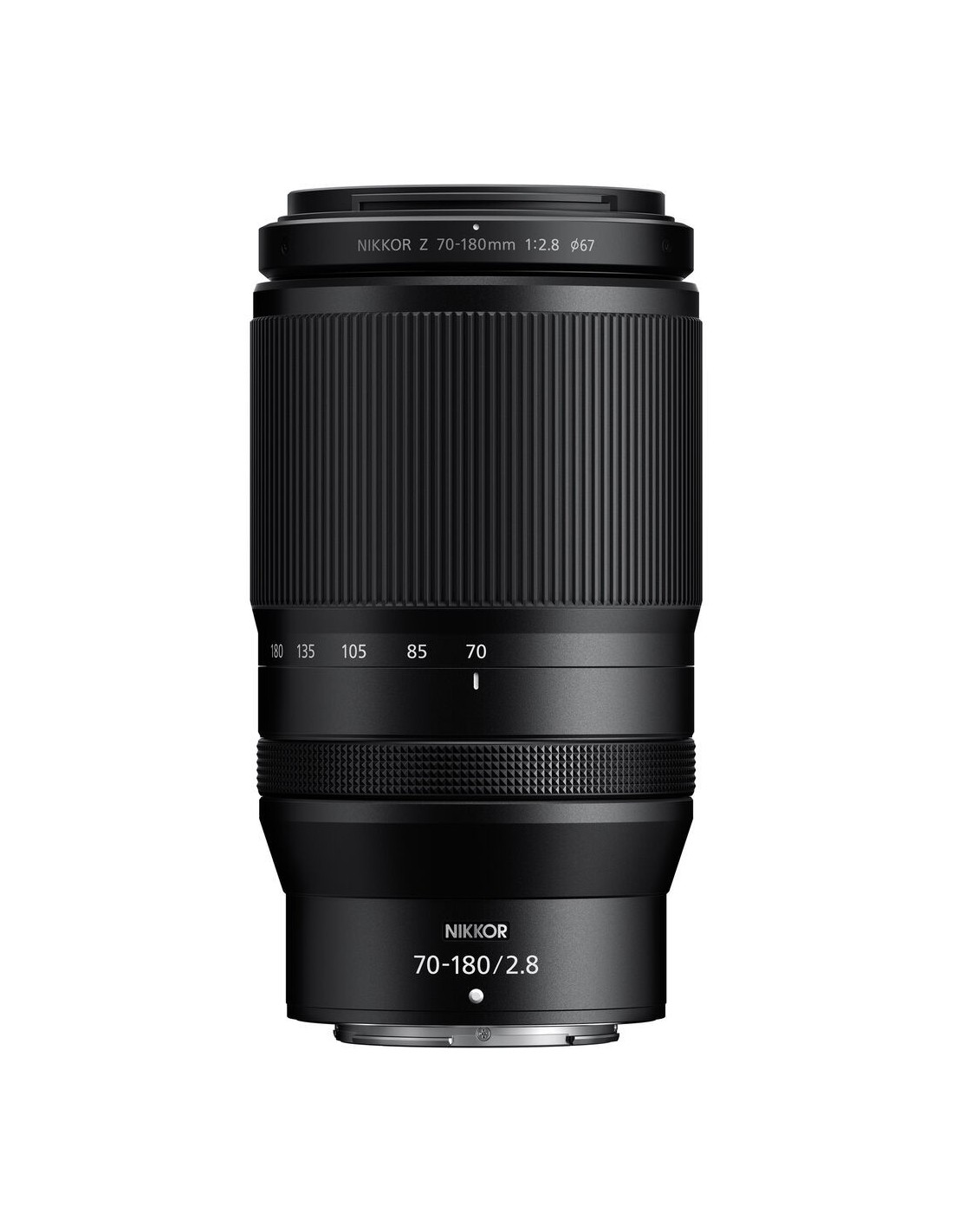
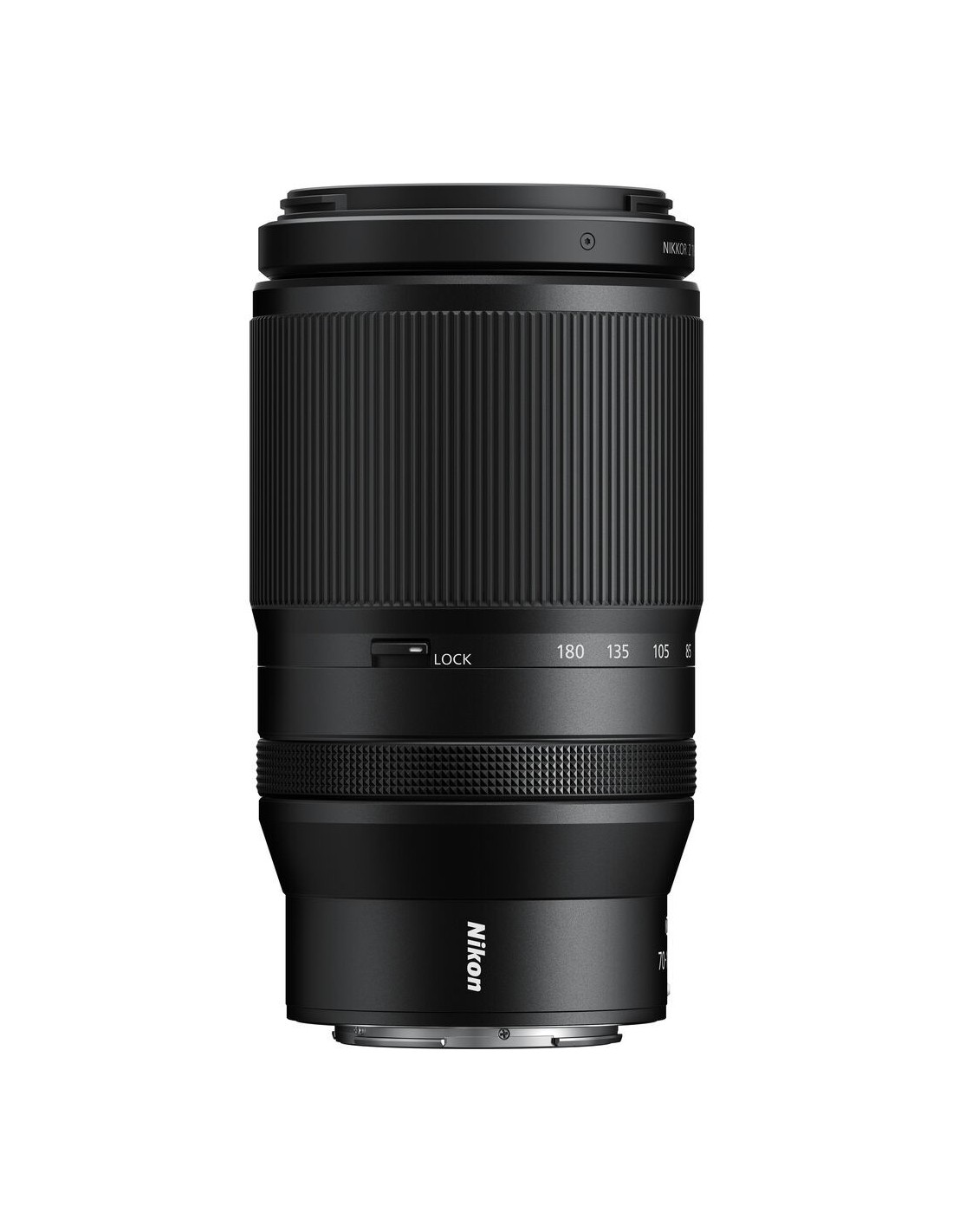
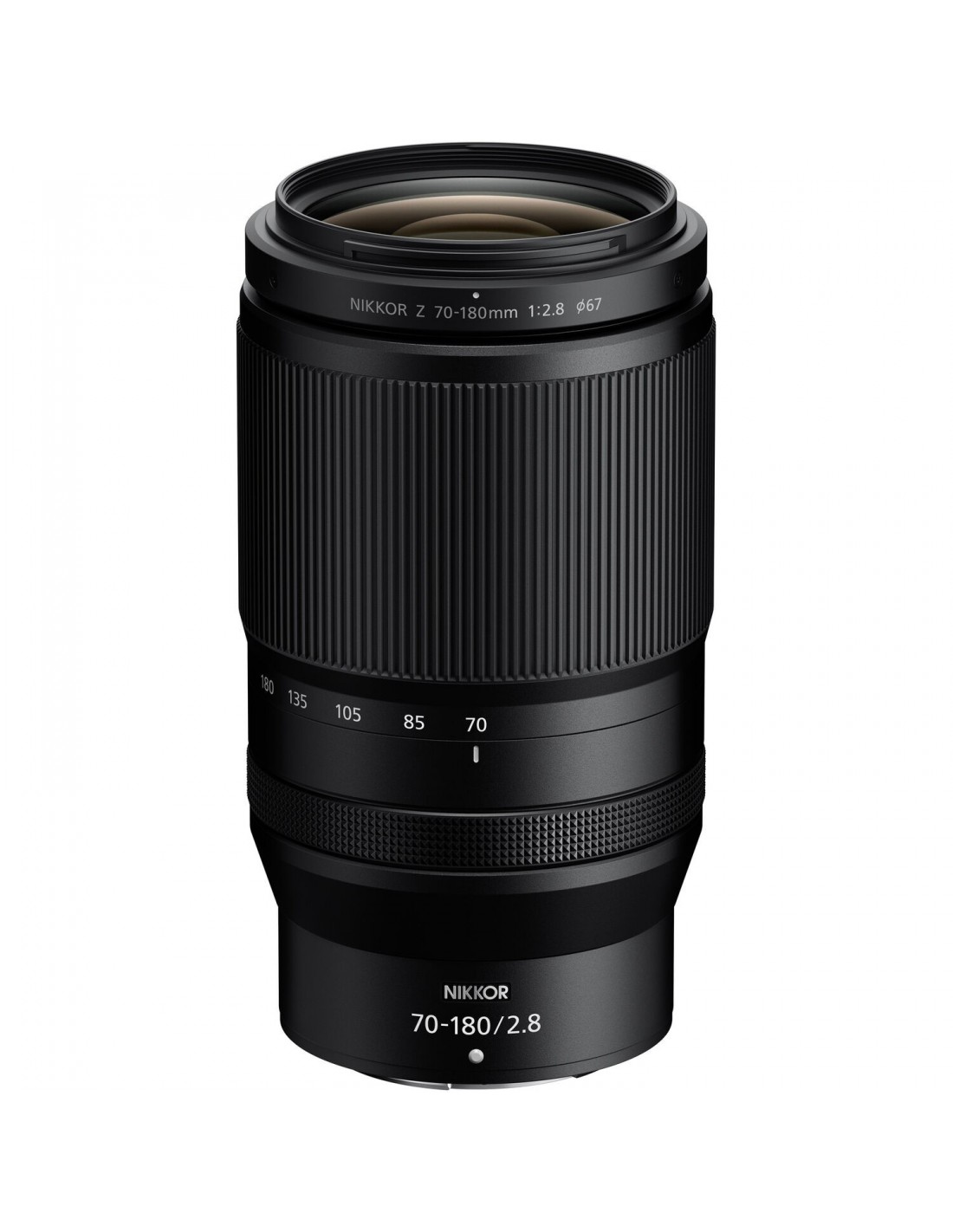

The NIKKOR Z 70-180mm f/2.8 is a lightweight full-frame telephoto zoom for portrait, travel, event and occasional sports photographers who want a constant bright aperture without carrying a professional 70-200. We recommend it when mobility matters as much as light gathering. Its 795g weight makes the camera easier to carry and use handheld, while f/2.8 supports shutter speed and soft background separation. Close focusing adds useful detail work, and Z teleconverter compatibility can extend reach occasionally when the light permits. It has no optical VR and stops at 180mm, which should be considered for unstabilised bodies or distant subjects. It is a coherent choice today for travelling light every working day while retaining the classic portrait and reportage perspectives comfortably.
Combine compatible accessories and save. The more items you add, the bigger the discount.
memory card

warranty extension
The NIKKOR Z 70-180mm f/2.8 keeps classic portrait lengths without making a professional 70-200 the centre of the bag. At 795g and 151mm long, it suits photographers who walk, travel or cover events without permanent support.
The lower weight involves choices: 180mm maximum, no optical VR and no S-Line designation. In return it focuses unusually close and accepts Z teleconverters. Its appeal is the practical balance between light, reach, proximity and transport.
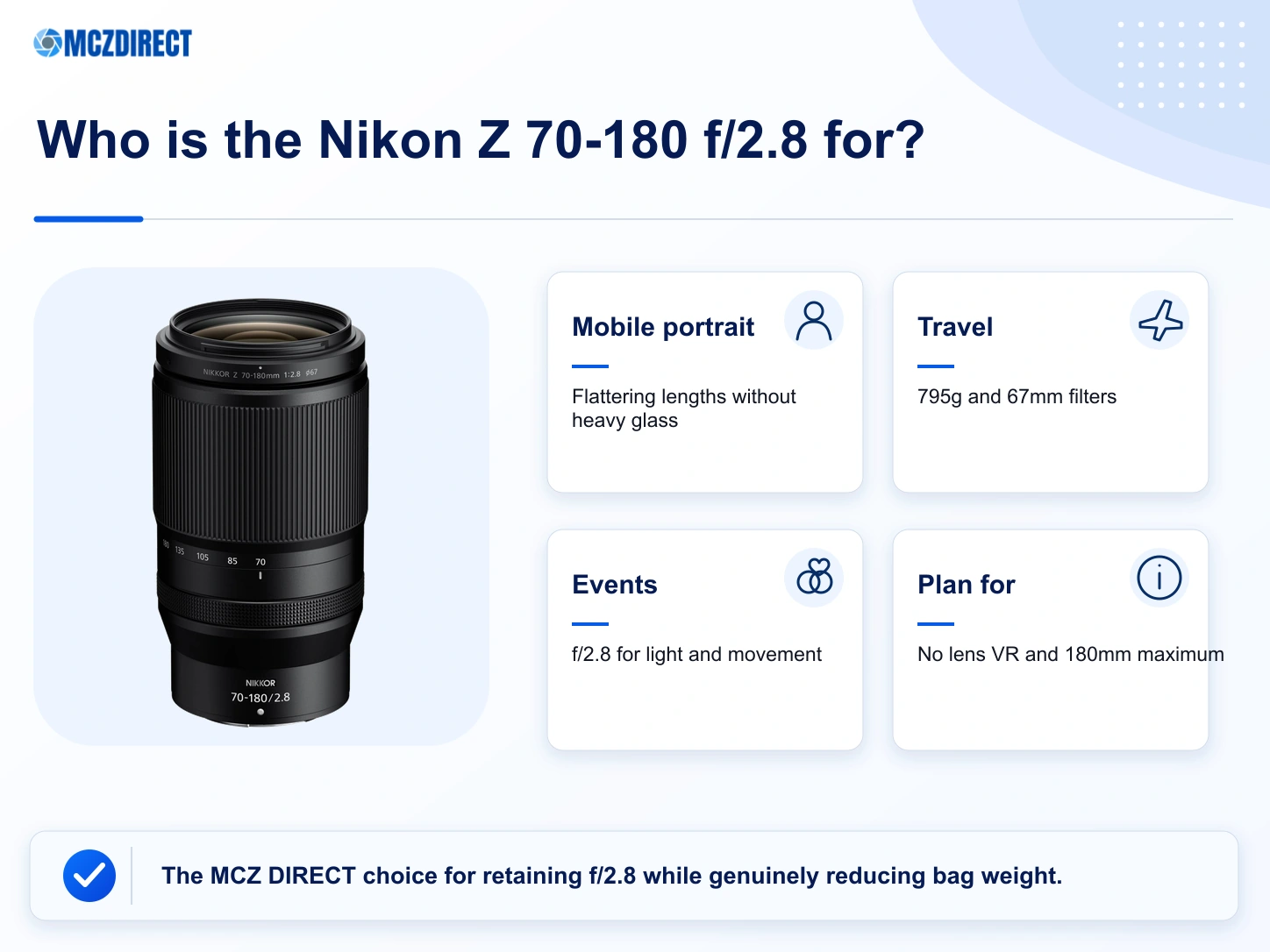
Low weight changes working rhythm: the camera remains in hand during a walk, portrait session or ceremony while the zoom moves quickly from context to a tight face.
There is no lens VR. A stabilised camera can correct some photographer movement, never subject movement. With sport or walking subjects, f/2.8 should protect shutter speed first.
| Specification | Practical benefit | Plan for |
|---|---|---|
| 70-180mm f/2.8 | Bright portraits and details | 20mm shorter than a 70-200 |
| 795g | Easier all-day carrying | Camera weight is additional |
| No optical VR | Lower weight | Check camera stabilisation and shutter |
| 0.27 to 0.85m | Strong close-up flexibility | Depth is narrow at f/2.8 |
| 67mm filter | Smaller filters | May not match 77mm zooms |
| Assignment | What the lens provides | Useful reservation |
|---|---|---|
| Mobile portraits | Classic lengths, f/2.8 and low weight | Need space at 180mm |
| Travel | Compact telezoom for details | Short for distant wildlife |
| Light weddings | Flexible framing and quiet AF | No lens VR |
| Occasional sport | f/2.8 at medium distance | S II is more specialised |
| Video | Quiet AF and reduced breathing | Stability depends on body or support |
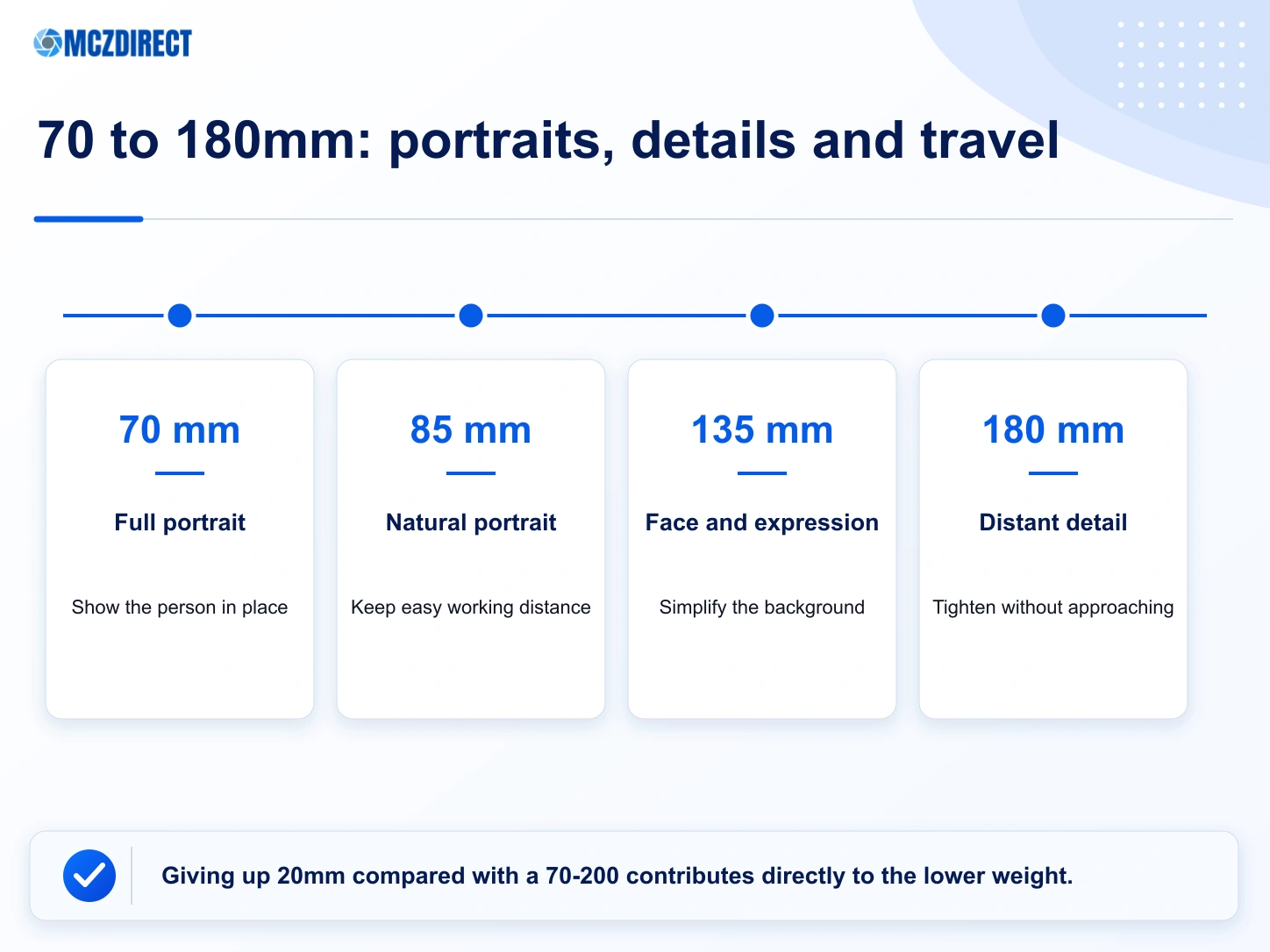
70 mm : full portrait, show the person in place. 85 mm : natural portrait, keep easy working distance. 135 mm : face and expression, simplify the background. 180 mm : distant detail, tighten without approaching.
A lens contributes nothing when it stays at the hotel or bottom of the bag. At 795g, this 70-180mm can follow a full day on foot, urban exploration or rail travel without the planning required by a large professional zoom. It isolates architecture, people and landscape details while fitting a normal camera compartment.
Low weight does not remove the need for a proper strap and protection. The camera adds to the total and f/2.8 still needs meaningful glass. The gain is availability: the system remains ready between scenes. That continuity often creates more travel photographs than another 20mm at the long end.
From 70 to 105mm, communication remains easy and the setting can stay visible. Between 135 and 180mm, working distance increases, the face fills the frame and the background becomes simpler. Move first to choose perspective, then refine framing with the zoom.
f/2.8 supports separation, but background distance matters more than the number alone. Close up, depth may be too narrow for both eyes or two people. Stopping down slightly preserves important detail while retaining a soft setting. The purpose is to guide attention, not erase every location.
At a ceremony or reception, the 70-180mm complements a standard zoom. It captures an expression from the back of the room, a speech gesture or a portrait without intrusion. At 795g it also works well on a second body, keeping a dual-camera system manageable.
Without optical VR, shutter speed needs attention, particularly on a body without sensor stabilisation. A moving person requires that speed anyway. f/2.8 provides the margin to control ISO or freeze a gesture. For groups, aperture and face alignment matter more than maximum blur.
The range suits indoor sport, children, dance and action at medium distance. Open to 70mm as the subject approaches and tighten to 180mm farther away. Low weight helps sudden direction changes and handheld sequences, while f/2.8 supports shutter speed as light falls.
On a large field, 180mm quickly becomes short. Occasional cropping is possible but reduces output size. A 100-400 or 180-600 is more natural when reach dominates the entire session. This lens is about nearby action where brightness and mobility matter first.
At 70mm, 0.27m brings objects, flowers, clothing and textures unusually close for a telezoom. At 180mm, 0.85m gives a narrow background and comfortable space. The resulting magnification goes far beyond a casual detail frame.
Depth is very thin at these distances. Choose the important plane and often stop down. Small body movement shifts focus, so support or a short burst can help. A 2x converter can increase magnification but also reduces light. Critical reproduction still belongs to a macro lens.
Low mass helps on a tripod or compatible gimbal. Suppressed focus breathing reduces framing changes during a focus pull, useful for interviews, performance and product detail. Quiet AF also lowers the chance of mechanical sound reaching a nearby microphone.
There is no lens VR. Handheld work therefore relies more on camera stabilisation and technique. At 180mm, small movement is obvious; a monopod or tripod may be cleaner. Balance the gimbal for the focal range and complete camera package used.
The 1.4x creates 98-252mm and the 2x 140-360mm, both with a reduced maximum aperture. This is useful when a subject is unexpectedly distant and can also increase reproduction. It does not turn the lens into a bright super-telezoom.
Reduced light makes shutter speed, ISO and focus more demanding. If work regularly extends beyond 200mm, a dedicated lens gives a more direct experience. A converter is rational when it prevents carrying a second large optic for a minority need.
The S II adds 20mm, internal zoom, optical VR and controls designed for professional rhythm. Nikon also reports more advanced AF. It suits regular sport, intensive weddings and video production. Its 998g remains reasonable but it is a more substantial system.
The 70-180 is not trying to win every specification. It offers f/2.8, classic portrait lengths and excellent close focus with 203g less. It is the stronger choice for walking, travel, a light second body or a distributed lens budget.
The absence of optical VR is easiest to manage when shutter speed is chosen deliberately. For a still portrait on a stabilised camera, body stabilisation can reduce movement from the photographer. For a person walking, a dancer or an athlete, subject movement sets the minimum speed regardless of stabilisation. Keeping Auto ISO active with a sensible minimum shutter speed is often more reliable than trying to hold every frame at the lowest ISO.
At 180mm, hand position and stance also matter. Support the barrel from below, keep the elbows relaxed and release the shutter without a sudden squeeze. During a long event, fatigue changes technique, so review sharpness rather than assuming the first successful setting will work all evening. A monopod can help during extended waiting without removing the mobility that makes this lens attractive.
At 70mm, include clothing, hands and enough location to explain the portrait. Around 85 to 105mm, communication remains easy and facial perspective feels natural. At 135 or 180mm, distance increases and the background becomes simpler. Instead of standing still and using the zoom only to make the subject larger, move first to choose perspective and then refine the frame with focal length.
Maximum aperture is not automatically the best aperture. At close distance, f/2.8 can leave one eye sharp and the other soft when the head turns. For a couple, stop down until both faces sit inside the useful depth. Background separation still comes from focal length and distance, so the image can remain gentle at f/4. This approach produces a consistent portrait series rather than a collection of unrelated blur effects.
A 67mm filter thread keeps circular polarisers and neutral-density filters smaller than the 77mm accessories used by many professional zooms. That matters for travel weight and replacement cost. A step-up ring can integrate the lens into an existing 77mm kit, although the hood may no longer fit in the same way. Test the actual arrangement before an assignment rather than discovering a mechanical conflict on location.
The supplied hood is useful for flare control and physical protection. Reverse it for transport and fit it normally before working in crowded spaces. A clear protective filter is a personal choice, not a requirement for optical performance. In rain or dust, the priority is keeping water away from controls, wiping the front element safely and allowing the equipment to dry before sealing it inside a bag.
For portraits, ceremonies, street details, stage work from nearby seats and indoor sport, 180mm often covers the useful distance. The missing 20mm compared with a 70-200 is usually less important than photographer position and final crop. This is why the lens can replace a heavier zoom for many users without changing the photographs they actually make.
For field sport, birds, aviation and wildlife that cannot be approached, the limitation appears quickly. Repeated heavy cropping is a sign that a 100-400 or 180-600 would suit the subject better. Teleconverters can solve occasional distance, but they reduce light and complicate the compact idea. The honest decision is to choose the focal range used most often, not the one that covers every hypothetical situation.
Check the camera stabilisation setting, minimum shutter speed and AF area before leaving. Fit the hood, clean both external elements and confirm that the 67mm filters intended for the day actually fit. If a converter may be used, test it with the same camera and subject type because light and autofocus behaviour will change.
During the first minutes, review one still subject and one moving sequence at full magnification. This quickly reveals camera shake, focus placement or an unsuitable shutter speed. The routine is short enough to keep the lens spontaneous, yet it prevents a lightweight setup from being mistaken for one that needs no preparation.
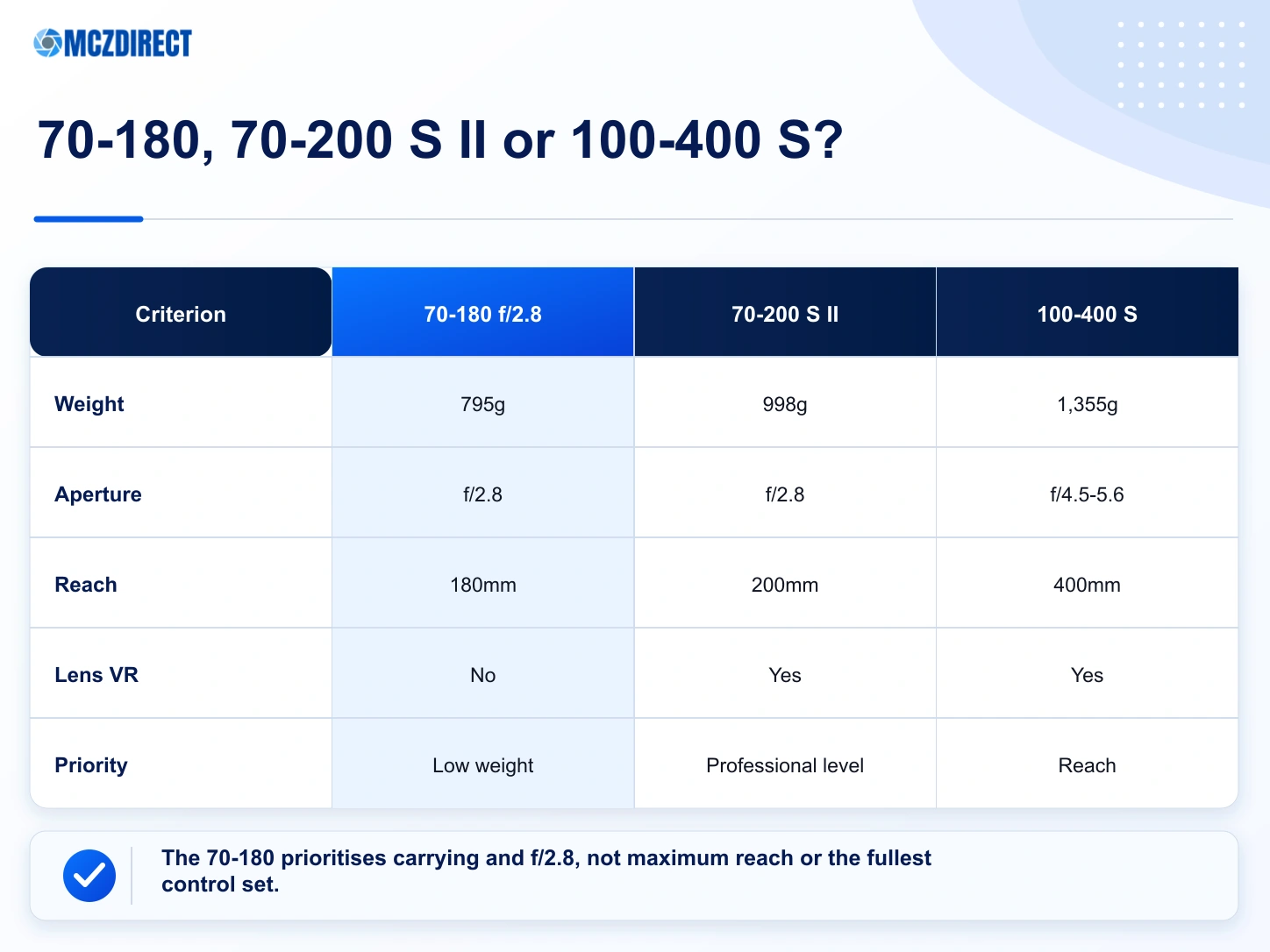
The 70-200 S II adds 20mm, optical VR, internal zoom and S-Line construction, but weighs 203g more. It is the professional sport and intensive wedding option; the 70-180 is the mobile portrait and travel choice.
The 100-400 S goes the other direction: less brightness, much more reach and optical VR. Choose by light and distance rather than headline status.
| Criterion | 70-180 f/2.8 | 70-200 S II | 100-400 S |
|---|---|---|---|
| Weight | 795g | 998g | 1,355g |
| Aperture | f/2.8 | f/2.8 | f/4.5-5.6 |
| Reach | 180mm | 200mm | 400mm |
| Lens VR | No | Yes | Yes |
| Priority | Low weight | Professional level | Reach |
At MCZ DIRECT, we recommend the NIKKOR Z 70-180mm f/2.8 to photographers who genuinely want to carry a telezoom for portraits, travel, ceremonies and light reporting. Its useful lengths and f/2.8 do not turn every outing into a logistics decision.
The S II remains better for intensive sport or weddings requiring VR, 200mm and internal zoom. The honest limit is that this lens replaces neither a distant-wildlife zoom nor a 1:1 macro. Within its role, simplicity and 795g are exactly the point.