

Shopping Cart


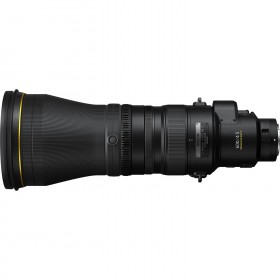
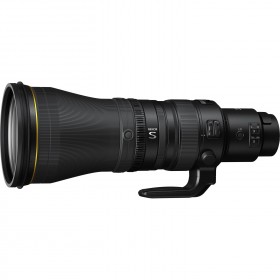
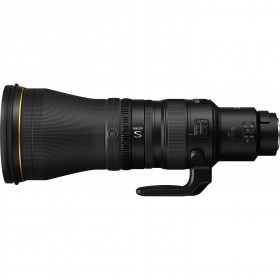
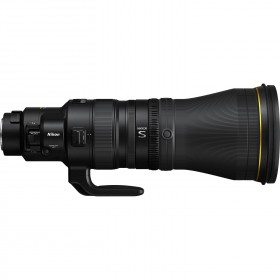
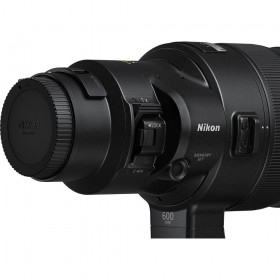
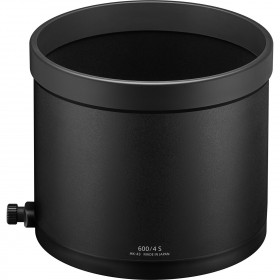
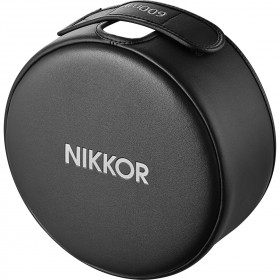
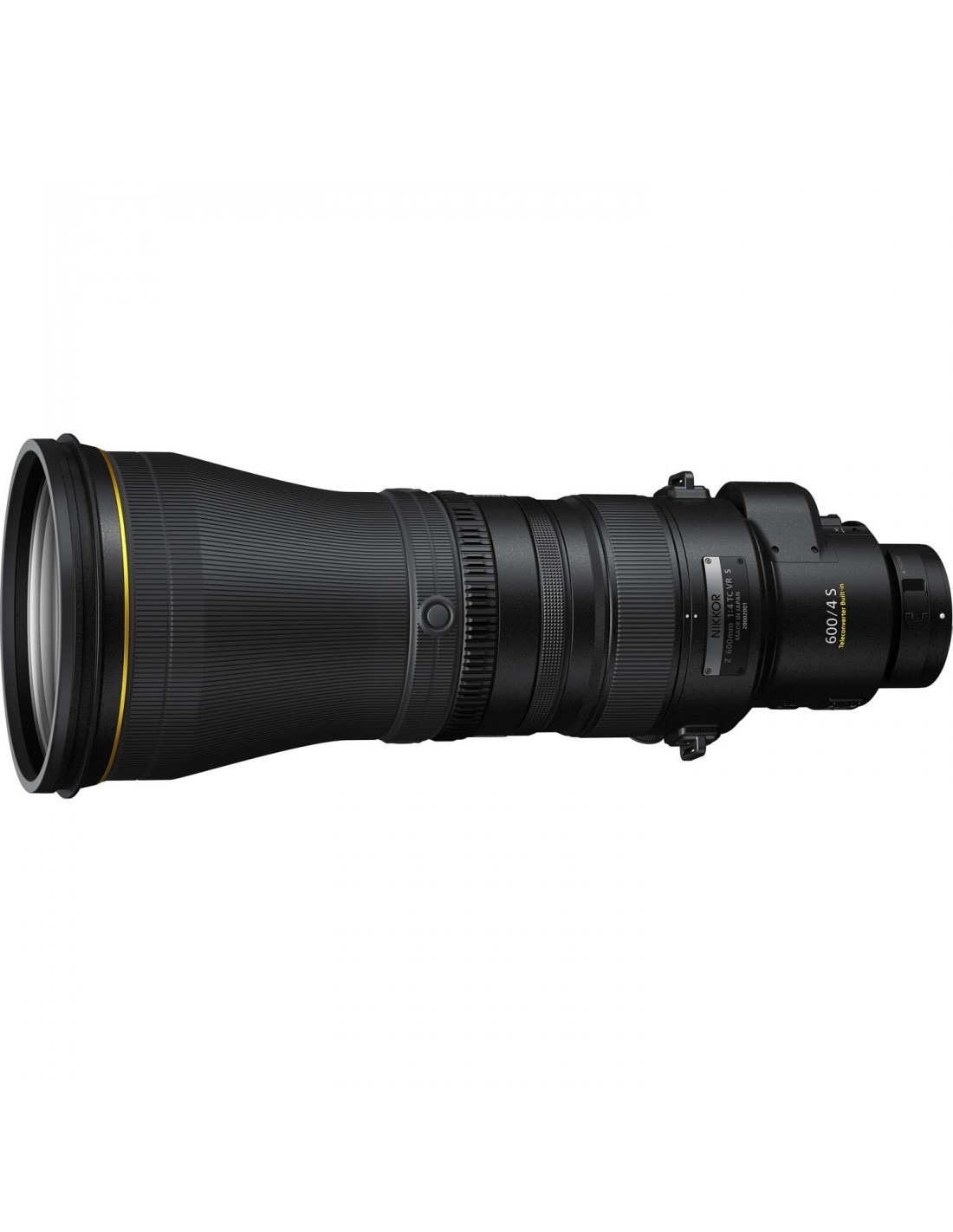
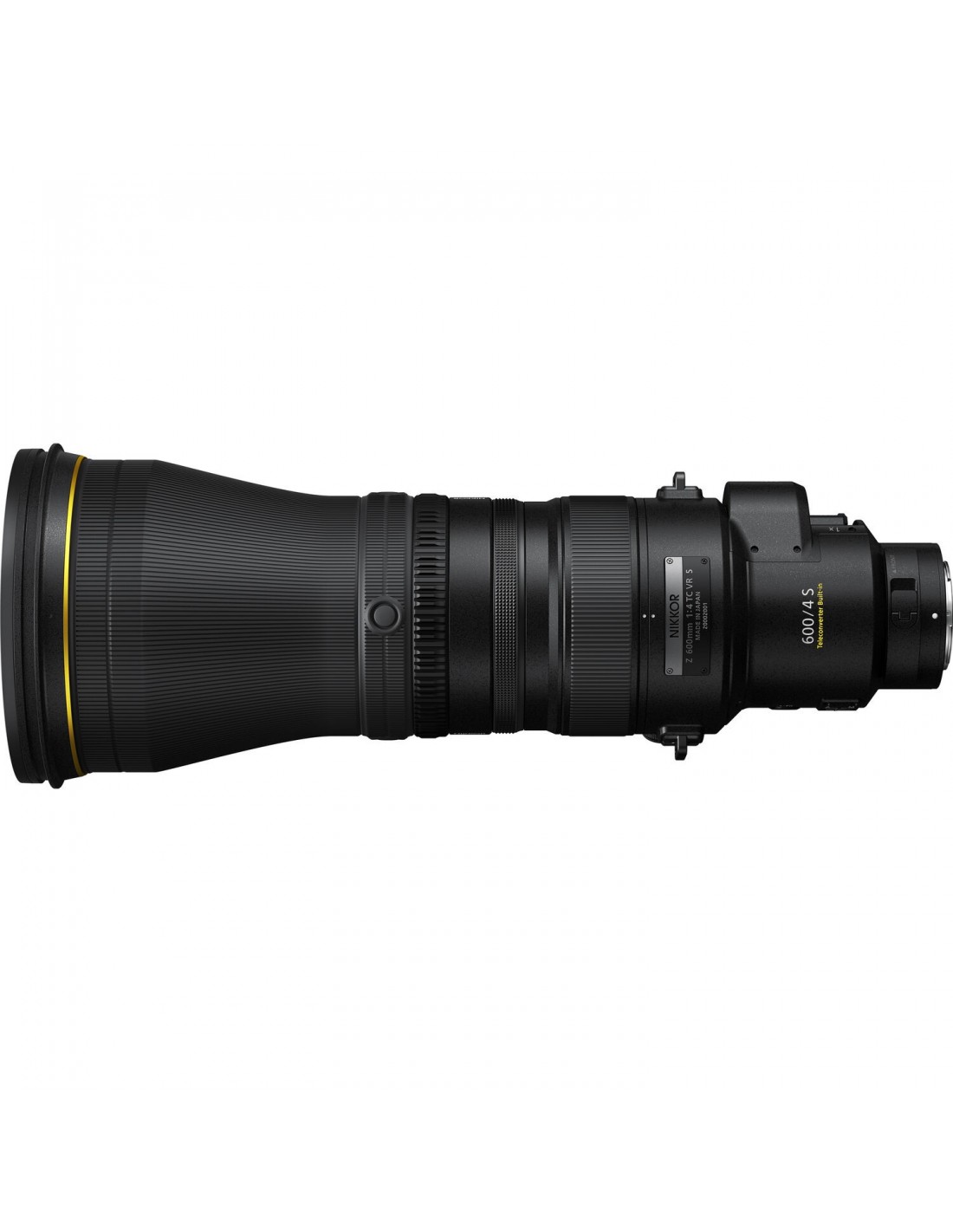
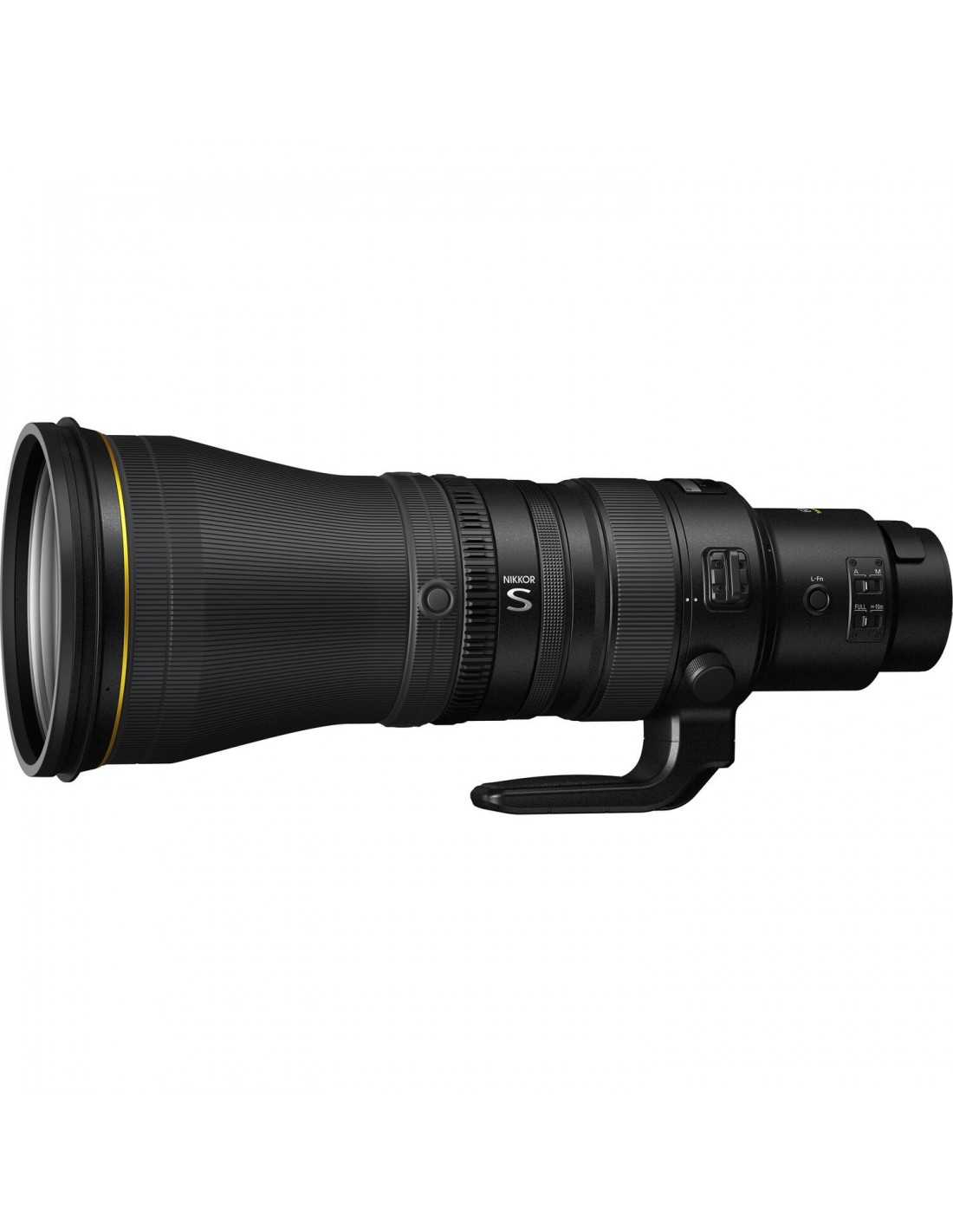
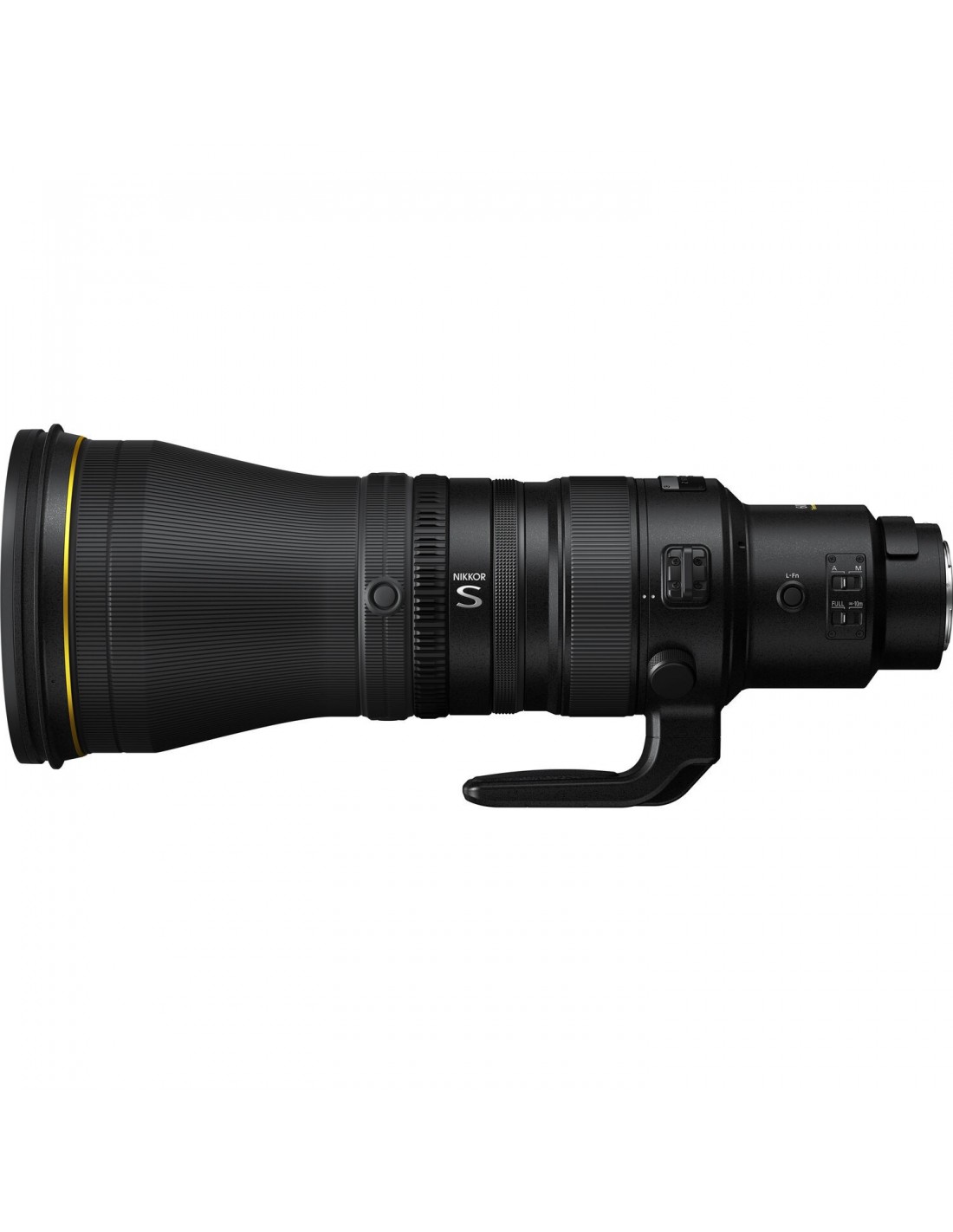
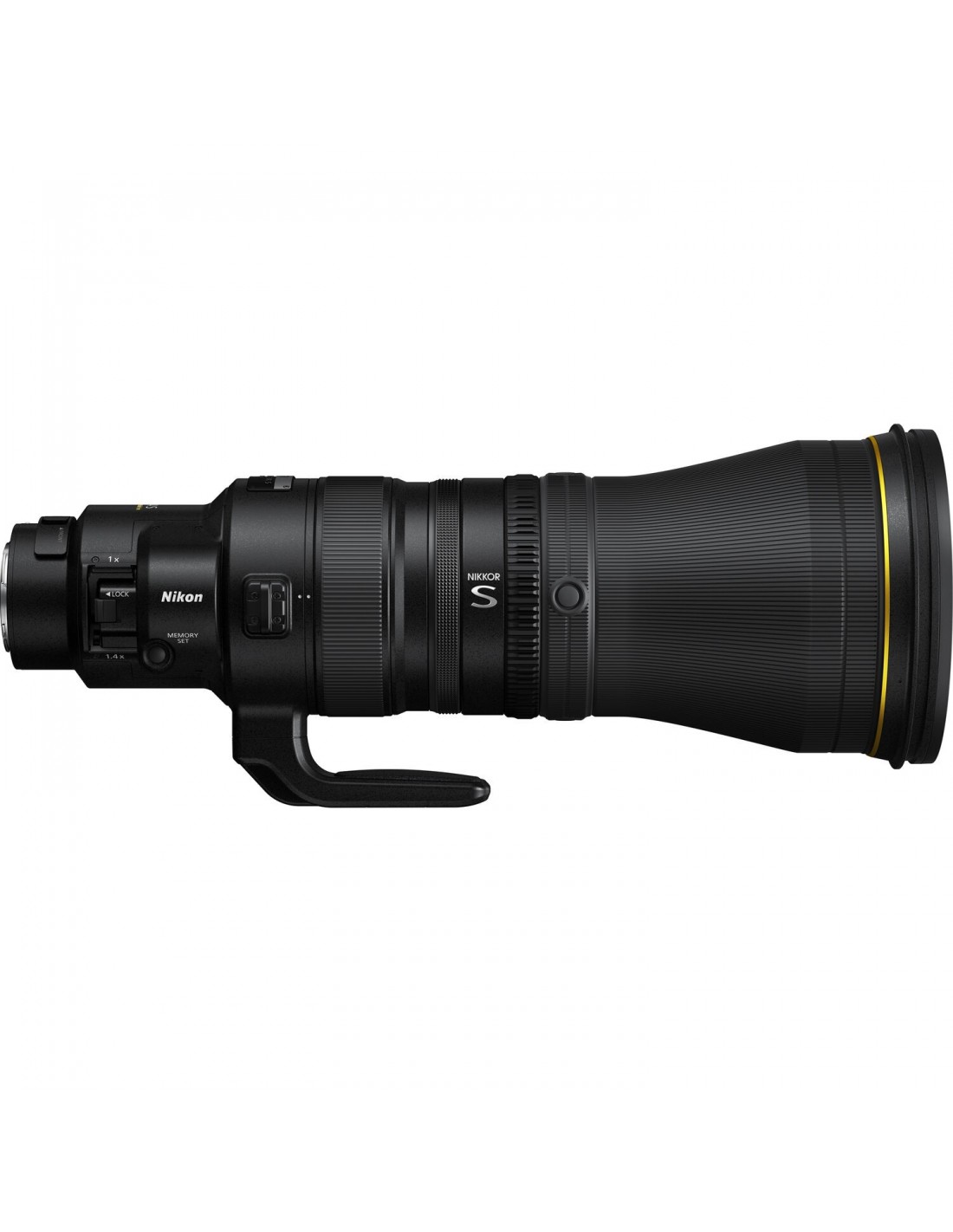
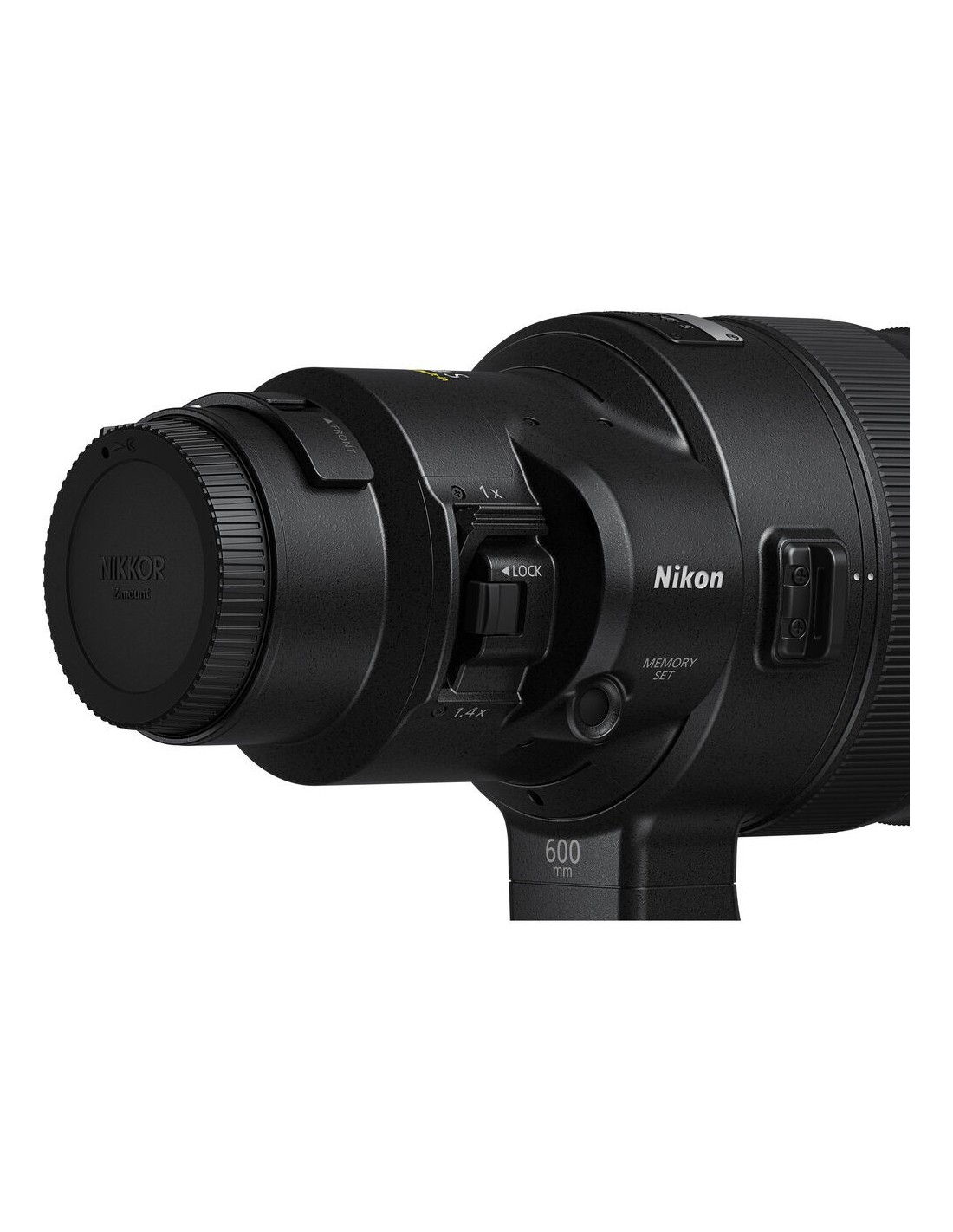
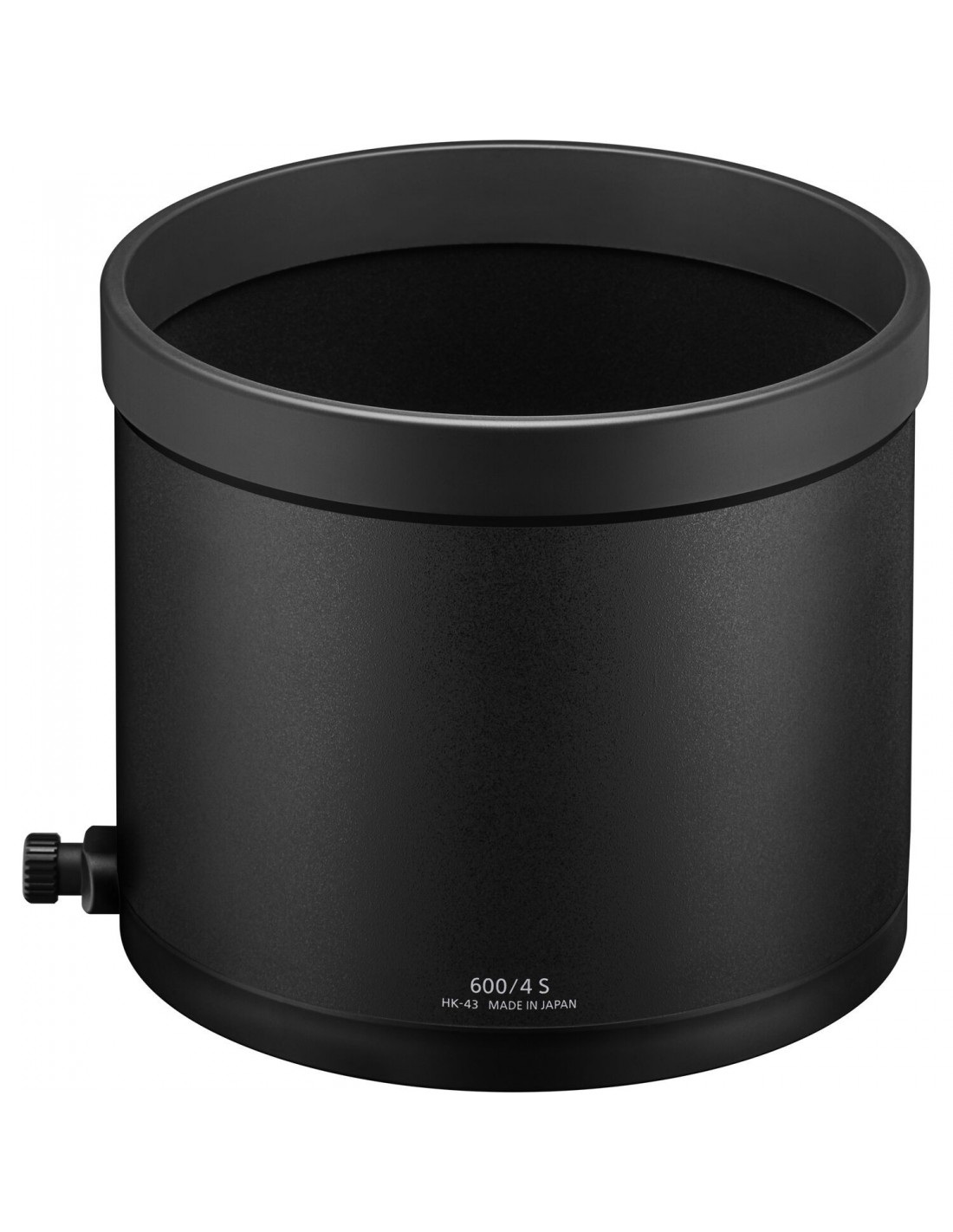
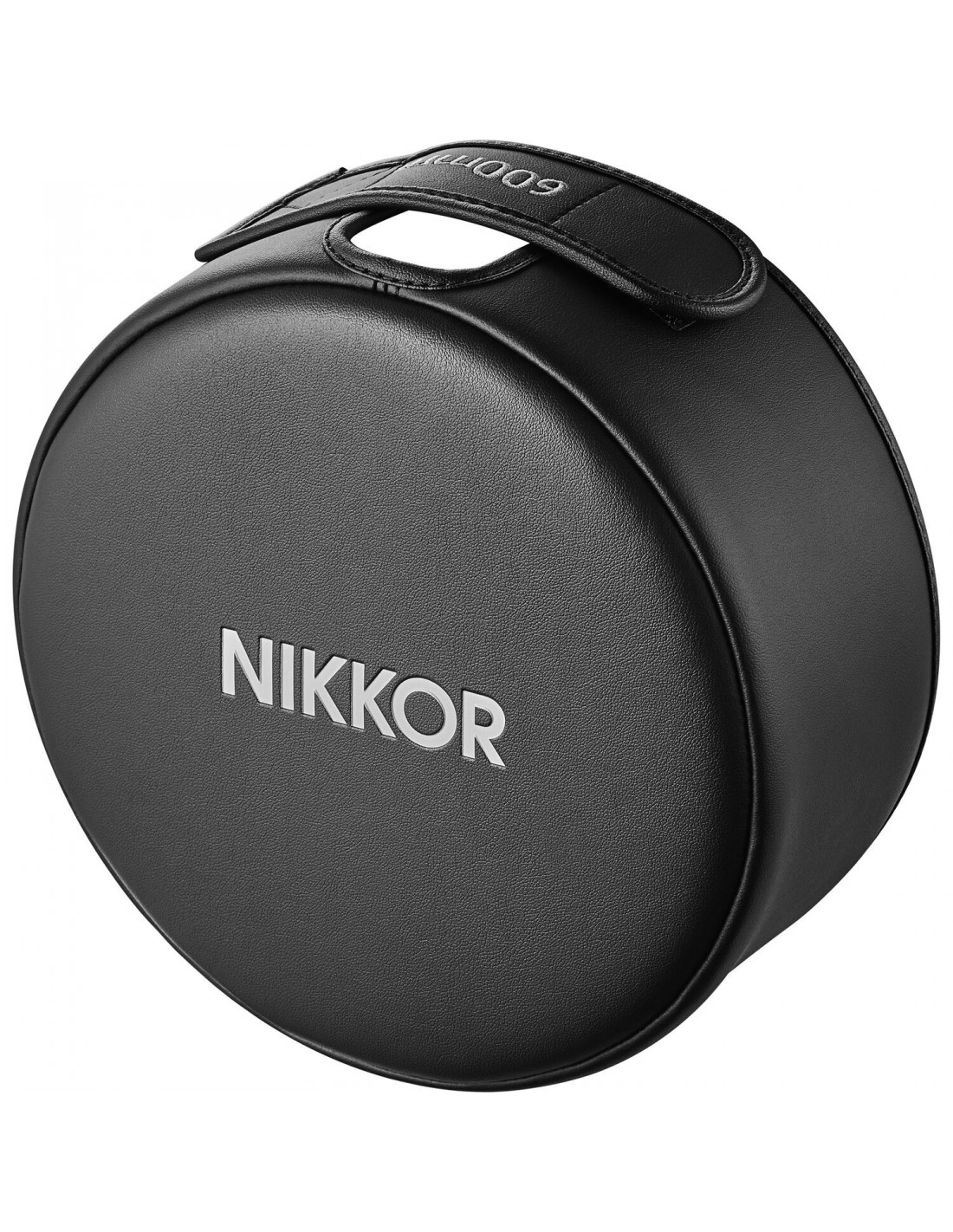

The Nikon Z 600mm f/4 TC VR S is a professional super-telephoto lens for wildlife, bird and sports photographers working at substantial distance, and we recommend it when reach, available light and response must remain together. At 600mm f/4 it helps retain shutter speed and strong subject separation, while the built-in 1.4x teleconverter changes the lens immediately to 840mm f/5.6 without a lens swap. Optical VR steadies composition and Silky Swift VCM autofocus supports fast-moving subjects across demanding outdoor assignments. Its 3,260g weight and very narrow field of view nevertheless demand planned support, transport and positioning. This is a focused choice for an experienced Nikon Z photographer who values professional performance more than the overall mobility of a lighter telephoto.
Combine compatible accessories and save. The more items you add, the bigger the discount.
memory card

warranty extension
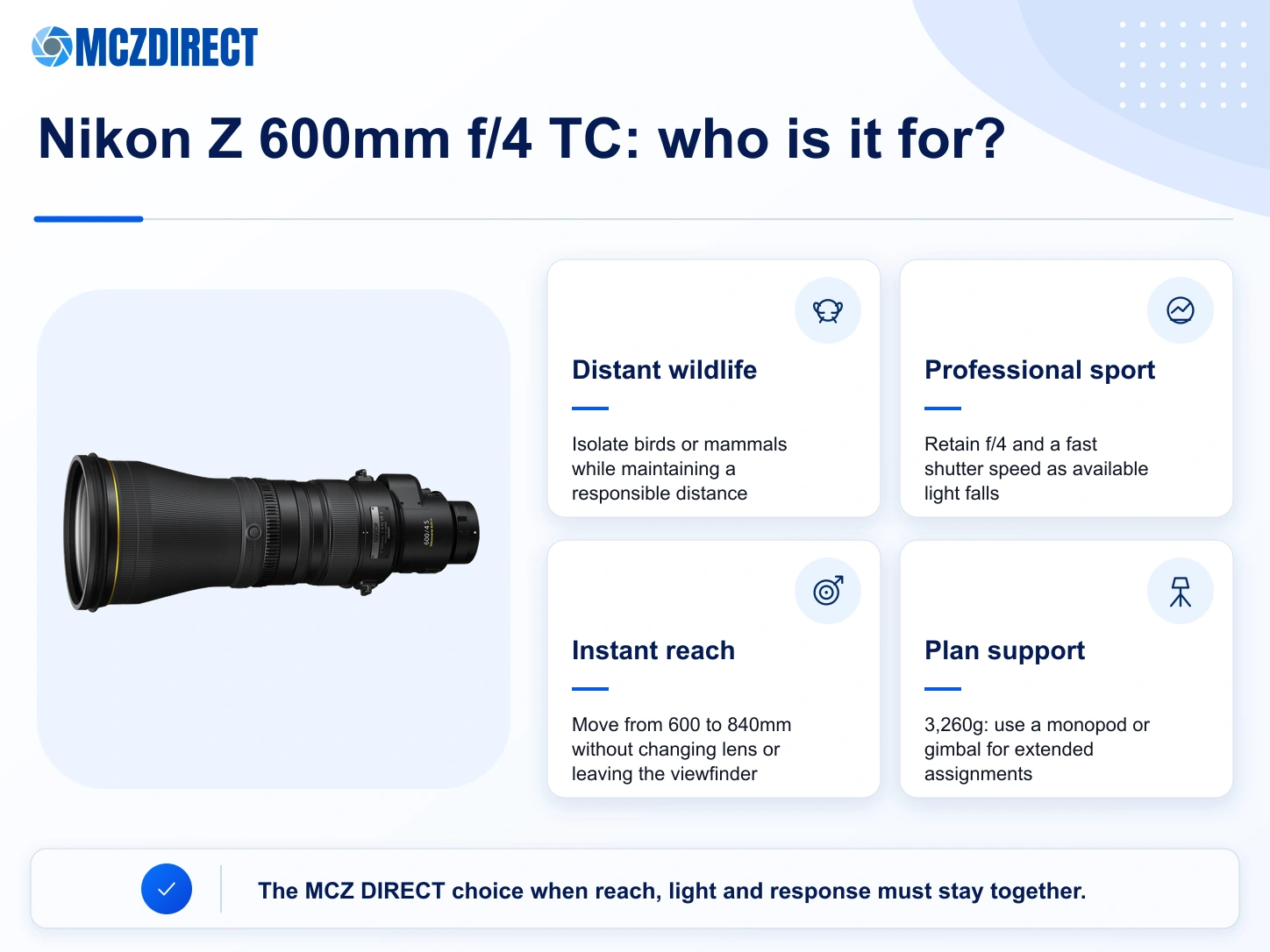
The NIKKOR Z 600mm f/4 TC VR S is built for subjects that remain distant, light that refuses to stay constant and moments that offer no repeat. From a hide, touchline or fixed position beside a circuit, this Nikon 600mm f4 lens fills the frame with a bird, cautious mammal or athlete across the venue. Its defining feature becomes useful when distance changes. One control engages the built-in 1.4x teleconverter and turns 600mm f/4 into 840mm f/5.6 without leaving the viewfinder or opening the camera mount. The Nikon Z 600mm TC is still a specialised tool. A 3,260g weight, 437mm body and tight field of view require transport, support and positioning to be planned before the assignment.
| Specification | Practical benefit | Plan for |
|---|---|---|
| 600mm f/4 | Long reach, usable shutter speed and softer backgrounds | The narrow field makes a sudden change of direction harder to follow |
| 840mm f/5.6 with TC | Forty per cent more reach without changing lens | One stop less light and an even tighter view |
| 5 to 5.5-stop VR | A steadier view and greater latitude with a relatively still subject | Stabilisation cannot freeze wings, running athletes or vehicles |
| 4.3m and 0.14x | A working distance suited to distant action and wildlife | A close subject may enter minimum focus or simply overfill the frame |
| 3,260g and 437mm | Professional balance around the integrated tripod collar | Monopod, gimbal and an appropriately sized case matter over time |
| Assignment | What it contributes | Useful reservation |
|---|---|---|
| Birds in flight | Fill more of the frame while retaining f/4 for a fast shutter speed | A suitable AF area and confident initial acquisition remain essential |
| Cautious mammals | Maintain responsible distance and engage 840mm when the subject stays small | Heat haze may reduce detail before the lens reaches its limit |
| Football, rugby and athletics | Cover action across the venue from a fixed position | A shorter second camera remains useful when play comes close |
| Motorsport | Retain f/4 on a remote part of the circuit and follow a vehicle | Panning still depends on VR mode and the selected shutter speed |
| Unpredictable distance | The built-in TC provides two views without removing the lens | A 180-600mm zoom remains more flexible across a large working area |
The built-in teleconverter is more than a headline specification. In wildlife work, it tightens composition when a bird lands farther away than expected. Beside a sports venue, it reaches action that moves towards the opposite end. Engaging 1.4x increases focal length by 40 per cent, while the maximum aperture changes to f/5.6. Shutter speed and sensitivity therefore need attention as light falls. The control avoids fitting an external accessory at the wrong moment, interrupting tracking or exposing the mount in dust and moisture.
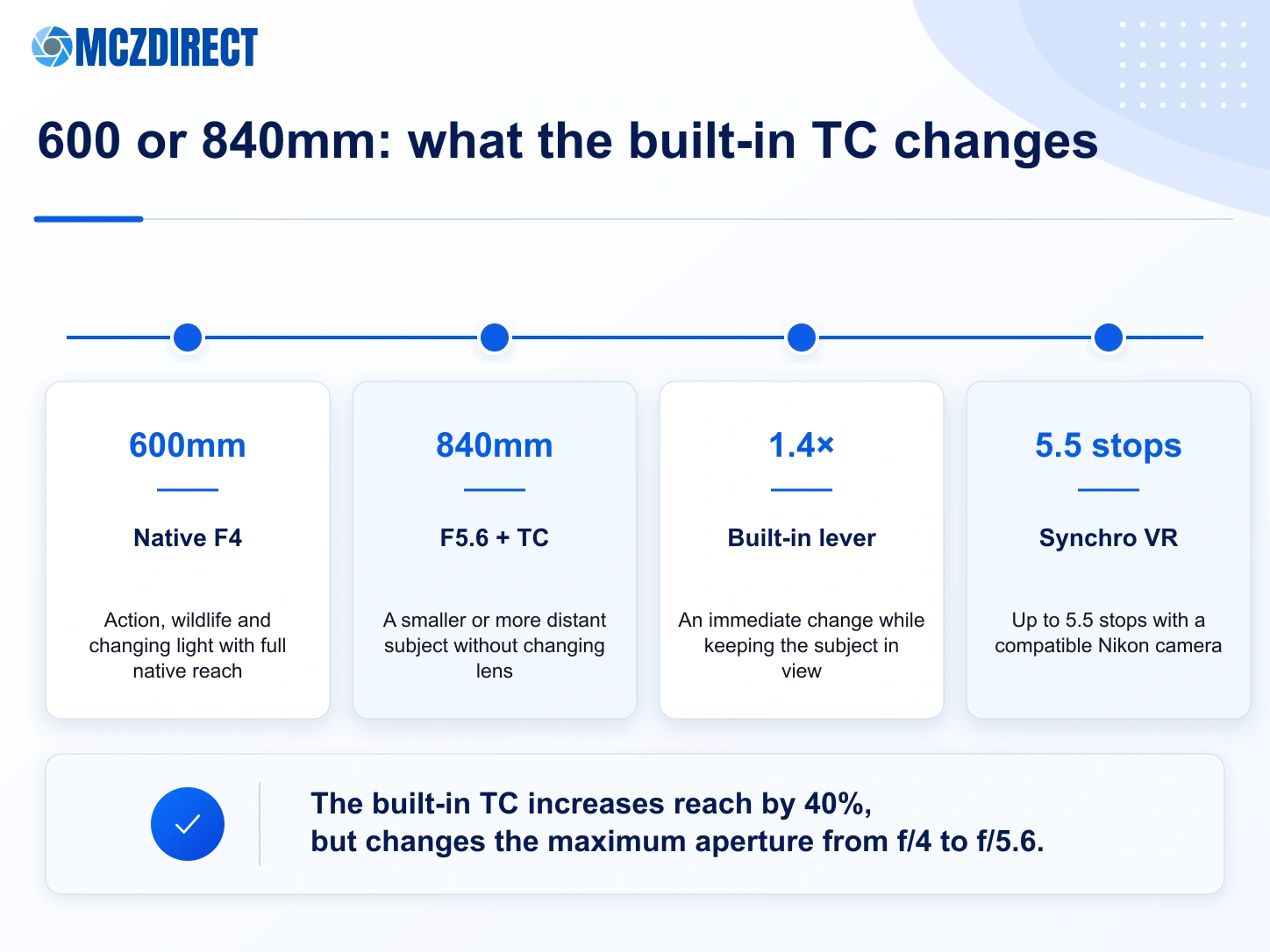
Silky Swift VCM drives substantial focusing elements with feedback from an optical ABS encoder. Real performance also depends on the camera, detection mode, AF area, contrast and subject path. VR addresses a different issue. It reduces movement introduced by the photographer and makes the view easier to hold. Nikon rates the lens at 5 stops, or up to 5.5 stops through Synchro VR on a compatible camera. With a bird in flight or athlete, stabilisation never replaces a shutter speed suited to the subject.
An experienced long-lens photographer can work handheld for a brief sequence, particularly when a bird changes direction too quickly for fixed support. Across a full assignment, 3,260g calls for another approach. A monopod removes much of the load while retaining rapid rotation beside a pitch. In a hide, a gimbal head on a tripod balances the system and supports consistent tracking. Support is not only about camera shake; it protects precision and concentration after several hours. The case, vehicle and route to the shooting position must also accommodate a 437mm lens.
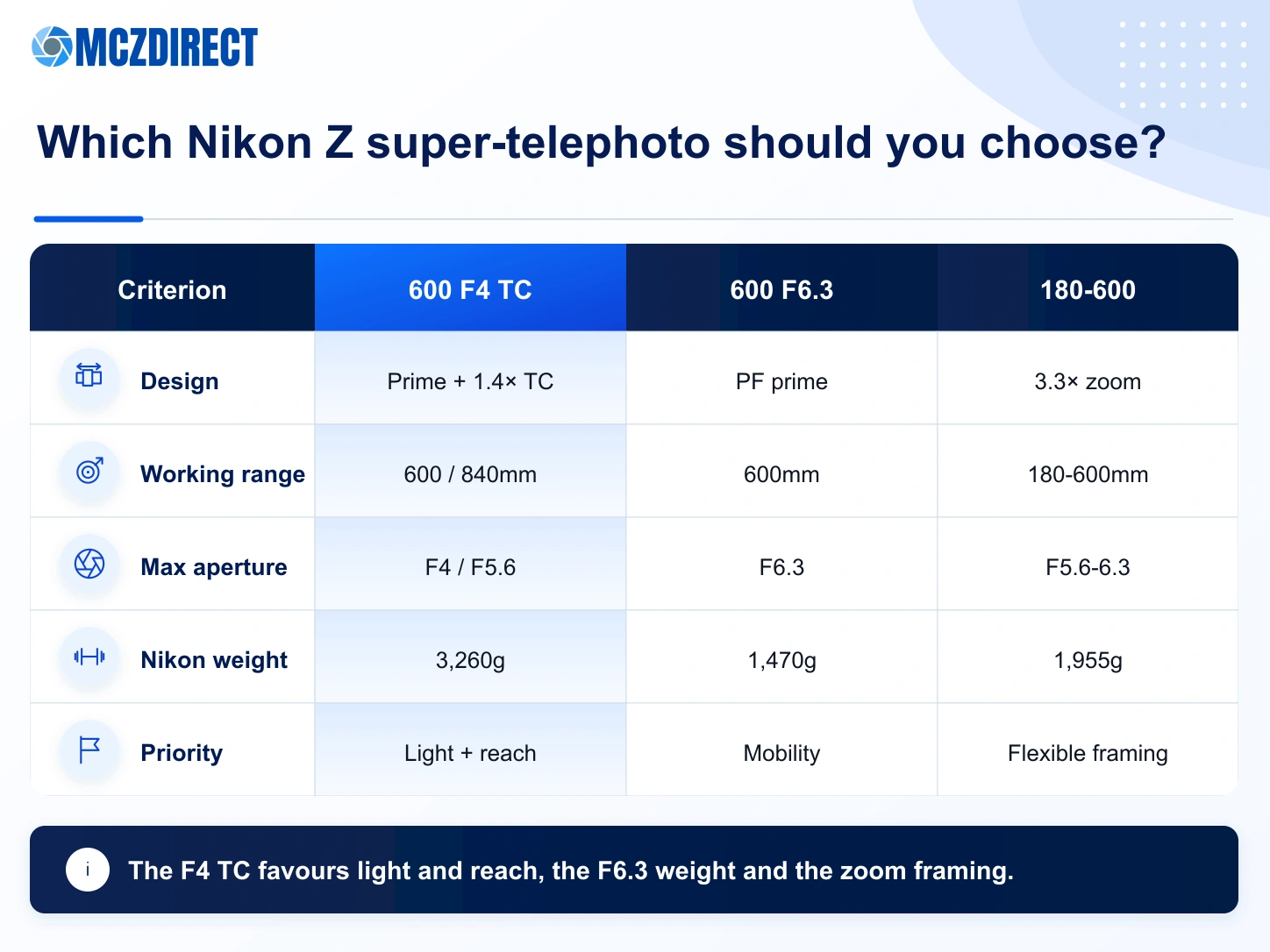
| Lens | Choose it when | Main compromise |
|---|---|---|
| NIKKOR Z 600mm f/4 TC VR S | Light, native reach and immediate access to 840mm are the priorities | 3,260g, fixed framing and a highly specialised investment |
| NIKKOR Z 600mm f/6.3 VR S | You want 600mm in a substantially lighter and more mobile system | F6.3 aperture and no built-in teleconverter |
| NIKKOR Z 180-600mm f/5.6-6.3 VR | Finding the subject and changing composition matter more than f/4 | Less light and weaker separation at 600mm |
| NIKKOR Z 800mm f/6.3 VR S | The work genuinely needs native 800mm in a lighter package | A tighter field and two-thirds stop less light than 840mm f/5.6 |
The Nikon Z9 is the natural professional sports and wildlife partner, combining integrated vertical ergonomics, tracking and endurance. The Nikon Z6 III creates a more compact system, although physical balance and assignment battery needs still require planning. The NIKKOR Z 400mm f/4.5 VR S takes another direction when mobility and a wider field matter more than native 600mm reach. The Nikon Z lens category brings the currently active focal lengths together without asking several pages to compete for the same search intent.
At MCZ DIRECT, we see the NIKKOR Z 600mm f/4 TC VR S as the choice for a wildlife, bird or sports photographer who already understands working distance, rather than someone buying a first versatile telephoto. Its value lies in a rare combination: 600mm at f/4 when light and speed matter, followed by 840mm f/5.6 without breaking concentration.
Against the 600mm f/6.3, we recommend it when f/4 and the built-in TC genuinely justify the added load. Against the 180-600mm, we choose it for available light and separation, not easy framing. Its limitation is straightforward: 3,260g, a tight field and 4.3m minimum focus demand practice, support and planned positions. If distance changes constantly or every kilometre is walked, the lighter lens will often be the more rational tool.

It serves wildlife, bird, sports and press photographers who regularly work at substantial distance and require an f/4 aperture.
The 1.4x teleconverter turns 600mm f/4 immediately into 840mm f/5.6. Reach increases by 40 per cent and maximum aperture loses one stop.
Yes. Its reach and autofocus suit distant birds, although the tight field requires confident initial acquisition and an appropriate AF area.
Yes, especially for distant action from a fixed position. A second camera with a shorter lens remains useful when subjects come closer.
Yes for brief sequences with experience. For extended assignments, its 3,260g weight makes a monopod or tripod the more rational solution.
Nikon lists approximately 3,260g. The lens is about 437mm long and 165mm in diameter.
Minimum focus is 4.3m. Maximum reproduction is 0.14x at 600mm and 0.20x with the built-in teleconverter engaged.
It steadies the view and reduces photographer movement with a compatible camera. It cannot freeze subject movement, which still needs a suitable shutter speed.
The f/4 TC favours light, separation and immediate 840mm reach. The f/6.3 is substantially lighter and easier to carry.
The 600 f/4 TC prioritises light and rendering. The 180-600mm makes subject acquisition and framing easier when distance changes.
The 600 f/4 offers a wider view and can reach 840mm f/5.6. The 800 f/6.3 is much lighter and provides native 800mm reach.
Nikon uses seals against dust and moisture plus a fluorine front coating, but states that dust- and drip-resistant performance is not guaranteed in every situation.
Generated by AI from customer reviews.
