Shopping Cart
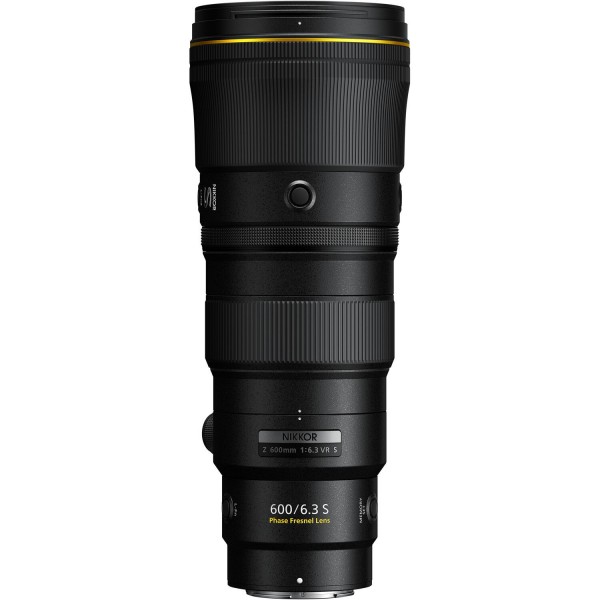
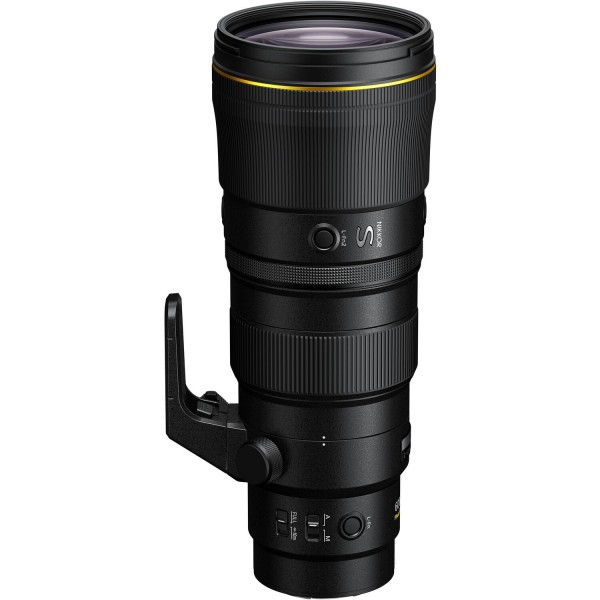
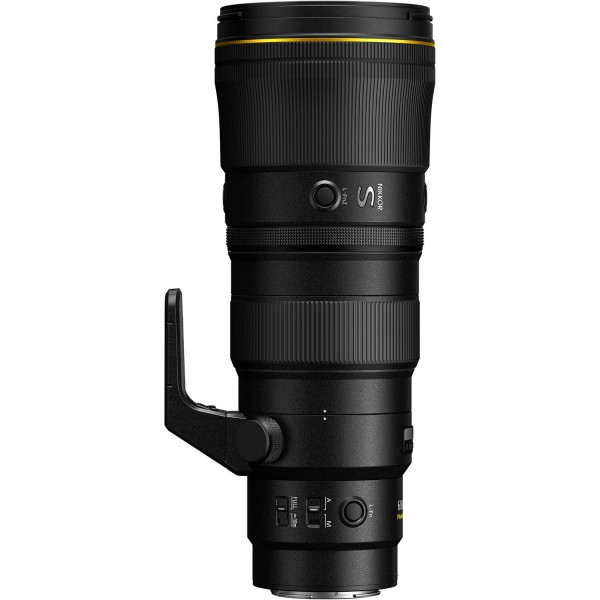
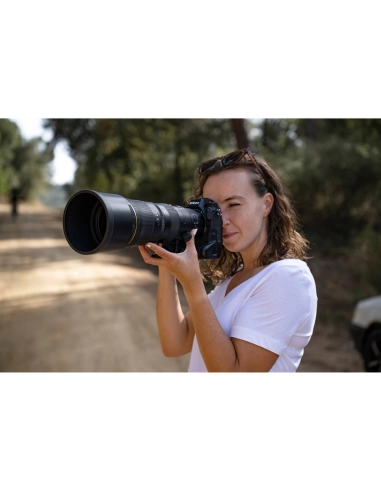
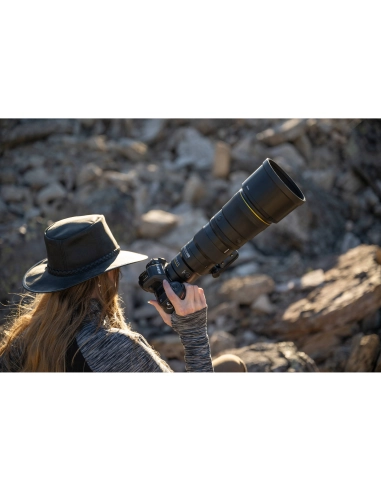
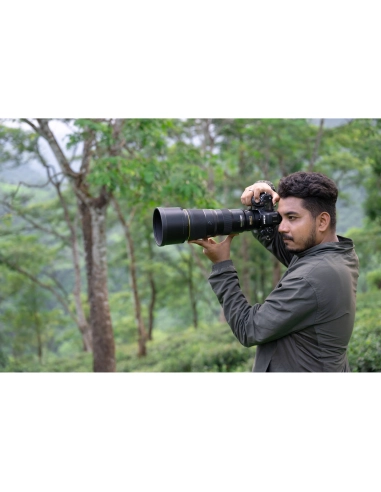
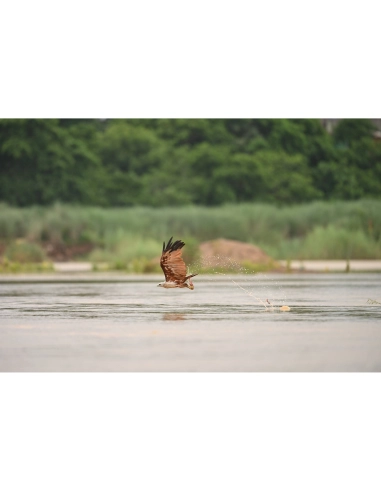
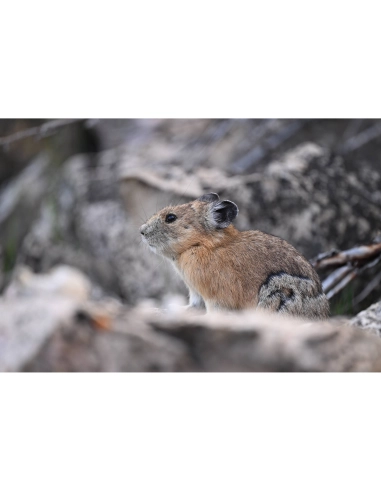
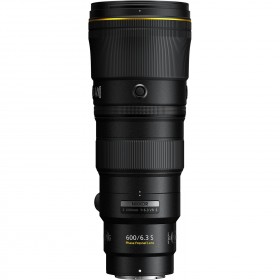
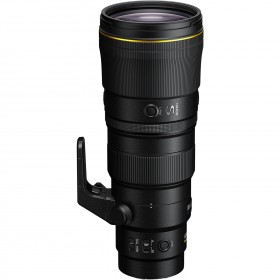
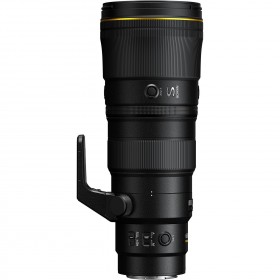
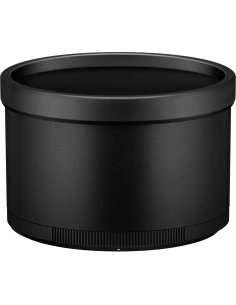
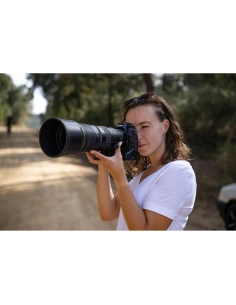
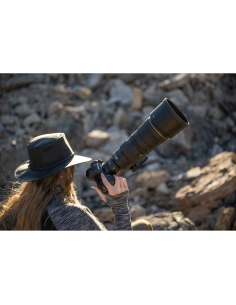
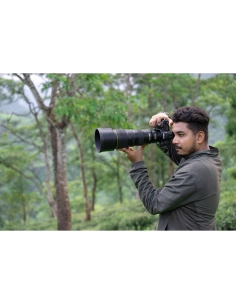
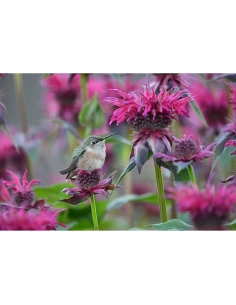
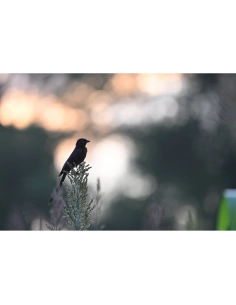
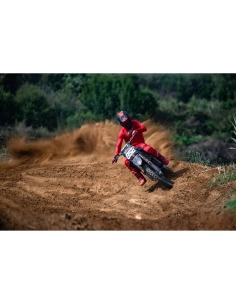
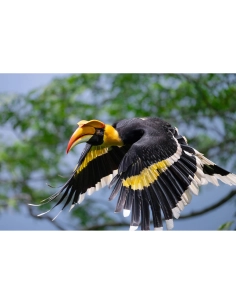
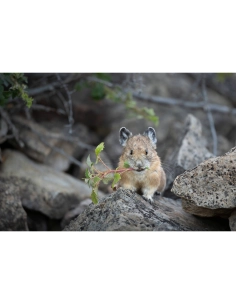
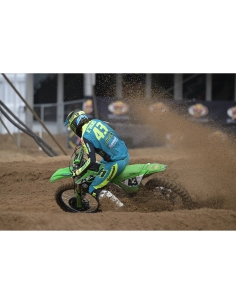
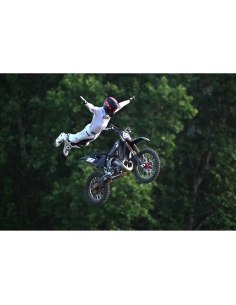
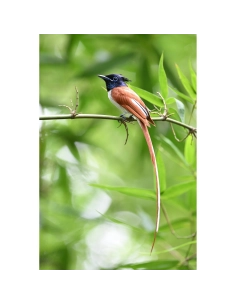
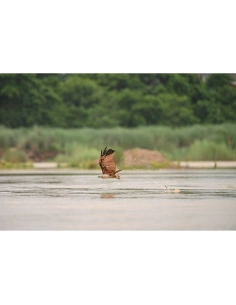
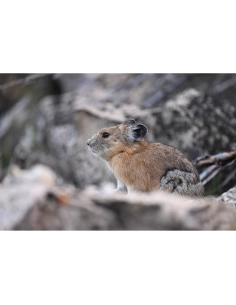
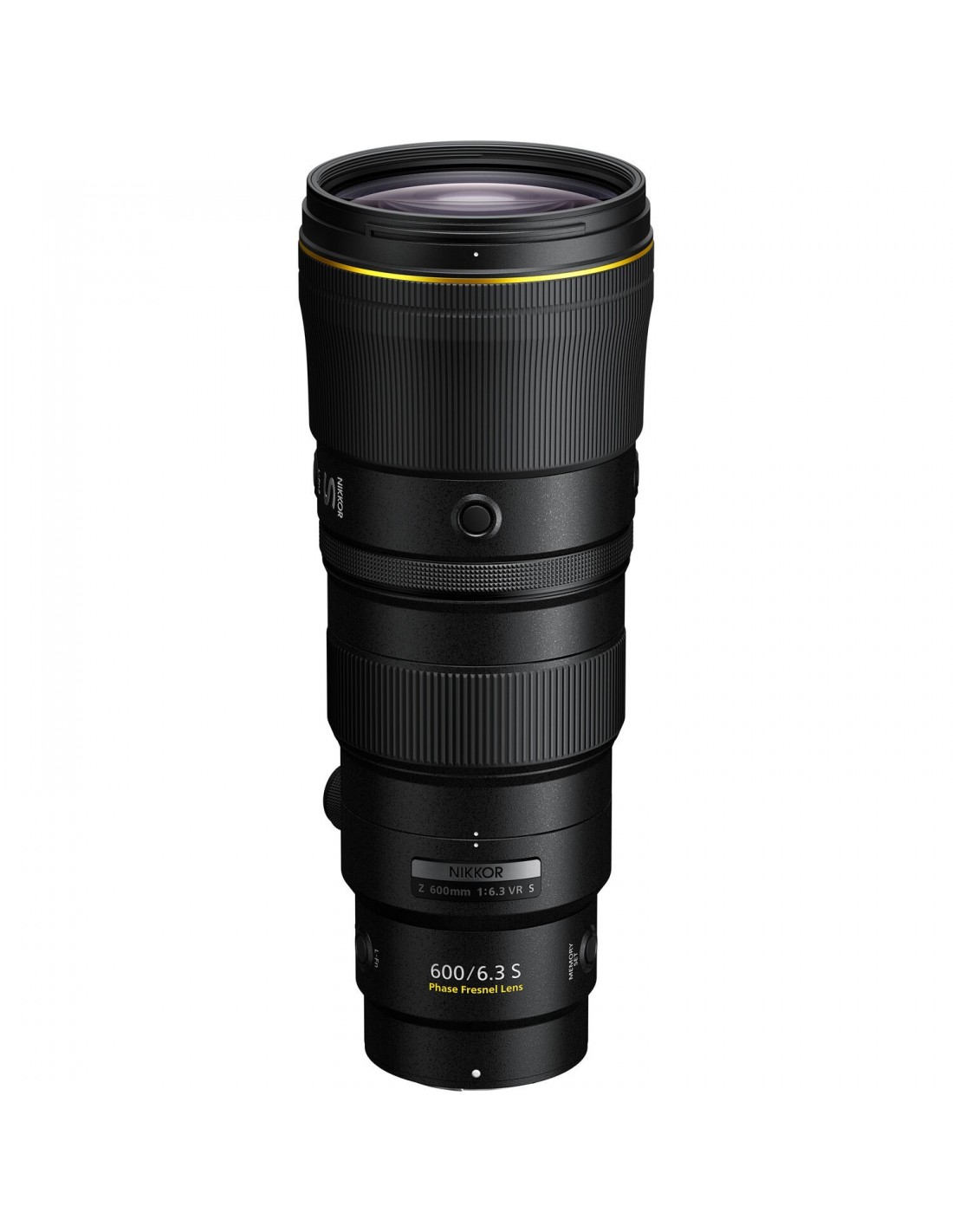
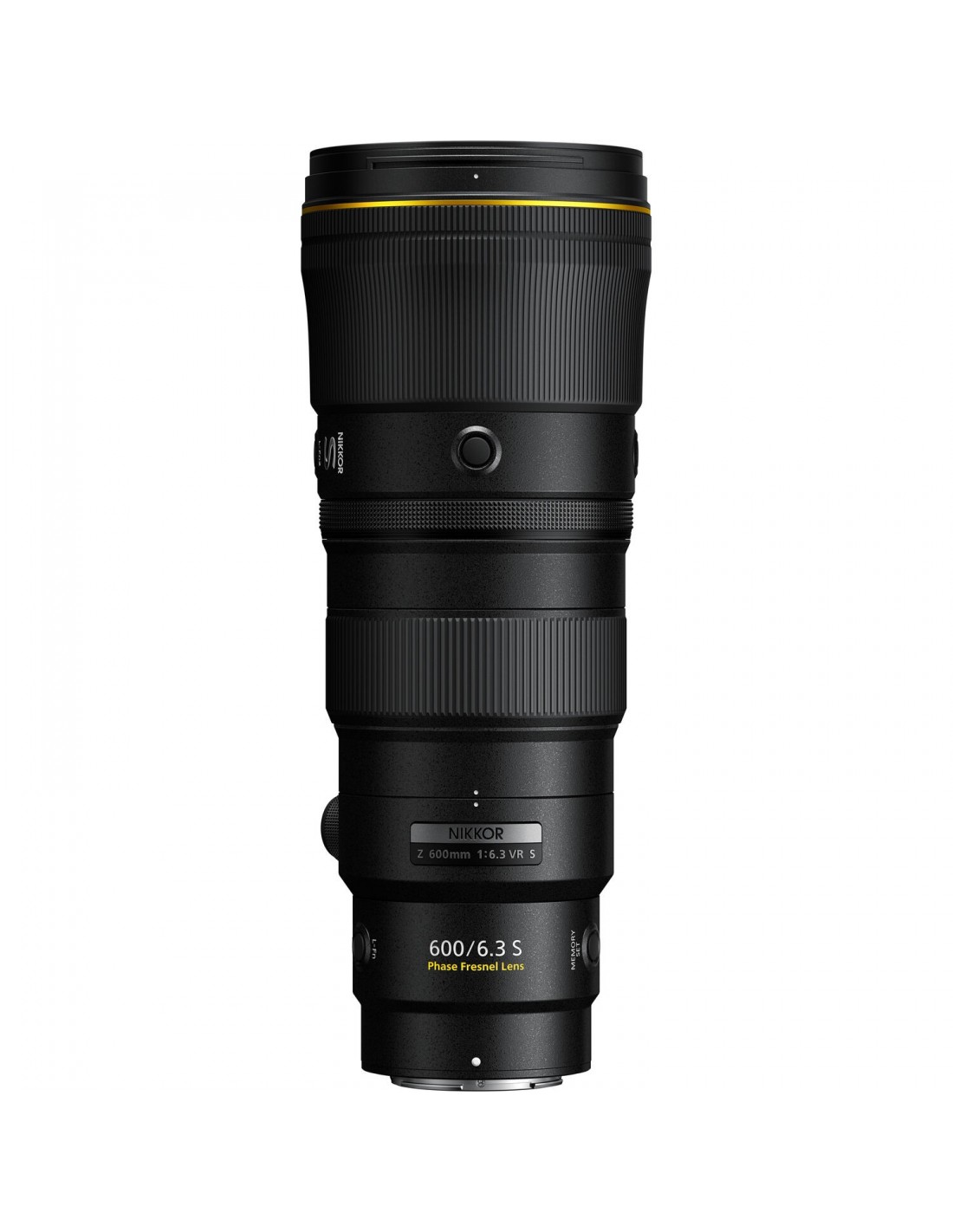
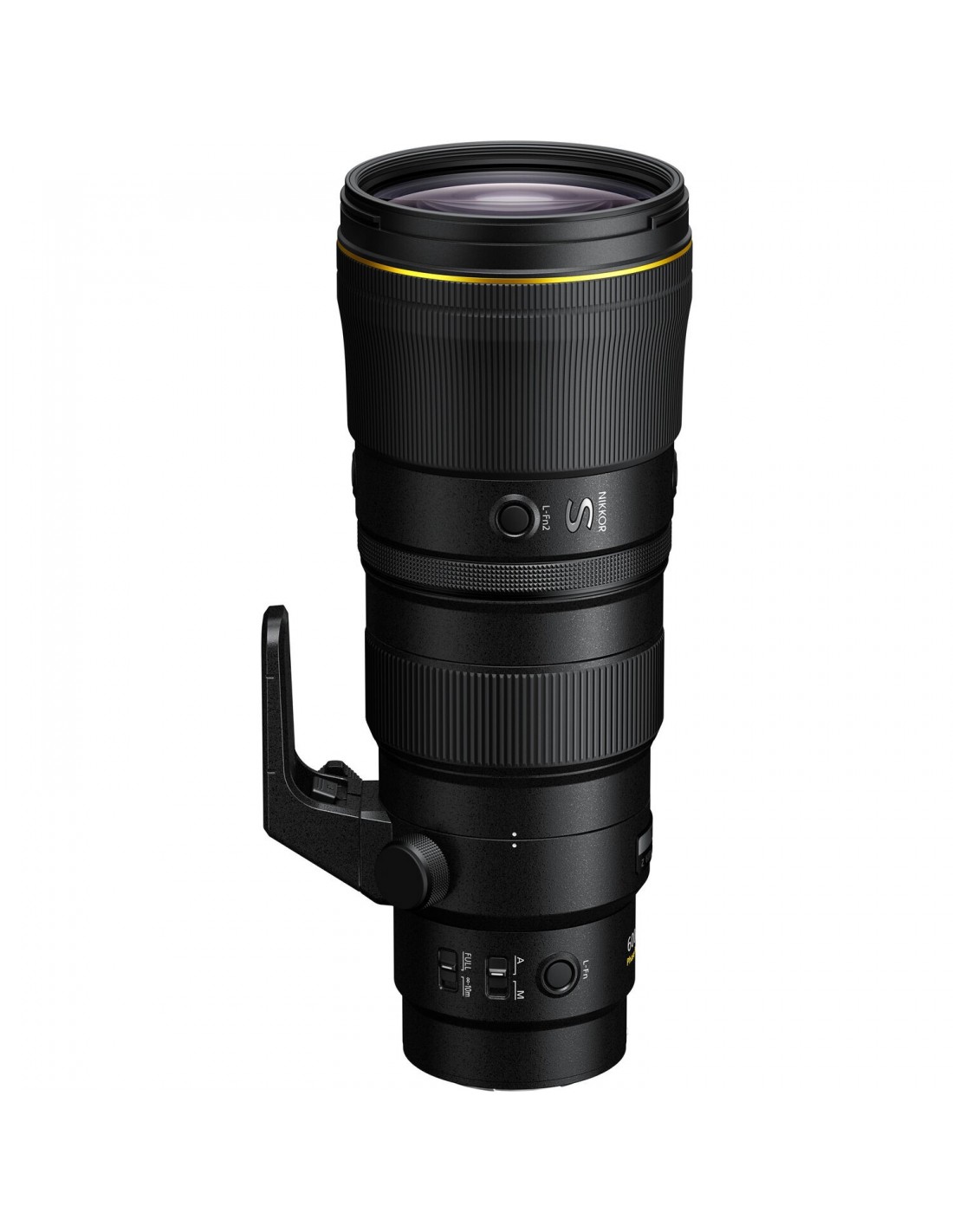

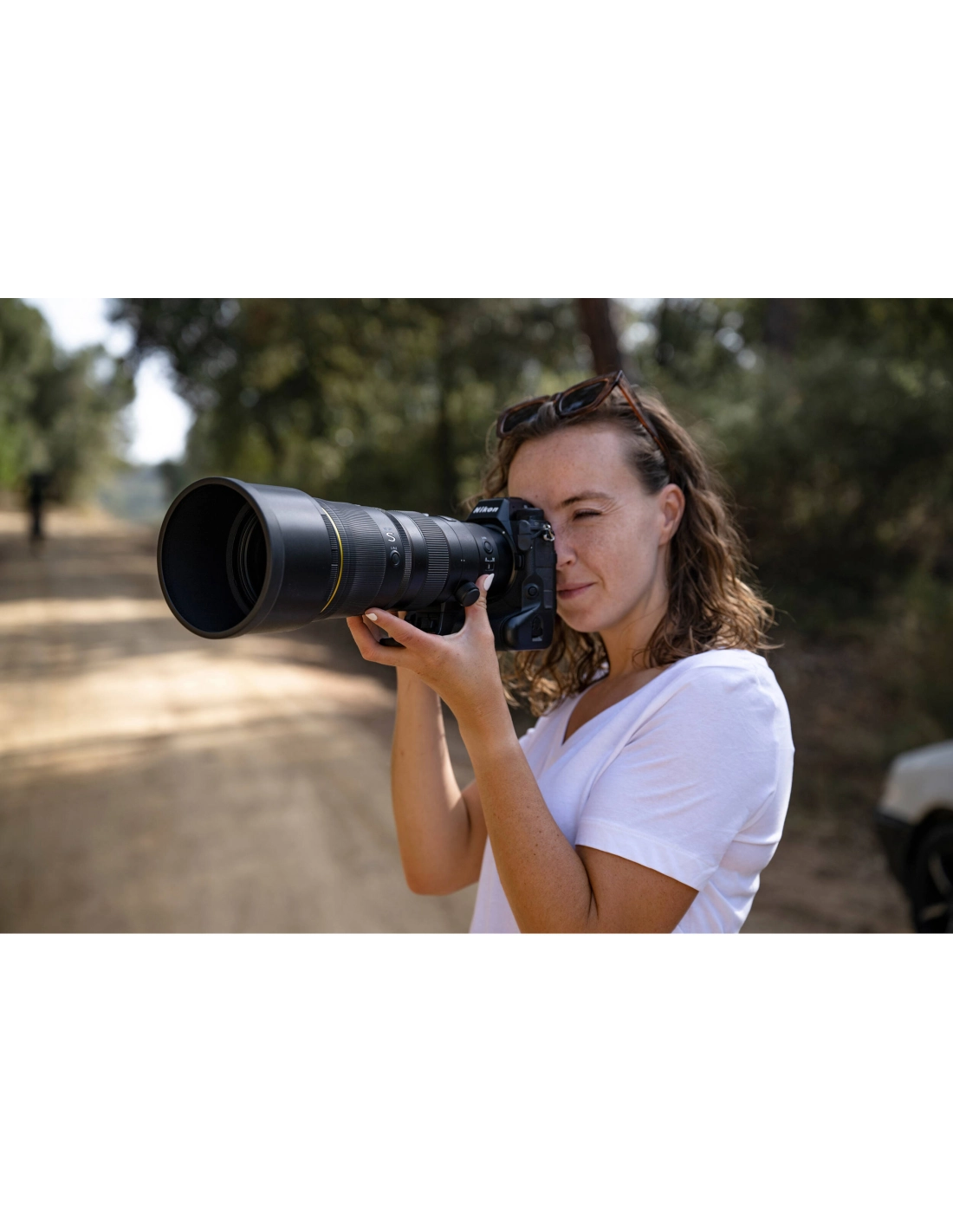
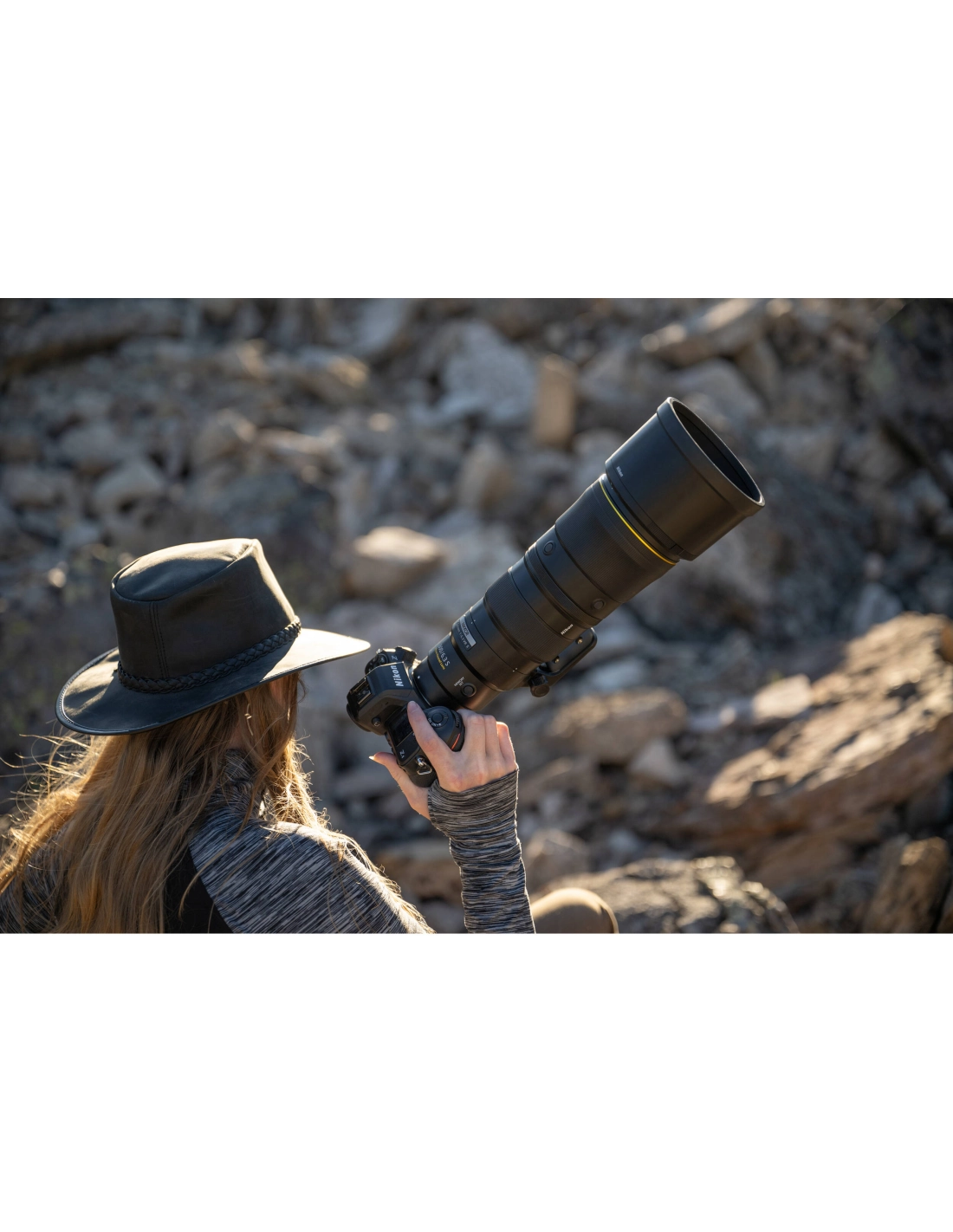
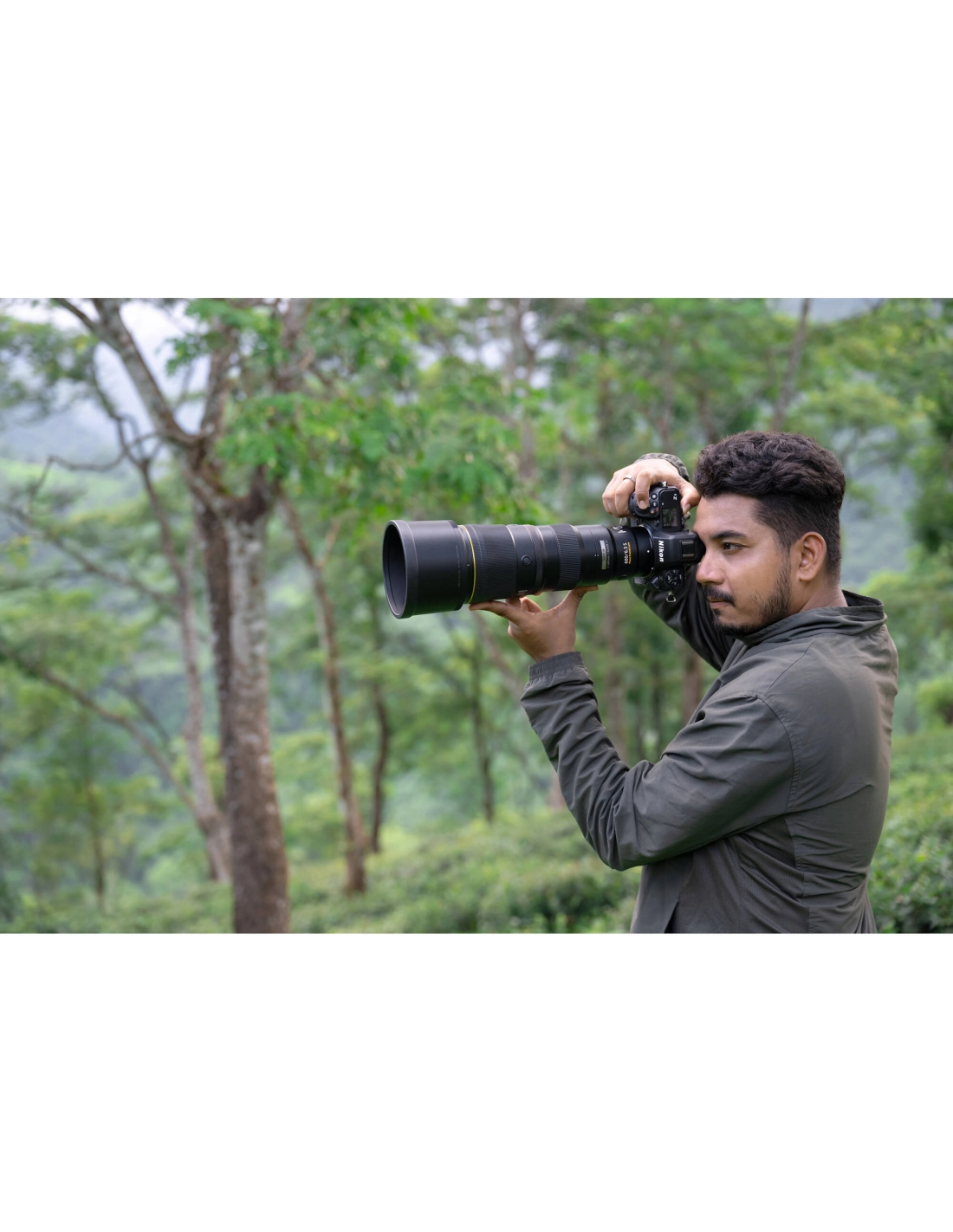
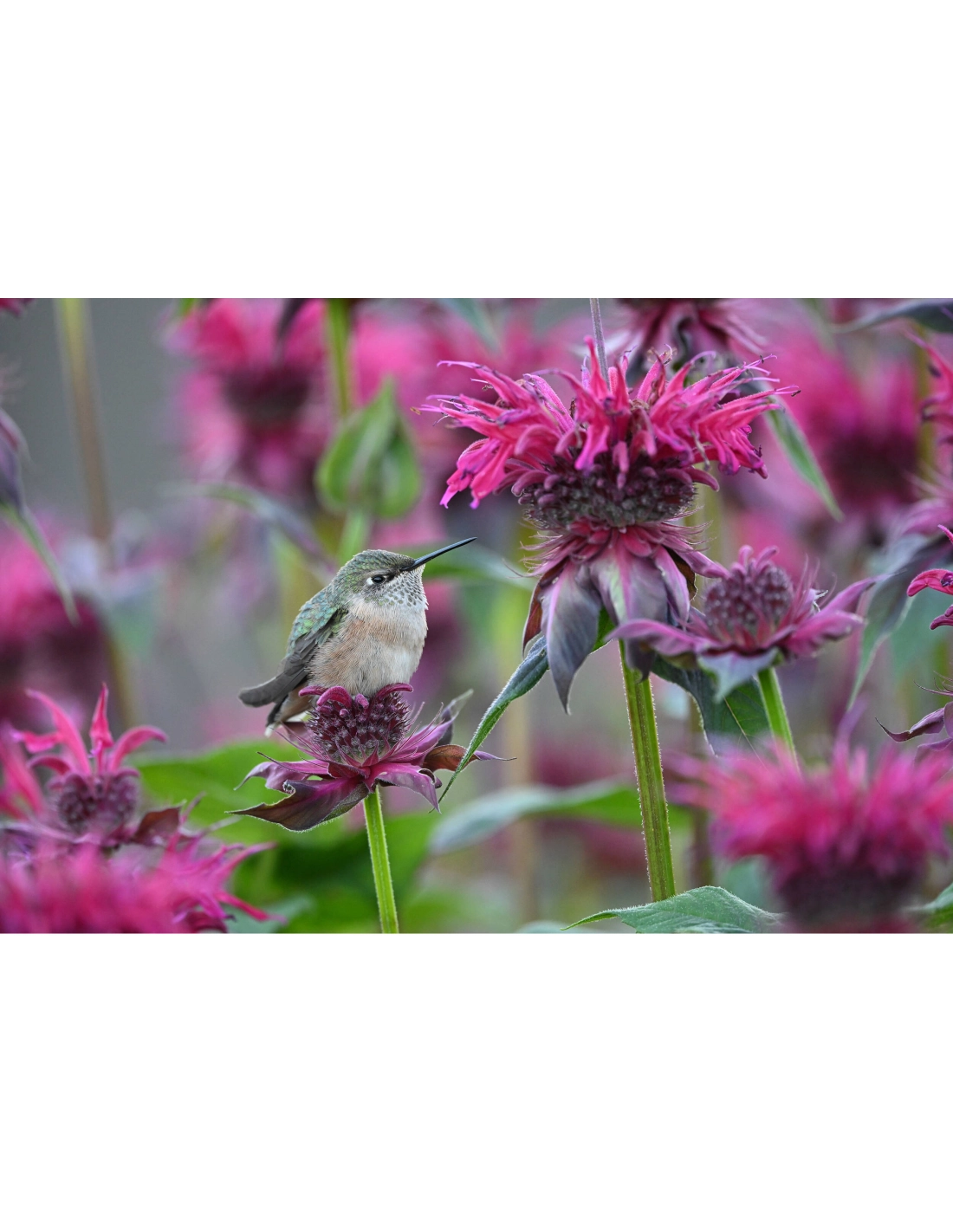
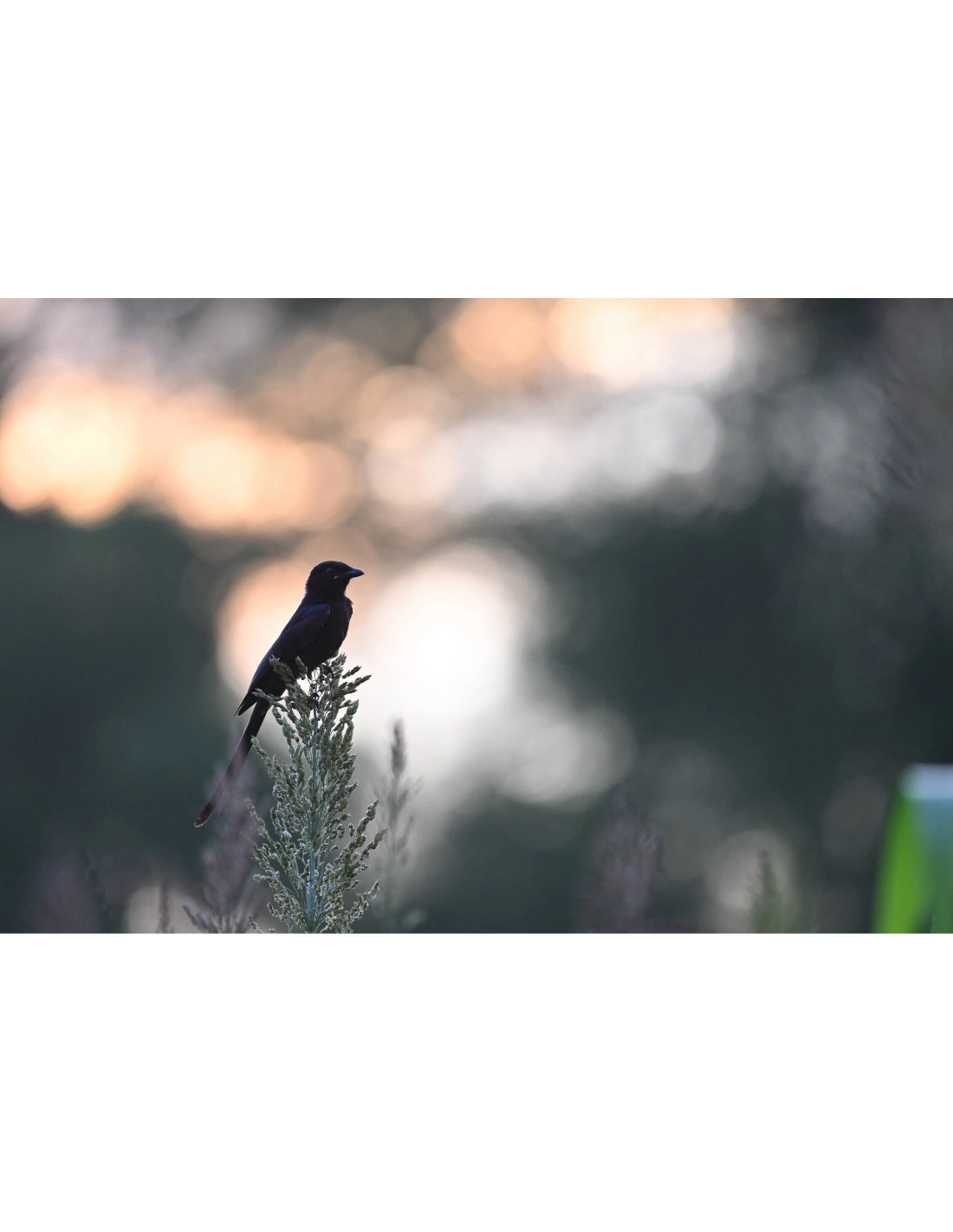
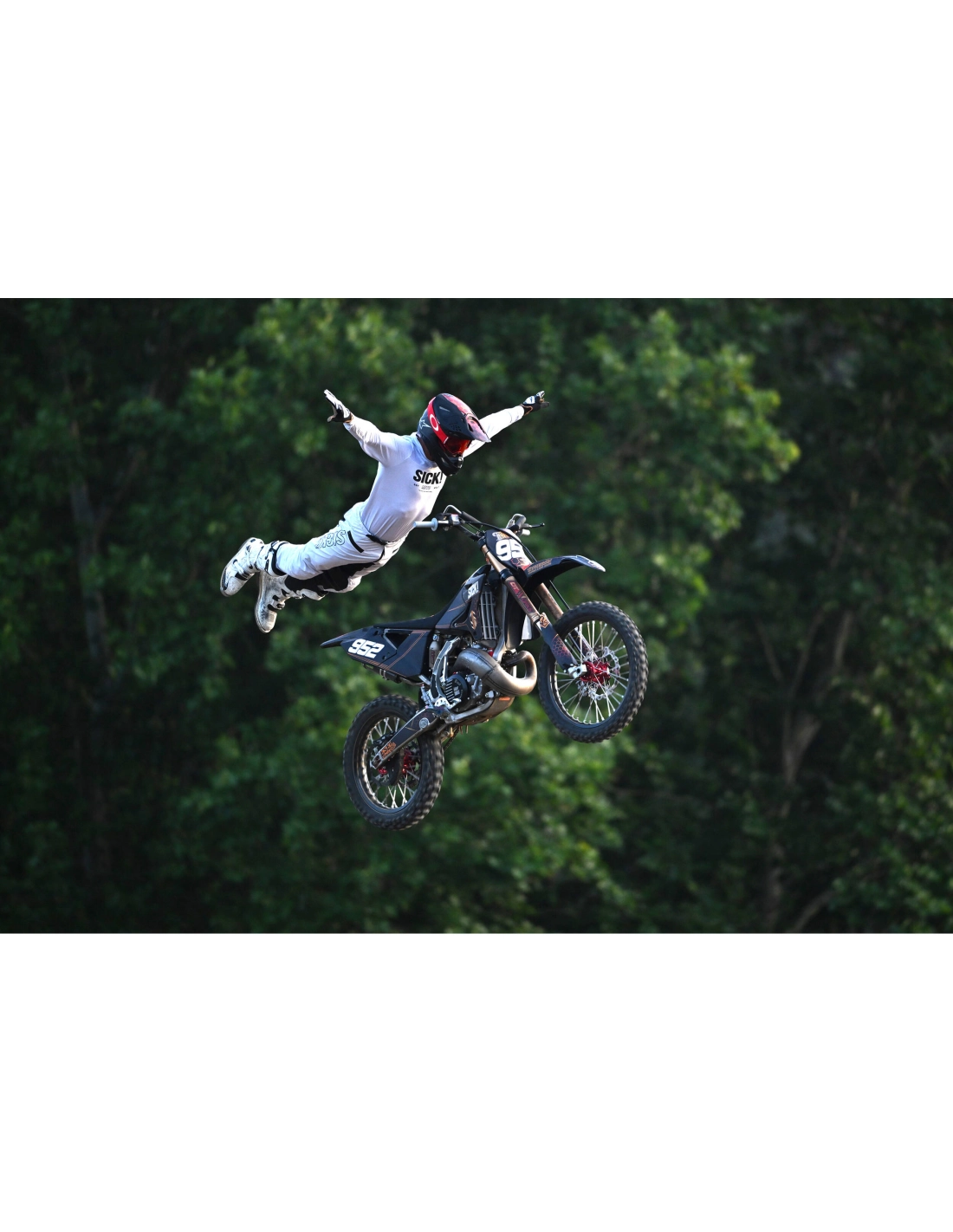
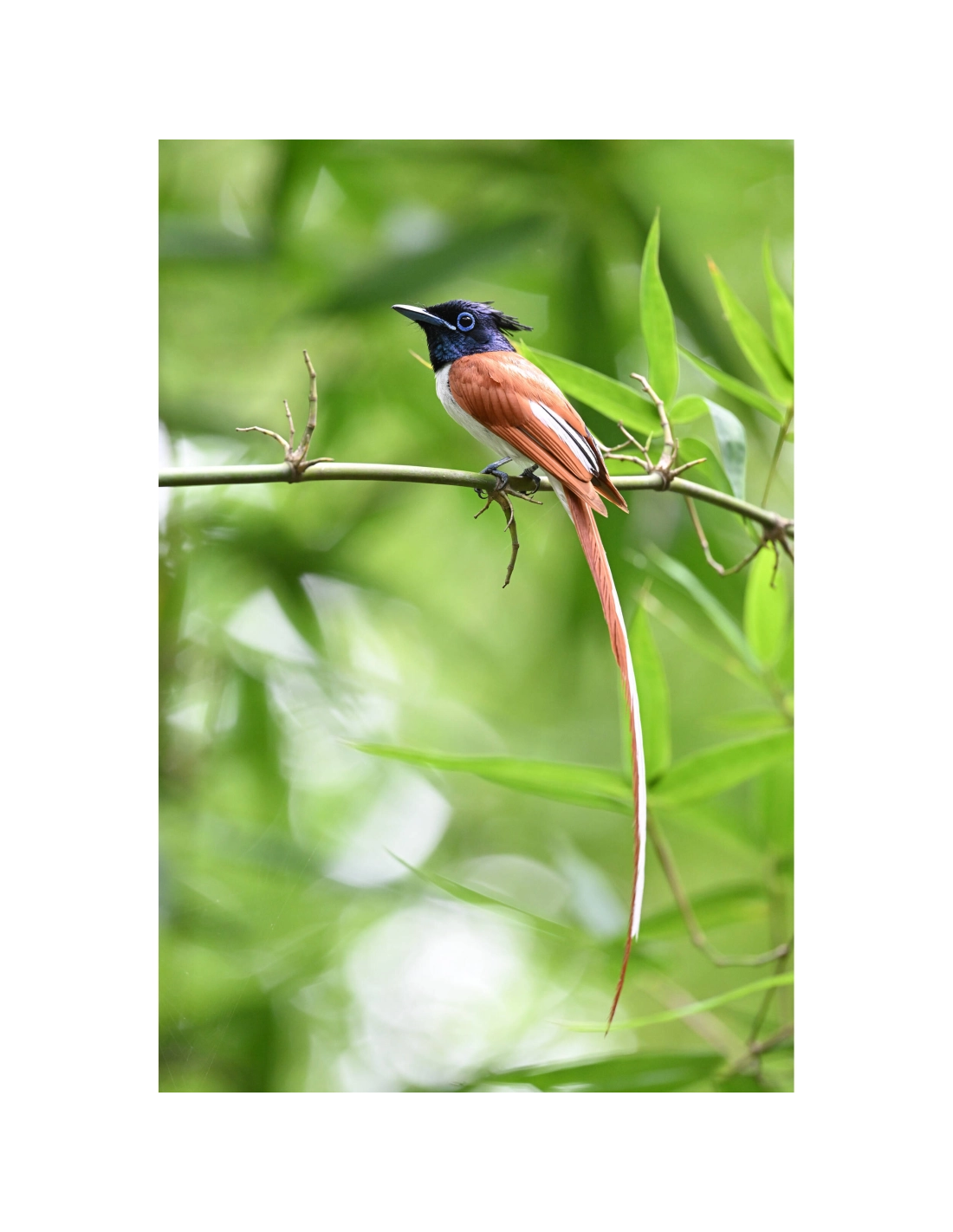
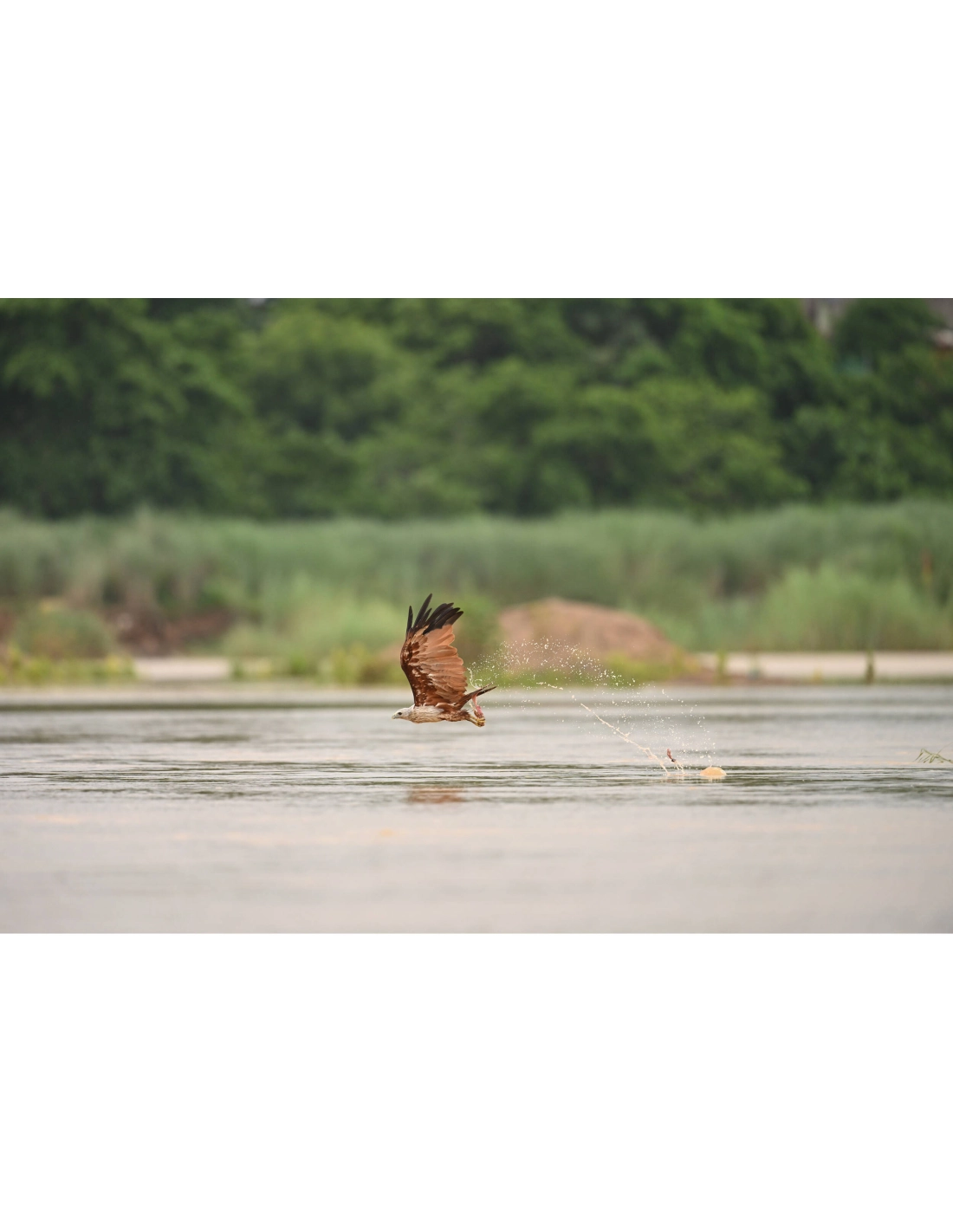
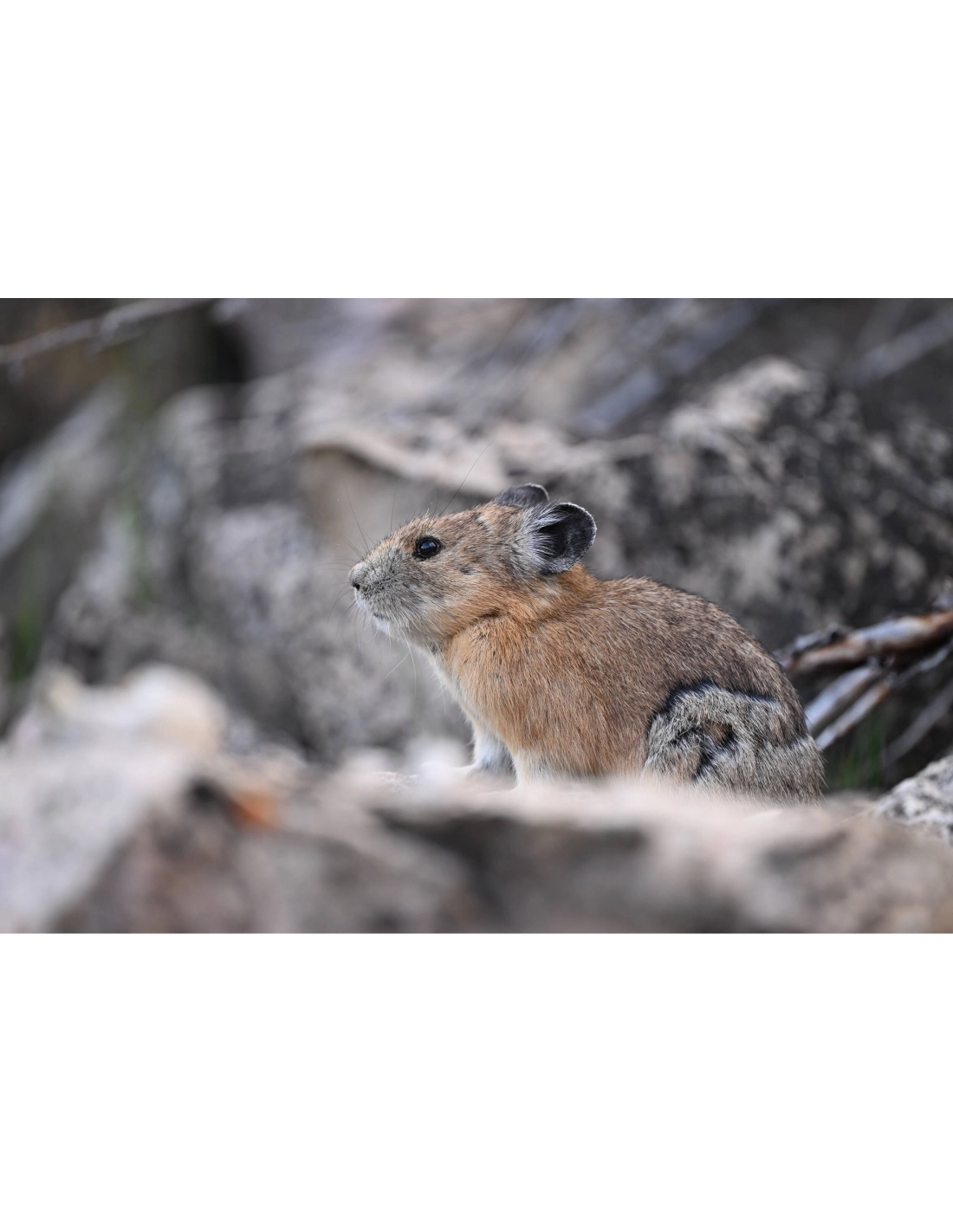
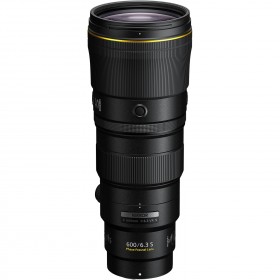

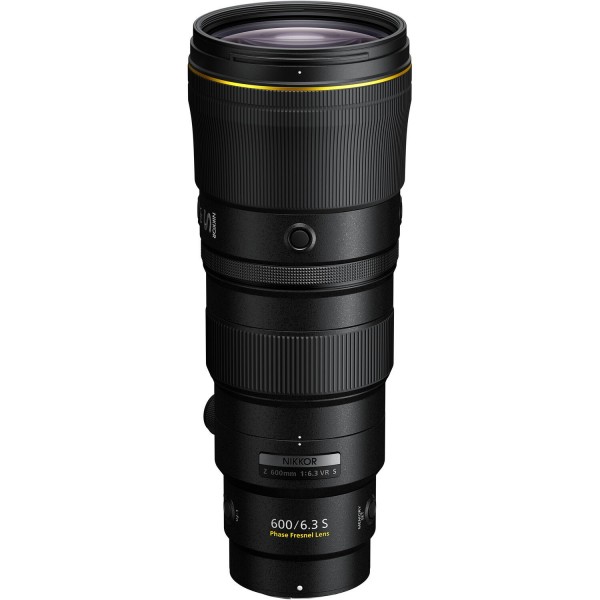
The NIKKOR Z 600mm f/6.3 VR S is a full-frame super-telephoto lens for bird, wildlife and aviation photographers who need native 600mm reach without carrying a lens weighing more than 3kg, and we recommend it when mobility matters more than a very fast aperture. Its approximate 1,470g weight with tripod collar makes handheld tracking realistic, while optical VR steadies the view and helps with relatively still subjects. A Phase Fresnel element keeps the barrel compact, and Nikon Z teleconverter support extends reach further. The f/6.3 aperture does require useful daylight or a higher ISO. It remains manageable during a long walk or changing hide. It is a coherent choice for photographers who move quickly and regularly work at long distance.
Combine compatible accessories and save. The more items you add, the bigger the discount.
memory card

warranty extension
The NIKKOR Z 600mm f/6.3 VR S addresses a familiar wildlife problem: the subject is too small at 400mm, yet the photographer still needs to walk, change hides or follow a bird in flight. At approximately 1,470g with its collar and 278mm long, it is far easier to transport than a 600mm f/4.
That mobility involves a clear compromise. The f/6.3 aperture works well in daylight but provides less latitude at dawn, dusk or beneath dense woodland. VR steadies framing and corrects the photographer’s movement; it does not replace a fast shutter speed when the animal itself is moving.
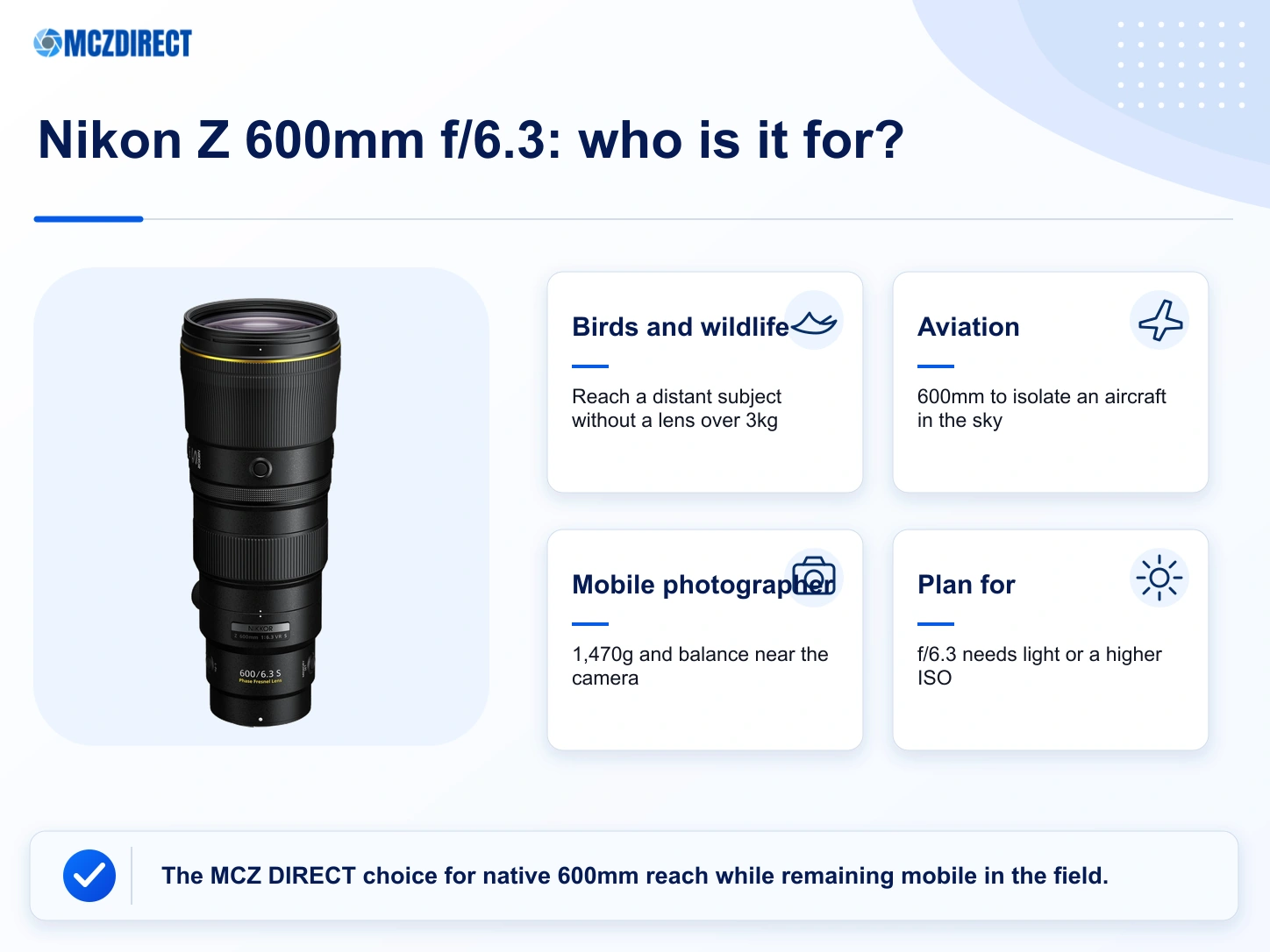
At 600mm, a distant subject fills the frame quickly. That is valuable for small birds, raptors and aircraft, but the angle of view is narrow. Low weight and rearward balance make the subject easier to reacquire than with a system above 3kg. A sufficiently broad AF area still helps during initial acquisition.
The f/6.3 aperture directly affects shutter speed and ISO. In daylight, it can retain the speeds required for flight. As light falls, the photographer must accept more ISO or reserve slower shutter speeds for still animals. A teleconverter raises the demand further: the 1.4x produces 840mm f/9 and the 2.0x produces 1,200mm f/13.
| Specification | Practical benefit | Plan for |
|---|---|---|
| 600mm f/6.3 | Tight framing for birds, wildlife, outdoor sport and aviation at distance | The narrow view requires confident subject acquisition |
| 1,470g with collar | Realistic handheld carrying and tracking for this focal length | A sling or monopod still helps during a long wait |
| 5.5-stop VR | A steadier view and latitude with less active subjects | VR does not stop wings or running movement |
| 4m and 0.15x | Working distance suited to wary wildlife | A very close subject falls outside focus range |
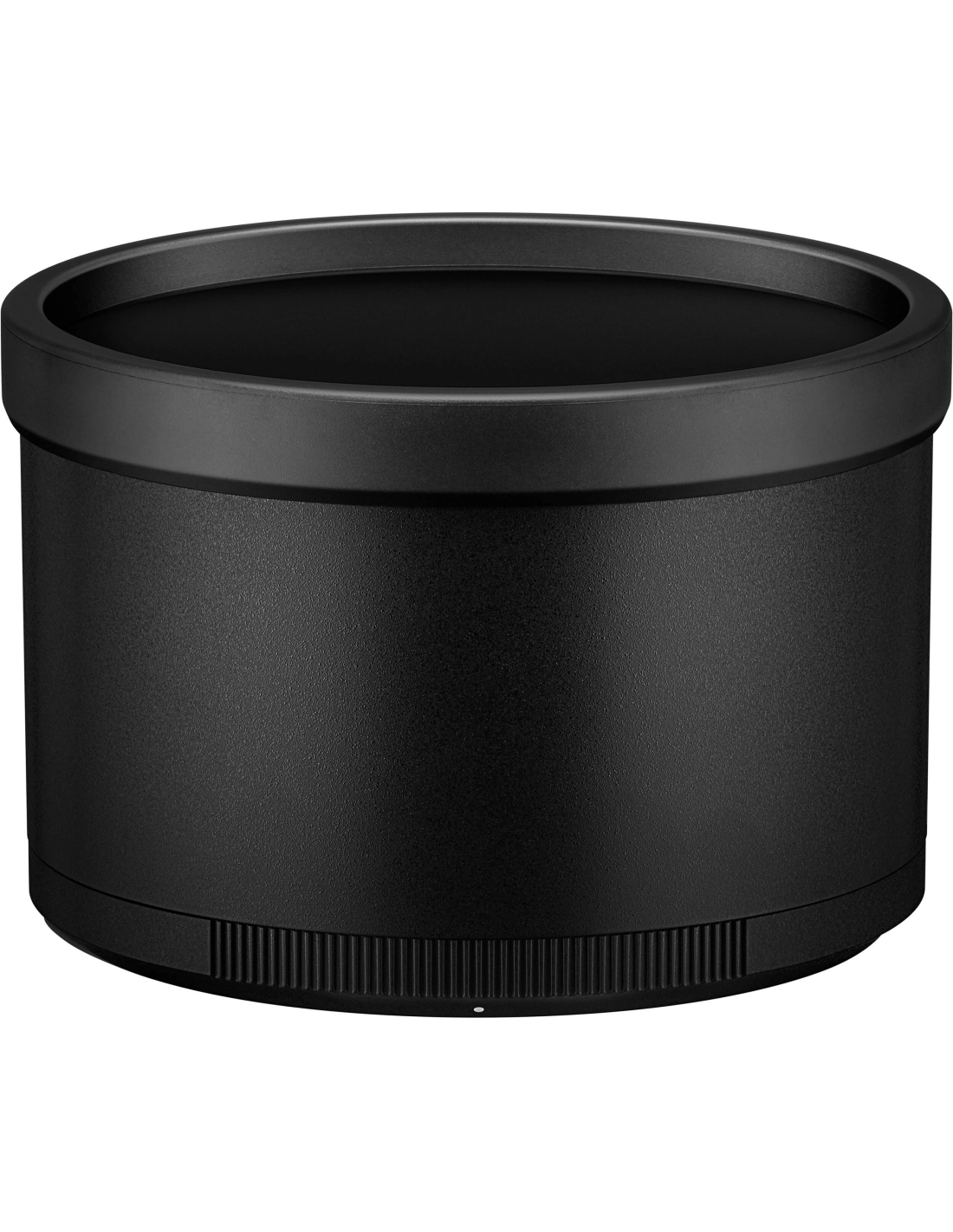
| 95mm filters | Conventional front filters with direct access | Large filters cost more and occupy more space |
| Assignment | What the lens provides | Useful reservation |
|---|---|---|
| Birds in flight | 600mm and rearward balance for distant tracking | Good light helps maintain the required shutter speed |
| Mobile wildlife | Reach without excessive mass while walking or changing hides | A fixed focal length gives little margin if the animal approaches |
| Aviation | Tight framing and detail on distant aircraft | Heat haze can become the real image-quality limit |
| Outdoor sport | Cover distant action from stands or field position | f/6.3 becomes demanding after sunset |
| Perched subjects | VR steadies framing and supports a slower shutter speed | A support remains useful during extended waiting |
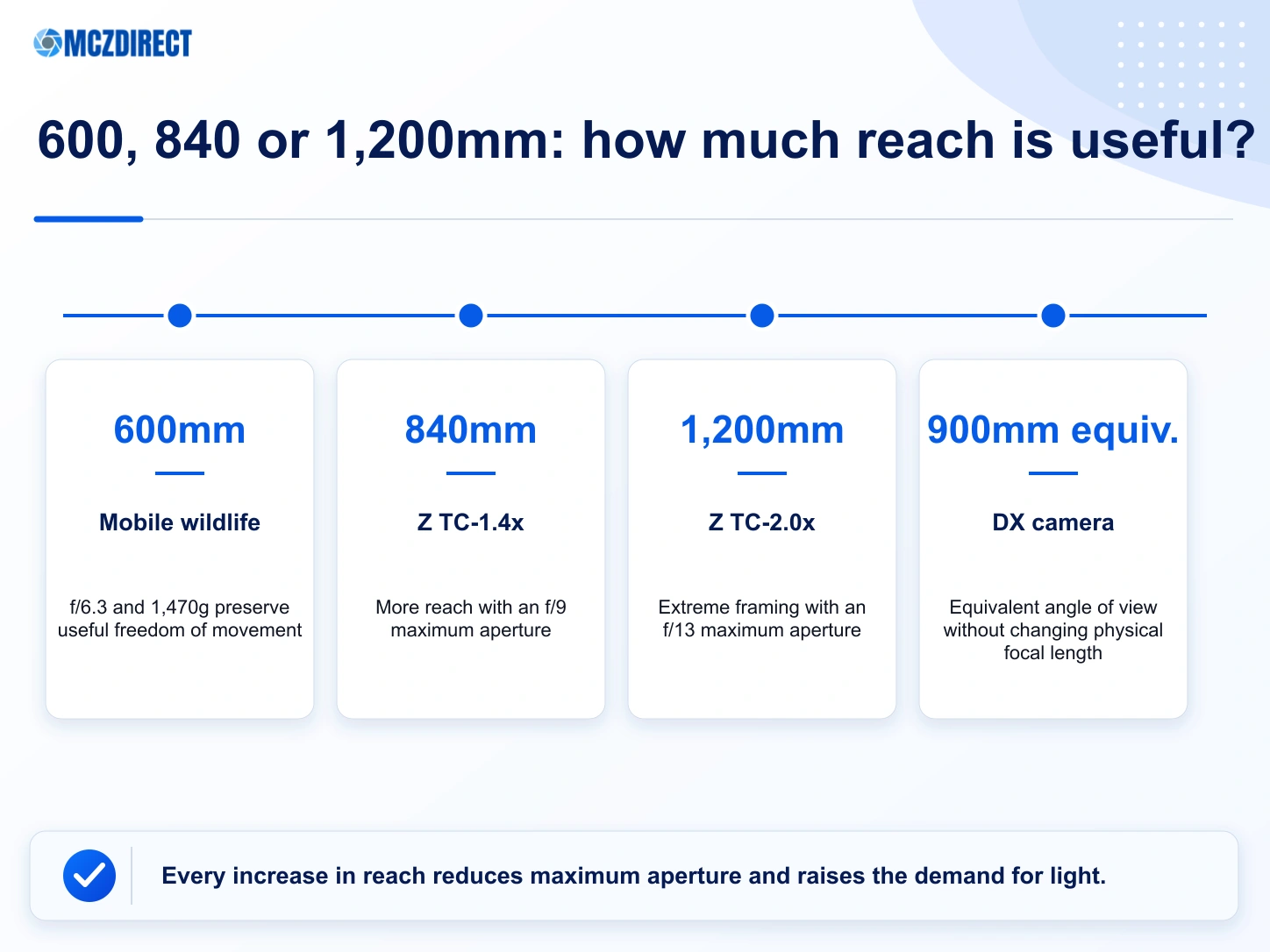
600mm : mobile wildlife, f/6.3 and 1,470g preserve useful freedom of movement. 840mm : z tc-1.4x, more reach with an f/9 maximum aperture. 1,200mm : z tc-2.0x, extreme framing with an f/13 maximum aperture. 900mm equiv. : dx camera, equivalent angle of view without changing physical focal length.
The field at 600mm is narrow enough to make initial acquisition harder than with a 400mm lens or a zoom set shorter. A practical method is to locate the subject without the viewfinder, identify a fixed reference close to its path, then bring the camera to the eye while keeping both eyes open for a moment. A wide AF area helps acquire the animal; a more precise area becomes useful after tracking is established. This sequence is faster than sweeping randomly across sky or branches while a small subject continues to move away from the intended frame.
With a perched bird, first focusing on a branch, rock or edge at a similar distance can be quicker than aiming directly at a tiny shape. In flight, leave room ahead of the trajectory and begin the pan before releasing the shutter. The 1,470g weight makes these corrections more natural than with a large 600mm f/4, but the focal length still exposes abrupt movement. A stable stance, elbows drawn in and a smooth turn from the torso improve tracking more reliably than starting a long burst before the subject has been properly acquired.
At 1,470g, this is light for a full-frame 600mm. A photographer can walk, investigate several viewpoints and raise the camera quickly when wildlife appears. Over a long session, camera, battery, strap and accessories add to the quoted lens weight. A strap or harness that supports the lens appropriately prevents the camera mount from carrying every movement. During waiting periods, keeping the system low and only bringing it to the eye when behaviour suggests action preserves shoulder strength and steadiness. Portability is most valuable when it can be maintained through the final hour of the outing.
A monopod helps when the assignment alternates between long waits and rapid movement, such as a touchline or a predictable crossing. It removes the load without locking the direction of the frame. A tripod with a gimbal is more appropriate for a hide or video sequence centred on one area. Support can change through the same day: handheld while walking at first light, monopod at a fixed observation point and tripod for deliberate video. The low weight creates that choice. It should not be interpreted as a rule that every photograph must be made without support.
At f/6.3, protect the shutter speed required by the subject. A bird in flight, running animal or distant athlete often needs a fast setting; VR cannot compensate for their movement. Manual exposure with Auto ISO allows aperture and shutter speed to remain fixed while sensitivity responds to changing light. Set a realistic upper boundary for the camera and review results rather than assuming every ISO value will look the same. A slightly noisy but sharp frame normally has more value than a clean file in which wing, eye or decisive gesture is blurred by subject movement.
A stationary animal changes the calculation. VR steadies the view and can support a slower shutter speed, especially with disciplined posture or a physical support. Small subject movements still matter: breathing, a turning head or feathers moving in wind. When light becomes genuinely scarce, a 600mm f/4 retains an obvious advantage. The f/6.3 lens is chosen for mobility and transport, making it particularly coherent for daylight outings, open conditions and photographers prepared to manage shutter speed and ISO rather than carry a substantially larger optical system for every session.
The NIKKOR Z 180-600mm f/5.6-6.3 VR has a decisive advantage when a subject approaches, crosses the frame quickly or changes size. The photographer can begin wide to find the action and then tighten to 600mm. The fixed 600mm f/6.3 needs more deliberate positioning and anticipation, but it is substantially lighter. When walking several kilometres, following birds in flight or travelling with limited luggage, that difference is felt before the first photograph. A prime also simplifies the decision process: one angle of view is used consistently and the photographer moves when terrain and subject allow.
Distance consistency should decide between them. At a known feeder, established hide, circuit or viewpoint where subjects remain far away, the 600mm prime is coherent. In a park, open reserve or sport where action can suddenly move close, the zoom secures a wider range of compositions. It is unhelpful to reduce the choice to an abstract contest between image quality and versatility. The better lens is the one that keeps the subject inside the frame at the decisive moment and remains transportable for the duration, access and terrain that the photographer actually encounters.
The Z 1.4x teleconverter turns the lens into an 840mm f/9. That reach helps when a small bird or animal remains distant, but it reduces light and narrows the field further. Focus, shutter speed and support require more care. The 2.0x converter reaches 1,200mm f/13, a much more specialised arrangement that needs favourable light and a genuinely distant subject. Before adding a converter, determine whether missing detail comes from too few pixels on the animal or from haze, heat movement and slight focus error. Magnification will enlarge all of those limitations as well.
DX crop gives a 900mm-equivalent angle of view on a compatible full-frame camera without changing physical focal length. It makes tight framing easier and reduces file size, but it adds no detail compared with applying the identical crop later. Over long distances, the atmosphere often becomes the true limit. Working early, avoiding heated surfaces and reducing subject distance whenever possible can improve an image more than another optical accessory. At 600mm, knowledge of location, light direction and animal behaviour contributes as much to usable detail as the focal length written on the barrel.
A 600mm prime works best when the photographer understands the space in advance. Identify likely entry points, backgrounds that remain uncluttered and positions where the sun will not force every frame into severe backlight. Check whether the subject may approach inside the fixed angle of view and leave a route to step back without disturbing other people or wildlife. Pre-focusing on a branch, gate or section of track shortens acquisition when the action appears. This preparation turns the fixed focal length from a restriction into a deliberate way of working, because composition and movement have already been considered before the decisive moment begins.
Against the NIKKOR Z 180-600mm f/5.6-6.3 VR, the 600mm prime saves about 485g and places balance closer to the camera. It rises faster and tires the photographer less during extended tracking. The zoom remains easier when a large animal approaches or several distances must be covered from one position.
The NIKKOR Z 800mm f/6.3 VR S keeps the same maximum aperture and adds 200mm of reach, but it weighs approximately 915g more. The 800mm suits very distant birds or aviation; the 600mm remains easier to handle and frame when the subject moves quickly.
| Criterion | 600 f/6.3 S | 180-600 VR | 800 f/6.3 S |
|---|---|---|---|
| Type | Prime | Zoom | Prime |
| Maximum reach | 600mm | 600mm | 800mm |
| Nikon weight | 1,470g | 1,955g | 2,385g |
| Priority | Mobility + 600mm | Framing flexibility | Extreme reach |
| Key use | Moving birds | Variable-distance wildlife | Very small distant subjects |
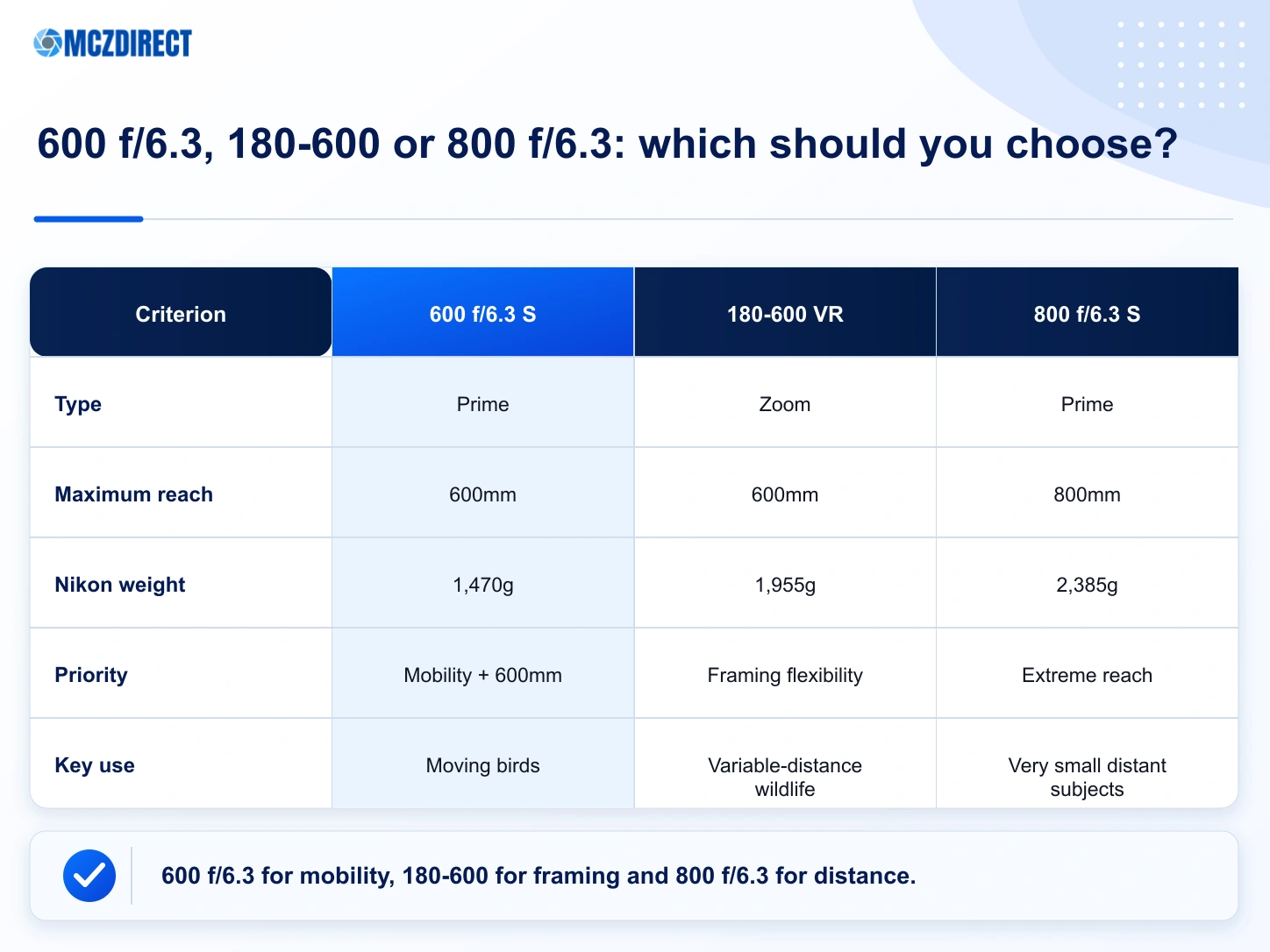
At MCZ DIRECT, we see the NIKKOR Z 600mm f/6.3 VR S as the choice for a wildlife photographer who walks, changes position and already spends most of the time at the long end of a zoom. It gives unambiguous 600mm reach in a transportable system rather than attempting the brightness of a 600mm f/4.
Against the 180-600, the prime makes sense when 600mm is used almost continuously. It is also easier to carry than the 800mm f/6.3 when mobility matters more than the extra 200mm. Its limitation is straightforward: at dawn, dusk or a night event, f/6.3 requires more ISO and may restrict shutter-speed options.