Shopping Cart
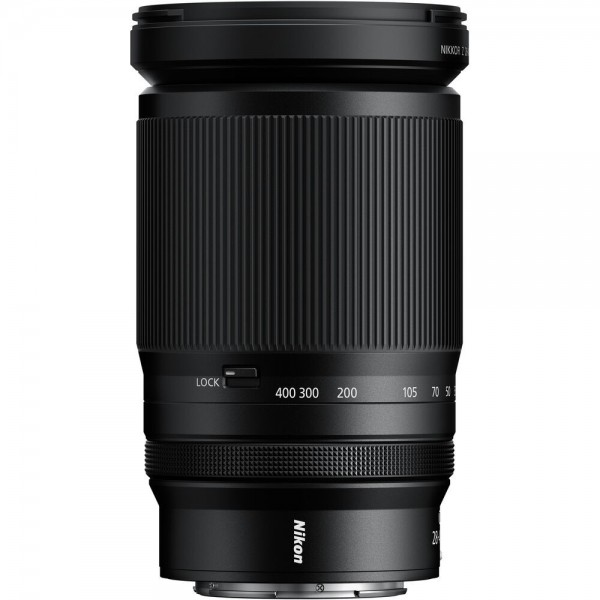
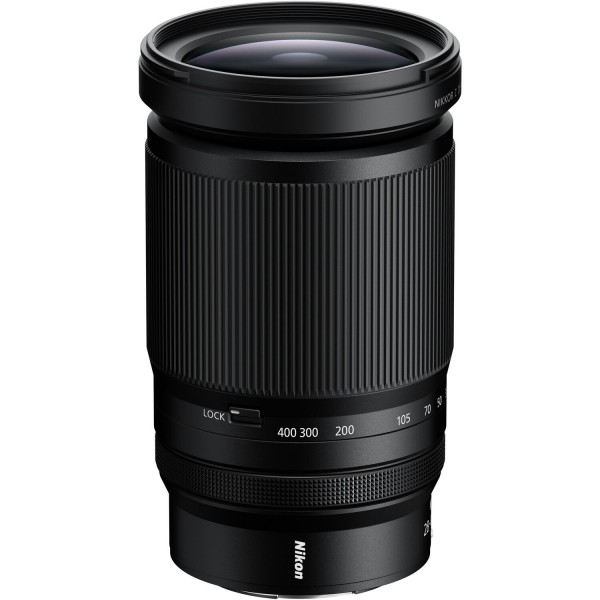
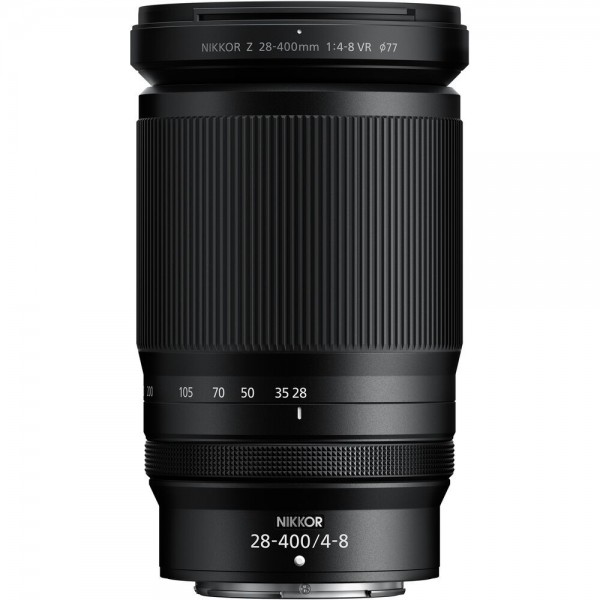
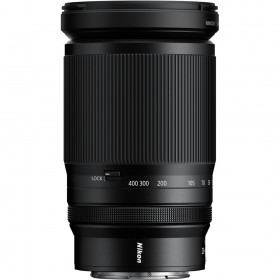
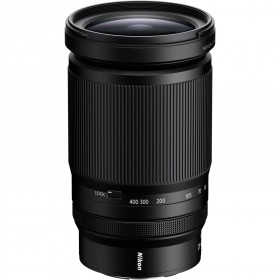


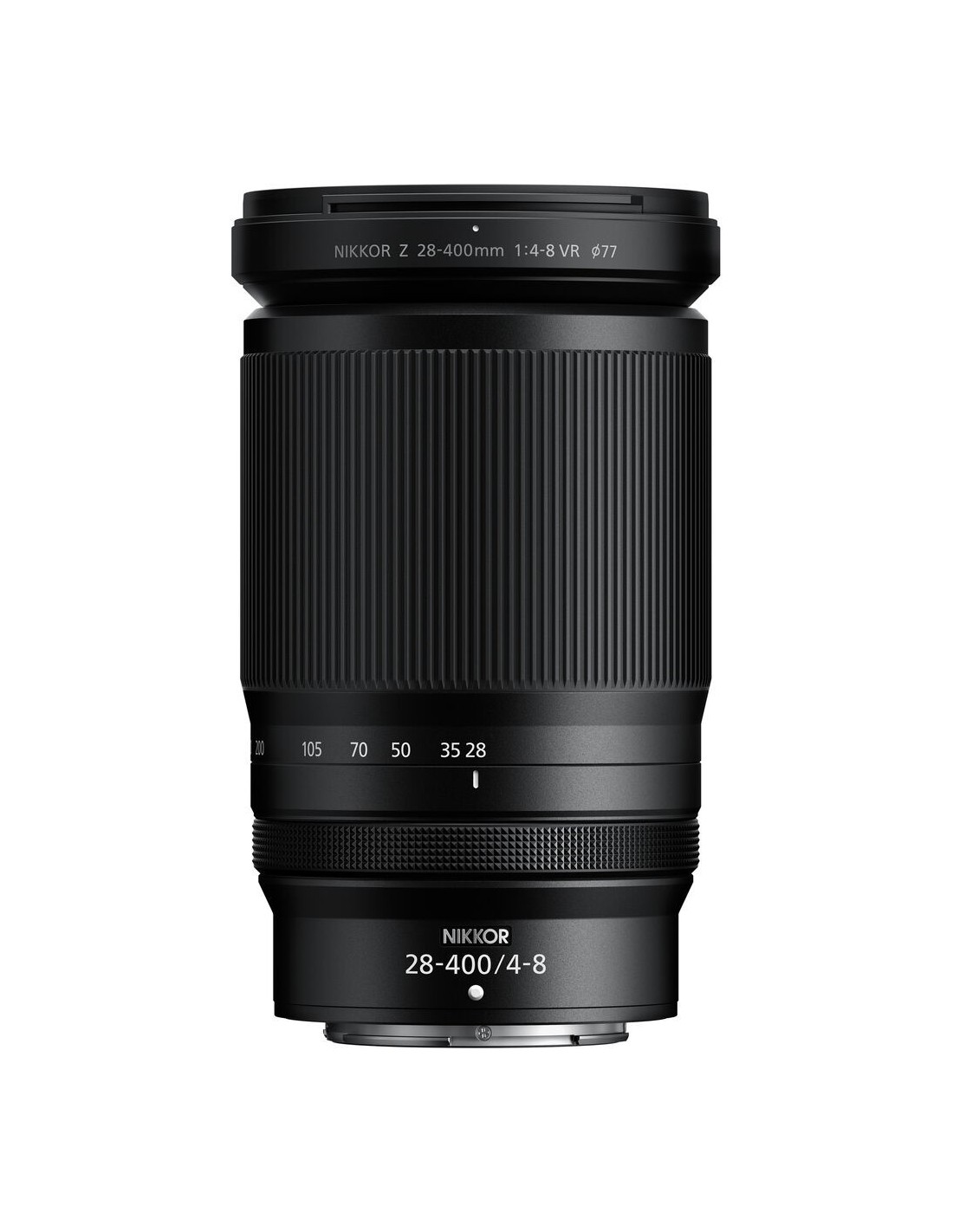
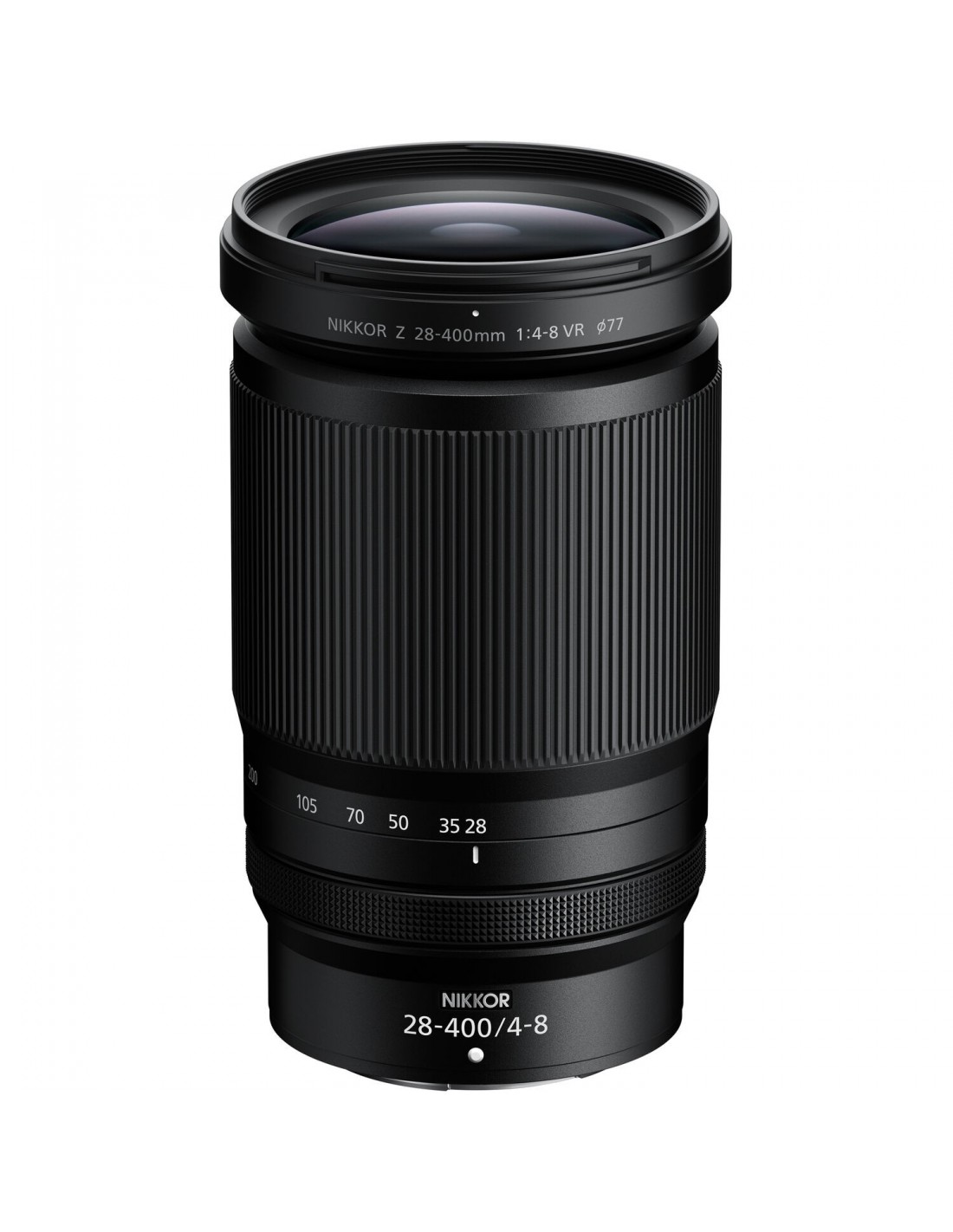
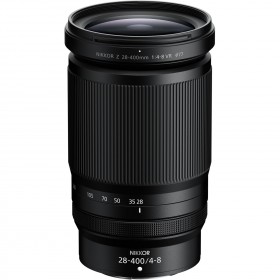

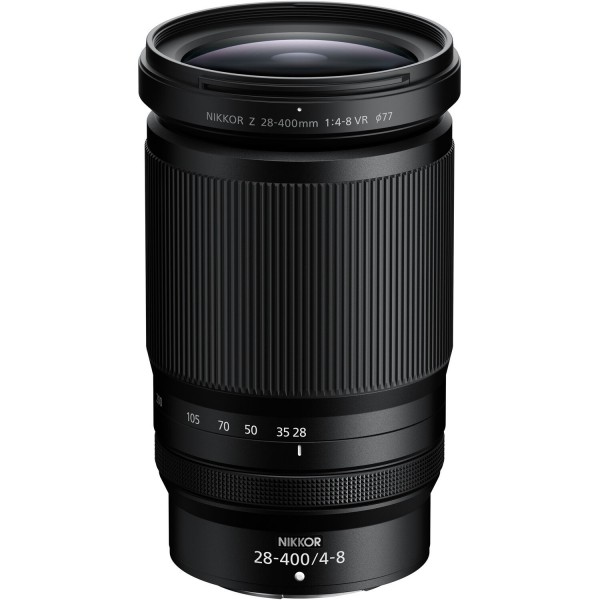
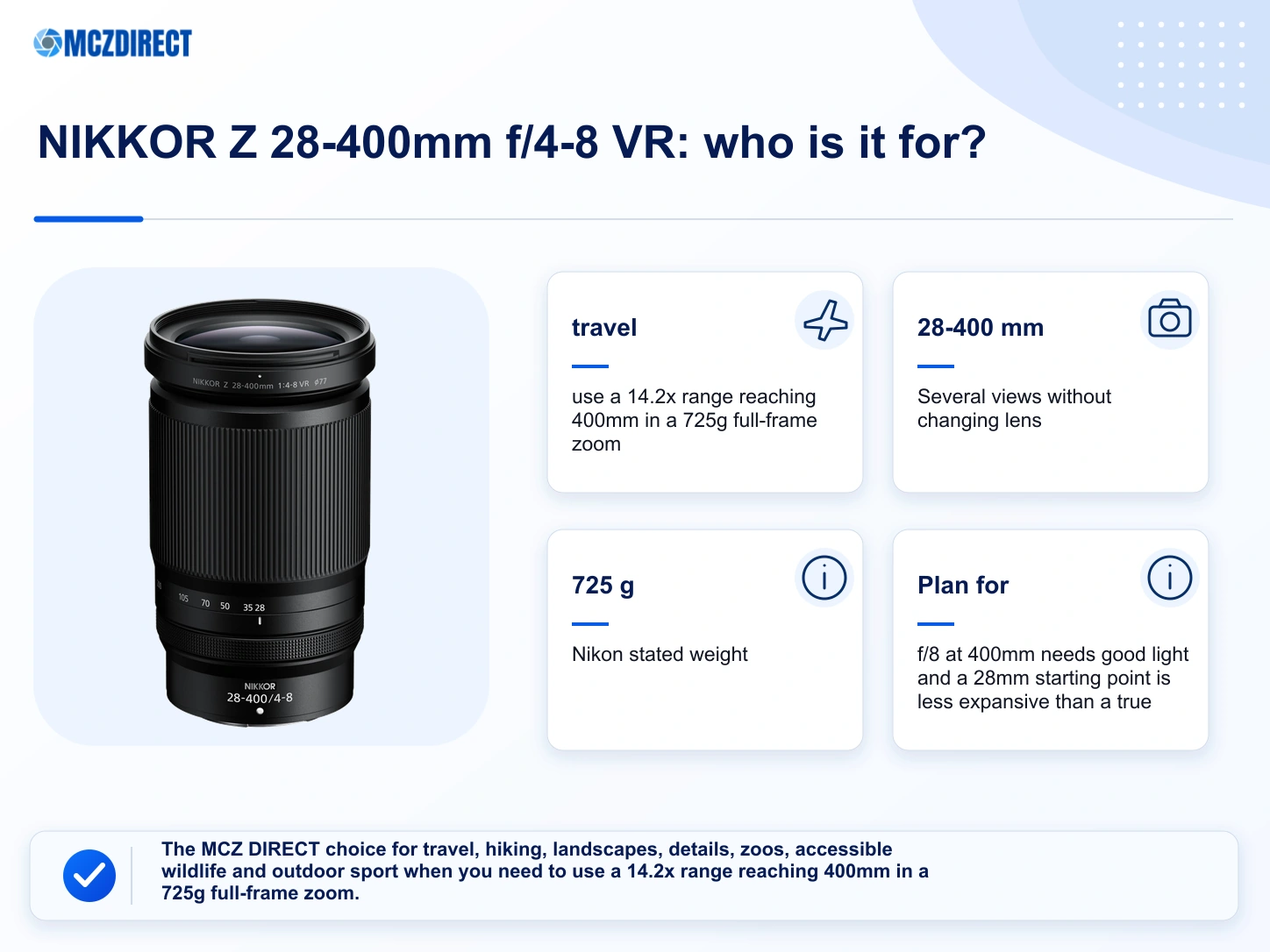
The NIKKOR Z 28-400mm f/4-8 VR is a full-frame superzoom for travellers and nature photographers who want to move from landscapes to distant subjects without changing lenses, and we recommend it primarily for daylight work. Its 28-400mm range covers cities, portraits, architectural details, wildlife and outdoor action. Despite a 14.2x zoom ratio, weight remains contained at 725g. Nikon’s five-stop VR rating helps steady framing and still subjects. The main limitation appears at 400mm, where f/8 needs good light and a shutter speed suited to subject movement. This lens makes sense when reach and simplicity matter more than a true 24mm wide angle or the brighter aperture of a specialist telephoto zoom. It suits mixed trips where the next subject is difficult to predict.
Combine compatible accessories and save. The more items you add, the bigger the discount.
memory card

warranty extension
The NIKKOR Z 28-400mm f/4-8 VR places a moderate wide angle and a genuine 400mm telephoto into a 725g lens. On a trip where the bag needs to stay simple, it can photograph a city in the morning, a portrait at lunch and wildlife later without exposing the sensor during lens changes.
A 14.2x range brings clear trade-offs. Twenty-eight millimetres shows less than 24mm in a tight interior, while f/8 at 400mm needs light. This zoom is therefore most comfortable outdoors, with a willingness to raise ISO in order to retain the shutter speed a moving subject requires.
From 28 to 70mm it handles most travel scenes. Around 100-200mm, it simplifies backgrounds and isolates details. At 400mm, it reaches wildlife, sport or architecture that cannot be approached. A zoom lock keeps the barrel from extending in transit.
VR steadies the view and helps with a static subject. At 400mm, subject movement remains the main concern. A bird taking flight or a player accelerating requires a fast shutter even when stabilisation is active. Support, a stable stance and a short burst improve consistency.
| Specification | Practical benefit | Plan for |
|---|---|---|
| 28-400 mm | use a 14.2x range reaching 400mm in a 725g full-frame zoom | f/8 at 400mm needs good light and a 28mm starting point is less expansive than a true 24mm |
| f/4-8 | A compact kit with exposure adapted to focal length | Shutter speed must follow subject movement |
| 725 g | A realistic load for the intended work | Include the camera and accessories |
| 0.20 m at 28 mm; 1.20 m at 400 mm | Photograph detail without another lens | 0.35x is not true macro |
| VR up to 5 stops | More room with a static subject | Stabilisation never freezes subject movement |
| Assignment | What the lens provides | Useful reservation |
|---|---|---|
| travel | 28-400 mm | f/8 at 400mm needs good light and a 28mm starting point is less expansive than a true 24mm |
| hiking | 725 g and native mount | Choose shutter speed before relying on stabilisation |
| Landscape and city | Wide to tight framing in one lens | Check the short-end field of view |
| Portrait and detail | Focus from 0.20 m at 28 mm; 1.20 m at 400 mm | Background depends on distance and aperture |
| Video | Discreet autofocus and predictable framing | Test support, shutter and AF transition |
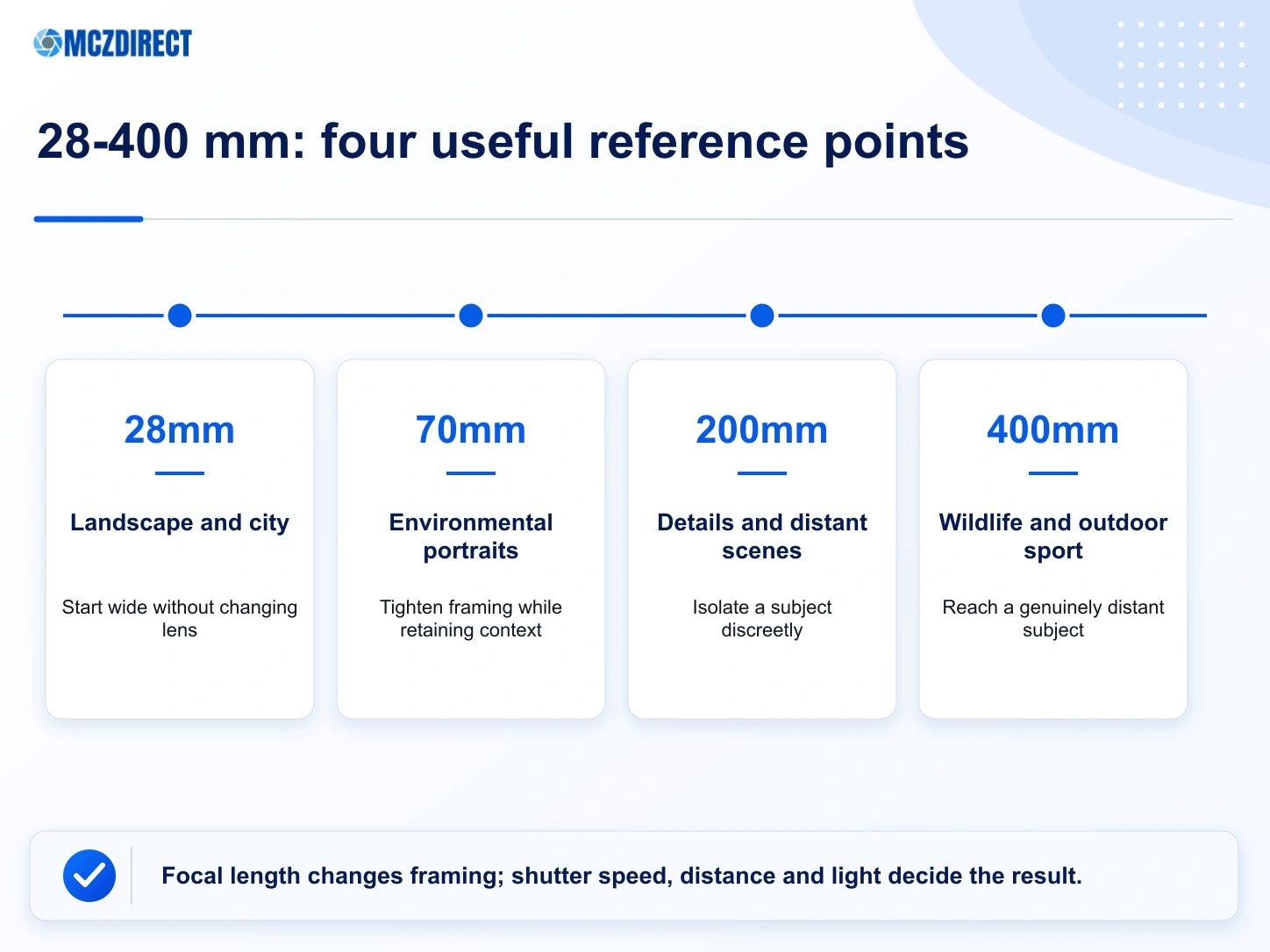
28mm : landscape and city, start wide without changing lens. 70mm : environmental portraits, tighten framing while retaining context. 200mm : details and distant scenes, isolate a subject discreetly. 400mm : wildlife and outdoor sport, reach a genuinely distant subject.
The NIKKOR Z 28-400mm f/4-8 VR moves from a moderate wide angle to genuine super-telephoto framing. Between those extremes it covers streets, portraits, landscape details and distant subjects. That reach is valuable when a journey mixes cities, nature and wildlife, or when changing lenses is impractical. It can respond to a subject that would normally require several separate lenses.
A 14.2x range does not make viewpoint irrelevant. At 400mm, atmospheric haze and compression become visible. At 28mm, the edges still need careful organisation. The zoom provides access to the frame; distance, light and position determine the photograph. Its strength is readiness rather than a claim to replace every specialised optic without compromise.
Four millimetres may look insignificant, yet 24 and 28mm produce clearly different wide-angle views. In a small room, beneath a building or at a viewpoint with no room to step back, the 28-400 cannot show as much as the 24-200. Landscape photographers may stitch frames, but that is not always possible with moving people or restricted access.
Twenty-eight millimetres remains versatile for travel, streets and groups when adequate space exists. It can also avoid some of the exaggerated edges of a wider angle. The decision depends on subject priority. Interiors and architecture favour a true 24mm. Wildlife and distant details may justify giving up that width in exchange for 400mm without packing a second lens.
Maximum aperture reaches f/8 at 400mm. This is workable in daylight, but leaves less freedom at dawn, beneath trees or under dense cloud. Wildlife and sport need a shutter speed that stops the subject, so ISO may climb. Recent Nikon Z bodies handle higher sensitivities well, but good light still produces the strongest colour, contrast and detail.
A long focal length can still soften the background at f/8 when the subject is close and the background distant. Dark indoor sport, stage work and first-light wildlife are better served by a faster telephoto. The 28-400 has a different purpose: place 400mm in a lens that can remain on the camera throughout an entire mixed day.
Nikon rates optical stabilisation at five stops, increasing to 5.5 with Sync VR on compatible bodies under its test conditions. At 400mm, a settled view helps the photographer keep an AF point on a bird or distant detail. It can also support a lower shutter speed for a static subject. Actual benefit varies with the camera, focal length and handling.
Stabilisation does not stop a flying bird or accelerating athlete. Shutter speed must still follow the action, even when the viewfinder appears calm. A short burst, appropriate AF area and strong stance improve consistency. A monopod can reduce fatigue during a long observation without removing the mobility that gives this zoom its appeal.
A stated 725g is modest for a lens ending at 400mm, but this is no longer a tiny standard zoom. It balances naturally on a Z6 III or Z8; a very small body needs more support from the left hand. A correctly adjusted strap and an easily accessed bag make a noticeable difference after several hours.
The lock prevents the barrel from extending during transport. It must be released before a quick photograph, so the movement is worth building into the routine. On a flight or hike, the main saving comes from replacing several lenses. Weight should therefore be judged against the complete alternative bag, not only against a shorter zoom viewed in isolation.
Maximum reproduction of 0.35x gives the 28-400 meaningful close-up ability. Flowers, food, craft objects and collection details can occupy a substantial part of the frame. Minimum focus varies from 0.20m at the wide end to 1.20m at 400mm. The long-end distance lets the photographer work without crowding the subject and creates a simpler background.
This is not true 1:1 macro. Precise reproduction or very small insects require a NIKKOR Z MC. The 28-400 is strongest for unexpected observations: moving from landscape to flower and then to wildlife with no equipment change. For close work, a slightly smaller aperture and attention to wind normally improve the image more than forcing the lens to its minimum distance.
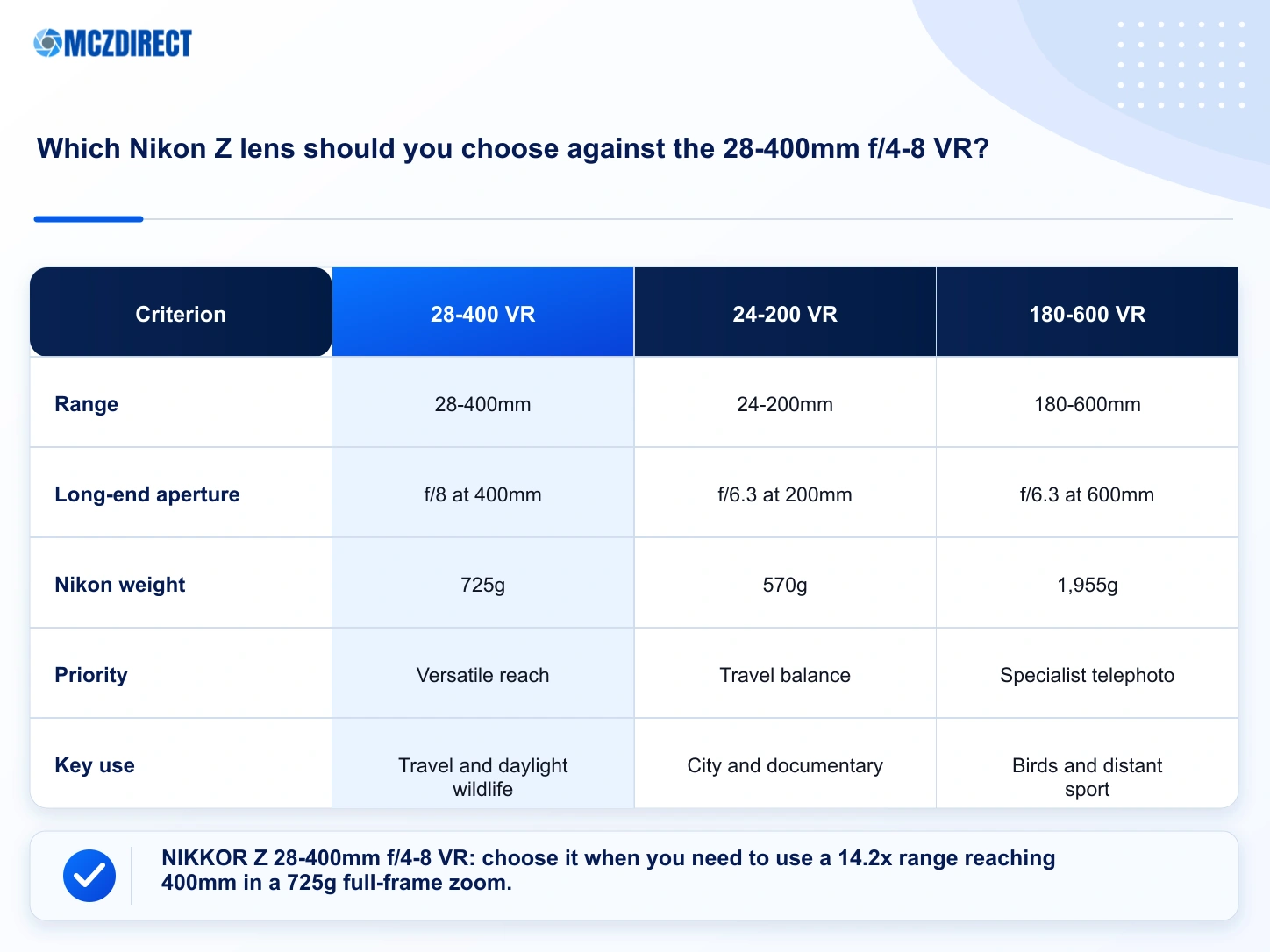
The 24-200mm VR begins wider, weighs 570g and remains faster at its long end. It is better balanced for cities and documentary travel, although reach stops at 200mm. The 180-600mm VR frames far more tightly, zooms internally and stays at f/6.3 at 600mm. At nearly two kilograms, it is clearly a wildlife and sports tool.
The 28-400 sits between them. It is less specialised than the 180-600 and less urban than the 24-200. That middle position is valuable for a light safari, hike or mixed trip. Dedicated bird photography points to the 180-600. A city break centred on interiors gives more weight to the true 24mm of the 24-200. The dominant subject should settle the choice.
At 400mm, a distant animal may look steady in the stabilised viewfinder while feathers, eyes or a head continue to move. For a perched subject, a moderate shutter speed and a short burst can work when the photographer has firm support. A walking animal needs more speed, and a bird in flight needs considerably more. Auto ISO is useful because it lets shutter speed follow the subject while aperture remains at the maximum available value. In changing light, accepting a higher ISO is normally preferable to returning with a frame softened by motion. VR improves handling and composition; it does not rewrite the exposure required by the subject.
The same reasoning makes the 28-400 more successful as a travel superzoom. In a city or landscape, the photographer can lower the speed for a static scene and let VR do useful work. When wildlife appears, the settings must change before the focal length reaches 400mm. Assigning a button or custom mode to action settings avoids losing time. A typical setup can include continuous AF, a suitable subject-detection mode, a faster minimum speed and a short burst. The exact values depend on the animal and body, but the principle remains stable: first decide how quickly the subject changes position, then use stabilisation to control the photographer’s movement.
F/8 at 400mm needs good light and a 28mm starting point is less expansive than a true 24mm. That reservation explains why the NIKKOR Z 24-200mm f/4-6.3 VR or NIKKOR Z 180-600mm f/5.6-6.3 VR may fit a particular assignment better.
The decision is not simply about the longest range or fastest aperture. Compare the load actually carried, the subjects photographed most often and how many lens changes are acceptable during a day.
| Criterion | 28-400 VR | 24-200 VR | 180-600 VR |
|---|---|---|---|
| Range | 28-400mm | 24-200mm | 180-600mm |
| Long-end aperture | f/8 at 400mm | f/6.3 at 200mm | f/6.3 at 600mm |
| Nikon weight | 725g | 570g | 1,955g |
| Priority | Versatile reach | Travel balance | Specialist telephoto |
| Key use | Travel and daylight wildlife | City and documentary | Birds and distant sport |
At MCZ DIRECT, we see it as a very specific travel tool for photographers who would rather accept f/8 at 400mm than carry several lenses. Its reach genuinely changes what can be photographed when wildlife or a distant detail appears.
The 24-200mm VR is better balanced when a true 24mm view, lower weight and city work dominate. The 180-600mm VR is far stronger for birds and distant sport, but changes the scale of the bag. The 28-400 occupies a useful space between those two approaches.