Shopping Cart
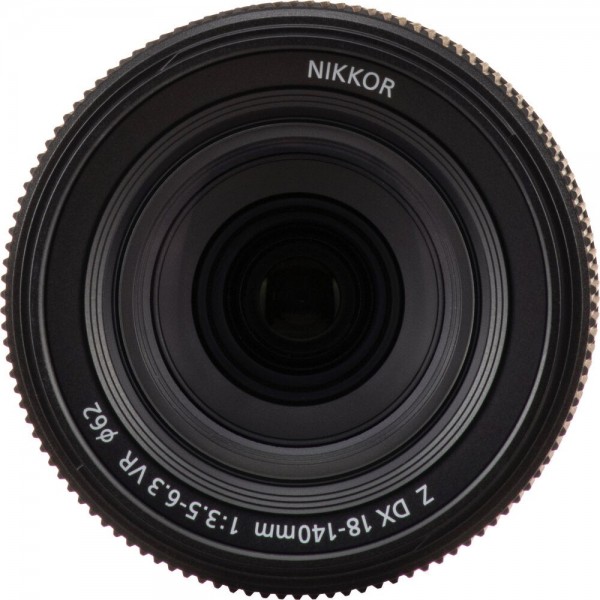
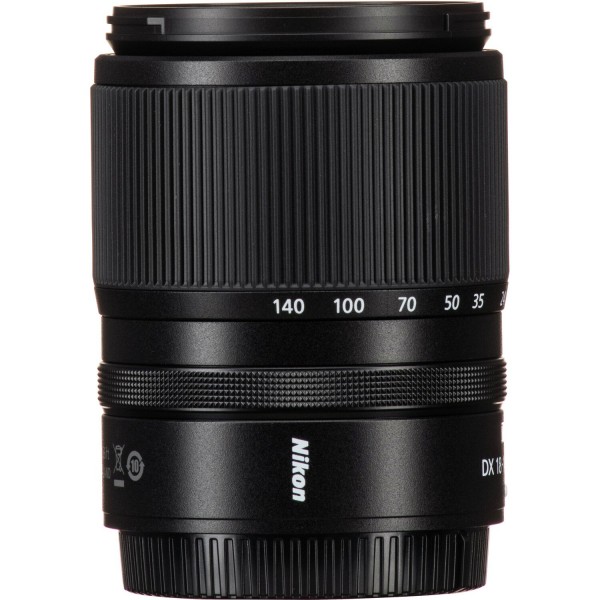
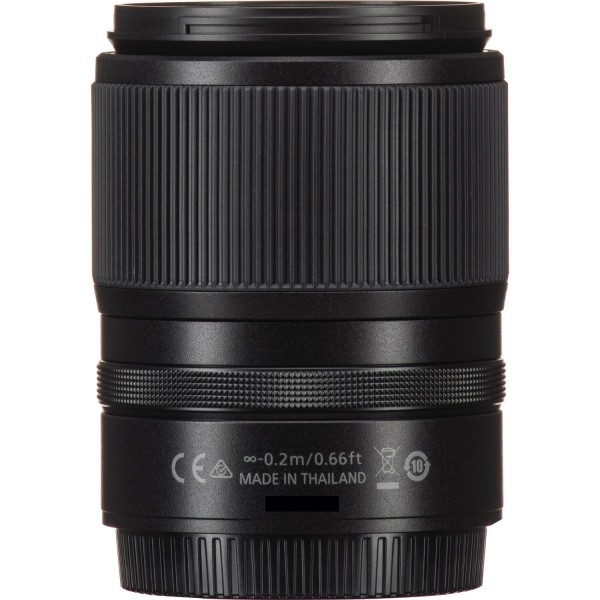
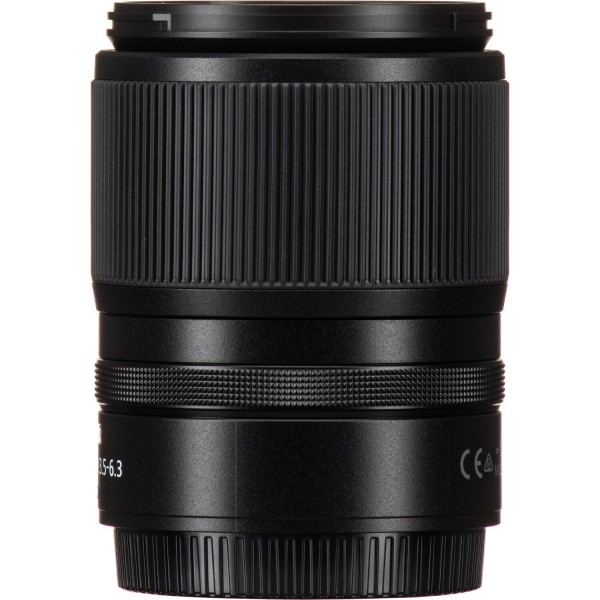
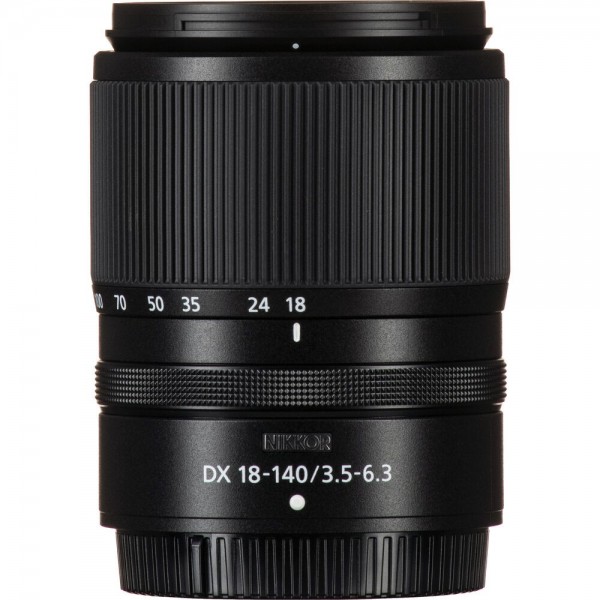
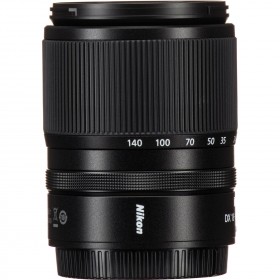
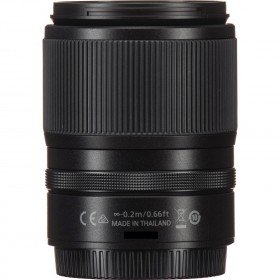
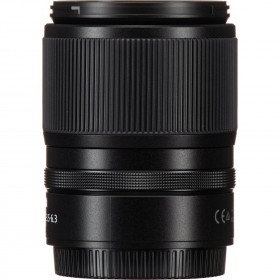
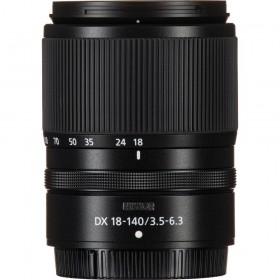
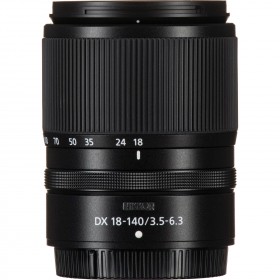
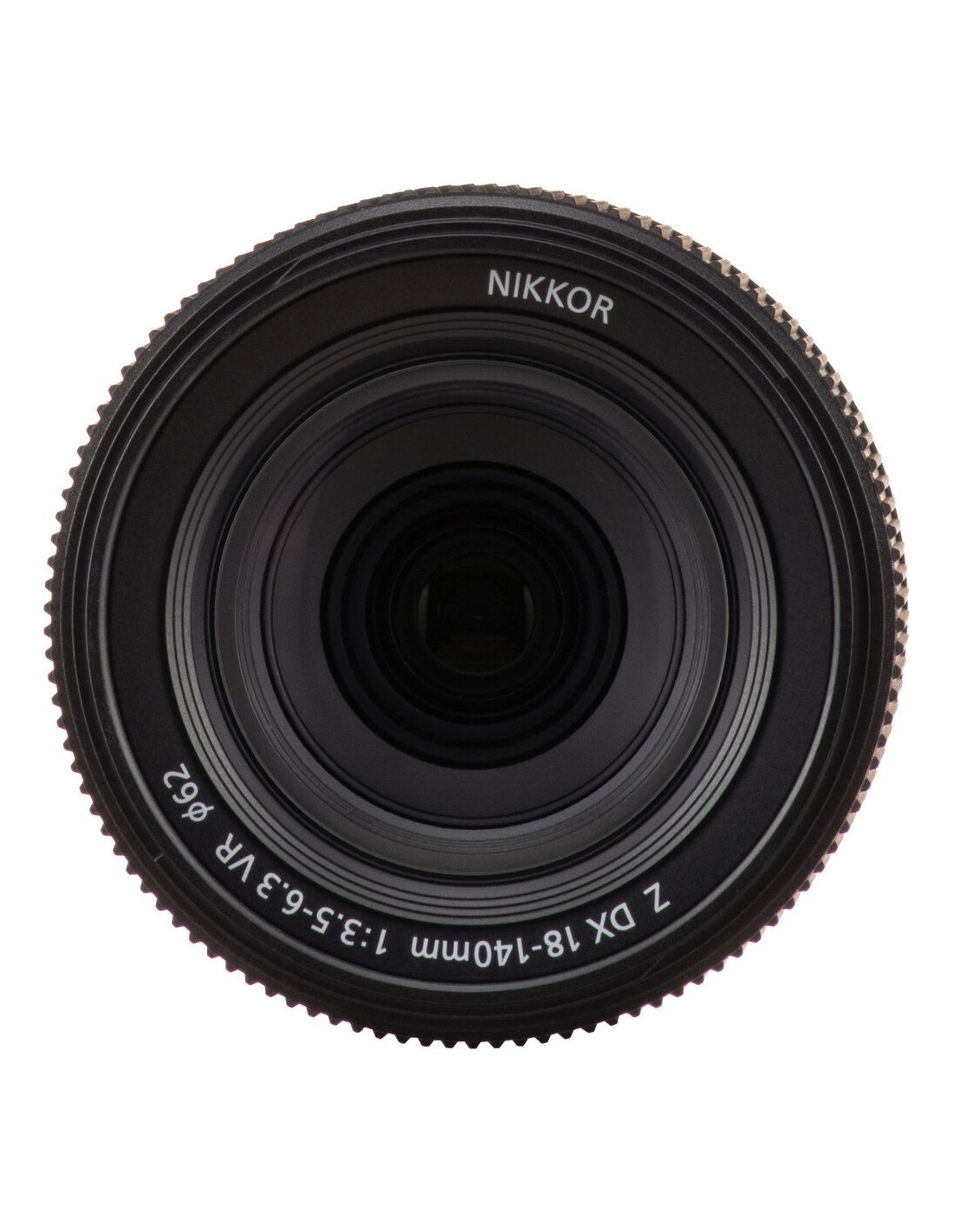
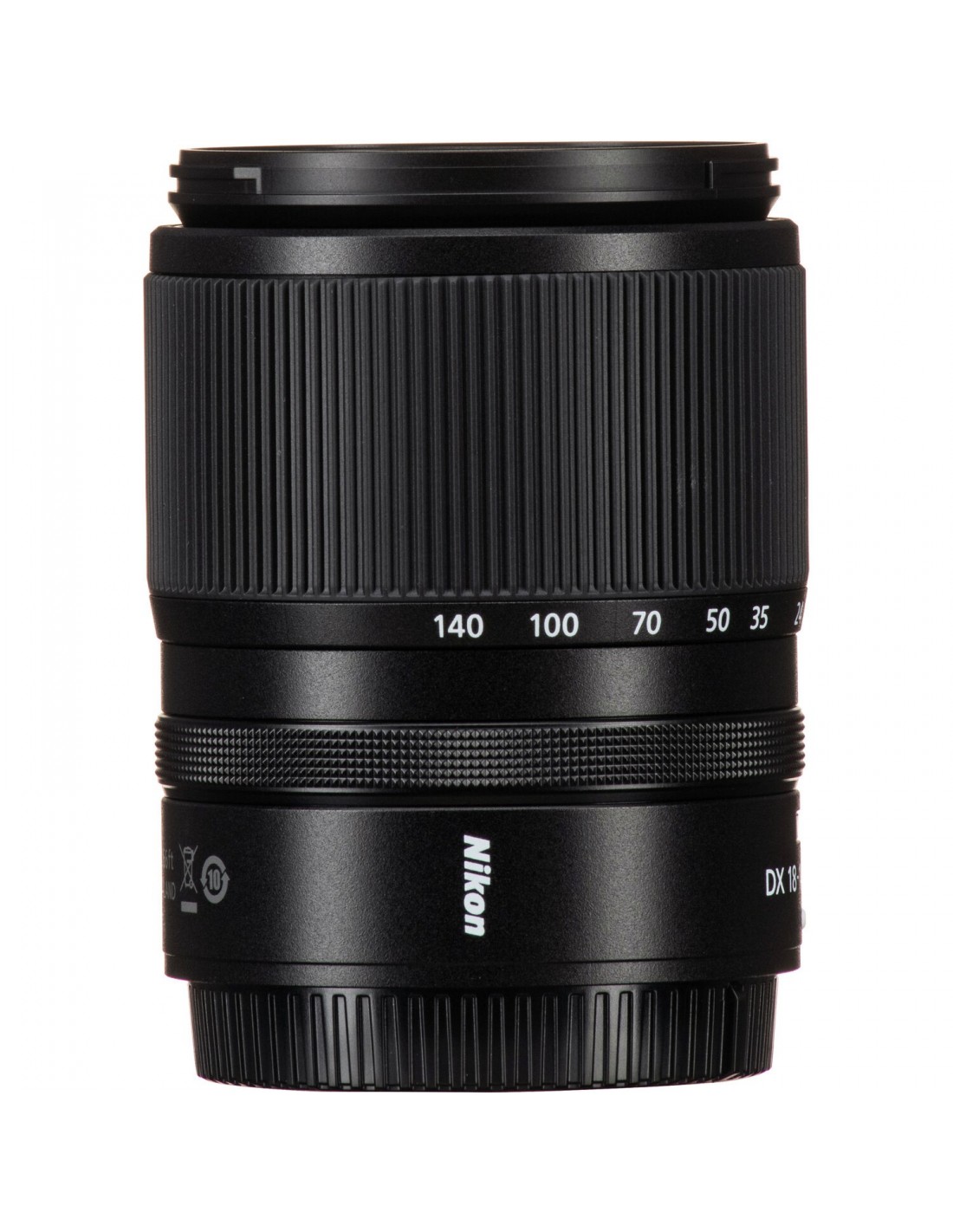
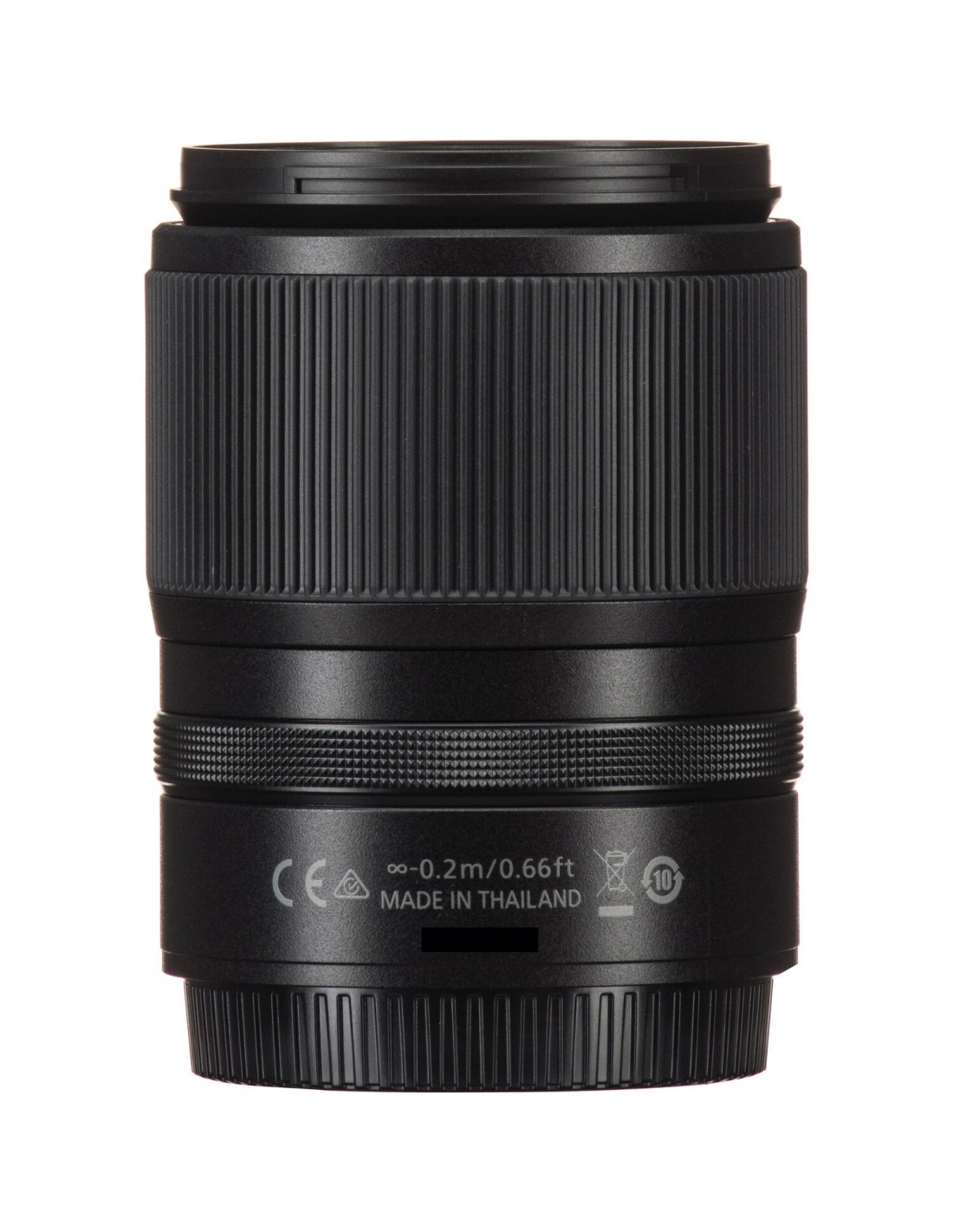

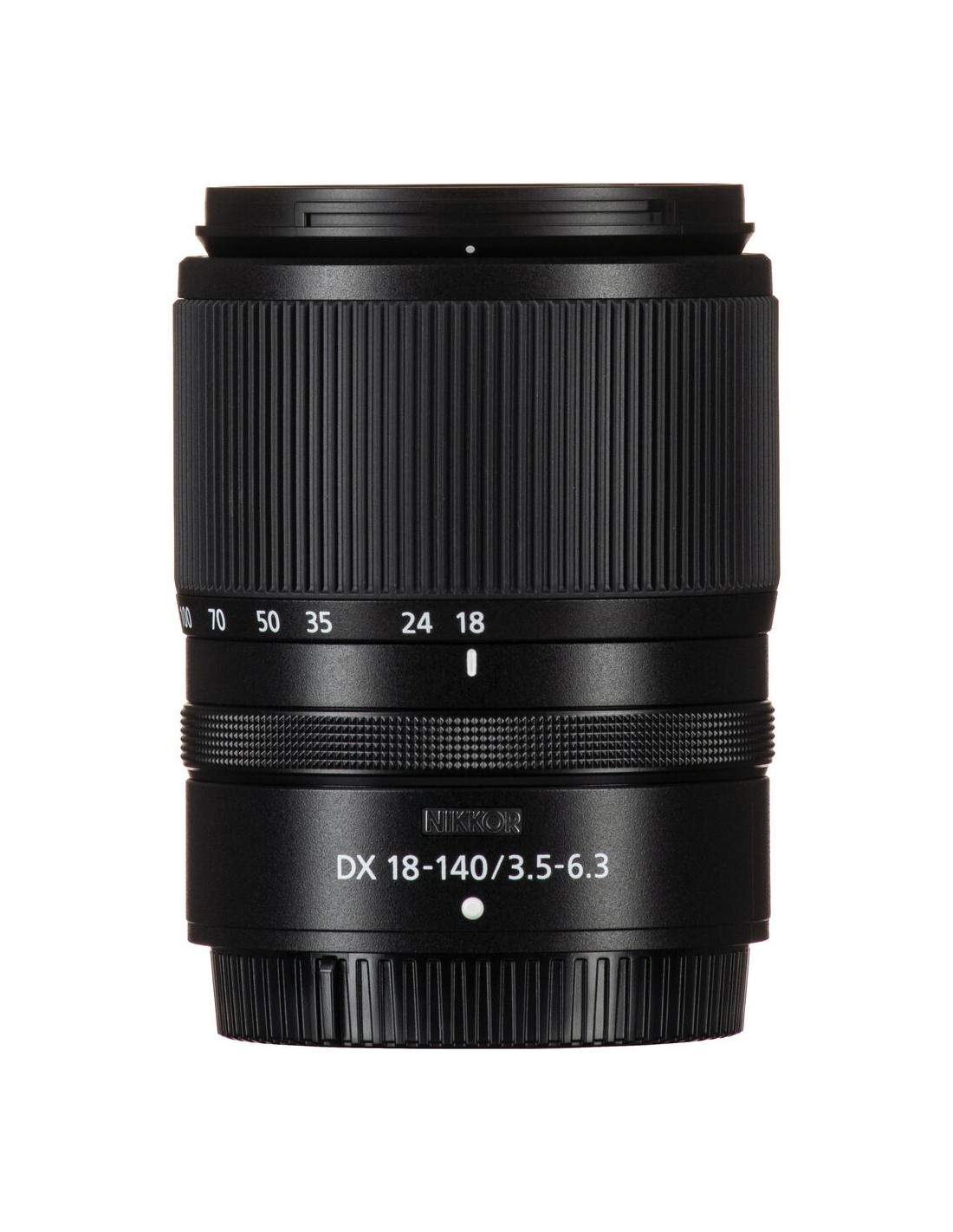
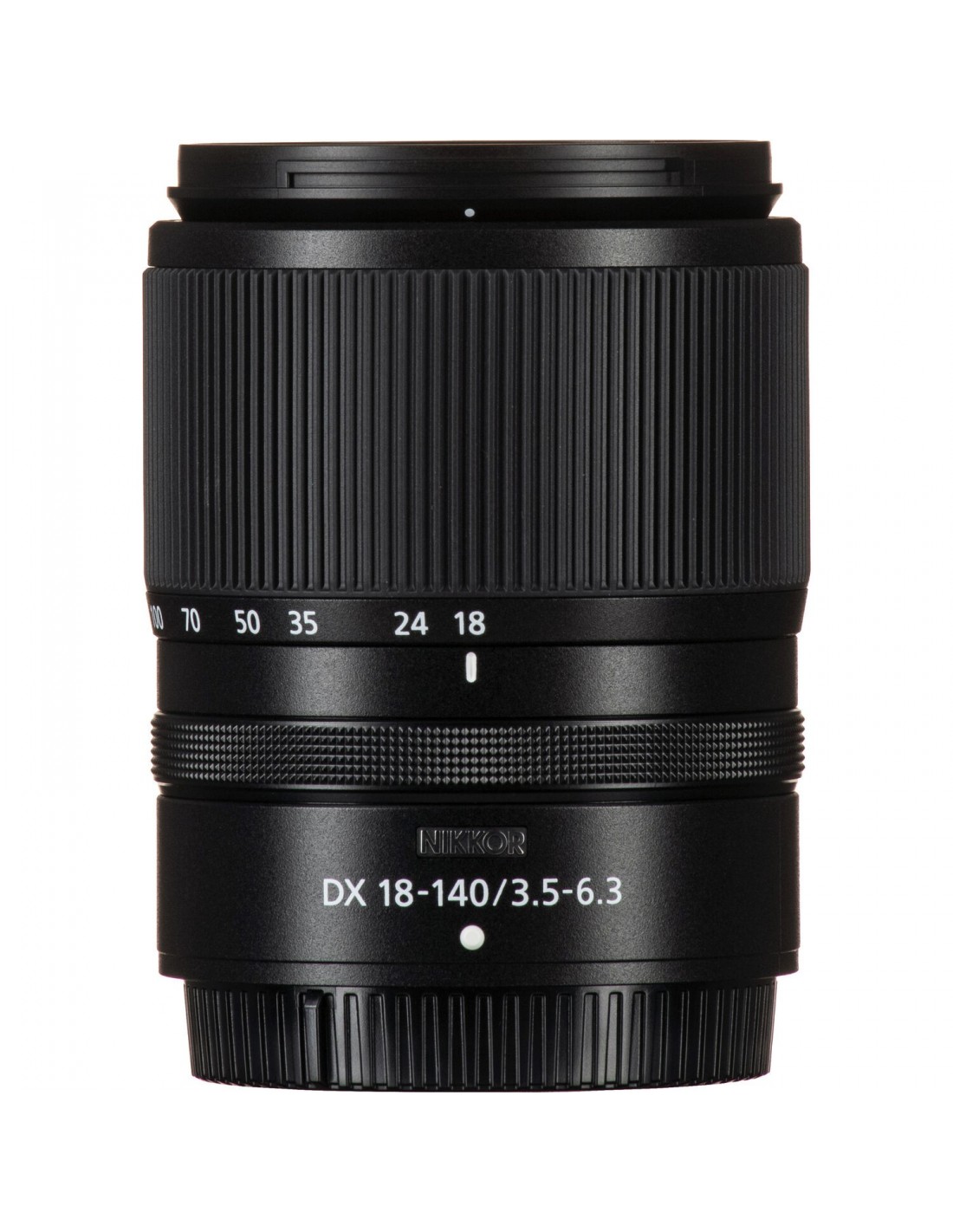



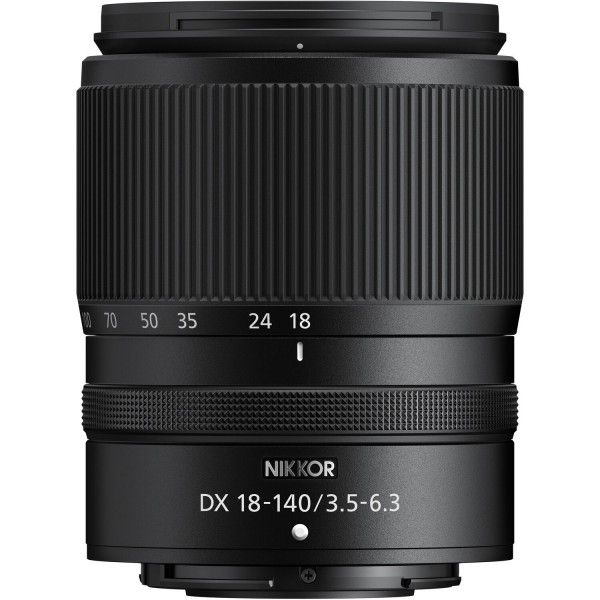
The NIKKOR Z DX 18-140mm f/3.5-6.3 VR is a versatile zoom for DX-format Nikon Z cameras, recommended to photographers who want one lens for travel, family pictures, landscapes and more distant subjects. Its view is similar to 27-210mm on full frame, moving from a moderately wide scene to useful telephoto framing for portraits, architectural details or nearby wildlife. At 315g it remains comfortable over a long day, while Nikon’s five-stop VR rating helps reduce camera movement. It is not as wide as the 16-50mm at the short end, which matters in tight streets and small rooms. This is a practical choice for reducing lens changes while keeping a compact DX kit comfortable to carry. The camera therefore remains easy to carry from morning to evening.
Combine compatible accessories and save. The more items you add, the bigger the discount.
memory card

warranty extension
The NIKKOR Z DX 18-140mm f/3.5-6.3 VR replaces a small standard zoom and a separate telephoto with one 315g lens. On a Nikon Z50 II, its field of view resembles 27-210mm on full frame. That range can handle a city, a portrait, a building detail and a more distant subject without opening the bag.
Such flexibility does not make it perfect everywhere. Eighteen millimetres is less expansive than the 16-50mm, and f/6.3 at the long end calls for good light or a higher ISO. In return, fewer lens changes help in dusty locations, light rain or the middle of a busy family day.
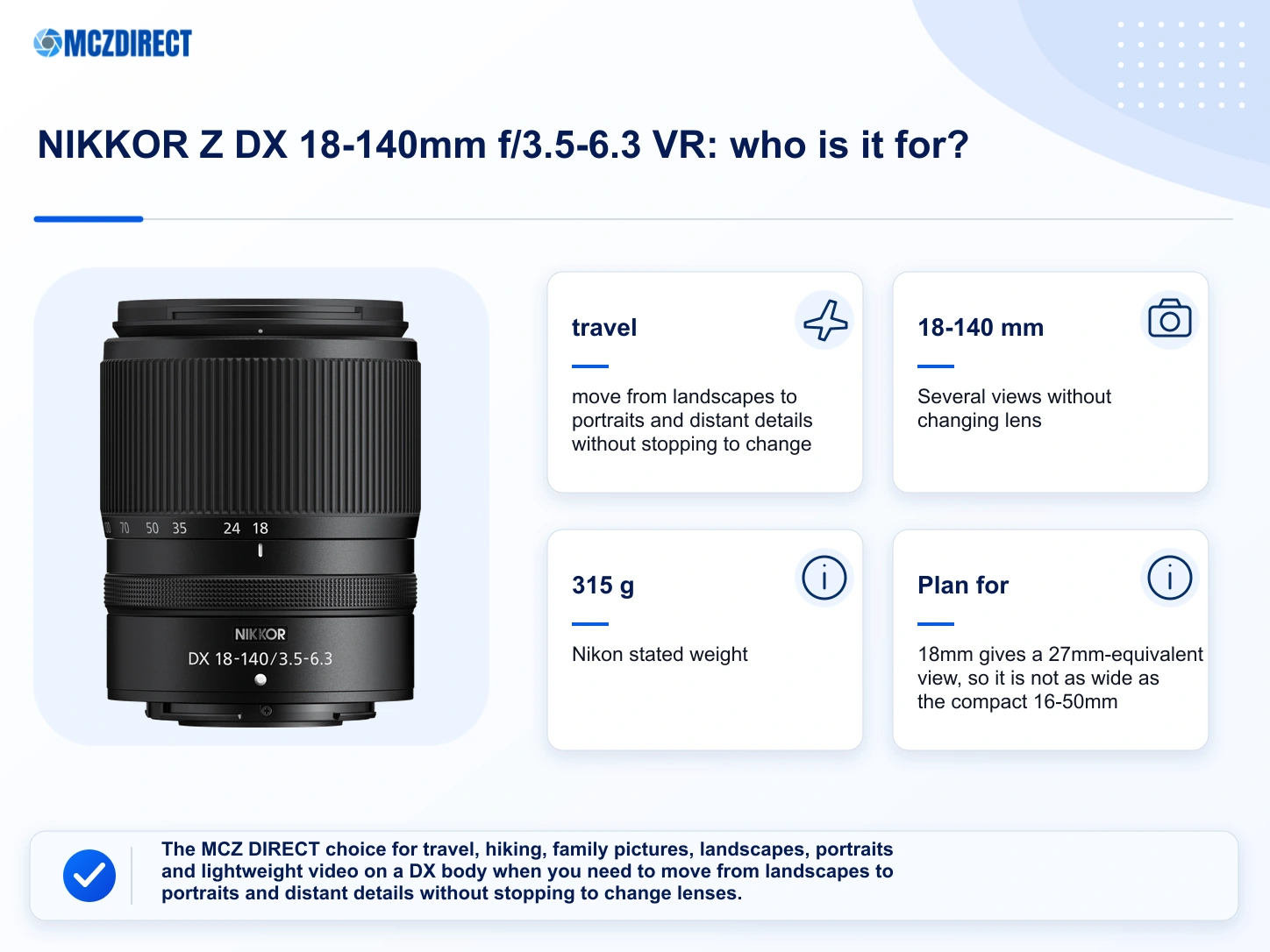
Its benefit is clearest when subjects change quickly. Frame a landscape at 18mm, documentary work around 35mm and a face or detail between 70 and 140mm. Maintaining that rhythm can be more valuable on a journey than a small optical gain that requires repeated lens swaps.
Built-in VR helps with architecture, a landscape at dusk or handheld video. It cannot freeze an animal or a person running. At the telephoto end, shutter speed must still match subject movement even when the viewfinder image looks steady.
| Specification | Practical benefit | Plan for |
|---|---|---|
| 18-140 mm | move from landscapes to portraits and distant details without stopping to change lenses | 18mm gives a 27mm-equivalent view, so it is not as wide as the compact 16-50mm |
| f/3.5-6.3 | A compact kit with exposure adapted to focal length | Shutter speed must follow subject movement |
| 315 g | A realistic load for the intended work | Include the camera and accessories |
| 0.20 m at 18 mm; 0.40 m at 140 mm | Photograph detail without another lens | 0.33x is not true macro |
| VR up to 5 stops | More room with a static subject | Stabilisation never freezes subject movement |
| Assignment | What the lens provides | Useful reservation |
|---|---|---|
| travel | 18-140 mm | 18mm gives a 27mm-equivalent view, so it is not as wide as the compact 16-50mm |
| hiking | 315 g and native mount | Choose shutter speed before relying on stabilisation |
| Landscape and city | Wide to tight framing in one lens | Check the short-end field of view |
| Portrait and detail | Focus from 0.20 m at 18 mm; 0.40 m at 140 mm | Background depends on distance and aperture |
| Video | Discreet autofocus and predictable framing | Test support, shutter and AF transition |
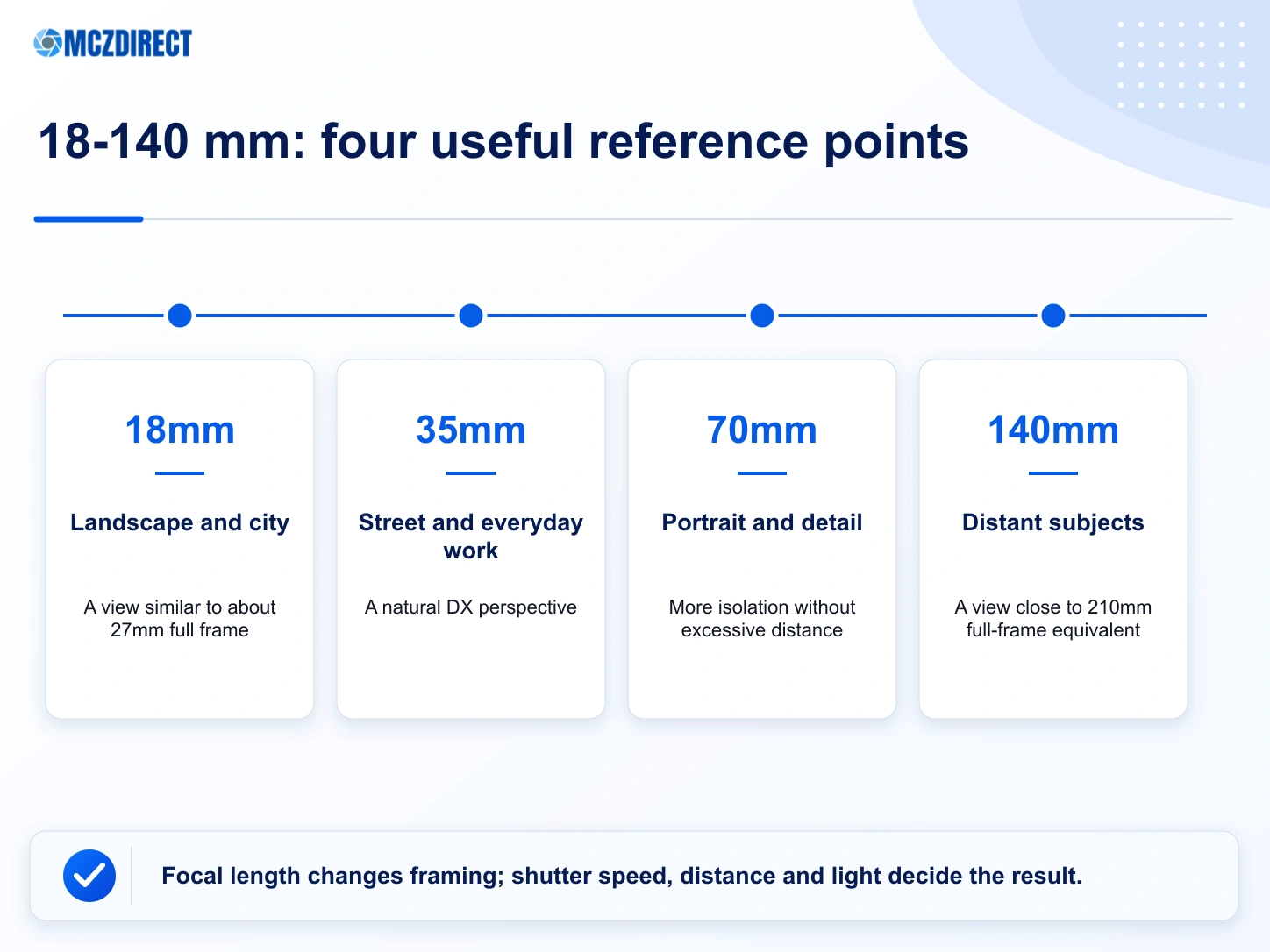
18mm : landscape and city, a view similar to about 27mm full frame. 35mm : street and everyday work, a natural DX perspective. 70mm : portrait and detail, more isolation without excessive distance. 140mm : distant subjects, a view close to 210mm full-frame equivalent.
On a Nikon DX body, 18-140mm frames like approximately 27-210mm on full frame. The short end is a moderate wide angle for landscapes, streets and groups when some working room is available. The long end handles portraits, architectural details and reasonably distant wildlife. That breadth is why the lens works well for travel: a photographer can respond to several subjects without exposing the sensor during repeated lens changes.
It is important not to confuse 18mm on DX with an 18mm full-frame view. In a small room, narrow street or directly below a large building, the equivalent 27mm angle can feel restrictive. The DX 16-50mm begins around a 24mm equivalent and is better for interiors. The 18-140 gives up that extra width in return for a much longer reach. The right compromise depends on the places, not simply the larger number printed on the barrel.
The practical appeal of the 18-140mm lies in continuity. A view at 18mm can be followed by a portrait around 50 or 70mm and a distant feature at 140mm. Attention stays on the day rather than on the bag. During a family trip, hike or city visit, that freedom often matters more than having the fastest possible aperture at every focal length.
At 315g, it remains well matched to a Z50 II, Z fc or Z30. It is not as tiny as the retractable 16-50, but it can replace the need to pack a separate 50-250. Dedicated architectural or wildlife outings still benefit from specialised lenses. The 18-140 is for the mixed day when the next subject is unknown and missing a moment would be more frustrating than accepting a moderate aperture.
Nikon rates the optical VR at up to five stops under its test conditions. It settles the view at 140mm and can help with buildings, landscapes or a still person as daylight fades. That is especially valuable on DX bodies without sensor-shift stabilisation. A stable view also makes precise autofocus placement easier at the long end.
VR cannot stop a running child, animal or performer. Shutter speed still needs to match the subject, even when the viewfinder looks calm. A short burst may improve the chance of capturing the right gesture, but it cannot rescue a fundamentally slow exposure. In video, VR reduces small movements; walking technique and a balanced hold are still needed to prevent abrupt corrections and a floating horizon.
Between roughly 50 and 100mm on the lens, the DX field of view becomes useful for portraits. It allows comfortable distance and removes some background clutter. At 140mm, it can isolate an architectural feature or expression from farther away. The f/6.3 maximum aperture will not mimic a fast prime, but subject-to-background distance can still create a pleasant separation.
For family photography, the ability to move from a group to one face is more important than spectacular blur. Indoors, the slower aperture means watching shutter speed and ISO closely. A small f/1.8 prime is the stronger evening companion. The 18-140 keeps its advantage when situations change quickly and swapping lenses would cost the moment the photographer was trying to preserve.
Maximum reproduction of 0.33x lets a flower, meal, craft object or collection detail fill a meaningful part of the frame. Minimum focus ranges from about 0.20m at 18mm to 0.40m at 140mm. At the long end, the photographer retains useful distance and gains a calmer background. This makes the lens more versatile than a travel zoom concerned only with distant subjects.
It is not a true 1:1 macro lens. Tiny insects, coins and accurate reproduction require a NIKKOR Z MC. For ordinary close-ups, the most important choices are a shutter speed that handles movement, focus on the significant feature and enough separation from the background. Wind on a flower can defeat stabilisation, so the subject should be observed before choosing a slow exposure.
On a Z50 II, the handgrip and viewfinder make the 18-140 a balanced hybrid travel outfit. The Z fc has a flatter body, so an optional grip can improve comfort during a long day. On a Z30, the lack of a viewfinder makes the combination particularly relevant for video and light travel, although framing at 140mm from the rear screen benefits from a firm stance.
The stepping motor supports quiet focus transitions. For continuous video, the changing maximum aperture and any crop applied by the camera should be checked in advance. Setting an aperture no wider than f/6.3 avoids brightness changes through the zoom. Good sound, steady movement and a controlled AF transition will usually have more effect on the finished clip than autofocus speed in isolation.
The two-lens combination starts wider and reaches farther. It also lets the photographer carry only the tiny 16-50 for a short walk. The cost is a second lens and a change around 50mm. The 18-140 starts less wide and stops at 140mm, but it preserves the flow of a day. Its advantage is not maximum coverage; it is the absence of interruption.
For wildlife or distant sport, the 50-250 remains the stronger choice. For interiors and compact travel, the 16-50 is more convincing. The 18-140 suits someone who photographs a mixture and would rather capture the picture than search the bag for the theoretically ideal optic. That is a working-method decision as much as a focal-length comparison.
A broad 18-140mm range is easier to use when the camera protects a sensible shutter speed. On a Z50 II or Z fc, Auto ISO can be set so the camera raises sensitivity before a person, animal or handheld telephoto frame becomes blurred. At the wide end, slower speeds may remain usable for a static street or building. Toward 140mm, the minimum should rise because magnification makes both camera movement and subject motion more visible. VR supports the photographer, but it should complement this decision rather than replace it.
This approach keeps exposure changes predictable as the day moves from bright streets to shaded paths or interiors. It also explains why the zoom suits family travel: the photographer can change framing quickly without rebuilding every setting. For landscapes on a tripod, Auto ISO can be disabled and the lowest practical sensitivity selected. For a child, pet or moving detail, shutter speed comes first. Learning those two working modes brings more benefit than treating the lens as a single automatic solution for every subject between 18 and 140mm.
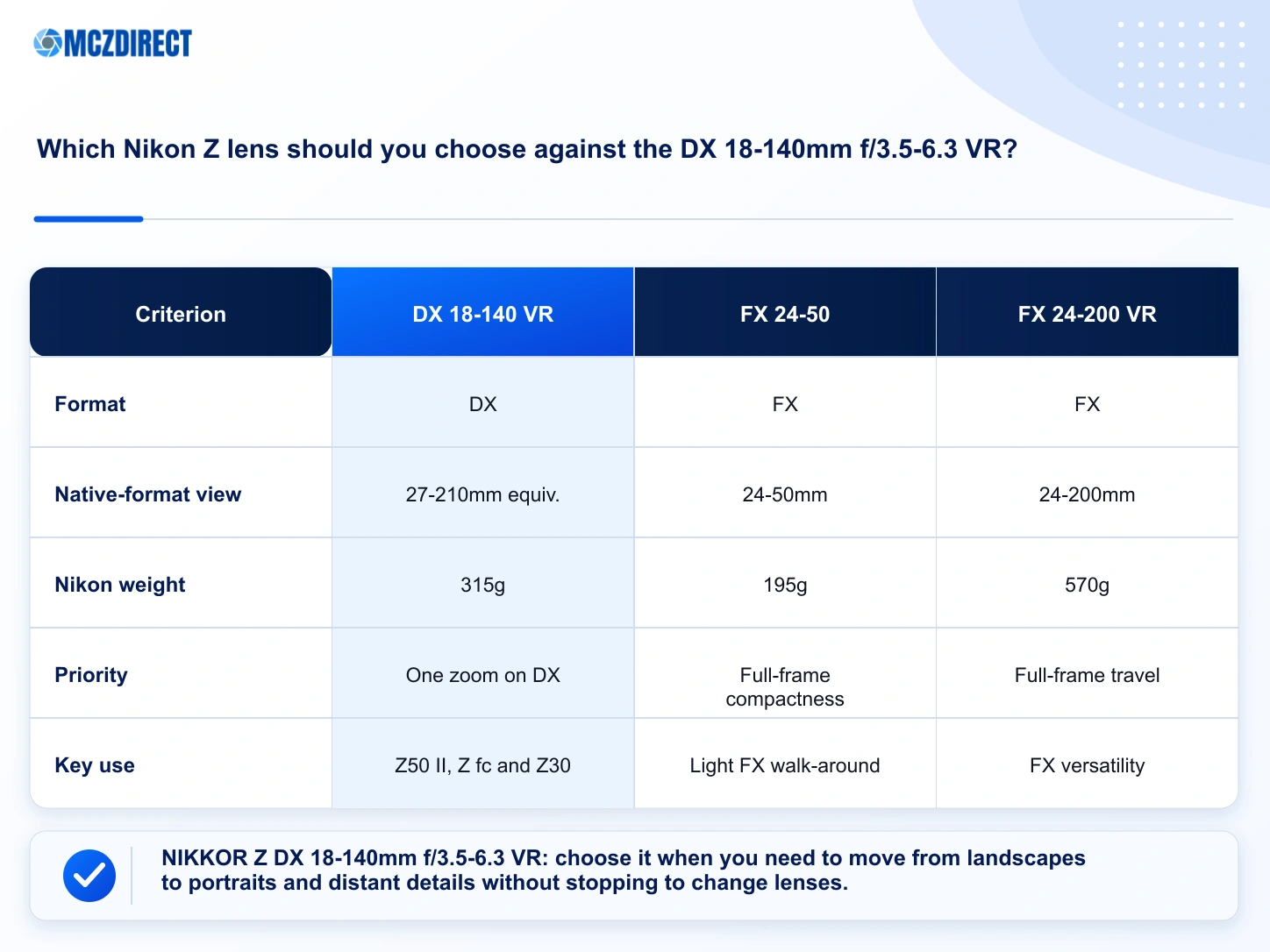
18mm gives a 27mm-equivalent view, so it is not as wide as the compact 16-50mm. That reservation explains why the NIKKOR Z 24-50mm f/4-6.3 or NIKKOR Z 24-200mm f/4-6.3 VR may fit a particular assignment better.
The decision is not simply about the longest range or fastest aperture. Compare the load actually carried, the subjects photographed most often and how many lens changes are acceptable during a day.
| Criterion | DX 18-140 VR | FX 24-50 | FX 24-200 VR |
|---|---|---|---|
| Format | DX | FX | FX |
| Native-format view | 27-210mm equiv. | 24-50mm | 24-200mm |
| Nikon weight | 315g | 195g | 570g |
| Priority | One zoom on DX | Full-frame compactness | Full-frame travel |
| Key use | Z50 II, Z fc and Z30 | Light FX walk-around | FX versatility |
At MCZ DIRECT, we recommend it to DX photographers who would rather watch the scene than manage the contents of a bag. Range, 315g weight and VR form a convincing combination for a travel day or family outing.
The 16-50mm VR remains stronger for interiors, wider views and the smallest possible kit. The 50-250mm VR reaches farther for sport or wildlife. The 18-140 sits between them and makes sense when one lens needs to stay mounted for most of the day.