

Shopping Cart

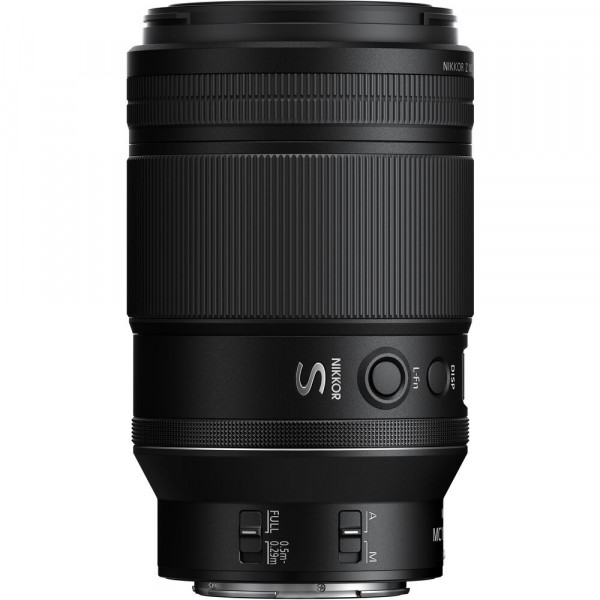
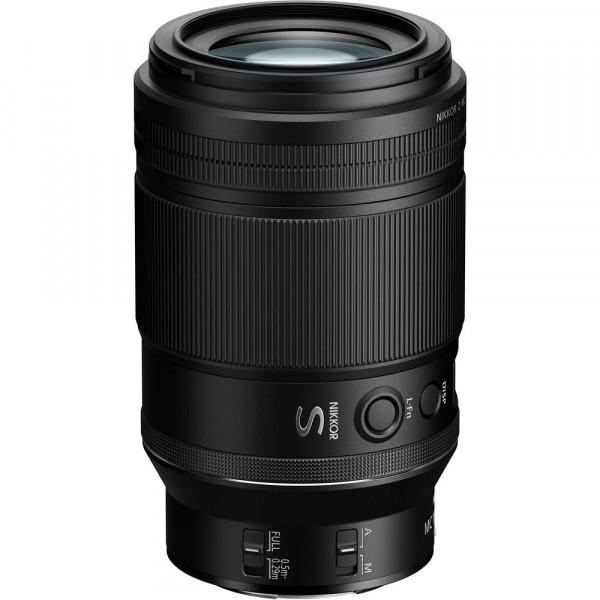
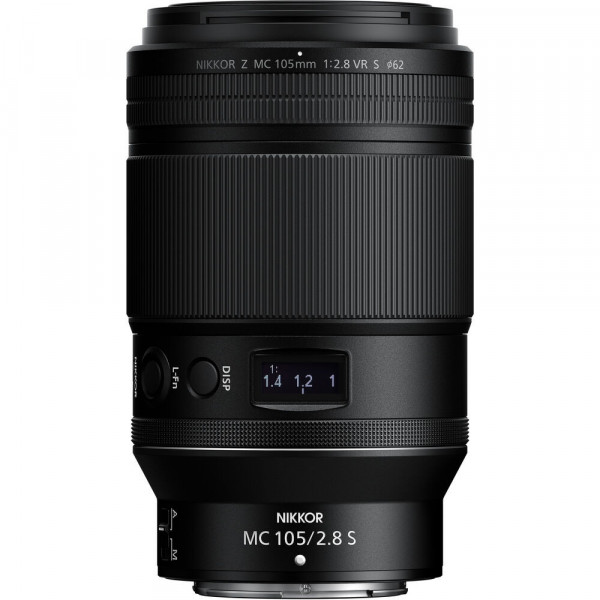

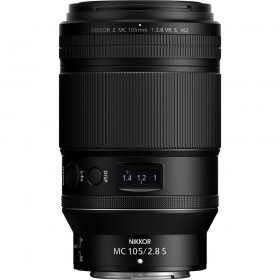


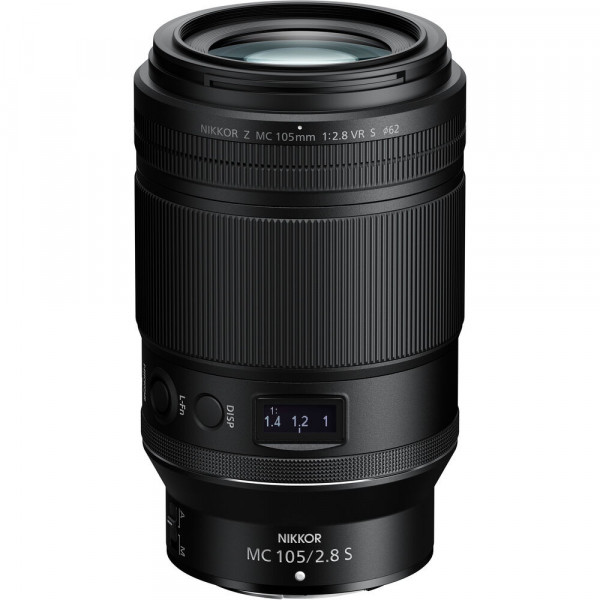
Nikon Nikkor Z MC 105mm f/2.8 VR S Macro
IN STOCK
€809.40
€852.00-5%
- 100% newBrand-new and authentic product
- Final priceNo unpleasant surprises! The displayed price is the final amount paid for your purchase.
- Order before 2 pm: estimated delivery Thu 23 - Fri 24 JulEstimate based on available stock, order time, business days and carrier delivery times.
- 3-year MCZ DIRECT warranty
- Free delivery with insurance includedYour order is protected from dispatch to delivery: in case of loss, theft or damage during transport, your parcel is insured up to its value.
Explore the Nikon Z 105mm f/2.8 VR S macro lens, perfect for macro photography. Enjoy incredible sharpness and stunning bokeh with a constant f/2.8 aperture. Capture breathtaking details with a 1:1 reproduction ratio and clear photos even in low light thanks to Vibration Reduction (VR). An essential tool for both professional and amateur photographers.
The Nikon Z MC 105mm f/2.8 VR S Macro is a premium macro lens designed for Nikon's Z-series mirrorless cameras. With a 105mm focal length and a maximum aperture of f/2.8, it excels in capturing life-size (1:1) magnification, making it ideal for detailed close-ups and portrait photography.
Key Features:
Exceptional Image Quality: This lens delivers outstanding sharpness and color accuracy, ensuring your subjects are captured with remarkable clarity.
Vibration Reduction (VR): Equipped with Nikon's advanced VR technology, it compensates for camera shake, allowing for sharp images even in low-light conditions or when shooting handheld.
True 1:1 Magnification: Achieve life-size reproduction of your subjects, perfect for capturing intricate details in macro photography.
Robust Build: Constructed with professional-grade materials, it offers durability and is sealed against dust and moisture, suitable for various shooting environments.
Fast and Quiet Autofocus: The stepping motor (STM) ensures quick, accurate, and silent focusing, beneficial for both stills and video recording.
Recommended Uses:
Macro Photography: Ideal for photographing small subjects like insects, flowers, and intricate product details, bringing out textures and patterns not easily seen with the naked eye.
Portrait Photography: The 105mm focal length combined with a wide f/2.8 aperture produces a pleasing background blur (bokeh), making your subject stand out beautifully.
Product Photography: Perfect for capturing detailed images of products, especially when highlighting fine craftsmanship or textures.
Videography: The silent autofocus and effective vibration reduction make it a great choice for recording videos, ensuring smooth focus transitions and stable footage.
Technical Specifications:
Mount: Nikon Z
Focal Length: 105mm
Maximum Aperture: f/2.8
Minimum Aperture: f/32
Lens Construction: 16 elements in 11 groups, including 3 ED elements and 1 aspherical element
Angle of View: 23°10' (FX format)
Minimum Focus Distance: 0.29 meters
Maximum Reproduction Ratio: 1:1
Diaphragm Blades: 9 (rounded)
Filter Size: 62mm
Dimensions: Approximately 85mm diameter x 140mm length
Weight: Approximately 630 grams
The Nikon Z MC 105mm f/2.8 VR S Macro lens is a versatile and high-performing tool for photographers seeking to explore macro photography or enhance their portrait work. Its combination of superior optics, reliable build quality, and advanced features makes it a valuable addition to any photographer's kit.
Order the Nikon Z MC 105mm f/2.8 VR S Macro now and elevate your photography to new heights!
- Lens mount
- Nikon Z
- Recommended use
- Macro / product detail
Portrait / low light
Video / stabilized - Stabilization
- Yes
- Lens type
- Macro
- Focal length
- Telephoto
- Maximum aperture
- f/2.5 - f/2.8
- Aperture options
- f/1.8 to f/2.8
- Photo use
- Macro
Portrait
Product
Travel - Lens format
- Full frame

NIKZMC105F28VRS
0018208201006
Technical specifications
General
Brand
Nikon
Product type
Lens
Lens type
Macro
Lens series
NIKKOR Z S-Line
Aperture options
f/1.8 to f/2.8
Lens mount
Nikon Z
Photo use
Macro; Product; Portrait; Travel
Lens format
Full frame
Level
Suitable for professionals
Yes
Properties
Close up lens
Macro
Full frame
Yes
Image stabilization
Yes
Lens construction
16 elements in 11 groups
Magnification factor
1x
Focus mode
Autofocus and manual
Minimum focusing distance
29 cm
Lens hood included
Yes
Focal length
Fixed focal length
Yes
Focal length
105 mm
Minimum focal length
105 mm
Maximum focal length
105 mm
Aperture
Minimum aperture overall
f/32
Minimum aperture
f/32
Maximum aperture
f/2.8
Diaphragm blades
9
Zoom
Zoom option
No
Uses
Landscape photography
No
Portrait photography
Yes
Travel photography
No
Reportage photography
No
Sports photography
No
Wildlife photography
No
All-round photography
Yes
Video
No
Physical properties
Weight
630 g
Filter size
62 mm
Length
14 cm
Diameter
85 mm
Buying guidance
Best for
Ideal for: portrait, all-round use.
Compatibility
Nikon Z-mount lens for full-frame FX Nikon Z mirrorless cameras; also usable on DX-format Nikon Z bodies with DX crop.
Warning
Check before buying: dust and drip resistance is not guaranteed in all situations.
Nikon Nikkor Z MC 105mm f/2.8 VR S Macro FAQ
Is the Nikon Nikkor Z MC 105mm f/2.8 VR S Macro worth the price?
Yes, if you want a high-end Nikon Z macro lens with stabilisation, versatility and true 1:1 reproduction. The Nikon Nikkor Z MC 105mm f/2.8 VR S Macro is aimed at photographers who take details, flowers, products, textures, small subjects and tight portraits seriously. It makes most sense if you need working distance, S-Line quality and VR stabilisation.
Is the Nikon Nikkor Z MC 105mm f/2.8 VR S Macro a true macro lens?
Yes, it is a true macro lens with 1:1 reproduction. A subject can be reproduced life-size on the sensor, which is essential for serious macro work. The 105 mm focal length also gives more distance than a 50 mm macro lens, helping with lighting and sensitive subjects.
Who is the Nikon Nikkor Z MC 105mm f/2.8 VR S Macro made for?
It is made for Nikon Z users who want an expert macro lens while keeping the versatility of a short telephoto. It suits nature, product work, jewellery, detail photography, copying, tight portraits and creators who need precision. It is less logical if you simply want a small standard prime to carry everywhere.
Does 105 mm bring a real advantage over a 50 mm macro lens?
Yes, 105 mm mainly gives more working distance and more comfortable framing. In macro, that makes lighting the subject easier and reduces the risk of scaring it or casting a shadow. A 50 mm macro is still more compact and practical on a table, but 105 mm is often more comfortable for regular macro work.
Is the Nikon Z MC 105mm f/2.8 VR S suitable for insects and flowers?
Yes, it is very suitable for flowers, natural details and less nervous insects. The 105 mm focal length gives useful working distance and 1:1 reproduction lets you frame very small details. For fast or hard-to-approach insects, patience, light, support and technique remain as important as the lens.
Is the Nikon Nikkor Z MC 105mm f/2.8 VR S Macro good for portraits?
Yes, it can work very well for tight portraits with precise rendering and pleasing compression. The 105 mm focal length gives flattering framing and f/2.8 already offers clear subject separation. However, its very detailed rendering and macro autofocus can feel less natural than a dedicated portrait lens depending on the look you want.
Is VR stabilisation important on the Nikon Z MC 105mm f/2.8 VR S?
Yes, VR stabilisation is a real advantage for steadier framing and reduced camera shake. It helps especially handheld, close up and when light drops. In extreme macro, it does not always replace a tripod, flash or sufficient shutter speed, but it clearly improves flexibility.
Is the Nikon Z MC 105mm f/2.8 VR S Macro suitable for video?
Yes, it can be very interesting for video detail shots, product work, textures and tight portraits. The 105 mm focal length gives compressed perspective and the macro capability opens framing that is hard to get from a standard zoom. For good results, stability, very shallow depth of field and focusing need careful handling.
Nikon Z MC 105mm f/2.8 VR S or Nikon Z MC 50mm f/2.8 Macro: which should you choose?
Choose the MC 105mm f/2.8 VR S for working distance, stabilisation and expert macro use; choose the MC 50mm f/2.8 for compactness, lower price and tabletop product work. The 105 mm is more comfortable for nature, insects and tight portraits. The 50 mm is easier to carry and more discreet.
What limits should you know before buying the Nikon Nikkor Z MC 105mm f/2.8 VR S Macro?
Its main limits are price, size, fixed focal length and very shallow depth of field in macro. It does not replace a versatile zoom or a brighter lens for some very low-light portrait work. Choose it for a real macro and detail need, with good control of light and stability.
Reviews Nikon Nikkor Z MC 105mm f/2.8 VR S Macro
0 Rating
Customer photos
No customer photos yet
Tap to zoom
ALEX (In testing phase)