

Shopping Cart



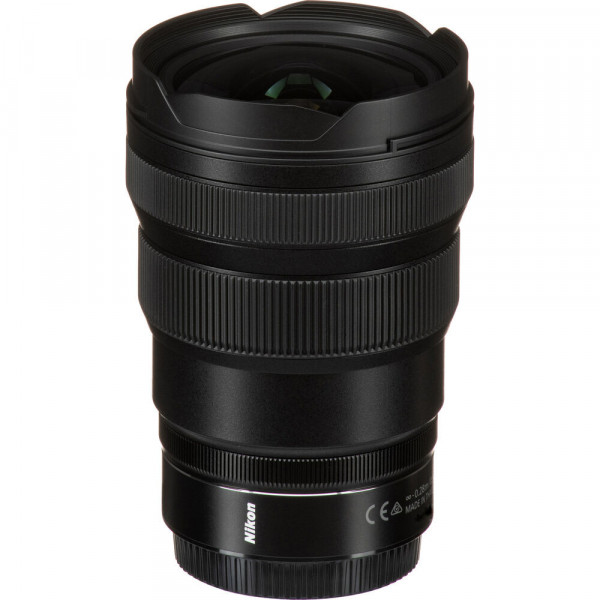
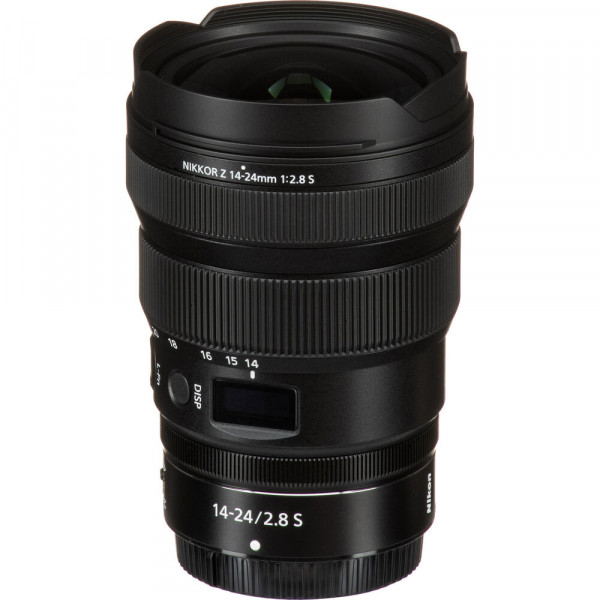

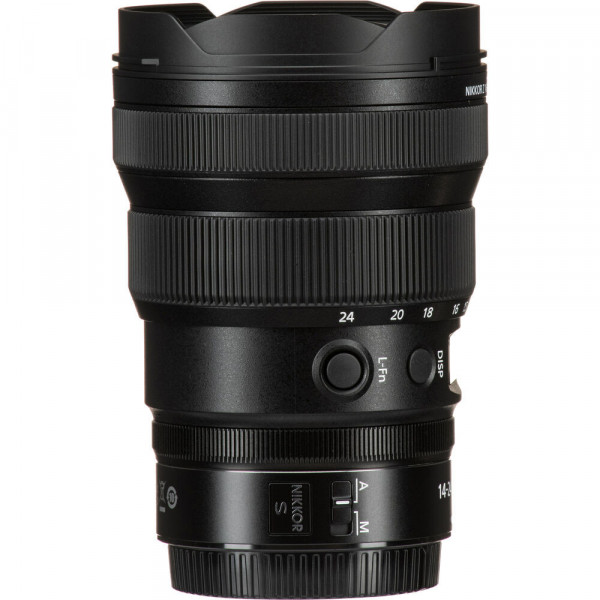
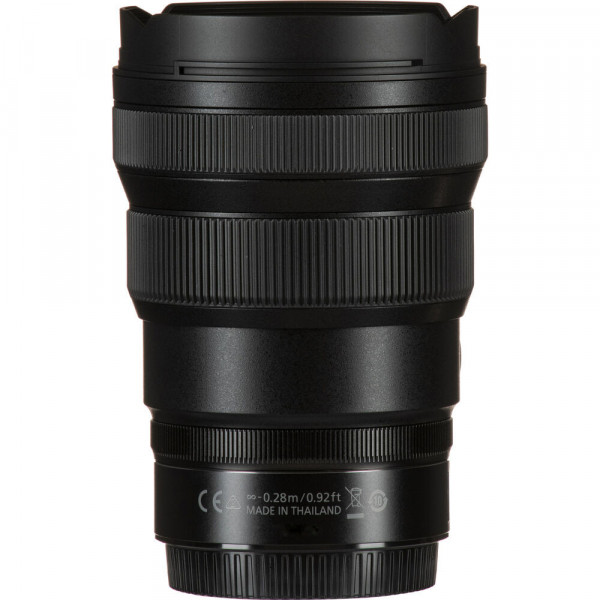
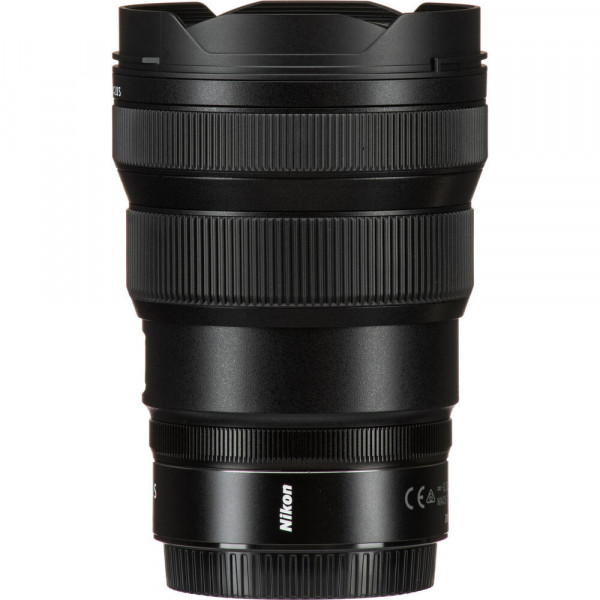
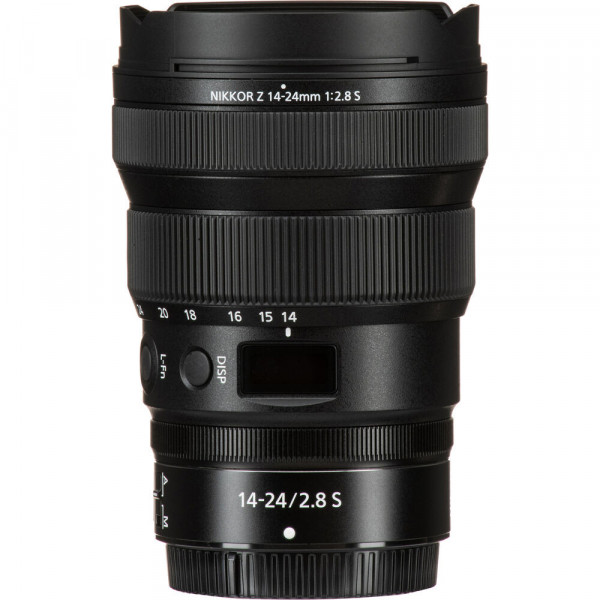
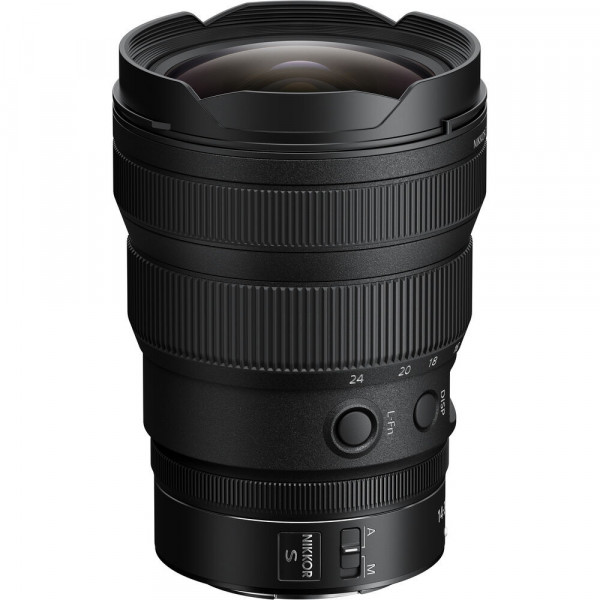

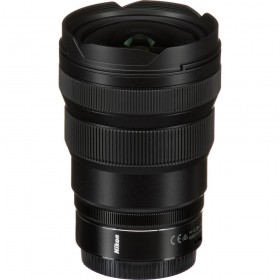
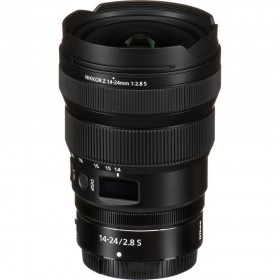

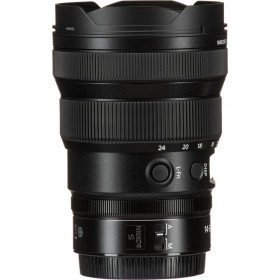
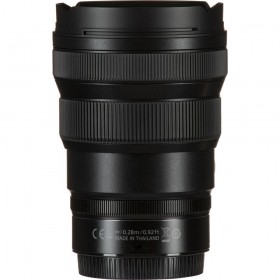
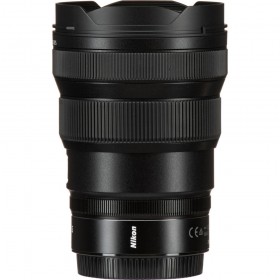
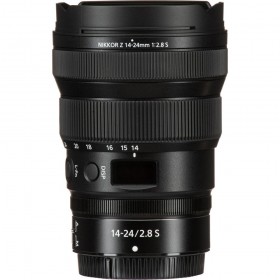
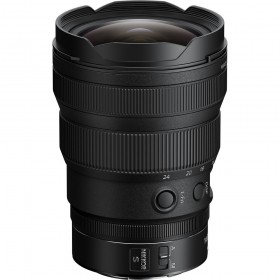

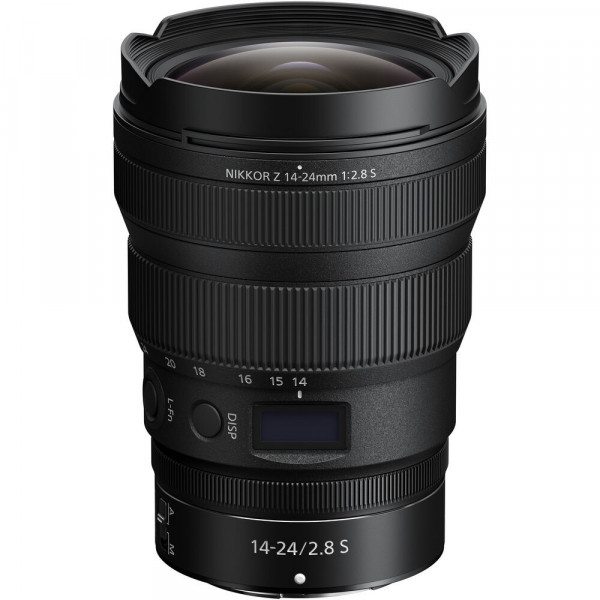
Nikon Z 14-24mm f/2.8 S
IN STOCK
€1,516.20
€1,596.00-5%
- 100% newBrand-new and authentic product
- Final priceNo unpleasant surprises! The displayed price is the final amount paid for your purchase.
- Estimated delivery Thu 23 - Fri 24 JulEstimate based on available stock, order time, business days and carrier delivery times.
- 3-year MCZ DIRECT warranty
- Free delivery with insurance includedYour order is protected from dispatch to delivery: in case of loss, theft or damage during transport, your parcel is insured up to its value.
Nikon's revolutionary 'trinity' of mirrorless camera lenses is now complete with the arrival of the all-new Nikkor Z 14-24mm S. Combining superior optical clarity, a bright constant aperture and wide mount capabilities specifically designed for use on Z cameras, this ultra wide-angle lens sets a new standard in quality imaging.
Nikon Z 14-24mm f/2.8 S: The ideal ultra-wide-angle lens for your photography gear
Introducing the Nikkor Z 14-24mm f/2.8 S
Discover the Nikon Z 14-24mm f/2.8 S, an ultra-wide-angle lens that stands above the Nikkor Z 14-30mm f/4 S. This professional lens is designed to capture beautiful landscapes, night scenes, and stunning architecture.
Thanks to its advanced optical components and enhanced weather resistance, it provides exceptional reproduction performance.
Main features:
- Ultra-wide-angle zoom
- Constant F2.8 aperture
- Nano Crystal Coating
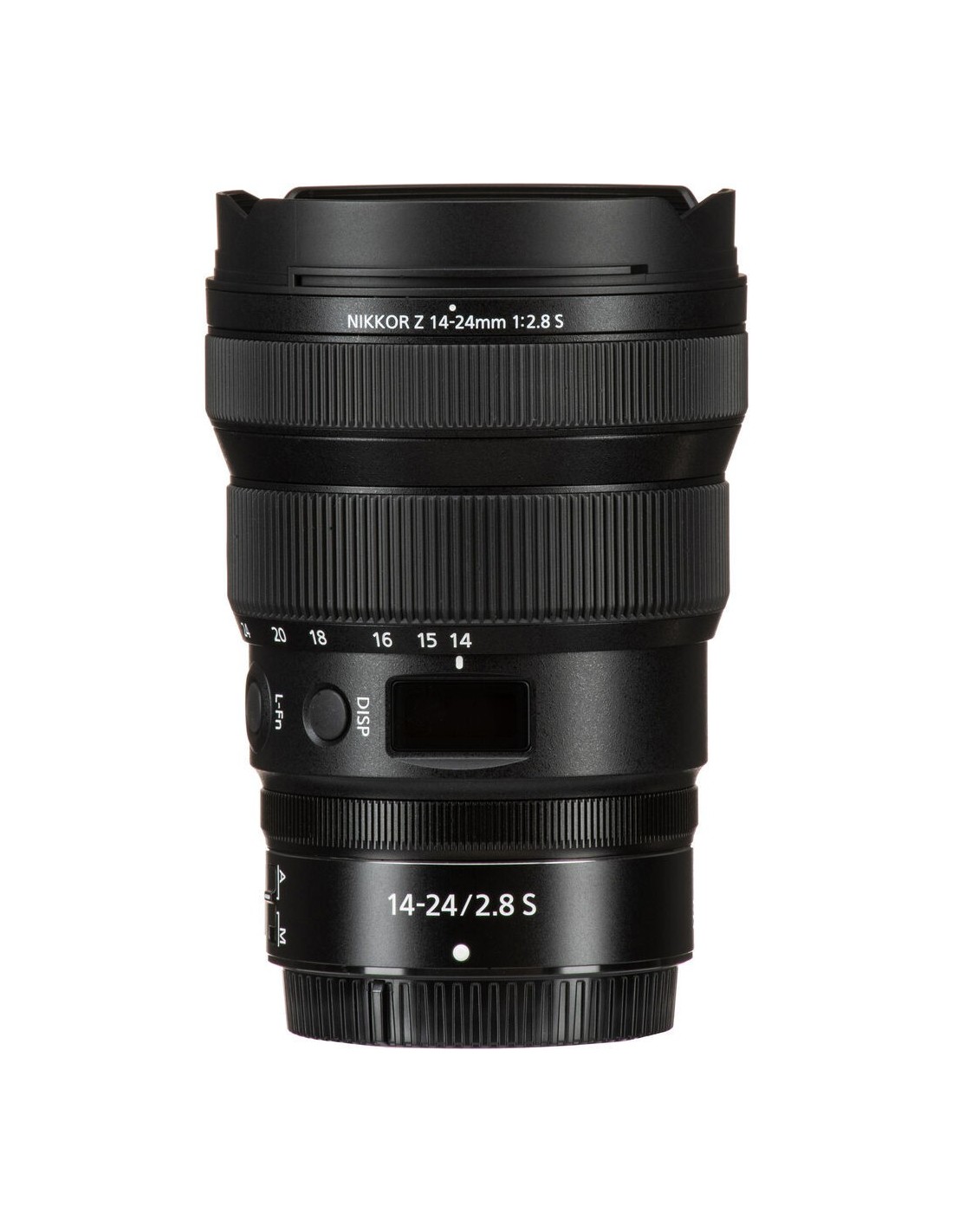
- OLED display
- Smooth, quiet, responsive
- Robust and reliable
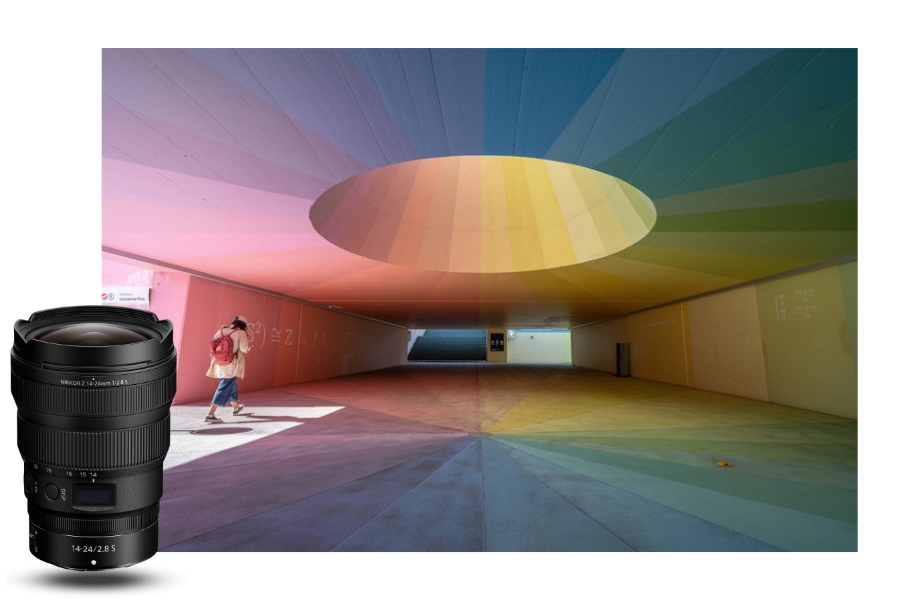
What we like about the Nikon 14-24mm F2.8 S:
- The world's shortest ultra-wide-angle zoom, with a fast and bright constant f/2.8 aperture, is perfect for Nikon's Z series hybrid camera bodies.
- Exceptional edge-to-edge quality, in line with the optical performance of the S series
- The quiet, fast, and accurate STM AF motor ensures the lens is suitable for both photography and video.
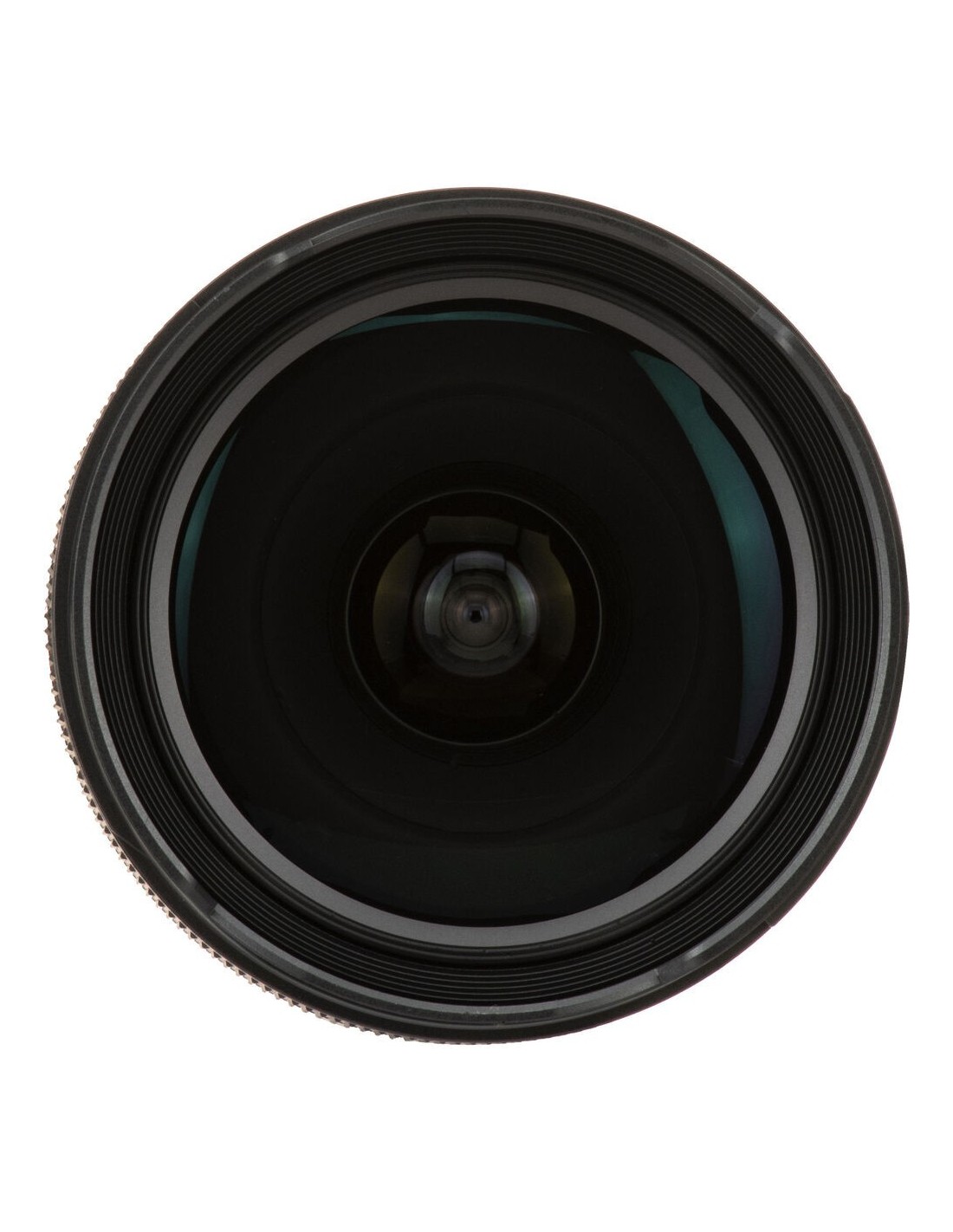
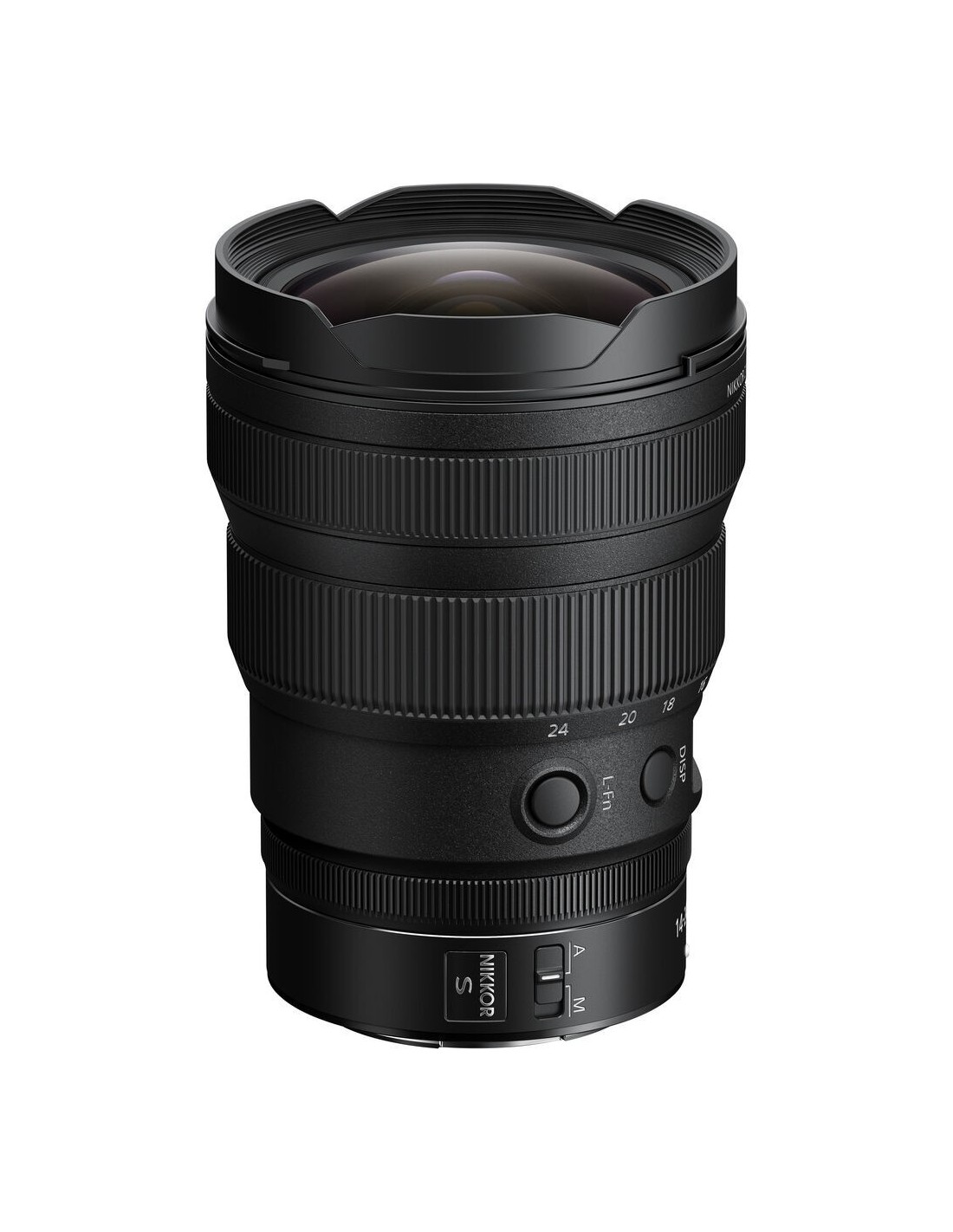
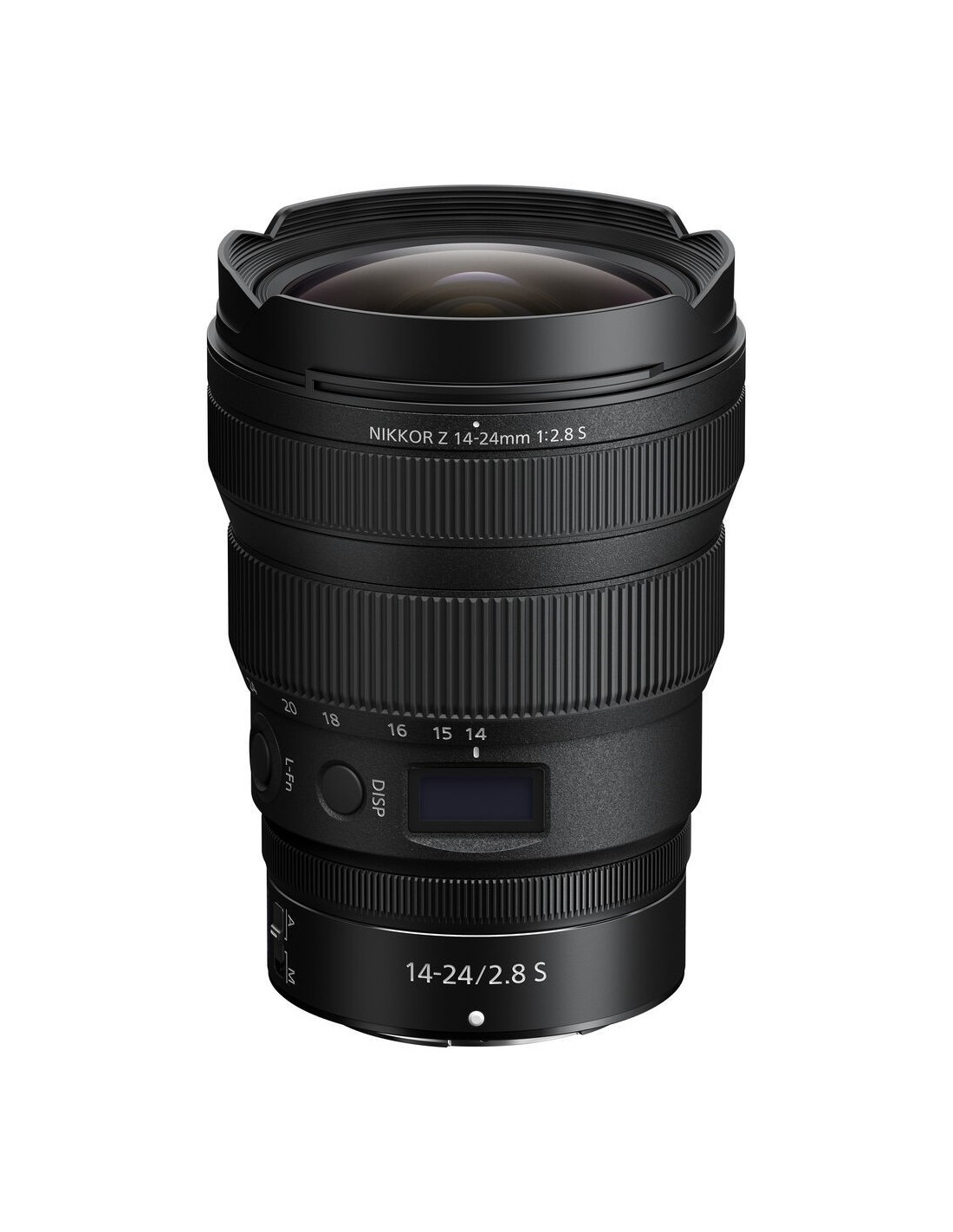
- The nearly flat front element allows for the use of threaded filters, reducing the size and weight of the lens.
- Nano Crystal and Arneo coatings control ghosting and flare during full sun shots.
For what type of photography is the Nikon Nikkor Z 14-24mm F2.8 S lens suitable?
The Nikon Nikkor Z 14-24mm F2.8 S is suitable for:
- Landscape photography
- Architecture photography
- Travel photography
- Street photography
- Wedding photography
- Vlogging
This lens is ideal for photographers looking for a versatile and high-performance ultra-wide-angle lens.
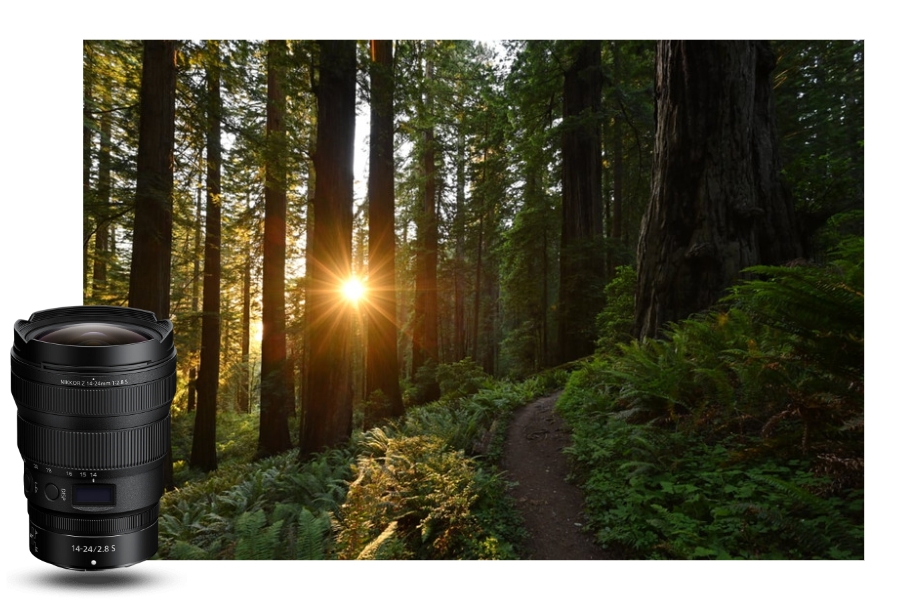
Reasons to buy the Nikon Z 14-24mm F2.8 S lens
Here are some reasons why you should consider buying the Nikon Z 14-24mm F2.8 S for your camera:
- Ultra-wide-angle zoom: Capture grand landscapes and indoor scenes with exceptional sharpness, detail, and color.
- Constant F2.8 aperture: Enjoy a fast and constant aperture throughout the zoom range for bright, high-quality images.
- Nano Crystal Coating: Reduces glare and ghosting for sharper, clearer photos.
- OLED display: Easily control shooting settings directly from the lens. Smooth, quiet, responsive: Fast, smooth, and quiet focus, ideal for photography and video.
- Robust and reliable: Weather-resistant design for use in tough conditions.
- Ultra compact: Here's the world's lightest full-frame f2.8 ultra-wide-angle zoom lens, weighing in at a breezy 650g and delivering wider coverage with ease!
- Filter compatibility: Use 112mm screw-in filters with the included specialized lens hood and a rear filter slot for color gelatin filters.
- Fluorine coating: Protect your lenses from dirt, dust, and moisture while maintaining image quality. Cleaning the front lens has never been easier!
- Nikon Z mount: Compatible with full-frame FX/24x36mm mirrorless cameras.
Detailed features of the Nikon Z 14-24mm f/2.8 S
The Nikon Z 14-24mm f/2.8 S offers a range of impressive features:
- Optical construction: This lens features an impressive count of 16 elements, distributed in 11 groups, including four ED glass lenses and three aspherical lenses. In addition, it benefits from nano crystal and ARNEO coating technologies, as well as a fluorine-coated outer lens to protect against moisture and dirt.
- Angle of view: With a field of view of 114° to 84° in FX format and 90° to 61° in DX format, you won't miss a moment with this lens. Focusing system: Equipped with an internal focusing system, you can get as close as 0.28 m from the focal plane, regardless of the lens length, and take photos with astonishing precision.
- Maximum reproduction ratio: Utilizing a 0.13x magnification with its 24mm focal length, you can achieve maximum clarity and accuracy in your images. Number of diaphragm blades: 9 (rounded diaphragm)
- Autofocus: Yes, with internal focus and continuous manual focus capability
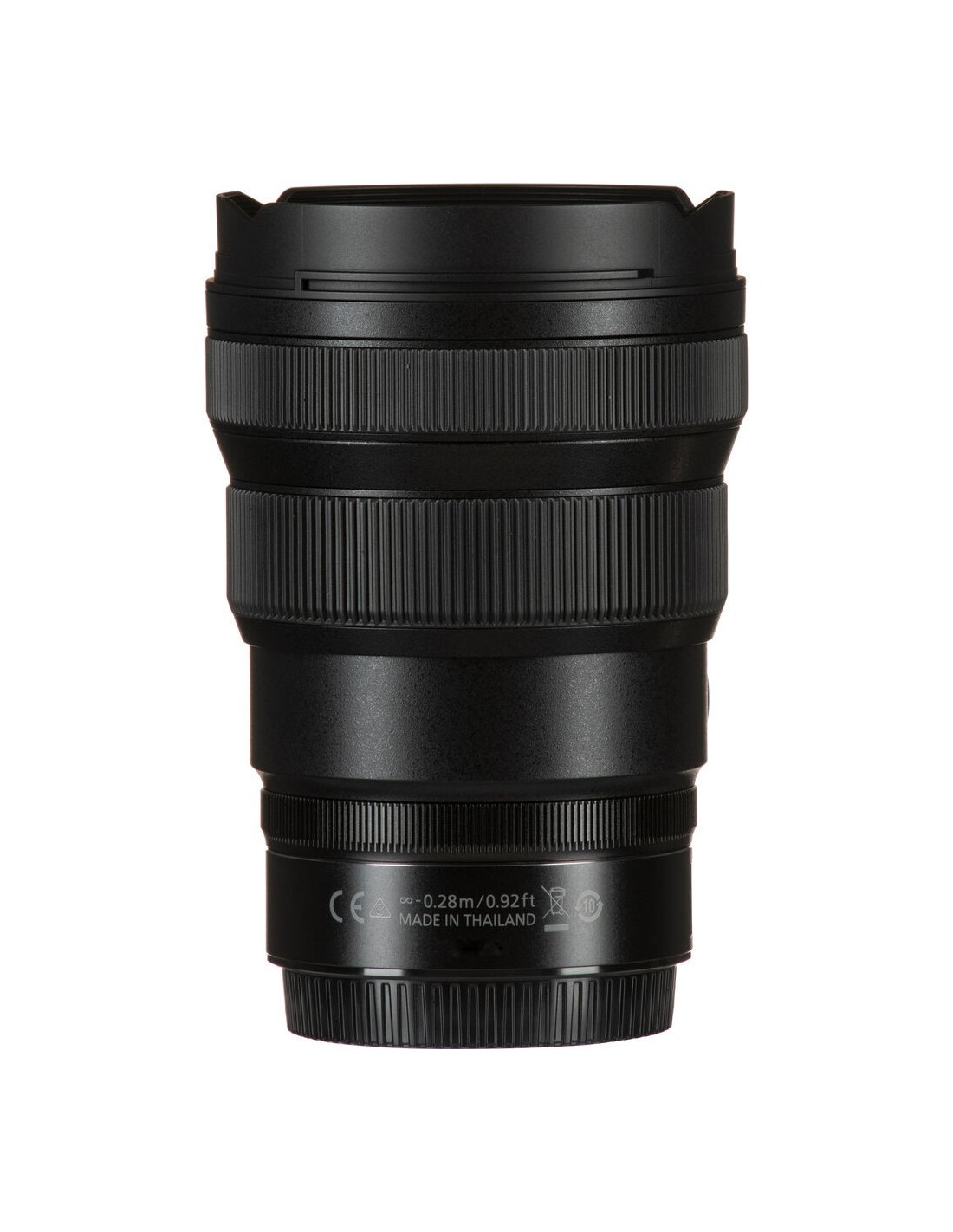
Dimensions and weight: Maximum diameter of approximately 88.5mm x 124.5mm, weight of approximately 650g - Included accessories: Protect your lens and prevent damage with these accessories: front lens cap LC-Z1424, front lens cap LC-K104, rear lens cap LF-N1, lens hood HB-96 for optimal protection against intense light and unwanted glare, as well as an additional lens hood HB-97 for optimal performance. Everything is conveniently stored in a CL Case C2 to ensure your lens is always safe.
Our opinion on the Nikon Z 14-24mm f/2.8 S
Nikon's Z-mount mirrorless cameras are known for their excellence, and the new Nikkor Z 14-24mm f/2.8 S lens is the perfect complement to their already impressive capabilities.
This small yet powerful ultra-wide-angle zoom has achieved what was once considered impossible: an incredibly lightweight and compact design with optical quality far above expectations.
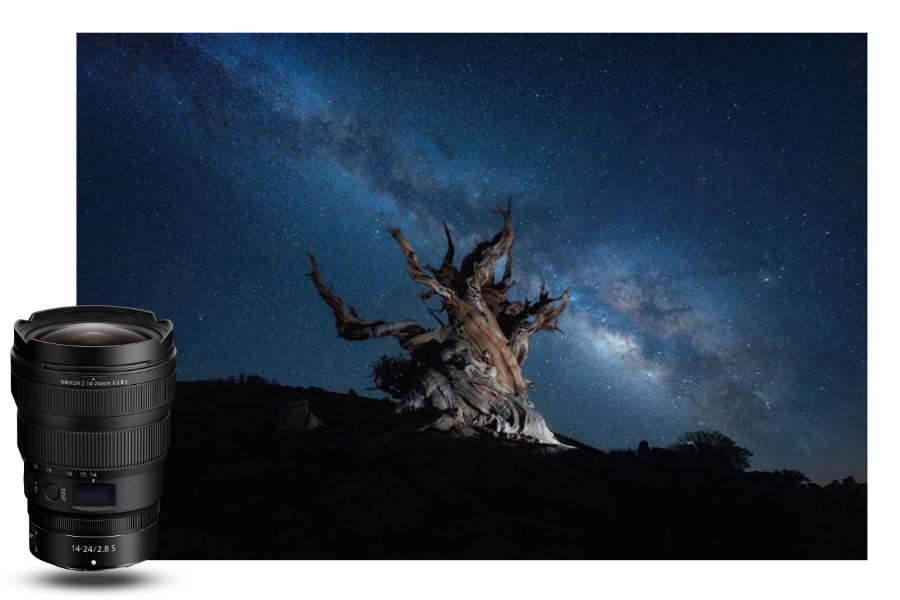
The constant aperture of this lens will be a dream come true for night photographers looking to capture stars, auroras, or Milky Way images, as well as for those shooting video and needing the right focal range.
With the 14-24mm lens, you'll be able to take stunning photos, whether you're using a full-frame mirrorless or APS-C camera. The results of this remarkable lens are astonishingly sharp and rich in color.
The results of this standout lens are astonishingly sharp and rich in color, highlighting every detail of high-resolution sensors.
Photographers with Z-mounts will benefit from this ultra-wide-angle option with screw-in filters, an essential element for outdoor photography.
Additionally, the significant weather-sealing of the device provides protection against the elements and allows landscape photographers to take photos without fear of damaging their equipment.




Conclusion
The Nikon Z 14-24mm f/2.8 S is a high-quality ultra-wide-angle lens, ideal for landscape, architecture, and night scene photography.
With its constant f/2.8 aperture, robust and compact design, and filter compatibility, this lens offers exceptional versatility and performance for professional photographers and videographers.
If you are looking for an ultra-wide-angle lens for your Nikon mirrorless camera, the Nikon Z 14-24mm f/2.8 S is an excellent choice.
Don't miss out on this opportunity!
Enjoy the quality and versatility of the Nikon Z 14-24mm f/2.8 S by purchasing it from our e-commerce site MCZ DIRECT.
Our photography store specializes in photographic equipment, and we guarantee quality customer service and fast delivery.
Order your Nikon Z 14-24mm f/2.8 S lens right now and discover for yourself what this incredible lens can do for your photos!
- Lens mount
- Nikon Z
- Recommended use
- Landscape / architecture
- Stabilization
- No
- Lens type
- Wide angle
- Focal length
- Ultra-wide angle
Wide angle - Maximum aperture
- f/2.5 - f/2.8
- Aperture options
- f/1.8 to f/2.8
- Photo use
- Architecture
Interior
Landscape
Portrait
Reportage - Lens format
- Full frame

NIKZ1424F28S
4960759903570
Technical specifications
General
Brand
Nikon
Product type
Lens
Lens type
Wide angle
Lens series
NIKKOR Z S-Line
Aperture options
f/1.8 to f/2.8
Lens mount
Nikon Z
Photo use
Reportage; Landscape; Architecture; Interior; Portrait
Lens format
Full frame
Level
Suitable for professionals
Yes
Properties
Full frame
Yes
Image stabilization
No
Lens construction
16 elements in 11 groups
Magnification factor
0.13x
Focus mode
Autofocus and manual
Minimum focusing distance
28 cm
Lens hood included
Yes
Focal length
Fixed focal length
No
Focal length
14-24 mm
Minimum focal length
14 mm
Maximum focal length
24 mm
Aperture
Minimum aperture overall
f/22
Minimum aperture
f/22
Maximum aperture
f/2.8
Diaphragm blades
9
Zoom
Zoom option
Yes
Optical zoom
1.71x
Uses
Landscape photography
Yes
Portrait photography
Yes
Travel photography
No
Reportage photography
Yes
Sports photography
No
Wildlife photography
No
All-round photography
No
Video
Yes
Physical properties
Weight
650 g
Filter size
112 mm
Length
12.45 cm
Diameter
88.5 mm
Dust and splash resistant
Yes
Buying guidance
Best for
Ideal for: landscape, portrait, reportage, video.
Compatibility
Nikon Z-mount lens for full-frame FX Nikon Z mirrorless cameras; also usable on DX-format Nikon Z bodies with DX crop.
Warning
Check before buying: VR stabilisation is not listed in the Nikon specifications.
Nikon Z 14-24mm f/2.8 S FAQ
Is the Nikon Z 14-24mm f/2.8 S worth the price?
Yes, if you want a professional Nikon Z ultra-wide zoom for landscape, architecture, interiors, high-end reportage or night skies. The Nikon Z 14-24mm f/2.8 S combines a very wide range with a constant f/2.8 aperture and premium positioning. It makes most sense if you truly use 14 mm, the brightness and the S-Line quality.
Who is the Nikon Z 14-24mm f/2.8 S made for?
It is made for demanding Nikon Z photographers who need a very wide, bright and dependable wide-angle zoom. It suits landscape, architecture, real estate, interiors, events, creative reportage, video and astrophotography. For occasional travel use, a lighter zoom may be more rational.
What does the 14 mm focal length really allow?
It allows extremely wide framing, especially in tight spaces or very open landscapes. At 14 mm, the Nikon Z 14-24mm f/2.8 S helps include foreground, sky, a full room or imposing architecture. The trade-off is strong perspective, so camera placement must be precise to avoid distracting distortion.
Is the f/2.8 aperture useful on an ultra-wide lens?
Yes, f/2.8 is useful for night photography, interiors, events and video in limited light. On an ultra-wide lens, background blur is not the main point, but the extra brightness gives more headroom for ISO and shutter speed. It is also an advantage over a 14-30mm f/4 if you often work in low light.
Is the Nikon Z 14-24mm f/2.8 S good for landscape and architecture?
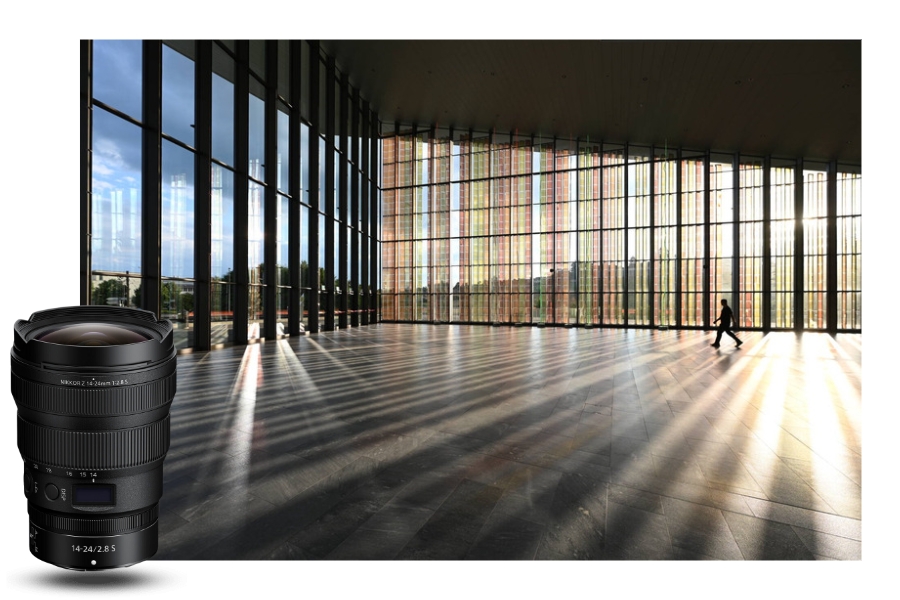
Yes, this is one of its most natural uses. The 14-24 mm range lets you move from a highly immersive frame to a more controlled wide-angle view, useful for landscape, architecture and interiors. For clean results, horizon, verticals and composition matter because ultra-wide lenses quickly amplify placement errors.
Is the Nikon Z 14-24mm f/2.8 S suitable for astrophotography?
Yes, it is very relevant for astrophotography thanks to its very wide focal length and f/2.8 aperture. The 14 mm end includes a lot of sky, while f/2.8 helps gather more light. You still need to account for weather, light pollution, precise manual focus and the support you use.
Is the Nikon Z 14-24mm f/2.8 S suitable for video?
Yes, it is very interesting for video when you need immersive shots, interiors, establishing views and dynamic reportage. Its ultra-wide range gives a strong sense of space and the f/2.8 aperture helps in difficult light. For arm’s-length vlogging it can look dramatic, but perspective and overall weight need to be managed.
Can you use filters with the Nikon Z 14-24mm f/2.8 S?
Yes, it is possible with the solutions designed for this lens, but filters remain bulkier and more expensive than on a small standard zoom. This matters for landscape work, especially if you use ND or polarising filters. Before buying, check the filter or holder type that fits your intended setup.
Nikon Z 14-24mm f/2.8 S, 14-30mm f/4 S or 17-28mm f/2.8: which should you choose?
Choose the 14-24mm f/2.8 S for premium ultra-wide performance; the 14-30mm f/4 S for versatility and lighter travel; the 17-28mm f/2.8 for a more accessible f/2.8 compromise. The 14-24mm gives you 14 mm and f/2.8 inside the S-Line. The right choice depends mostly on your need for 14 mm, brightness and portability.
What limits should you know before buying the Nikon Z 14-24mm f/2.8 S?
Its main limits are price, size, demanding 14 mm perspective and fairly specialised use. It does not replace a standard zoom or a very fast prime such as a 20mm f/1.8 for some night uses. Choose it for a clear professional ultra-wide need, not just to complete a specification sheet.
Reviews Nikon Z 14-24mm f/2.8 S
0 Rating
Customer photos
No customer photos yet
Tap to zoom
ALEX (In testing phase)