Shopping Cart
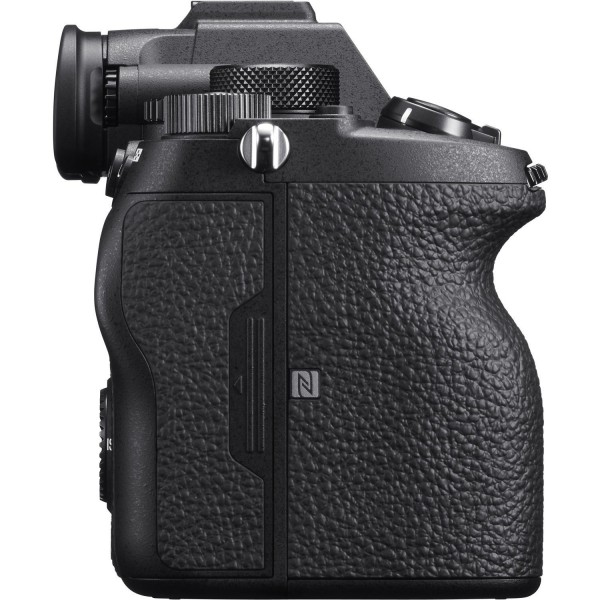
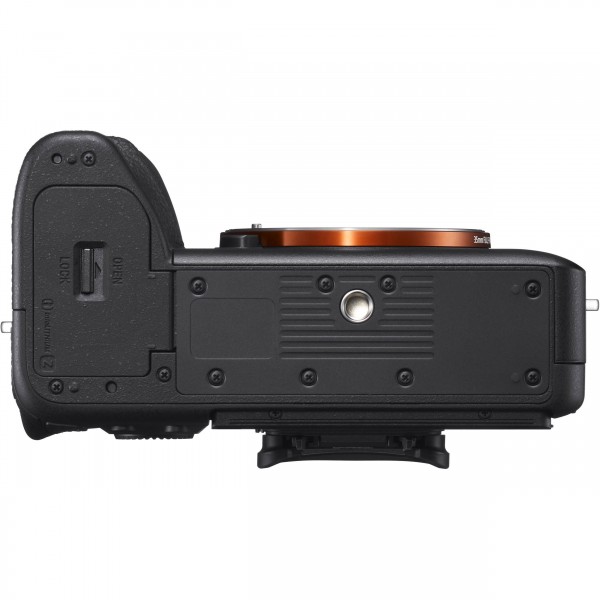
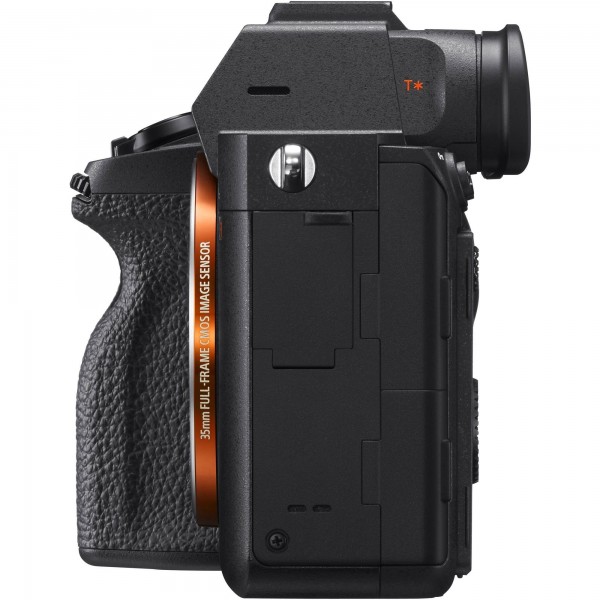
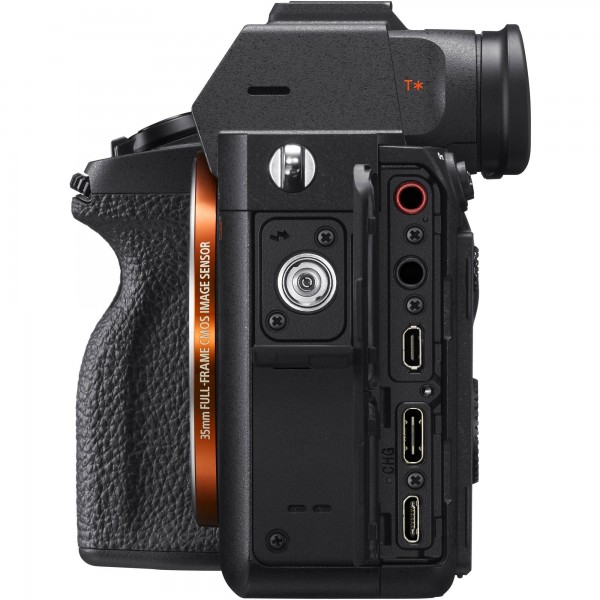
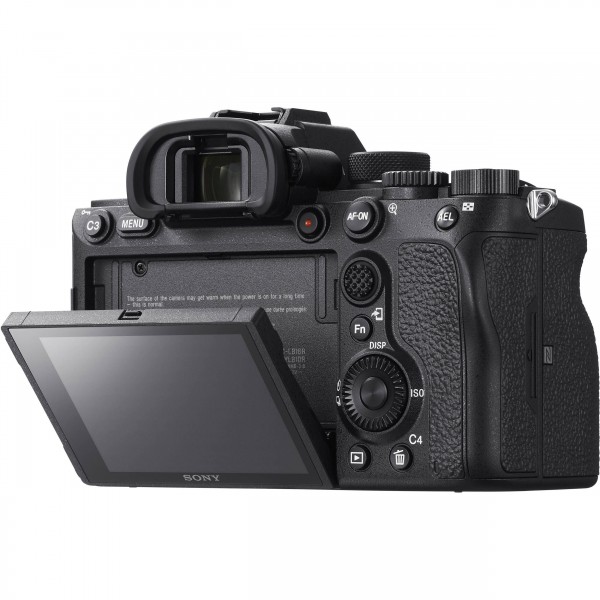
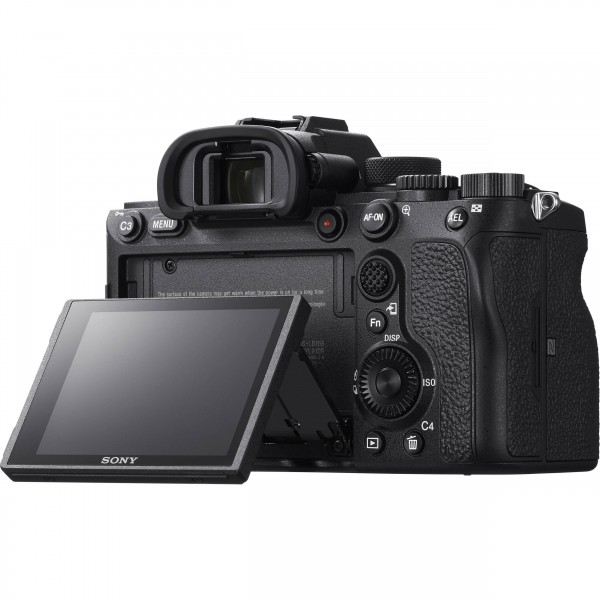
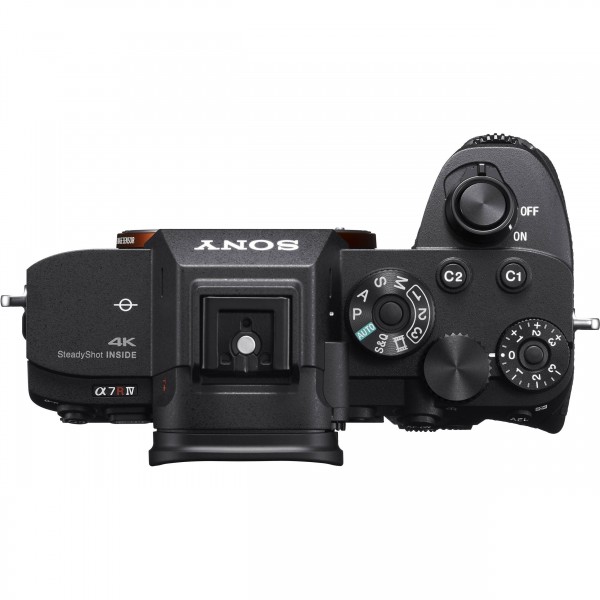
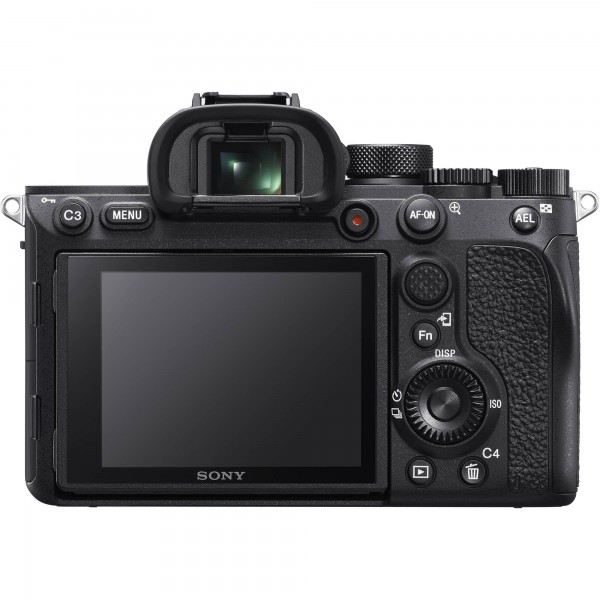

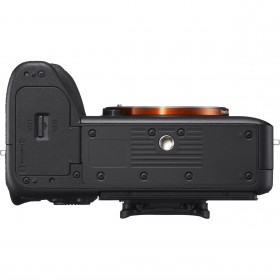
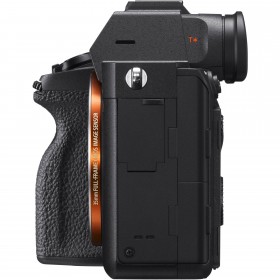
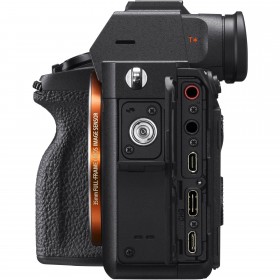
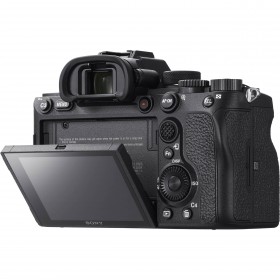
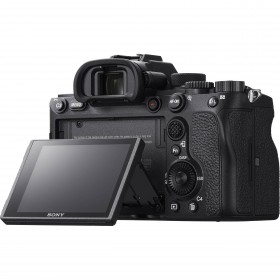
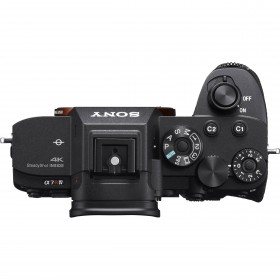

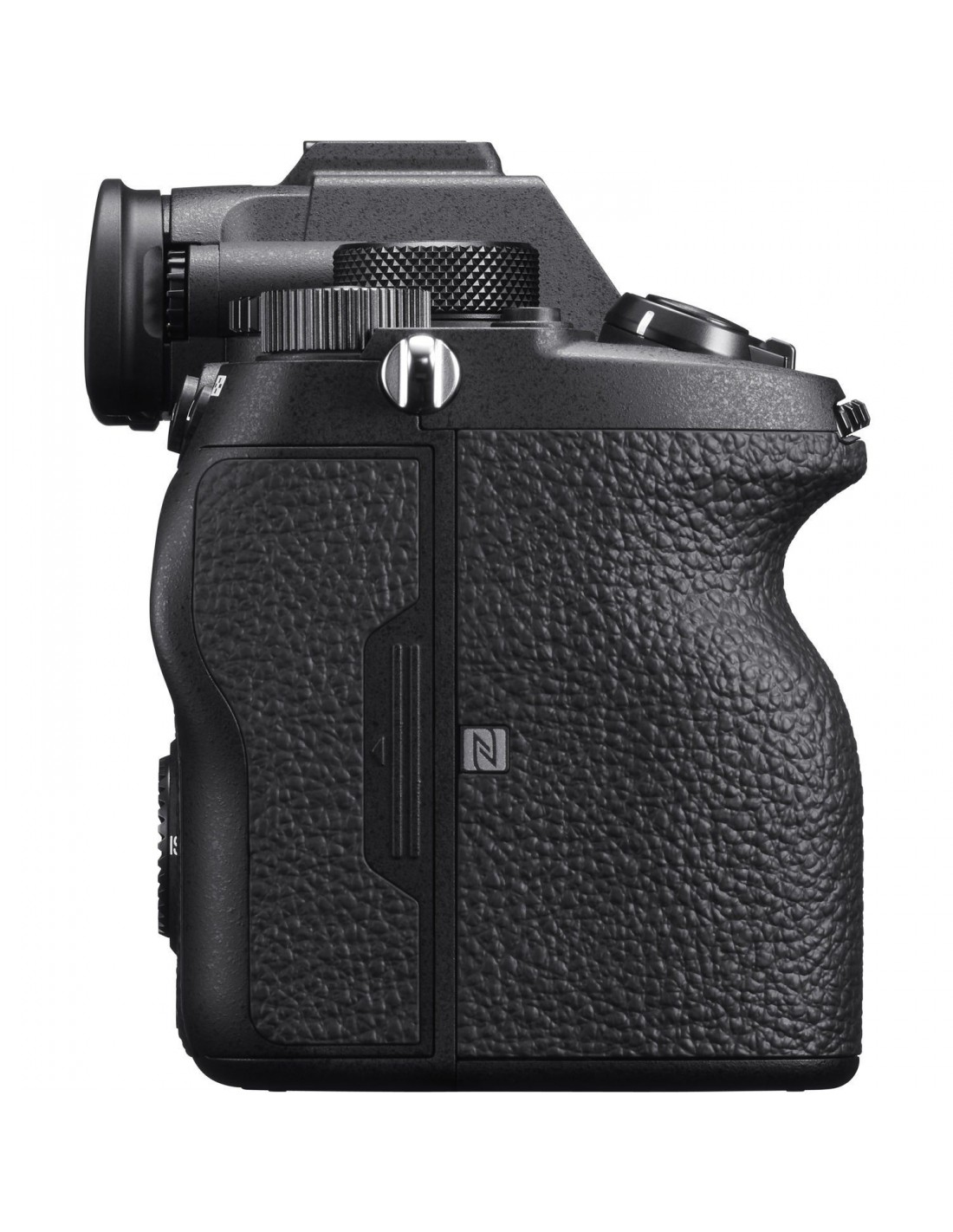
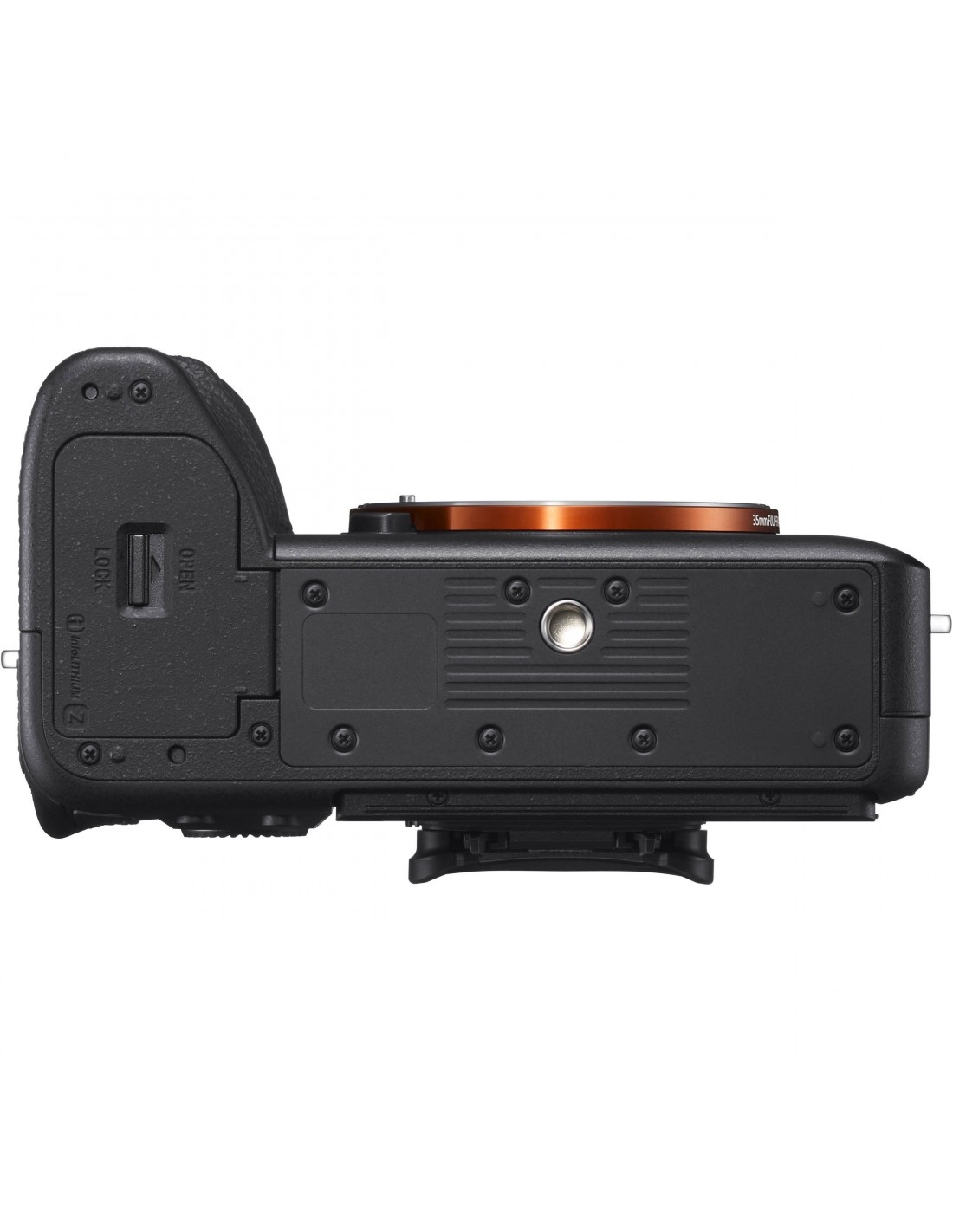
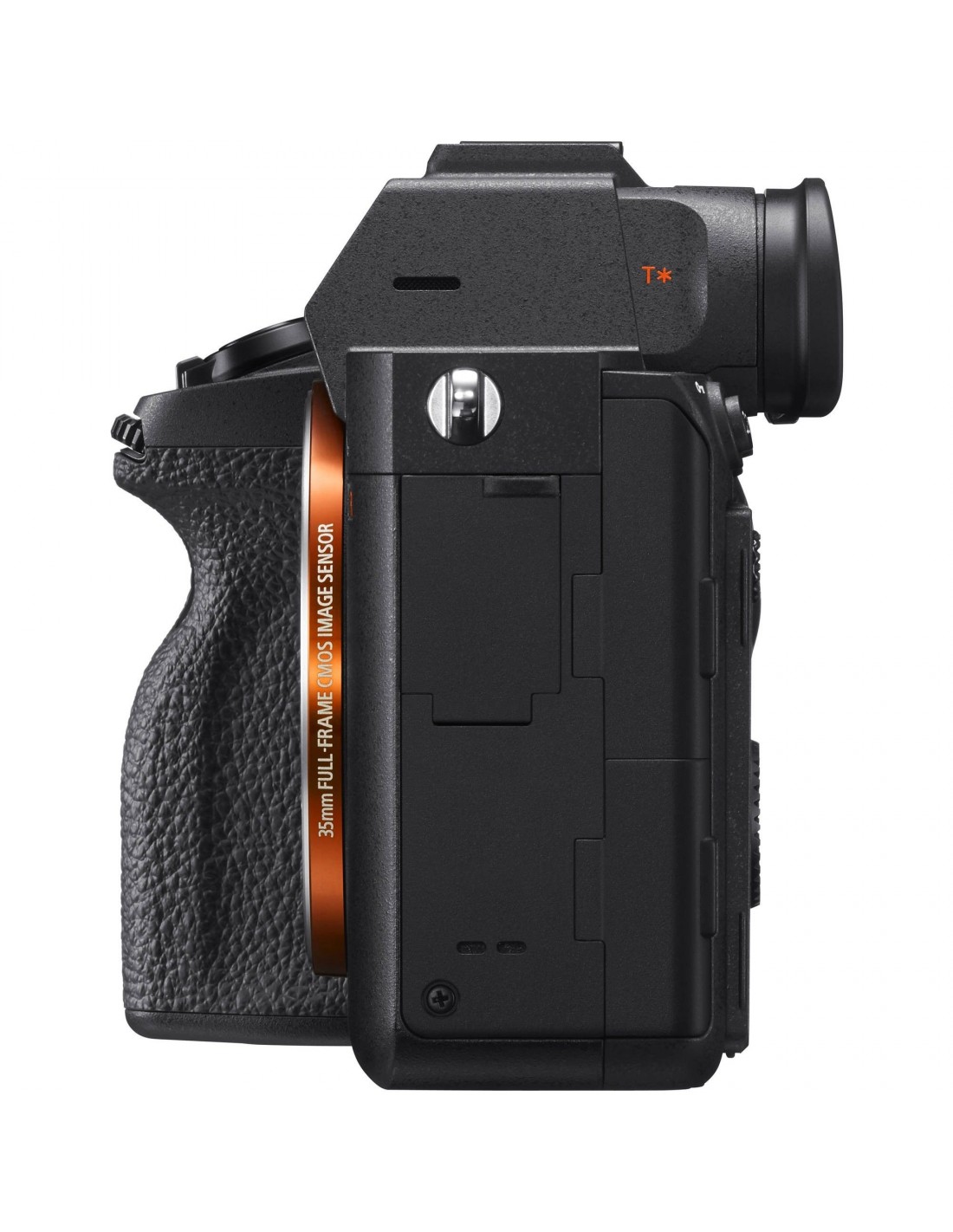

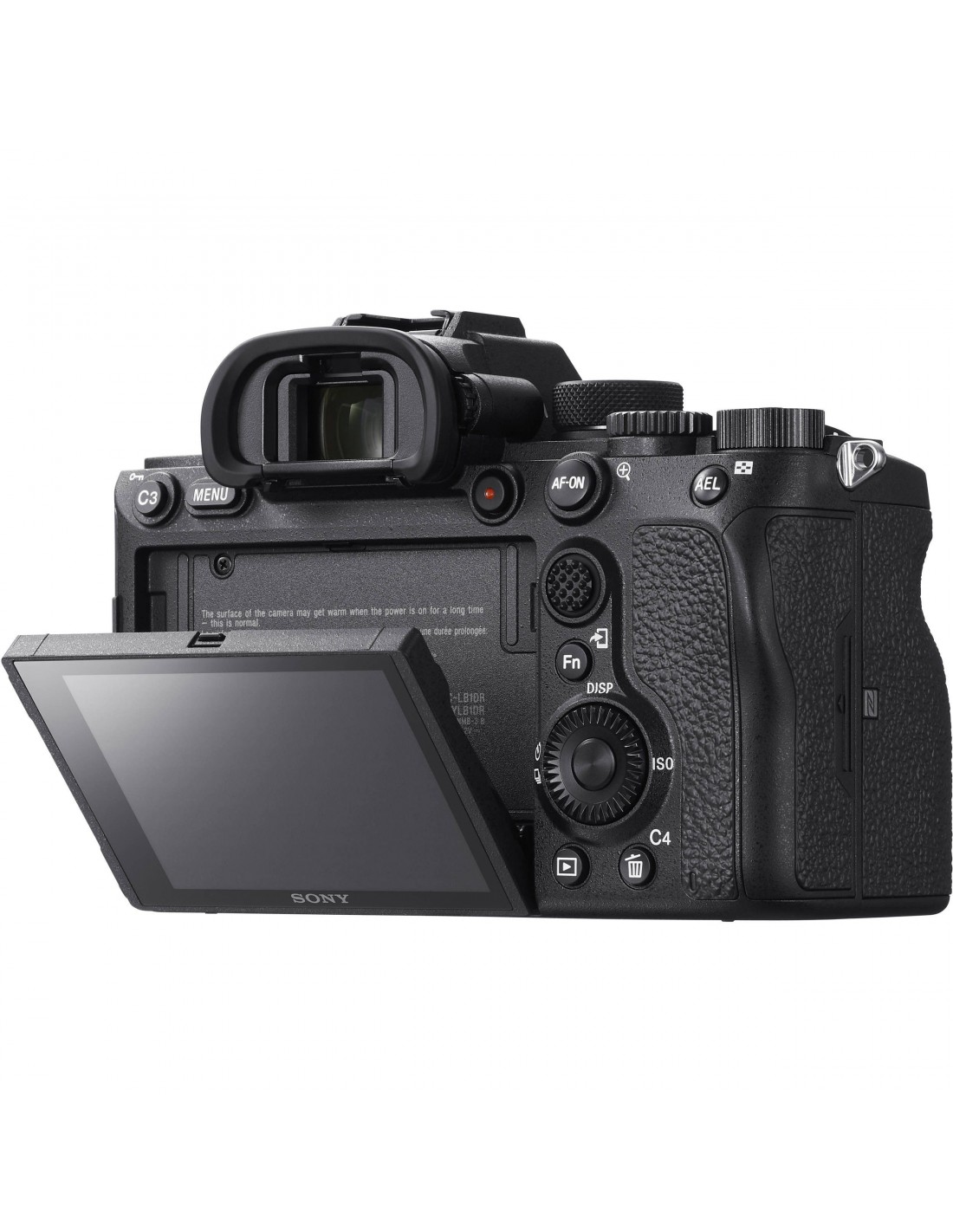
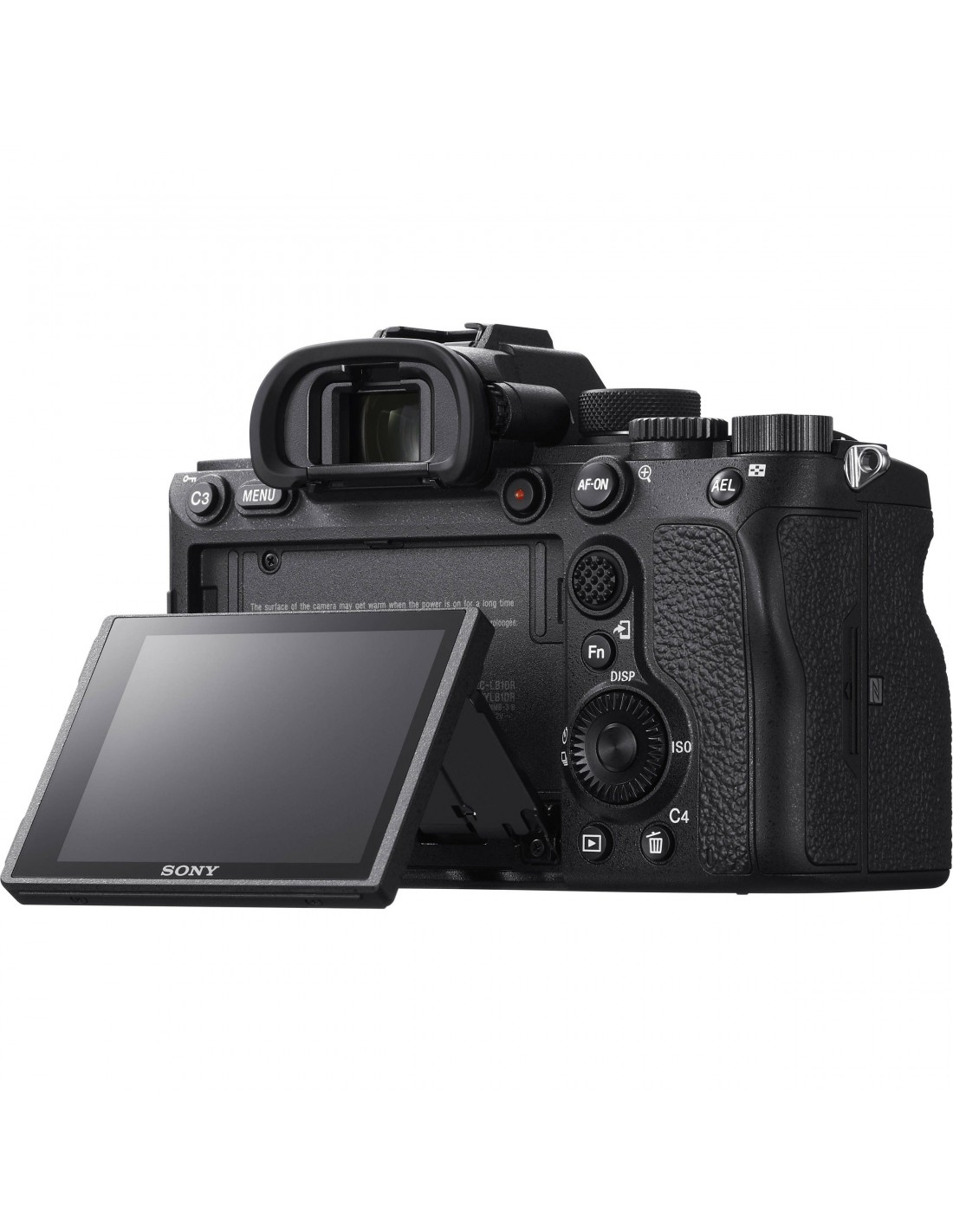
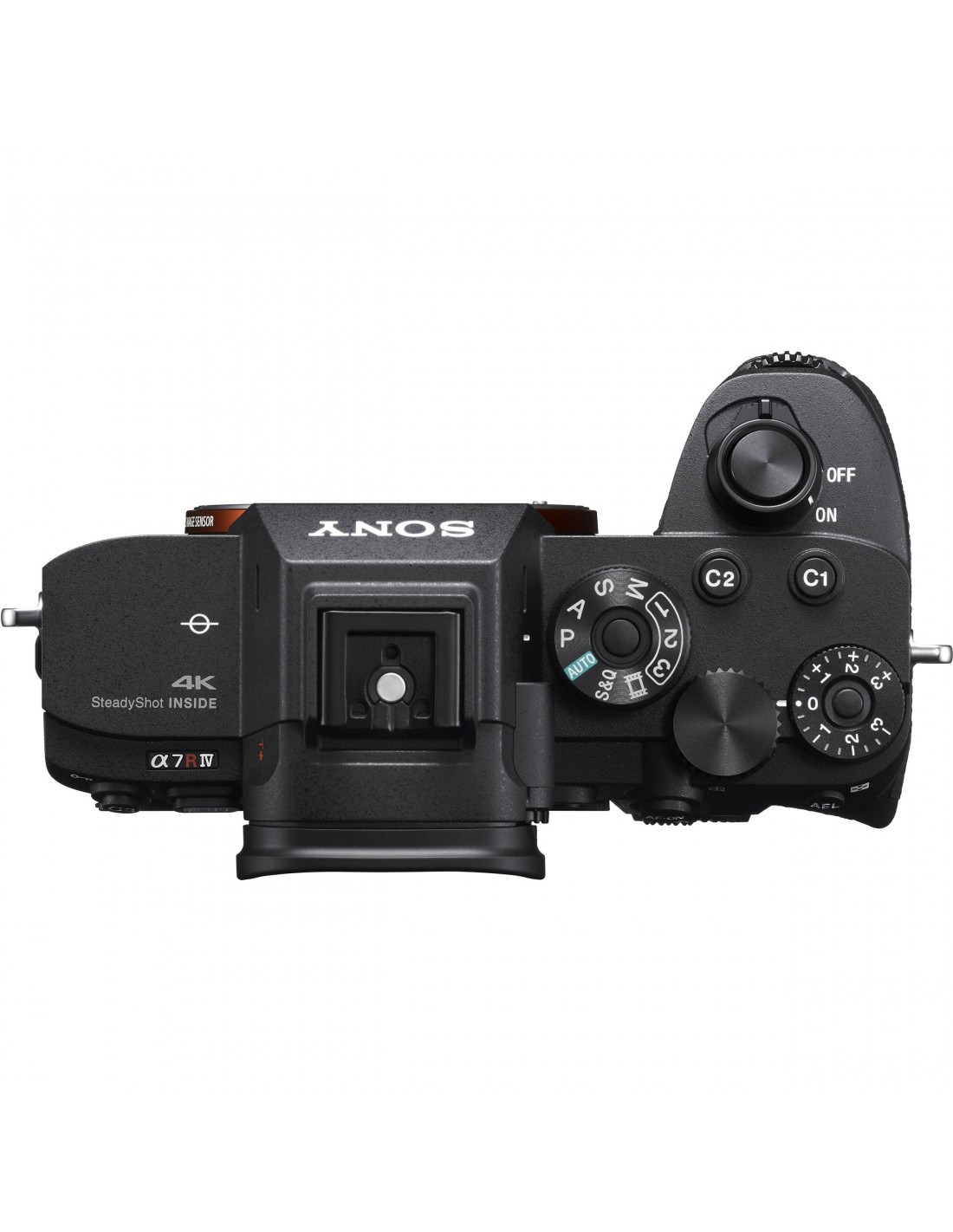
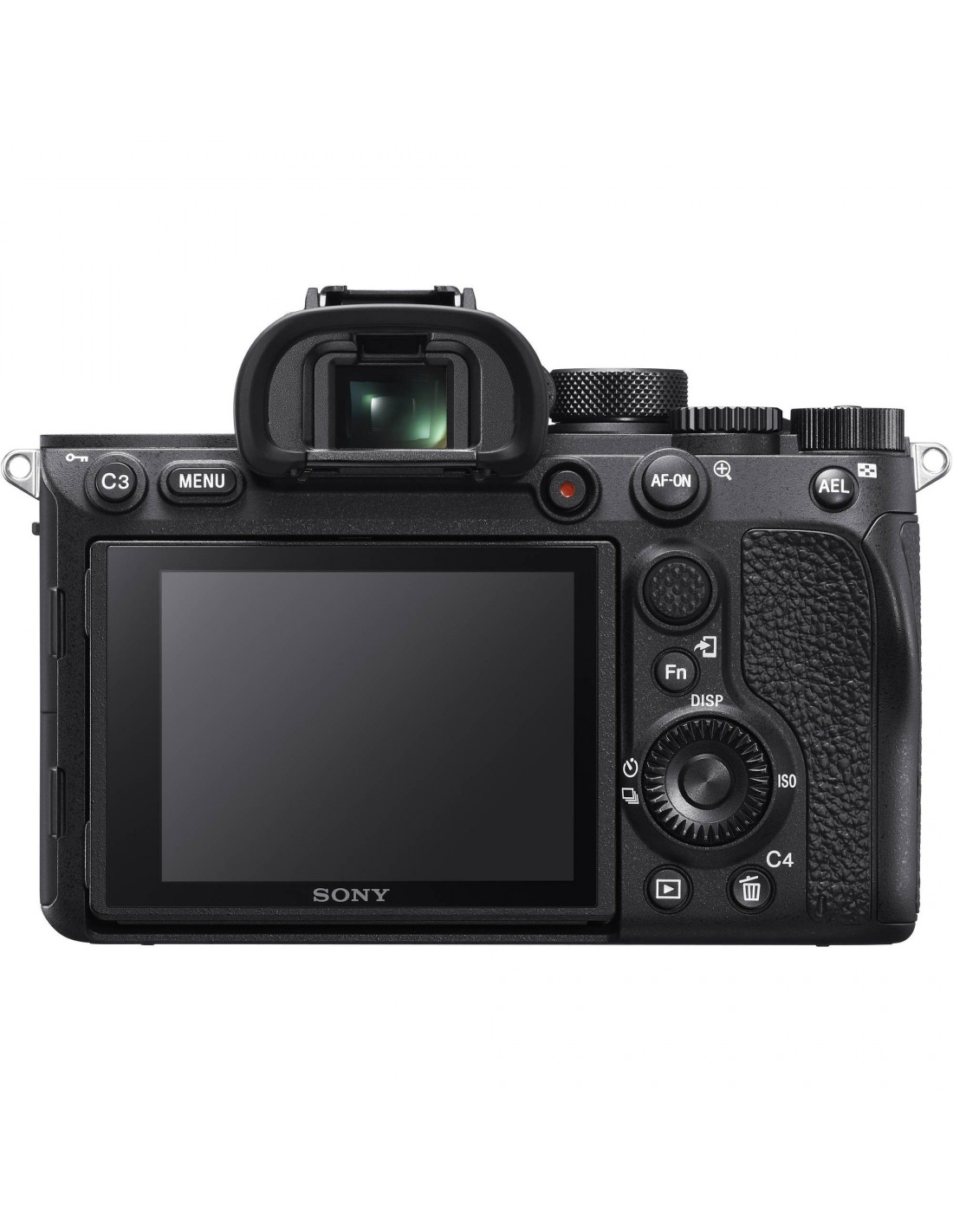
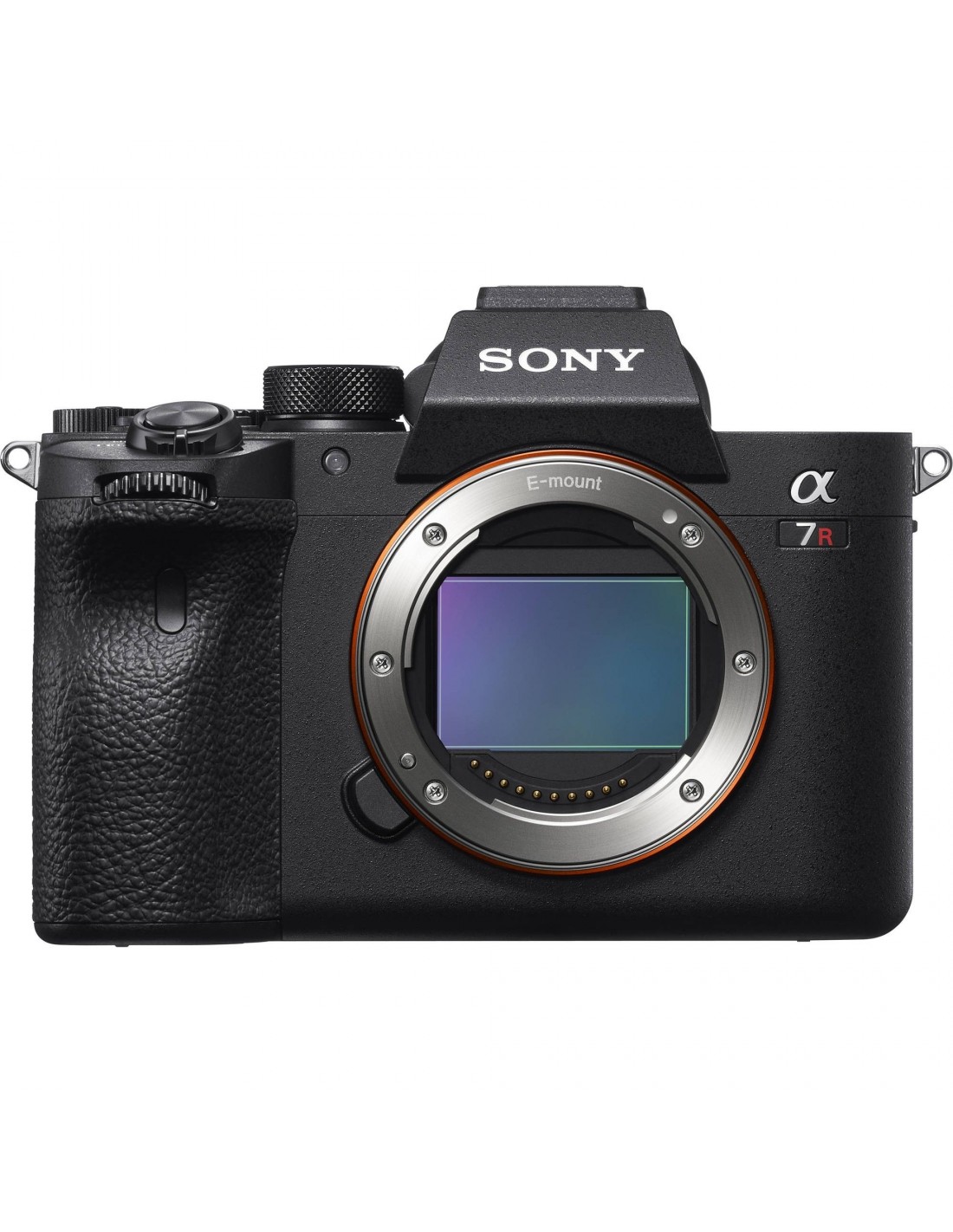


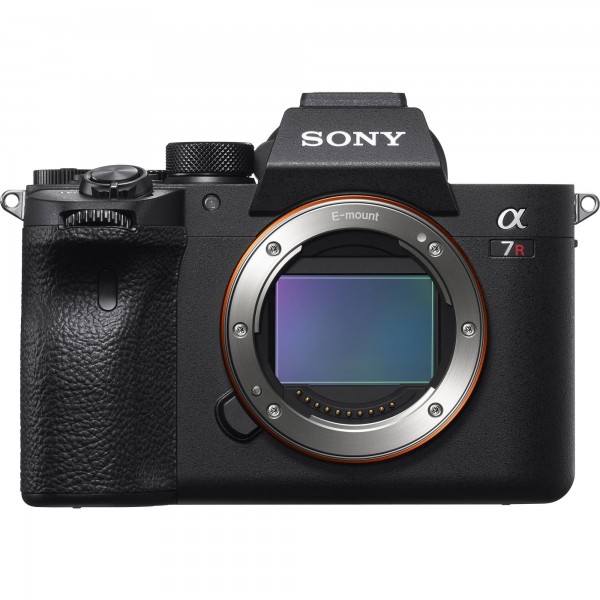
The Sony Alpha 7R IVA is a 61MP full-frame mirrorless camera for landscape, studio, architecture, portrait and wildlife photographers, and we recommend it when cropping freedom or large output matters more than extreme shooting speed. Its Exmor R sensor records highly detailed files, while the 26.2MP APS-C mode provides a tighter field of view without reducing output to a modest size. A 567-point phase-detection autofocus system, continuous shooting up to 10fps and five-axis stabilisation make it useful beyond static subjects. Video is limited to 4K 30p, so it is primarily a stills camera. This body-only version best suits existing Sony E-mount users or photographers who want to select a lens specifically for their work. It is a considered high-resolution choice.
Combine compatible accessories and save. The more items you add, the bigger the discount.
memory card
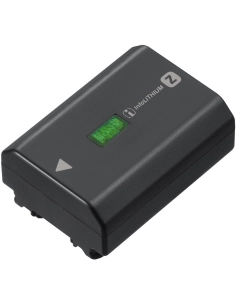
battery
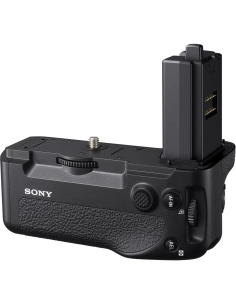
Adaptateur

warranty extension
Also commonly written as Sony A7R IV, A7R4, A7RIV or ILCE-7RM4A, the A7R IVA has a clear purpose: high-resolution full-frame photography with generous cropping flexibility. The 61MP sensor can support large prints, precise studio work and a useful APS-C crop for distant subjects. This A revision retains the A7R IV imaging platform and adds a 2.36-million-dot rear screen. It is not designed to match every modern action feature. The maximum burst is 10fps and video stops at 4K 30p. Its appeal lies in the balance between image detail, capable autofocus, five-axis stabilisation and a 665g working weight.
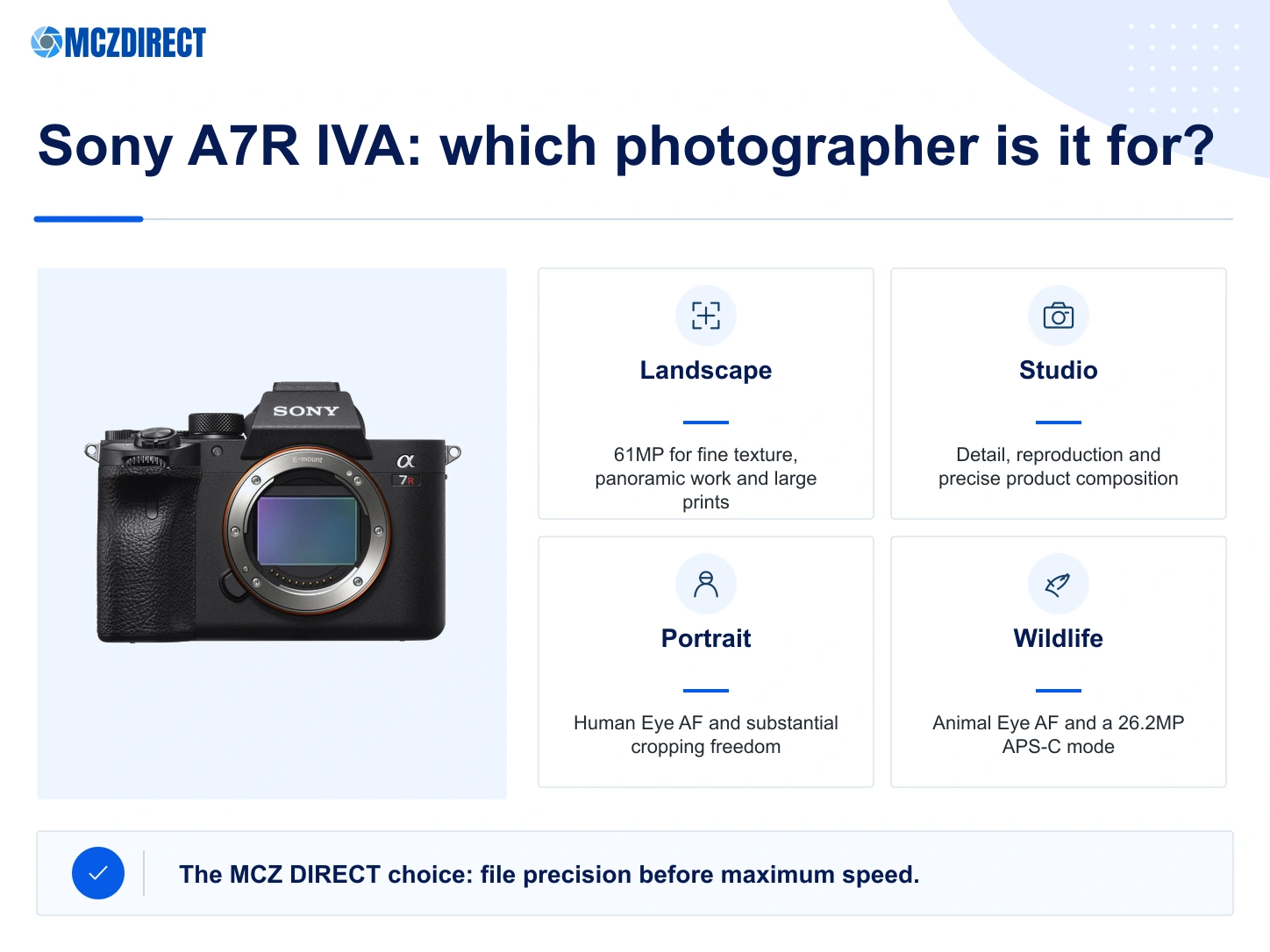
High resolution is not automatically useful in every photograph. It becomes valuable when the subject contains fine detail, focus is accurate and the lens can resolve enough information. Landscape photographers retain distant texture. Product teams can clean, mask and deliver several crops from one frame. Portrait photographers gain reframing freedom, although skin texture and small focus errors are also more visible. Large RAW files take longer to transfer and make slight camera shake easier to spot. Stabilisation helps with a static subject, but it cannot freeze a moving person or animal. A suitable shutter speed, careful focus and a strong lens remain as important as the headline pixel count.
| Assignment | What the camera adds | What to plan for |
|---|---|---|
| Landscape and architecture | Fine texture, large output and perspective-correction headroom | Tripod or adequate shutter speed as light falls |
| Studio and product | Detailed files, local retouching and flexible crops | Lighting, focus and lens quality must keep up |
| Portrait and fashion | Precise detail and several compositions from one frame | Skin texture becomes more apparent |
| Wildlife | 26.2MP APS-C mode for a tighter field of view | 10fps is less specialised than a true action body |
| Reportage | Useful reframing options at delivery | Transfer, selection and archive take longer |
APS-C mode uses the centre of the sensor and still records 26.2MP. It is practical for birds, architectural details and sport because the viewfinder shows the tighter frame while there is still enough resolution for substantial output. Pixel Shift is a studio tool. The camera moves the sensor across four or sixteen exposures, and Imaging Edge software combines them on a computer. Sixteen-frame capture can create an image of approximately 240.8MP, but camera, subject and light must remain stable. People, moving leaves and flowing water may produce artefacts. This is an excellent option for artwork, interiors and product reproduction; it is not a universal high-resolution mode for live subjects.
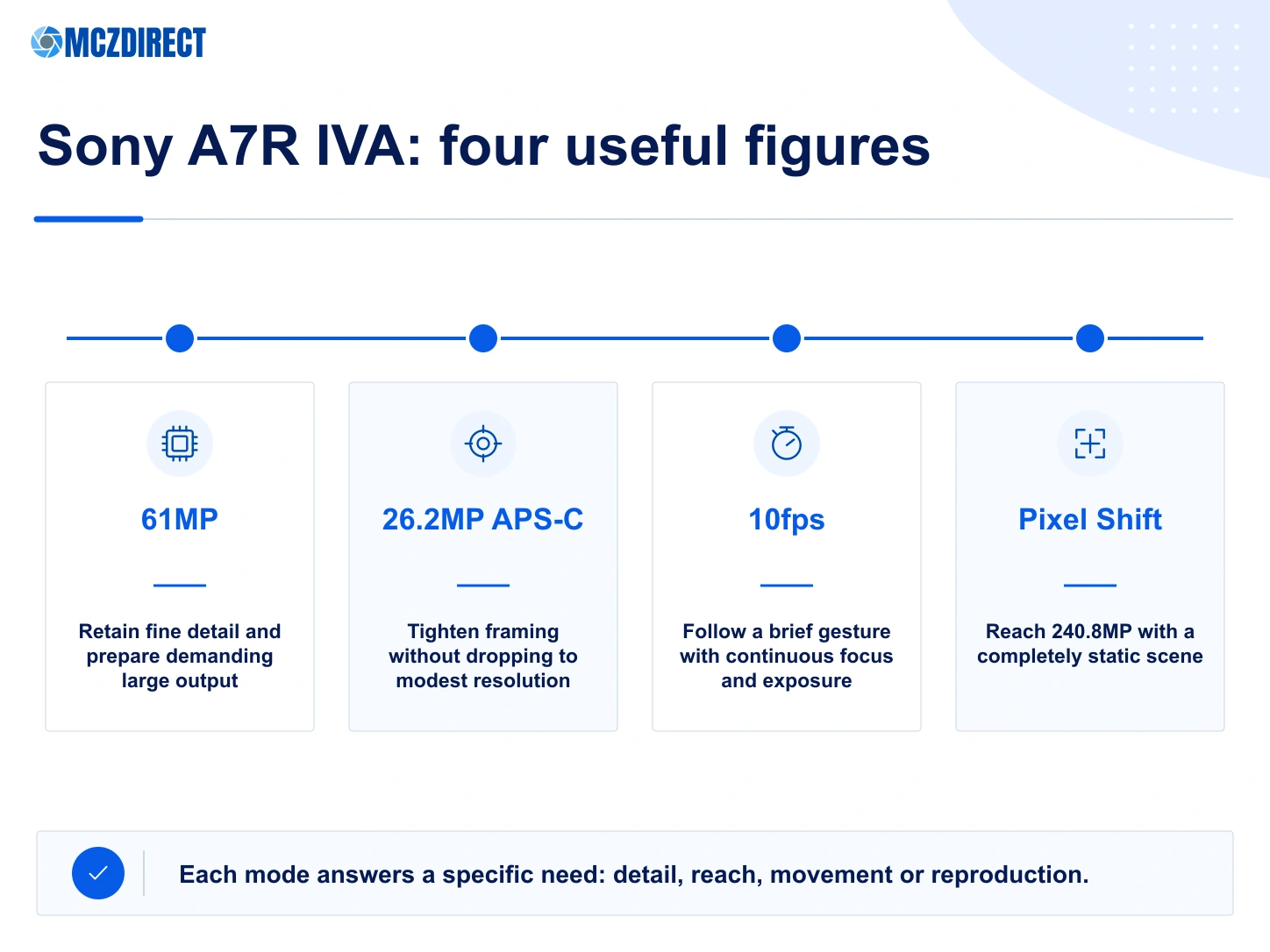
The autofocus system combines 567 phase-detection points with 425 contrast points across a broad image area. Human Eye AF is useful in portraiture, while animal Eye AF helps with many wildlife subjects. Recognition is not as broad as newer cameras that distinguish birds, insects, vehicles and aircraft. Mechanical continuous shooting reaches 10fps with AF/AE tracking, and Sony specifies roughly 68 JPEG or compressed RAW frames in relevant settings. That is enough for a short gesture, a moving portrait and many wildlife sequences. For highly unpredictable action, a stacked sensor and a higher frame rate still provide a more dependable margin.
| Mission | Relevant function | Why it matters |
|---|---|---|
| Portrait | Human Eye AF and Real-time Tracking | Keep priority on the eye as the person moves |
| Wildlife | Animal Eye AF and 26.2MP APS-C mode | Follow the eye and tighten framing at distance |
| Architecture | 61MP, electronic level and tilting screen | Compose accurately and retain fine detail |
| Reproduction | Four- or sixteen-frame Pixel Shift | Increase information in a completely static scene |
| Events | 10fps and dual SD recording | Combine short sequences with an in-camera backup |
Five-axis sensor stabilisation is rated at up to 5.5 stops under Sony test conditions. It reduces camera shake with landscape, interiors and posed subjects, but movement in the scene still requires an appropriate shutter speed. The 5.76-million-dot OLED viewfinder remains detailed enough for critical composition, while the 2.36-million-dot rear screen is the most visible change in the IVA revision. It tilts upwards and downwards, which is useful on a tripod or near ground level. It does not face forwards, so photographers and video operators who need a fully articulated display should take that into account.
For video, the A7R IVA records 4K at up to 30p and includes S-Log2, S-Log3 and HLG profiles. In Super 35mm mode, approximately 2.4 times the data required for 4K is read and downsampled, supporting crisp detail with reduced moiré. It remains suitable for interviews, landscape footage and work delivered at 24, 25 or 30p. There is no 4K 60p or 4K 120p, and HDMI output is limited to 8-bit. A video-led buyer will find a more flexible production tool in the A7 IV, A7R V or A7R VI.
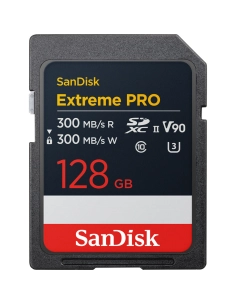
Both slots accept UHS-I and UHS-II SD cards. They can duplicate files, separate RAW and JPEG, split stills and video or continue automatically onto the second card. CFexpress is not supported. The NP-FZ100 battery is rated at approximately 530 stills with the viewfinder or 660 with the LCD under CIPA conditions. SuperSpeed USB-C at 5Gbps supports tethered capture and transfer of large files. With 61MP, storage belongs in the buying decision: card capacity, backup speed, archive space and workstation performance all influence how comfortable the camera feels over a long assignment.
This product is the camera body without a lens. The Sony A7R IV with FE 28-70mm provides a light starting point. The FE 24-105mm F4 G OSS kit is a stronger landscape, travel and reportage pairing, while the FE 24-240mm kit prioritises focal range. All four active offers can be compared in the Sony A7R IV category. The wider Sony Alpha range helps place this body within the current system.
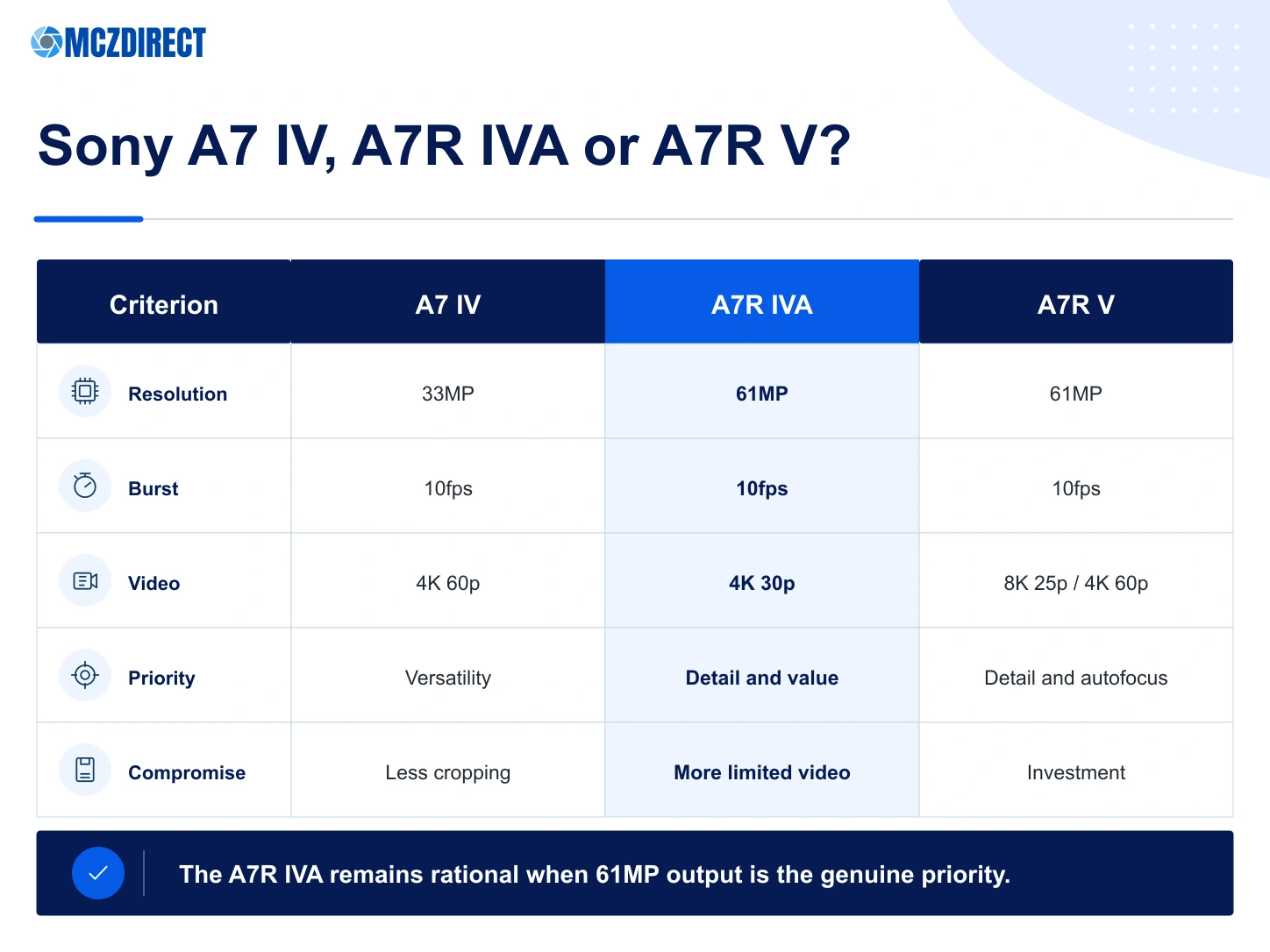
| Priority | Sony A7 IV | Sony A7R IVA | Sony A7R V |
|---|---|---|---|
| Resolution | 33MP | 61MP | 61MP |
| Maximum burst | Up to 10fps | Up to 10fps | Up to 10fps |
| Video | 4K up to 60p | 4K up to 30p | 8K 24/25p and 4K up to 60p |
| Best fit | Balanced stills and video | High resolution with strong value | High resolution and newer recognition |
| Main consideration | Less cropping latitude | Older video and recognition | Heavier workflow and higher investment |
When 61MP is unnecessary, the Sony A7 IV is the simpler hybrid choice. The Sony A7R V retains 61MP while modernising recognition, stabilisation, screen design and video. For more advanced action and video, the Sony A7R VI moves into a different class. The A7R IVA therefore makes most sense when 61MP output is the actual priority and the latest generation’s additional functions do not justify a higher spend.
The sensor is not stacked, so fast movement and panning can show more rolling shutter with the electronic shutter than a dedicated action body. A 10fps burst is versatile but does not replace 20 or 30fps for demanding sport. Sixty-one-megapixel RAW files slow transfer, selection and archive. Pixel Shift requires a static scene and desktop compositing. Video is limited to 4K 30p. These are not minor footnotes: they identify the intended buyer. A detail-led photographer can gain a great deal from the A7R IVA, while a regular video operator or high-speed specialist should compare a newer model.
At MCZ DIRECT, we see the Sony A7R IVA as the most rational route into 61MP full-frame capture for landscape, studio, architecture, product and portrait photographers who do not need to pay for advanced action or video functions. We recommend it less readily to frequent video creators and specialists in fast sport.
Against the A7 IV, its advantage becomes meaningful whenever cropping, reproduction of fine detail or large printing is part of the assignment. Against the A7R V, it keeps the same resolution but accepts less modern recognition, stabilisation and video. Our main caution is workflow: paired with strong lenses and a genuine reason to use 61MP, it remains highly convincing; bought for the number alone, it can make every stage unnecessarily heavy.

No. This product is the camera body only, so a compatible Sony E-mount lens must be selected separately.
They refer to the same model family. This page is specifically for the A revision, ILCE-7RM4A, which retains the 61MP sensor and uses a 2.36-million-dot rear display.
Its Exmor R full-frame CMOS sensor provides approximately 61 effective megapixels and records 9504 x 6336-pixel 3:2 images.
It is particularly suitable for landscape, studio, architecture, product, detailed portrait and wildlife work where cropping latitude matters.
Yes. It provides animal Eye AF, up to 10fps and a 26.2MP APS-C mode. A faster body remains preferable for the most unpredictable action.
It uses the centre of the sensor for tighter framing and retains approximately 26.2MP, which is still sufficient for substantial output.
The camera records sixteen shifted frames that are combined on a computer. Camera, subject and lighting must remain completely stable.
Yes. Sony specifies up to 10fps with AF/AE tracking. Burst length depends on file format, media and camera settings.
Yes. The sensor uses five-axis stabilisation rated by Sony at up to 5.5 stops under its test conditions.
No. It records 4K at up to 30p. For 4K 60p, compare cameras such as the Sony A7 IV or Sony A7R V.
It has two SD slots compatible with UHS-I and UHS-II media. It does not accept CFexpress cards.
Both provide 61MP. The A7R V adds newer autofocus, stronger stabilisation, a more flexible screen and more advanced video; the A7R IVA is the more rational route to high resolution.