Shopping Cart
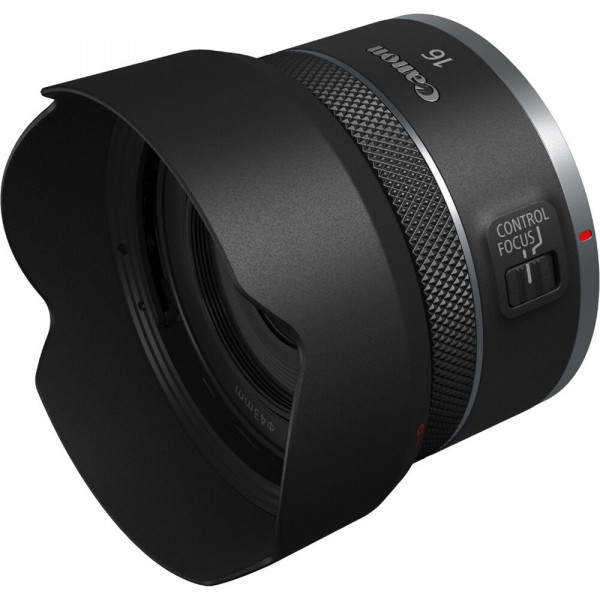

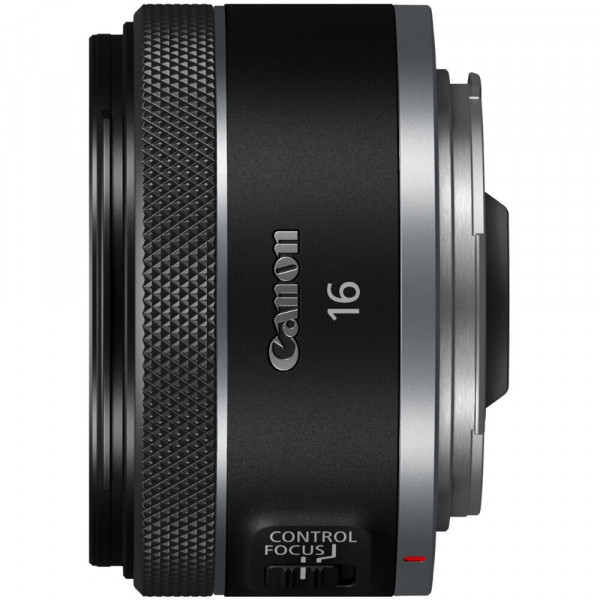
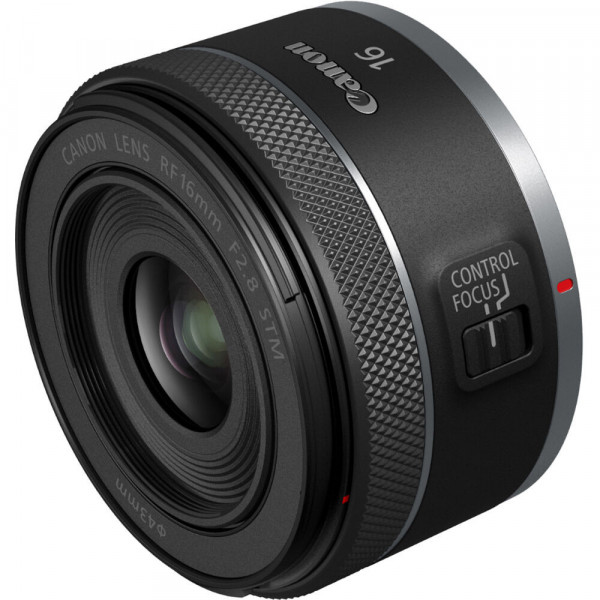
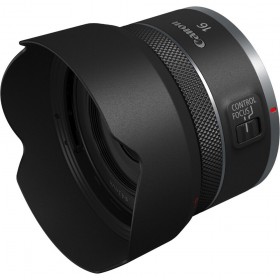
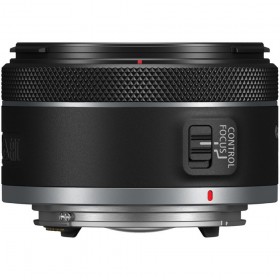

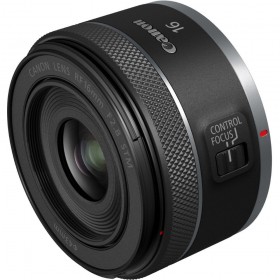


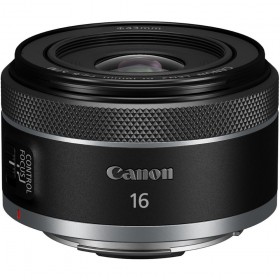

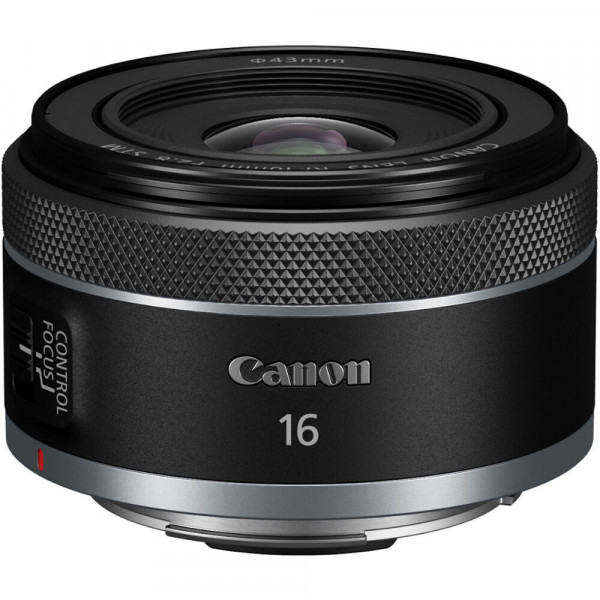
The Canon RF 16mm F2.8 STM is a full-frame ultra-wide prime for EOS R photographers and filmmakers who need a much broader view without carrying a heavy lens, and we recommend it for landscapes, architecture, travel, vlogging and occasional astrophotography. Its 16mm focal length covers a 108-degree diagonal angle of view, while the f/2.8 aperture is useful as daylight fades. At 165g and only 40.2mm long, it is easy to leave on a compact body or keep in a small bag. STM autofocus provides discreet focusing, and the 0.13m minimum distance creates dramatic foreground perspective. This lens is a strong choice when a genuine Canon RF ultra-wide view, low weight and simple fixed-focal-length handling matter more than zoom flexibility or optical stabilisation.
Combine compatible accessories and save. The more items you add, the bigger the discount.

memory card

warranty extension
The Canon RF 16mm F2.8 STM is the most compact fixed focal length among the ultra-wide Canon RF lenses. On a Canon EOS R8, 16mm gives landscapes scale, opens up confined interiors and makes arm’s-length vlogging easier. The 108-degree diagonal view is only part of its appeal: the lens weighs 165g and is 40.2mm long. It therefore fits naturally with a small body. There is no zoom and no optical stabiliser, however. Composition depends on where the photographer stands, while video users need body-based stabilisation or external support when steadiness matters.
| Specification | Practical benefit | What to consider |
|---|---|---|
| 16mm full frame | Shows spaces, landscapes and skies with considerable scale. | Subjects near the edges can appear stretched. |
| f/2.8 aperture | Supports twilight and night-sky photography. | Depth of field remains broad at 16mm unless focusing very close. |
| 165g weight | Easy to carry when travelling, hiking or using a gimbal. | Canon does not describe the construction as weather sealed. |
| 0.13m focus | Creates a bold foreground against a wide setting. | Watch for camera shadow and distortion of the close subject. |
| No optical IS | Helps keep the lens exceptionally small and light. | Video and slow shutter work depend on body stabilisation or support. |
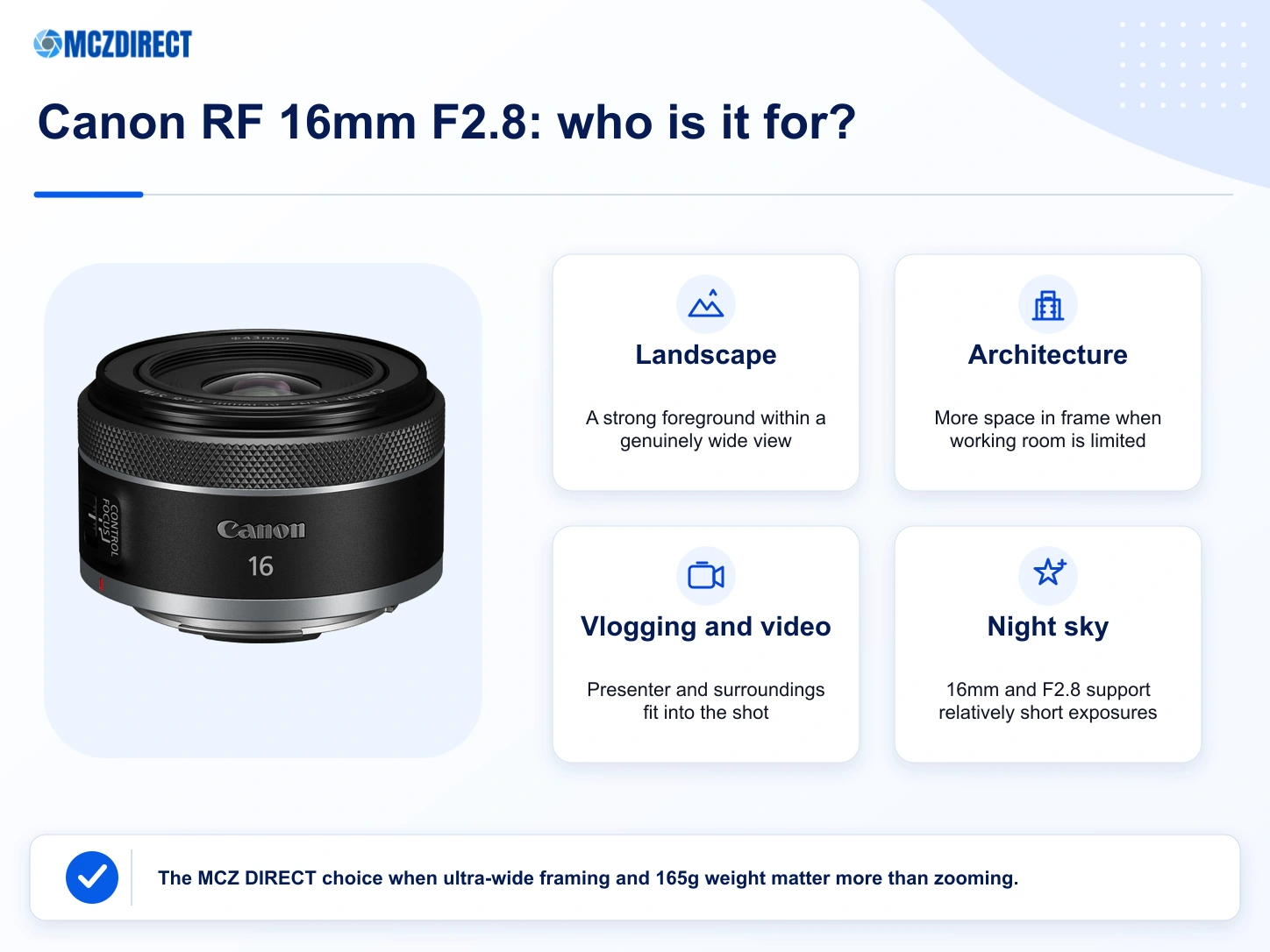
For landscapes, 16mm lets a close foreground lead into a broad horizon. In architecture and interiors, the wide view helps when space is limited, provided the camera is kept level to manage converging lines. Video creators gain enough room to include both presenter and setting, while f/2.8 makes occasional night-sky work realistic. For more demanding low-light work, the Canon RF 20mm F1.4 L VCM gathers two stops more light. To frame even wider with zoom flexibility, the Canon RF 10-20mm F4 L IS STM begins at 10mm.
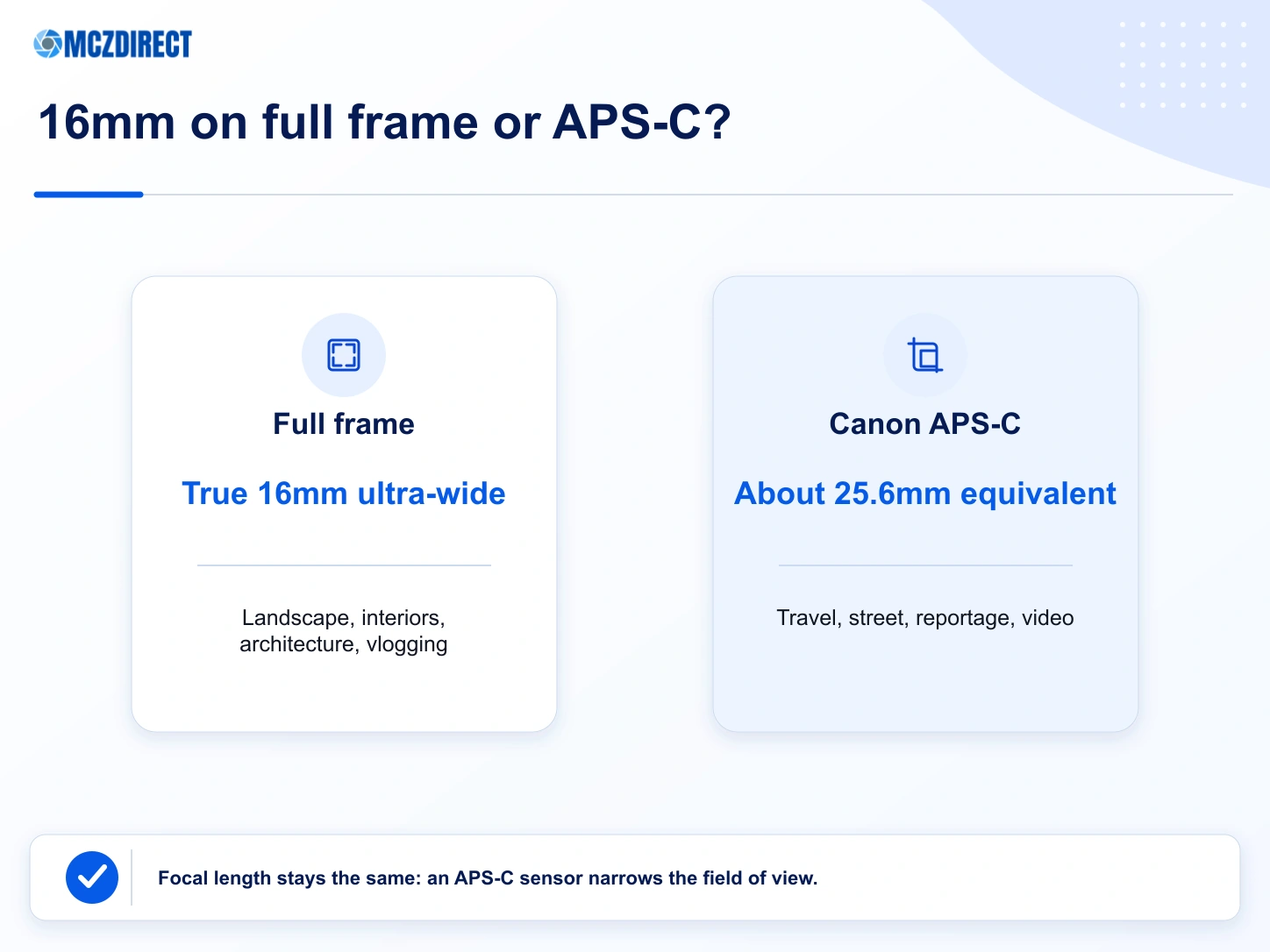
On a full-frame camera, the RF 16mm retains its true ultra-wide character for landscapes, property interiors and vlogging. On an APS-C Canon EOS R7, the field of view is roughly equivalent to 25.6mm on full frame. It becomes a moderate wide angle with a more natural perspective for street, reportage and video, but loses some impact in a confined room. RF mount compatibility remains straightforward; sensor size changes the field of view, not the focal length engraved on the lens.
| Sensor | Resulting view | Most natural uses |
|---|---|---|
| Full frame | 16mm ultra-wide | Landscape, architecture, interiors, vlogging, night sky |
| Canon APS-C | About 25.6mm equivalent | Travel, street, reportage, video, establishing shots |
| Crop mode | Narrower view and reduced resolution | Occasional solution when the image edges need excluding |
The RF 16mm does not zoom. Changing the relationship between foreground and background means moving the camera. A nearby object can dominate while the setting remains visible; a distant subject can quickly look small. The single ring controls focus or a camera setting according to the switch. The lens accepts 43mm filters and the separately sold EW-65C hood. For more framing freedom while retaining f/2.8, the Canon RF 16-28mm F2.8 IS STM is the direct alternative. When 16mm feels too extreme and close-up work matters more, the Canon RF 24mm F1.8 Macro IS STM gives more natural perspective.
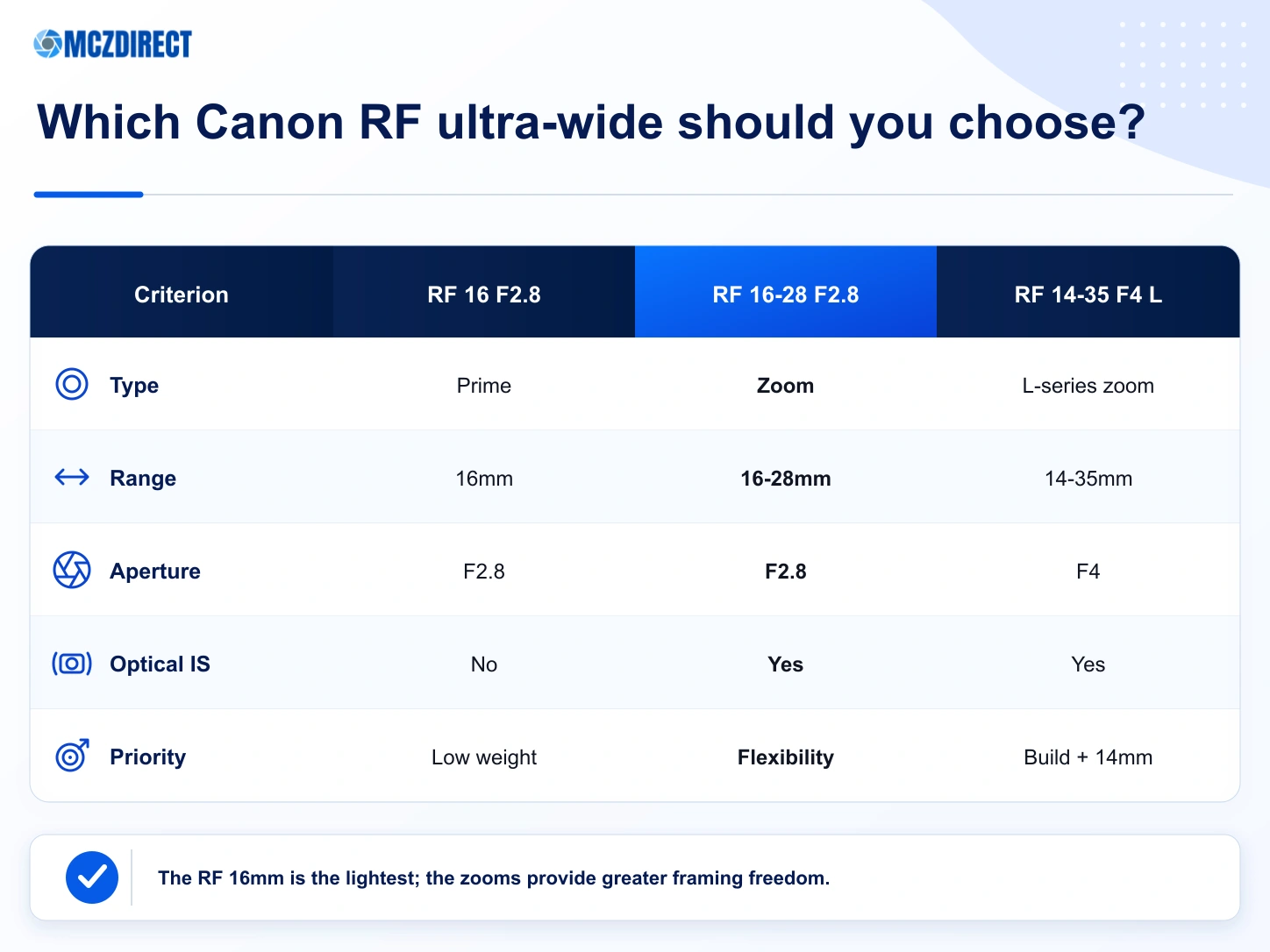
| Criterion | RF 16mm F2.8 | RF 16-28mm F2.8 | RF 14-35mm F4 L |
|---|---|---|---|
| Type | Prime lens | Ultra-wide zoom | L-series zoom |
| Range / focal length | 16mm | 16-28mm | 14-35mm |
| Maximum aperture | f/2.8 | Constant f/2.8 | Constant f/4 |
| Optical stabilisation | No | Yes | Yes |
| Priority | Weight and simplicity | Light gathering and flexibility | Coverage, construction and 14mm |
At MCZ DIRECT, we see the Canon RF 16mm F2.8 STM as the rational choice for an EOS R photographer or filmmaker wanting to discover a true ultra-wide view without transforming the camera bag. It suits travel, landscapes, architecture and vlogging better than fast reportage that demands frequent changes in framing.
Against the RF 16-28mm F2.8 IS STM, we recommend it when 165g weight, discretion and prime-lens simplicity matter more than zooming and optical stabilisation. The RF 14-35mm F4 L IS USM is more appropriate when 14mm, L-series construction and a broader focal range are required.
Its limitations are clear: no optical stabiliser, no stated weather sealing and substantial digital correction in the final rendering of the frame edges. Those compromises do not remove its appeal. Few full-frame Canon RF lenses combine such a wide view, an f/2.8 aperture and such low carrying weight.

It suits EOS R photographers and filmmakers wanting a lightweight ultra-wide lens for landscapes, architecture, interiors, travel, vlogging and occasional night-sky work.
Yes. The RF mount works with full-frame and APS-C Canon EOS R mirrorless cameras, with a different field of view according to sensor size.
On Canon APS-C, the field of view is roughly equivalent to 25.6mm on full frame, making it a moderate wide angle rather than an ultra-wide.
Its broad view and f/2.8 aperture suit occasional night-sky photography. Accurate focus and inspection of the frame corners are still advisable.
No. Canon does not list optical stabilisation. Use body stabilisation when available, an appropriate shutter speed or external support.
Yes. Its very wide view makes it easier to include both presenter and surroundings, particularly on a full-frame camera.
The lens focuses down to 0.13m and reaches 0.26x maximum magnification, allowing a nearby foreground to fill more of the frame.
It accepts 43mm screw-in filters. Check the filter frame thickness to reduce the risk of additional vignetting.
No. Canon lists the EW-65C as a compatible hood, but it is not part of the standard package.
Canon does not describe this lens as dust- and moisture-resistant, so suitable protection is advisable in rain.
The 16mm is much lighter and simpler. The 16-28mm adds zoom flexibility and optical stabilisation while retaining f/2.8.
Yes. Correction profiles are part of the intended ultra-wide rendering and are advisable for distortion and the frame edges.
When the search concerns this product, these variants generally refer to the Canon RF 16mm F2.8 STM. The official name confirms the RF mount, 16mm focal length, f/2.8 aperture and STM autofocus.
We recommend it to EOS R photographers and filmmakers who want a genuinely ultra-wide, very light lens for landscapes, architecture, travel or vlogging. A stabilised zoom is more suitable when framing needs to change frequently.