Shopping Cart
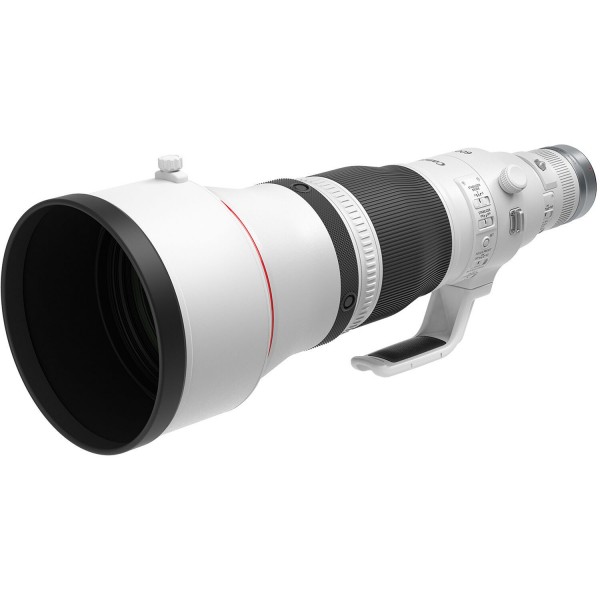
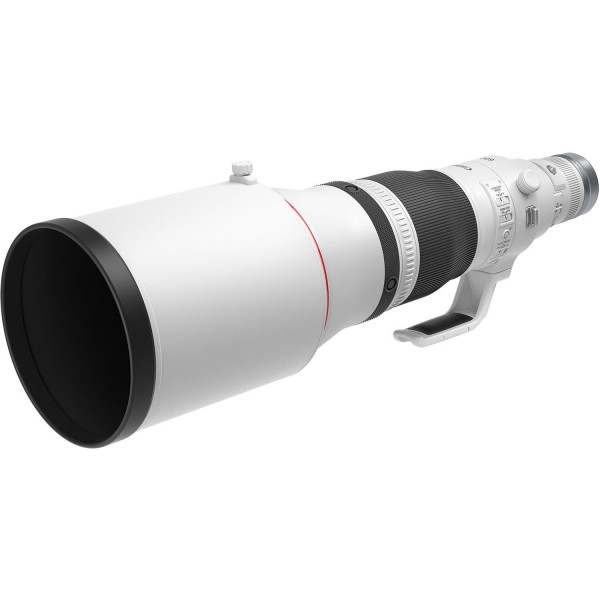
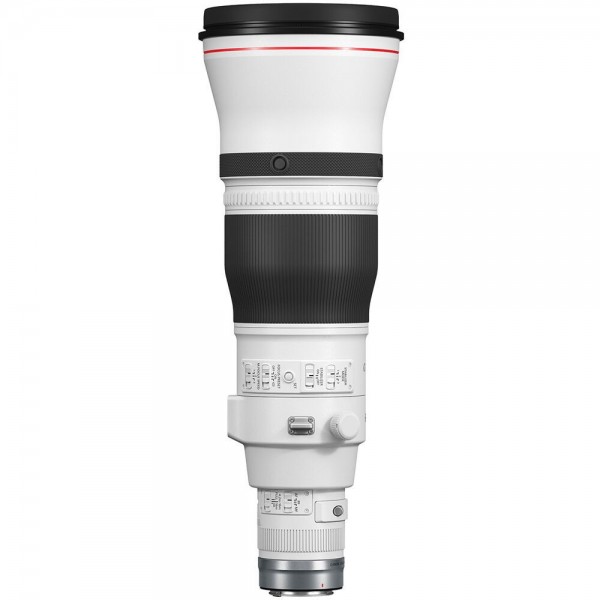
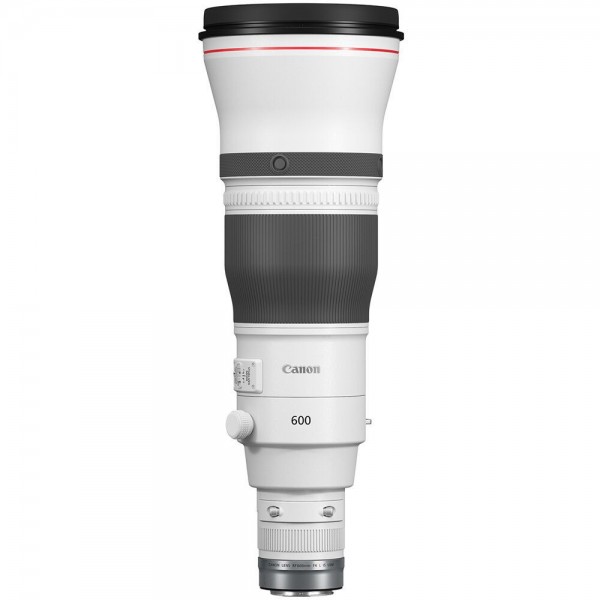
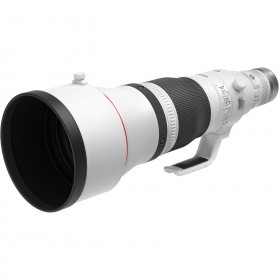
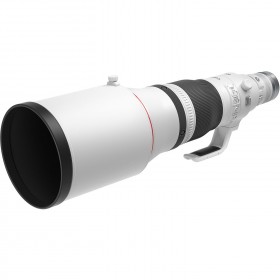
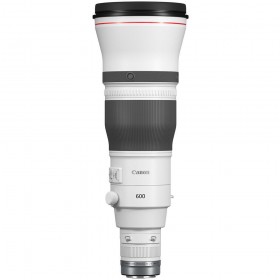
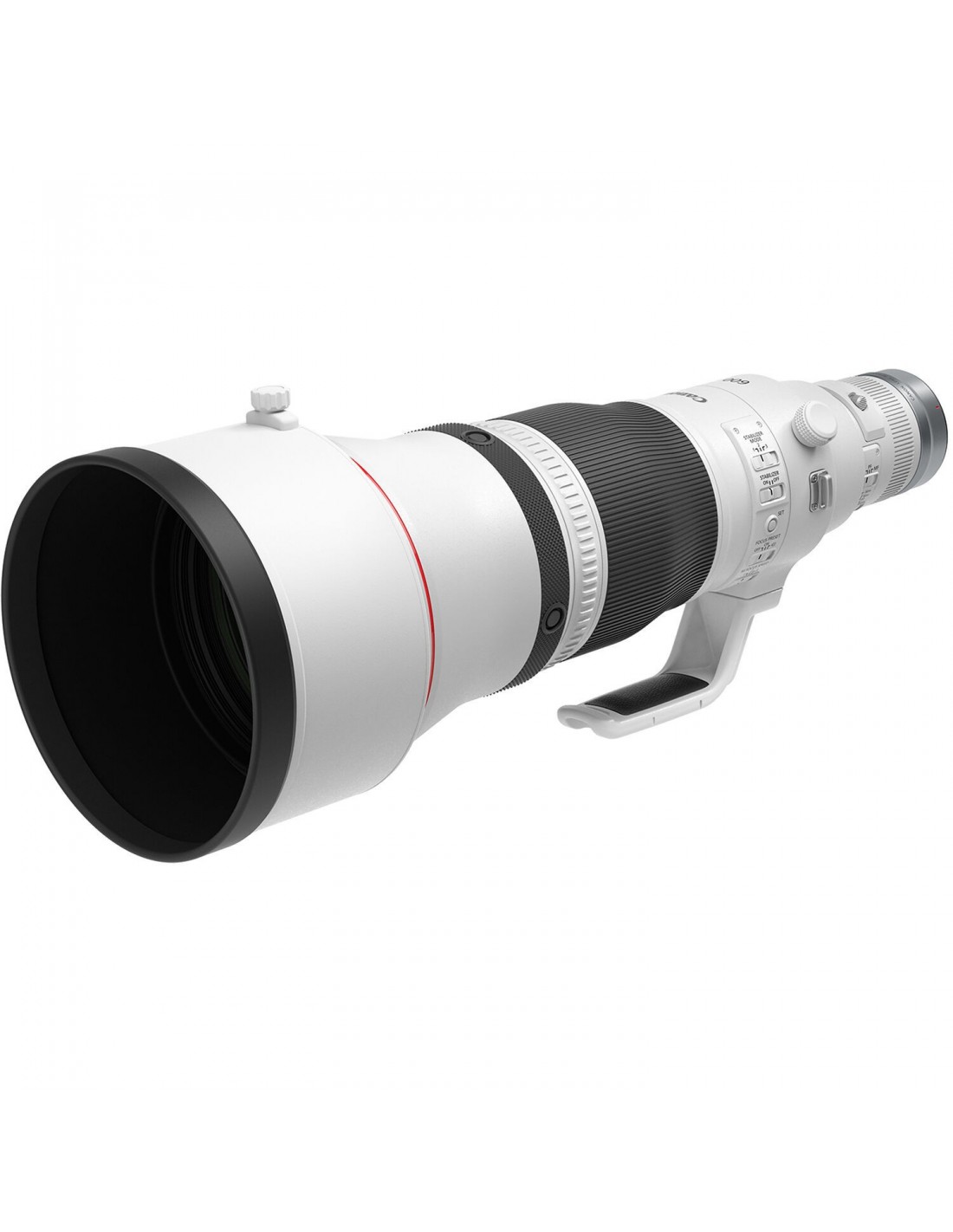

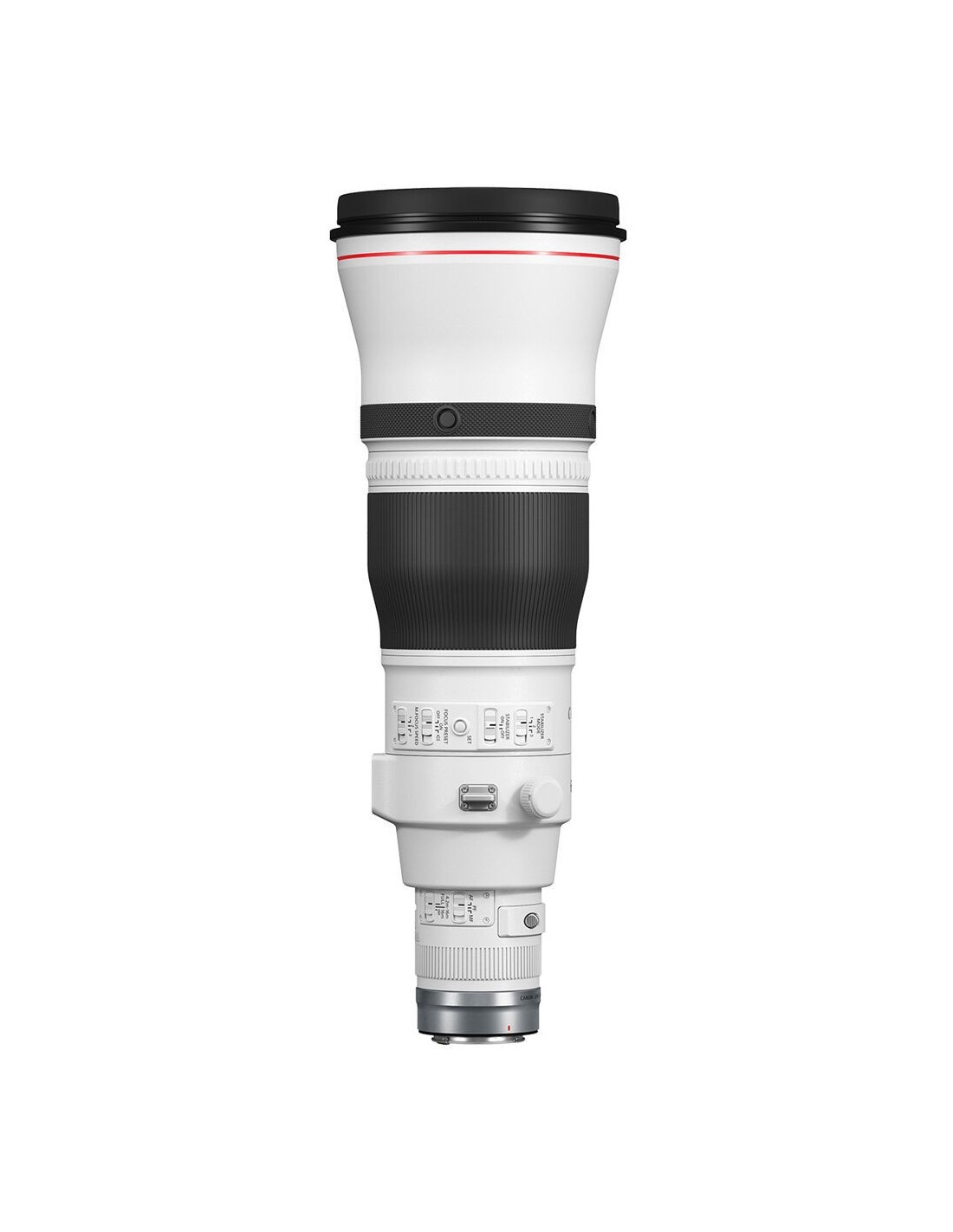

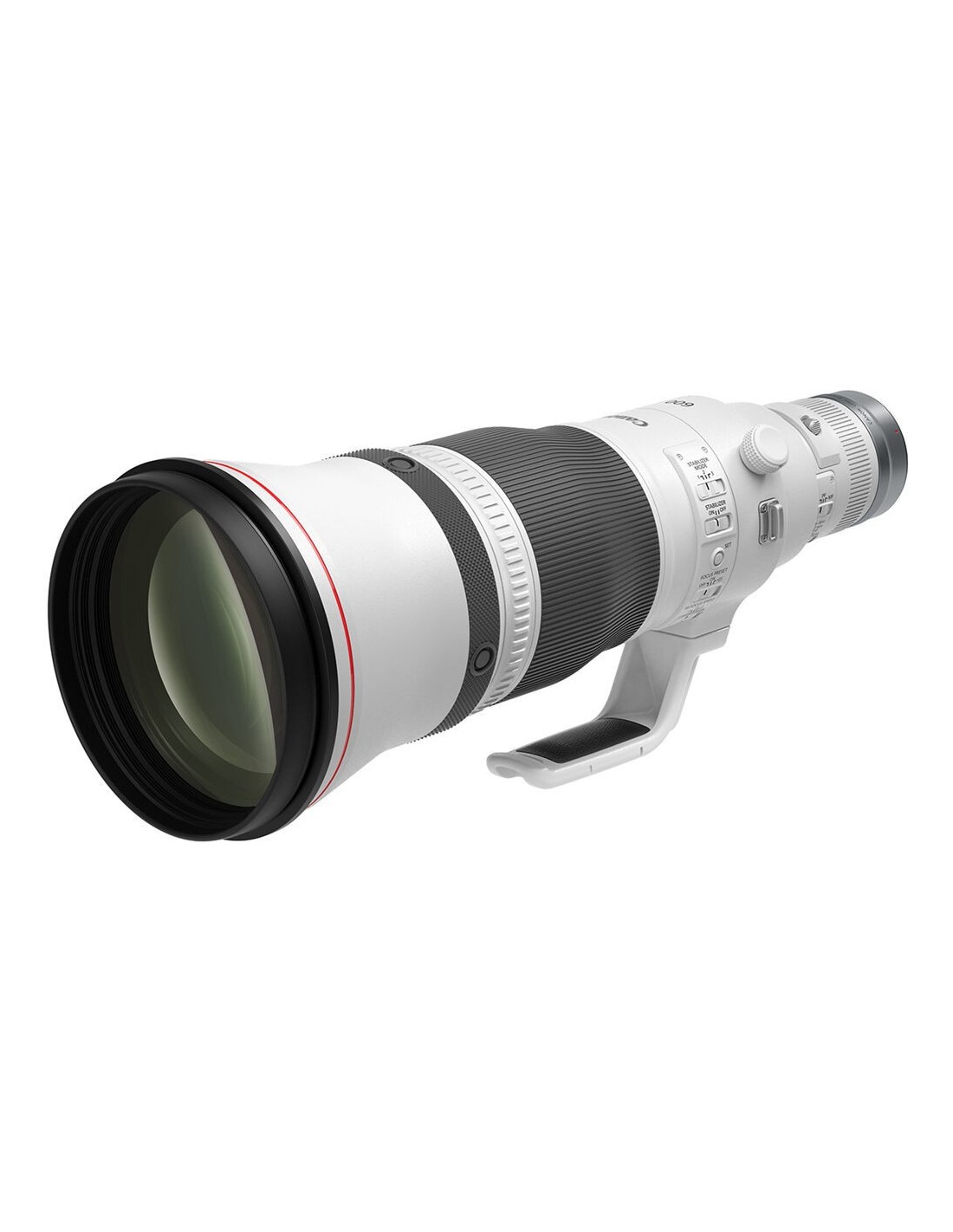


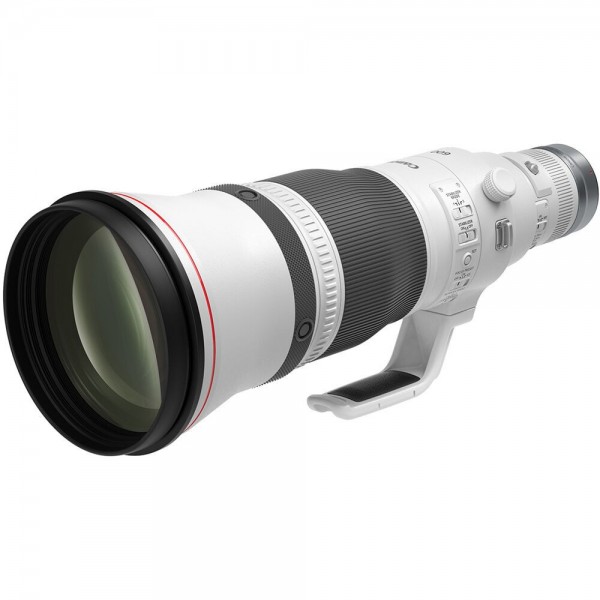
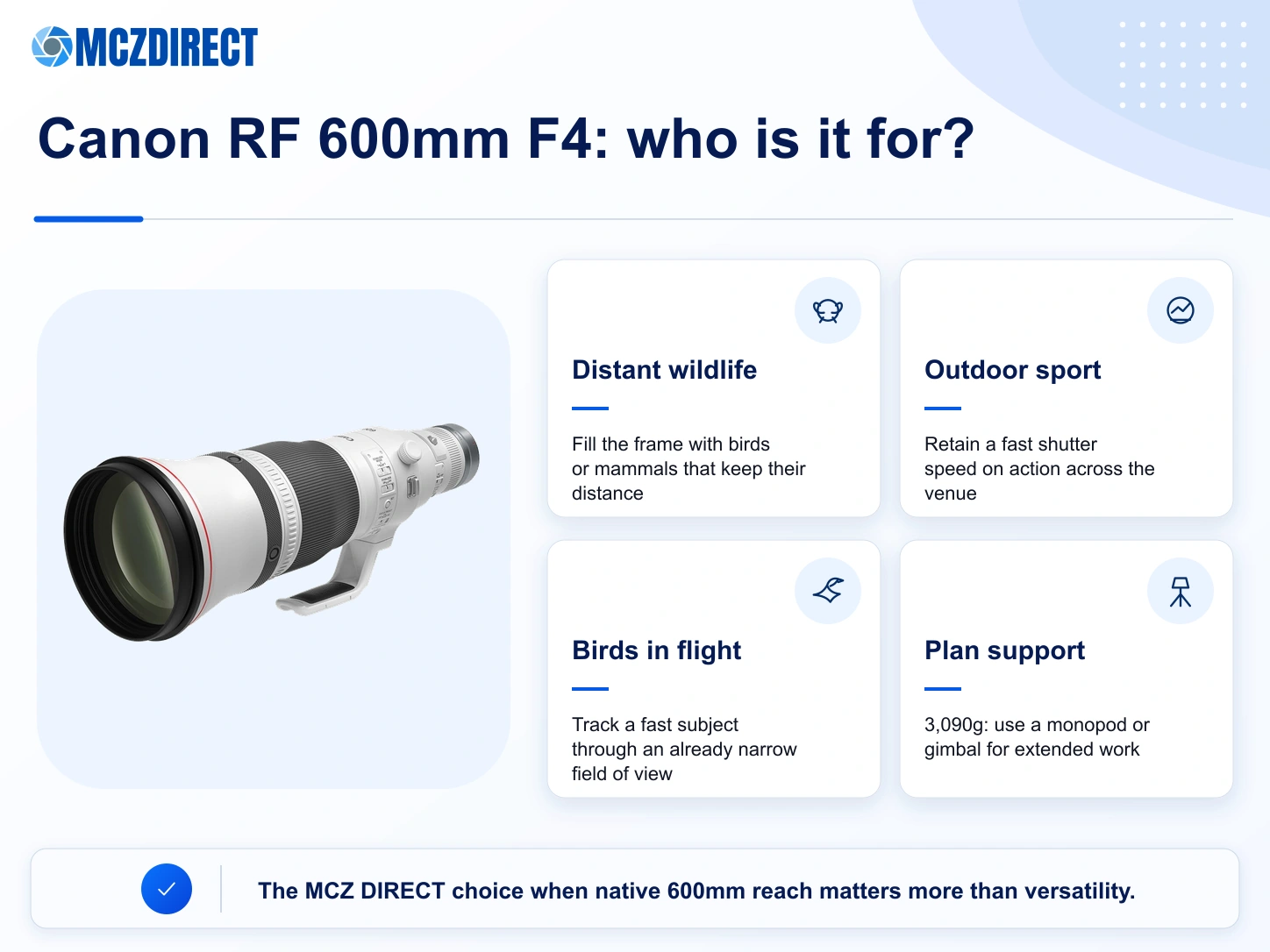
The Canon RF 600mm F4 L IS USM is a professional fixed super-telephoto lens for wildlife, bird and sports photographers who need long native reach without surrendering an f/4 aperture, and we recommend it when subjects genuinely remain distant. Six hundred millimetres fills the frame without approaching sensitive wildlife or leaving a restricted position beside a venue. Canon-rated optical stabilisation of up to 5.5 stops steadies composition, while Ring USM autofocus supports rapid changes in distance across demanding assignments. Its 3,090g weight, 472mm length and narrow field of view nevertheless require deliberate transport, support and positioning. This is a focused choice for an experienced EOS R photographer who values reach and usable light more than the framing freedom of a zoom.
Combine compatible accessories and save. The more items you add, the bigger the discount.
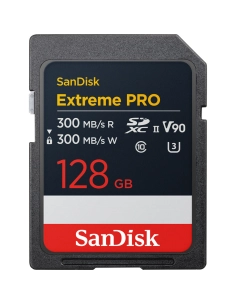
memory card

warranty extension
The Canon RF 600mm F4 L IS USM is built for subjects that remain far away and moments that do not allow a second attempt. From a hide, a touchline or a fixed position beside a circuit, 600mm quickly fills the frame with a bird, cautious mammal or athlete across the venue. F4 gathers more light than most long zooms and helps separate the subject from an untidy setting. The same specialisation demands preparation. The field of view is narrow, minimum focus is 4.2m and the lens weighs 3,090g. This Canon 600mm f4 therefore makes sense when likely movement, access, transport and support are understood before the assignment begins.
| Specification | Practical benefit | Plan for |
|---|---|---|
| 600mm f/4 | Substantial reach, usable shutter speed and softer backgrounds at long distance | The narrow view makes a subject harder to reacquire after a sudden direction change |
| IS up to 5.5 stops | A steadier view and greater latitude with a relatively still subject | Stabilisation cannot freeze wings, running athletes or vehicles |
| 4.2m and 0.15x | A working distance consistent with distant wildlife and sport | A close subject may enter minimum focus or simply overfill the frame |
| 3,090g and 472mm | A transportable professional super-telephoto with the right system | Monopod, gimbal and a correctly sized case matter on long assignments |
| 52mm drop-in filter | Filter changes without handling the large front element | The compatible rear holder must be used |
| Assignment | What the RF 600 contributes | Useful reservation |
|---|---|---|
| Birds in flight | Fill more of the frame while retaining f/4 for a fast shutter speed | The tight view requires confident initial acquisition and an appropriate AF area |
| Cautious mammals | Maintain distance without giving up strong subject separation | Heat haze and atmospheric disturbance can reduce detail over long distances |
| Football, rugby and athletics | Cover action across the venue from a fixed position | A shorter second body remains useful when play comes close |
| Motorsport | Isolate a vehicle on a remote part of the circuit | Panning still depends on the selected IS mode and shutter speed |
| Unpredictable distance | Image quality and light remain available within its working zone | A 100-500mm or 200-800mm zoom makes framing considerably easier |
F4 is not merely a route to a soft background. With a bird in flight, an animal crossing open ground or a distant athlete, it first helps retain a sufficiently short exposure without pushing sensitivity unnecessarily high. Image stabilisation solves a different problem. It corrects some movement introduced by the photographer and makes the view easier to hold, but never replaces a shutter speed suited to the subject. Air quality also becomes part of the optical system at long distance. Heat shimmer, dust and humidity can limit detail even when the lens itself resolves exceptionally well.
The Canon RF 600mm F4 accepts RF extenders. A 1.4x creates an 840mm f/5.6 combination for a smaller or more distant subject. The Canon RF 2x Extender reaches 1200mm f/8. Extra reach reduces light and makes the already narrow field more demanding. At those distances, stable support, accurate autofocus acquisition and calm air often contribute more than additional magnification. An extender should answer a real shooting situation rather than simply chase the largest focal-length figure.
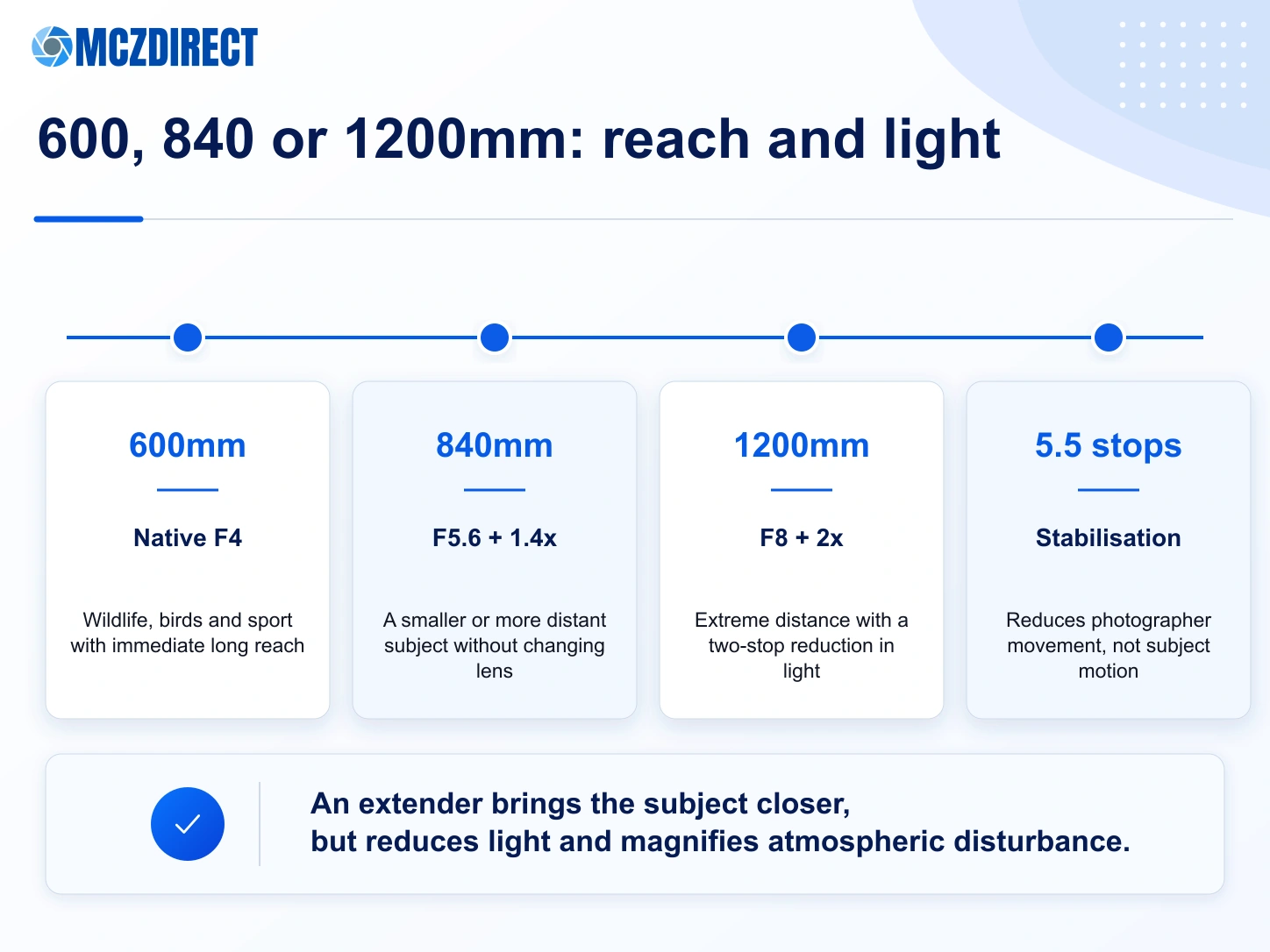
Experienced photographers can work handheld for a brief sequence, particularly when a bird changes direction too quickly for fixed support. Over time, 3,090g and a 472mm body demand a more deliberate solution. A monopod removes much of the load while preserving fast rotation beside a pitch. In a hide, a gimbal head on a tripod balances the lens and supports smoother tracking. Support is not only about avoiding camera shake; it also protects concentration and accuracy after several hours. Transport requires a bag, vehicle and access route suited to a professional super-telephoto lens.
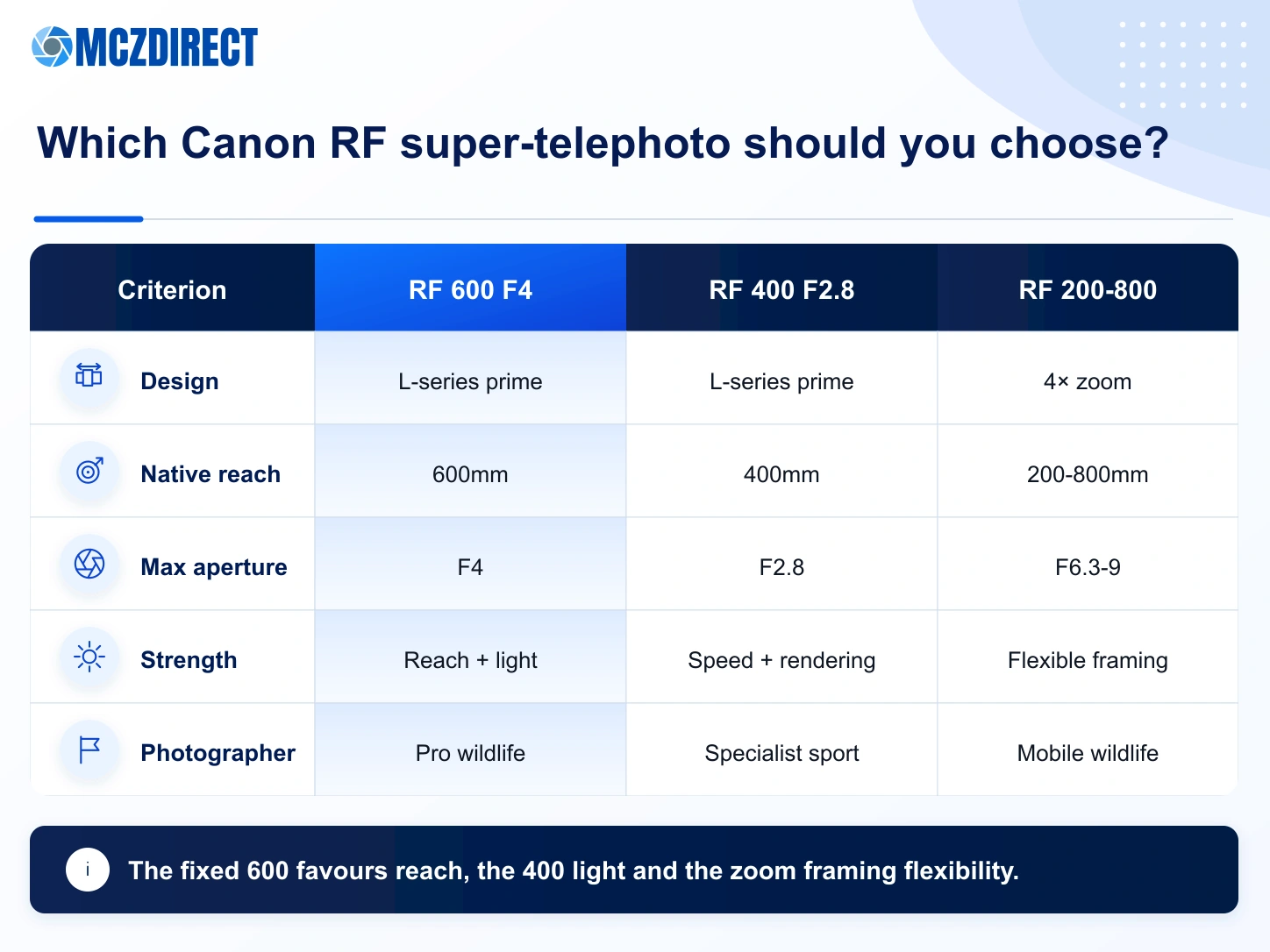
| Lens | Choose it when | Main compromise |
|---|---|---|
| RF 600mm F4 L IS USM | Native reach, light and subject separation need to remain balanced | Fixed focal length, 3,090g and a very narrow field of view |
| RF 400mm F2.8 L IS USM | Light, shutter speed and a slightly wider view matter more | Two hundred millimetres less native reach |
| RF 800mm F5.6 L IS USM | The subject remains even farther away and 800mm is genuinely necessary | A tighter field and f/5.6 maximum aperture |
| RF 200-800mm F6.3-9 IS USM | Finding the subject and changing framing matter more than difficult light | F9 at 800mm and less pronounced separation |
The Canon RF 600mm F11 IS STM shares the focal length but not the purpose. It is substantially lighter and easier to carry, while f/11 admits far less light than f/4. The F11 model suits mobile daylight photography when low weight and access to 600mm take priority. The RF 600mm F4 L IS USM serves advanced and professional work where shutter speed, autofocus, durability and subject separation justify a much more specialised system. The RF name also matters: this is not one of the earlier Canon EF 600mm f/4 lenses designed for DSLR cameras.
The lens mounts directly on Canon EOS R cameras. The Canon EOS R1 prioritises response, vertical ergonomics and sustained professional use. The Canon EOS R3 remains a natural sports and wildlife partner with its integrated grip. The Canon EOS R5 Mark II provides more resolution when cropping remains necessary. On an APS-C body, the angle of view resembles approximately 960mm on full frame: the subject fills more of the image, but finding and tracking it becomes less forgiving. The Canon RF lens category shows the other active focal lengths.
At MCZ DIRECT, we place the RF 600mm F4 L IS USM with a wildlife, bird or sports photographer who regularly works at substantial distance, rather than with someone seeking a first versatile telephoto. Its appeal lies in a rare balance: genuine 600mm reach, an f/4 aperture that remains useful as light falls and controls built for tracking.
Against the RF 400mm F2.8, we recommend it when 600mm prevents a severe crop. Against the RF 200-800mm, we choose it for light and subject separation, not for easy reacquisition. Its limitation is straightforward: 3,090g, a 472mm body, 4.2m minimum focus and a very narrow field demand regular use, appropriate support and controlled positioning. If subject distance changes without warning, the zoom is still the more rational tool.

It serves wildlife, bird, sports and press photographers who regularly work at substantial distance and require an f/4 aperture.
Yes. Its reach and autofocus suit distant birds, although the narrow view requires confident initial acquisition and a suitable AF area.
Yes, especially for distant action from a fixed position. A shorter second body remains useful when subjects come close.
Yes for brief sequences with experience. For extended work, its 3,090g weight makes a monopod or tripod the more rational option.
Canon lists approximately 3,090g. The lens is about 472mm long and 168mm in diameter.
Minimum focus is 4.2m, with a maximum reproduction ratio of 0.15x.
It steadies the view and reduces blur introduced by the photographer. It cannot freeze subject movement, which still needs an appropriate shutter speed.
Canon RF 1.4x and RF 2x extenders are compatible, producing 840mm f/5.6 and 1200mm f/8 combinations.
The 600mm provides more native reach. The 400mm frames wider and is one stop faster when light and shutter speed matter most.
The 600mm offers a less restrictive view and a faster aperture. The 800mm suits subjects that consistently remain farther away.
The fixed 600mm prioritises f/4, rendering and separation. The 200-800mm makes subject acquisition and framing easier as distance changes.
The F4 targets professional performance in changing light. The F11 is far lighter but admits three stops less light.