Shopping Cart
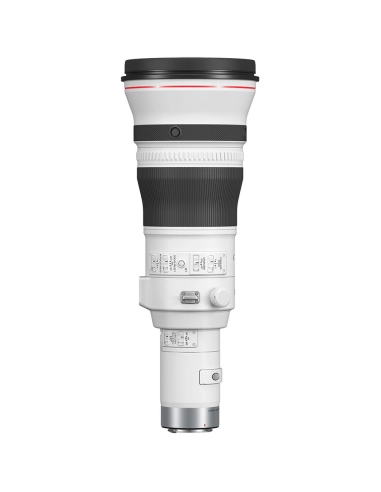
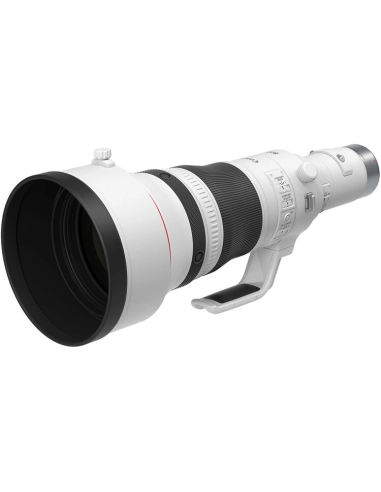
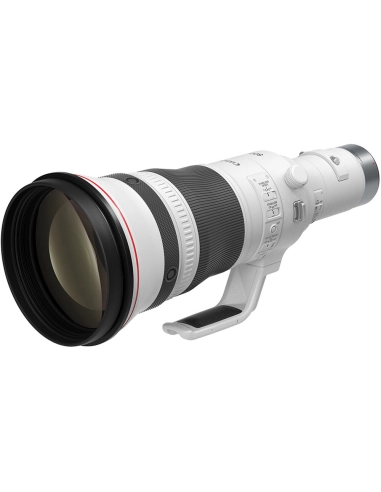
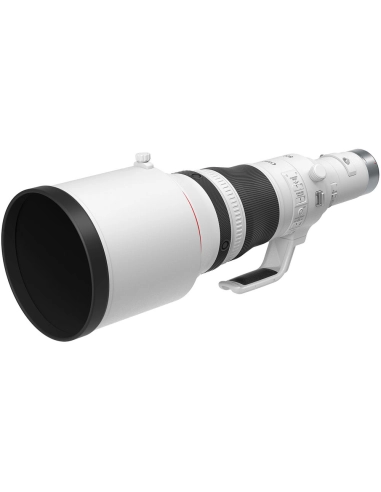
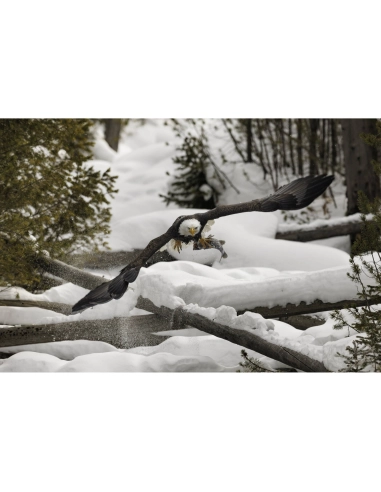
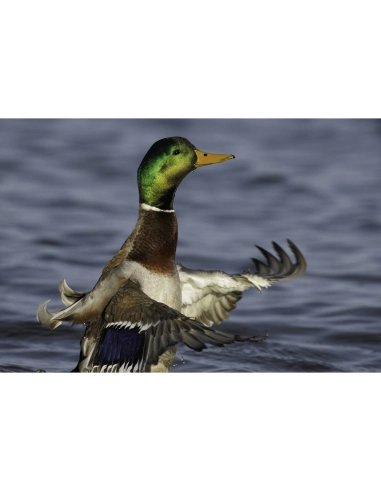
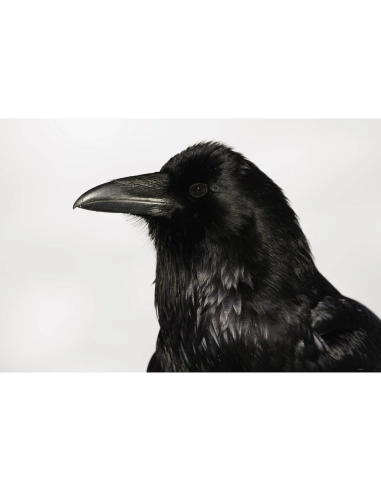
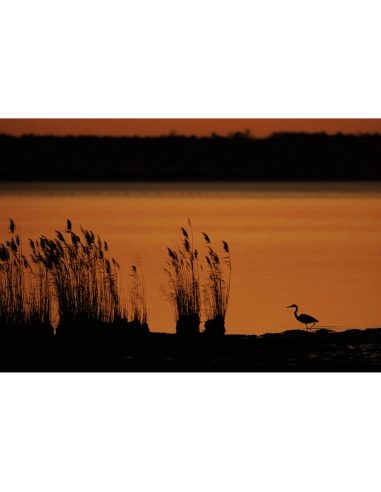
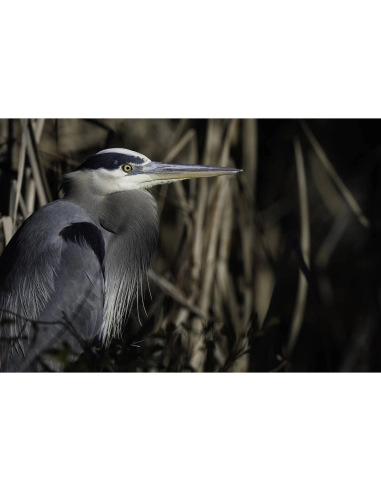
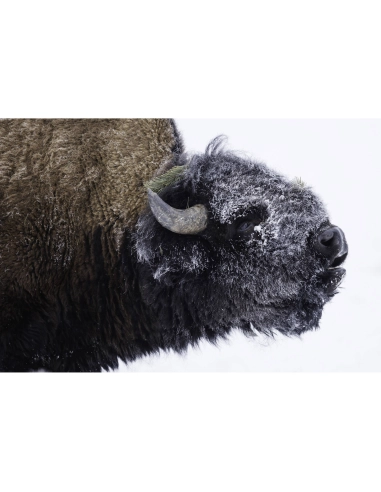
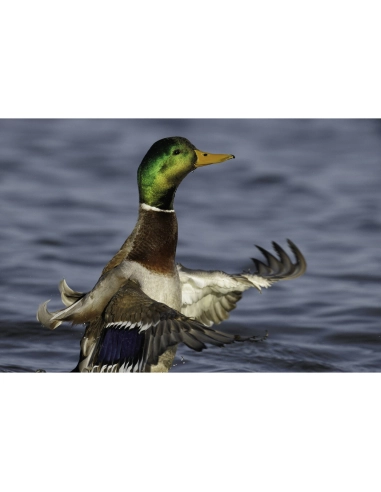
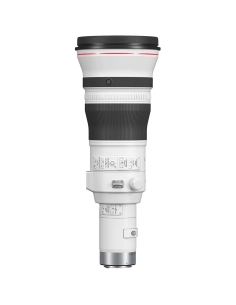
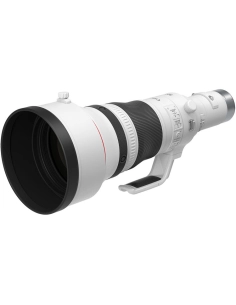
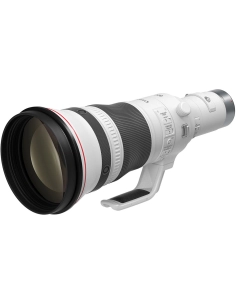
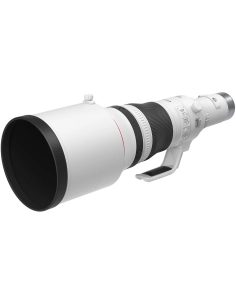
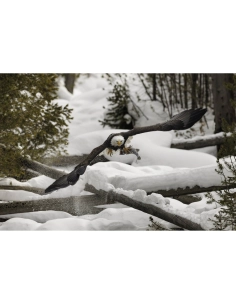
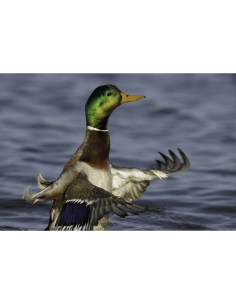
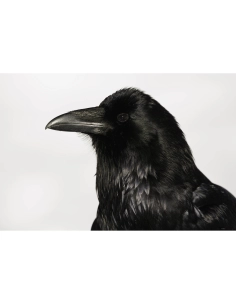
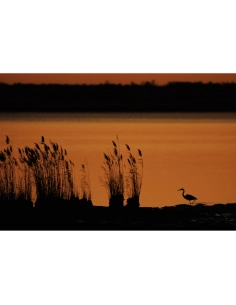
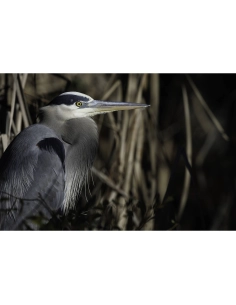
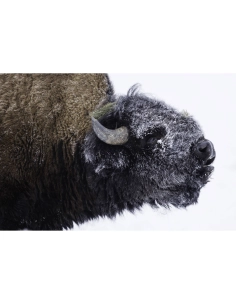
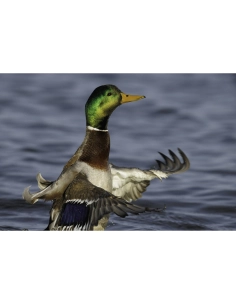
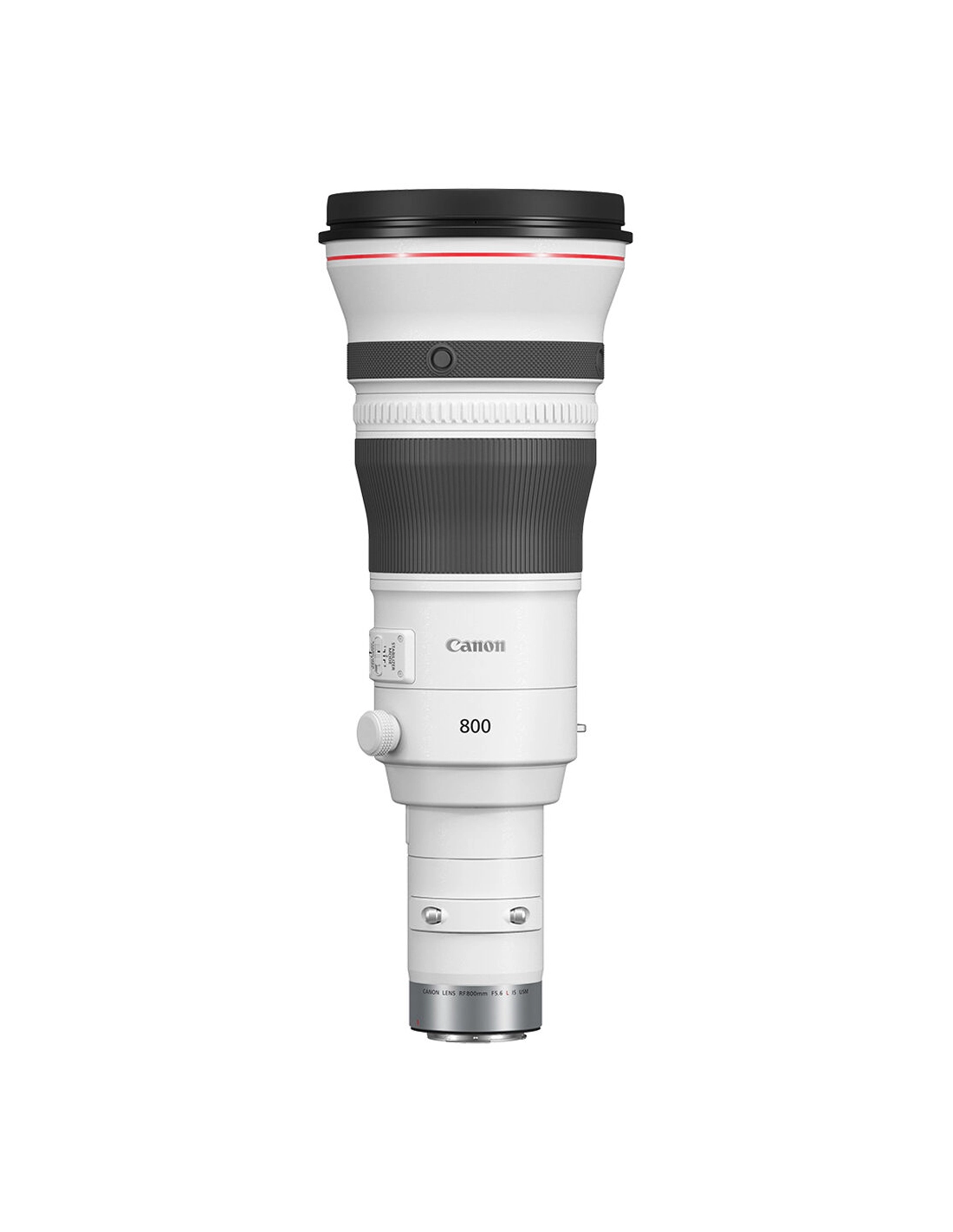
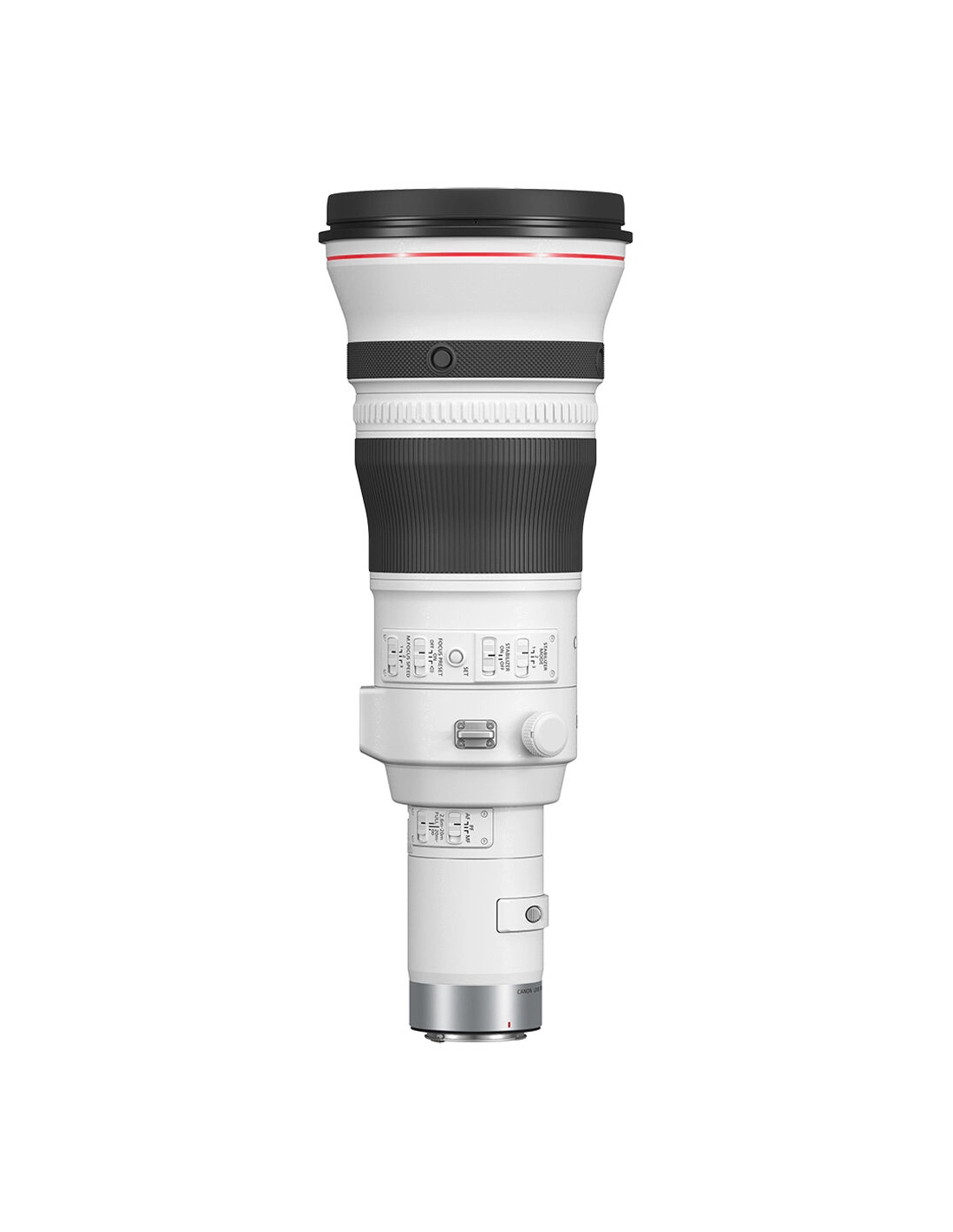
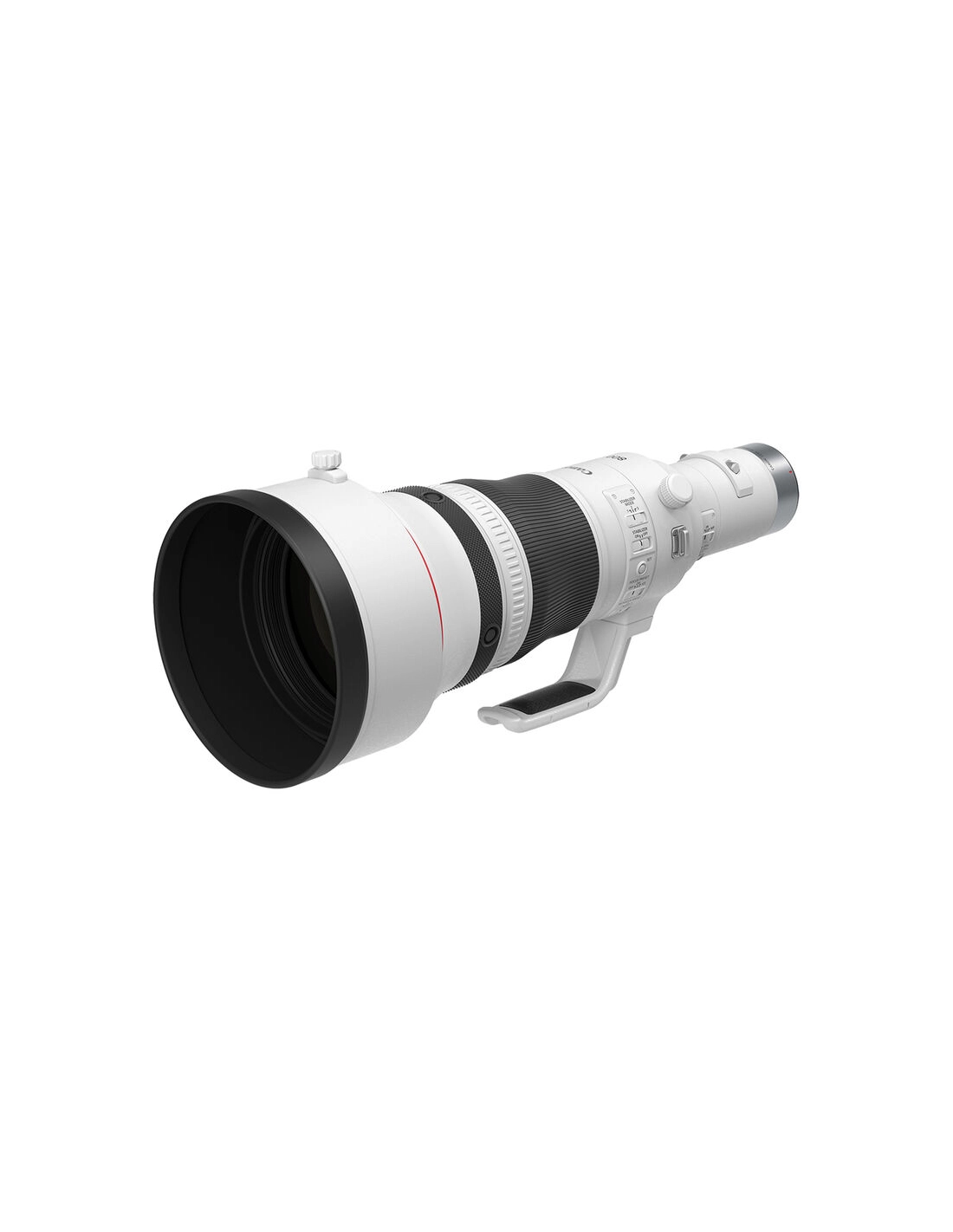
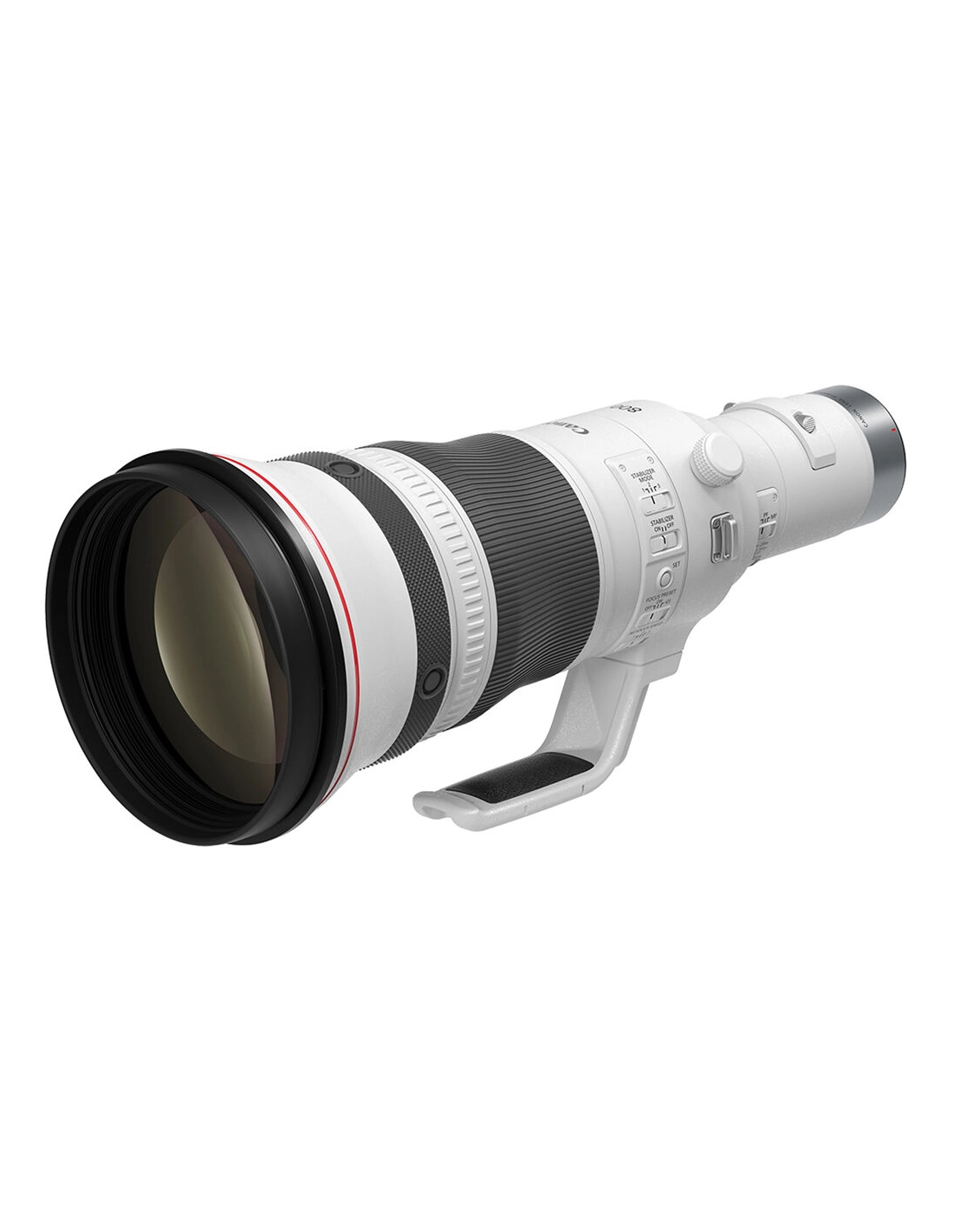
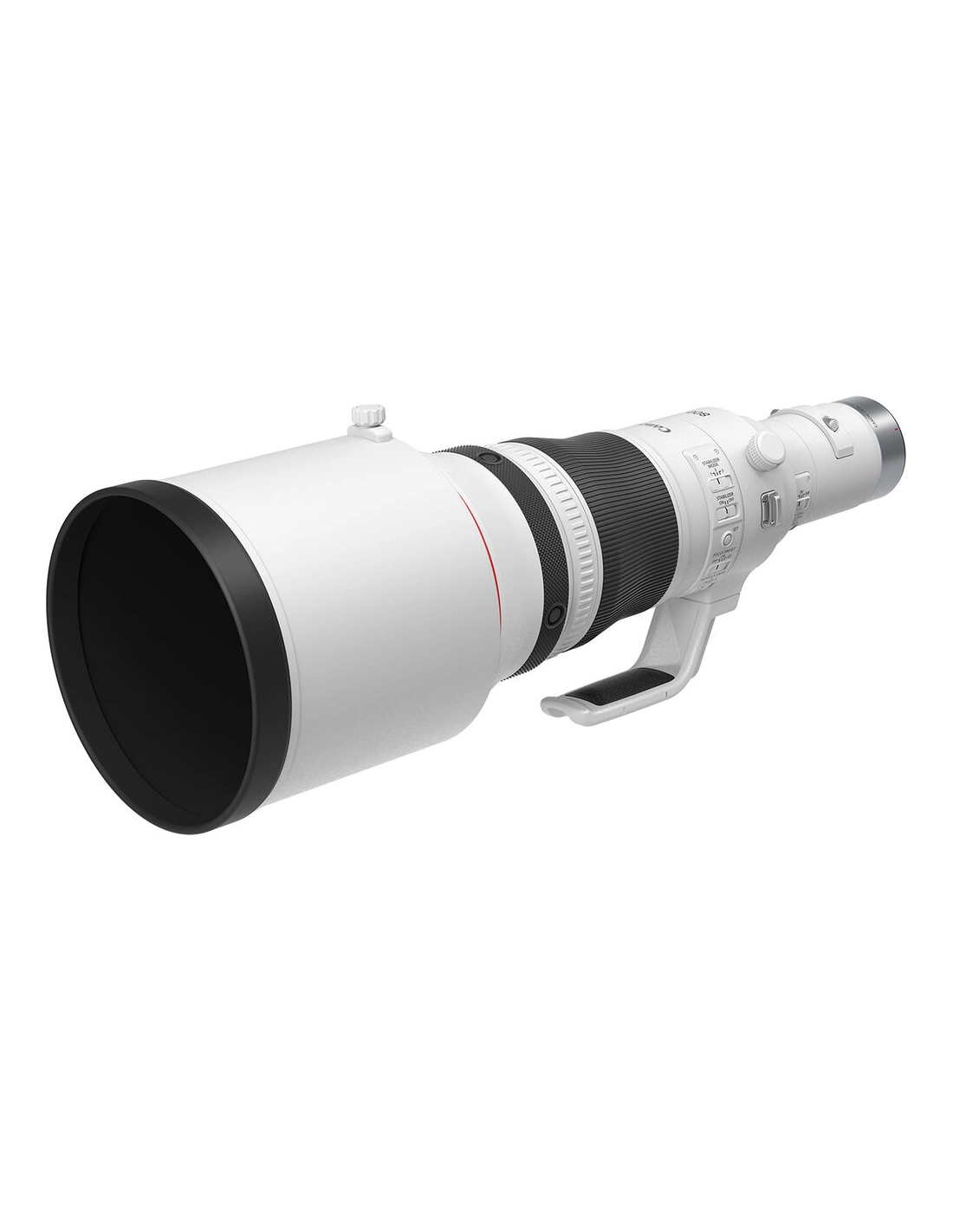
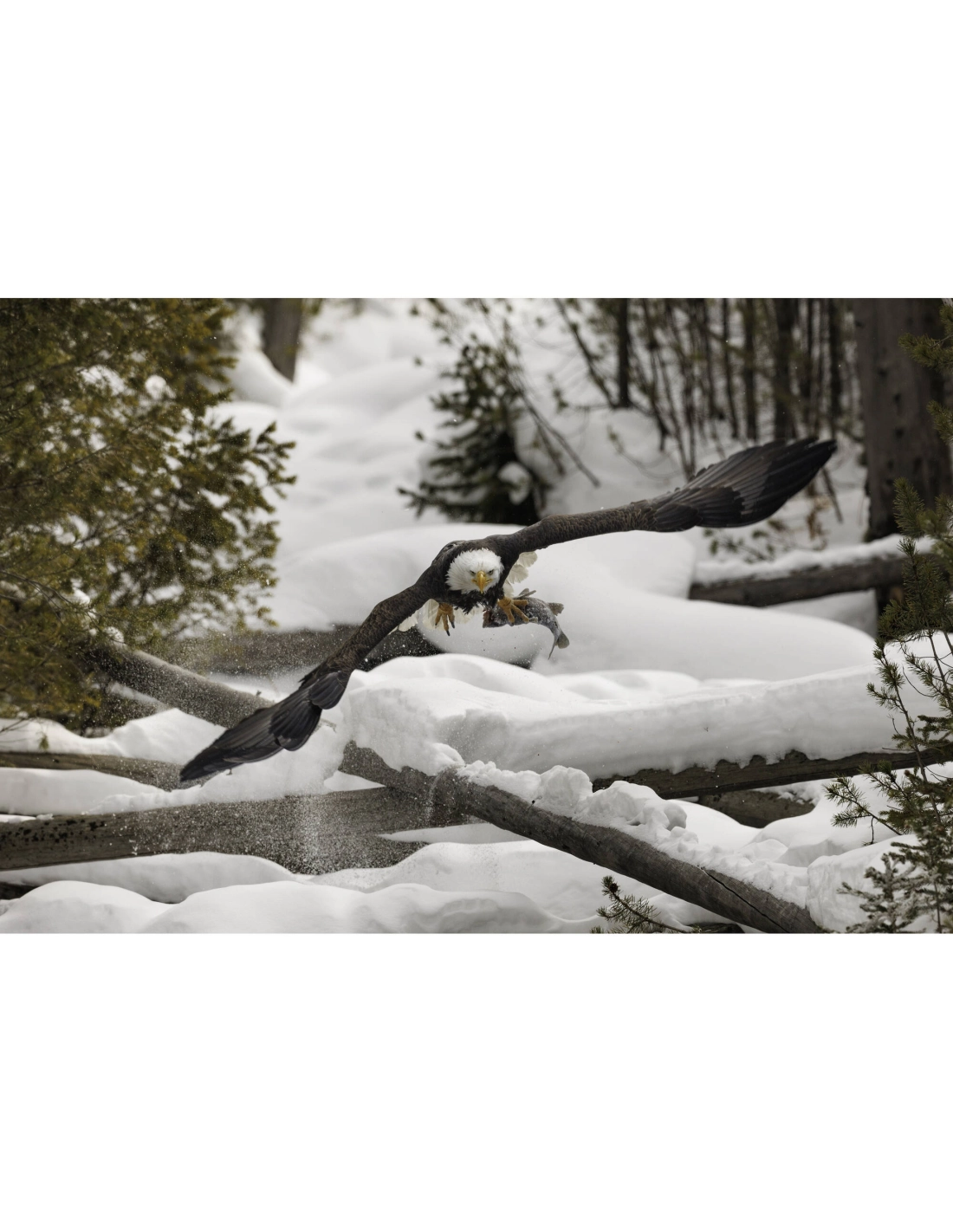
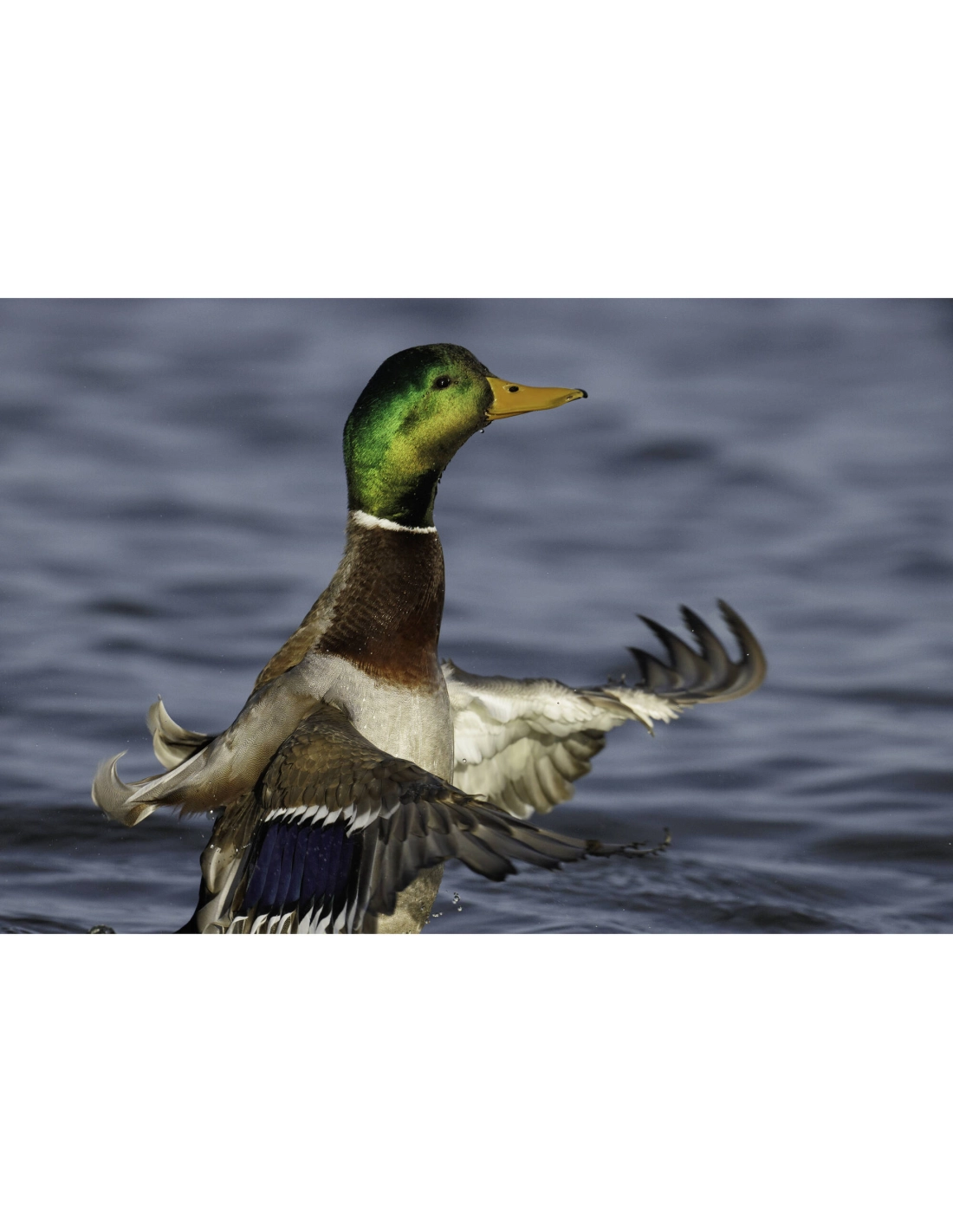
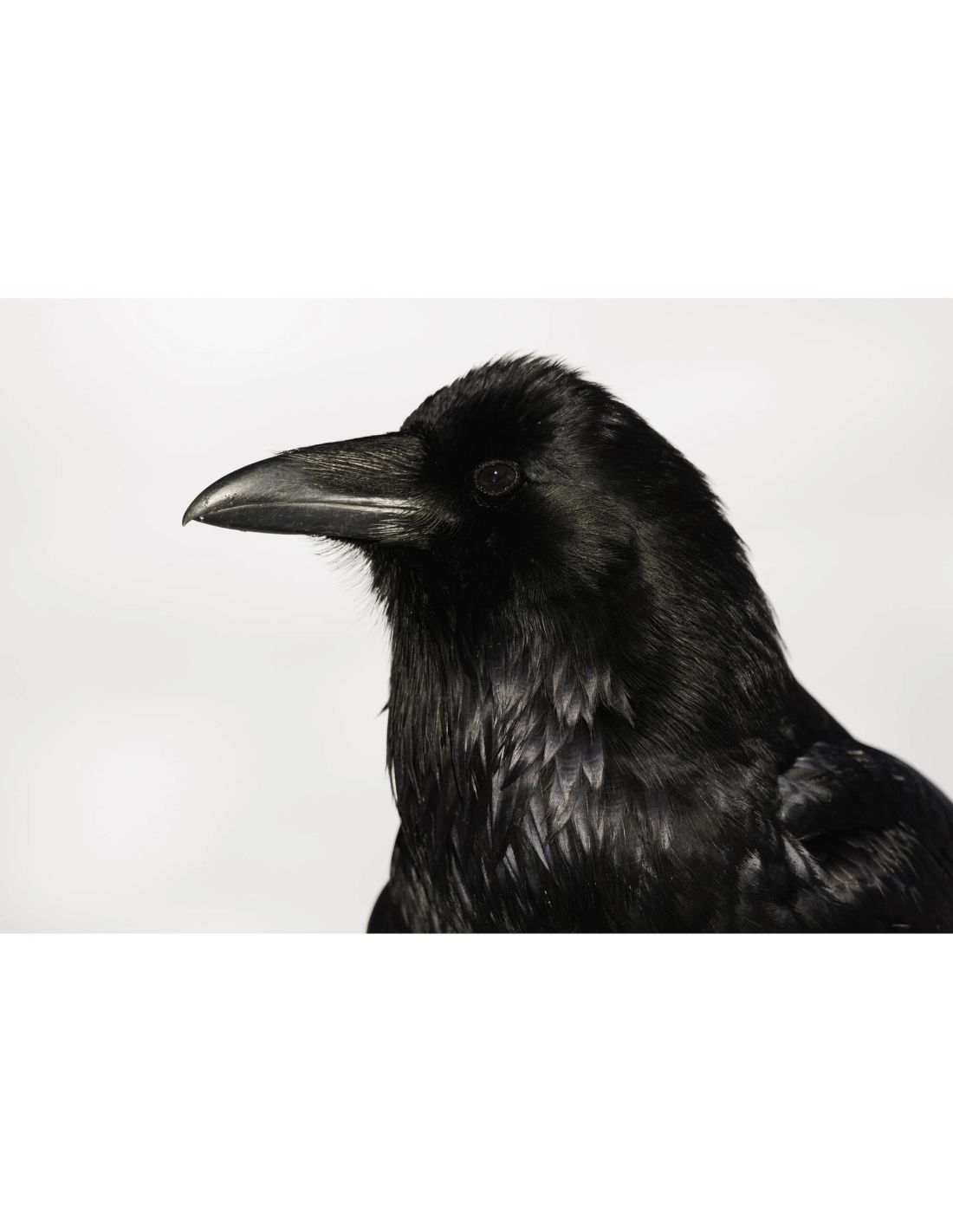
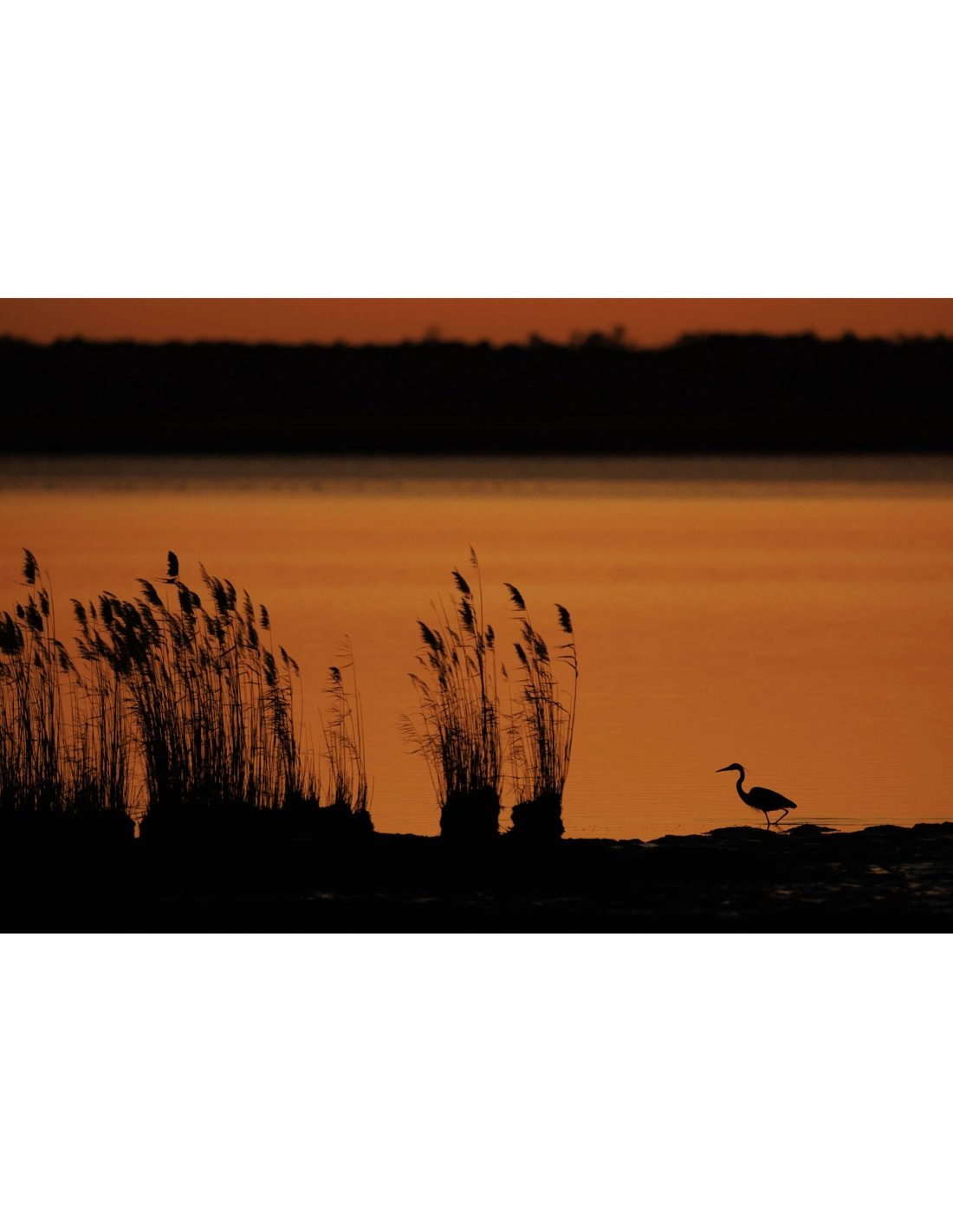
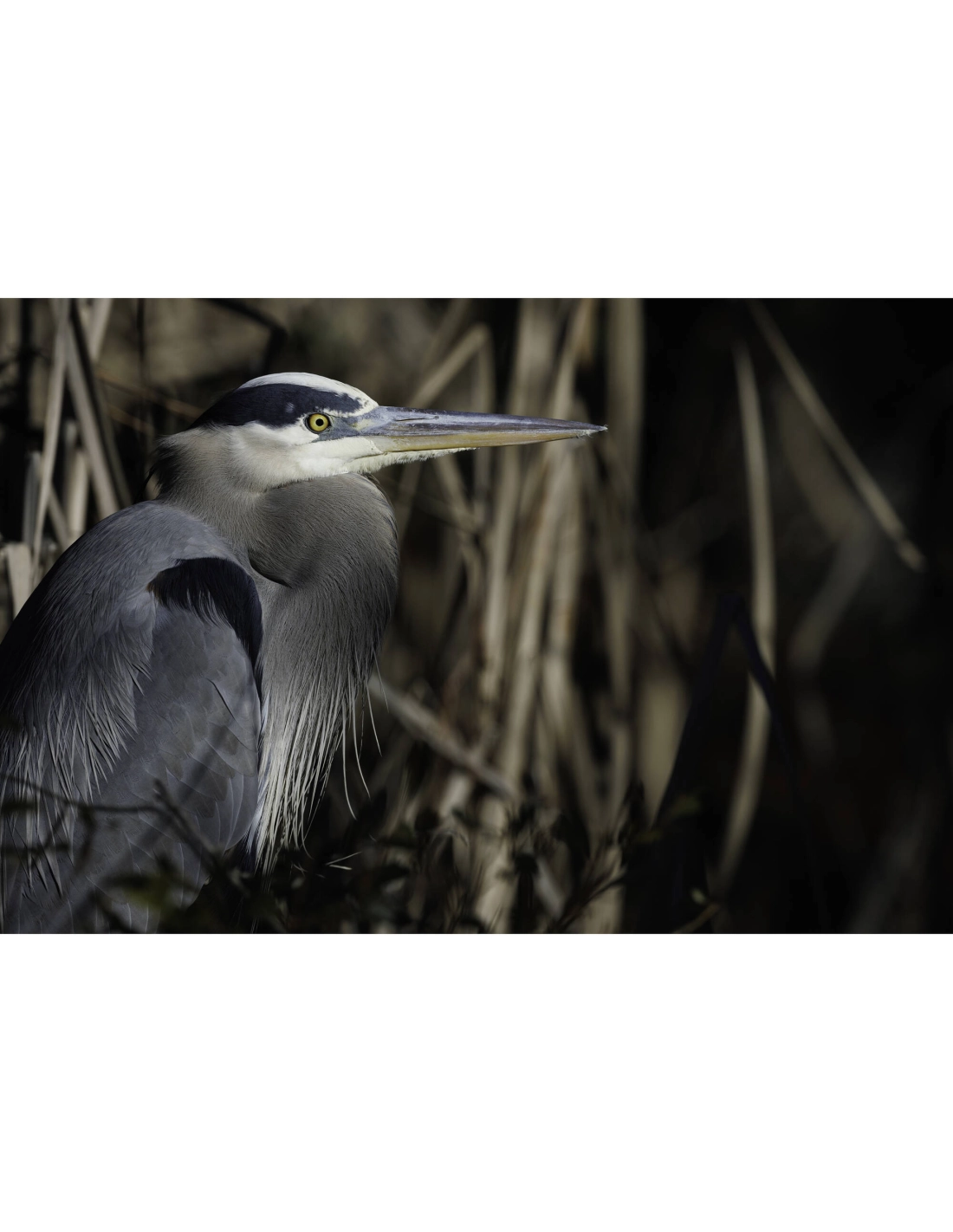
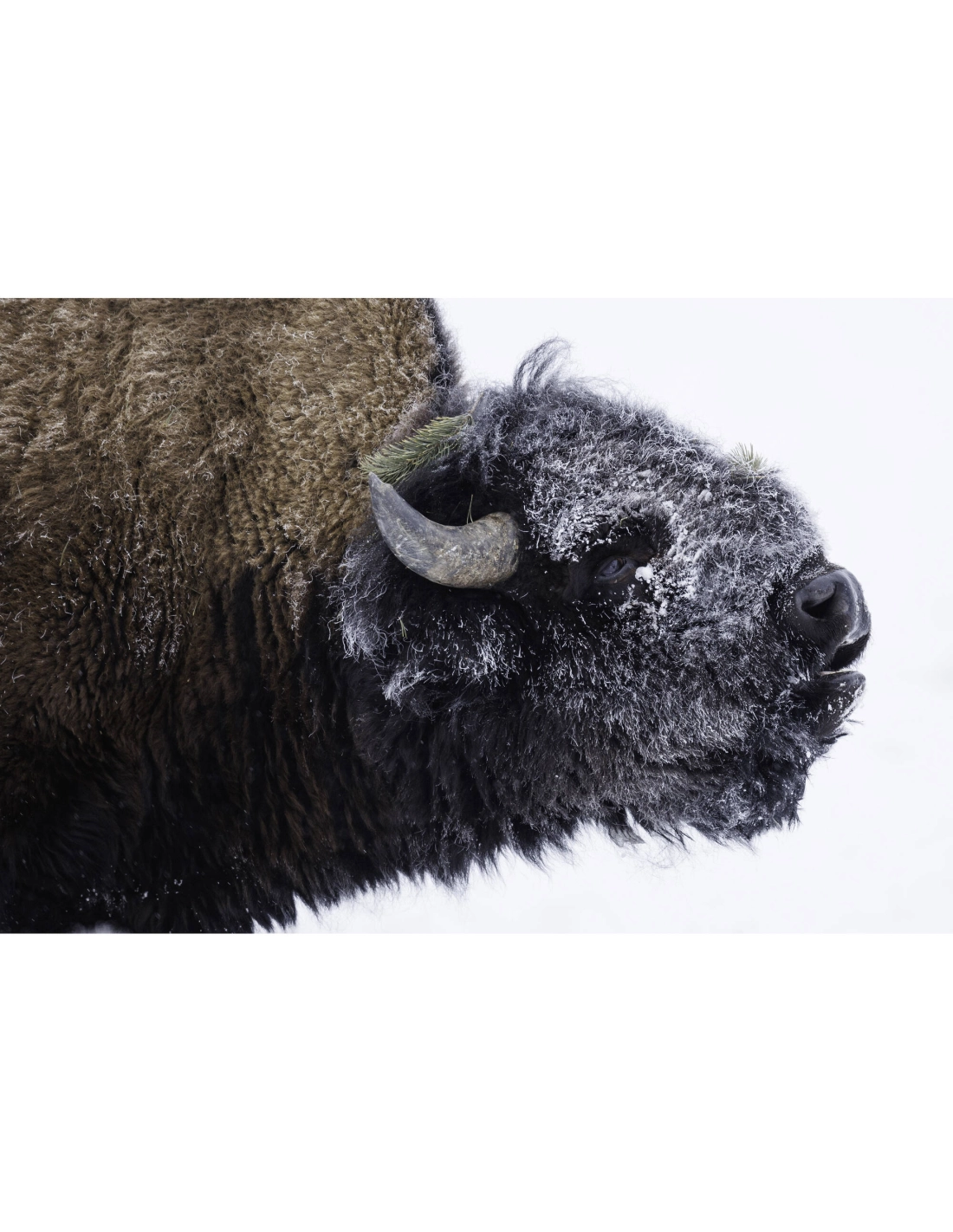
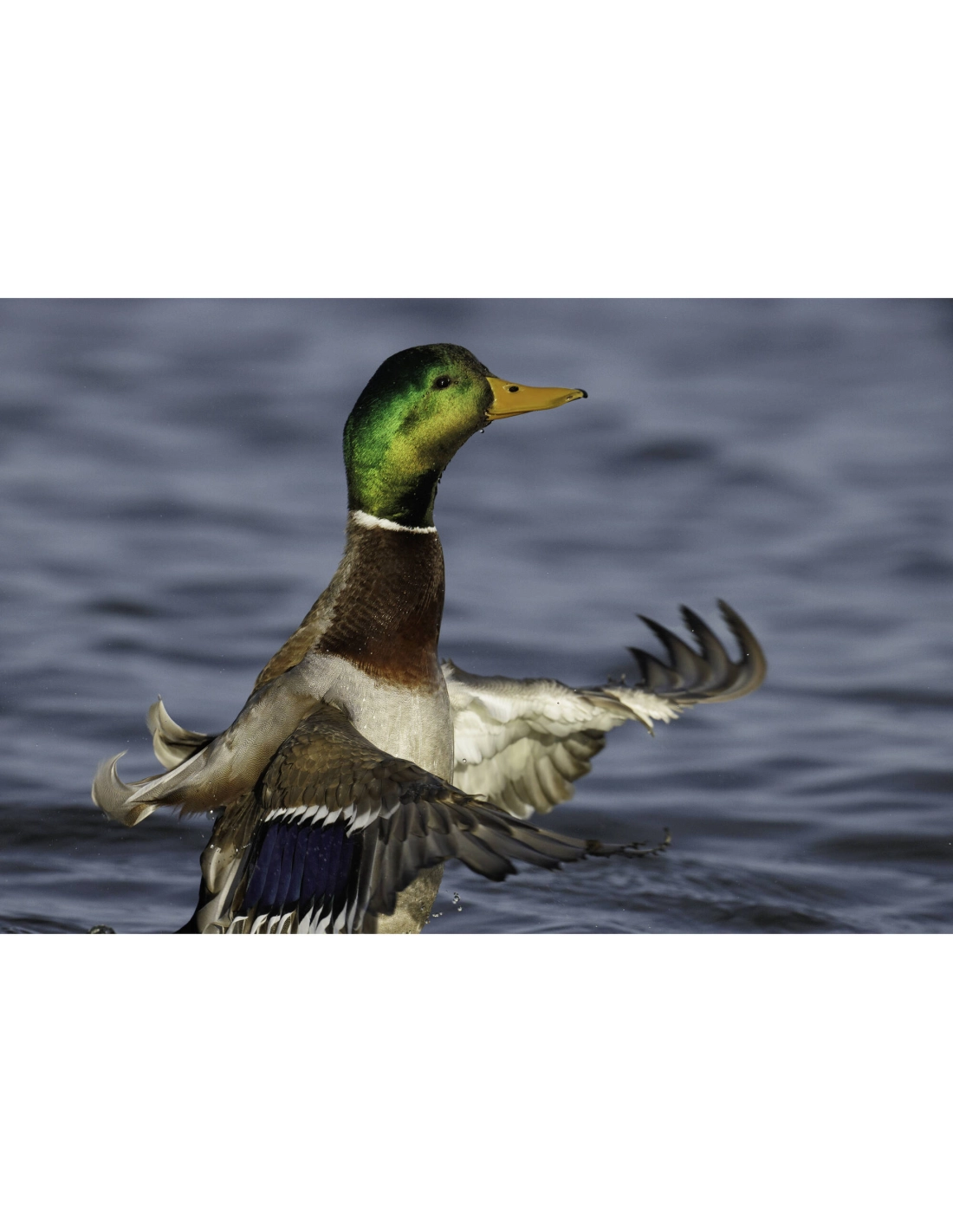
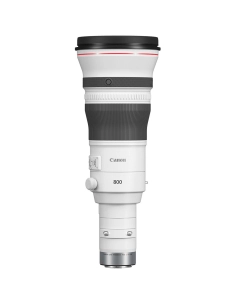

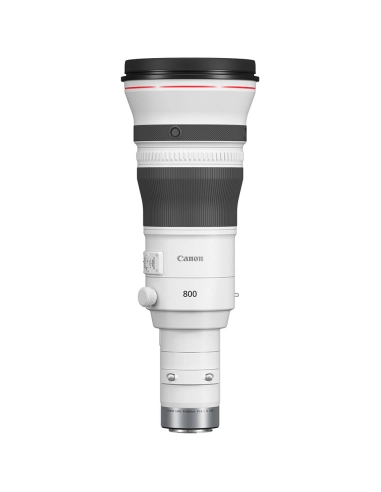
The Canon RF 800mm F5.6 L IS USM is a professional fixed super-telephoto lens for wildlife, sport and very distant subjects, and we recommend it when reach and light at 800mm matter more than zoom flexibility. Its f/5.6 aperture helps retain a fast shutter speed, while Canon-rated optical stabilisation of up to 4.5 stops reduces blur caused by the photographer. A 2.6m minimum focus distance and 0.34x maximum magnification broaden its usefulness for smaller subjects. At 3,140g, however, it requires deliberate field technique and suitable support. It is better suited to planned positions than to rapidly changing subject distances. It is a coherent choice for an experienced Canon RF photographer who already understands why a fixed 800mm focal length is necessary.
Combine compatible accessories and save. The more items you add, the bigger the discount.
memory card

warranty extension
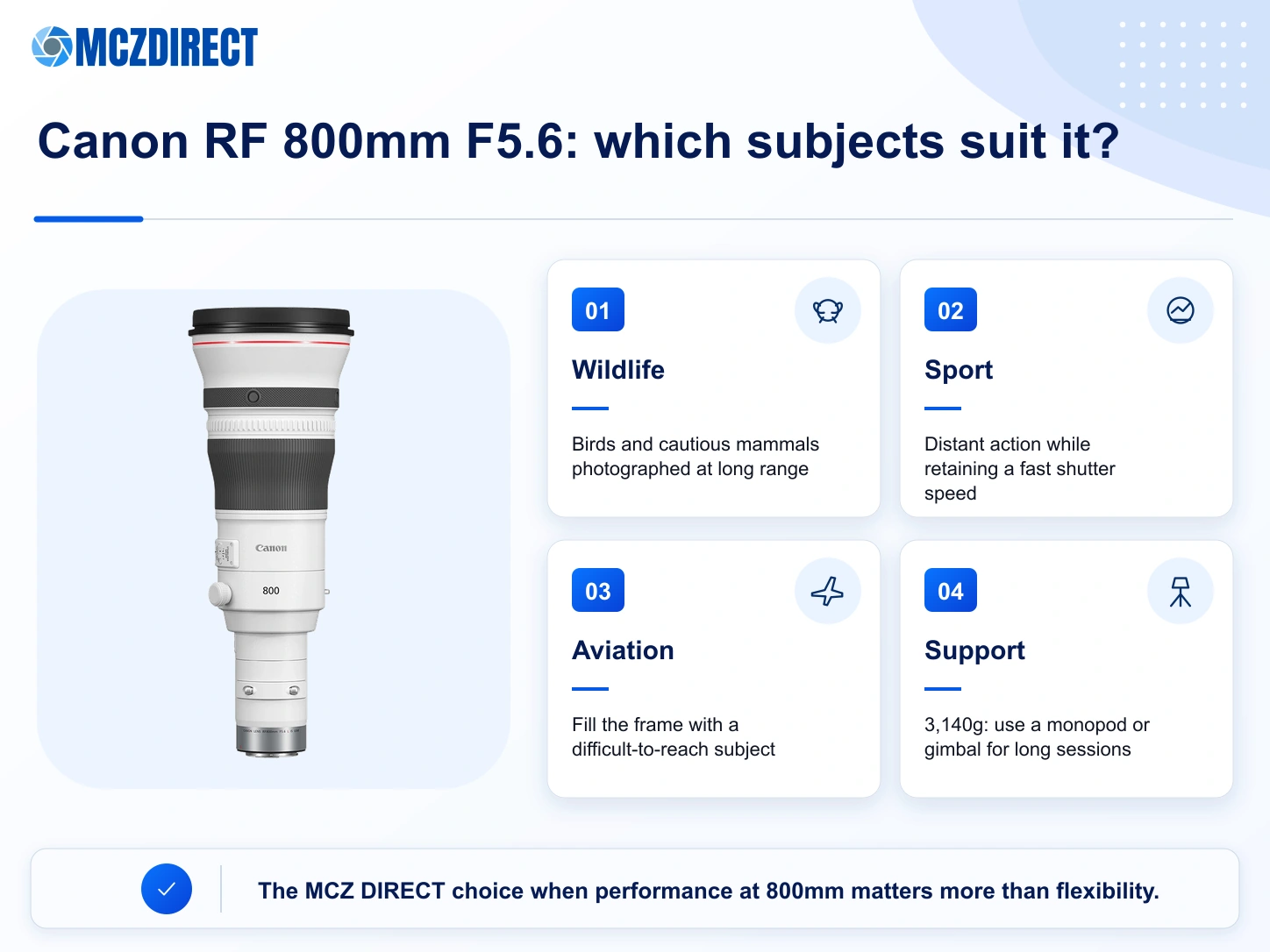
The Canon RF 800mm F5.6 L IS USM is built for photographers who routinely work at long range and cannot afford to lose two stops of light merely to reach 800mm. This fixed lens can fill the frame with a distant bird, cautious mammal, aircraft or athlete at the far end of a venue. F5.6 supports a faster shutter speed and a brighter view than an 800mm f/11 lens. The trade-off is a narrow, inflexible angle of view and 3,140g that must be managed before the action starts. It is not a general-purpose telephoto lens. It is a specialised tool for assignments where the subject, distance and expected movement are already understood.
| Feature | Practical benefit | Consideration |
|---|---|---|
| 800mm f/5.6 | Very tight framing with substantially more light than an 800mm f/11 lens | Positioning is critical because there is no option to zoom out |
| Up to 4.5-stop IS | A steadier view and less camera shake with a relatively still subject | It cannot freeze a bird in flight or fast athlete |
| 2.6m and 0.34x | Tight detail photographs of smaller subjects without an extreme working distance | Depth of field becomes very shallow near minimum focus |
| 3,140g and 432mm | More manageable than the former EF 800mm while retaining professional handling | A monopod, gimbal head or solid support is sensible for long sessions |
| RF 1.4x or 2x extender | 1120mm f/8 or 1600mm f/11 with autofocus and stabilisation retained | Less light and atmospheric disturbance become increasingly visible |
| Situation | Why 800mm helps | Useful reservation |
|---|---|---|
| Birds in flight or at rest | Maintain a respectful distance while making the bird large enough in the frame | Smooth tracking needs room around the subject and confident initial acquisition |
| Cautious mammals | Work from an observation point without moving closer | Grass, branches and heat haze can reduce detail before light reaches the lens |
| Stadium or motor sport | Isolate distant action while retaining a fast shutter speed | A second body or zoom remains useful when action approaches |
| Aviation and inaccessible subjects | Give a small, distant subject much greater presence | The narrow field of view makes acquisition more demanding |
| Changing subject distance | Compression and 0.34x magnification can create distinctive detail photographs | A 200-800mm zoom is usually more rational when distance changes repeatedly |
The f/5.6 aperture is two stops faster than the Canon RF 800mm F11 IS STM. At the same ISO, that can mean a shutter speed four times as fast, which matters at dawn, under cloud or when wing detail must remain sharp. Stabilisation addresses a different issue: movement introduced by the photographer. It steadies the view and helps with relatively still subjects, but it does not slow a bird or vehicle. For action, shutter speed still comes first.
The Canon RF800mm F5.6 L IS USM can be lifted handheld for a short tracking sequence, but 3,140g and a 432mm body become tiring during a long wait. A monopod preserves mobility around a pitch or mobile hide. A gimbal head and tripod make more sense from a fixed position, especially with an extender. The integrated rotating collar allows quick changes between horizontal and vertical framing. Suitable support preserves accurate tracking and the photographer’s endurance rather than diminishing the lens’s portability.
| Lens | Choose it when | Main compromise |
|---|---|---|
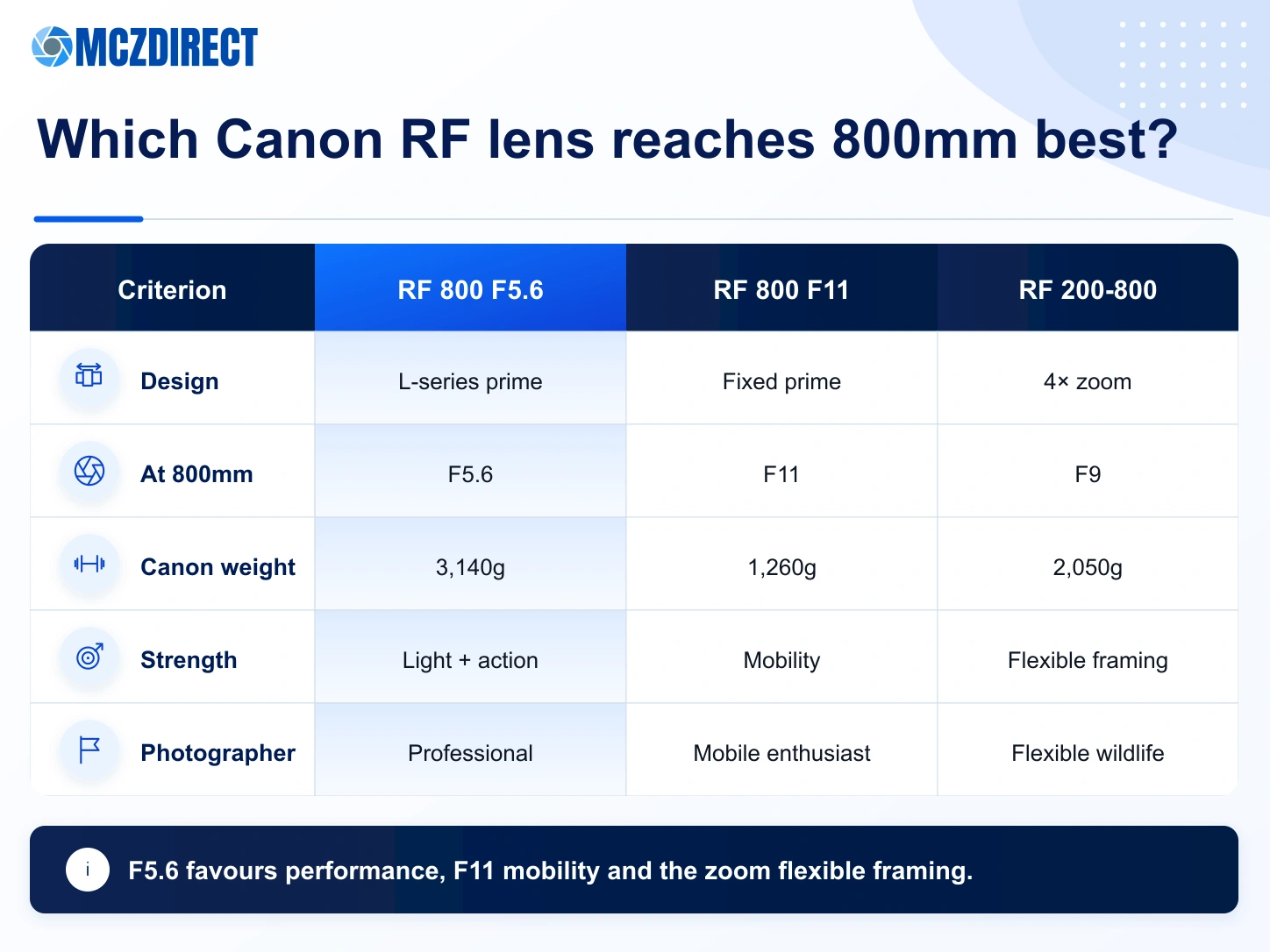
| RF 800mm F5.6 L IS USM | Light, action tracking and professional fixed-lens performance take priority | 3,140g, fixed framing and a highly specialised investment |
| RF 800mm F11 IS STM | Low weight and access to a fixed 800mm matter more than low-light ability | F11 aperture and construction intended for less intensive use |
| RF 200-800mm F6.3-9 IS USM | Subject distance changes and finding an animal quickly in the frame are essential | F9 at 800mm and less subject separation than the F5.6 prime |
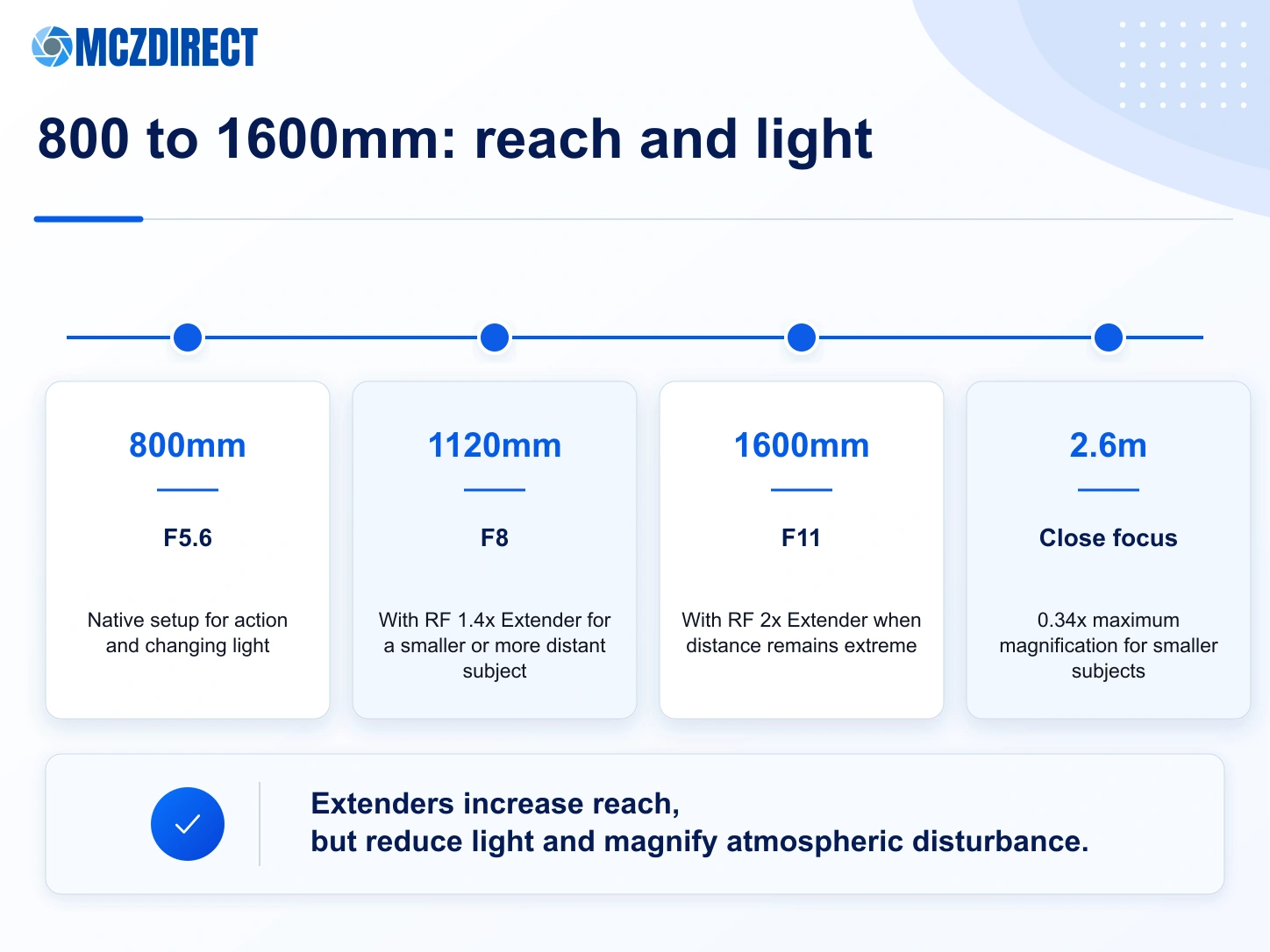
With the RF 1.4x extender, the lens becomes an 1120mm f/8; with the Canon Extender RF 2x, it reaches 1600mm f/11. Canon retains autofocus and stabilisation with both combinations. These focal lengths help when a subject is genuinely inaccessible, but they also magnify haze, vibration and unstable hot air. Before adding an extender, check whether light, distance and support will preserve more real detail than a clean crop.
The RF mount works across the EOS R system. The Canon EOS R1 prioritises field ergonomics, responsiveness and sustained professional use. The Canon EOS R3 remains a coherent sports and wildlife body with an integrated grip. The Canon EOS R5 Mark II provides greater resolution when a subject remains small even at 800mm. On an APS-C body, the angle of view is equivalent to approximately 1280mm on full frame: the subject occupies more of the frame, but tracking becomes more demanding. The Canon RF lens category shows the other active focal lengths.
At MCZ DIRECT, we see the RF 800mm F5.6 L IS USM as the choice for a wildlife, sports or aviation photographer who routinely works at very long range, rather than as a first super-telephoto lens. Its value lies in a precise combination: fixed 800mm framing, an f/5.6 aperture, professional autofocus and controls designed for assignments where the subject will not move closer.
Against the RF 800mm F11, we recommend it when light falls or a fast shutter speed must be maintained. Against the RF 200-800mm, we choose it when performance at 800mm matters more than the ability to zoom out. Its limitation is equally clear: three kilograms, a narrow field of view and sensitivity to atmospheric disturbance require experience, suitable support and a subject that genuinely justifies this degree of specialisation.

It primarily serves wildlife, sports, aviation and news photographers who regularly work with very distant subjects and can manage a fixed 800mm field of view.
Yes. Its f/5.6 aperture and Ring USM motor support tracking when paired with a suitable shutter speed, AF area and EOS R camera.
Yes for short sequences. At 3,140g, a monopod or tripod with a gimbal head is preferable during a long wait.
Canon lists approximately 3,140g. The lens is about 432mm long and 163mm in diameter.
Minimum focus is 2.6m, with a maximum reproduction ratio of 0.34x.
No. It reduces blur caused by the photographer. A moving bird or athlete still requires a suitable shutter speed.
The F5.6 suits low light, action and intensive professional use. The F11 is much lighter and more accessible but is two stops slower.
Choose the F5.6 for light and performance at 800mm. The 200-800mm is more flexible when subject distance changes.
Canon RF 1.4x and RF 2x extenders are compatible, producing 1120mm f/8 and 1600mm f/11 combinations.
Yes. Canon states that autofocus and stabilisation remain available with the compatible RF 1.4x and 2x extenders.
It takes 52mm drop-in filters through the supplied rear filter holder rather than a front screw-in filter.
Its L-series construction resists dust and moisture. It is not fully waterproof, so protection remains sensible in heavy rain.