Shopping Cart
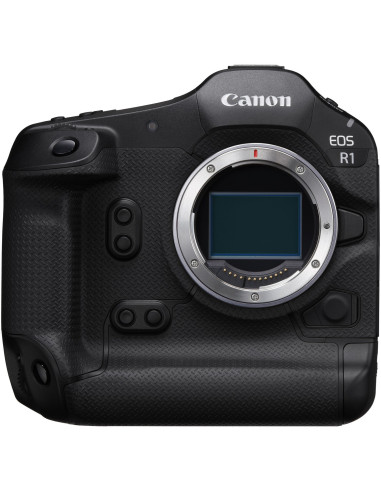
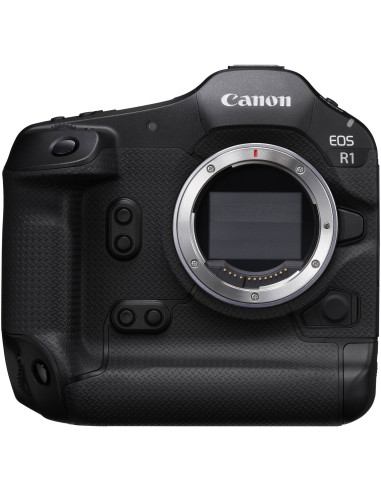
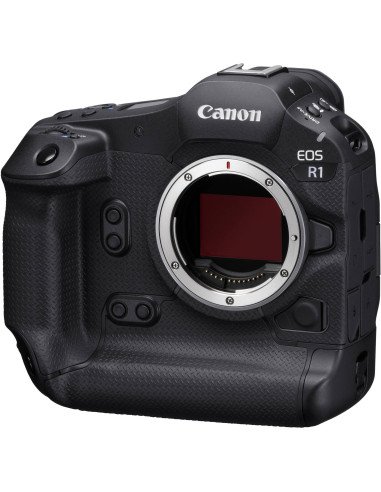
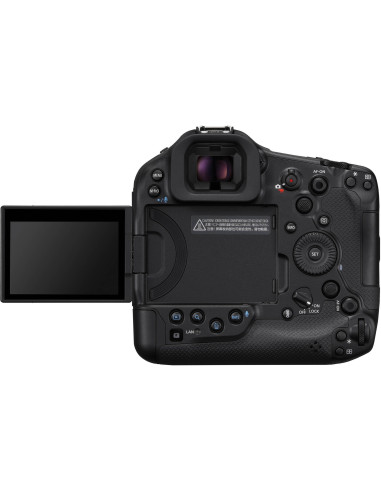
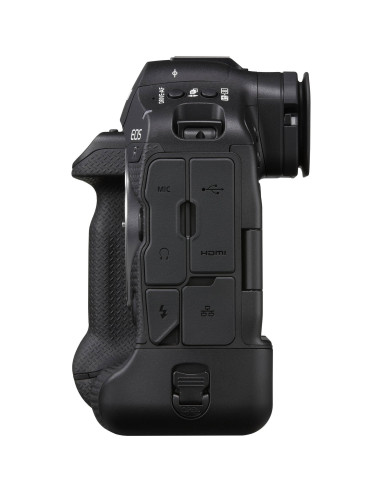
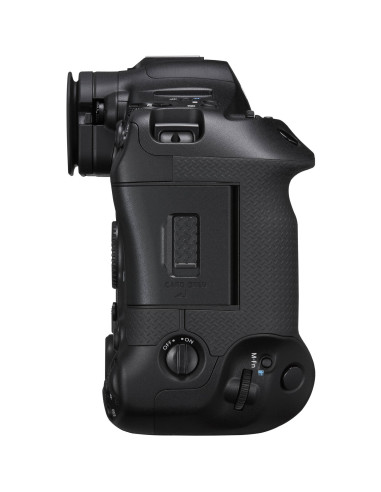
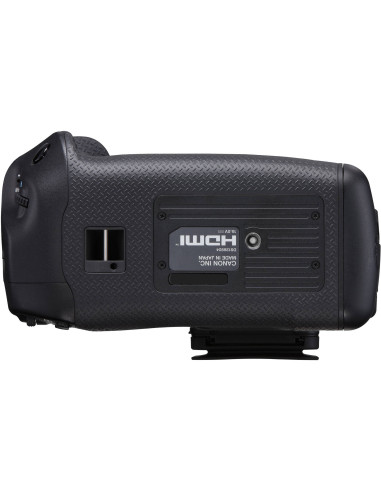
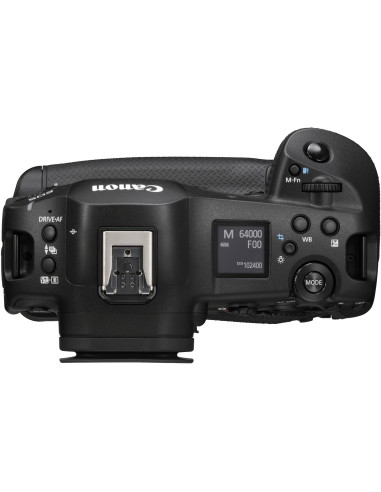
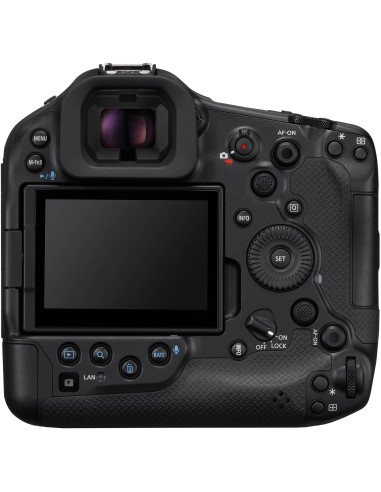
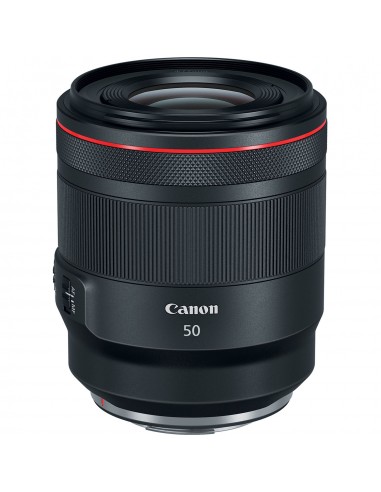
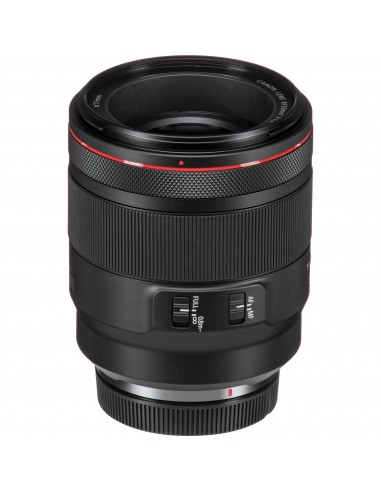
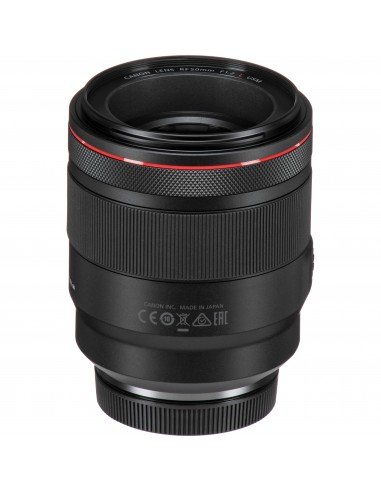
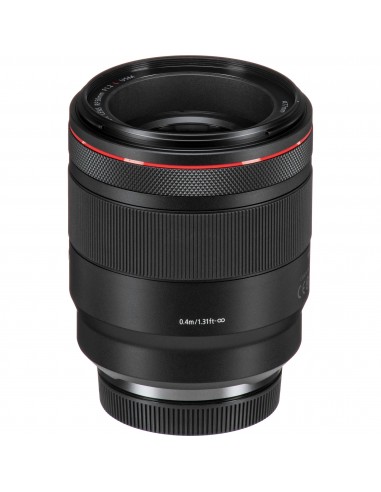
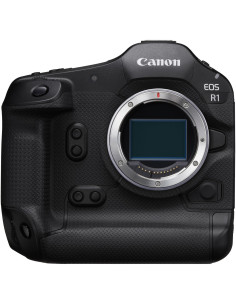
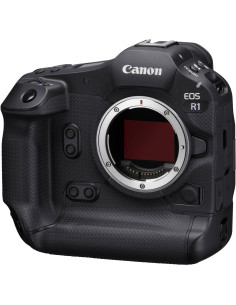
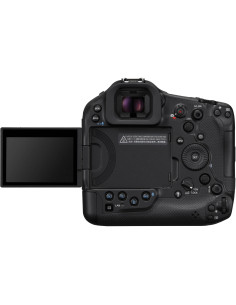
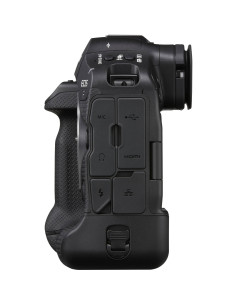
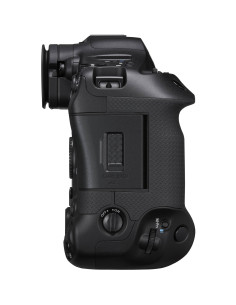
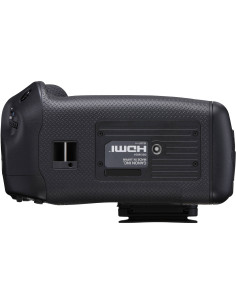
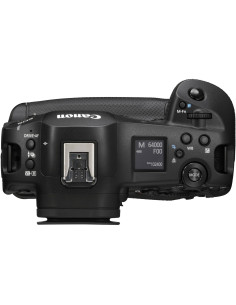
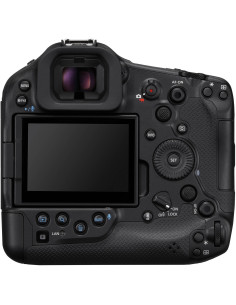
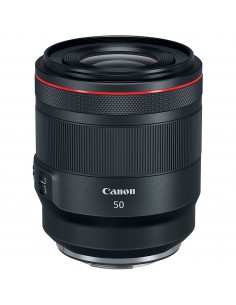
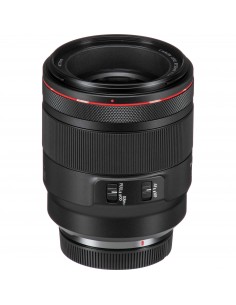
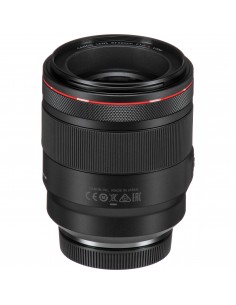
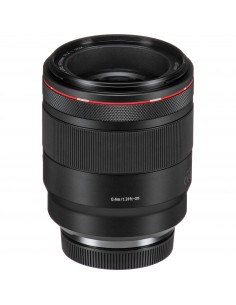
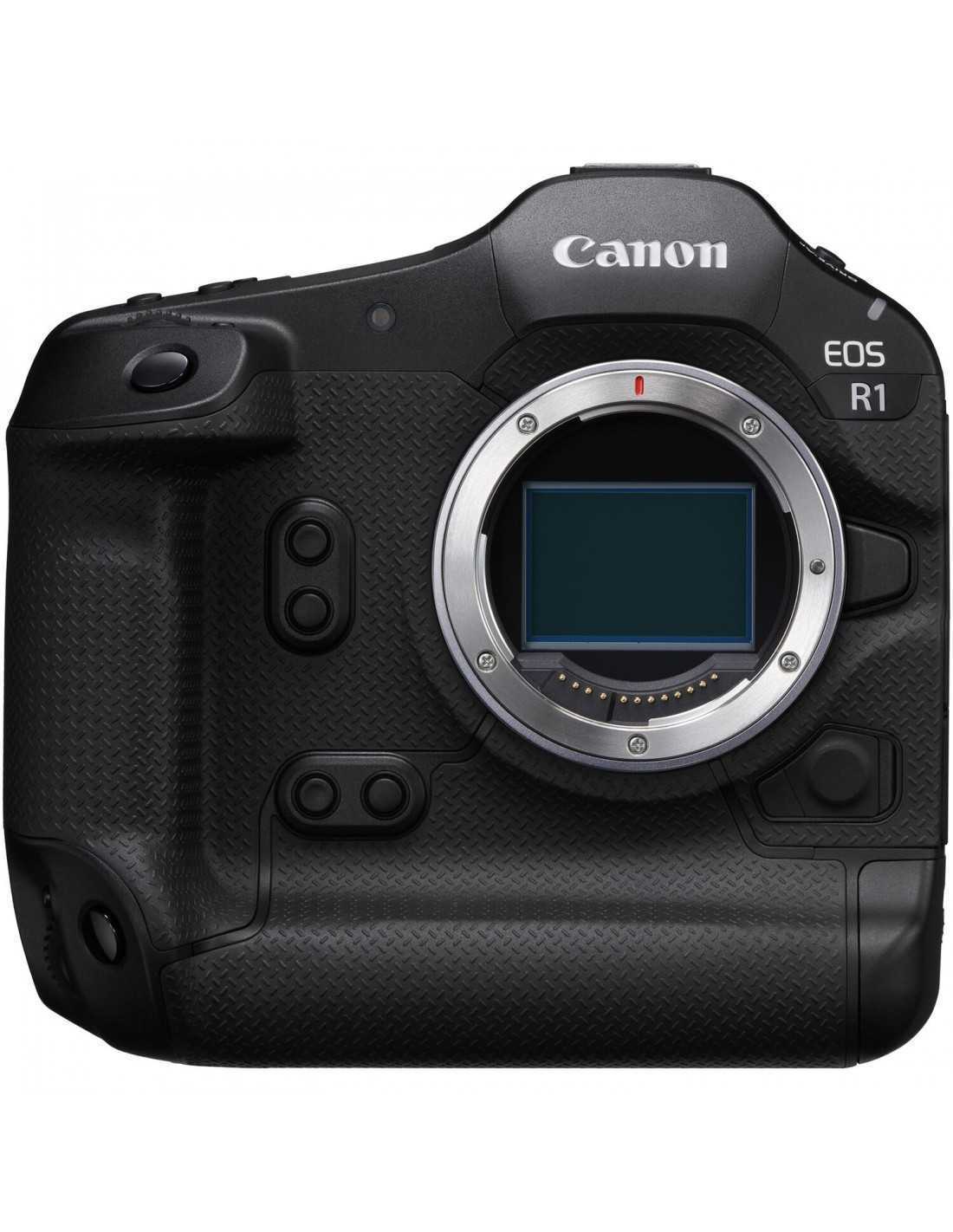
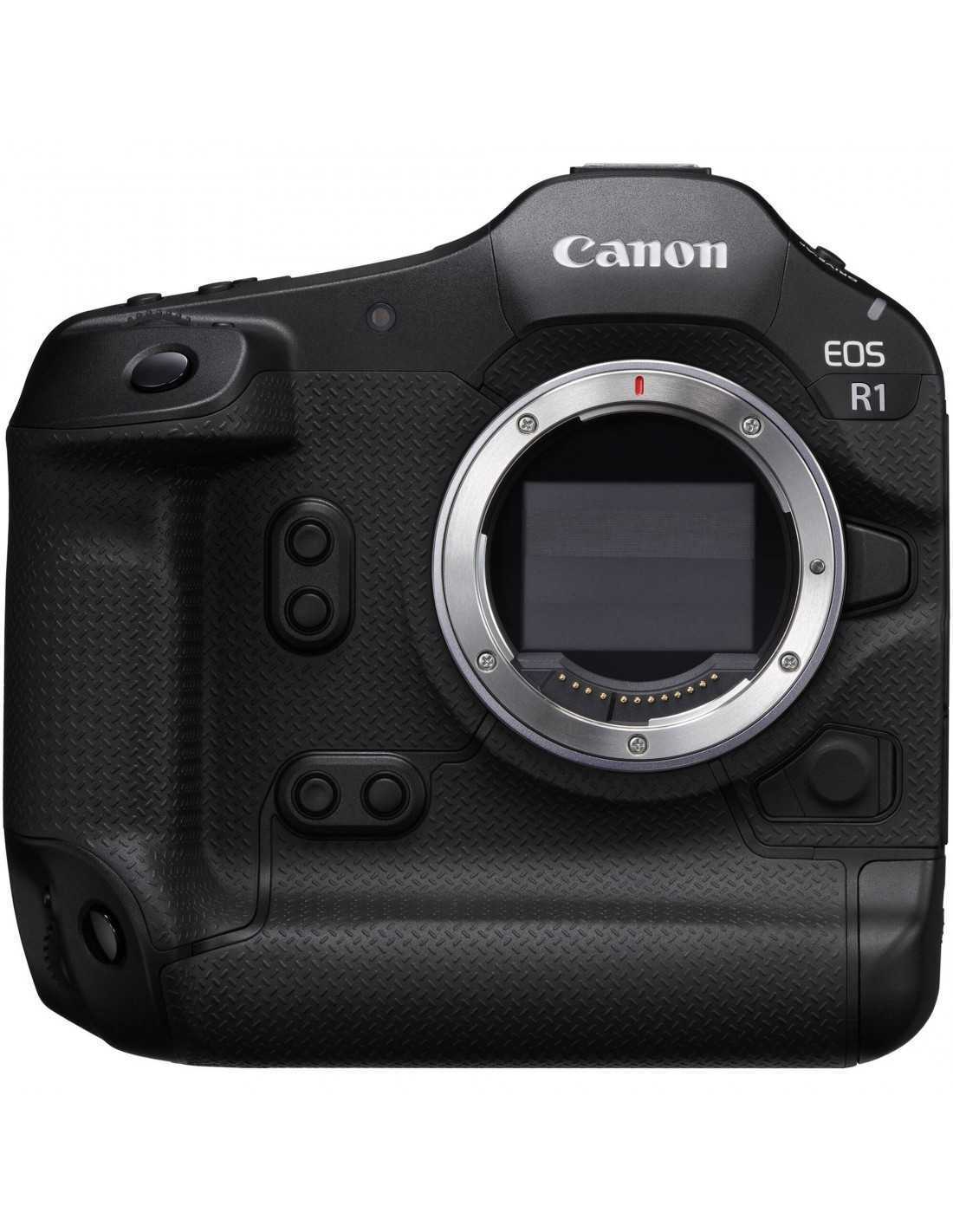
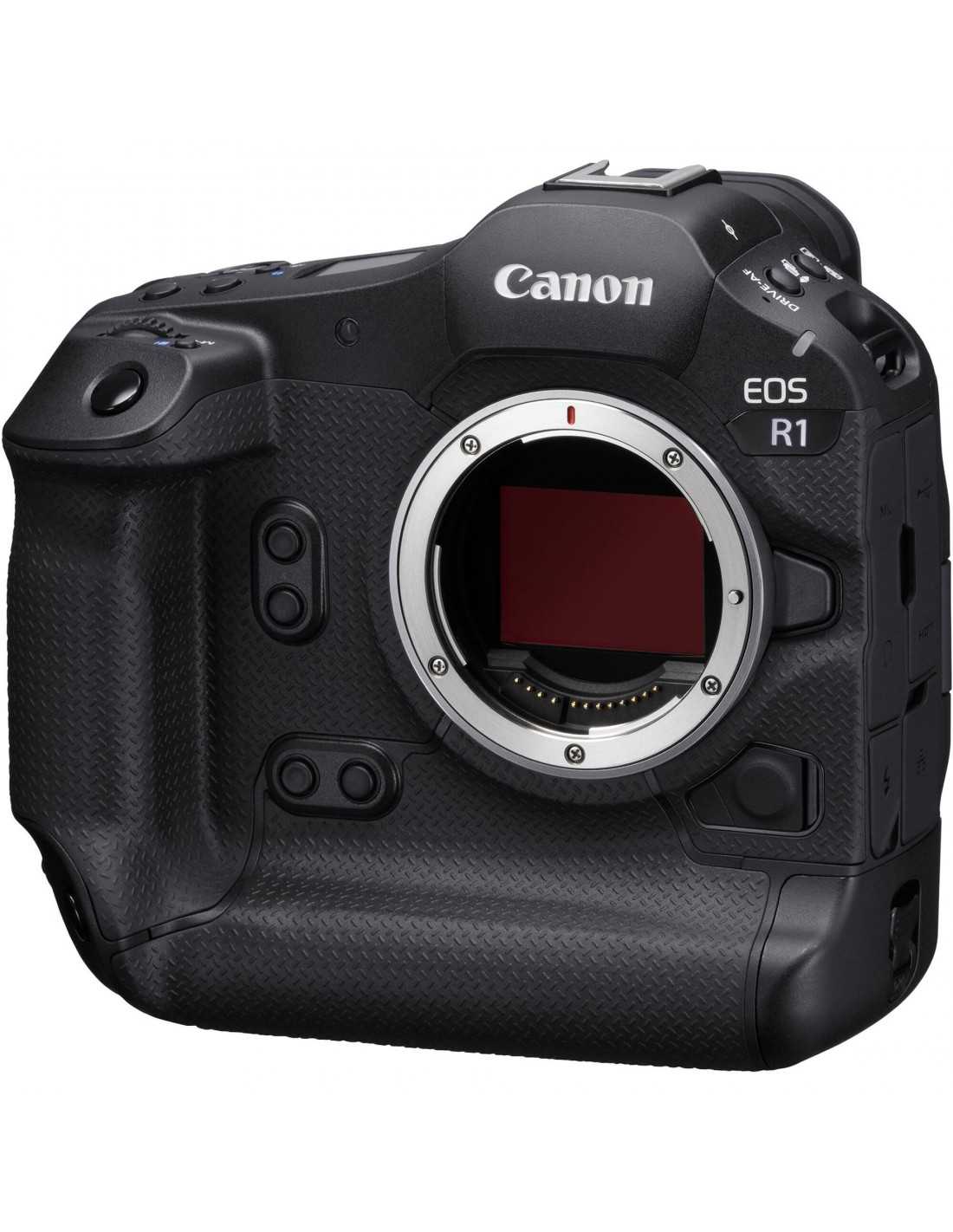
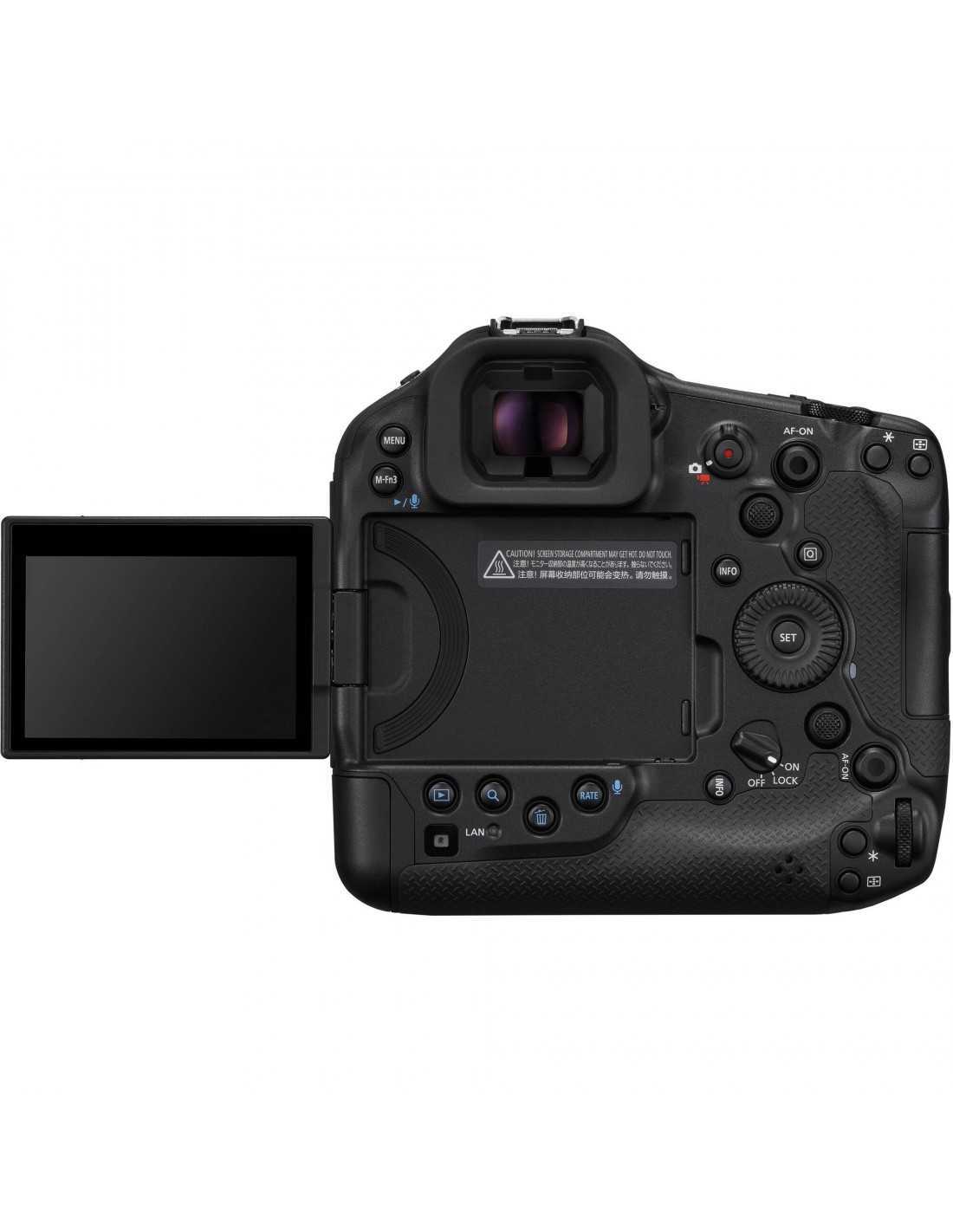
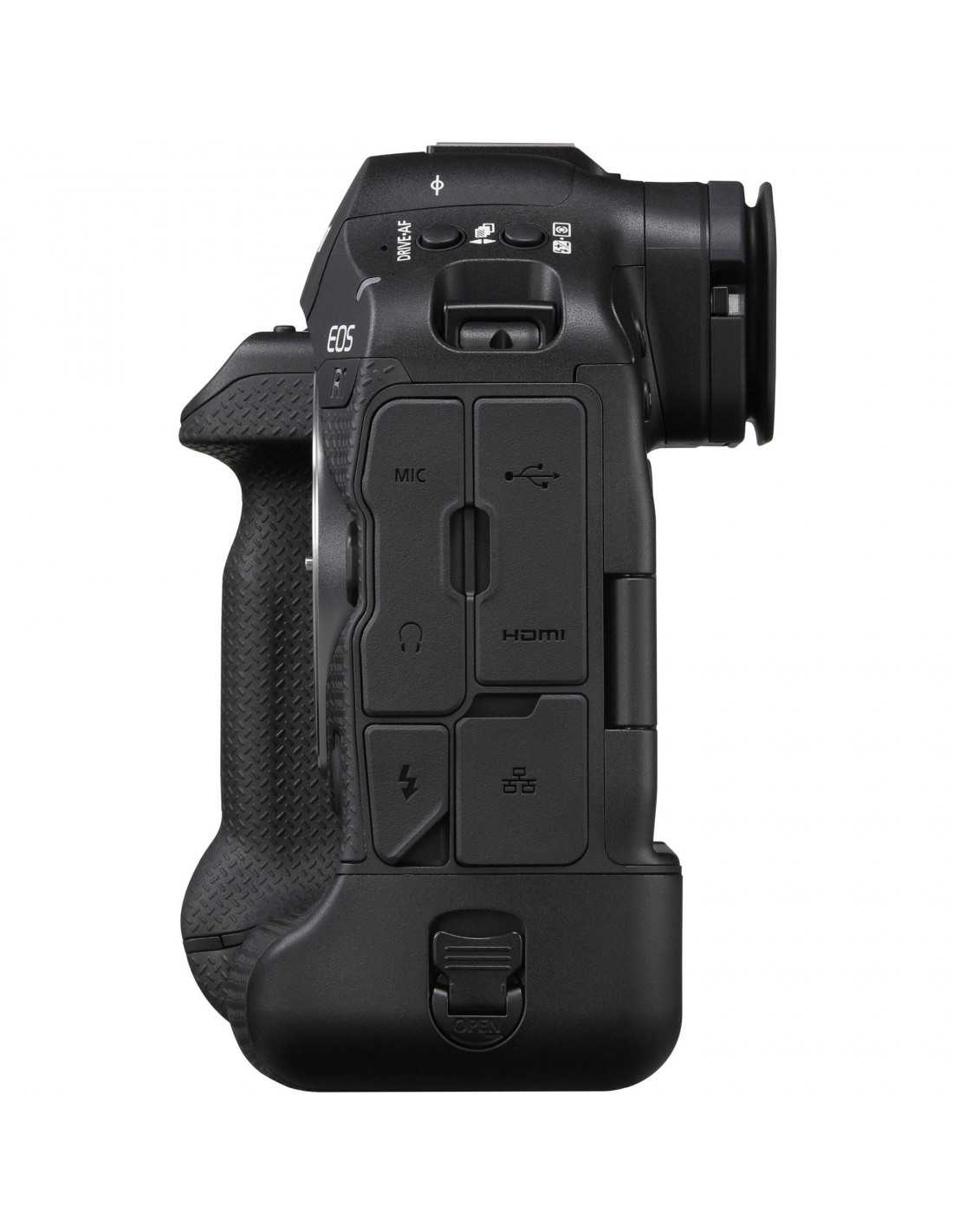
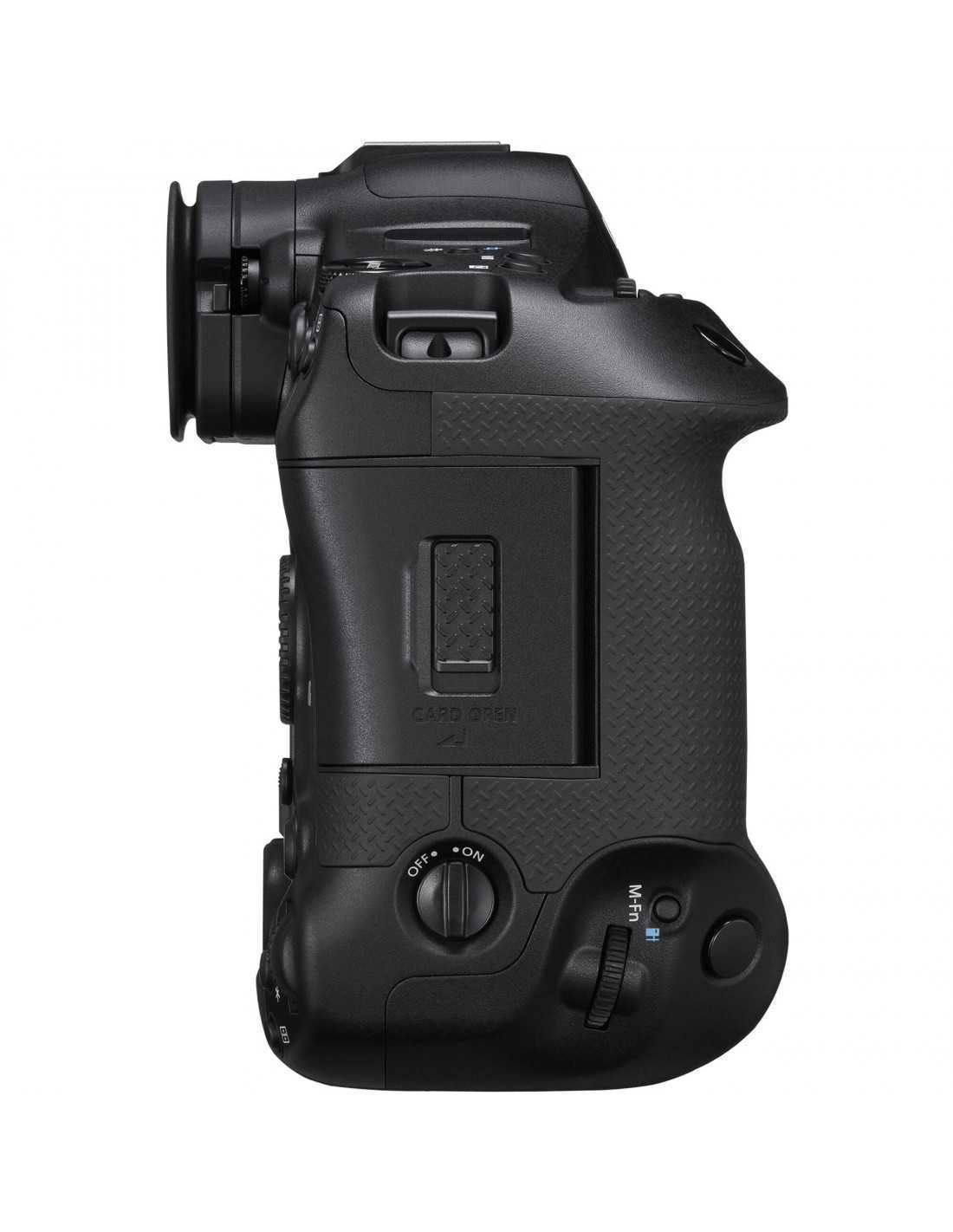
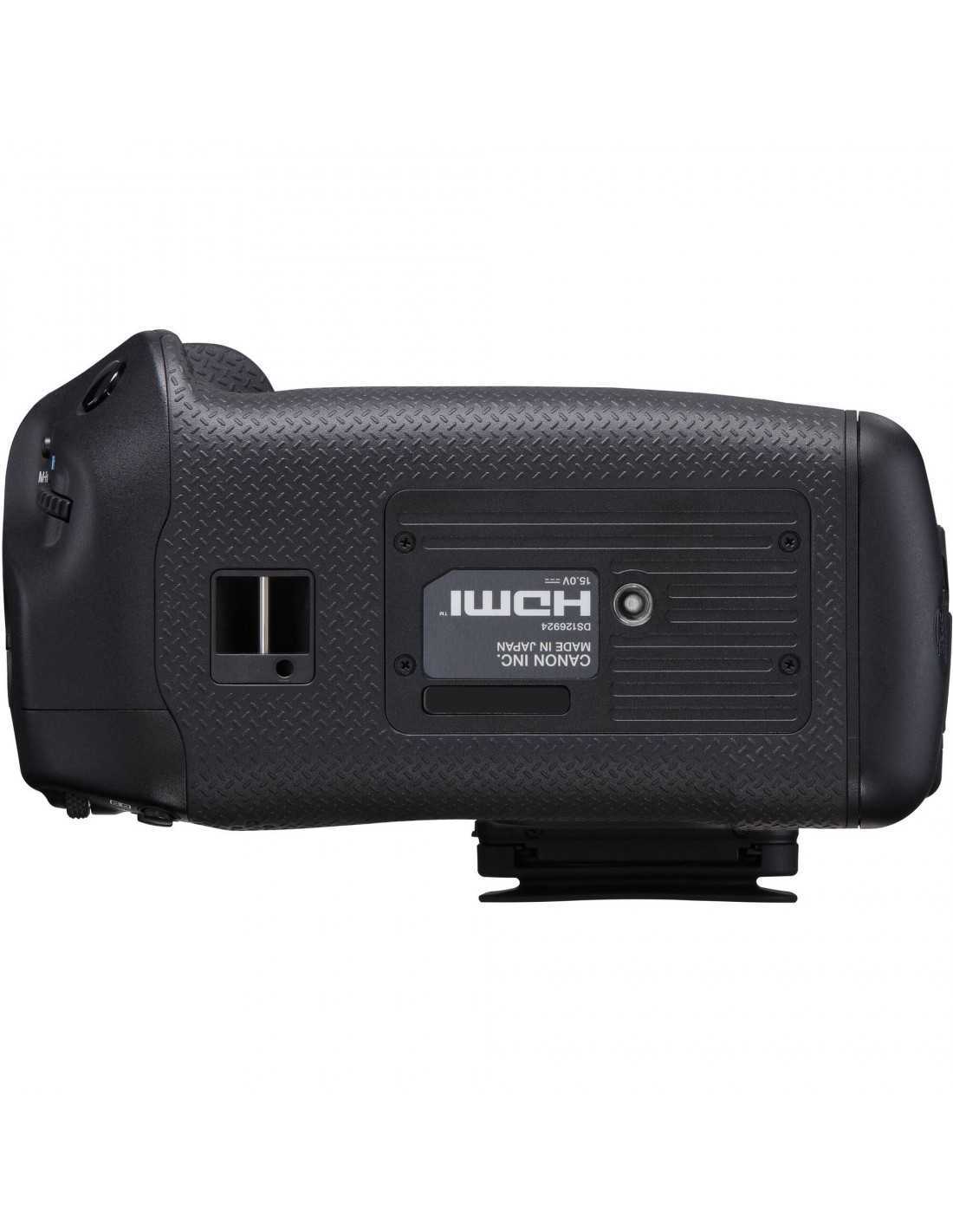
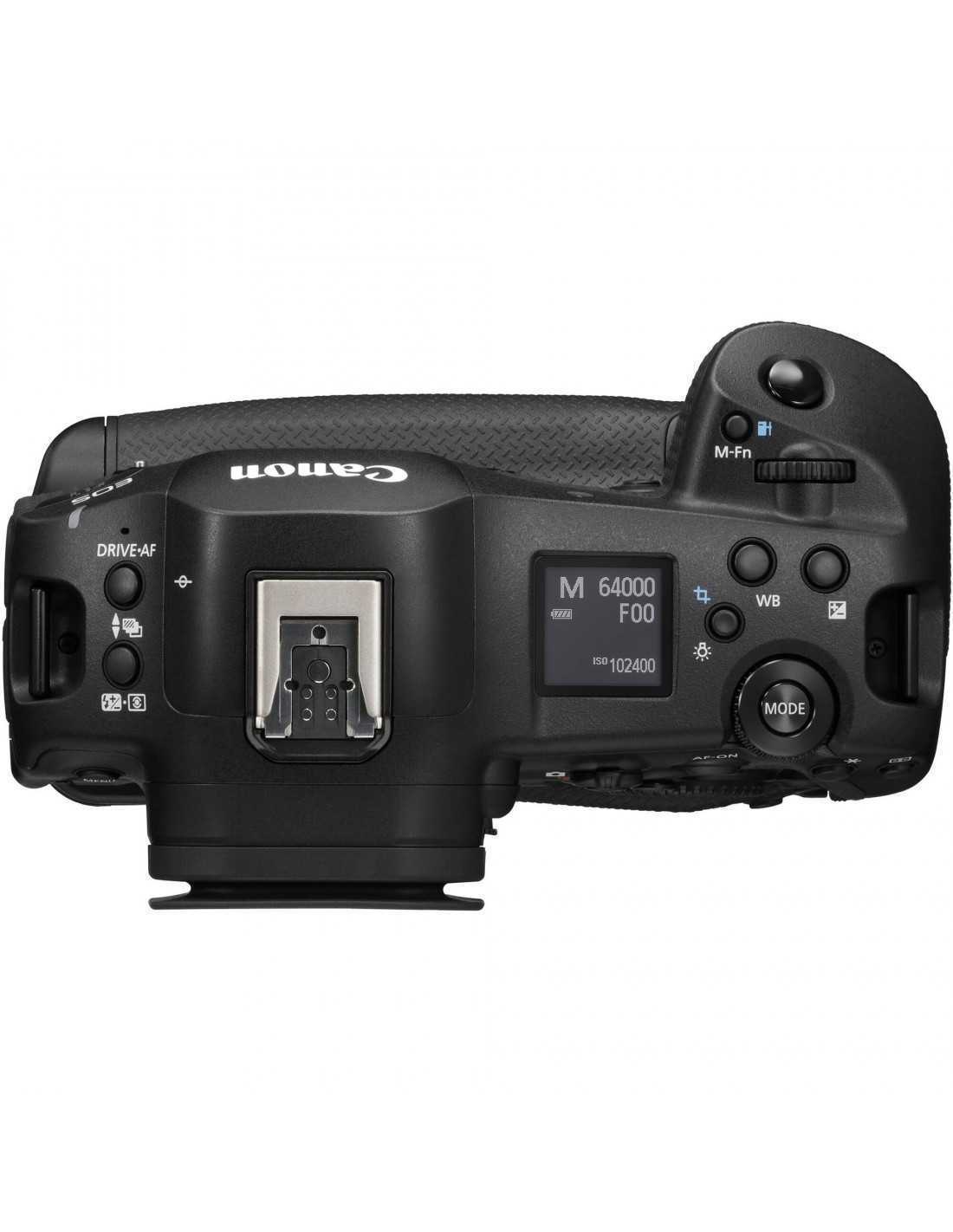
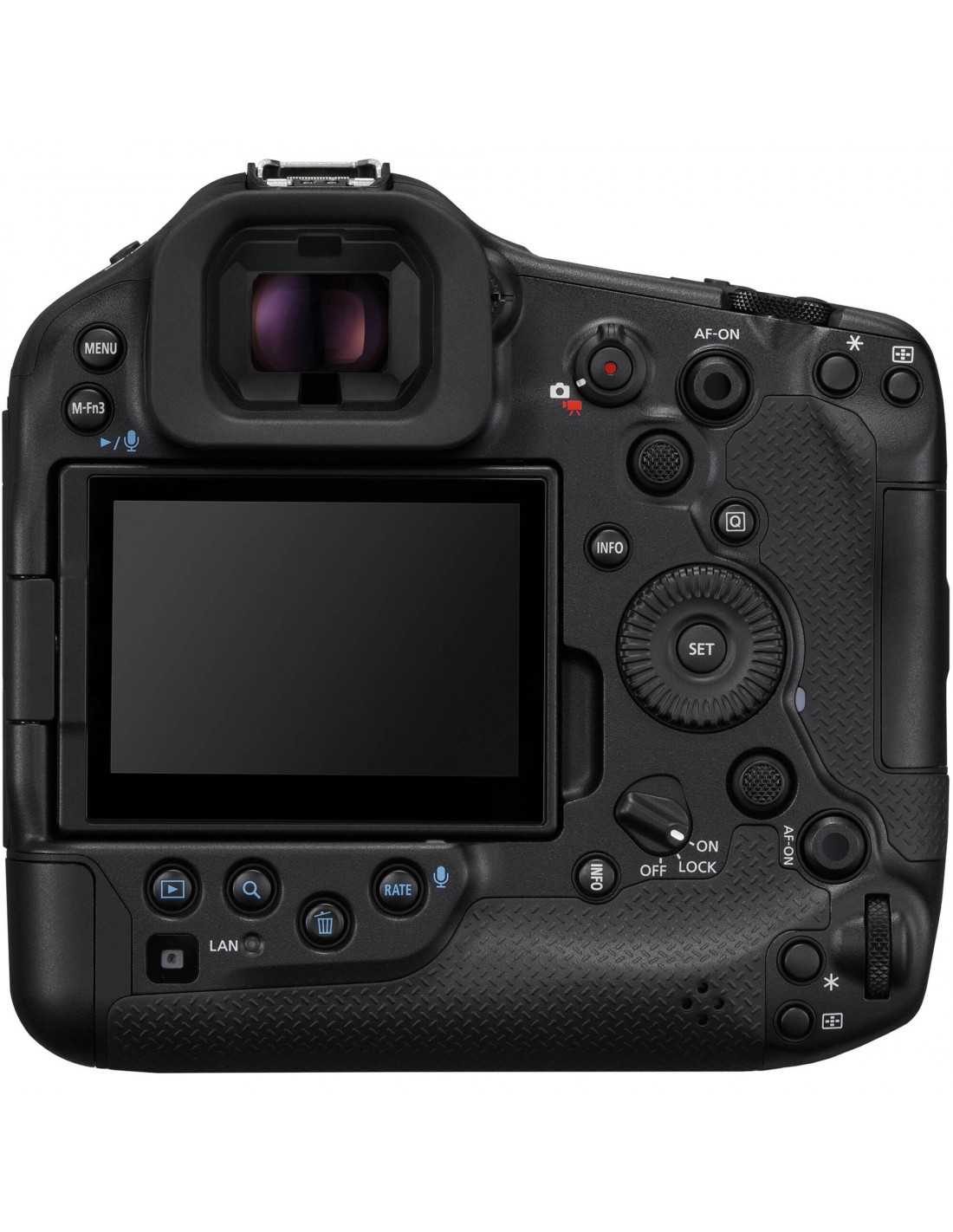
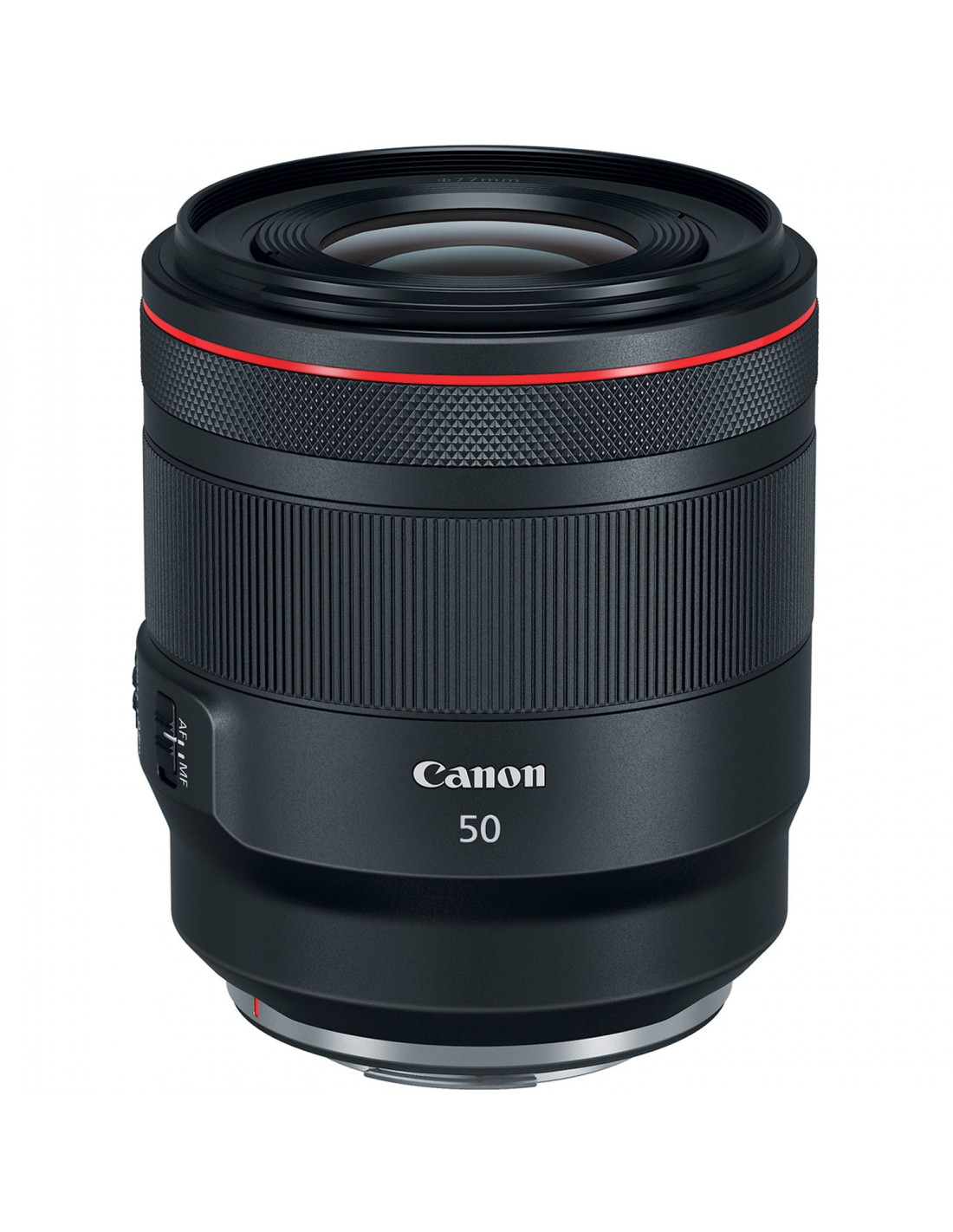
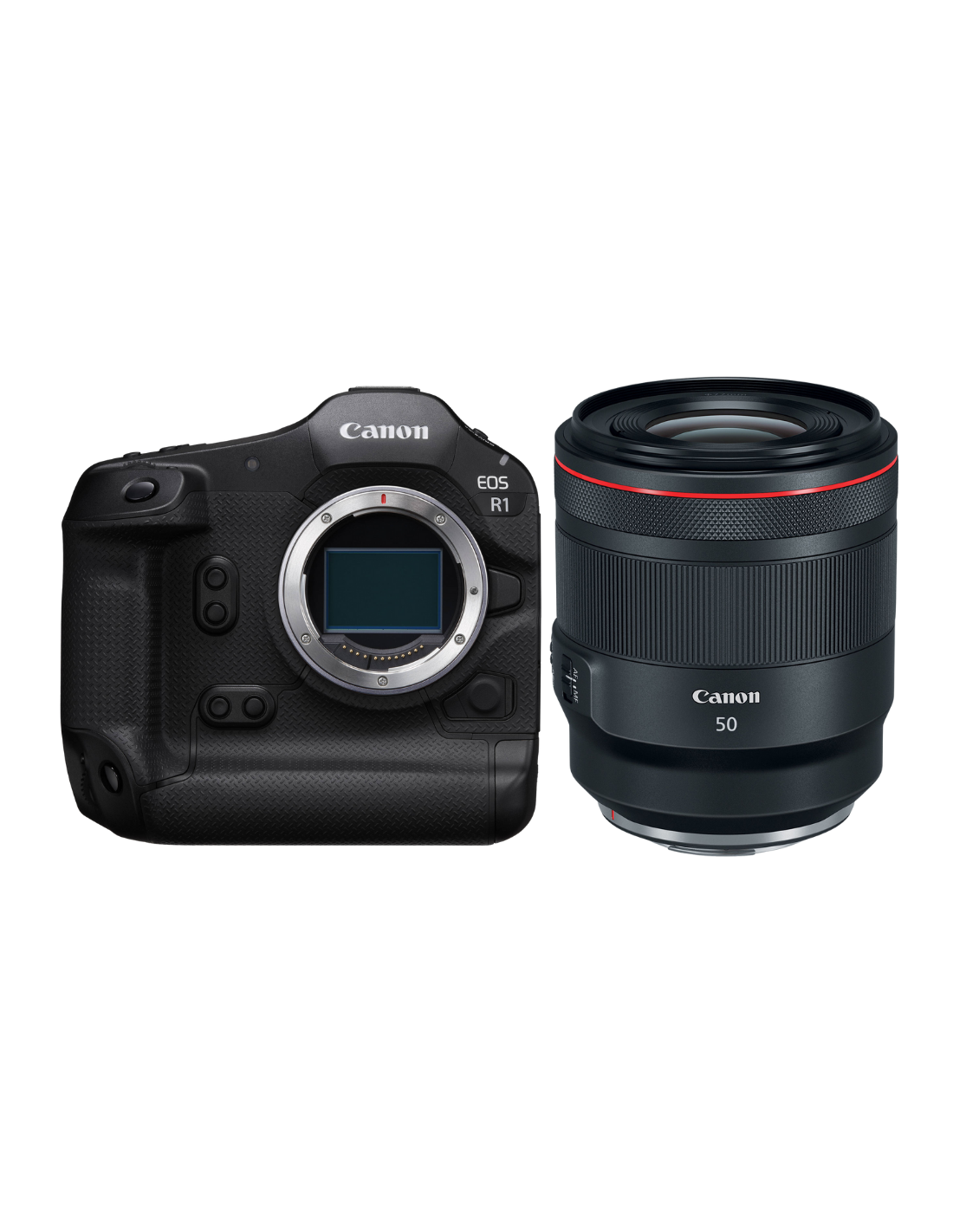
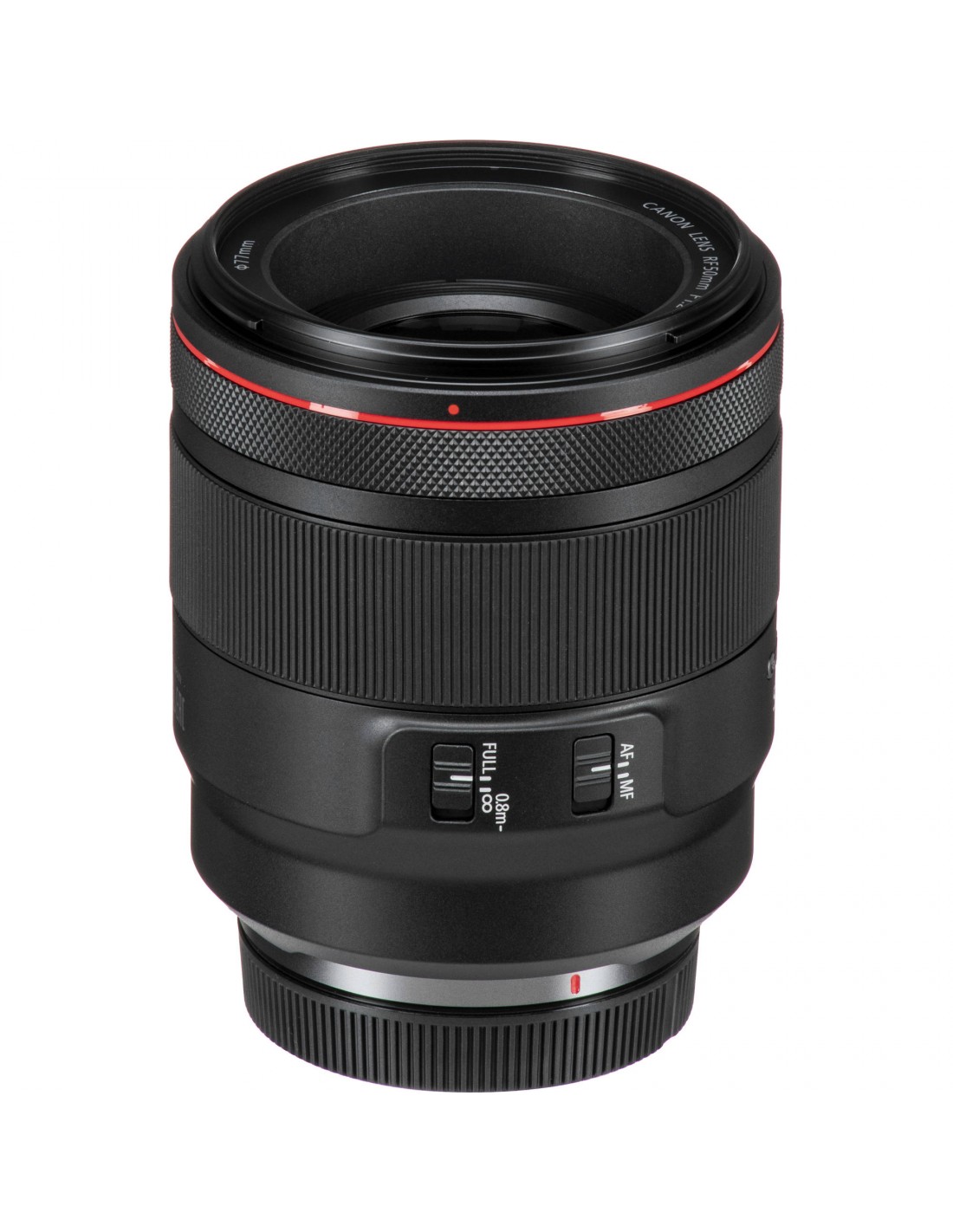
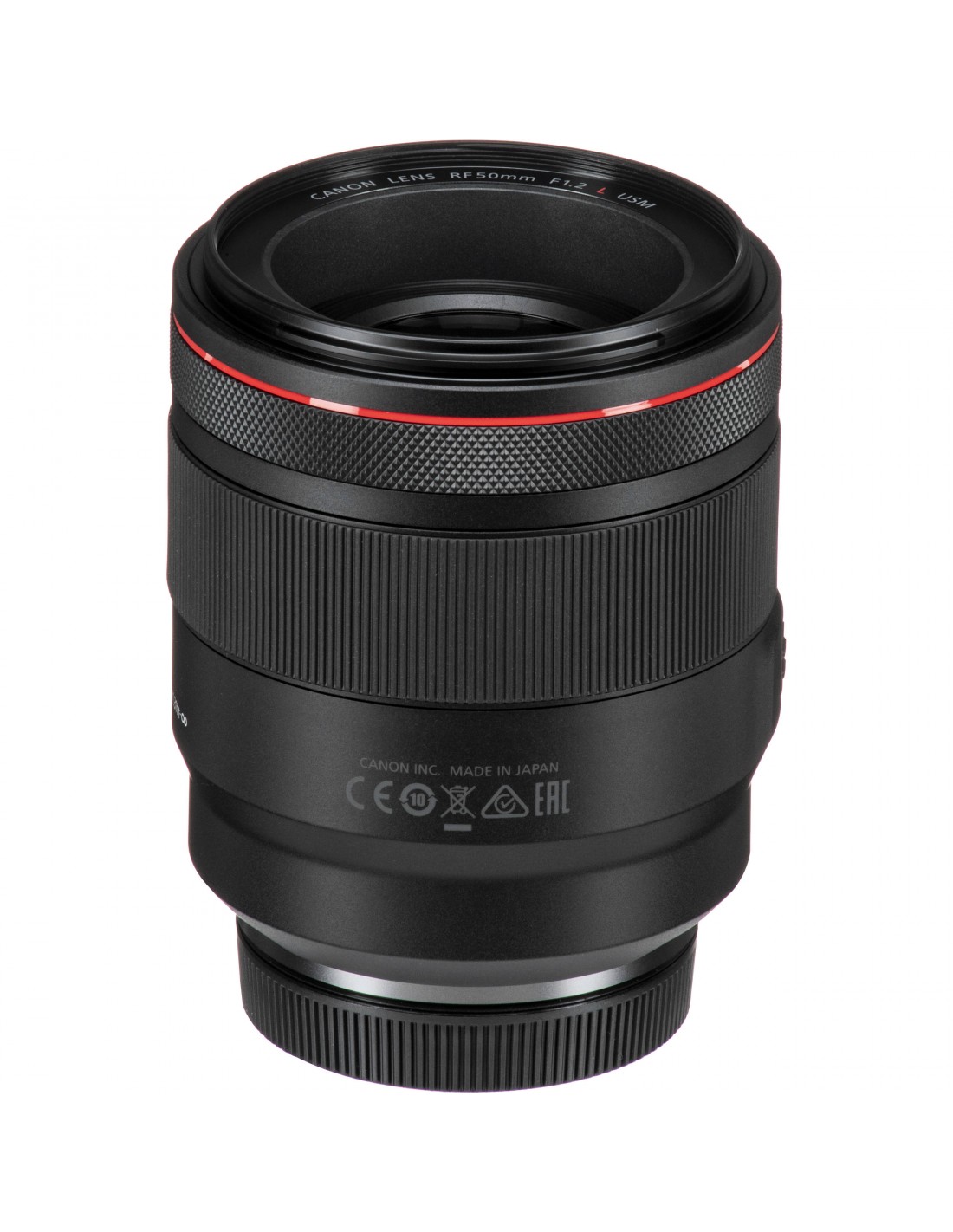
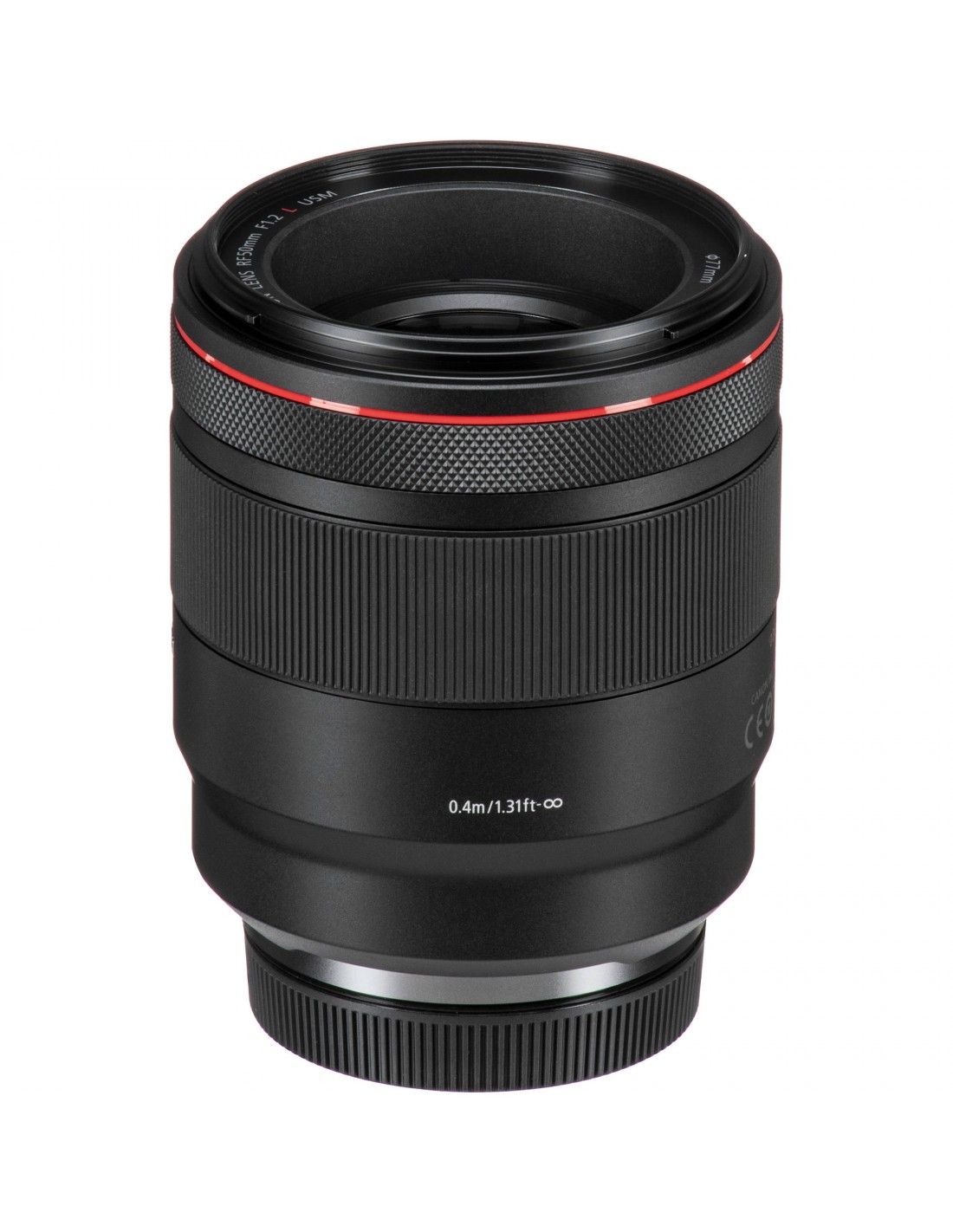
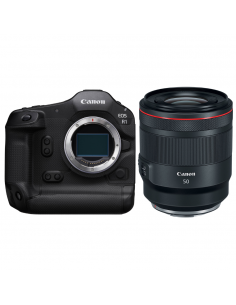

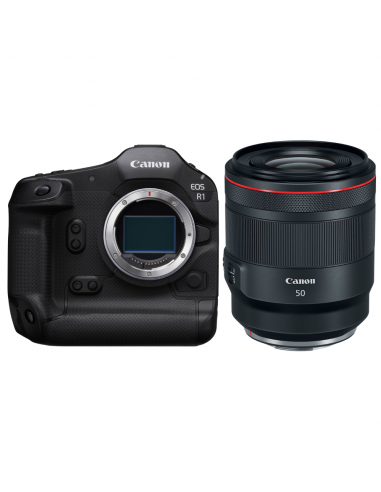
The Canon EOS R1 with RF 50mm F1.2 L USM is a professional full-frame kit for portrait, wedding and documentary photographers who value available-light performance, decisive timing and strong subject separation. The EOS R1 recognises people, animals and vehicles, then shoots at up to 40 fps when a fleeting expression or gesture matters. The 50mm lens keeps a natural perspective, while its F1.2 aperture can soften a distracting background and preserve a useful shutter speed as light falls. This is not a lightweight pairing: the camera with battery and card plus the lens weighs about 2.07kg, and focus placement requires care at close distances. It is a compelling choice when wide-open rendering matters more than zoom flexibility or all-day portability.
Combine compatible accessories and save. The more items you add, the bigger the discount.

Accessory
Accessory
Accessory

warranty extension
This combination suits photographers who work closely with people and want light, expression and subject separation to shape the image. It makes particular sense for portraits, weddings, stage work, documentary assignments and interiors where adding light is not possible. The EOS R1 supplies professional speed and tracking; the RF 50mm F1.2 gives a natural angle of view and a more distinctive wide-open result than a standard zoom.
A 50mm prime also defines the working method. It retains a readable sense of place around a person, but framing changes require the photographer to move. It is neither a substitute for a wide-angle lens in a confined room nor the right choice for action taking place at long range.
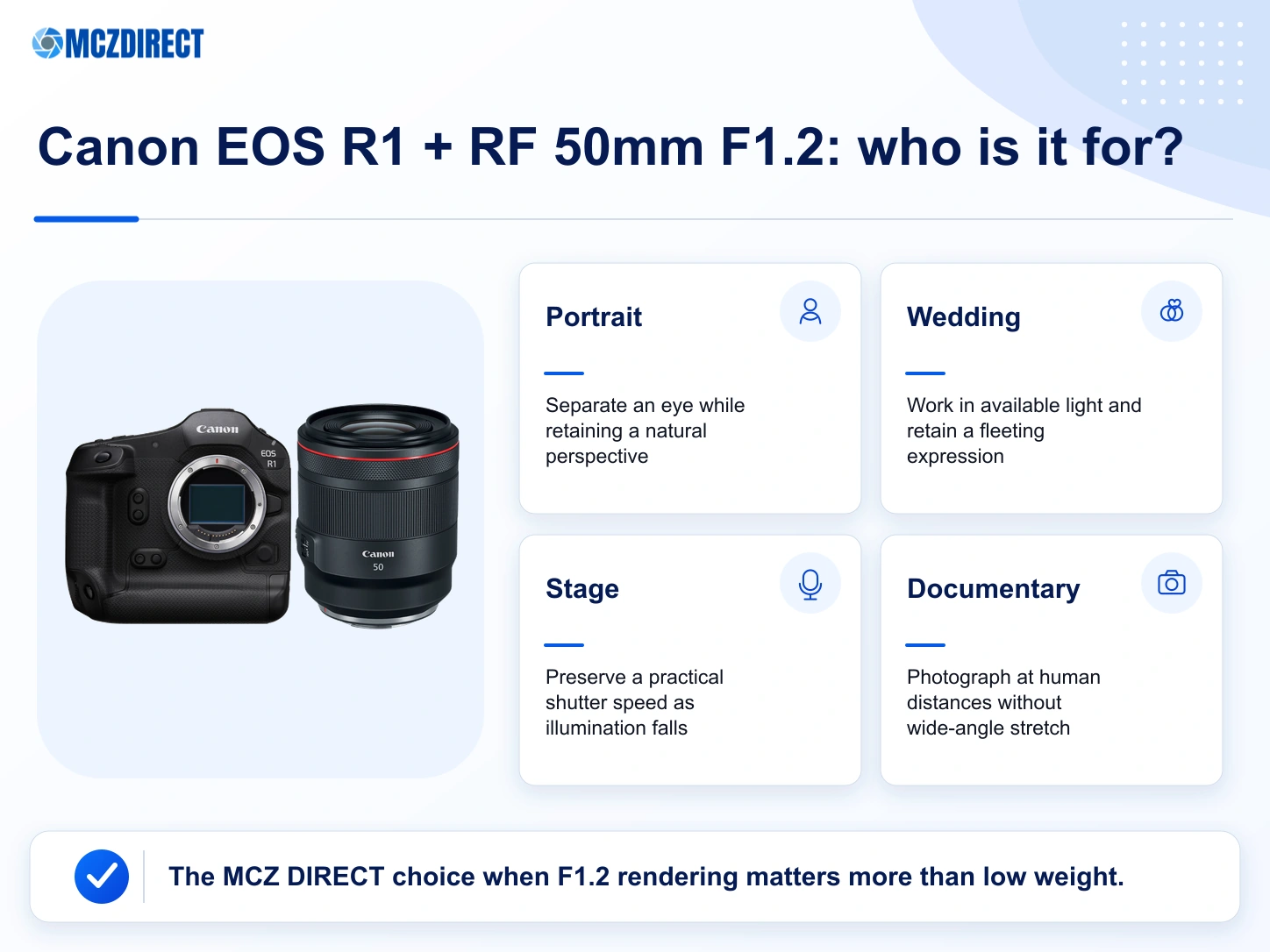
The camera and lens solve different parts of the assignment. The 24.2 MP stacked sensor is designed around fast readout, bursts and a manageable professional workflow. The 50mm F1.2 is chosen for the way it draws a subject at maximum aperture. Together they can respond instantly without making every image look purely functional.
Photographers who already own an EOS R body should use the Canon RF 50mm F1.2 L USM lens page. This page answers a narrower buying question: what the lens contributes when it is supplied as a working combination with the EOS R1.
At F1.2, depth of field becomes extremely shallow at close distance. That can separate an eye from a crowded reception, simplify a stage background or give a musician greater presence within the frame. The aperture also allows a faster shutter speed as illumination falls, which is more useful for a moving person than stabilisation alone.
There is no requirement to shoot every frame wide open. A couple, group or three-quarter portrait often benefits from stopping down slightly. The value of an F1.2 lens lies in the freedom to decide how much context remains sharp, not merely in collecting the maximum amount of light.
| Feature | Practical benefit | Point to consider |
|---|---|---|
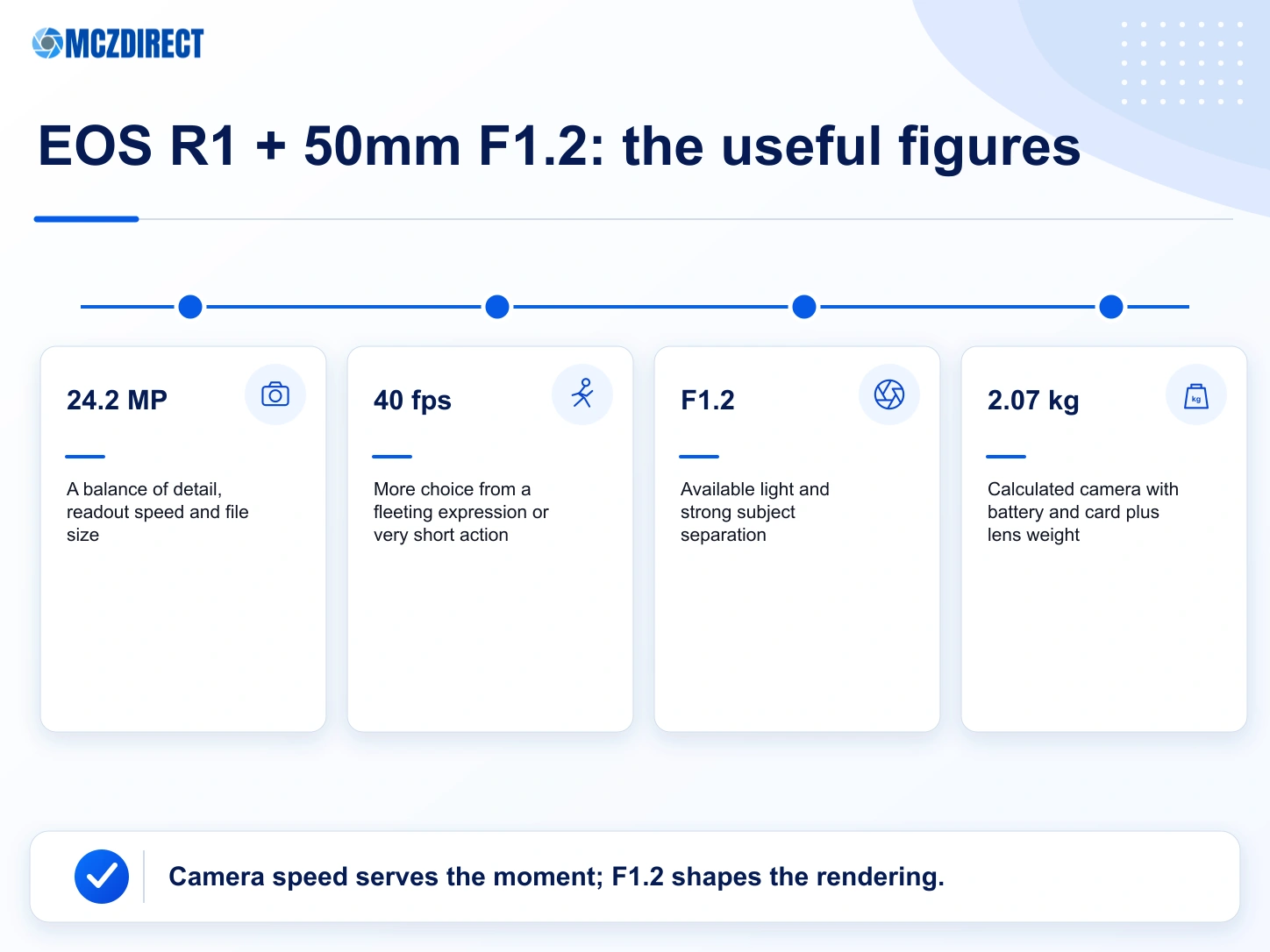
| 24.2 MP stacked sensor | A useful balance of detail, readout speed and file size. | It is not designed to compete with a high-resolution studio body. |
| Up to 40 fps | More choice from a fleeting expression or very short action. | File volume and editing time rise quickly. |
| 50mm F1.2 | Natural perspective, available light and strong subject separation. | Depth of field becomes extremely shallow at close range. |
| Ring USM and subject AF | Follow an eye or person changing position. | The selected AF area still needs to suit the scene. |
| Two CFexpress Type B slots | Backup, file separation or relay recording. | Card performance must match the selected recording mode. |
The EOS R1 reaches approximately 40 frames per second with its electronic shutter. That speed is valuable for a fleeting expression, a bouquet toss, a stage gesture or action occurring close to the photographer. Used continuously, however, it also creates a considerable editing and storage burden. Maximum burst speed should serve the moment rather than become a default setting.
Dual Pixel Intelligent AF recognises people, animals and vehicles. Canon specifies 1,053 available areas in automatic selection; these are not 1,053 physical AF points. Eye choice, AF-area selection and tracking behaviour remain critical when depth of field is measured in centimetres.
Pre-continuous shooting can retain up to 20 images from before the shutter is fully pressed, depending on mode and firmware. It offers useful insurance for an unpredictable moment, but it does not replace anticipation.
Ring USM focusing works with the camera’s eye and subject detection. At F1.2 and close range, a small movement can shift sharpness from the eye to the eyelashes. A suitable AF area, a short burst and regular image checks are therefore more valuable than assuming automation will correct every movement.
The RF 50mm F1.2 has no optical stabiliser. The EOS R1’s IBIS reduces blur caused by the photographer when the subject is fairly still, but it cannot freeze a person walking or a performer moving across a stage. Shutter speed remains the deciding setting in those situations.
The EOS R1 records internal RAW up to 6K 60p, 4K up to 120p and Full HD up to 240p, depending on mode. It can therefore form part of a demanding hybrid workflow. The RF 50mm F1.2 creates highly selective shots and works well in available light, but its weight and shallow focus make mobile video operation more demanding.
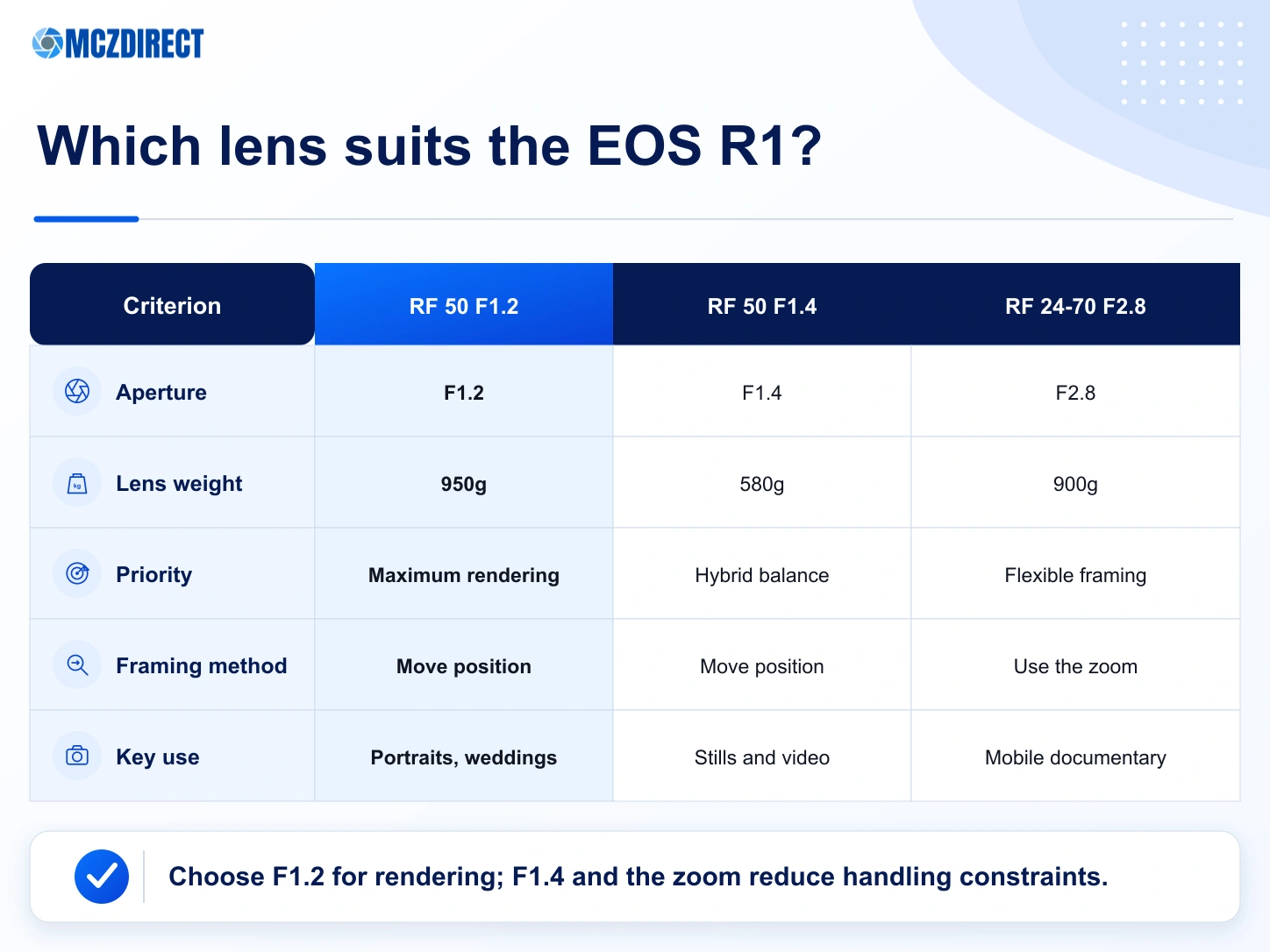
The RF 50mm F1.4 L VCM is the more explicitly hybrid option, with lower weight and controls designed around stills and video use. The F1.2 earns its place when maximum aperture and rendering justify the additional handling demands.
Two CFexpress Type B slots support sustained bursts and the camera’s more demanding video formats. They can be configured for backup, file separation or relay recording. Required card speed varies by mode, and the data volume must be planned through copying and backup rather than only at capture.
The EOS R1 weighs about 1,115g with battery and card, while the lens contributes about 950g. Their published weights total roughly 2,065g before a strap or additional accessories. The integrated grip balances the lens more convincingly than a small body, but the mass is noticeable over a full wedding or documentary day.
| Assignment | What the kit contributes | Working advice |
|---|---|---|
| Portrait | Natural perspective and a strongly softened background. | Place the intended eye precisely within the focus plane. |
| Wedding | Available light, fleeting expressions and a human working distance. | Stop down slightly for couples or multiple faces. |
| Documentary | A discreet visual perspective backed by a very responsive body. | Retain enough distance to keep the setting readable. |
| Stage and events | F1.2 for shutter speed and bursts for short gestures. | Watch highlights and subject movement. |
| Video | 6K RAW, 4K 120p and very selective depth of field. | Weight and focus require suitable support or a deliberate method. |
Choose the Canon EOS R1 body if your RF lens set is already established. The EOS R1 with RF 50mm F1.4 L VCM saves approximately 370g at the lens and is easier to integrate into mixed stills and video work. This F1.2 pairing instead prioritises maximum aperture and wide-open rendering.
The EOS R1 with RF 85mm F1.2 creates tighter portraits from a longer working distance. The EOS R1 with RF 24-70mm F2.8 is more rational when position is fixed and framing changes constantly. Active combinations can be reviewed in the Canon EOS R1 category.
The first limitation is physical: a combination weighing around 2.07kg does not handle like a compact body and small fifty. The second is focus tolerance. F1.2 requires careful placement on the intended eye or detail. Finally, a fixed focal length offers no escape when the photographer cannot step forwards or backwards.
Those constraints identify the right user rather than diminish the product. This kit belongs with a photographer who has a clear reason to choose F1.2 rendering and is prepared to organise the assignment around it.
| Configuration | Choose it for | Main compromise |
|---|---|---|
| EOS R1 + RF 50mm F1.2 | Wide-open rendering, low light, portraits and weddings. | About 2.07kg ready to shoot and demanding focus. |
| EOS R1 + RF 50mm F1.4 | Hybrid stills/video work, lower weight and a bright standard view. | Maximum aperture is F1.4 rather than F1.2. |
| EOS R1 + RF 85mm F1.2 | Tighter portraits, stage work and more working distance. | Less flexible in confined spaces. |
| EOS R1 + RF 24-70mm F2.8 | Changing framing when the photographer’s position is fixed. | Less light and subject separation than F1.2. |
| EOS R1 body | Photographers who already own suitable RF lenses. | No lens is included in the configuration. |
Before paid work, check camera firmware, card performance, control-ring assignment and autofocus behaviour when several faces enter the frame. Store one setup for people, another for nearby action and a calmer configuration for directed portraits. Firmware changes should be tested before the assignment, not discovered at the venue.
Preparation also includes how the combination will be carried and the distance from which it will be used. A suitable strap, a charged spare battery and a short rehearsal at the intended aperture make the F1.2 an intentional tool rather than an avoidable source of surprises.
At MCZ DIRECT, we see this as the EOS R1 configuration for portrait, wedding and documentary photographers who place wide-open rendering at the centre of their work. The camera supplies speed, tracking and a professional recording path; the 50mm F1.2 adds light and subject separation that must be used with precision.
Against the RF 50mm F1.4 L VCM, we recommend it when the F1.2 result clearly justifies an additional 370g. Against a standard zoom, it is the stronger choice when you can move and prefer to build compositions around one focal length. Its limitation is unambiguous: approximately 2.07kg and unforgiving depth of field. For the photographer who accepts both, the combination has a clear purpose.
Choose the Canon EOS R1 with RF 50mm F1.2 L USM when portraits, weddings, available light and wide-open rendering are central to your work.

It is primarily for professional portrait, wedding, event, stage and documentary photographers who want the EOS R1’s speed combined with the highly selective rendering of a 50mm F1.2 lens.
The 50mm view retains a natural perspective, while F1.2 supports low-light work and strong subject separation. The EOS R1 adds autofocus, bursts and dual-card recording for a professional workflow.
Yes, especially for preparations, environmental portraits, ceremonies and receptions photographed at practical distances. A wider lens remains useful in very confined spaces.
Yes. A 50mm lens retains more context than an 85mm, while F1.2 can separate the subject strongly. At close range, focus must be placed accurately on the intended eye.
Canon states approximately 1,115g for the EOS R1 with battery and card and about 950g for the lens. The published weights total roughly 2,065g before a strap or other accessories.
The F1.2 prioritises maximum aperture and rendering. The RF 50mm F1.4 L VCM is about 370g lighter and offers controls that are more explicitly designed for mixed stills and video work.
The 50mm retains more of the setting and works more easily in limited space. The 85mm frames tighter, increases working distance and is better suited to close portraiture.
No, the lens has no optical stabiliser. It benefits from the camera’s IBIS, which reduces photographer movement but cannot freeze a person or other moving subject.
Yes. Canon specifies up to approximately 40 fps with the electronic shutter. Actual burst length and performance depend on format, card, lens and camera settings.
No. The EOS R1 records internal RAW up to 6K 60p, 4K up to 120p and Full HD up to 240p, depending on the selected mode.
The EOS R1 has two CFexpress Type B slots. Sustained bursts and demanding video modes require cards with performance appropriate to the selected format.
No. It also controls depth of field and separates a subject from a distracting setting. Accurate focusing is required, particularly at short distances.