Shopping Cart
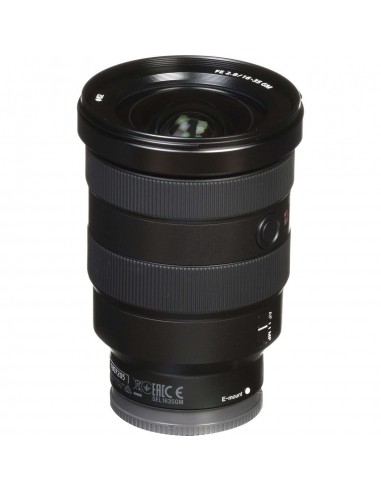
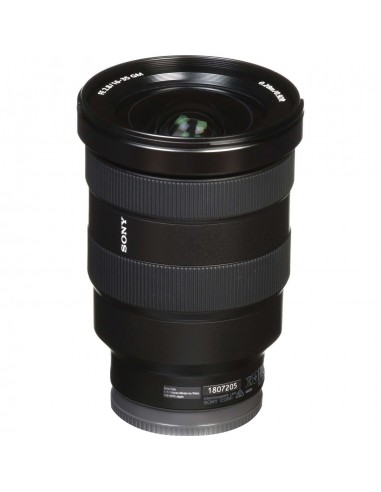
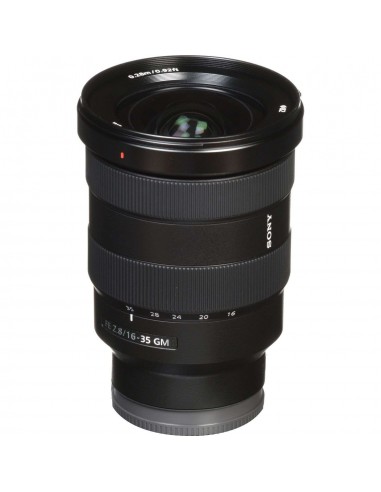
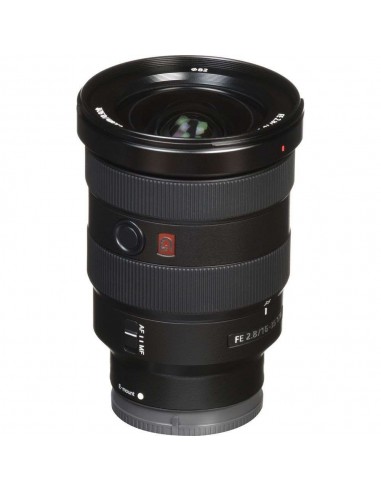
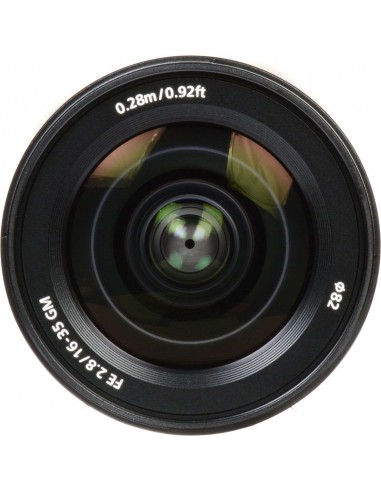
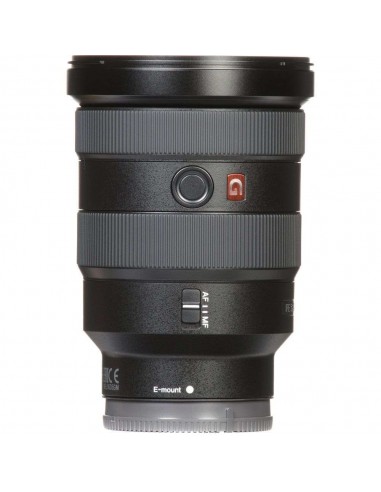
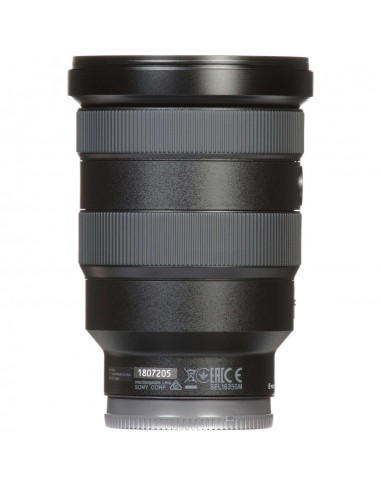
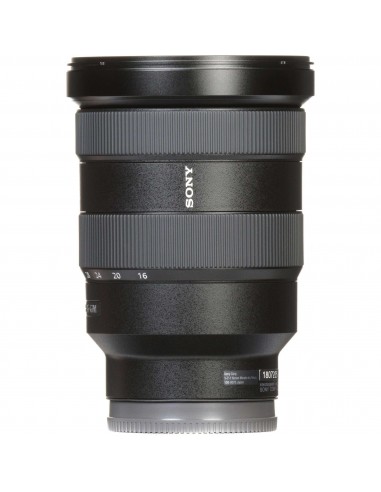
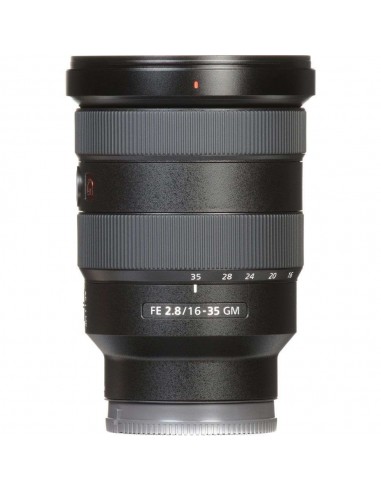
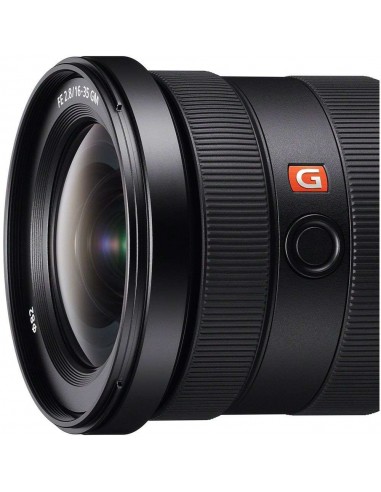
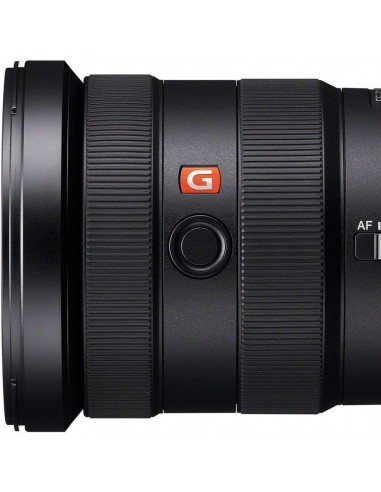
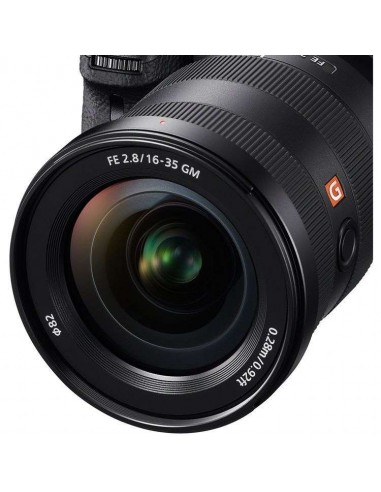
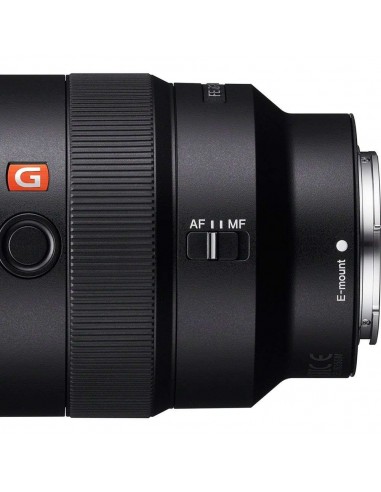
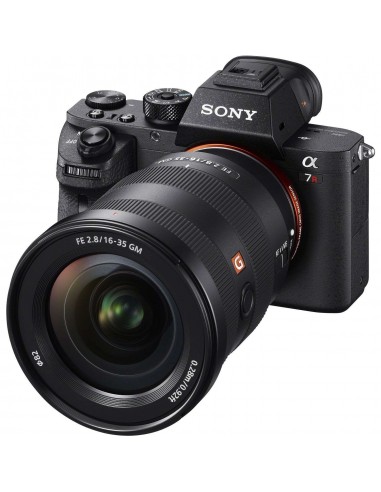
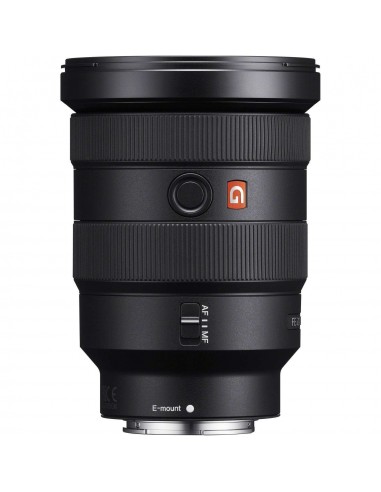

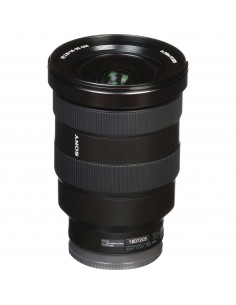
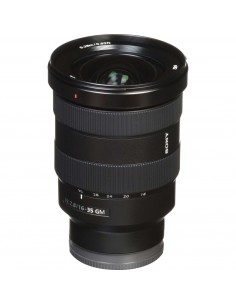
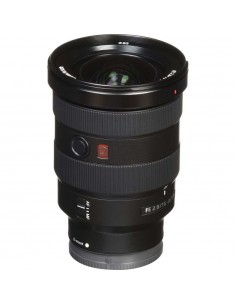
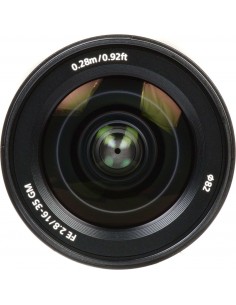
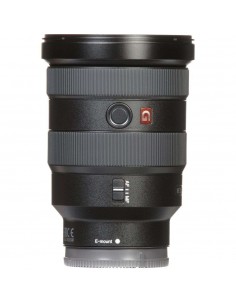
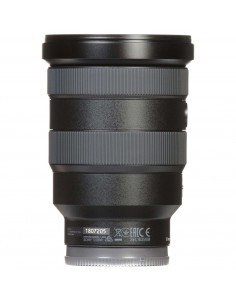
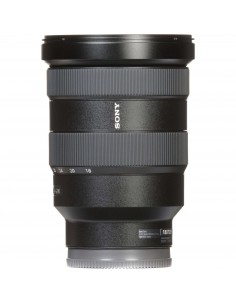
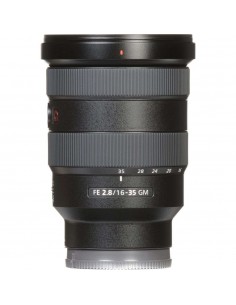
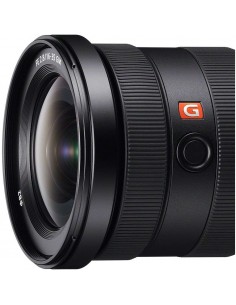
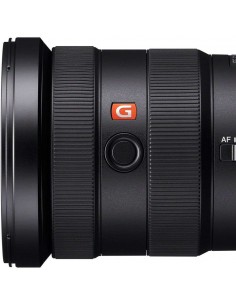
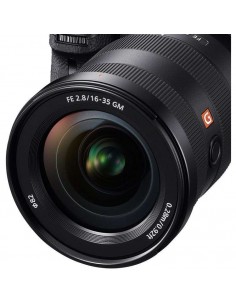
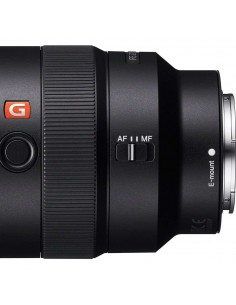
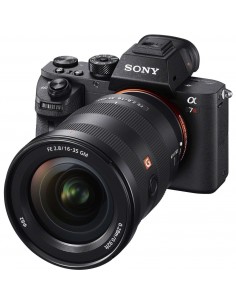
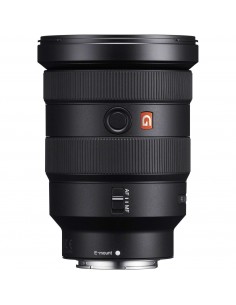


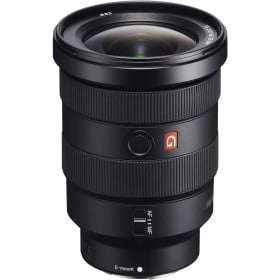

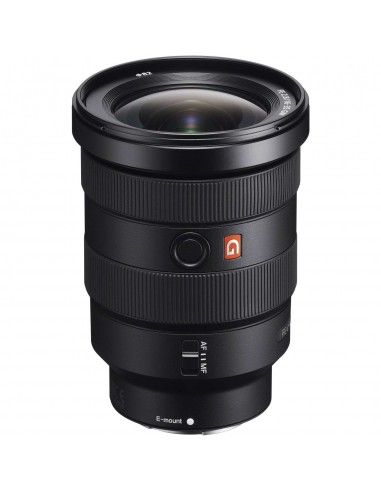
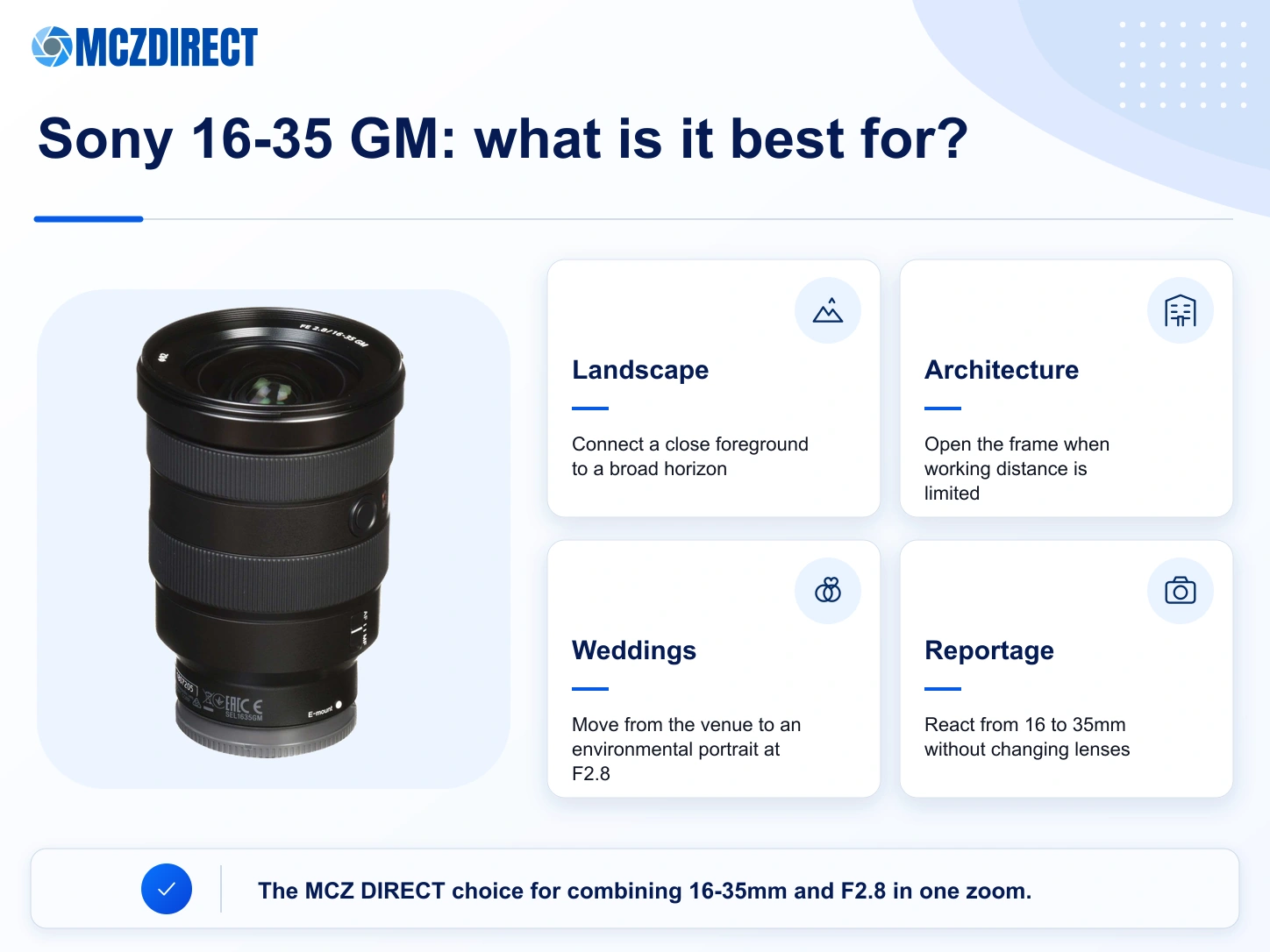
The Sony FE 16-35mm F2.8 GM is a full-frame wide-angle zoom for landscape, architecture, wedding and reportage photographers who need a bright aperture throughout the range, and we recommend it when 16mm, 35mm and F2.8 must be covered by one lens. It moves from an expansive view to a more natural documentary perspective without changing optics. Two DDSSM systems provide quiet internal focusing, while the 11-blade diaphragm supports smoother out-of-focus transitions. This page is for the first-generation SEL1635GM, not the GM II. At 680g, with an 82mm filter thread and no optical stabilisation inside the lens, it best suits photographers who value bright versatility and are comfortable regularly carrying a substantial professional zoom during demanding assignments and long working days.
Combine compatible accessories and save. The more items you add, the bigger the discount.
memory card

warranty extension
The Sony FE 16-35mm F2.8 GM, model SEL1635GM, covers three highly practical viewpoints without forcing a lens change. At 16mm it opens up an interior, building or landscape. Around 24mm the rendering becomes more measured for documentary work. At 35mm it feels natural when showing a person in their surroundings. The constant F2.8 aperture maintains the same maximum brightness while zooming, which helps in dim light or when subject separation matters. This page is specifically for the original Sony 16-35 GM, also searched as Sony 16 35, Sony 16-35 F2.8 GM I or SEL1635GM, not the later GM II.
| Feature | Practical benefit | Point to consider |
|---|---|---|
| 16-35mm | One zoom for architecture, landscapes, reportage and environmental portraits | It cannot replace a standard or telephoto lens when stronger subject isolation is required |
| Constant F2.8 | The same maximum brightness at every focal length and more room when light levels fall | It is larger and heavier than an F4 zoom or compact 16-25mm design |
| 680g | Professional construction that remains manageable through a working day | Balance becomes noticeable on a small camera or compact gimbal |
| 82mm filter | Direct use of a compatible screw-in polariser or neutral-density filter | A high-quality slim filter helps reduce vignetting risks at the wide end |
| No optical OSS | The lens can use sensor stabilisation on a compatible camera body | Stabilisation does not freeze a moving subject or replace support for a long exposure |
| Focal length | Natural use | Shooting advice |
|---|---|---|
| 16mm | Immersive landscapes, small interiors, architecture and wide establishing shots | Keep the camera level and watch people positioned near the edges |
| 24mm | Reportage, weddings, travel and scenes where context remains important | Move closer rather than cropping to retain the subject’s presence |
| 28mm | Documentary, street work and groups with a moderate perspective | A useful balance when 24mm still feels too wide |
| 35mm | Environmental portraits, architectural details and spontaneous moments | Work close to the subject at F2.8 for a softer background |
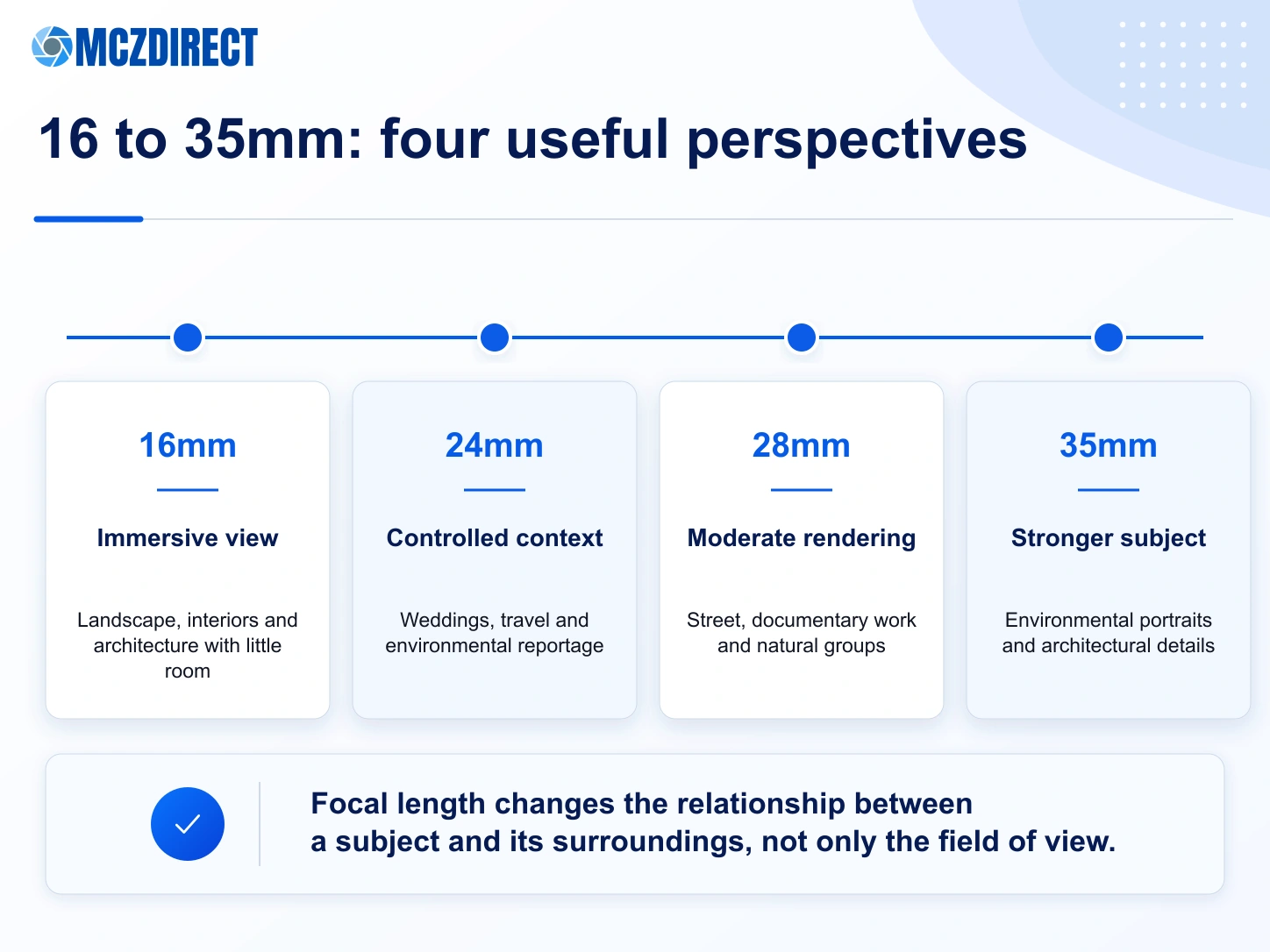
For landscape photography, 16mm makes it easier to connect a close foreground with a broad horizon. In architecture or property work, it helps when working distance is restricted, although width alone does not correct converging verticals: camera height and level remain decisive. The value of the zoom becomes clearer when moving back towards 24 or 35mm. A detail can be isolated, a facade tightened or a more natural perspective retained without changing lenses. The 82mm front thread also accepts a polariser or ND filter, provided the mount is slim enough for wide-angle use.
At a wedding, the Sony 16-35 F2.8 GM can cover the venue, a crowded dance floor, a group and a portrait where the surroundings add meaning. F2.8 helps maintain an appropriate shutter speed for moving people as light levels fall. At 35mm and close range, the subject separates more readily than at 16mm, but without the isolation of an 85mm prime. It should therefore be viewed as a context and proximity lens. For reportage, this continuity of framing avoids a lens change just as a scene begins to develop.
The twin DDSSM systems move the floating focus groups internally and quietly, which is useful for stills and video. F2.8 remains valuable for dim interiors, receptions and night-time city scenes. This first generation, however, has no Power Zoom, aperture ring or optical OSS. Its 680g weight also asks more of a compact gimbal than newer alternatives. For productions where minimum weight, powered zoom control or direct iris operation matters most, the PZ F4 G or GM II may be a more rational choice.
| Criterion | 16-35 F2.8 GM | 16-35 F2.8 GM II | PZ 16-35 F4 G | 16-25 F2.8 G |
|---|---|---|---|---|
| Priority | F2.8 and 16-35mm range | F2.8, lower weight and newer AF | Video, mobility and powered zoom | F2.8 in a compact design |
| Range | 16-35mm | 16-35mm | 16-35mm | 16-25mm |
| Aperture | F2.8 | F2.8 | F4 | F2.8 |
| Sony weight | 680g | 547g | 353g | 409g |
| Front filter | 82mm | 82mm | 72mm | 67mm |
The Sony FE 16-35mm F2.8 GM II retains the same range while saving 133g and adding newer focus and control features. The Sony FE PZ 16-35mm F4 G weighs almost half as much and adds powered zoom, but loses one stop. The Sony FE 16-25mm F2.8 G keeps F2.8 at 409g while giving up the 35mm end. For a wider view, the Sony FE 12-24mm F4 G prioritises mobility and the Sony FE 12-24mm F2.8 GM brings F2.8 all the way to 12mm.
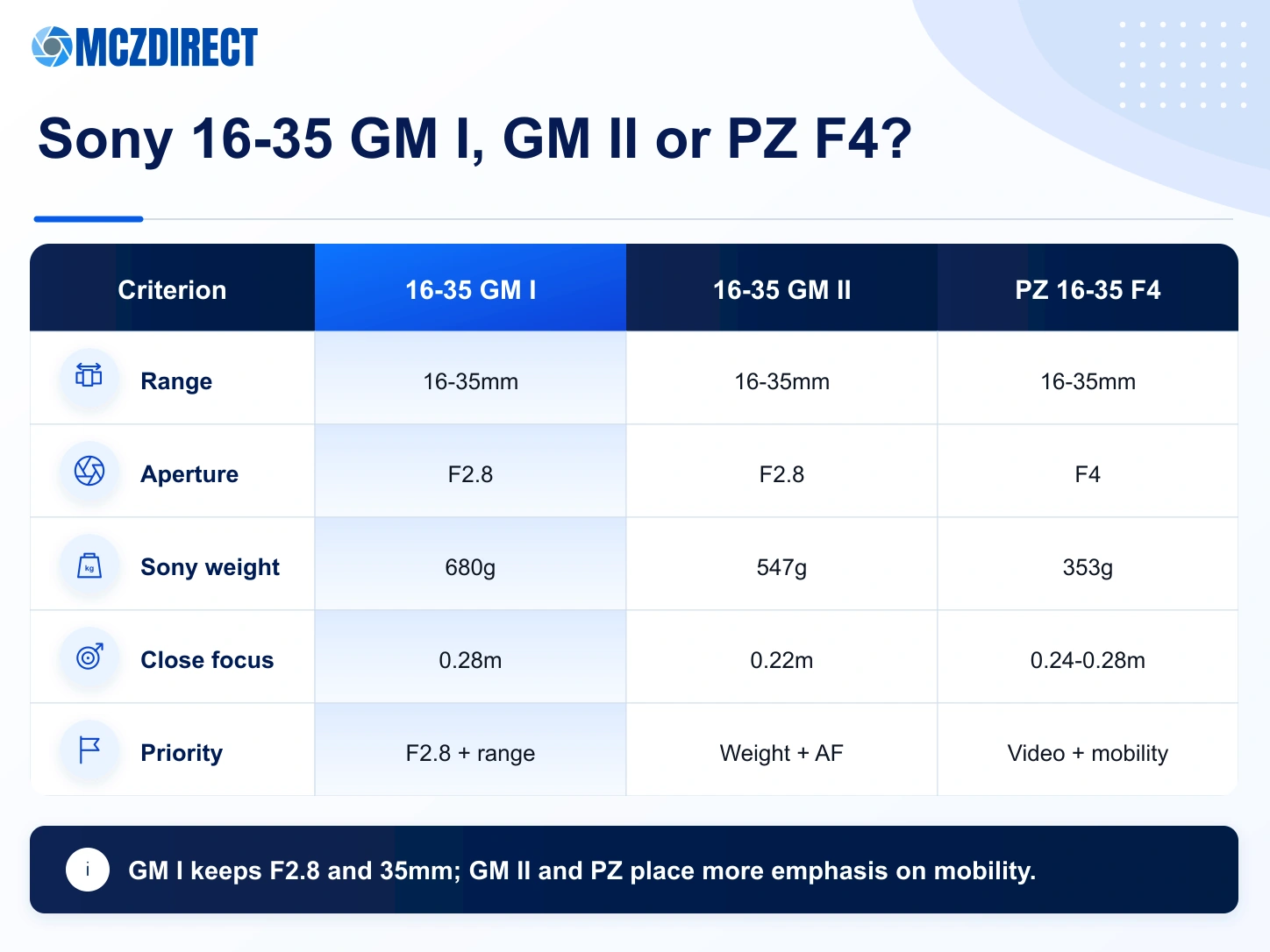
The shortened name “Sony 16-35 GM” may refer to two generations. This offer carries the SEL1635GM reference: 680g, 0.28m minimum focus and 0.19x maximum magnification. The GM II is SEL1635GM2: 547g, 0.22m and 0.32x. The newer lens is lighter and more capable at close range. The original still provides the same 16-35mm range, F2.8 aperture, 11 blades and 82mm filter size. A sound decision compares the practical benefits of GM II with the budget and assignment, rather than relying only on the generation label.
The SEL1635GM covers full frame on Sony E mount and can also be used on an APS-C camera, where its field of view is equivalent to approximately 24-52.5mm. On a stabilised camera it benefits from sensor movement because the lens itself has no OSS. Before choosing, consider which focal length is genuinely missing from the kit: 16mm for width, 35mm for a more natural story, or 12mm if working distance is regularly insufficient. The Sony lens range provides a clearer comparison of other focal lengths without asking this zoom to perform the wrong job.
At MCZ DIRECT, we see the Sony FE 16-35mm F2.8 GM as the choice for a landscape, architecture, wedding or reportage photographer who wants 16mm, 35mm and F2.8 in one professional zoom, rather than the first option for a filmmaker whose priority is minimum weight or Power Zoom operation. Its place in the Sony system remains clear: versatile, bright wide-angle coverage designed for full-frame cameras.
Against the GM II, we recommend it when saving 133g, focusing closer and gaining newer controls do not by themselves justify changing generation. Against the PZ F4 G, it regains the advantage whenever F2.8 genuinely matters at a wedding, indoors or at dusk. Its limitation is straightforward: 680g is noticeable through a long day, there is no optical OSS and the original design is less convenient for a lightweight video setup. For photographers who accept those trade-offs, the SEL1635GM remains a coherent and highly versatile working lens.

It is for landscape, architecture, wedding and reportage photographers who want 16-35mm coverage with a constant F2.8 aperture.
No. This is the original SEL1635GM. The GM II is SEL1635GM2 and differs in areas including weight and minimum focusing distance.
Yes. The 16mm end supports close foregrounds and broad horizons, while 24 and 35mm provide more measured framing.
Yes, particularly when working distance is limited. Keep the camera level and watch the frame edges to maintain believable proportions.
Yes. F2.8 helps as light levels fall, while 16-35mm moves from the venue to a group or environmental portrait without a lens change.
It has no optical OSS. It can benefit from sensor-based stabilisation on a compatible Sony camera body.
It accepts 82mm front filters. A slim, wide-angle-compatible design helps limit vignetting at 16mm.
Sony specifies 0.28m with 0.19x maximum magnification.
The field of view is approximately equivalent to 24-52.5mm on full frame, so the very wide 16mm rendering is no longer available.
Sony specifies 680g. The GM II is 547g, 133g lighter, while the PZ 16-35 F4 G weighs 353g.