Shopping Cart
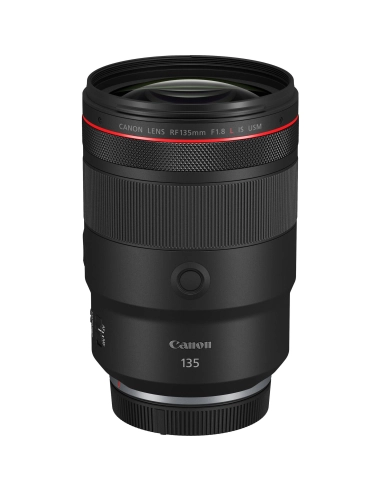
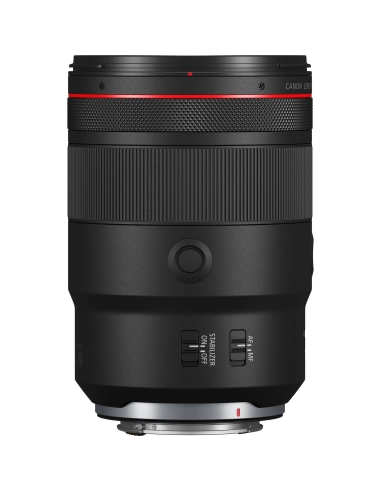
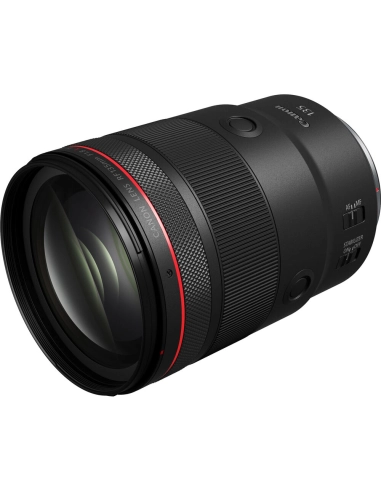
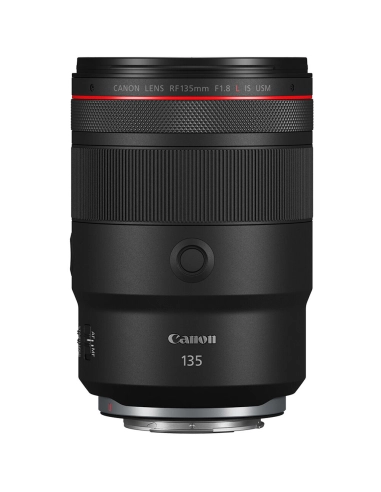
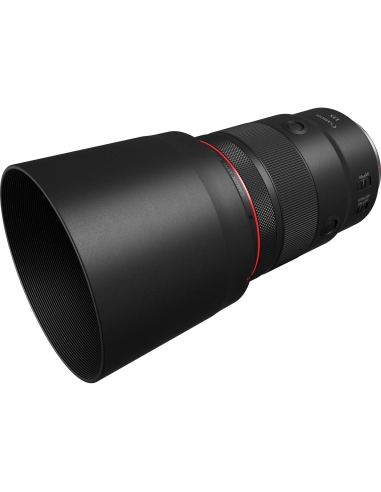
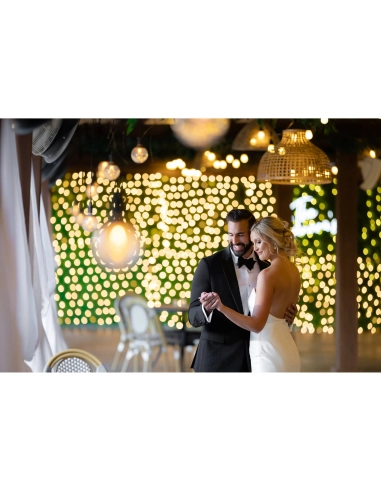
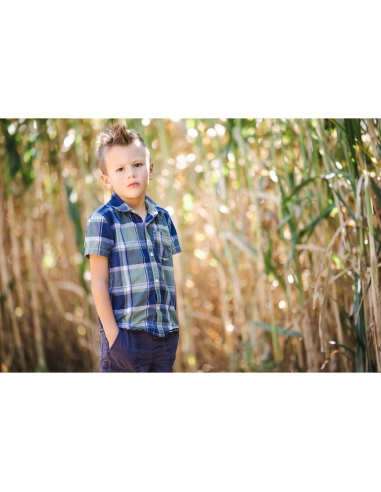
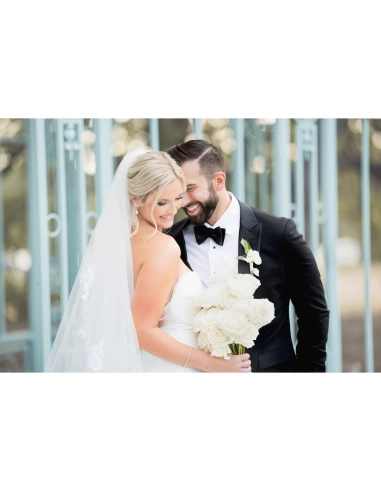
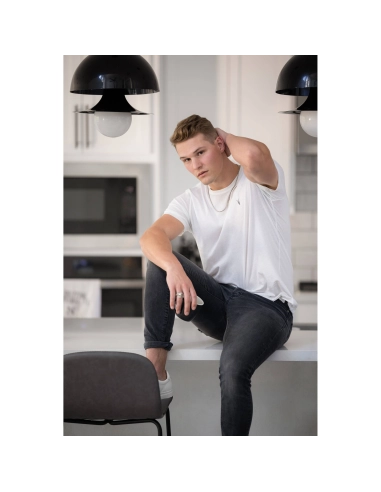
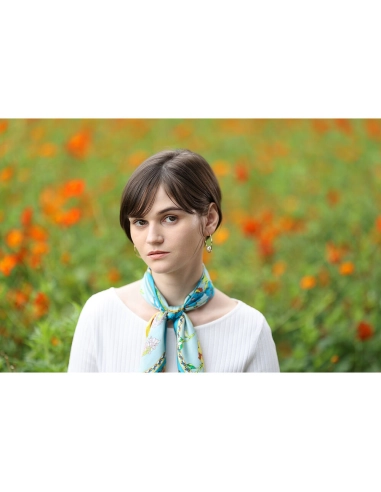
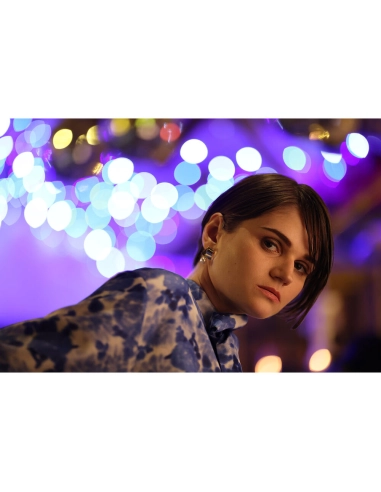
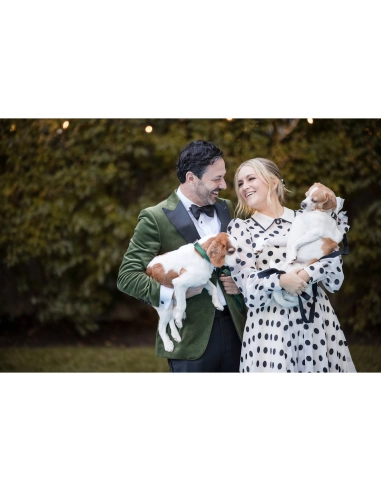
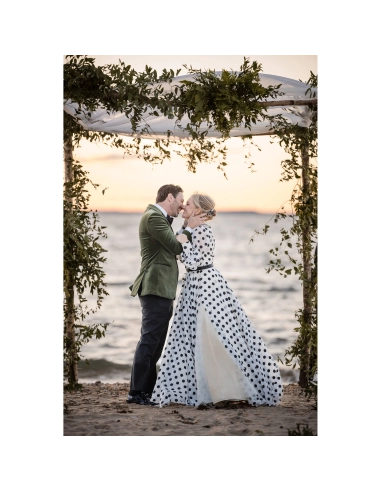
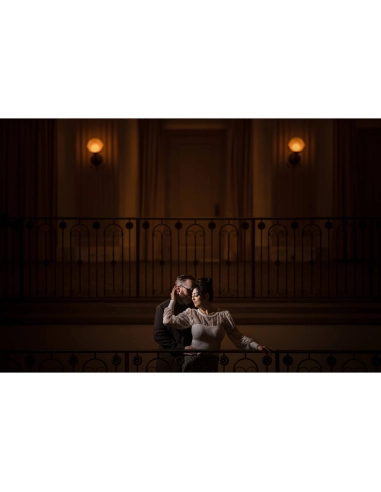
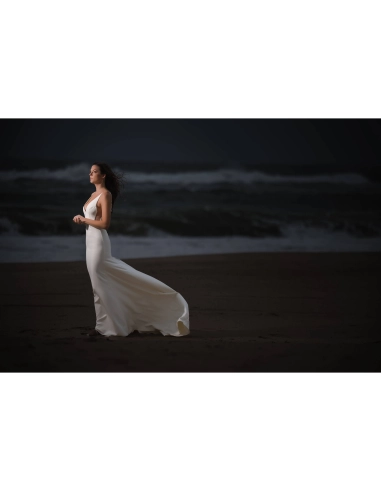
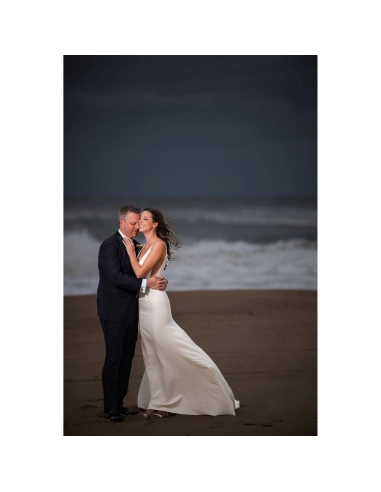
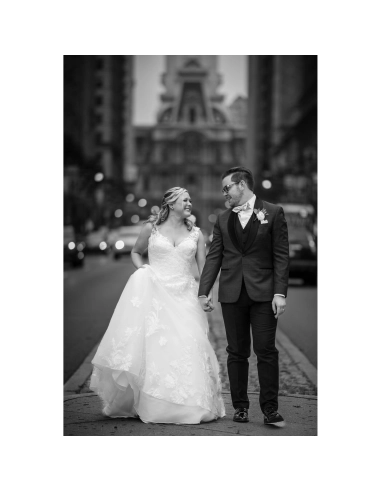
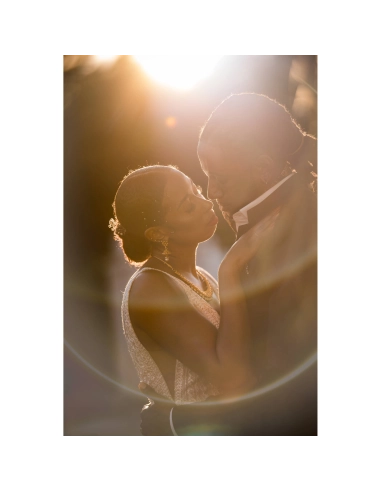
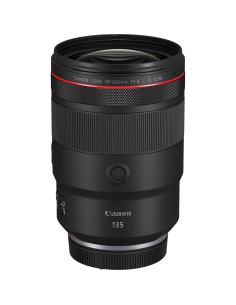
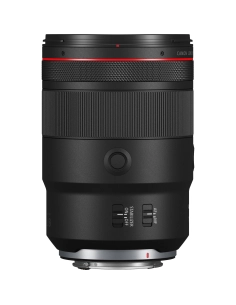
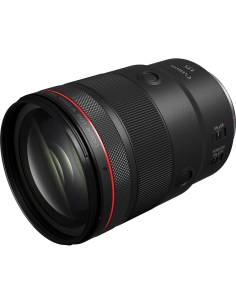
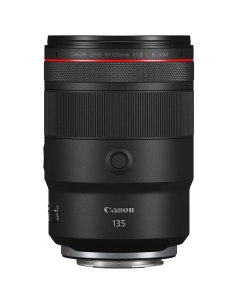
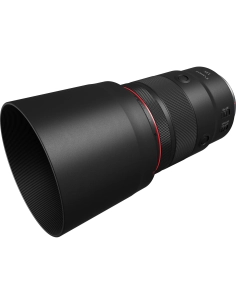
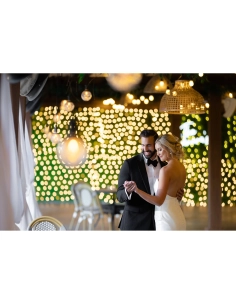
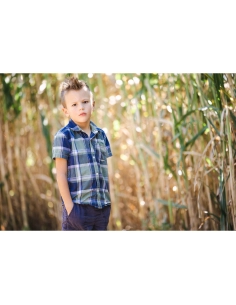
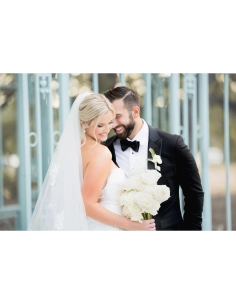
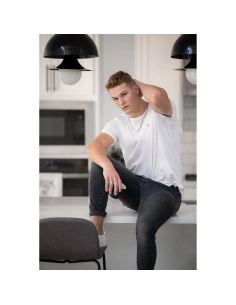
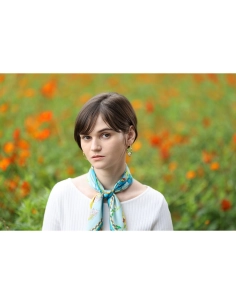
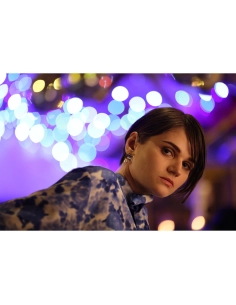
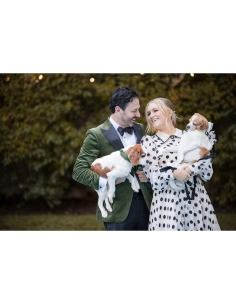
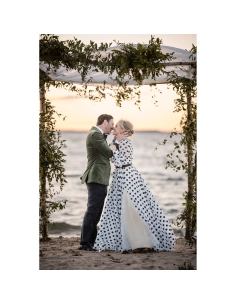
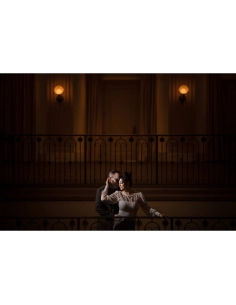
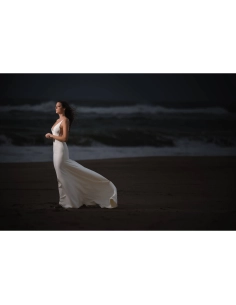
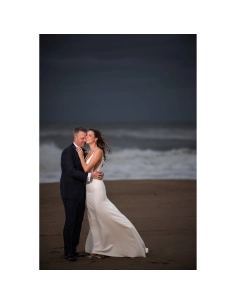
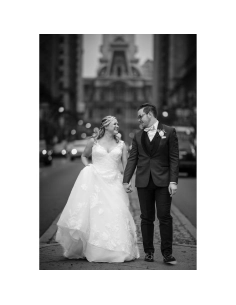
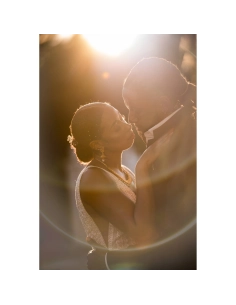
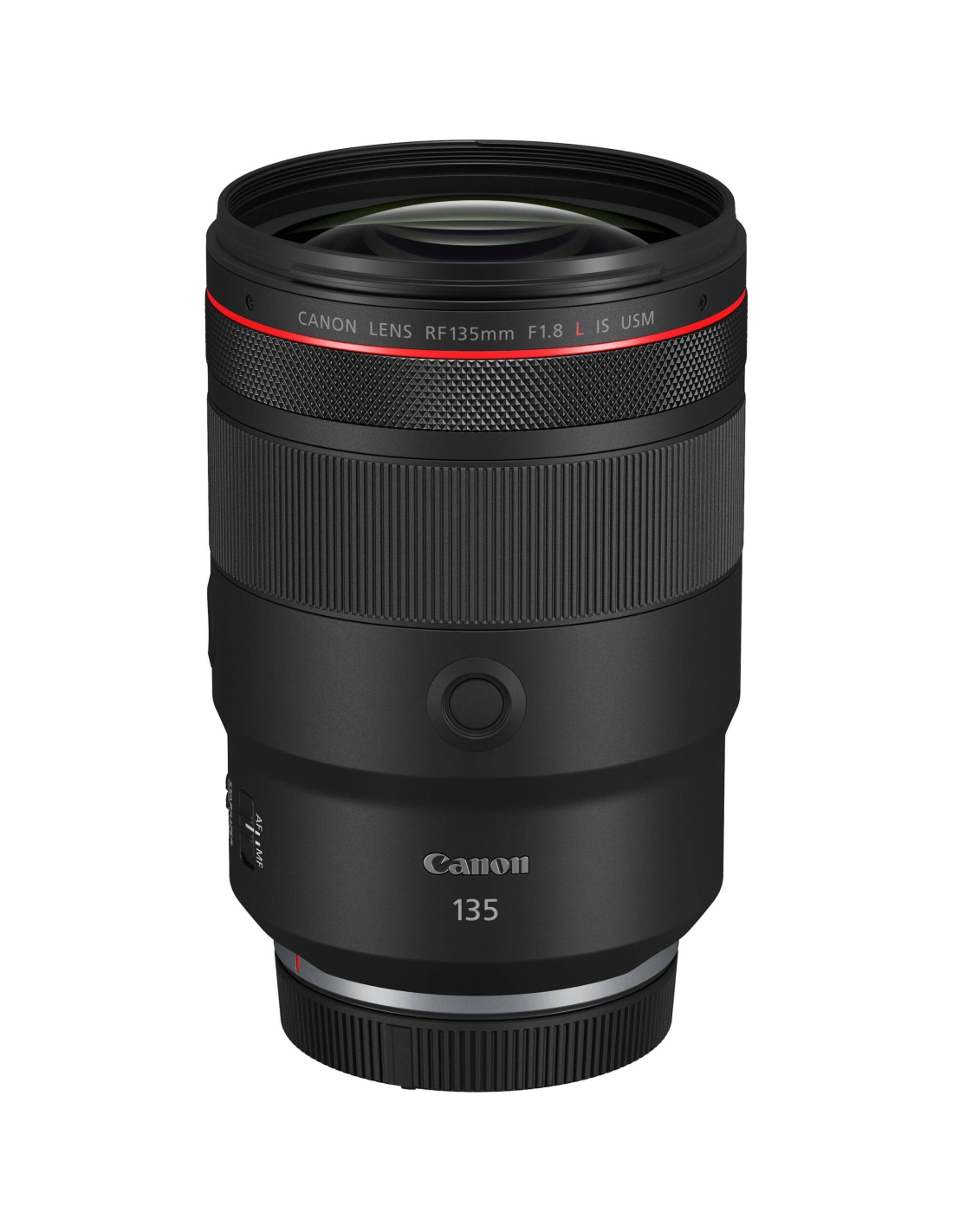
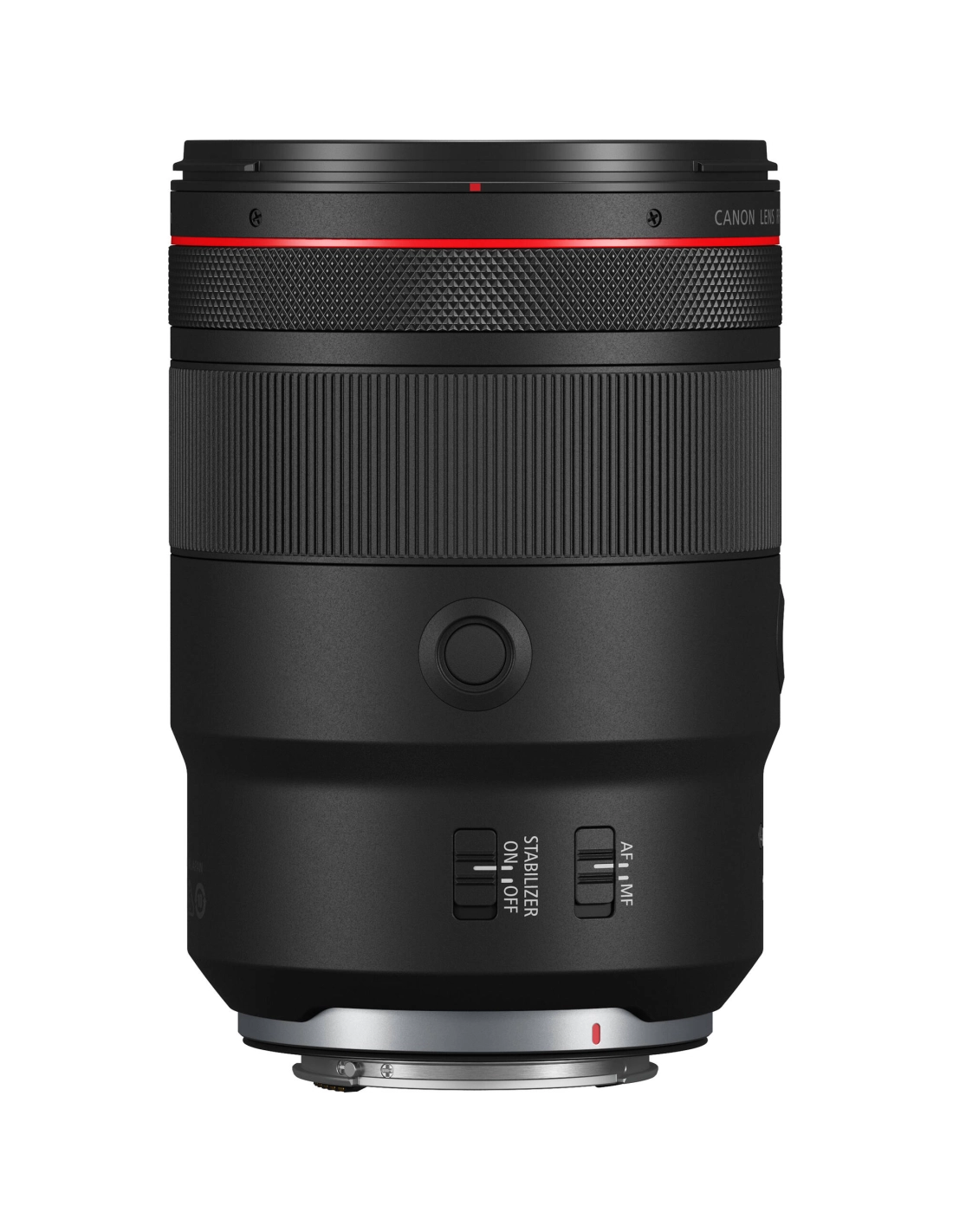
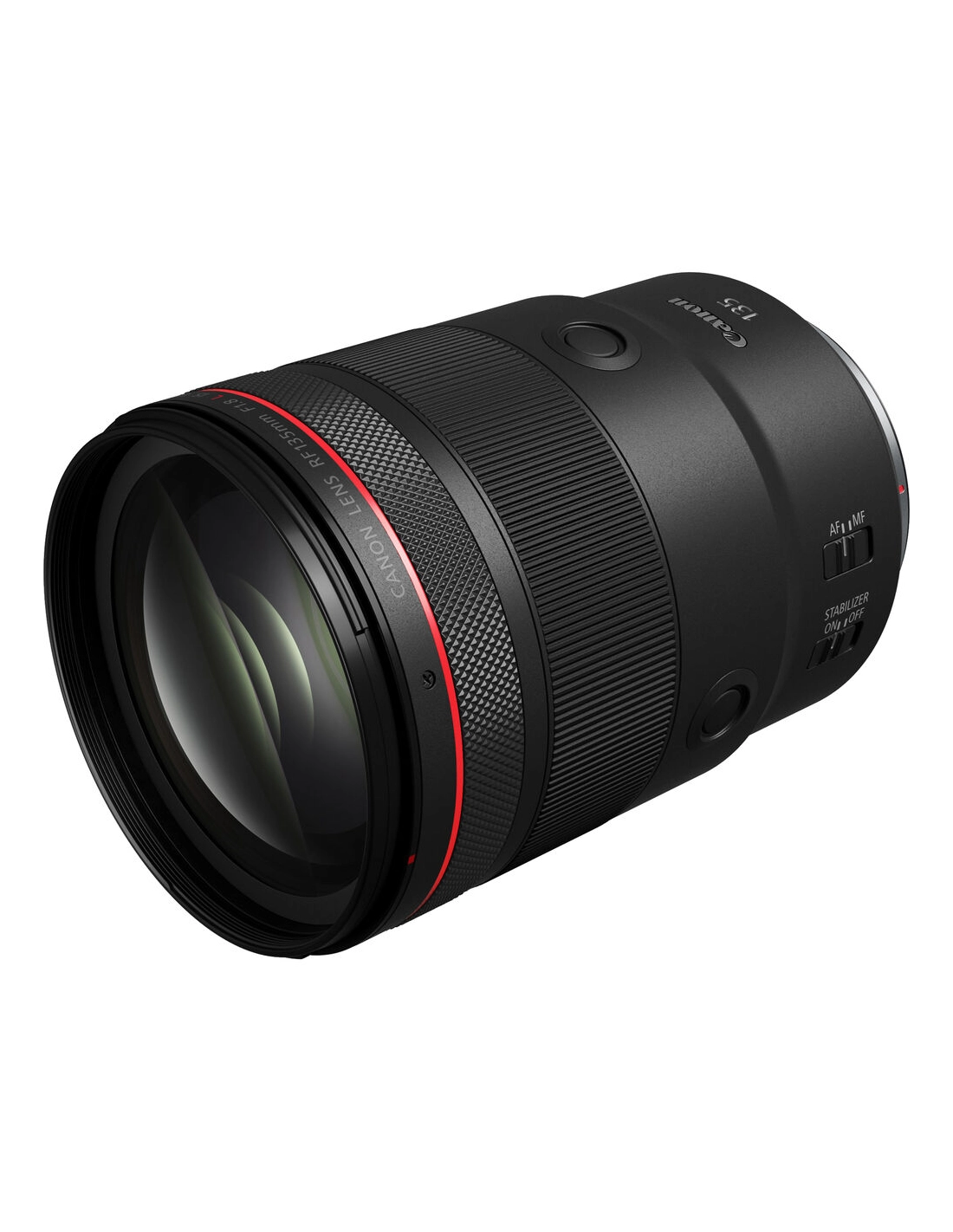
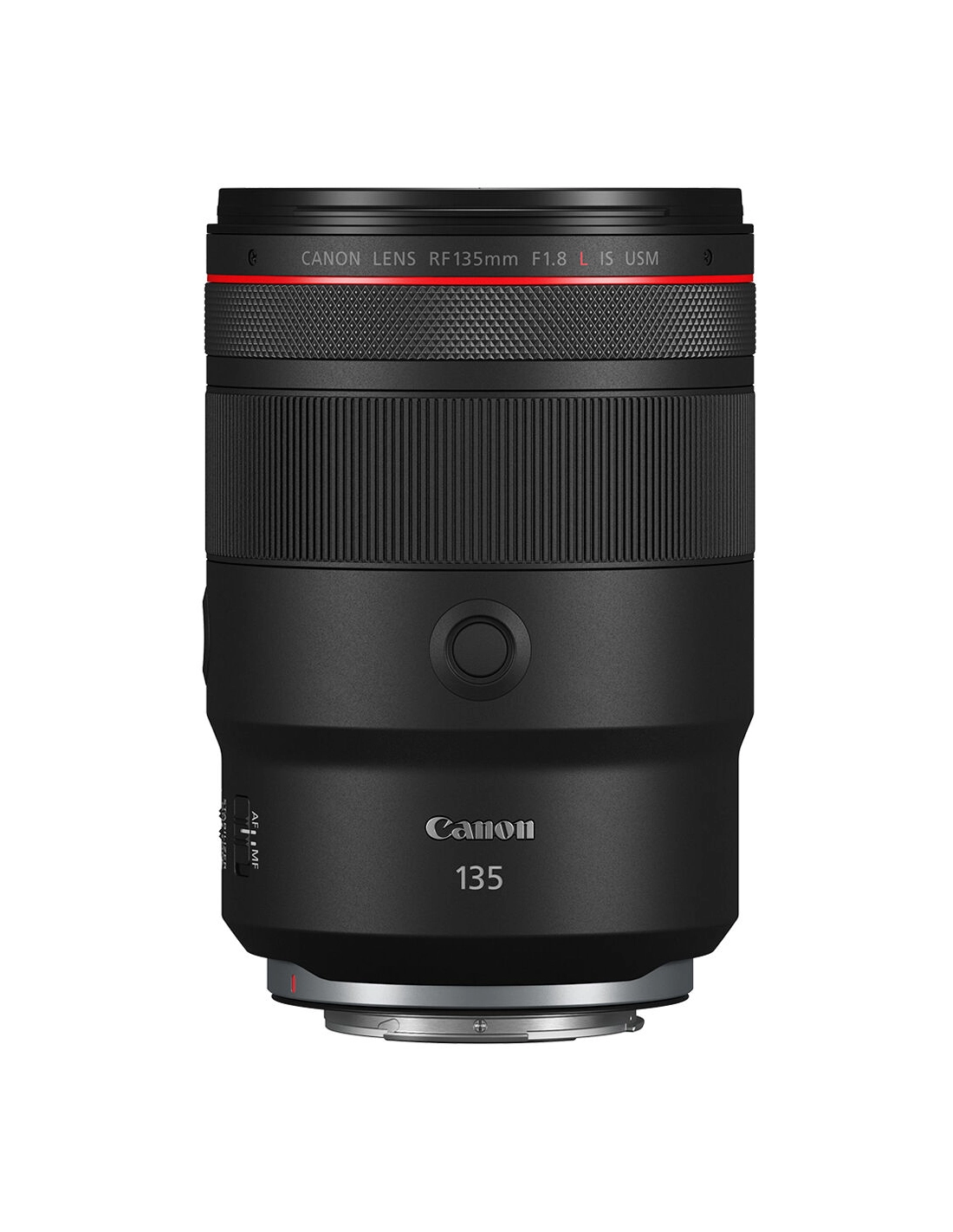
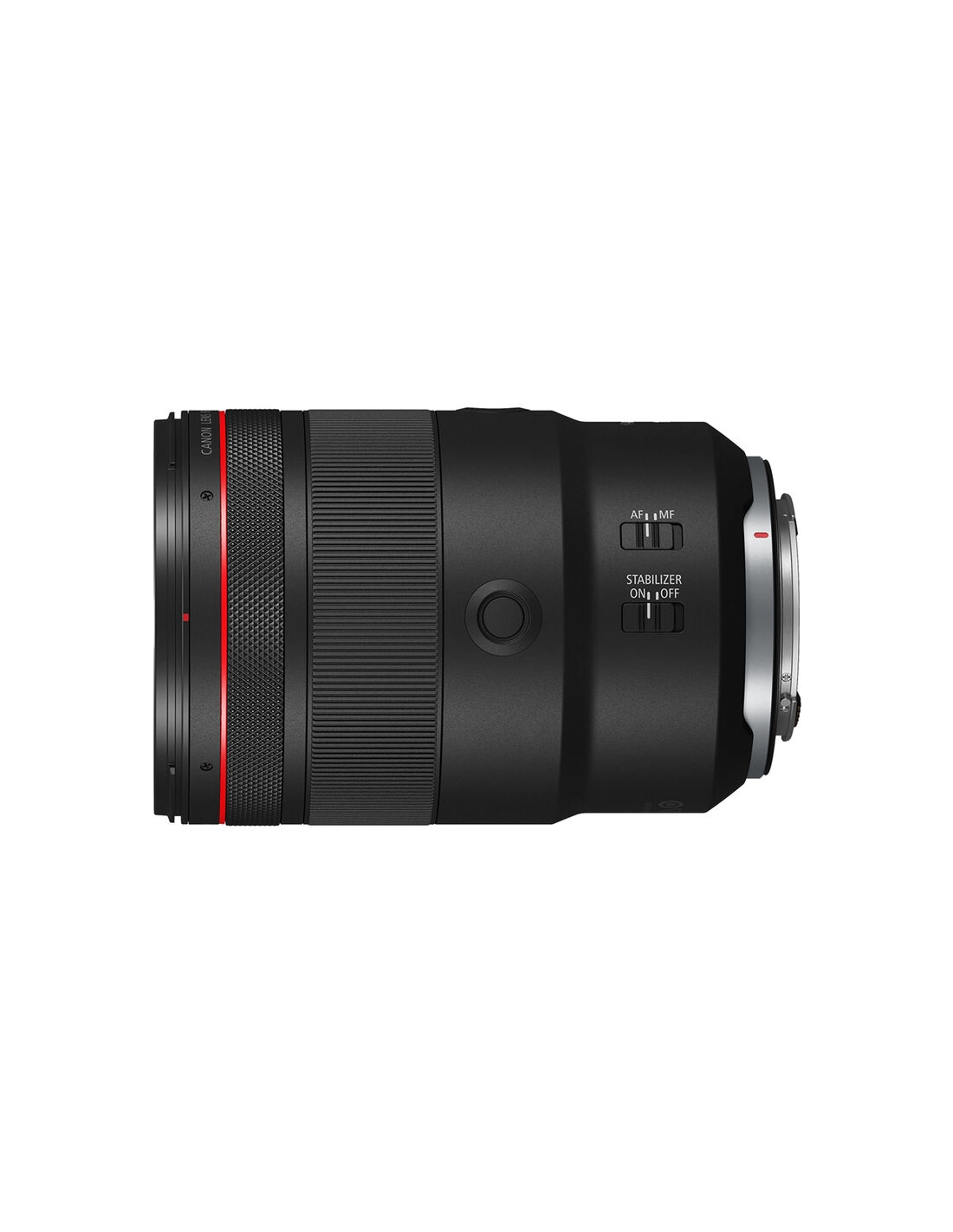
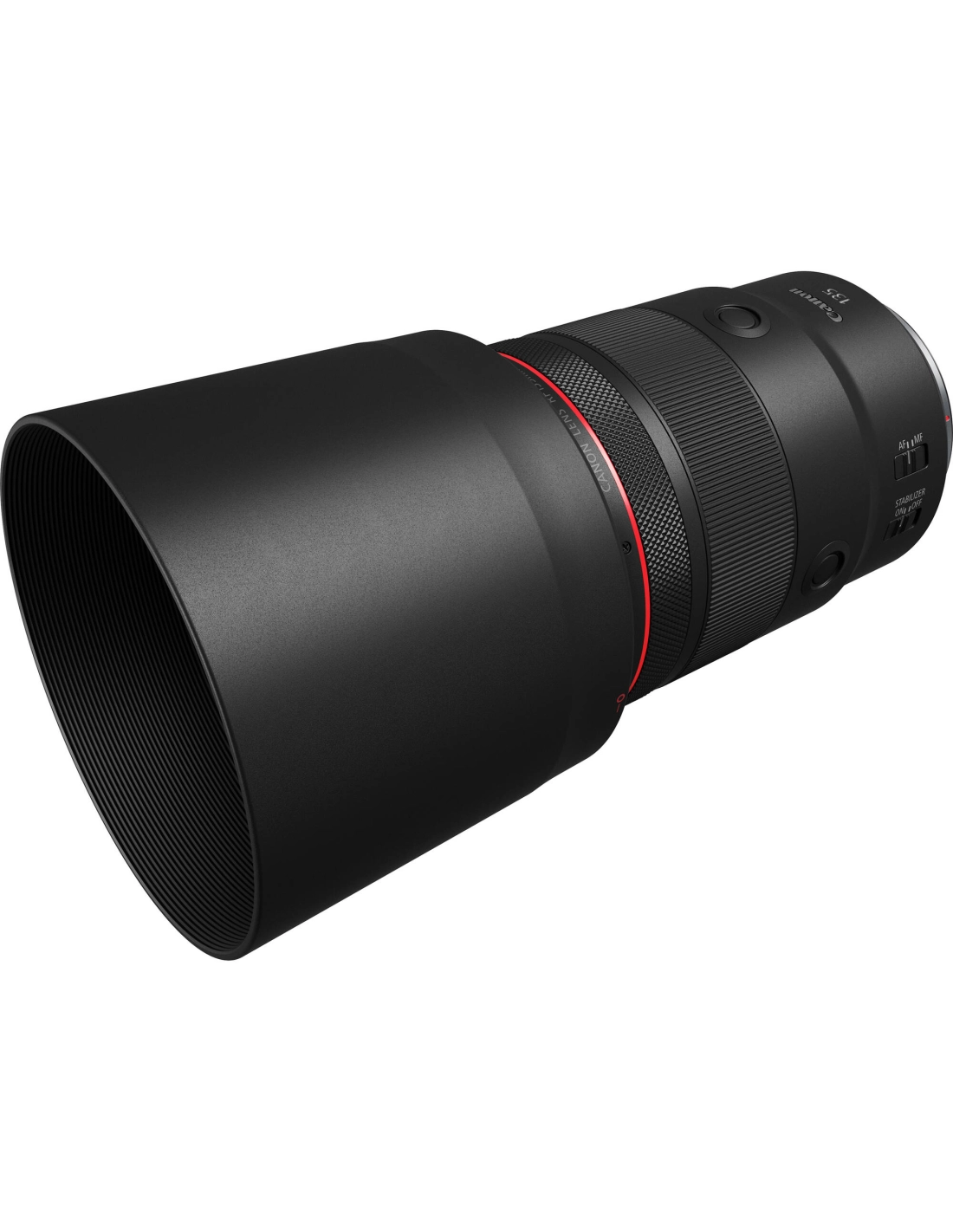
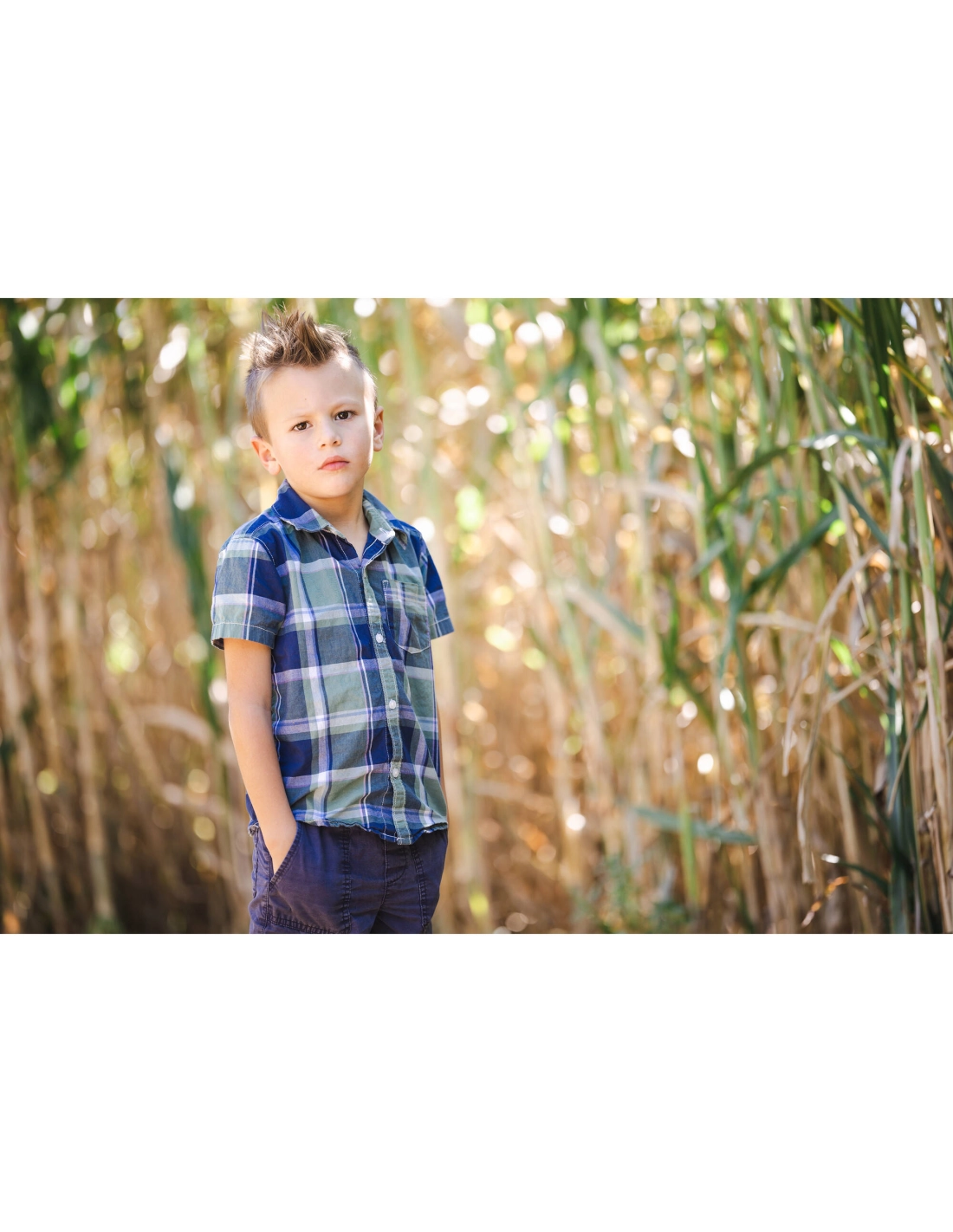
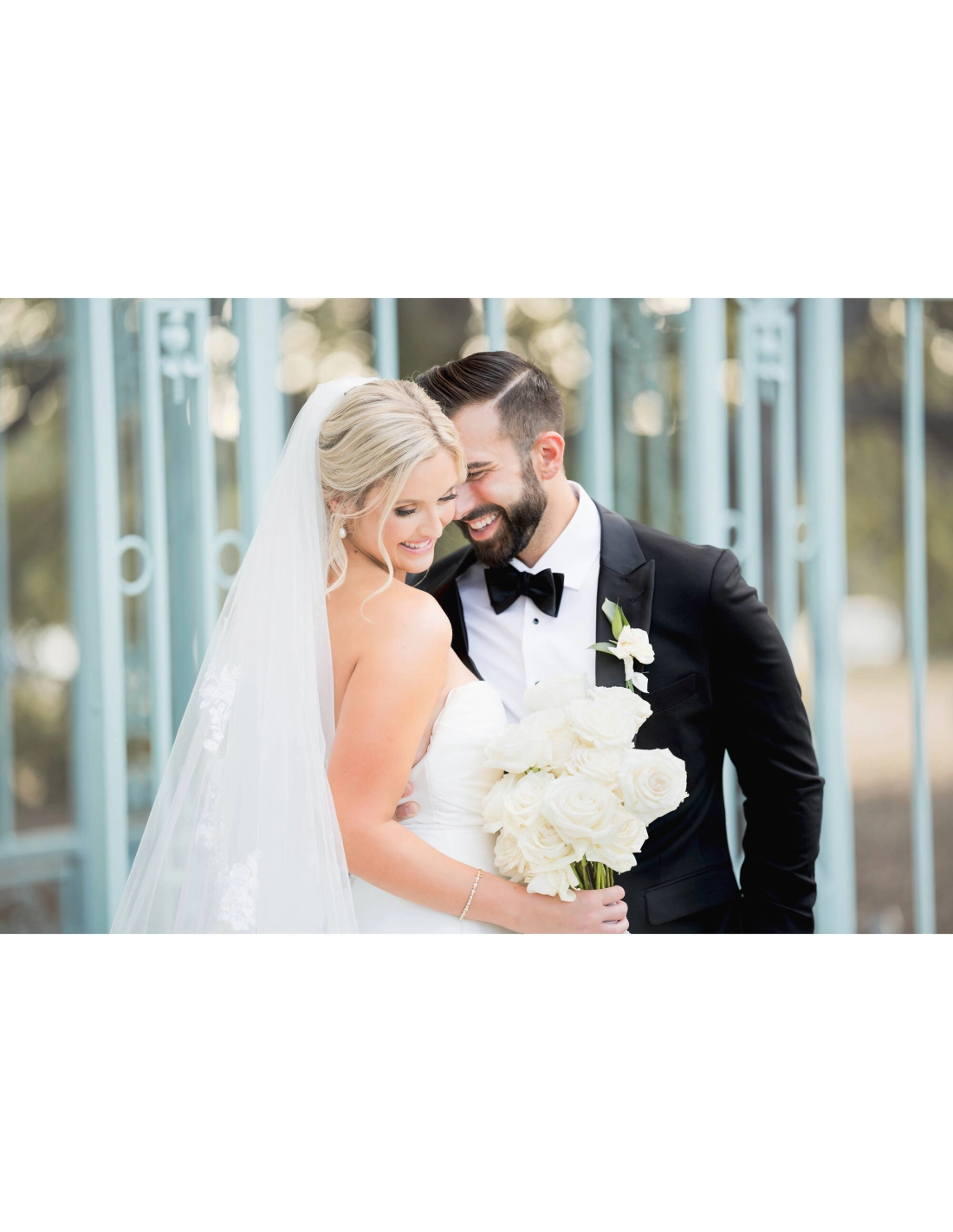
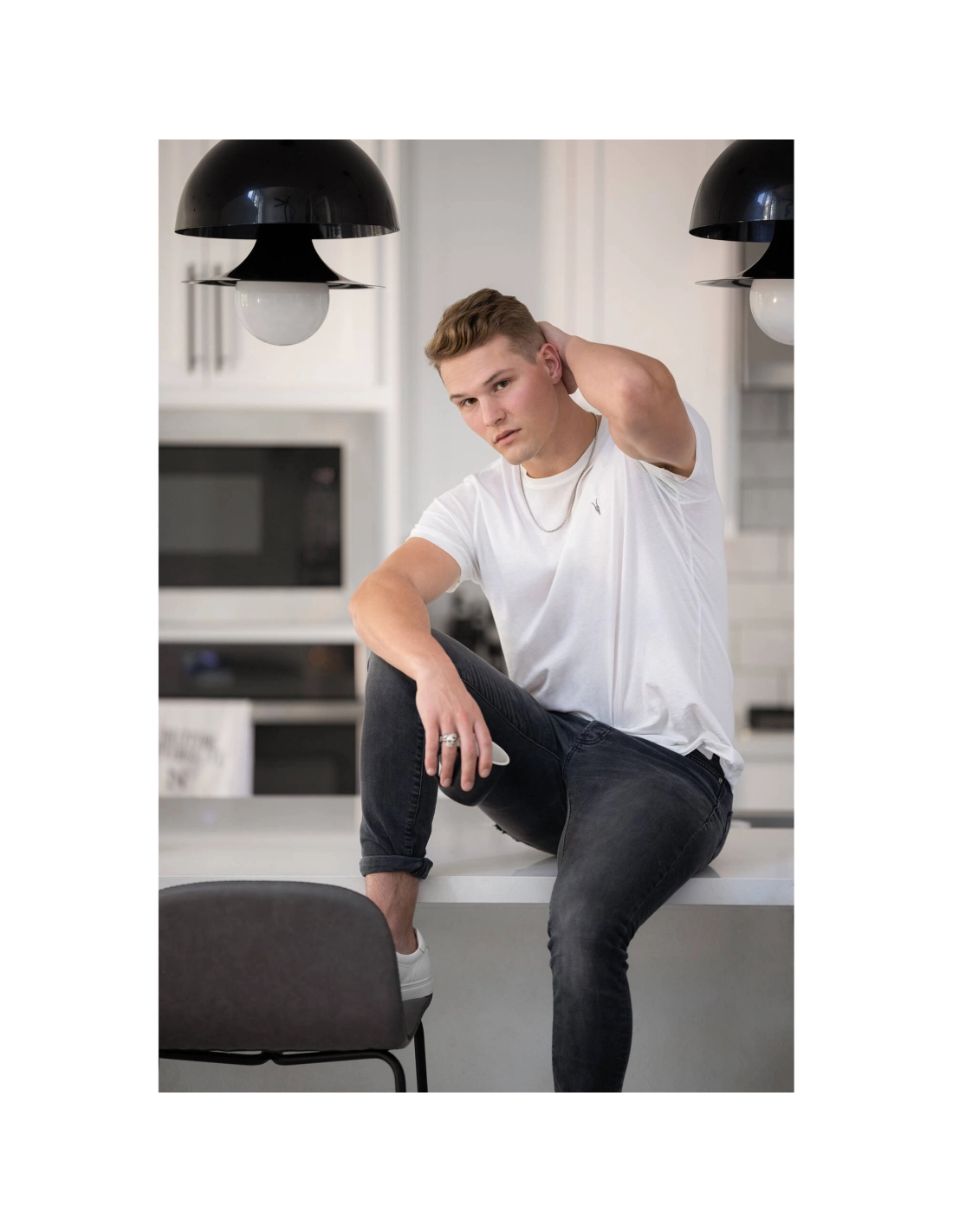
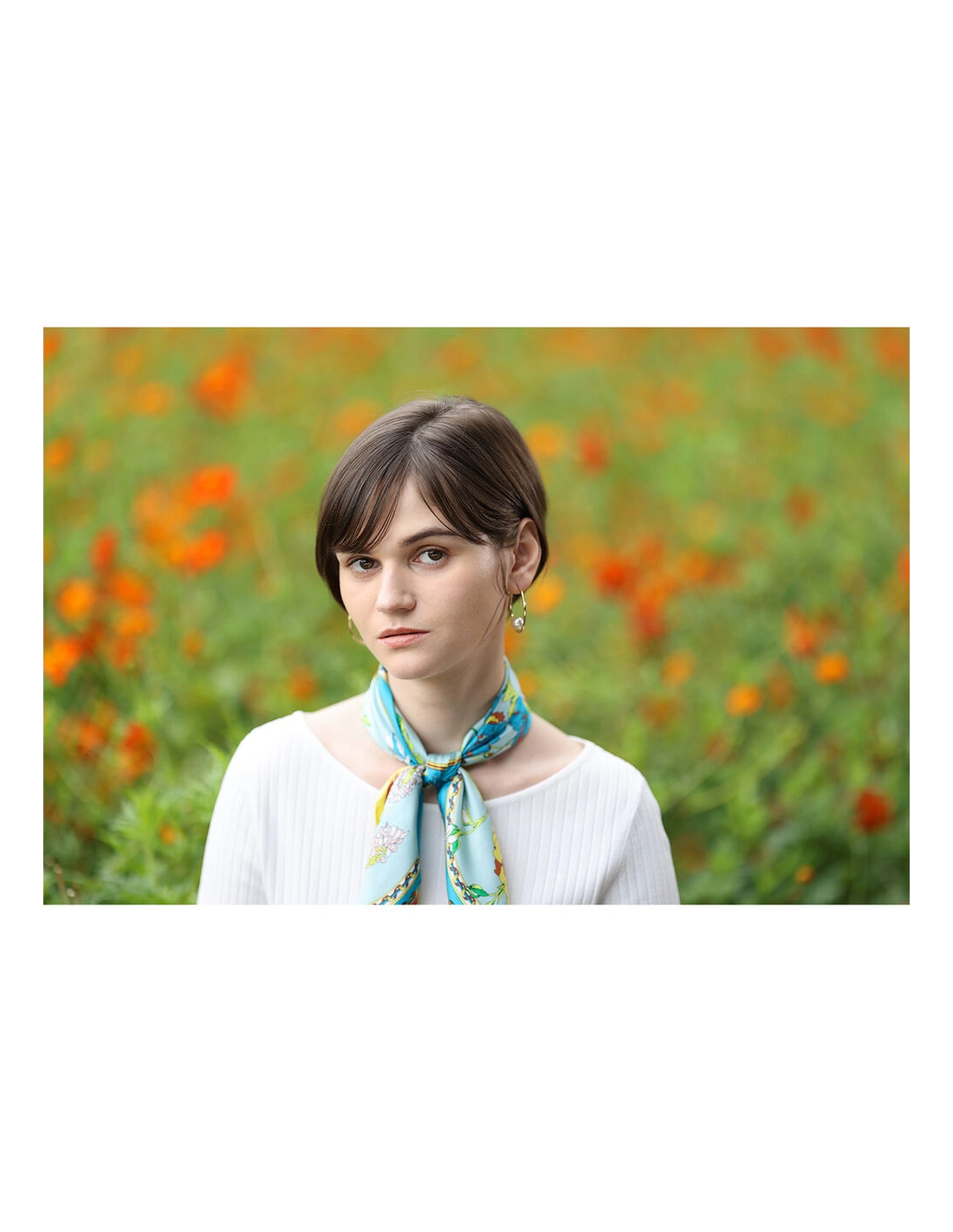
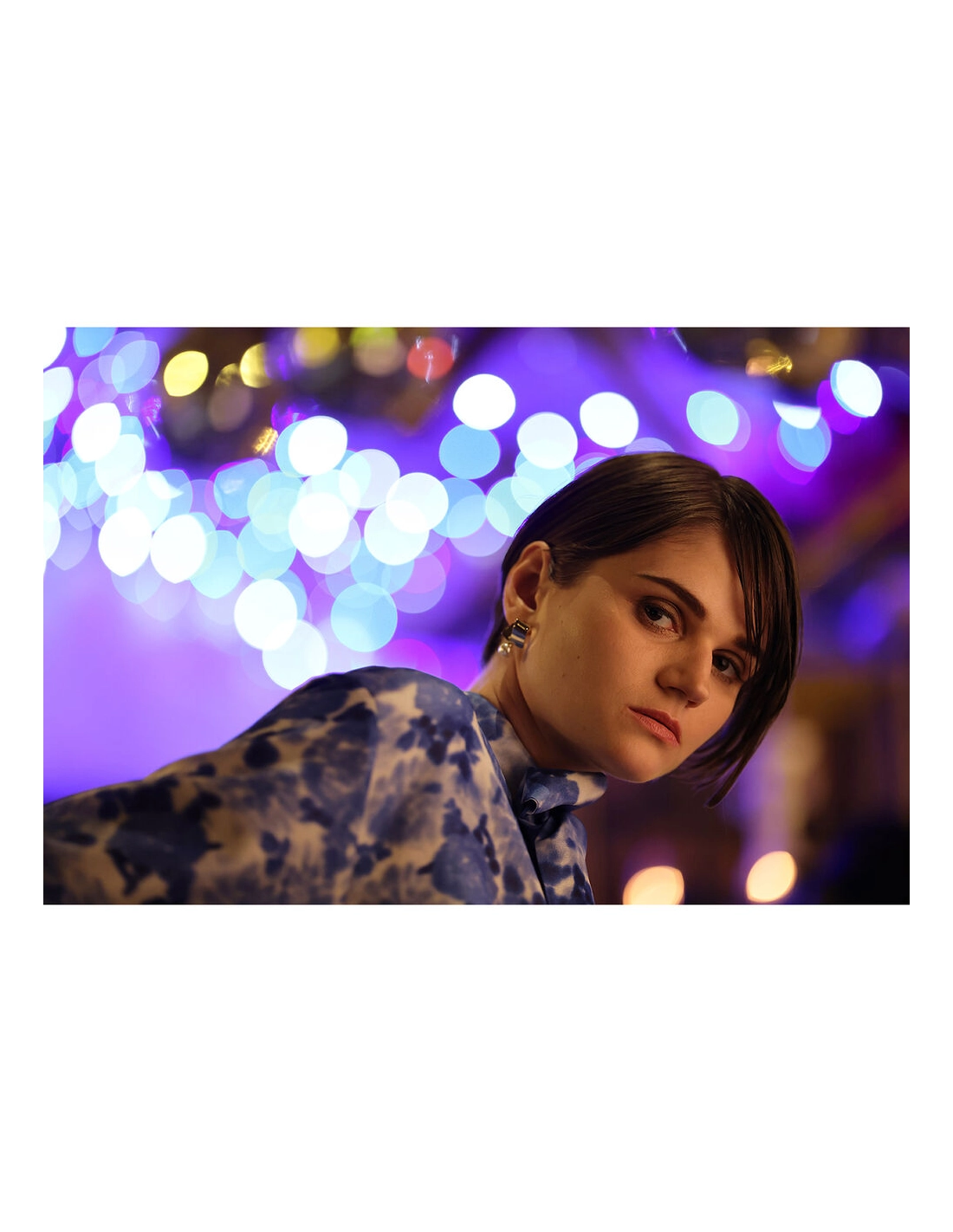

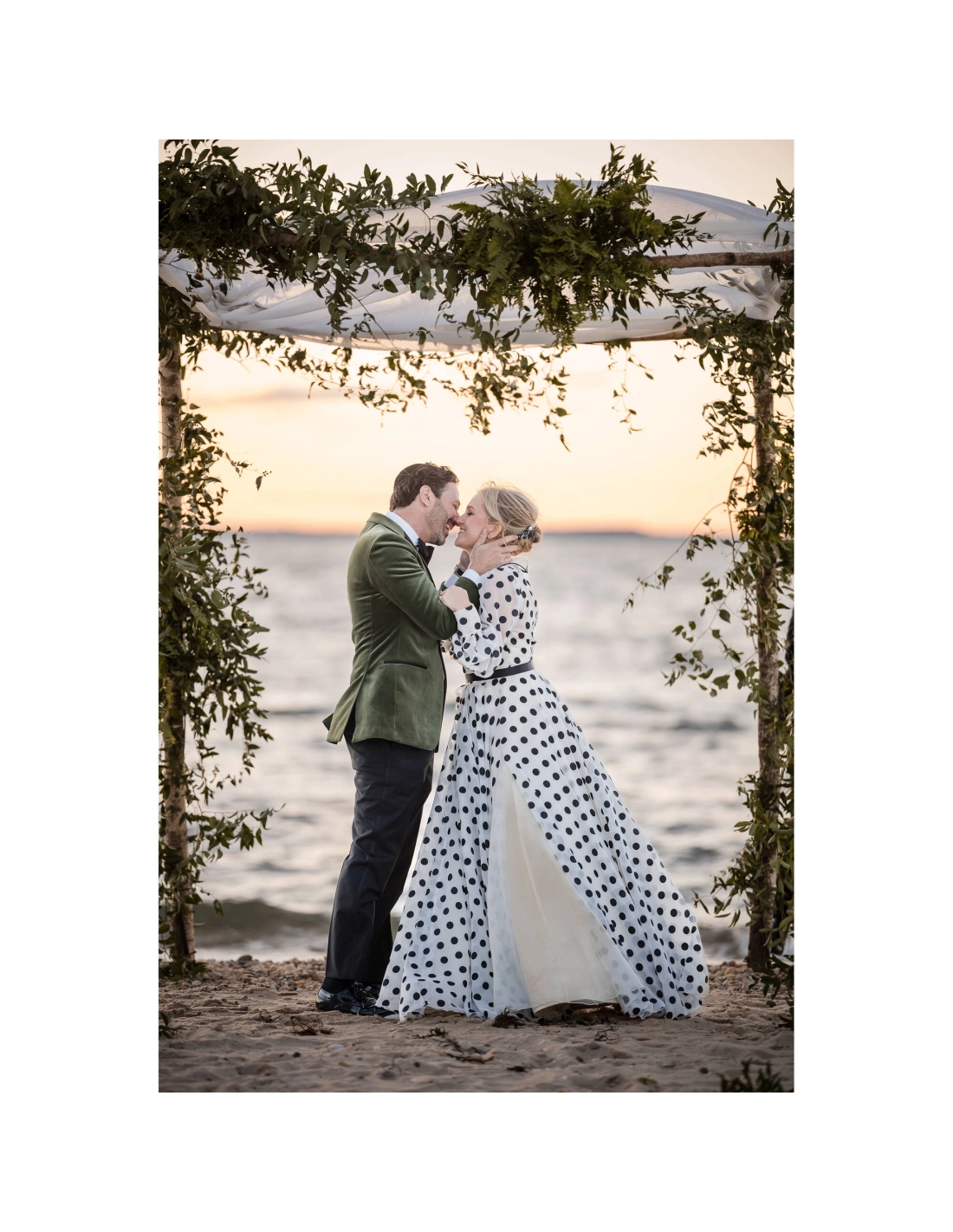
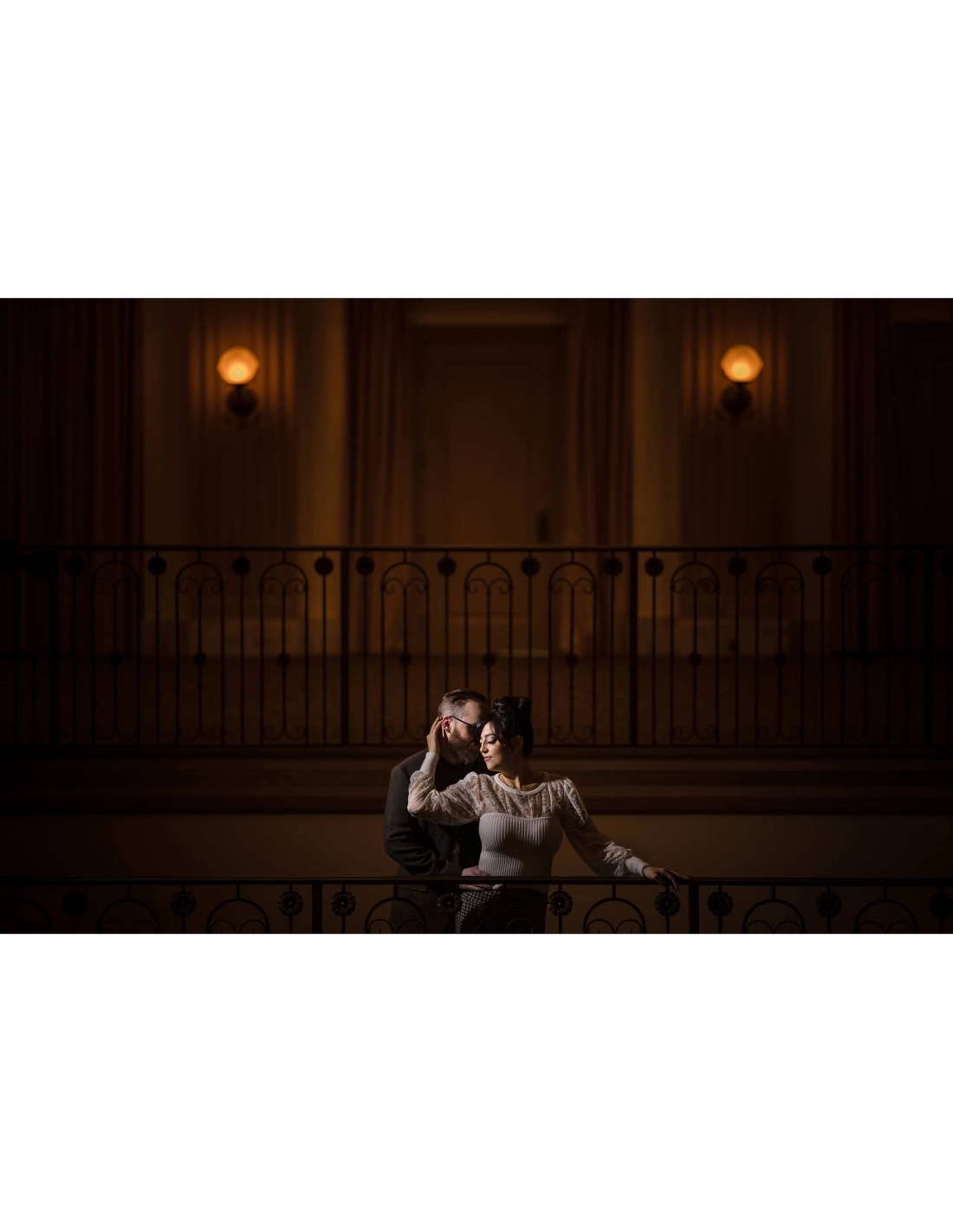
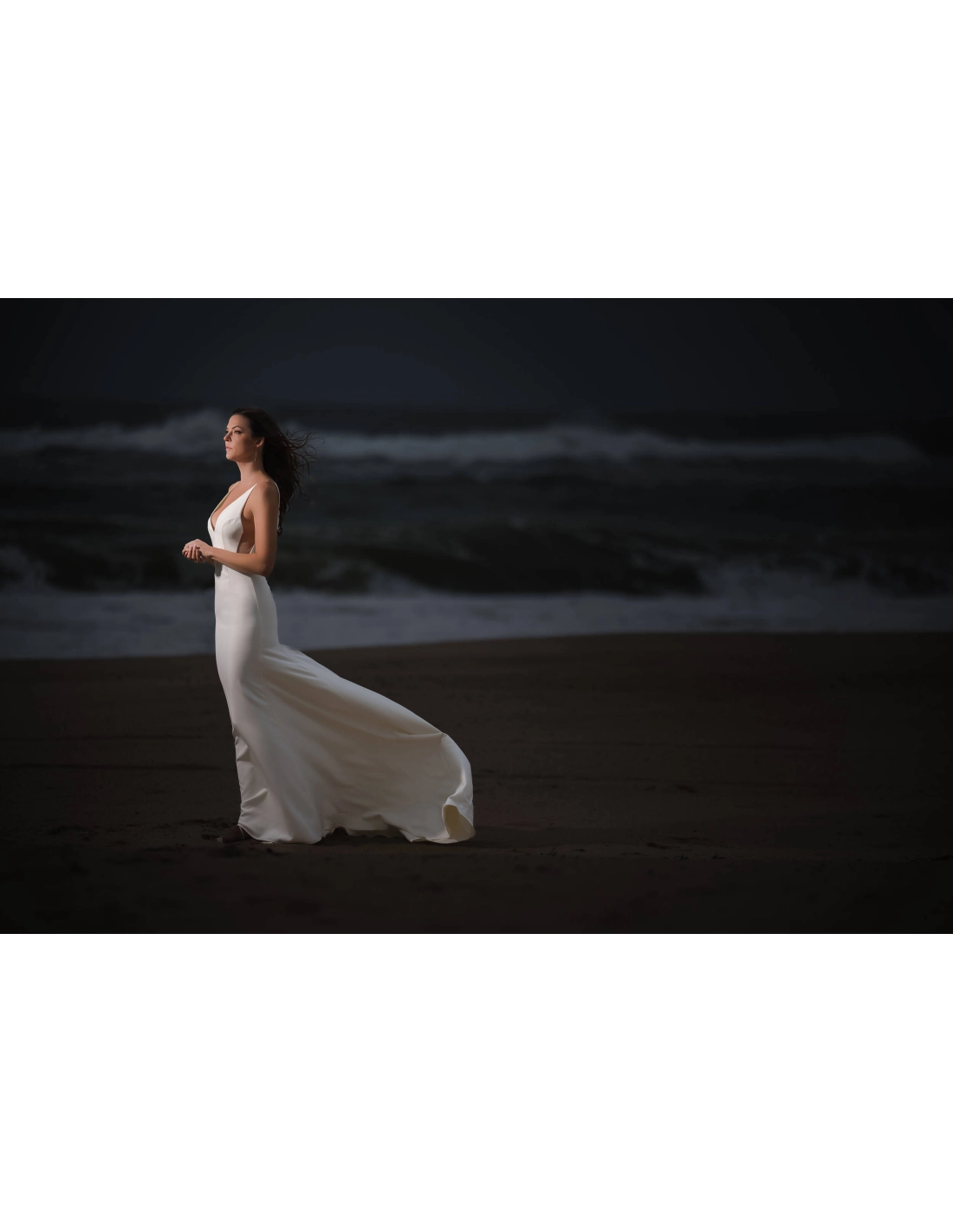
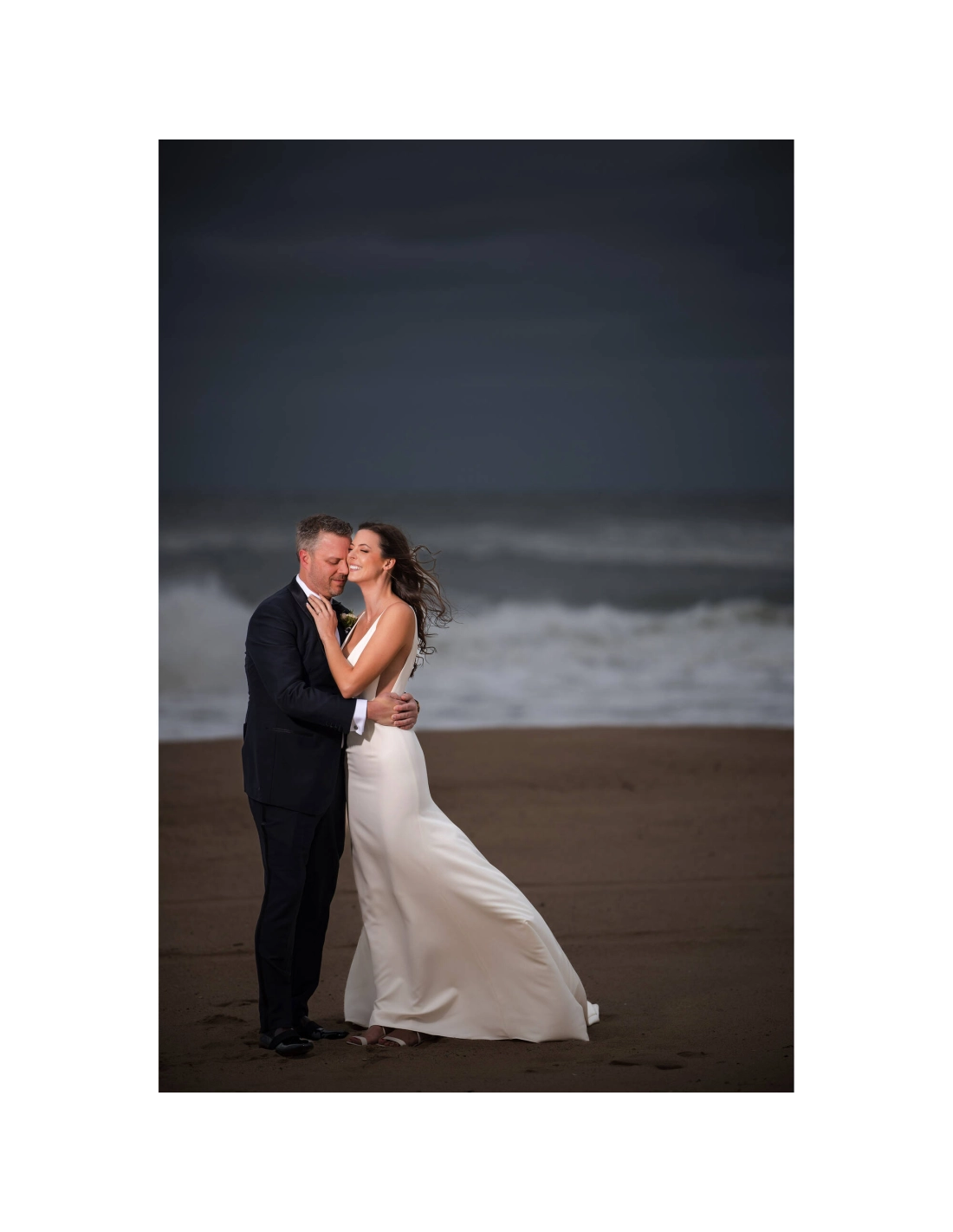
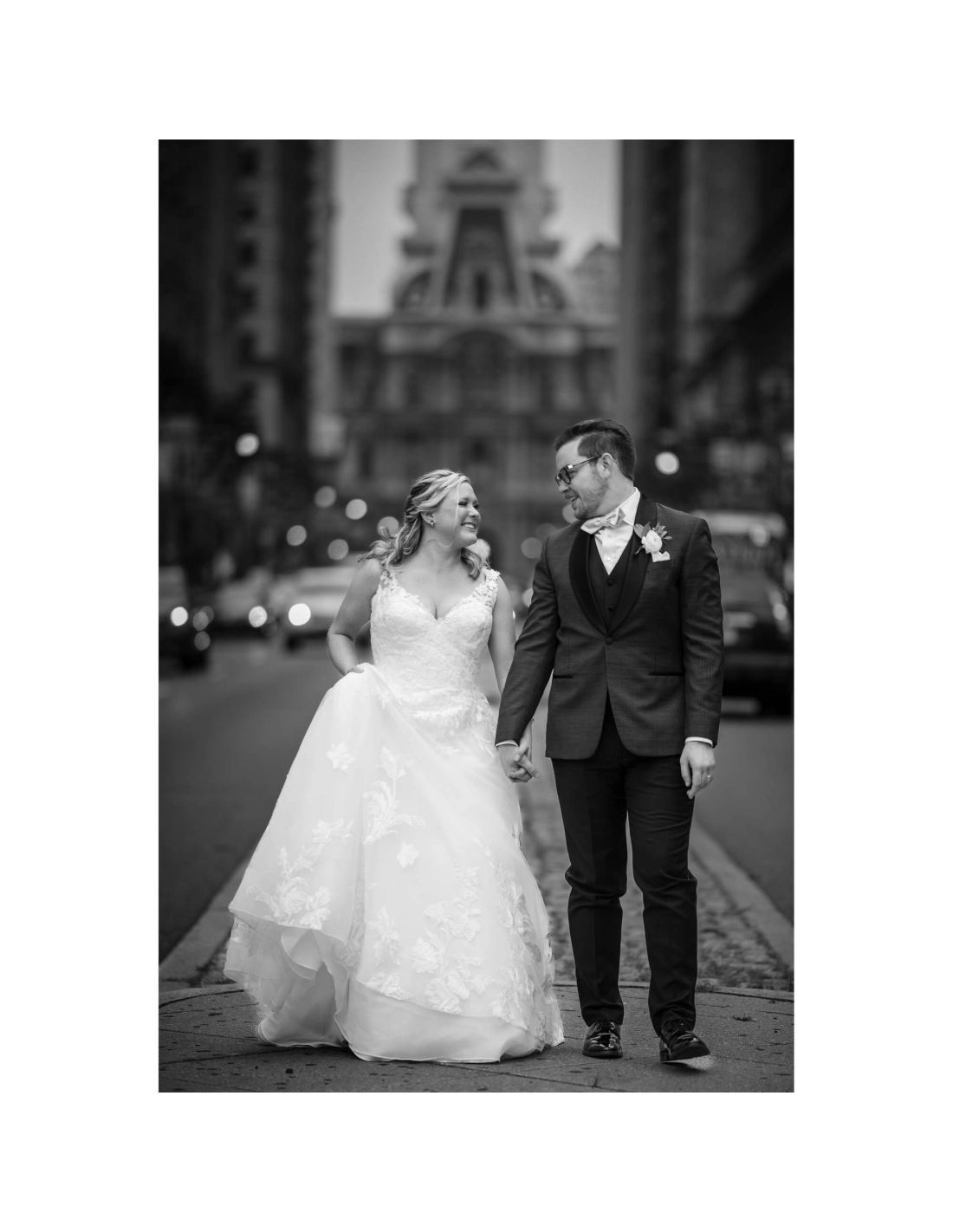
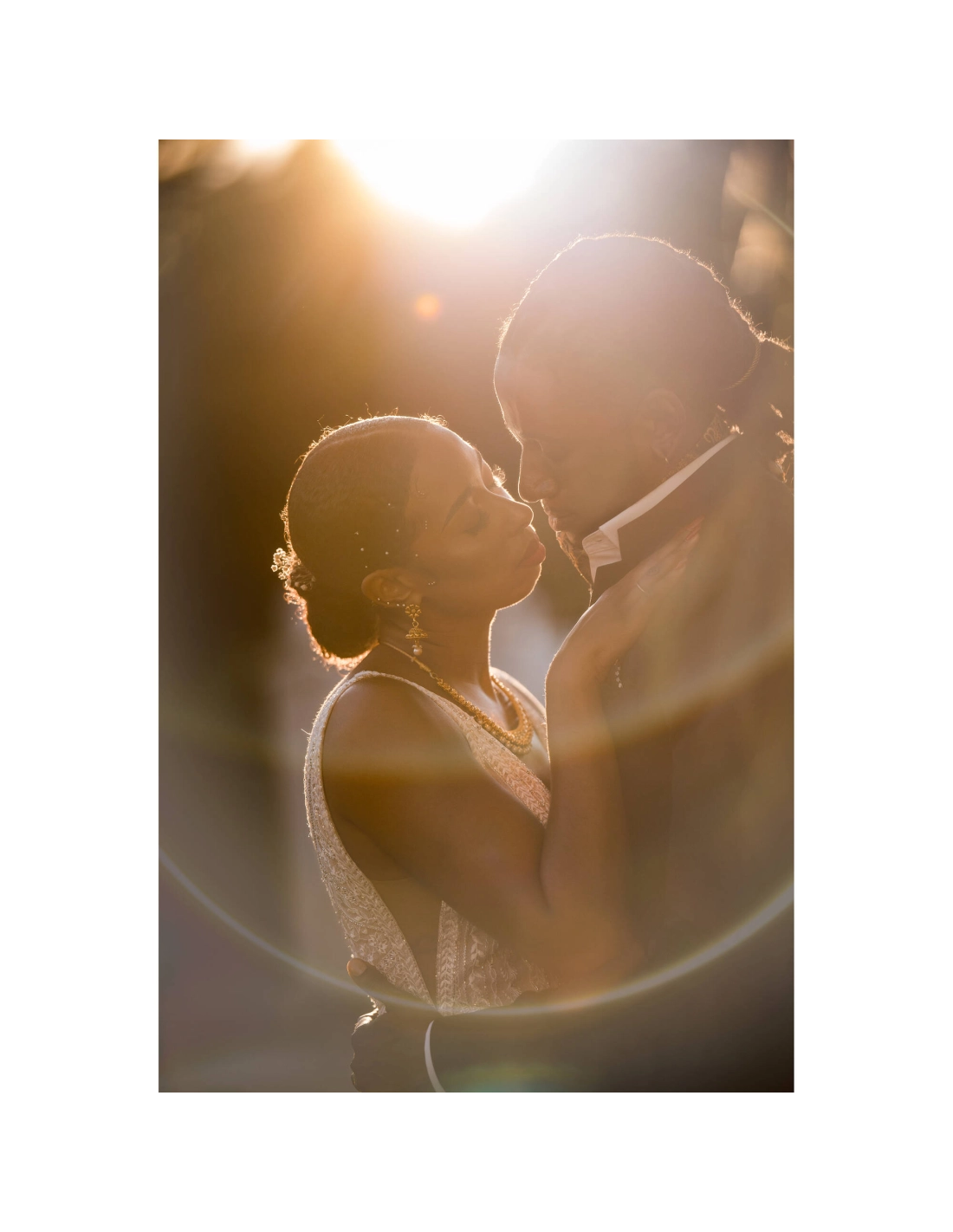
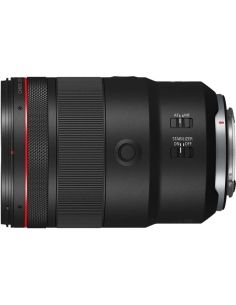

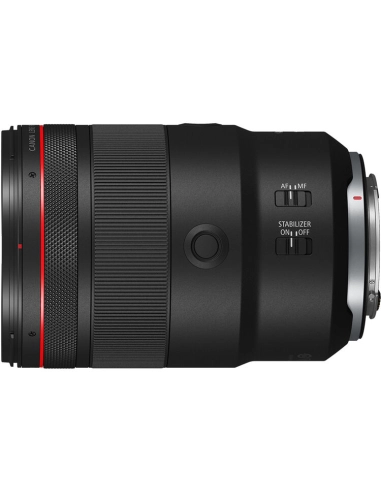
The Canon RF 135mm F1.8L IS USM is a telephoto prime for portrait, wedding, stage and indoor-sport photographers who want strong subject separation from a discreet working distance, and we recommend it when low-light performance matters more than zoom flexibility. Its f/1.8 aperture supports faster shutter speeds and shallow depth of field. Canon-rated 5.5-stop optical stabilisation reduces camera shake, while Nano USM supports responsive autofocus. The 135mm focal length does require more room than an 85mm lens, especially indoors. It is a compelling choice for an EOS R photographer who clearly understands that working distance and wants a bright, stabilised prime rather than an all-purpose portrait lens. It rewards photographers who can control their position and anticipate the subject’s movement.
Combine compatible accessories and save. The more items you add, the bigger the discount.
memory card

warranty extension
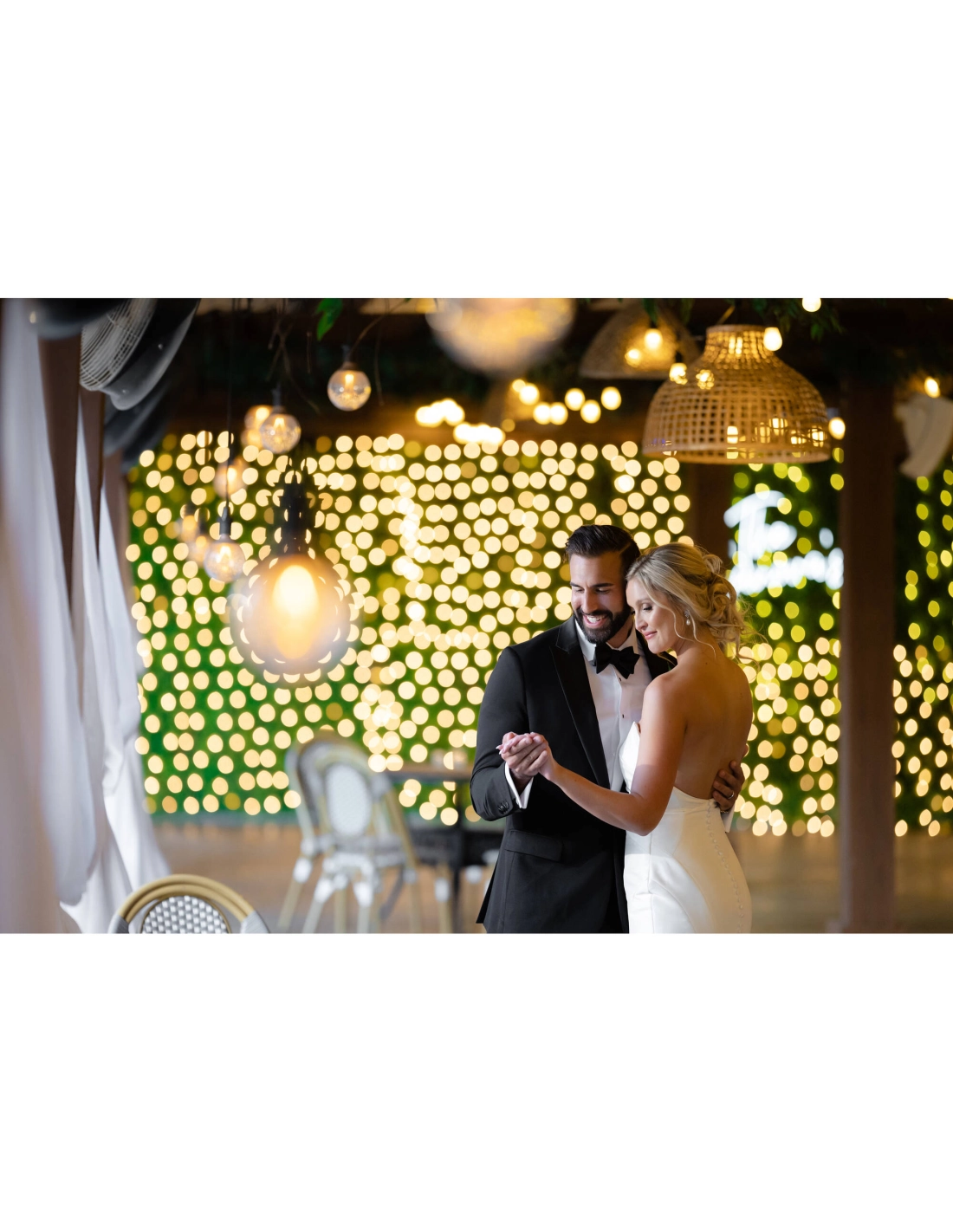
The Canon RF 135mm F1.8L IS USM is not simply another fast lens in the EOS R range. Its focal length changes how a photographer works: step back, give the subject more space and build the frame around a soft, simplified background. That distance is valuable for tight portraits, ceremonies, stage work and indoor sport when moving closer would be distracting or impossible. The f/1.8 aperture helps retain a faster shutter speed, while optical stabilisation addresses the photographer’s movement. The trade-off is immediate. In a small room, 135mm can become too tight, so this lens should be chosen for its perspective and working distance rather than for bokeh alone.
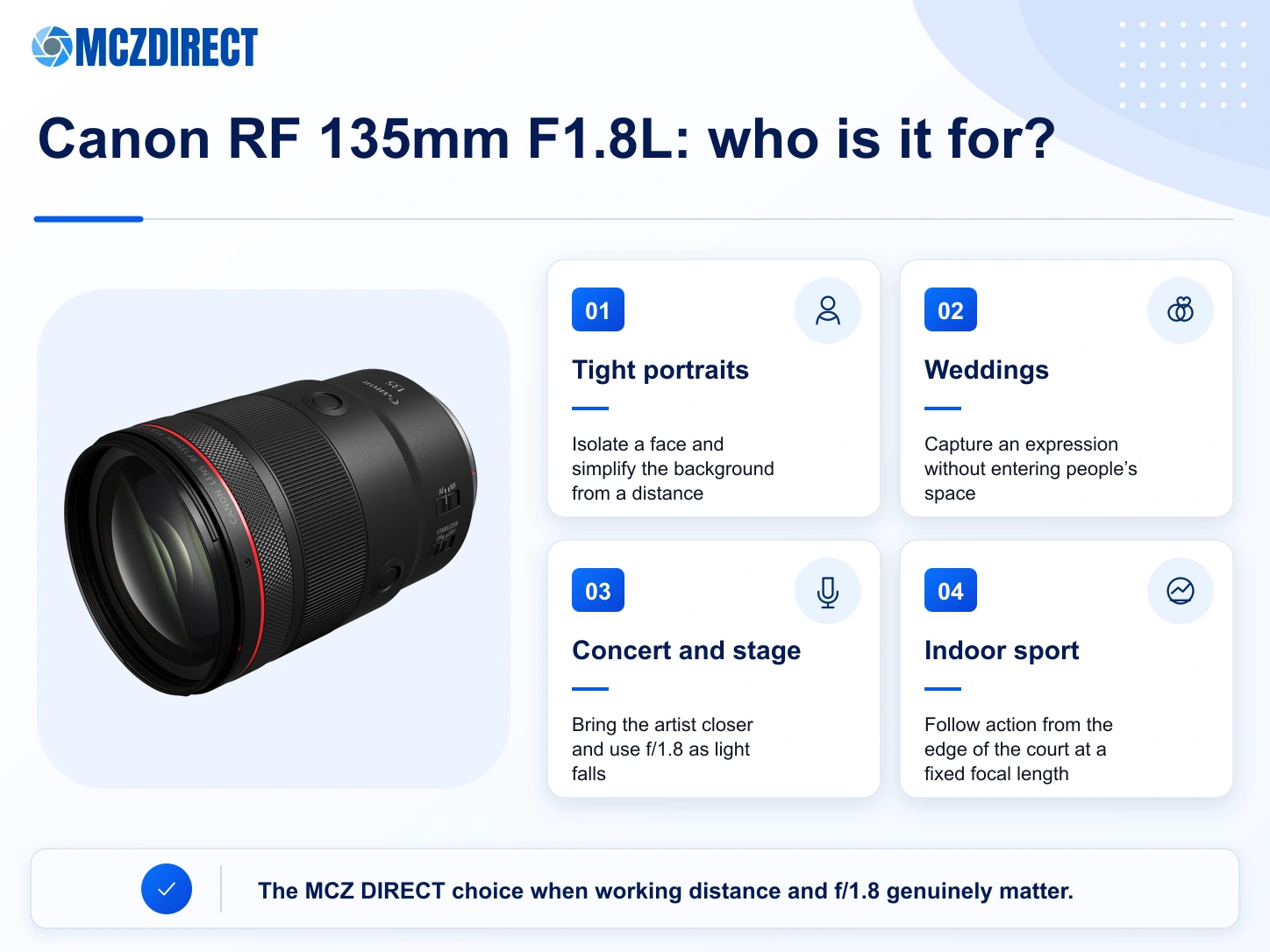
| Feature | Practical benefit | Consideration |
|---|---|---|
| 135mm prime | Isolate the subject from a distance and simplify the background | Framing requires more room than an 85mm lens |
| F1.8 aperture | Retain a faster shutter speed and reduce depth of field | Close portraits require very accurate focusing |
| 5.5-stop IS | Reduce camera shake when the subject is relatively still | It cannot freeze a moving person, athlete or animal |
| Nano USM | Track a subject responsively and work discreetly | Results also depend on the camera, detection mode and AF area |
| 0.70m and 0.26x | Frame clothing, accessories or a small subject closely | This magnification does not replace a true macro lens |
At f/1.8, the lens gathers more light than a 70-200mm set to f/2.8. This can support a faster shutter speed when the subject is moving, such as during a wedding entrance, concert or indoor event. It also creates a shallower depth of field, which separates a face but makes focusing more demanding. Optical stabilisation solves another problem by compensating for some of the photographer’s movement. It helps with a posed portrait or a relatively static stage, but it never replaces a shutter speed appropriate to the subject.
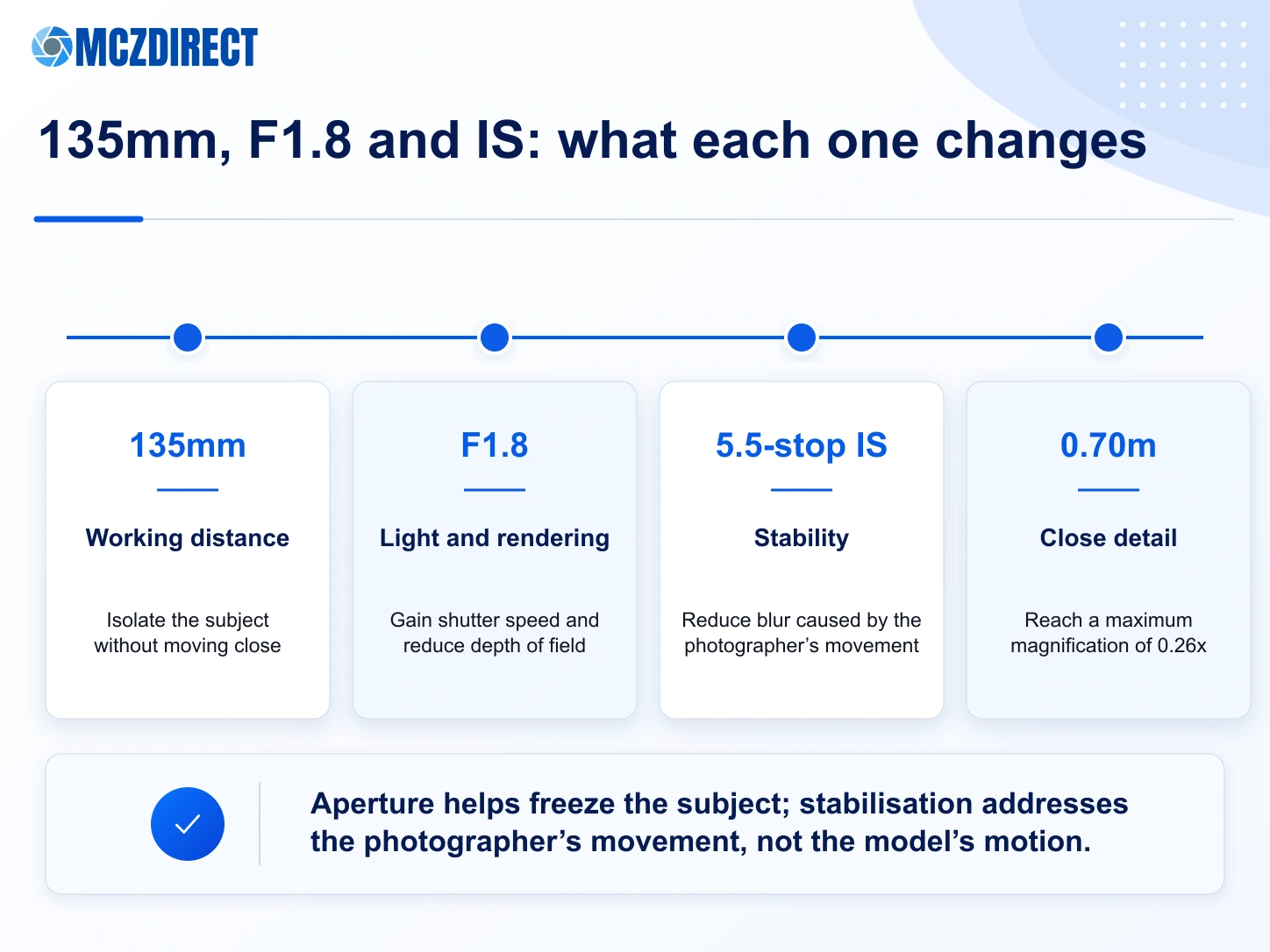
| Situation | What 135mm provides | Plan for |
|---|---|---|
| Tight portrait | Natural proportions, a simplified background and strong separation | Enough room to step back and communicate at a distance |
| Wedding ceremony | Capture an exchange or expression without entering people’s space | A fixed frame that requires anticipation |
| Concert and stage | Bring an artist closer and use f/1.8 as the light falls | The focal length may be too long from the front of the stage |
| Indoor sport | Retain shutter speed and isolate action from the edge of the court | A zoom is more flexible when subject distance varies widely |
| Close detail | 0.26x magnification can frame an accessory, flower or small object | A dedicated macro lens remains more suitable for high magnification |
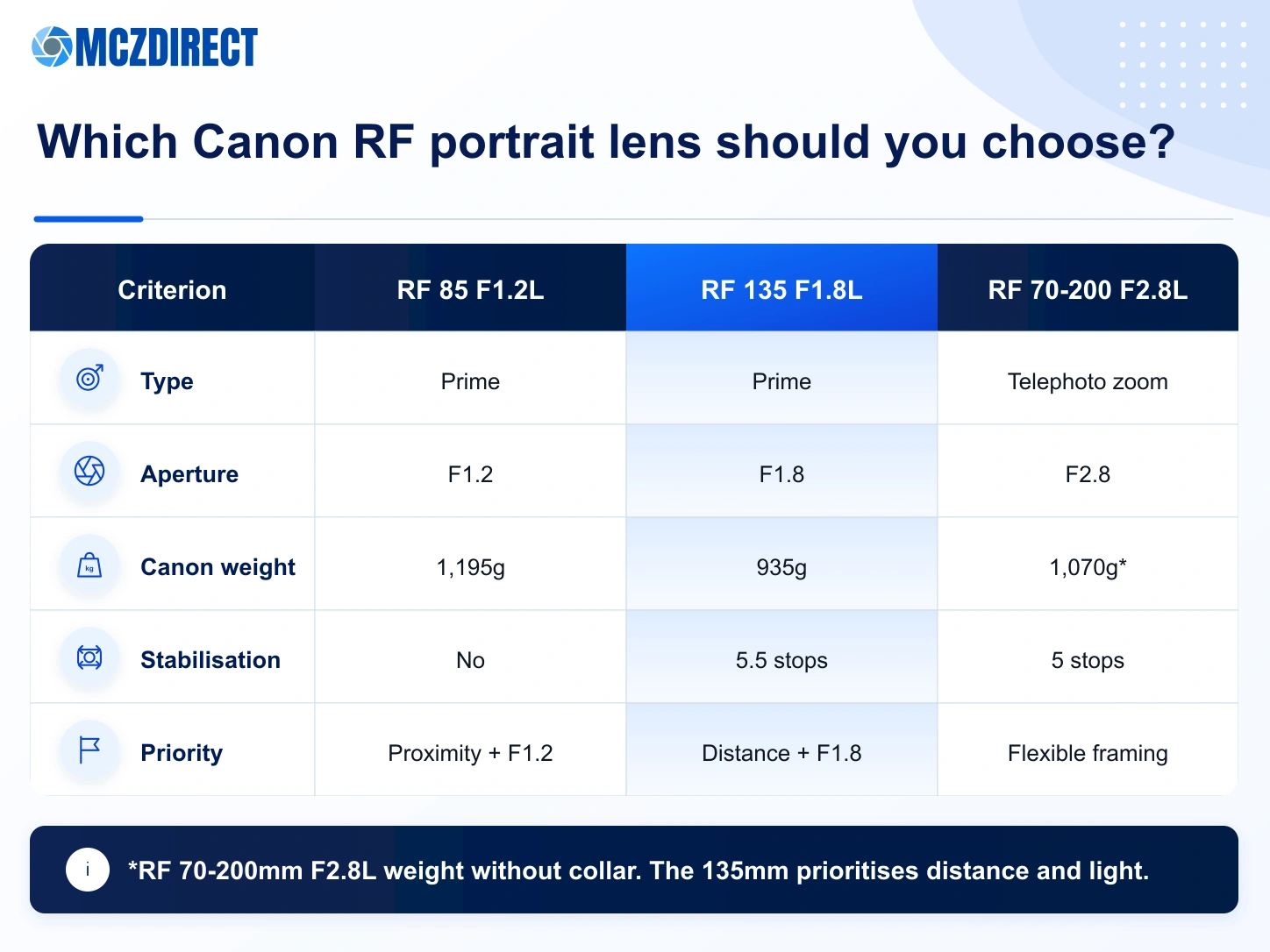
All three lenses can cover portraits or weddings, but they place the photographer in different positions. An 85mm gives more freedom in a room and its f/1.2 aperture targets very shallow-depth portrait work. The 135mm increases working distance, simplifies the background and weighs less than the RF 85mm F1.2L. A 70-200mm f/2.8 gives up some brightness but adapts more readily as a subject approaches or moves away. The decision should therefore begin with available space and how predictable the subject’s distance will be.
| Lens | Choose it when | Main compromise |
|---|---|---|
| RF 85mm F1.2L USM | Indoor portraits, a closer position and f/1.2 are priorities | 1,195g and no optical stabilisation |
| RF 135mm F1.8L IS USM | Working distance, subject separation and low light matter most | A fixed focal length that needs more room |
| RF 70-200mm F2.8L IS USM | Subject distance changes and framing flexibility matters most | F2.8 is less bright than f/1.8 |
On a Canon APS-C body, the RF 135mm frames like a 216mm lens on full frame. This can be useful for indoor sport, stage work and selected wildlife subjects when enough distance is available. It becomes far more specialised for portraits, because even a tight composition requires substantial room. The physical focal length and aperture do not change, but the field of view becomes considerably narrower. A full-frame body is therefore the more natural match when the RF 135mm is intended primarily as a portrait lens.
The RF mount works across the Canon EOS R range. An EOS R5 Mark II suits detailed portrait, wedding and editorial production. The EOS R6 Mark III makes a responsive event and low-light combination, while the EOS R3 and EOS R1 target sport, stage and intensive professional use. Browse the active Canon RF lens range to compare other focal lengths before deciding.
At MCZ DIRECT, we see the RF 135mm F1.8L as the choice for photographers who enjoy working at a distance and building a portrait around a very soft background, rather than the prime we would recommend automatically for every portrait situation. It makes particular sense during ceremonies, on stage or beside a court, where an 85mm would require moving closer.
Against the RF 85mm F1.2L, we recommend it when working distance and optical stabilisation matter more than f/1.2. Against the RF 70-200mm F2.8L, it wins when f/1.8 and prime-lens rendering matter more than zoom flexibility. Its limitation is straightforward: in a confined interior or with a subject whose distance changes constantly, the 85mm or 70-200mm will often be easier to use.

It suits portrait, wedding, stage, event and indoor-sport photographers who want a bright, stabilised prime and prefer to work at a distance.
Yes. It is especially effective for tight portraits when the photographer has room to step back and wants strong background separation.
The 135mm prioritises working distance, stabilisation and lower weight. The 85mm provides more freedom indoors and opens to f/1.2.
The 135mm is brighter and offers prime-lens rendering. The 70-200mm adapts more easily as subject distance changes.
Yes. It can support a faster shutter speed or lower ISO, depending on the scene, but shallow depth of field requires accurate focusing.
Canon rates it at 5.5 stops in the lens and up to 8 stops in coordination with selected stabilised bodies. It cannot freeze a moving subject.
Minimum focus is 0.70m, with maximum magnification of 0.26x.
Canon lists 935g. It is lighter than the RF 85mm F1.2L, but the weight still matters during a long assignment.
It accepts conventional 82mm screw-in filters.
Yes, when the working distance suits the venue. F1.8 helps as light falls, while 135mm isolates the subject from a distance.
On APS-C it frames like a 216mm lens on full frame. This is specialised for portraits but useful for distant stage and indoor-sport work.
No. It is a fixed 135mm prime and does not zoom. It should not be confused with an 18-135mm zoom lens.
At MCZ DIRECT, we recommend it to portrait, wedding and stage photographers who can work from a distance and want strong subject separation, an f/1.8 aperture and optical stabilisation in a prime lens. Compared with the RF 85mm F1.2L, it makes more sense when working distance and stabilisation matter more than f/1.2. The RF 70-200mm F2.8L remains the more practical option when subject distance changes frequently. Its main limitation is straightforward: 135mm can feel too tight in a small room and becomes even more specialised on an APS-C body.