
Shopping Cart
Best lenses for making the most of the Sony A1 II’s 50.1 MP

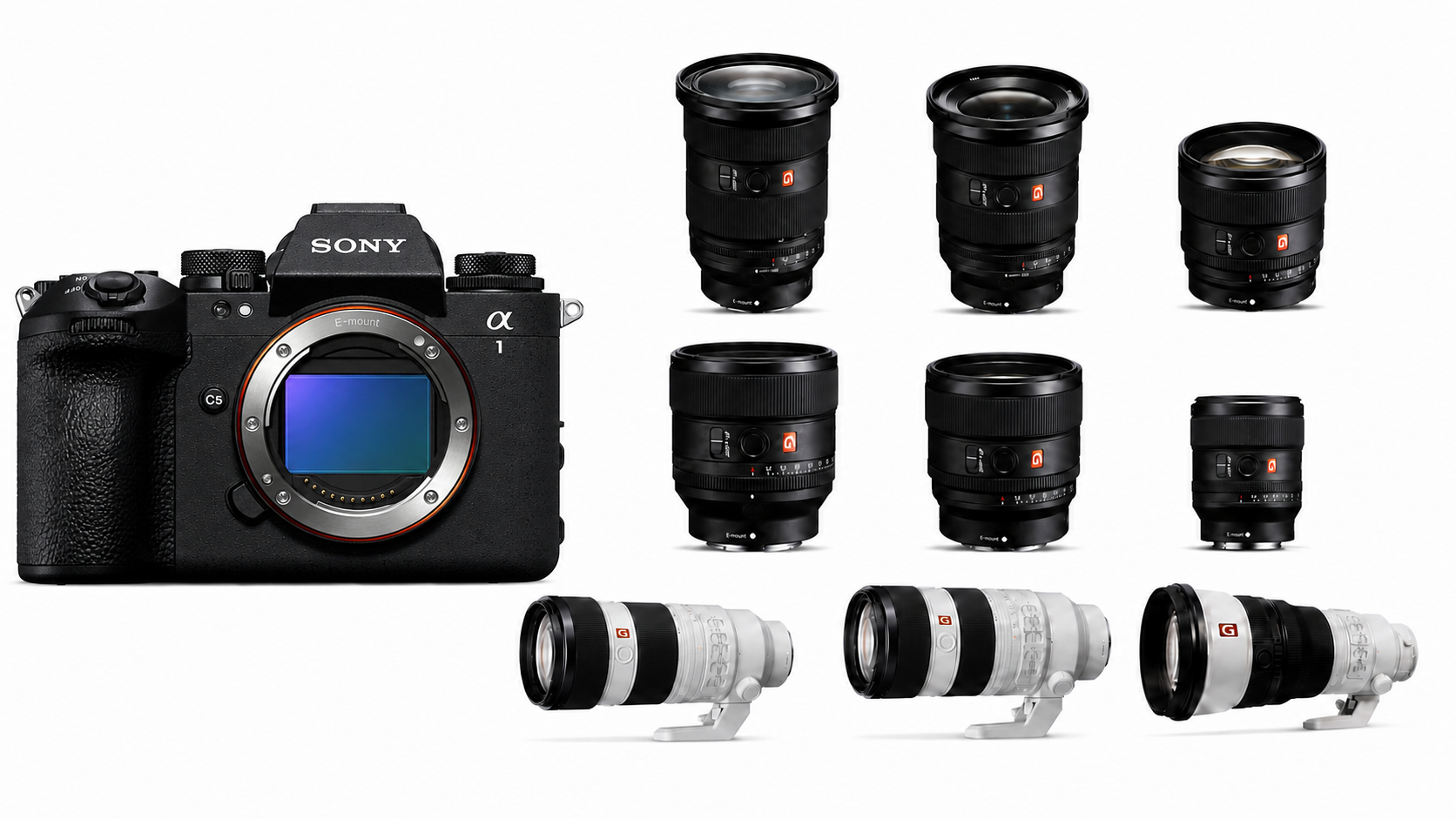
A 50.1 MP sensor records fine detail, but it also reveals small focusing and camera-shake errors. This guide matches Sony A1 II lenses to real photographic needs.
You open a Sony A1 II file at 100% and the fine detail looks softer than expected. It is tempting to blame the lens straight away. With a 50.1-megapixel sensor, however, a slight camera movement, a focus point placed just behind the eye or a shutter speed that was a little too slow becomes much easier to see. A good lens helps, but it still has to suit the subject in front of you.
For most photographers, the Sony FE 24–70mm F2.8 GM II is the most useful place to start. It covers landscapes, documentary work, family photographs, weddings and environmental portraits without making the kit unnecessarily heavy. Choose the 16–35mm F2.8 GM II for architecture and wide landscapes, the 85mm F1.4 GM II for portraits, the 90mm Macro G OSS for small subjects, and the 70–200mm F2.8 GM OSS II or 300mm F2.8 GM OSS when distance and movement matter more.
The best Sony A1 II lenses at a glance
| What you photograph | Our recommendation | Main benefit | Important limitation |
|---|---|---|---|
| One professional zoom for everyday work | Sony FE 24–70mm F2.8 GM II | A very useful range in a 695g lens. | F2.8 cannot match a fast prime in very poor light. |
| Landscape, architecture and interiors | Sony FE 16–35mm F2.8 GM II | Wide coverage, strong edge detail and modest weight. | 35mm is short when you need to isolate a distant subject. |
| Night landscapes and discreet documentary work | Sony FE 24mm F1.4 GM | A wide F1.4 aperture in a compact prime. | You have to move because the focal length is fixed. |
| Weddings and events in poor light | Sony FE 28–70mm F2 GM | A constant F2 aperture with zoom flexibility. | It starts at 28mm and weighs 918g. |
| Portraits | Sony FE 85mm F1.4 GM II | A comfortable working distance and soft backgrounds. | It can be too long in a small room. |
| Macro, copying and products | Sony FE 90mm F2.8 Macro G OSS | True 1:1 reproduction for very small details. | Autofocus has a long range to search at macro distances. |
| Sport, ceremonies and distant portraits | Sony FE 70–200mm F2.8 GM OSS II | Flexible framing, F2.8, fast focus and optical stabilisation. | 200mm can be short for distant wildlife. |
| Portraits, stage work and indoor sport | Sony FE 50–150mm F2 GM | F2 from 50 to 150mm without changing lenses. | It weighs 1,340g and offers no wide-angle view. |
| Sport and wildlife in low light | Sony FE 300mm F2.8 GM OSS | A bright, fast 300mm lens weighing 1,470g. | Its fixed framing is highly specialised. |
What “making the most of 50.1 MP” really means
The Sony A1 II’s 50.1 MP files can retain small textures, support large prints and leave useful room for cropping. Resolution is only the number of recorded picture points, though. The detail you can actually see also depends on the lens, focus accuracy, shutter speed and how steadily the camera was held.
Consider a portrait at F1.4. The sharp zone may be very thin. If autofocus settles on the eyelashes rather than the iris, the file still contains 50.1 MP but the eye will look soft. For a runner, the more likely problem is shutter speed. Stabilisation can reduce your movement; it cannot freeze the runner’s arms or face. No high-resolution lens can recover movement recorded during the exposure.
Aperture matters too. Closing the aperture — moving from F2.8 to F8, for example — increases depth of field, the distance in front of and behind the focus point that appears acceptably sharp. Closing down to F16 for every landscape is not automatically better. Diffraction gradually softens the finest detail at small apertures. Depending on the scene and lens, F5.6 to F11 often gives a more sensible balance between depth and fine detail.
Keep viewing size in perspective. A 50.1 MP file at 100% is enlarged far more than the same photograph on a monitor or in a normal print. A minor flaw can become visible without harming the finished image. The aim is not to make every pixel perfect in every situation. It is to preserve enough useful detail for the way you will display, crop or print the photograph.
The best all-round choice
Sony FE 24–70mm F2.8 GM II: the first zoom to buy
If you want to leave home with one lens, the 24–70mm F2.8 GM II is the most balanced option. At 24mm it can include a landscape, an interior or a group. Around 35 to 50mm it suits documentary and family work. At 70mm it gives a flattering portrait perspective without forcing you too close to the person.
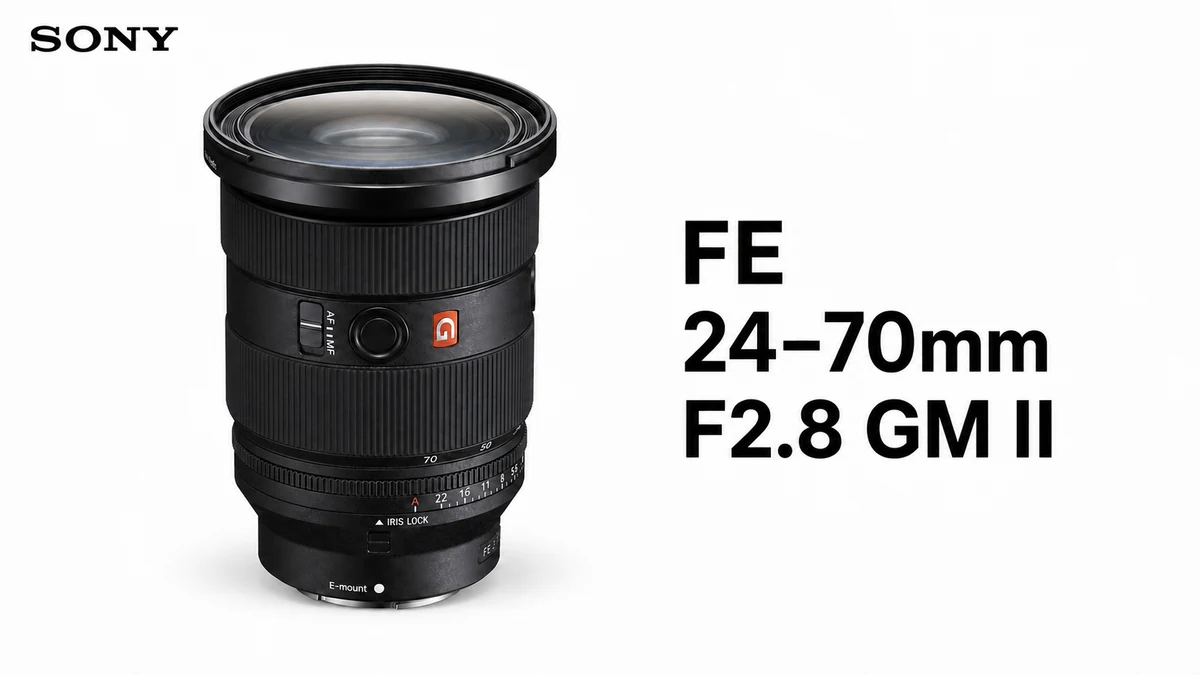
View the lens:Sony FE 24–70mm F2.8 GM II
Available as a kit:Sony A1 II + FE 24–70mm F2.8 GM II
The maximum aperture remains F2.8 throughout the zoom range. You can move from 24 to 70mm without the lens becoming slower. At a wedding or event, that consistency makes exposure easier and reduces lens changes. At 695g, it also keeps the complete kit manageable for a working day.
The limitation becomes clear in very dark places or when you want particularly strong background blur. A 35mm F1.4 or 85mm F1.4 admits more light. The 24–70mm is still the safer first purchase if you have not yet discovered which focal length you use most often.
For landscapes, architecture and wide spaces
Sony FE 16–35mm F2.8 GM II: strong detail across the frame
The 16–35mm F2.8 GM II helps when there is nowhere left to step back. At 16mm it can include an interior, a building or a large foreground. Between 24 and 35mm, the perspective becomes more natural for landscapes and documentary photographs.
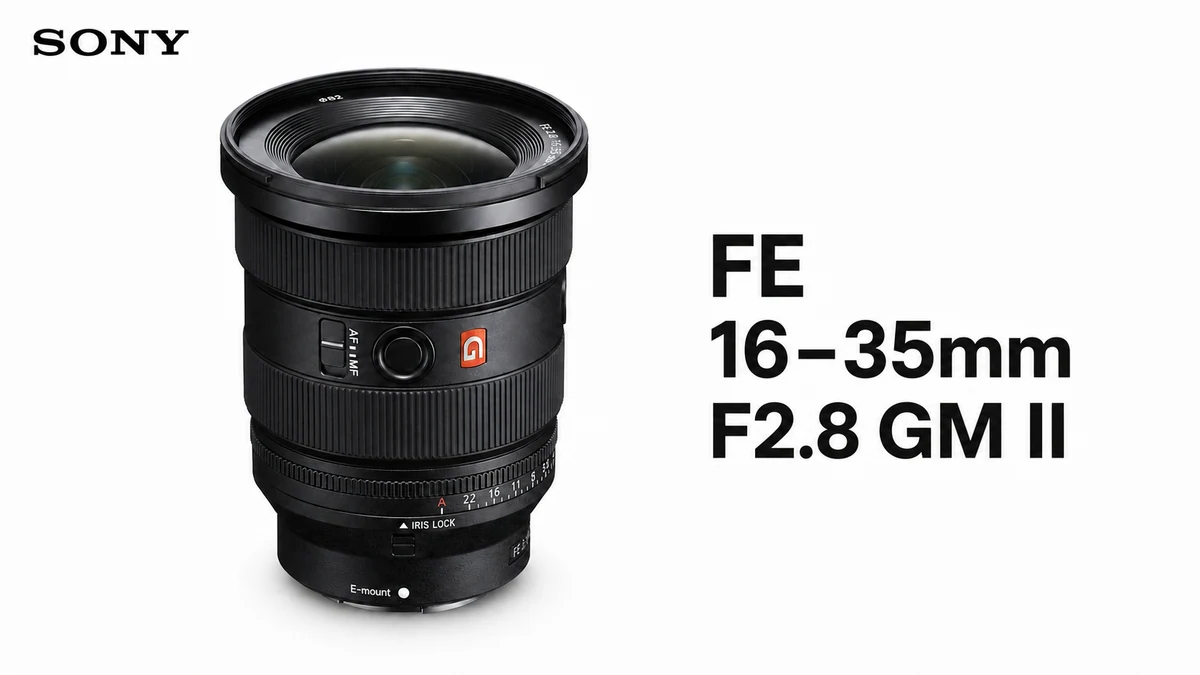
View the lens:Sony FE 16–35mm F2.8 GM II
Available as a kit:Sony A1 II + FE 16–35mm F2.8 GM II
A high-resolution sensor makes weak corners easier to spot in foliage or detailed architecture. This lens is designed to maintain strong resolution away from the centre while weighing about 547g. Its 0.22m minimum focus distance also lets you place a foreground object close to the lens and build depth into the composition.
At 16mm, nearby objects at the edge of the frame can look stretched. That is a perspective effect, not missed focus. Keep faces away from the corners and hold the camera level when straight architectural lines matter. If you mainly photograph isolated subjects, 35mm may also be too short.
Sony FE 24mm F1.4 GM: for night work and a lighter bag
The 24mm F1.4 GM makes sense for stars, evening streets and interiors where a tripod is inconvenient. F1.4 admits four times as much light as F2.8. You can use a faster shutter speed or lower ISO, provided the shallower depth of field still suits the subject.
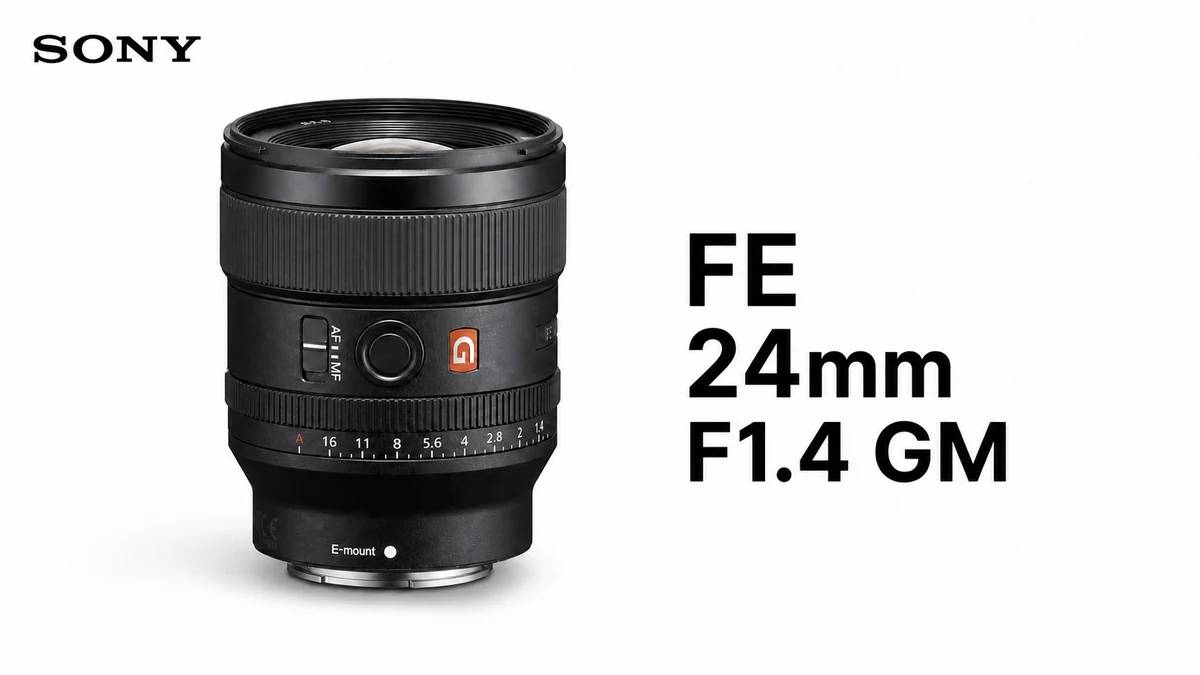
View the lens:Sony FE 24mm F1.4 GM
Available as a kit:Sony A1 II + FE 24mm F1.4 GM
It weighs about 445g, so the complete camera remains comfortable to carry. The fixed focal length means you must change your position to alter the frame. It cannot replace a 16–35mm when you need to move quickly between an ultra-wide view and a tighter composition.
For weddings, events and available light
Sony FE 28–70mm F2 GM: zoom flexibility at F2
The 28–70mm F2 GM is for photographers who move from a wide scene to a portrait without time for a lens change. F2 admits twice as much light as F2.8. In a church, reception or theatre, that difference can help maintain a safer shutter speed.
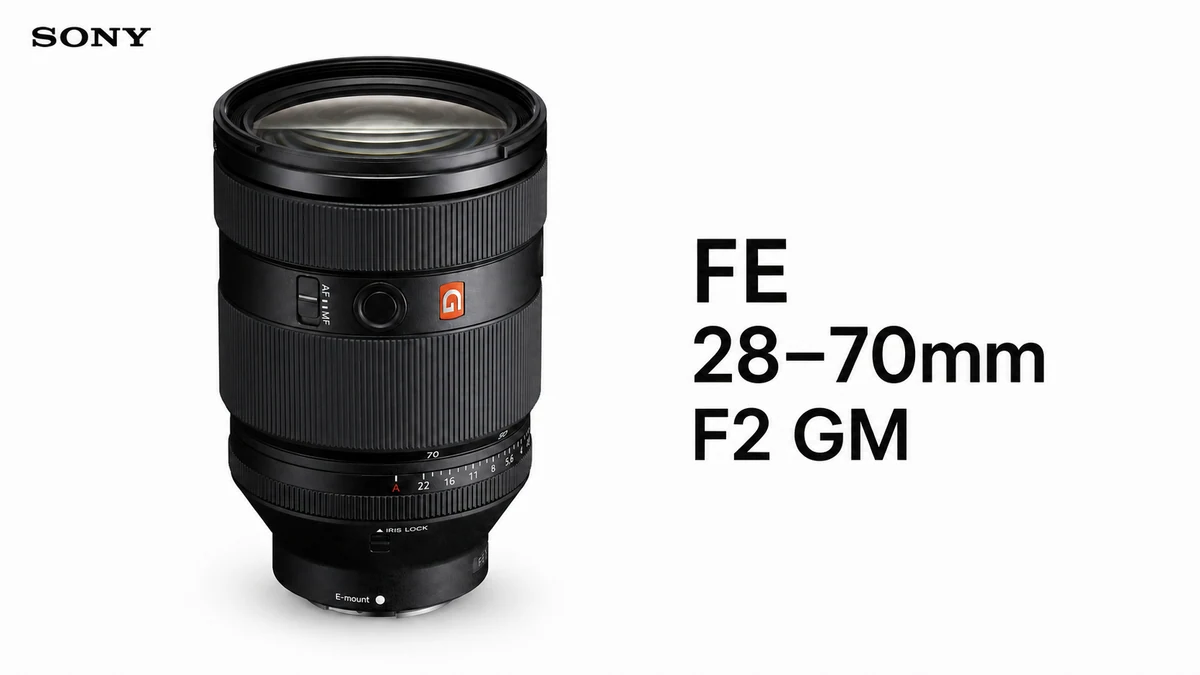
View the lens:Sony FE 28–70mm F2 GM
Available as a kit:Sony A1 II + FE 28–70mm F2 GM
Depth of field becomes thinner at F2. The A1 II’s eye detection helps, but you still need to confirm that it is following the right person. For a couple standing at slightly different distances, F2.8 or F4 gives more room for both faces to remain sharp.
The trade-off is physical. The lens weighs 918g and begins at 28mm. In a small room, the missing 24mm view is noticeable. Buy it because you genuinely use F2; otherwise, the 24–70mm F2.8 GM II is lighter and wider.
For portraits
Sony FE 85mm F1.4 GM II: a natural portrait specialist
The 85mm F1.4 GM II lets you keep a comfortable distance from the person you are photographing. You do not need to place the camera close to their face, and the background becomes easier to soften. The F1.4 aperture also helps in fading light.
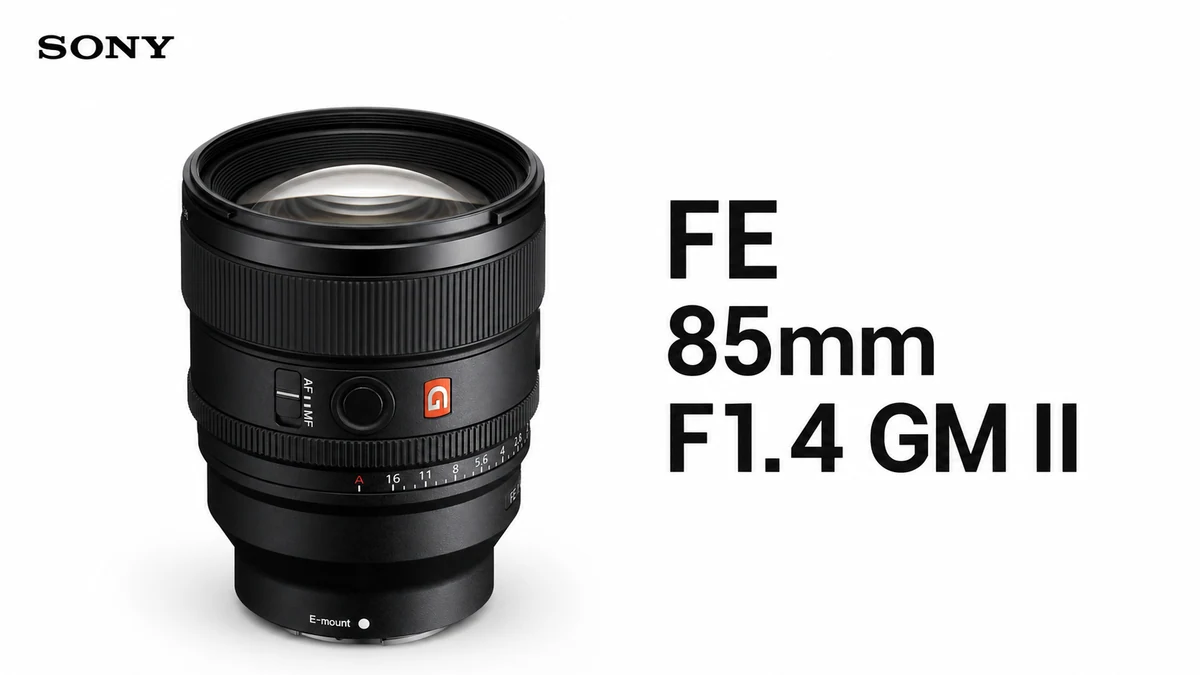
View the lens:Sony FE 85mm F1.4 GM II
Available as a kit:Sony A1 II + FE 85mm F1.4 GM II
The 50.1 MP file can preserve hair, fabric and fine eye detail, but only when focus is exact. For a tight portrait at F1.4, shoot a short burst instead of relying on a single frame. If several people need to be sharp, close the aperture and try to place their faces at similar distances from the camera.
In a flat or small bedroom, 85mm may be too long. A 50mm lens or the 24–70mm zoom will be easier to use. Remember that background blur is not created by F1.4 alone: it also increases when the subject is farther from the background.
For macro, objects and very small details
Sony FE 90mm F2.8 Macro G OSS: true 1:1 detail
The 90mm Macro G OSS can reproduce a subject at 1:1. In simple terms, a 24mm object can occupy roughly 24mm on the sensor at maximum magnification. That makes the lens useful for jewellery, texture, flowers and small products that need close detail photographs.
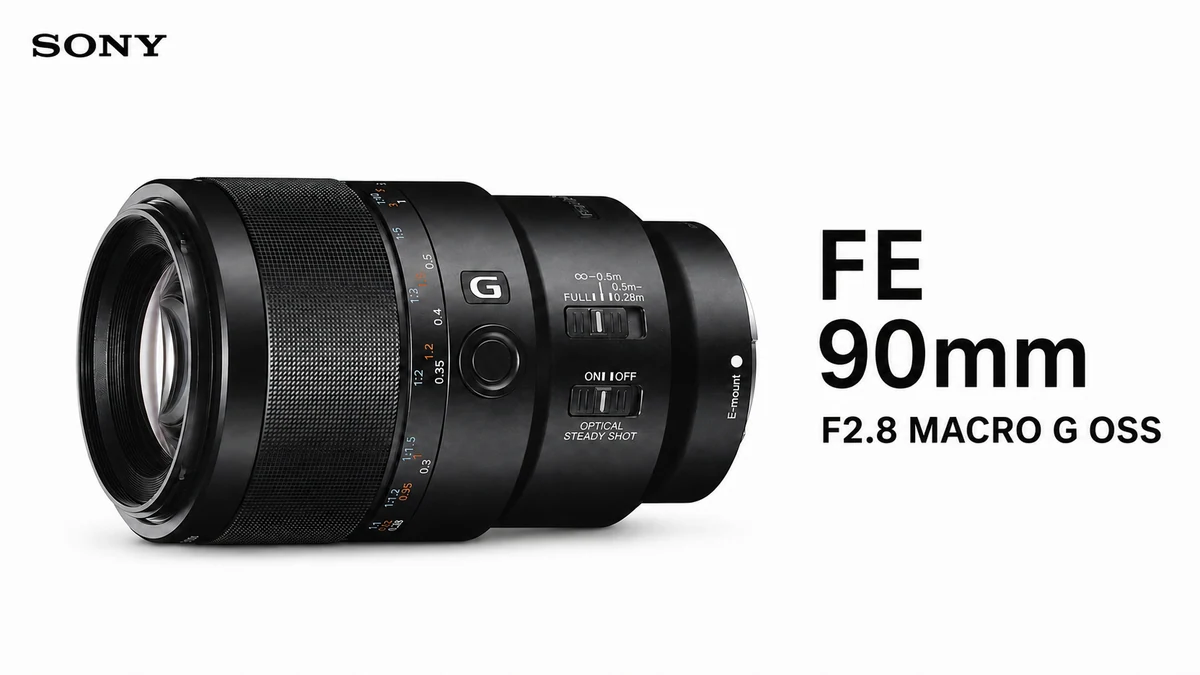
View the lens:Sony FE 90mm F2.8 Macro G OSS
Available as a kit:Sony A1 II + FE 90mm F2.8 Macro G OSS
At macro distances, a movement of a few millimetres can shift the sharp area. OSS steadies the view, but a tripod and magnified manual focus often give more repeatable results with a still object. For an insect, a fast shutter speed and continuous autofocus may be more useful.
Depth of field is extremely shallow at close range, even at F8. Focus stacking means taking several frames focused at slightly different distances and combining them later. It is optional, but useful when a small object must appear sharp from front to back.
For sport, stage work and distant subjects
Sony FE 70–200mm F2.8 GM OSS II: the most versatile telephoto zoom
The 70–200mm F2.8 GM OSS II works for children playing, ceremonies, stage performances and action across a pitch. You can move from a wider view to a tight frame without losing sight of the subject. F2.8 helps maintain a fast shutter speed indoors or under a dark sky.
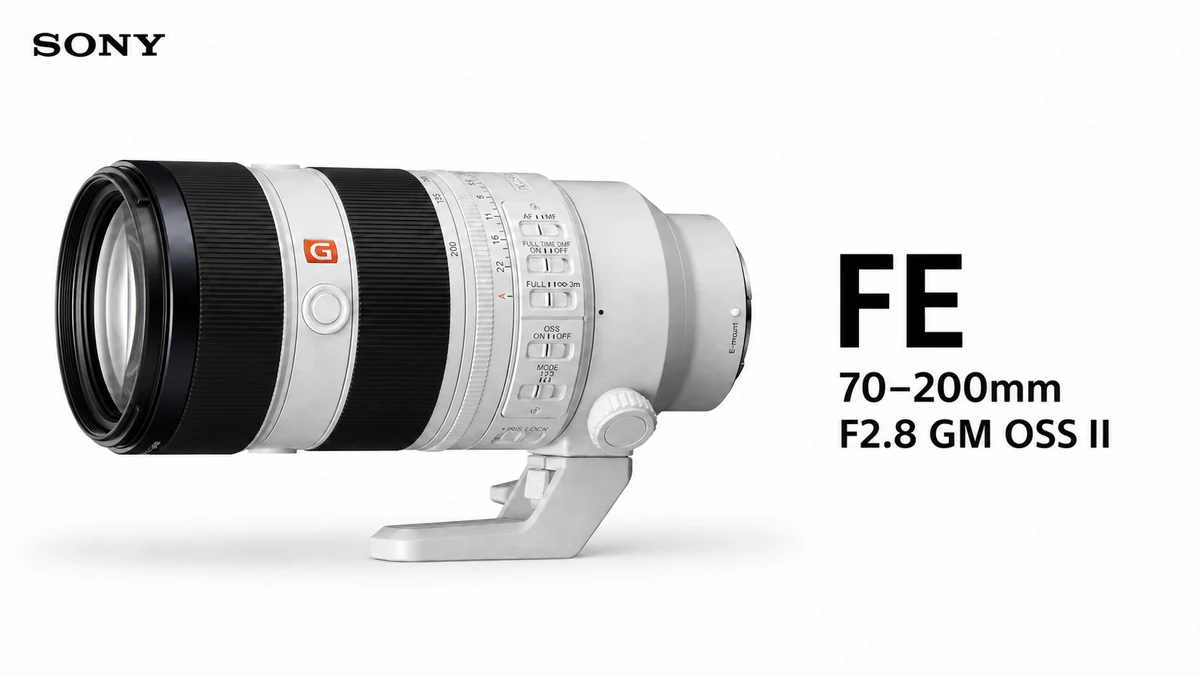
View the lens:Sony FE 70–200mm F2.8 GM OSS II
Available as a kit:Sony A1 II + FE 70–200mm F2.8 GM OSS II
It weighs about 1,045g without its tripod collar and accepts Sony 1.4× and 2× teleconverters. The minimum focus distance varies from 0.4 to 0.82m, with 0.3× maximum magnification. It can capture close details, although it does not replace the 90mm Macro at 1:1.
For a small bird or sport on a large pitch, 200mm may not be enough. A teleconverter adds reach but reduces the amount of light. The 300mm F2.8 becomes more sensible when distance and poor light are recurring parts of the job.
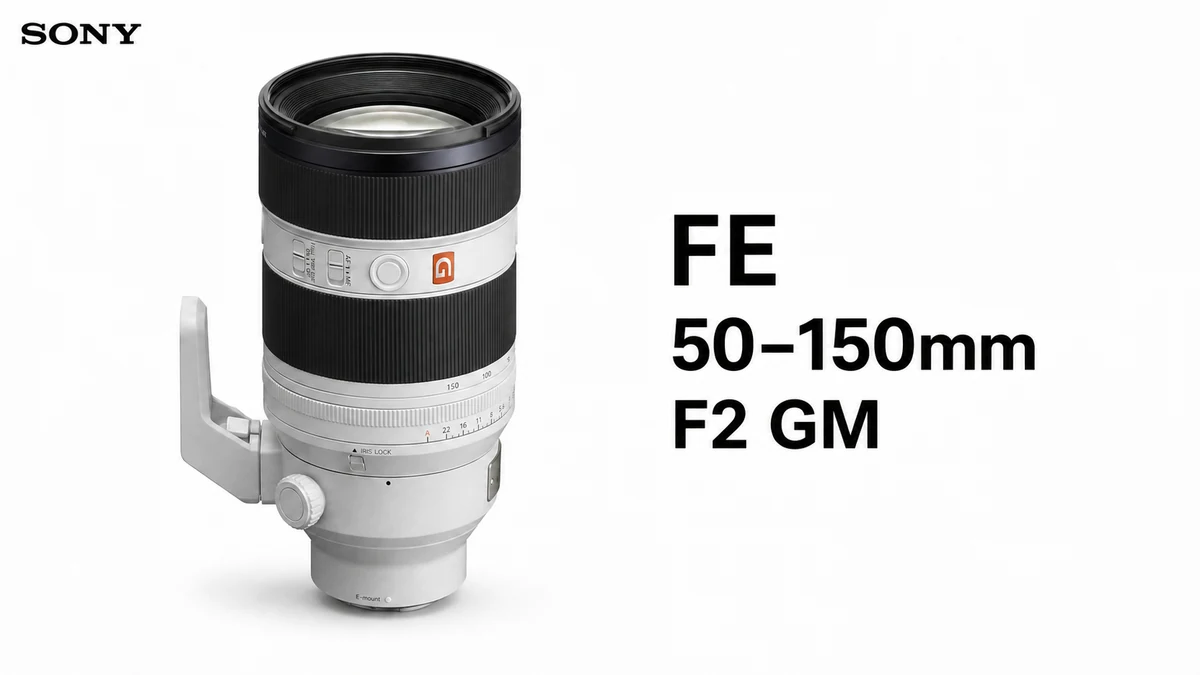
Sony FE 50–150mm F2 GM: for indoor sport and the stage
The 50–150mm F2 GM covers situations where several fast primes would be useful but changing lenses would cost a photograph. At 50mm it retains some context. Around 85 to 100mm it becomes a portrait lens. At 150mm it brings a performer, athlete or speaker closer.
View the lens:Sony FE 50–150mm F2 GM
Available as a kit:Sony A1 II + FE 50–150mm F2 GM
The constant F2 aperture helps separate the subject and maintain a fast shutter speed. Four XD linear motors are designed to follow fast action. Internal zoom keeps the lens the same length while framing, so its balance remains predictable.
Its 1,340g weight, excluding the tripod foot, is noticeable over a long day. It also offers nothing wider than 50mm. At a wedding it makes more sense alongside a second camera or wide-angle lens than as your only optic. Choose it for F2 and the 50–150mm range, not as a substitute for a 24–70mm.
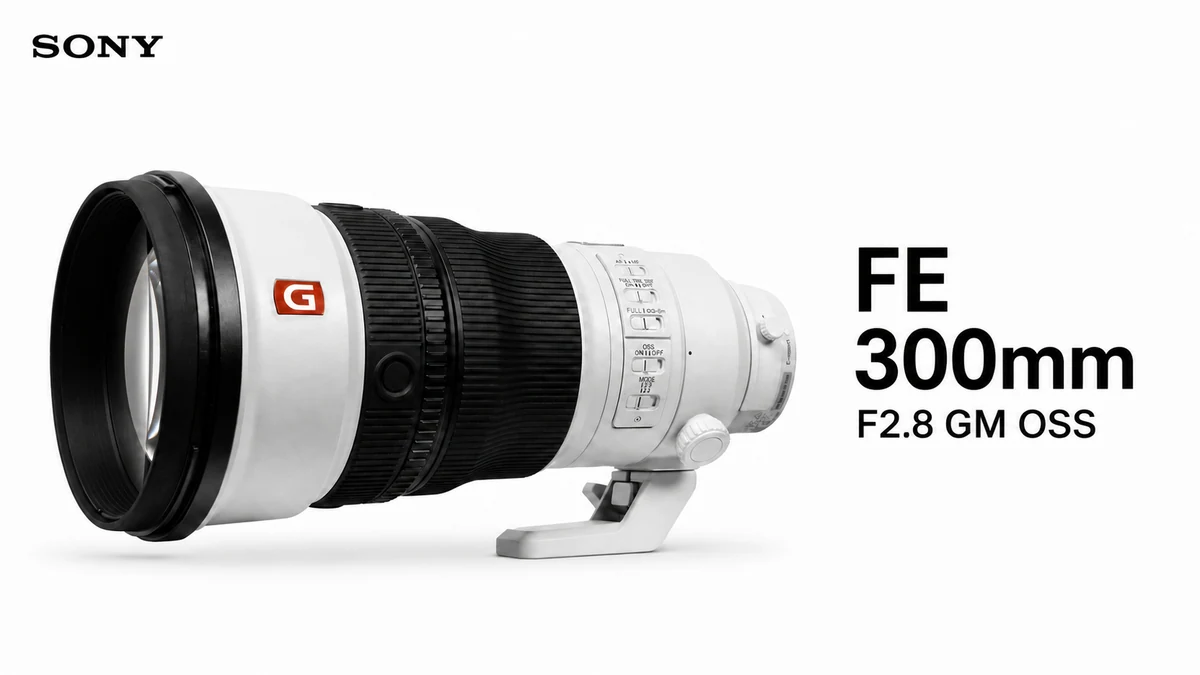
Sony FE 300mm F2.8 GM OSS: for action as the light fades
The 300mm F2.8 GM OSS fills more of the frame when an athlete, vehicle or animal stays at a distance. Its F2.8 aperture supports fast shutter speeds in poor light. Paired with 50.1 MP, it can record fine subject detail, provided autofocus remains on the intended target.
View the lens:Sony FE 300mm F2.8 GM OSS
Available as a kit:Sony A1 II + FE 300mm F2.8 GM OSS
The lens weighs about 1,470g without its tripod foot. It is easier to move than a professional 400mm or 600mm and accepts 1.4× and 2× teleconverters. With the 1.4× it becomes a 420mm F4; with the 2×, a 600mm F5.6.
A fixed focal length does not forgive a poor position. If the subject approaches, you cannot zoom out. The 300mm is not a compulsory upgrade. It is for photographers who already understand their normal working distances and need F2.8 more often than zoom flexibility.
Two lighter, practical alternatives
The Sony A1 II + FE 24–105mm F4 G OSS is a sensible travel and daylight documentary kit. It reaches farther than a 24–70mm and reduces lens changes. F4 admits half as much light as F2.8, so consider how often you work indoors.
The Sony A1 II + FE 70–200mm F4 Macro G OSS II is lighter than the F2.8 version and offers useful close-focus performance throughout its range. It suits travel, detailed landscapes and nearby subjects. The F2.8 GM OSS II remains the stronger option for fast action in fading light.
Five settings that matter as much as the lens
- Match shutter speed to the subject. Around 1/250s may be enough for a still person. For sport, start nearer 1/1000s and increase it if movement remains visible.
- Put focus where it matters. Use AF-C for moving subjects and confirm that subject recognition is following the intended eye, face or object.
- Do not close the aperture automatically. Choose it for the depth of field you need. F8 may suit a landscape; F16 is only worthwhile when the extra depth is genuinely necessary.
- Stabilise your position. Tuck in your elbows, use support or a tripod and press the shutter smoothly. In-body stabilisation cannot remove every movement.
- Test the camera and lens together. Before an important job, photograph a detailed subject at several apertures and shutter speeds. You will discover which settings give your preferred balance.
Verdict: which lens should you choose for the Sony A1 II?
For a first purchase, choose the Sony FE 24–70mm F2.8 GM II. It makes the 50.1 MP useful across the widest range of real situations without making the complete kit excessively heavy. It will also show you which focal lengths you genuinely need next.
The 16–35mm F2.8 GM II is the strongest wide-angle companion for landscape and architecture. Choose the 24mm F1.4 GM for night work, the 85mm F1.4 GM II for portraits and the 90mm Macro G OSS for small subjects and accurate reproduction.
For action, begin with the 70–200mm F2.8 GM OSS II. Move to the 50–150mm F2 GM if you mainly work indoors and need F2, or to the 300mm F2.8 GM OSS if subjects remain far away. The 28–70mm F2 GM is a strong event lens, but its extra weight only makes sense when you genuinely use F2.
Before buying, compare focal length, available light, working distance and the weight you are prepared to carry. You can review the current combinations in the Sony Alpha 1 II category and individual optics in the Sony lens category. The best lens is not automatically the brightest or most expensive. It is the one that helps you place focus accurately, use a safe shutter speed and frame the subject when the photograph appears.
Frequently asked questions about Sony A1 II lenses
What is the best all-round lens for the Sony A1 II?
The Sony FE 24–70mm F2.8 GM II is the best all-round starting point. It covers landscapes, documentary work, families, weddings and environmental portraits while remaining lighter than the 28–70mm F2 GM.
Do I need a G Master lens to use the Sony A1 II’s 50.1 MP?
No. A G Master lens can offer excellent resolution and professional autofocus, but visible sharpness also depends on focus, shutter speed, aperture and camera stability. A simpler lens used well can outperform a premium lens that does not suit the scene.
Is the 28–70mm F2 GM better than the 24–70mm F2.8 GM II?
Not for everyone. The 28–70mm gains one stop and helps in poor light, but it weighs 918g and begins at 28mm. The 24–70mm F2.8 GM II is lighter, wider and usually the more practical first zoom.
Which aperture gives the most detail on the Sony A1 II?
There is no single setting for every lens. Many lenses give an excellent balance between F4 and F8, but the right value depends on the depth of field the photograph needs. Closing to F16 by habit can soften fine detail through diffraction.
Does Sony A1 II stabilisation prevent every blurred photograph?
No. Stabilisation mainly reduces the photographer’s movement. It cannot freeze a running child, athlete or animal. For moving subjects, choose a sufficiently fast shutter speed first.
Which portrait lens should I choose for the Sony A1 II?
The Sony FE 85mm F1.4 GM II is the specialist portrait choice. It gives a comfortable working distance and soft backgrounds. In a small room or for environmental portraits, the 24–70mm F2.8 GM II is easier to use.
Which sports lens should I choose for the Sony A1 II?
The 70–200mm F2.8 GM OSS II is the most flexible starting point. The 50–150mm F2 GM suits dark indoor venues and medium distances, while the 300mm F2.8 GM OSS is better when subjects remain far away and light is poor.
Can I crop Sony A1 II 50.1 MP files heavily?
The resolution leaves useful cropping room, but cropping is not a substitute for an appropriate focal length. A heavy crop reduces the pixels that remain and magnifies motion blur, focus errors and atmospheric disturbance.
Sources and editorial verification
Sources reviewed and checks completed before publication.
Documentary MCZ DIRECT guide checked on 7 August 2026 against official Sony specifications and the public MCZDIRECT catalogue. MCZDIRECT does not claim independent hands-on or laboratory comparison of every lens. Recommendations connect published characteristics with practical uses, settings and stated limits. Availability may change after this check.
Leave a comment