
Shopping Cart
Best wildlife lenses for the Sony A7R VI in 2026

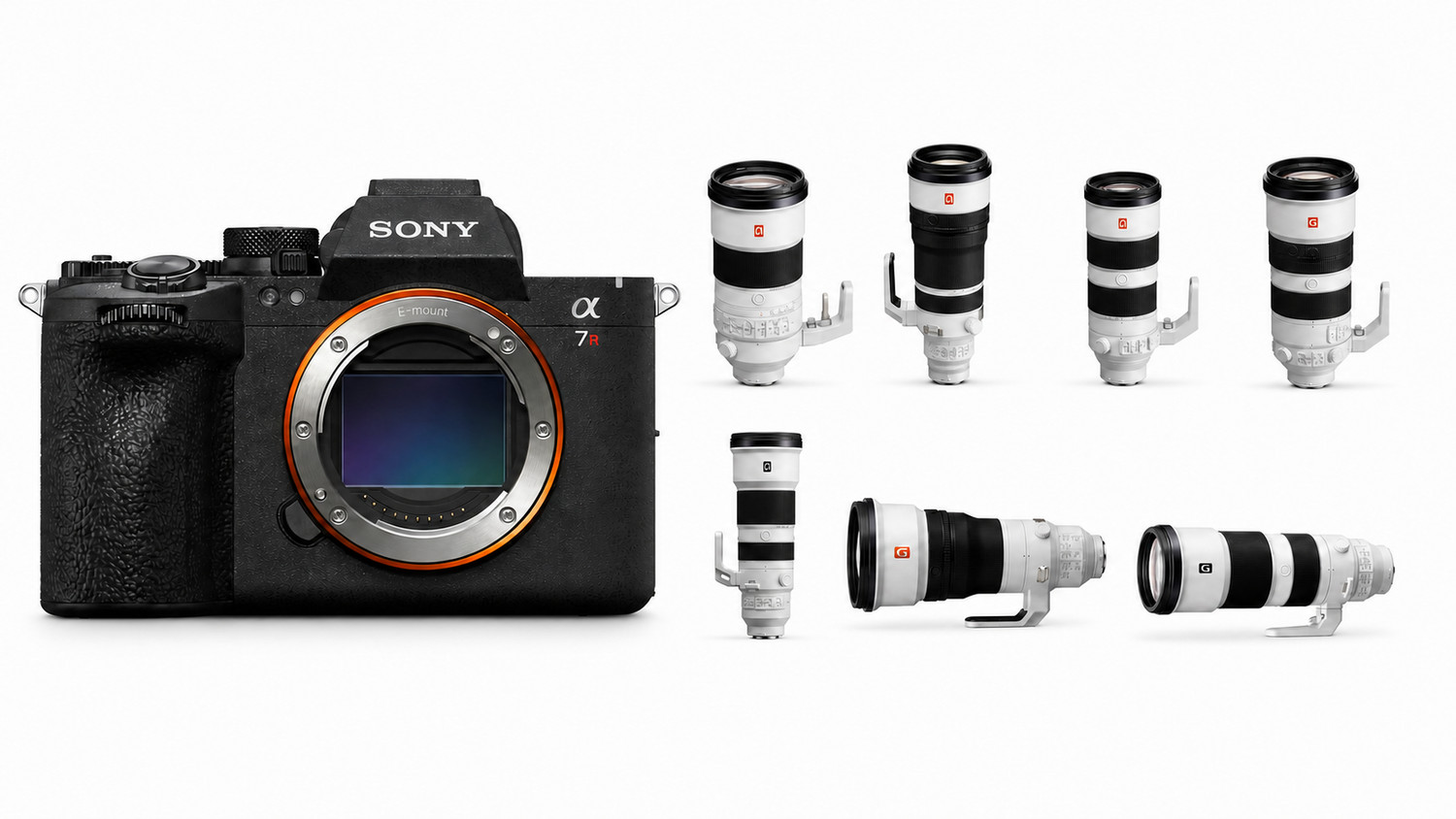
You may wait for an hour, only for a bird to land much farther away than expected and leave before you have settled on the right framing. Wildlife photography often works like that. The camera matters, but the lens decides whether the subject will fill enough of the frame, whether you can follow it comfortably and whether there will still be enough light for a fast shutter speed.
For most owners of the Sony A7R VI, the Sony FE 200–600mm F5.6–6.3 G OSS is the most sensible place to start. It reaches far enough for birds, yet it can zoom back when a larger animal comes closer. It is not the right answer for every trip. A 100–400mm is easier to frame with on safari, while the 400–800mm is better suited to small, distant subjects in good light.
The best wildlife lenses for the Sony A7R VI at a glance
| Your photography | Our recommendation | Why it works | What to keep in mind |
|---|---|---|---|
| One zoom for wildlife and birds | Sony FE 200–600mm F5.6–6.3 G OSS | Long reach with flexible framing and internal zoom. | It weighs 2,115g and is f/6.3 at 600mm. |
| Action, safari and changing distances | Sony FE 100–400mm F4.5 GM OSS | A constant f/4.5 aperture and a useful 100–400mm range. | 400mm can still be short for a small bird in the distance. |
| Birds and very distant animals | Sony FE 400–800mm F6.3–8 G OSS | It reaches 800mm without a teleconverter. | The f/8 aperture at 800mm needs reasonable light. |
| Fast action in low light | Sony FE 300mm F2.8 GM OSS | A bright f/2.8 aperture in a 1,470g professional prime. | 300mm may be too short without a teleconverter. |
| Large animals nearby and environmental images | Sony FE 70–200mm F2.8 GM OSS II | Easy to follow handheld and bright enough for woodland. | It lacks reach for most distant wild birds. |
| Professional action in poor light | Sony FE 400mm F2.8 GM OSS | 400mm and f/2.8 help maintain a fast shutter speed. | Fixed framing and a weight of 2,895g. |
| Distant birds at dawn or dusk | Sony FE 600mm F4 GM OSS | Long reach paired with an f/4 aperture. | Highly specialised and easier to use on a monopod. |
Start with the animal and the distance
Focal length, measured in millimetres, controls how much of the scene the lens includes. A higher number gives a tighter view from the same position. That does not mean the longest lens is always the best one. A deer crossing a clearing can fill the frame at 300mm. A small bird on the far side of a lake may still look tiny at 600mm.
Think about how quickly that distance can change. On safari, an animal may walk towards the vehicle without warning. A zoom starting at 100 or 200mm lets you widen the frame. With a fixed 600mm lens, you cannot zoom out. You must wait for the subject to move away or accept a very tight detail. If you normally work from a hide facing a distant nesting area, however, starting at 400mm can make perfect sense.
The Sony A7R VI gives you some room to crop. Its full-frame sensor records 66.8 megapixels, while APS-C crop mode retains about 28 megapixels and gives the field of view of a focal length multiplied by 1.5. A 600mm lens therefore frames like a 900mm lens on full frame. Crop mode can make composition easier, but it cannot recover detail the lens did not record. It also cannot repair subject movement or the loss of clarity caused by heat haze.
Weight matters just as much as reach. The camera is approximately 713g with battery and card. Add the 200–600mm and the combination is already close to 2.8kg before the hood, strap and other accessories. A lens left at home because it is too heavy takes no photographs. For a long walk, a 70–200mm or 300mm f/2.8 may produce more keepers than an 800mm zoom you struggle to follow with.
The best starting point for serious wildlife photography
Sony FE 200–600mm F5.6–6.3 G OSS: the most versatile long zoom
The 200–600mm covers a broad range of wildlife situations without asking you to predict the exact working distance. At 200mm, it can frame a large mammal or help you find a bird quickly in the viewfinder. At 600mm, it brings a smaller or more distant subject forward. That flexibility makes it an easy first long telephoto to recommend.
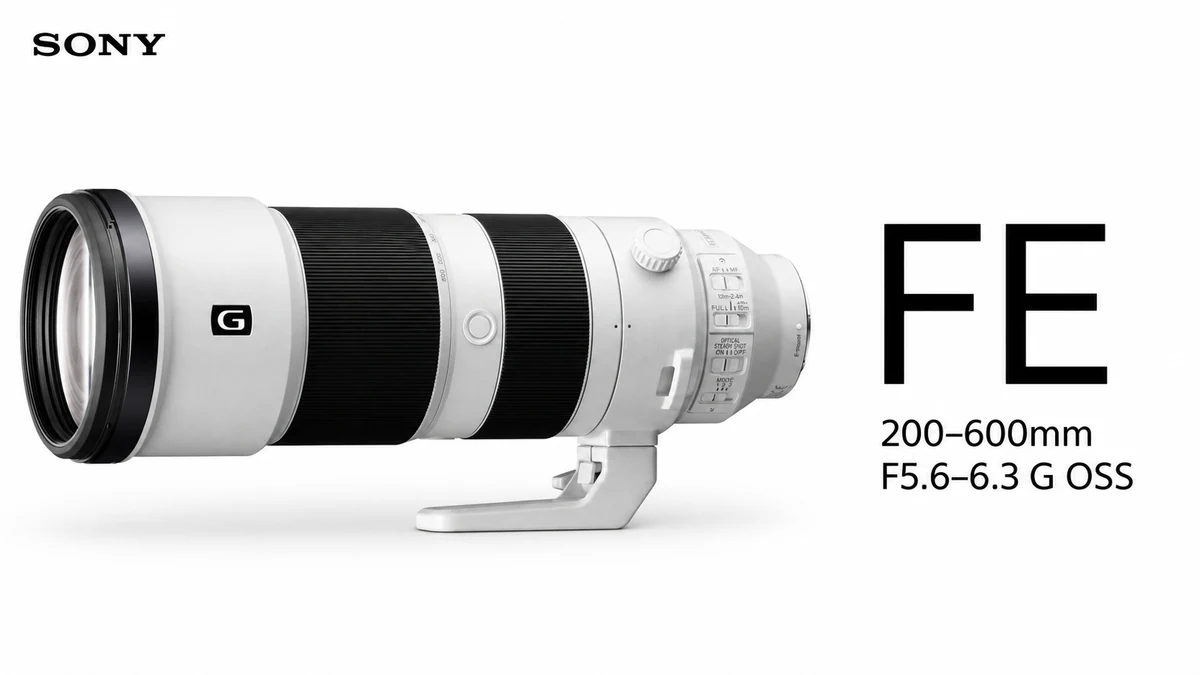
View the lens:Sony FE 200–600mm F5.6–6.3 G OSS
Available as a kit:Sony A7R VI + FE 200–600mm F5.6–6.3 G OSS
The zoom mechanism is internal, so the lens does not become longer as you move from 200 to 600mm. Its centre of gravity changes very little, which helps when following a bird in flight or a running animal. Optical SteadyShot reduces some camera movement. It can make the viewfinder easier to hold steady, but it will not freeze flapping wings. You still need an appropriate shutter speed.
Picture a heron taking off from a lake. Starting around 400mm makes it easier to keep the bird in the frame. You can then zoom towards 600mm as it flies away. The A7R VI can track the subject during a burst, but the autofocus can only help while you keep the bird within its working area.
The main compromise is light. Maximum aperture changes from f/5.6 to f/6.3. The aperture is the opening that admits light through the lens; a smaller f-number means a larger opening. At f/6.3, the camera may need a higher ISO to preserve a fast shutter speed. The 200–600mm remains the strongest all-round choice, but an f/2.8 or f/4 prime has a clear advantage at dawn or under dense tree cover.
For safari and unpredictable distances
Sony FE 100–400mm F4.5 GM OSS: brighter and easier to frame with
The new 100–400mm f/4.5 GM suits situations where the animal may appear close or far away. At 100mm, it can show an elephant, horse or deer within its surroundings. At 400mm, it isolates a detail or reaches a more distant subject. This range is particularly useful from a vehicle, where stepping backwards is not an option.
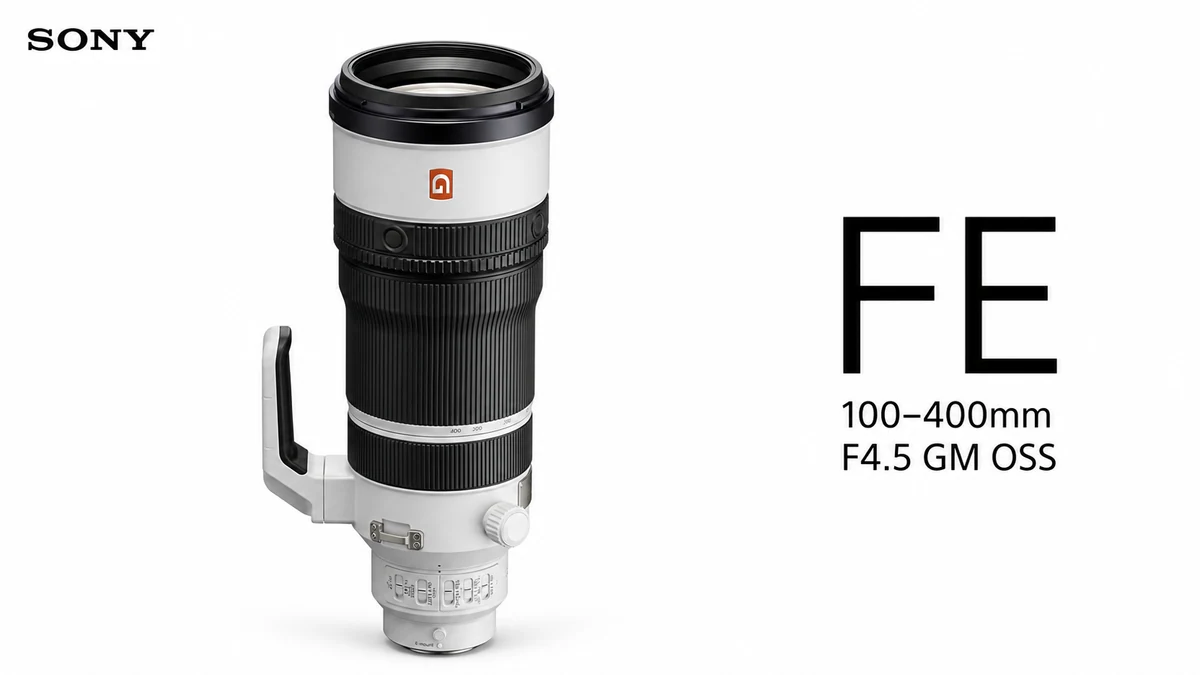
View the lens:Sony FE 100–400mm F4.5 GM OSS
Available as a kit:Sony A7R VI + FE 100–400mm F4.5 GM OSS
The maximum aperture remains f/4.5 throughout the zoom range. A constant aperture means the lens does not become slower as you zoom in. Exposure settings stay predictable, and the lens admits more light than the 200–600mm at its longest end. Internal zoom keeps the balance steady, and Sony’s 1.4x and 2x teleconverters are supported.
Minimum focus distance ranges from 0.64 to 1.5m, with a maximum magnification of 0.25x. That can be useful for a resting butterfly, a reptile or a close detail of plumage. It is not a replacement for a true macro lens, but it gives you more options during a wildlife outing.
This is not a lightweight travel zoom. It weighs 1,840g and remains a professional telephoto. Its advantage is the combination of 100–400mm, constant f/4.5 and fast handling, rather than a dramatic reduction in size. For small, distant birds, the 200–600mm or 400–800mm will need less cropping.
For birds and wildlife that remain far away
Sony FE 400–800mm F6.3–8 G OSS: when reach comes first
The 400–800mm solves a simple problem: the subject is still too small at 600mm. It is well suited to birds on open water, raptors, animals photographed from an observation point and any location where moving closer would disturb the subject.
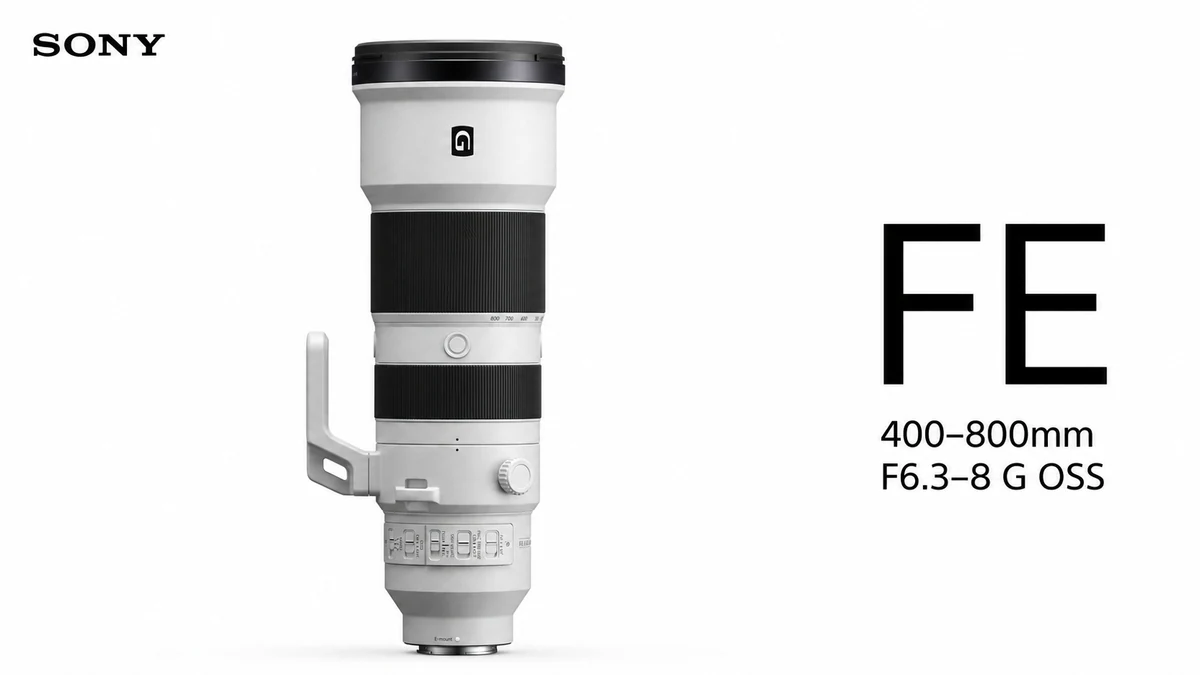
View the lens:Sony FE 400–800mm F6.3–8 G OSS
Its internal zoom maintains the same overall length. Weight is 2,475g, around 360g more than the 200–600mm. Minimum focus distance ranges from 1.7m at 400mm to 3.5m at 800mm, and maximum magnification is 0.23x. This can help with small animals that keep a safe distance.
At 800mm, the maximum aperture is f/8. That is manageable in bright daylight or with a relatively still subject. A bird flying under heavy cloud can force the ISO upwards if you want to maintain a fast shutter speed. The A7R VI records plenty of detail, but it also makes camera shake and subject blur easy to see.
The lens accepts both Sony teleconverters, although adding one should not be automatic. A 1.4x converter can extend the range to 1,120mm and loses one stop of light. A 2x converter reaches 1,600mm and loses two stops. At those focal lengths, light, support and the stability of the air often matter more than the headline number.
For wildlife in lower light
Sony FE 300mm F2.8 GM OSS: fast, bright and surprisingly mobile
The 300mm f/2.8 is made for fast animals and difficult light. Its f/2.8 aperture admits four times as much light as f/5.6. That helps you keep a high shutter speed without raising ISO as far. The benefit is easy to understand with a running mammal, a bird of prey or a subject moving beneath trees.
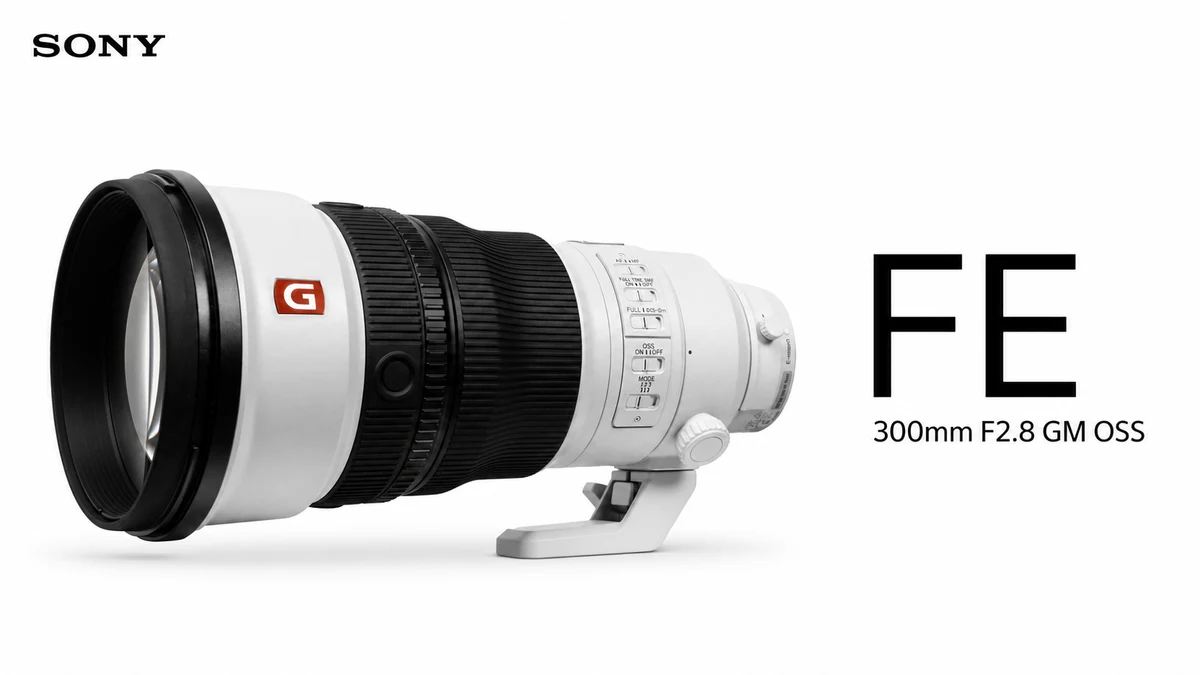
View the lens:Sony FE 300mm F2.8 GM OSS
At approximately 1,470g without its tripod collar, it is unusually manageable for a professional f/2.8 prime. Combined with the A7R VI, it can be followed handheld for short periods. OSS helps settle the view, while a monopod becomes more comfortable during a long session.
A fixed focal length changes the way you work because you cannot widen the frame as the subject approaches. APS-C crop mode gives the field of view of a 450mm lens while retaining about 28MP. A 1.4x converter creates a 420mm f/4 combination, while the 2x produces 600mm f/5.6. Both offer more reach at the cost of light.
This is not the first lens for a beginner who has not yet discovered their usual working distances. It makes sense when experience has shown that light and shutter speed matter more to you than zoom flexibility.
Sony FE 70–200mm F2.8 GM OSS II: for nearby animals and their surroundings
A wildlife lens does not always need to reach 600mm. A 70–200mm works well for large mammals, animals under human care, zoos, close safari encounters and pictures where the landscape is part of the story. It also makes a nearby moving subject much easier to find.
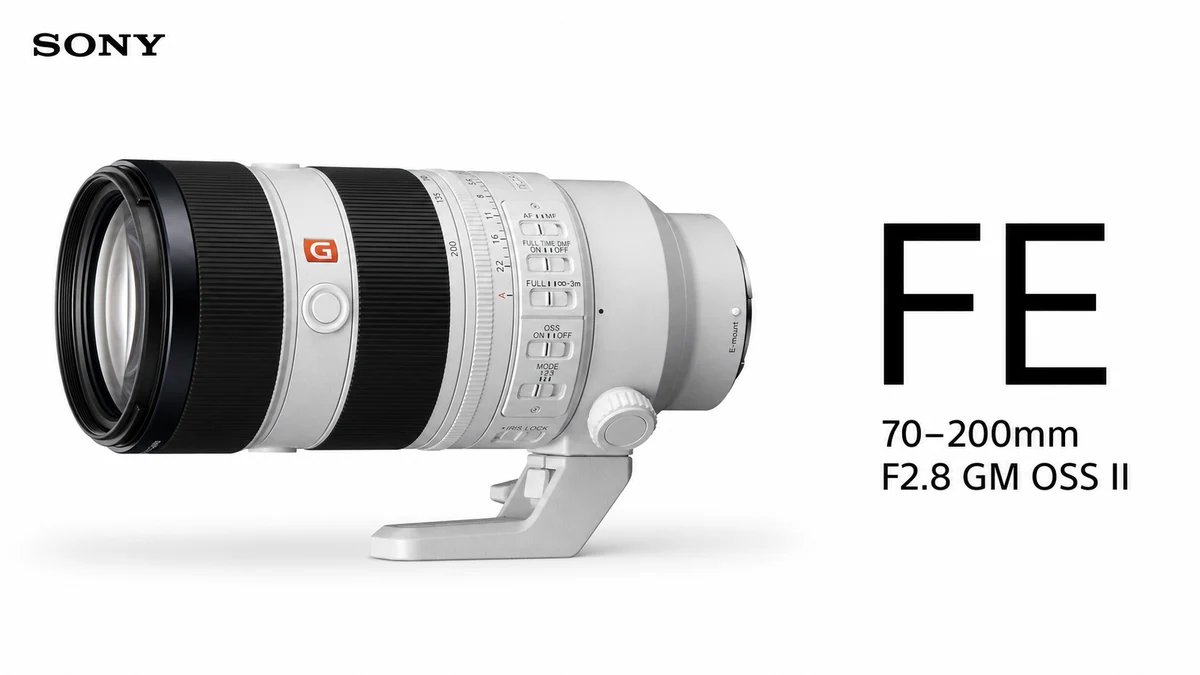
View the lens:Sony FE 70–200mm F2.8 GM OSS II
Available as a kit:Sony A7R VI + FE 70–200mm F2.8 GM OSS II
It weighs approximately 1,045g without its tripod collar. That difference is noticeable during a walk or a long tracking sequence. The constant f/2.8 aperture helps in woodland and can soften the background when there is enough distance behind the subject. Minimum focus distance ranges from 0.4 to 0.82m, with 0.3x maximum magnification for close details.
The limitation is reach. Two hundred millimetres is often too short for wild birds and animals that keep their distance. Cropping gives the A7R VI some flexibility, but it does not turn every 200mm image into a super-telephoto result. Choose this lens for larger or closer subjects, or as a second option alongside a 400–800mm or long prime.
Professional primes for specific needs
Sony FE 400mm F2.8 GM OSS: action when the light is fading
The 400mm f/2.8 brings more reach than the 300mm while keeping the same wide aperture. It is intended for photographers who regularly work at dawn, at dusk, in woodland or with very fast wildlife. From the same position, its tighter angle fills more of the frame than a 300mm.
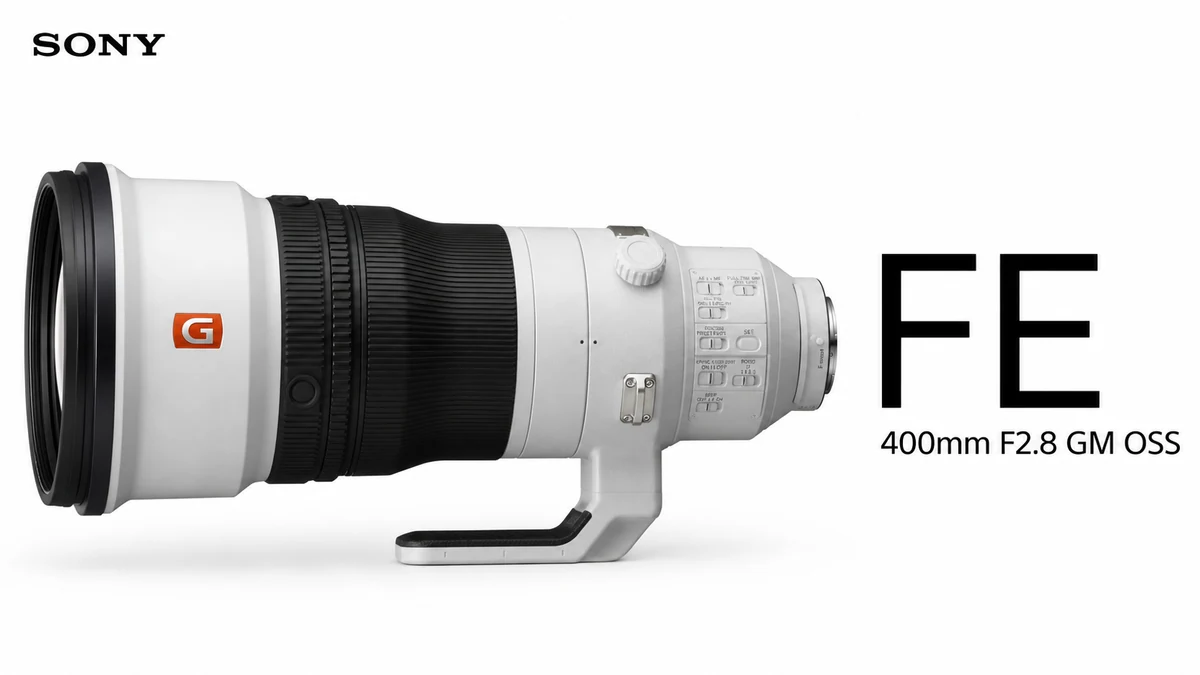
View the lens:Sony FE 400mm F2.8 GM OSS
Weight is 2,895g and minimum focus distance is 2.7m. A monopod quickly becomes useful for taking the load and preserving a smooth panning movement. The lens supports both teleconverters, giving 560mm f/4 with the 1.4x or 800mm f/5.6 with the 2x.
That flexibility is still not the same as a zoom. An animal running towards you can become too large in the frame within seconds. The 400mm f/2.8 is a specialist tool for someone who knows the location, can plan a position and has a real need for f/2.8.
Sony FE 600mm F4 GM OSS: distance in the first and last light
The 600mm f/4 is for photographers who repeatedly face small, distant subjects in weak light. It reaches the same 600mm as the long end of the 200–600mm, but its f/4 aperture admits roughly two and a half times as much light as f/6.3. That can preserve a faster shutter speed when wildlife becomes active before sunrise.
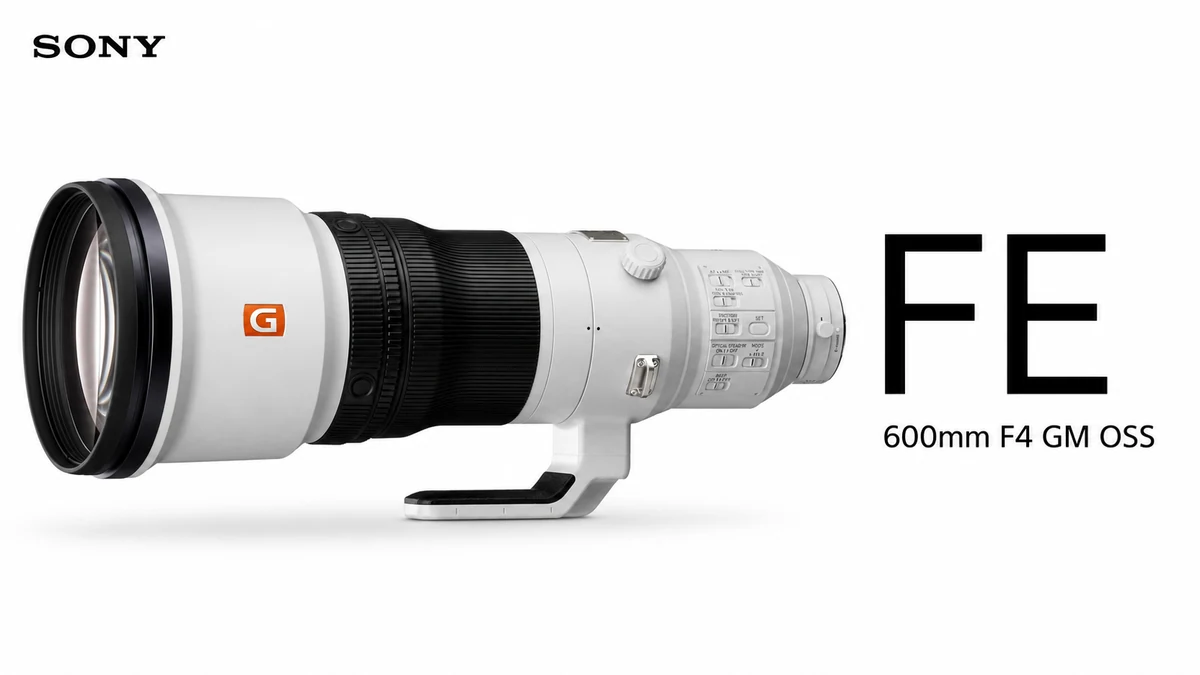
View the lens:Sony FE 600mm F4 GM OSS
The lens weighs 3,040g and is nearly 45cm long. Minimum focus distance is 4.5m. Brief handheld use is possible, but a monopod or gimbal head gives a much more consistent experience. Fixed framing also asks you to anticipate where the animal is likely to appear.
A 1.4x converter produces an 840mm f/5.6 combination, while the 2x reaches 1,200mm f/8. Those options can help with very distant birds, but the air between you and the subject may become the limiting factor. Heat, humidity and mist are not corrected by adding focal length.
Should you use a teleconverter?
A teleconverter fits between a compatible lens and the camera. A 1.4x converter increases focal length by 40% and loses one stop of light: a 300mm f/2.8 becomes a 420mm f/4. A 2x converter doubles focal length and loses two stops, turning the same 300mm into a 600mm f/5.6.
It is useful when you already own a bright lens or cannot carry a second large telephoto. It is not free reach. Less light reaches the sensor, the field of view narrows and small vibrations become easier to see. A modest crop from a perfectly sharp image can sometimes look better than a teleconverter photograph made through unstable air.
All seven lenses in this guide support Sony’s 1.4x and 2x teleconverters. Check the firmware of both camera and lens before an important trip. Sony updates can improve stabilisation, autofocus behaviour and support for high-speed continuous shooting.
Simple settings that help prevent blur
Stabilisation corrects some of your movement, not the animal’s. With a still subject, careful support may let you use a relatively slow shutter speed. For a walking mammal, around 1/800sec is a useful starting point. For a bird in flight, 1/1600 to 1/2500sec is often safer. These are not fixed rules; adapt them to the subject, focal length and available light.
Use continuous AF-C and select the animal or bird recognition mode that matches the subject. Leave a little room in front of a moving animal so it does not appear to be leaving the frame. When light changes quickly, Auto ISO can maintain your chosen shutter speed, provided you set an upper limit that suits the image quality you need.
Practise before the decisive moment. A three-kilogram prime does not follow like a 70–200mm. Adjust the tripod collar, learn to find a bird in the viewfinder and check that the custom buttons are within reach. Technique becomes easier when you no longer need to search for each control.
Verdict: which wildlife lens should you choose for the Sony A7R VI?
For most photographers, choose the Sony FE 200–600mm F5.6–6.3 G OSS. It covers the focal lengths most often needed for birds and distant wildlife, while still allowing you to widen the frame quickly. Its main limitation is low light: f/6.3 at 600mm may require higher ISO under cloud or in woodland.
Choose the 100–400mm F4.5 GM OSS when distance changes often, when you photograph larger animals or when you need to keep f/4.5 throughout the zoom range. Pick the 400–800mm F6.3–8 G OSS when reach matters most and you usually work in reasonable light.
The 300mm F2.8 GM OSS is the most mobile professional prime in this selection. The 70–200mm F2.8 GM OSS II suits nearby animals and pictures that include more of the environment. The 400mm F2.8 and 600mm F4 solve specific problems of light and distance; they are not compulsory steps in becoming a better wildlife photographer.
Before buying, check four things: the usual size of your subjects, your working distance, the light you expect and the weight you are genuinely willing to carry. You can then compare the options in the Sony lens category. The best wildlife lens is not always the one that reaches the furthest. It is the one that lets you stay ready when the animal appears.
Frequently asked questions about Sony A7R VI wildlife lenses
What is the best wildlife lens for the Sony A7R VI?
The Sony FE 200–600mm F5.6–6.3 G OSS is the most versatile choice for most photographers. It reaches far enough for birds, yet lets you zoom back to 200mm when a larger animal approaches. The 100–400mm F4.5 GM OSS is better for rapidly changing distances, while the 400–800mm favours very distant subjects.
Is the Sony 200–600mm suitable for birds in flight?
Yes. Its internal zoom keeps the length and balance quite consistent while you follow a bird. Starting around 300 or 400mm can make the subject easier to find in the viewfinder, then you can zoom in as it moves away. Stabilisation helps with framing, but you still need a fast shutter speed to freeze the wings.
Should I choose the 200–600mm or the 400–800mm?
Choose the 200–600mm for a more flexible mix of birds, mammals and changing distances. The 400–800mm makes more sense when animals remain far away and the light is reasonably strong. At 800mm its maximum f/8 aperture will often require a higher ISO.
Is a 100–400mm long enough for wildlife photography?
It works well for large animals, safari, zoos and subjects that may come close. Four hundred millimetres can still be short for a small bird in the distance. The A7R VI allows a sensible crop, but high resolution does not always replace the 600 or 800mm reach of a longer zoom.
What does APS-C crop mode do for wildlife on the Sony A7R VI?
APS-C mode uses the central part of the sensor and retains about 28 megapixels. It gives the field of view of a focal length multiplied by 1.5, so a 600mm lens frames like a 900mm lens on full frame. It can simplify composition, but it does not create extra detail or correct subject blur.
Is a 1.4x teleconverter better than cropping?
It depends on light and distance. A 1.4x teleconverter really increases focal length, but it costs one stop of light. In good conditions with a compatible lens it can help. When the air is unstable or light is poor, a sharp photograph with a modest crop may look better.
Can stabilisation let me photograph wildlife at a slow shutter speed?
Stabilisation mainly reduces the photographer’s movement. It helps with a still animal, but it cannot freeze a flying bird or running mammal. For fast subjects, shutter speed remains the priority even when both the lens OSS and in-body stabilisation are active.
Which lens should I choose for wildlife at dawn?
An f/2.8 or f/4 aperture makes it easier to preserve a fast shutter speed when light is weak. The 300mm F2.8 GM OSS is the most mobile bright telephoto in this selection. The 400mm F2.8 and 600mm F4 provide more reach, but need more support and a more specialised way of working.
Sources and editorial verification
Sources reviewed and checks completed before publication.
Documentary MCZ DIRECT guide checked on 6 August 2026 against official Sony specifications and the public MCZDIRECT catalogue. MCZDIRECT does not claim independent hands-on or laboratory comparison of every lens. Recommendations connect published characteristics with distance, light, kit weight and stated limits. Availability may change after this check.
- Sony official specifications — Sony Alpha 7R VI
- Sony official support — lenses compatible with high-speed continuous shooting and AF-C tracking
- Sony official specifications — FE 200–600mm F5.6–6.3 G OSS
- Sony official specifications — FE 100–400mm F4.5 GM OSS
- Sony official specifications — FE 400–800mm F6.3–8 G OSS
- Sony official specifications — FE 300mm F2.8 GM OSS
- Sony official specifications — FE 70–200mm F2.8 GM OSS II
- Sony official specifications — FE 400mm F2.8 GM OSS
- Sony official specifications — FE 600mm F4 GM OSS
Leave a comment